
Combining a Hair Transplant with Other Hair Loss Treatments
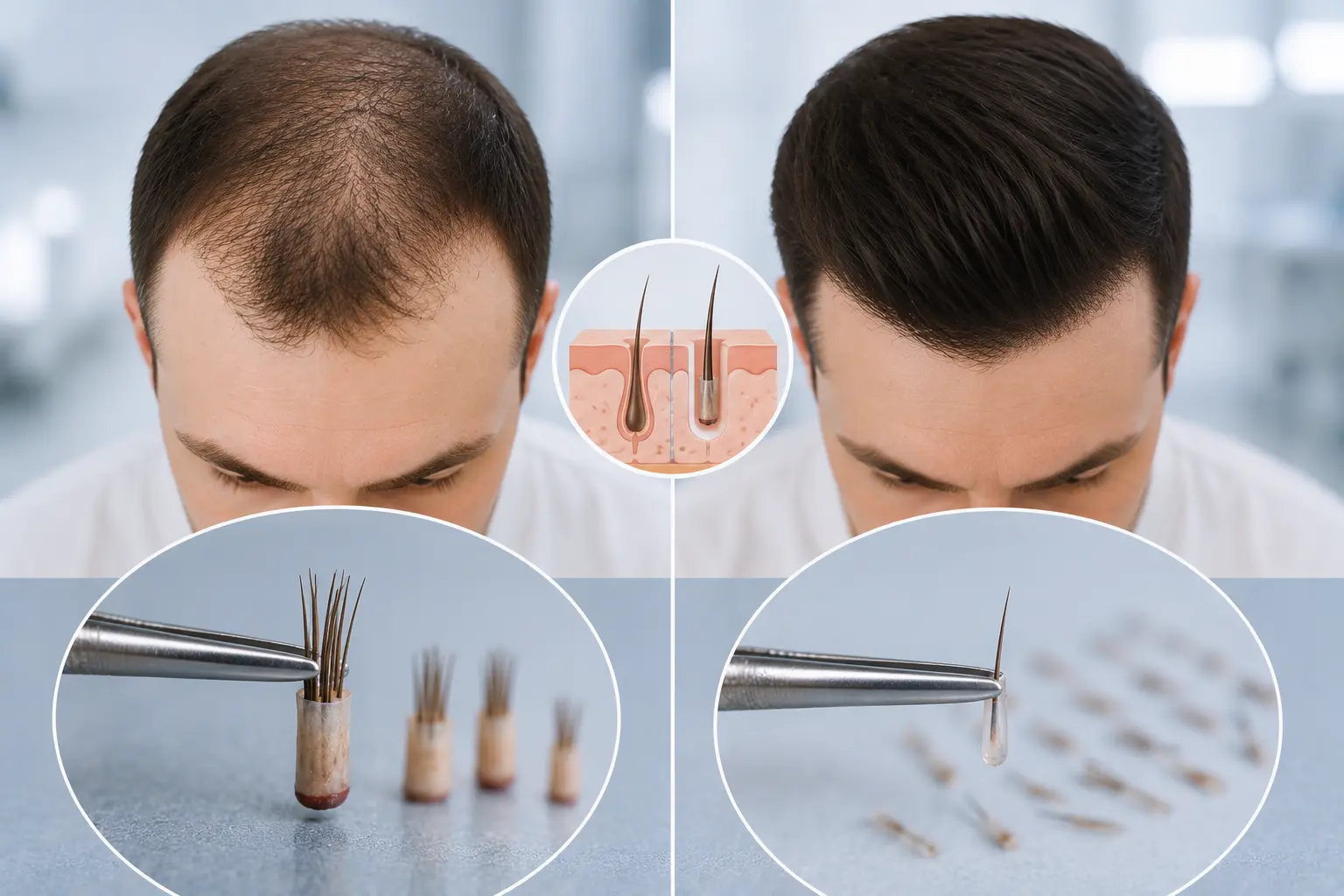
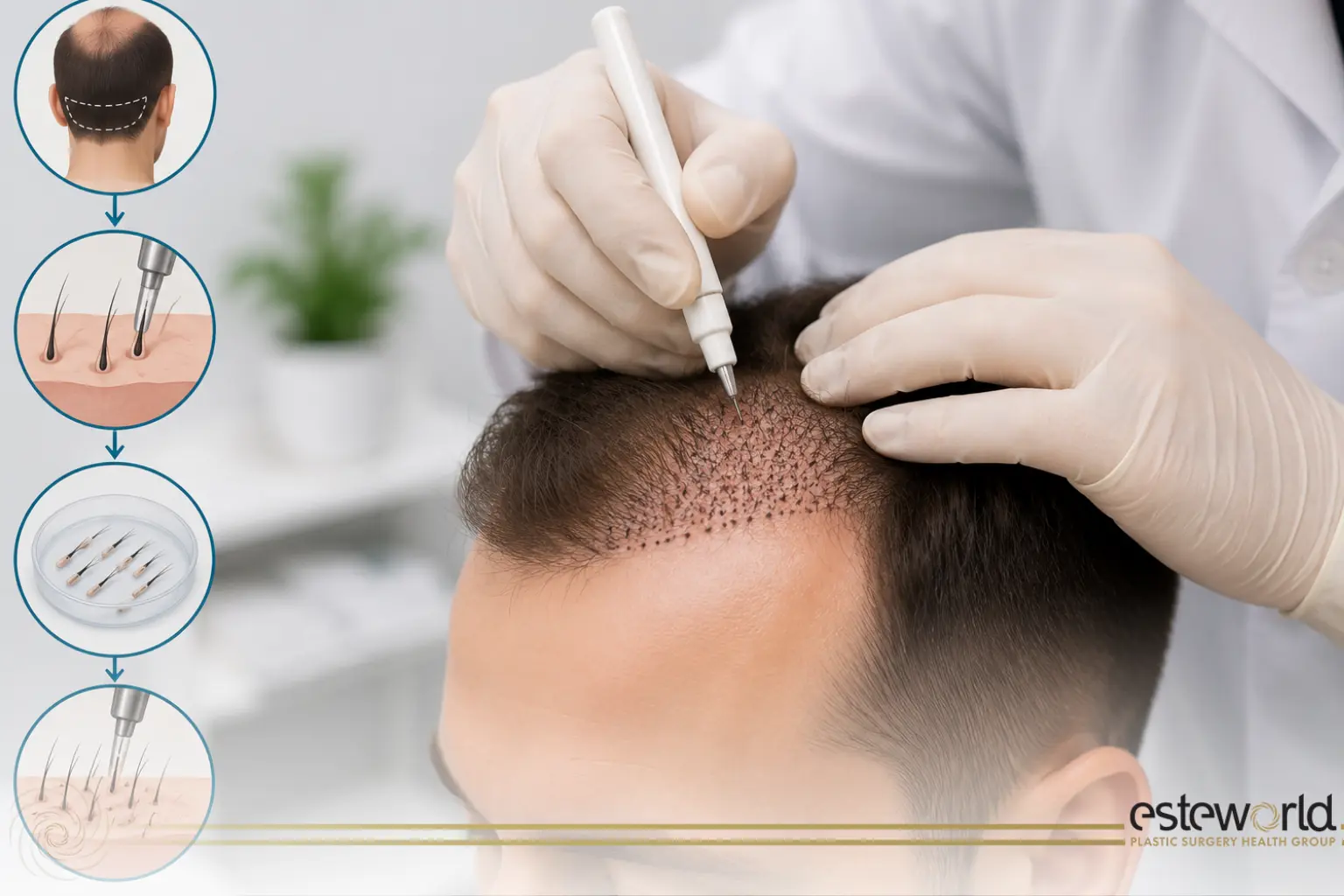
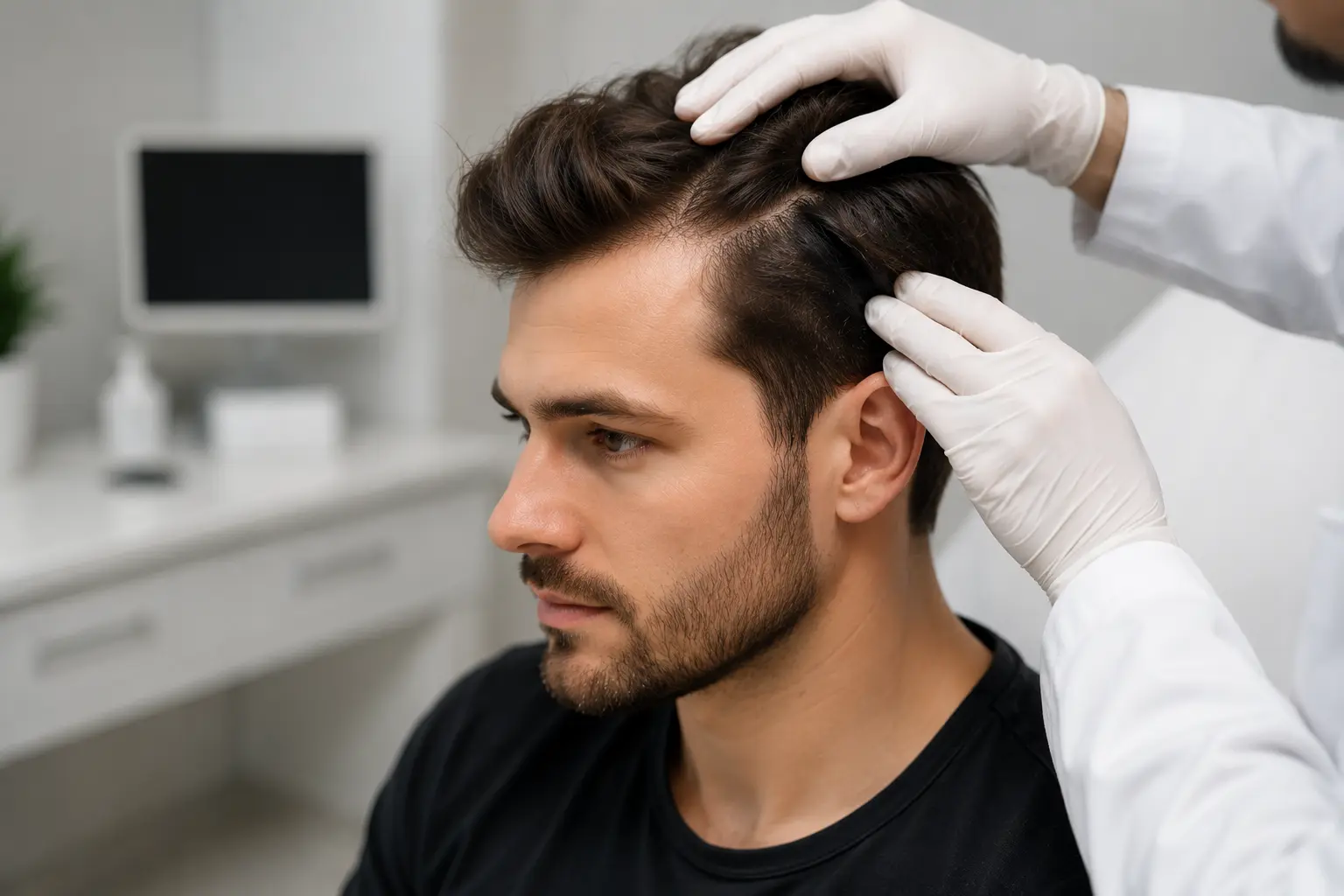
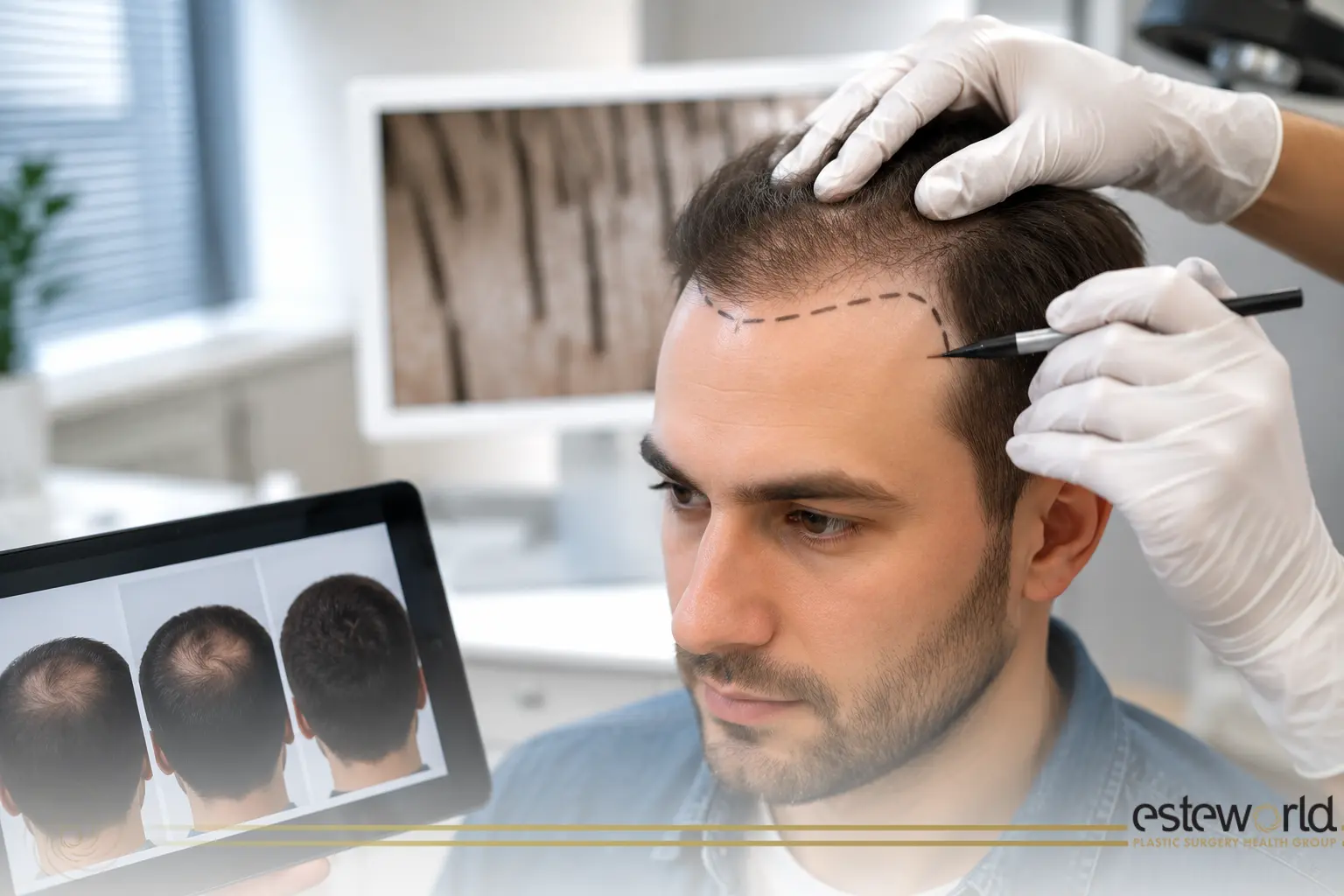
Short answer: Yes, a hair transplant is often combined with non-surgical treatments. The reason is simple: surgery moves hair from the back of the scalp to thinning areas, but it does not stop your own remaining hair from thinning. Medication such as minoxidil or finasteride, and treatments such as PRP, aim to protect that hair. Which combination makes sense depends on your type of hair loss, your age, your health and your goals, so the plan should be made with a doctor.
Why Combine Treatments?
The International Society of Hair Restoration Surgery (ISHRS) puts it clearly: hair restoration surgery does not stop a patient’s own hair from remaining susceptible to the causes of hair loss. Transplanted hair, taken from the more resistant back and sides of the scalp, usually keeps growing. The hair around it may continue to thin.
The NHS makes the same point: your hair might continue to thin around the transplant. This is why the ISHRS says non-surgical treatments should be considered first or alongside surgery, to help stabilise hair loss. Otherwise, even a good result may need another procedure later to keep looking natural, and donor hair for future procedures is limited.
A 2026 review in Frontiers in Medicine adds that a transplant alone does not change the underlying process of hair loss, and reviews the supportive treatments used before and after surgery.
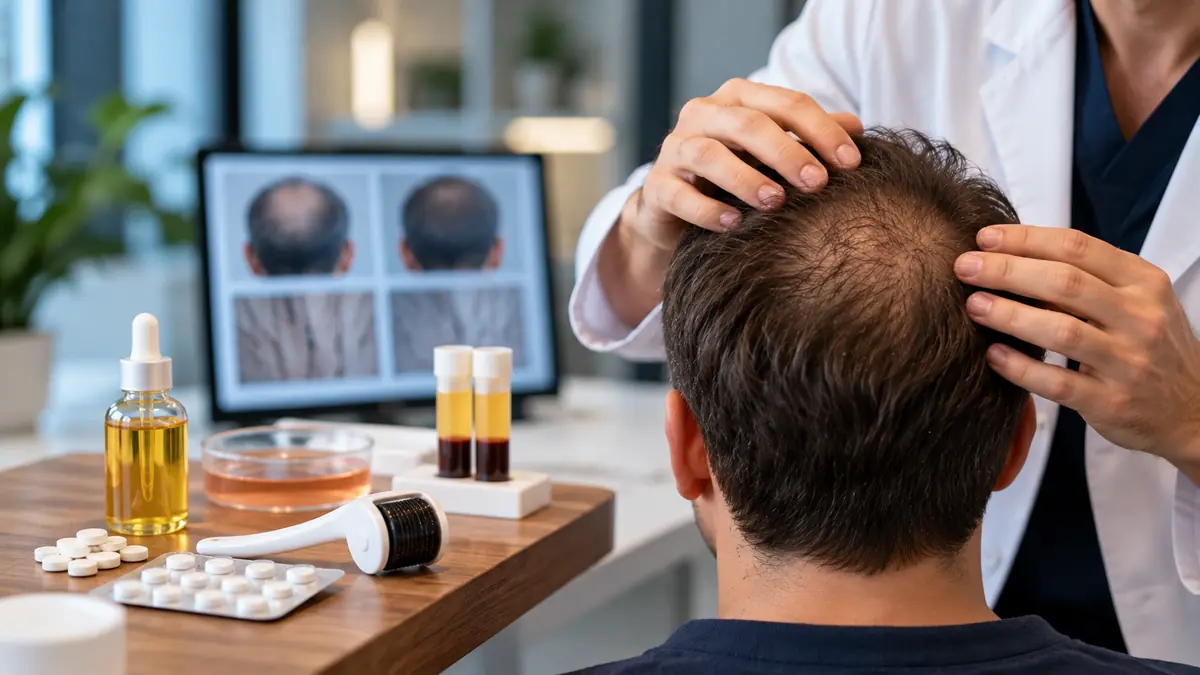
Start with the Right Diagnosis
Not all hair loss is the same, and the treatment plan depends on the cause. Common types include:
- Pattern hair loss (androgenetic alopecia), which usually runs in the family. Read what androgenetic alopecia is.
- Temporary shedding after illness, stress, weight loss or iron deficiency, known as telogen effluvium.
- Patchy hair loss caused by the immune system, called alopecia areata.
- Hair loss in women, which often has different causes and treatment options. See what causes female hair loss.
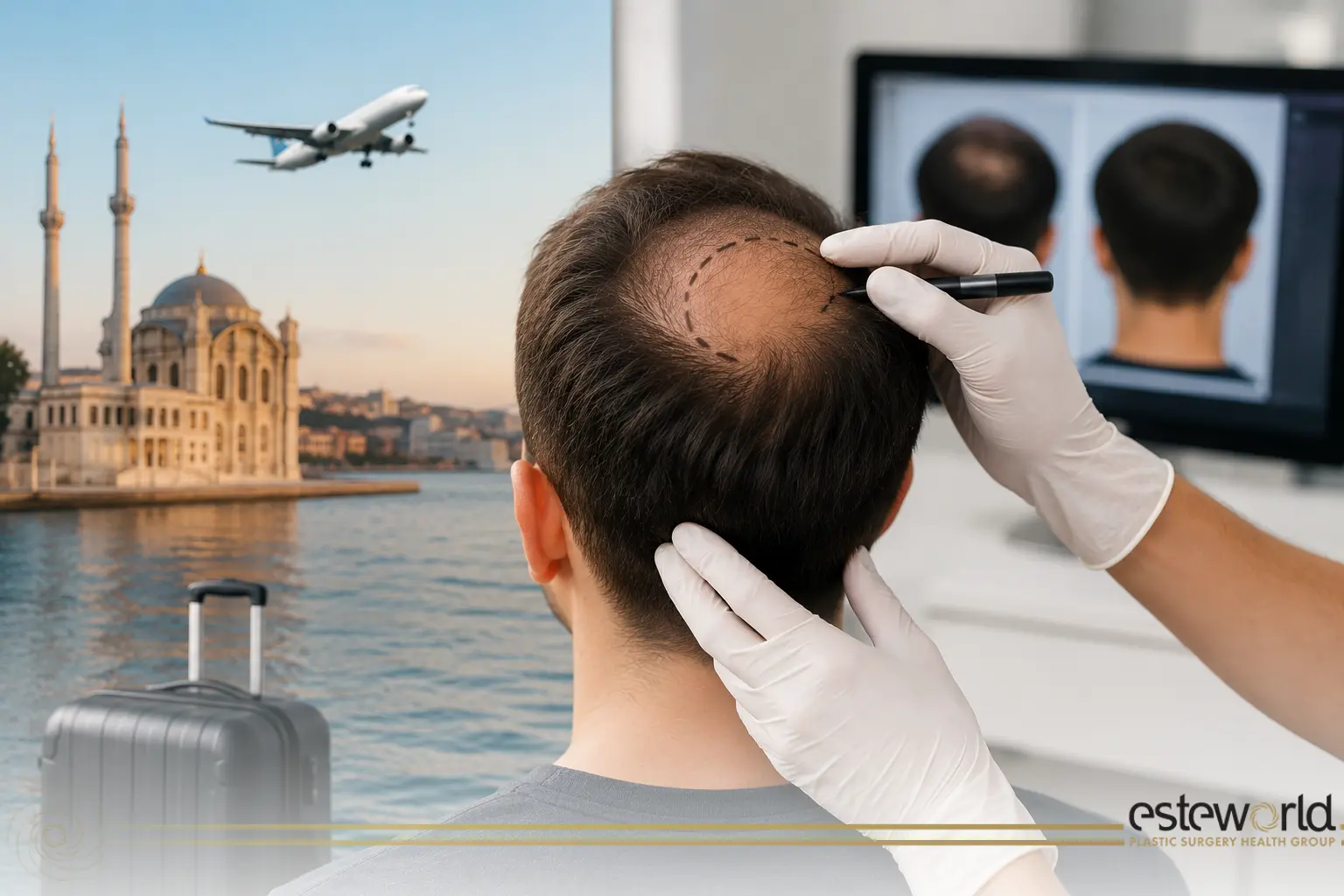
Temporary or immune-related hair loss is usually treated medically first, rather than with surgery. This is why a consultation, and sometimes blood tests, comes before any transplant plan.
Treatments Commonly Combined with a Hair Transplant
Minoxidil
Minoxidil is applied to the scalp and is widely available without a prescription. The AAD notes that it tends to be more effective when used with another hair loss treatment. According to MedlinePlus, it takes at least four months and possibly up to a year to see an effect, and most new hair is lost within a few months of stopping. Side effects include scalp itching, dryness, flaking and irritation.
MedlinePlus also advises against applying minoxidil to an irritated or sunburned scalp. After a transplant, your surgeon will tell you when it is safe to restart it on the treated areas. Read more in what is minoxidil.
Finasteride
Finasteride is a prescription tablet that blocks the production of a male hormone in the scalp. It is used to treat male pattern hair loss. MedlinePlus notes that it may take at least three months to see improvement and that hair regained during treatment is likely to be lost within a year of stopping. Possible side effects include sexual problems, and patients should contact their doctor straight away about new or worsening depression or thoughts of self-harm.
The NHS states that women should not use finasteride, and MedlinePlus warns that women who are or may become pregnant should not handle broken or crushed tablets. Finasteride should only be started after a doctor has discussed the benefits and risks with you. Our guide to minoxidil or finasteride compares the two.
PRP (platelet-rich plasma)
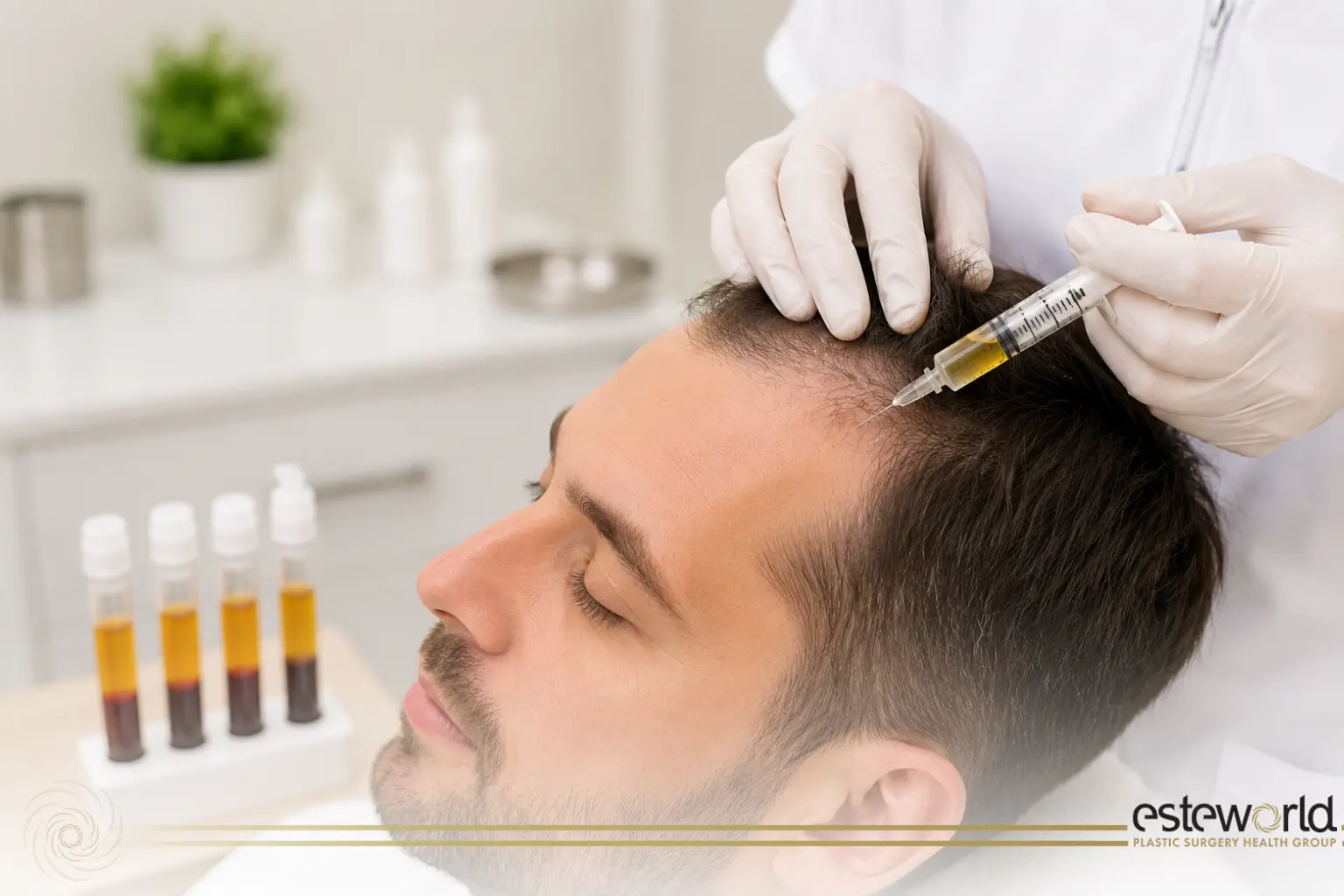
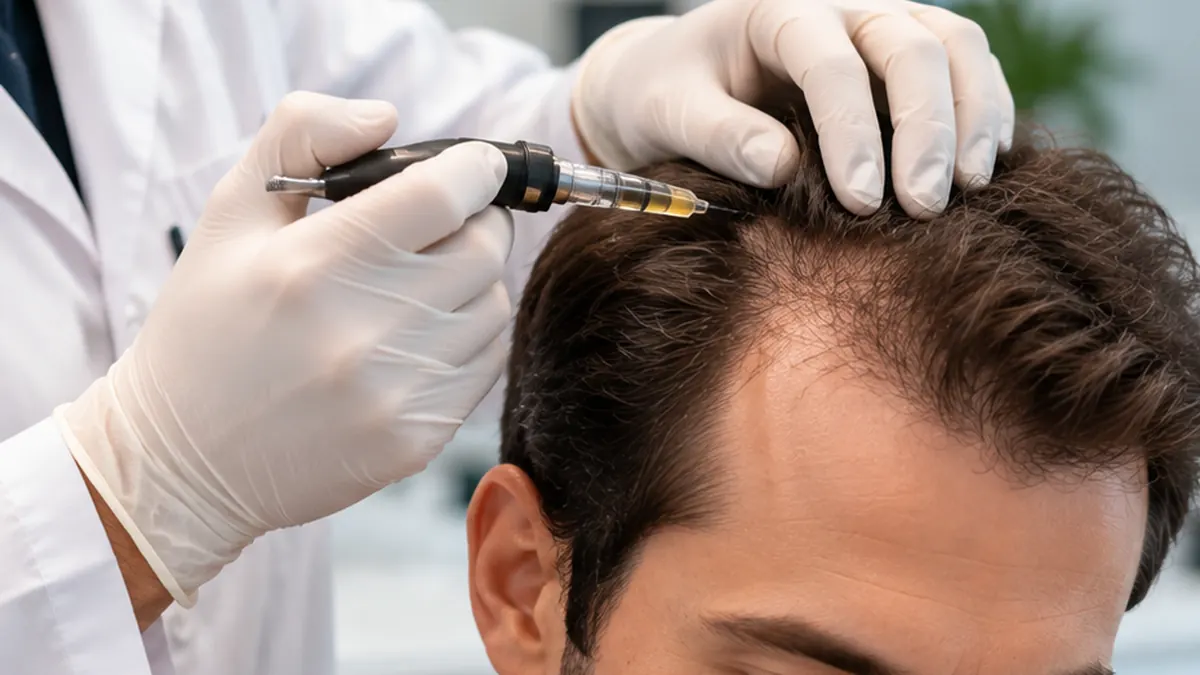
PRP uses a small amount of your own blood, which is processed and injected into the scalp. The AAD says most patients return once a month for three months and then every three to six months, and that the procedure usually needs no downtime.
Evidence around surgery is growing but still limited. A 2025 systematic review found only three studies (217 participants) on PRP as an add-on to hair transplantation. They suggested better hair density, follicle survival and earlier growth, but the methods differed widely and the authors called for further high-quality trials. A 2026 review described PRP as the most evidence-supported add-on treatment in hair transplantation, while noting that there is no standard protocol for timing. See our article on the role of PRP in hair transplantation and our PRP hair treatment guide.
Low-level laser therapy
According to the AAD, studies indicate that laser therapy is safe and painless but requires many treatment sessions, and a few studies suggest it may help healing and hair growth after a transplant. The 2026 review describes the evidence specific to transplantation as limited. You can read about our hair laser treatment.
Growth factor treatment, ACell + PRP and exosomes
Some clinics also offer injections that combine PRP or growth factor serums with other materials. Patients should know where the evidence stands:
- Growth factor serums are given with fine needles over several sessions. Published evidence for these products is limited and varies by product. ACell + PRP combines PRP with ACell, a matrix material used in wound care. Published studies in hair loss are few, and results should not be expected from a single session.
- Exosomes are being researched as an add-on to hair transplantation, but the 2026 review notes that they still lack robust clinical evidence. The US FDA states that there are currently no FDA-approved exosome products.
Ask your doctor which product is used, what results are realistic for you and how many sessions are planned.
When Is Each Treatment Started?
There is no single schedule. In general:
- Before surgery: medication may be started weeks or months in advance to stabilise hair loss. Some patients are advised to stop or pause certain products before the procedure.
- During and shortly after surgery: PRP is sometimes used on the day of the procedure or in the weeks after.
- Long term: minoxidil and finasteride only work for as long as they are used, so they are usually continued after the transplant to protect existing hair.
Your surgeon will plan the order and timing around your healing. For more on medication around surgery, see the role of drugs in hair transplant success.
If you are not yet sure whether you need surgery at all, our article on non-surgical alternatives to a hair transplant is a good starting point, and you can contact us for an assessment.
This article is for general information and does not replace a medical consultation. Medication should only be started on a doctor’s advice.