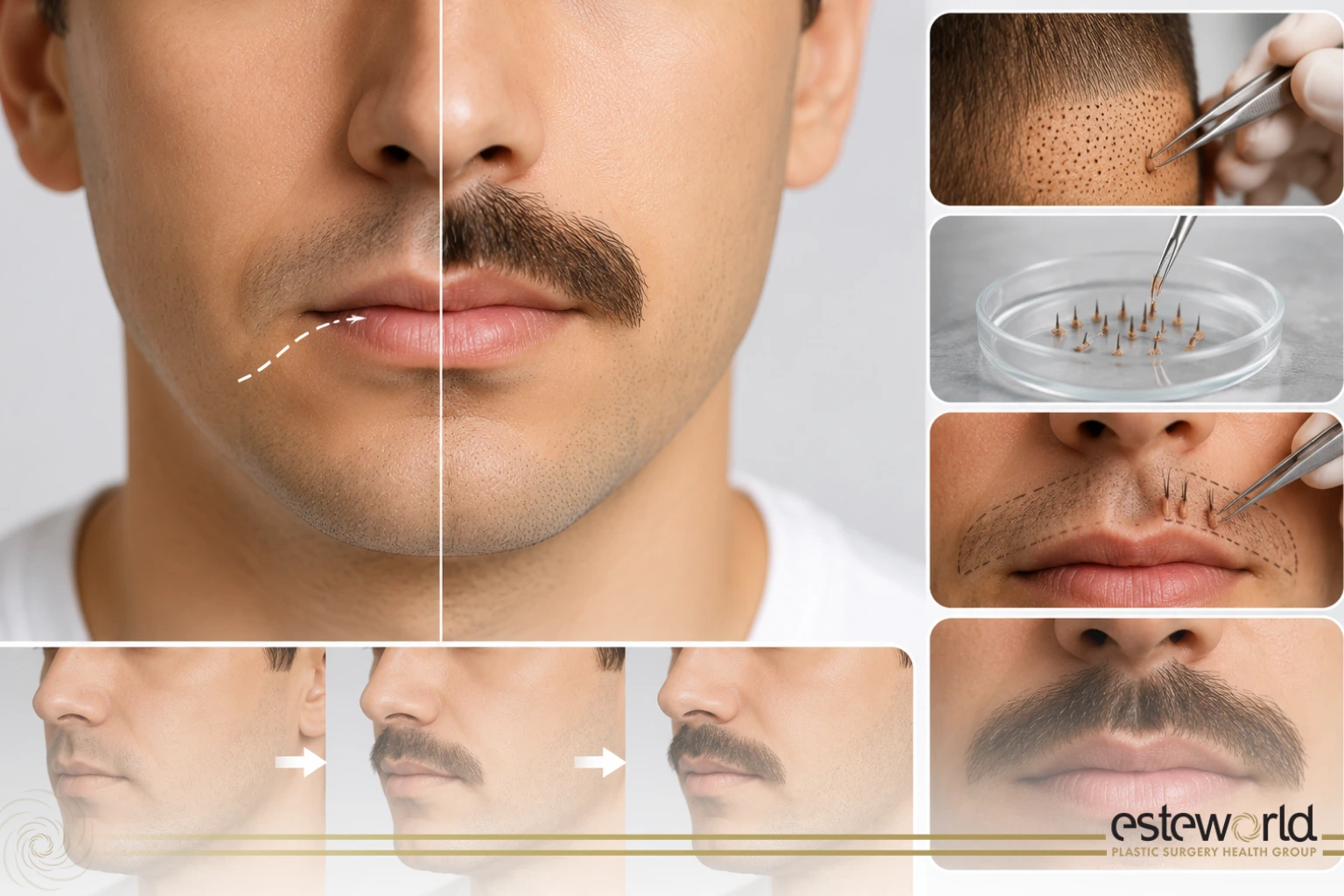

Non-surgical alternatives to hair transplant are treatments and cosmetic solutions that manage hair loss or improve coverage without surgically relocating hair follicles. They include medicines, low-level laser therapy, selected injectable treatments and hair replacement systems. Some aim to preserve or improve existing hair growth, while others conceal thinning. The appropriate option depends on the cause of hair loss, the condition of the follicles and the person’s goals.
Quick summary
- Medical treatments may slow certain types of hair loss and improve growth from existing follicles.
- Hair systems, fibres and scalp micropigmentation change appearance without producing new hair.
- Non-surgical does not always mean non-invasive: some options involve injections or needles.
- Treatment choice should follow a diagnosis, with realistic expectations about results, risks and maintenance.
Can You Have a Hair Transplant Without Surgery?
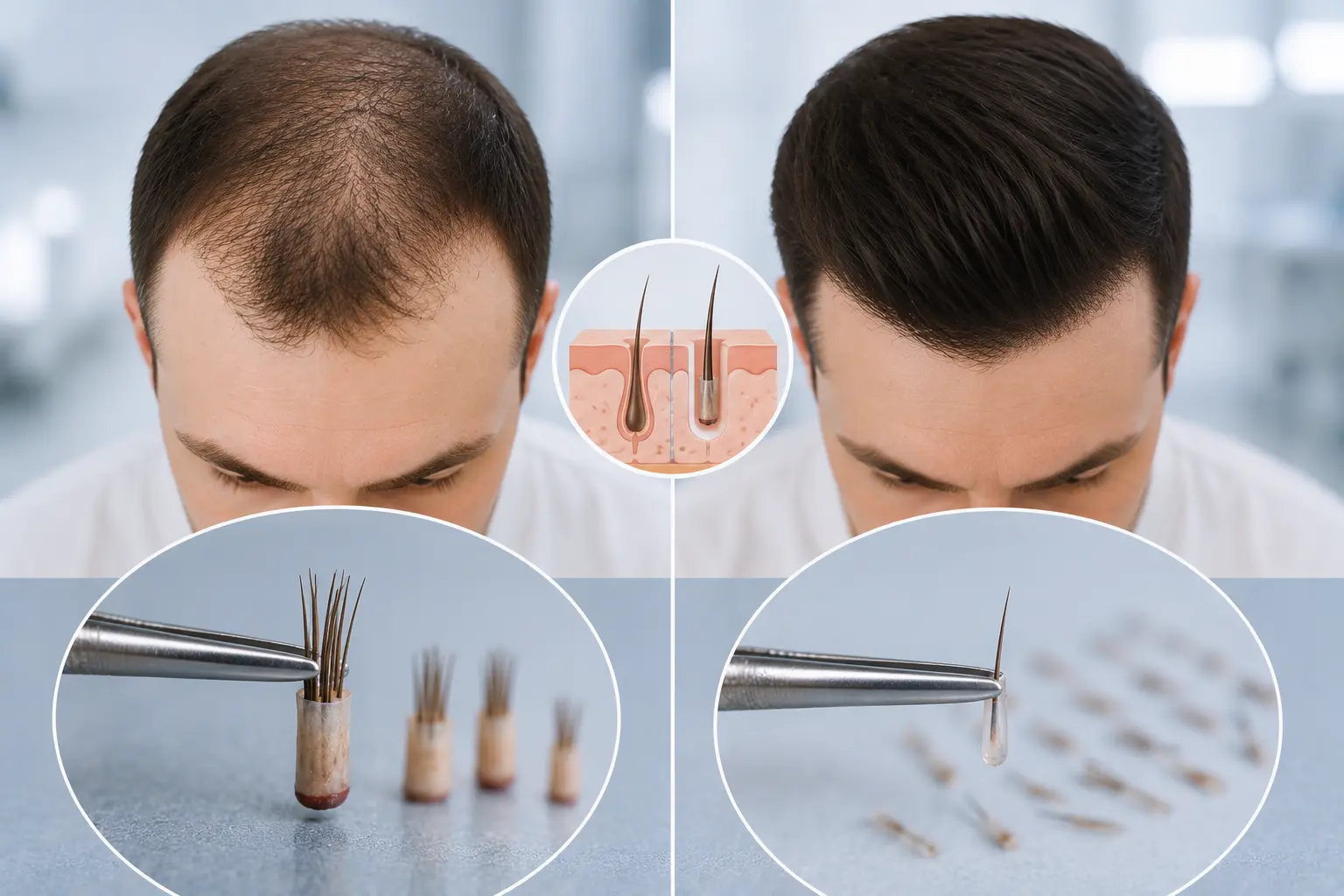
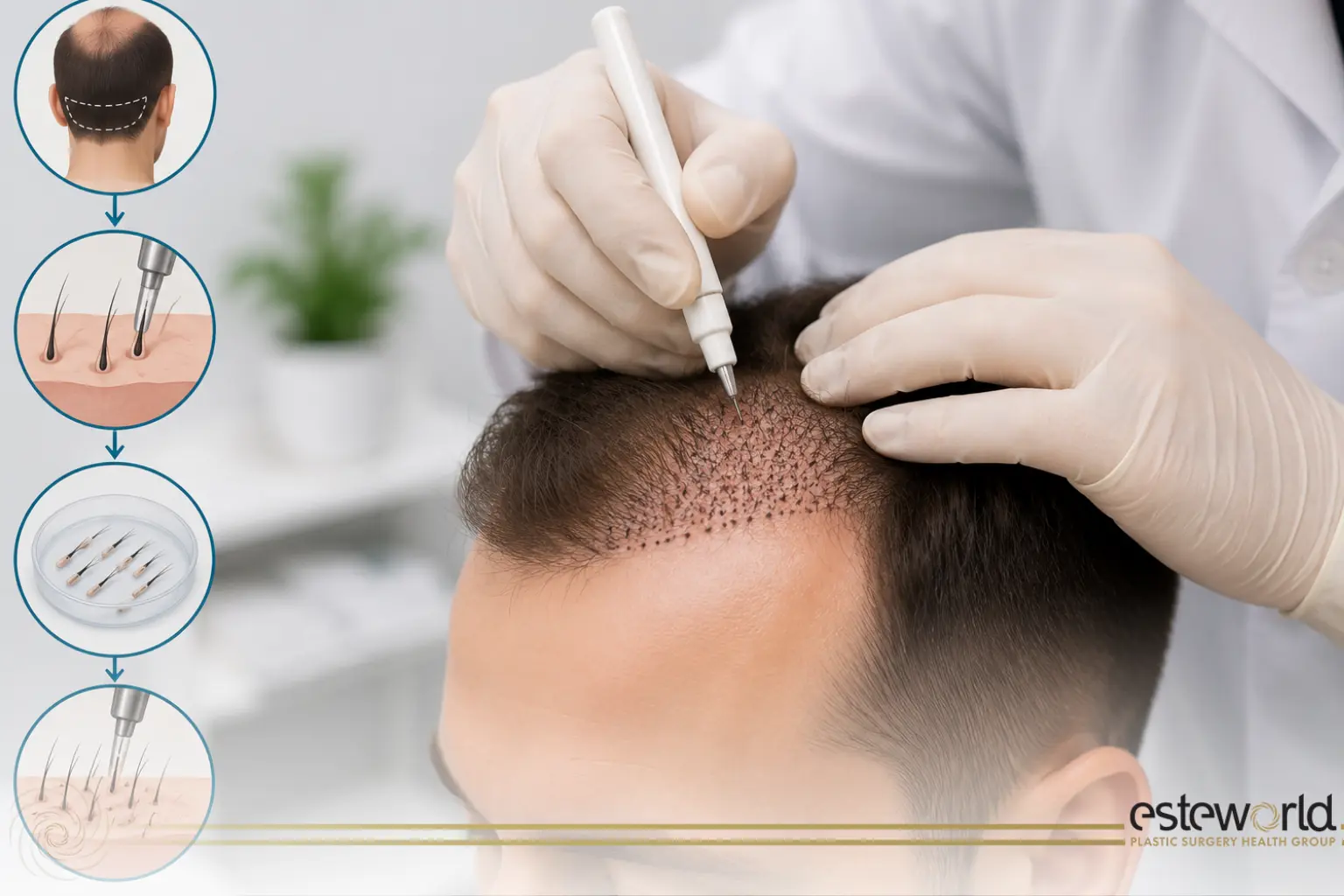
A true hair transplant cannot be performed without surgery. Transplantation involves harvesting and implanting hair follicles. Procedures such as FUE and DHI still involve surgical steps, even when they use small instruments or are described as minimally invasive.
The phrase “non-surgical hair transplant” is often used informally to describe hair loss treatments or hair replacement systems. These options can help selected people, but they do not perform the same function as transplantation.
Non-surgical hair restoration may aim to preserve thinning hair, improve its thickness or address an underlying cause of shedding. Non-surgical hair replacement usually refers to an externally fitted hairpiece, topper or wig.
Before comparing providers, ask what the advertised service actually involves. A topical medicine, scalp injection and removable hair system have different purposes, risks and ongoing costs.
What Are the Non-Surgical Alternatives to Hair Transplantation?
The main alternatives include established medical treatments, selected procedures and cosmetic options. Their usefulness depends on the diagnosis; there is no single treatment that works for every type of hair loss.
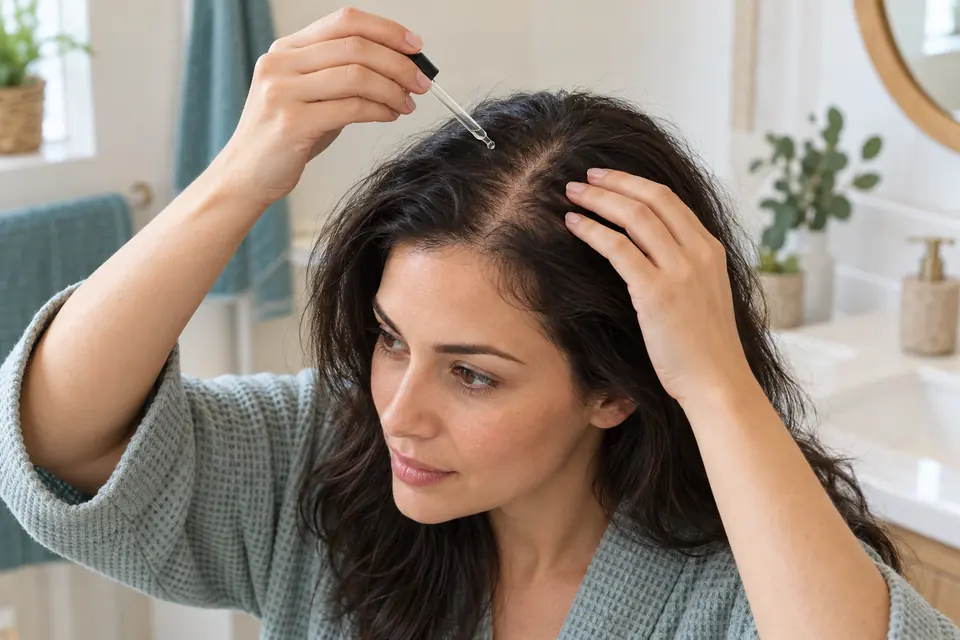
Topical minoxidil
Topical minoxidil is used for male and female pattern hair loss. It may help maintain existing hair and improve growth in responsive follicles, particularly before thinning becomes extensive.
It requires consistent use, and improvement develops gradually. It does not restore a complete head of hair in advanced baldness. Benefits usually diminish after treatment is discontinued.
Possible effects include scalp irritation, unwanted facial hair and temporary increased shedding when treatment begins. Product instructions differ, so the formulation and application schedule should be checked with a clinician or pharmacist. Esteworld’s minoxidil guide also describes the importance of continued use and possible adverse effects.
Minoxidil should be avoided during pregnancy, when planning pregnancy and while breastfeeding. Oral minoxidil is a separate prescription approach with different risks and should not be treated as interchangeable with a topical product.
Woman parting her hair while applying a topical scalp treatment with a dropper.
Finasteride and other prescription treatments
Finasteride is a prescription option for male pattern hair loss in suitable adult men. It reduces the formation of dihydrotestosterone, or DHT, which contributes to follicle miniaturisation in this condition.
Potential adverse effects include sexual dysfunction and mood changes, including depression. Some sexual side effects have been reported to persist after discontinuation. A prescribing clinician should review the patient’s history and discuss these risks before treatment.
Anyone taking finasteride for hair loss who develops depression or suicidal thoughts should stop treatment and contact their prescriber promptly. Finasteride must not be used during pregnancy.
Other prescription medicines may be considered for selected patients, including women, depending on the diagnosis. Some uses are off-label and require individual assessment and monitoring.
Low-level laser hair treatment
Low-level laser therapy, also called low-level light therapy, uses specific light-emitting devices to support hair growth in some people with pattern hair loss.
It may be delivered through a cap, comb or another suitable device. Results vary, and repeated use over months is generally needed. Evidence for one device should not be assumed to apply to every light-based product.
Laser hair treatment does not move follicles or reliably restore areas where follicles have been destroyed. It is also different from laser hair removal.
Platelet-rich plasma: PRP
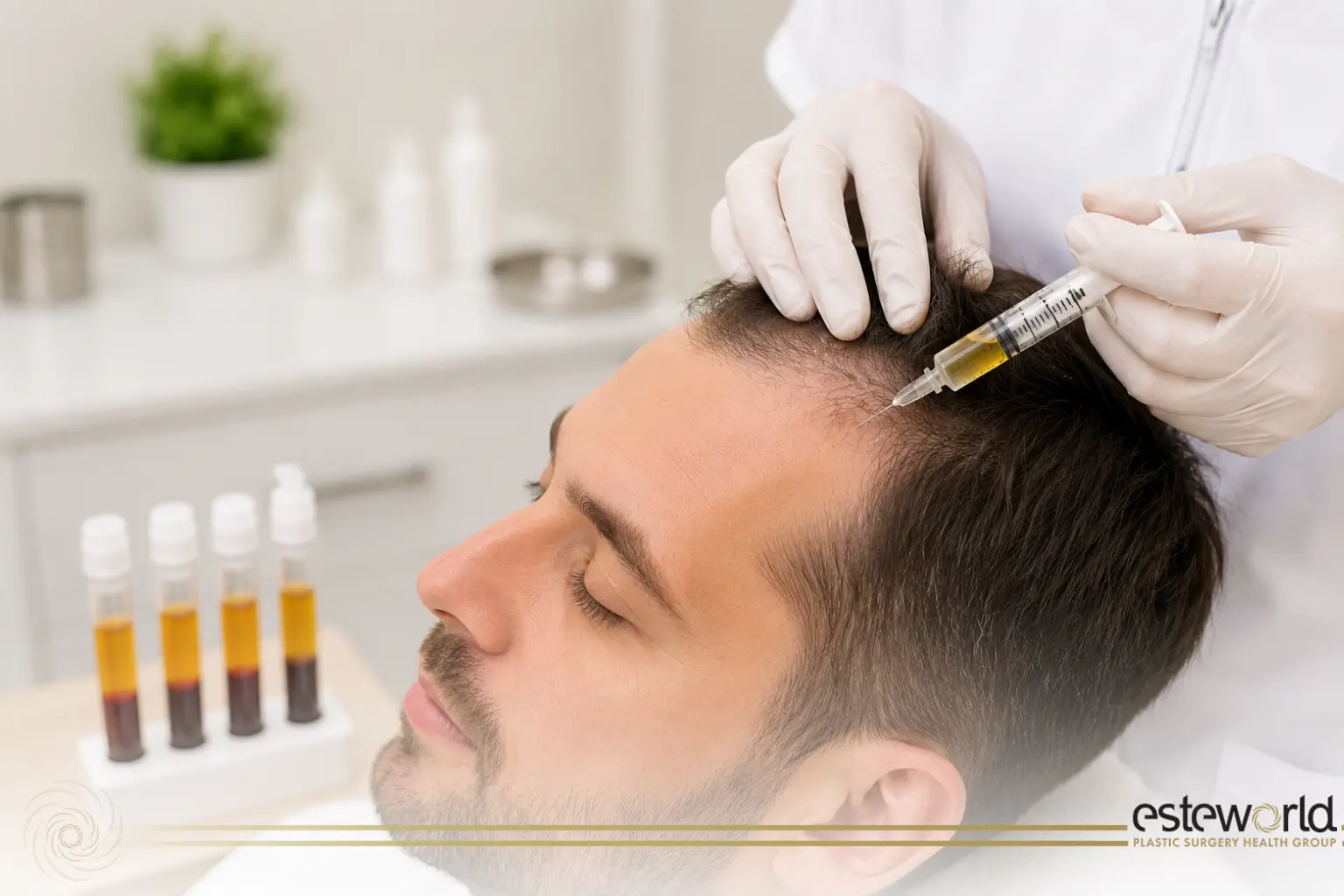
PRP involves taking a blood sample, separating platelet-rich plasma and injecting it into selected areas of the scalp.
It may improve hair density or thickness in some patients, particularly when suitable follicles remain. Results depend on patient selection and the treatment protocol; PRP should not be presented as a guaranteed replacement for transplantation.
Although it is non-surgical, it involves injections. Temporary tenderness, swelling or bruising can occur, and infection is a possible procedural risk.
Esteworld’s PRP hair treatment guide explains the procedure and the factors considered when planning treatment.
Hair mesotherapy
Mesotherapy is a method of delivering substances through small scalp injections. Depending on the protocol, these may include medicines or other ingredients.
It is not one standardised treatment. Evidence and risks depend on the substance, concentration and technique used. Findings from a study of one formulation cannot establish the effectiveness of a different mixture.
Ask exactly what would be injected, why it is appropriate for your diagnosis and what evidence supports that formulation. Possible problems include pain, inflammation, infection and reactions to the injected substance.
Microneedling
Microneedling creates small punctures in the scalp and may be considered alongside other treatments for selected cases of pattern hair loss.
It requires appropriate assessment and technique. Incorrect use may cause infection, irritation or scarring, and it can aggravate some scalp conditions. Combining needling with topical medicines also requires medical guidance.
It should not be assumed that an at-home device is suitable simply because it is available to buy.
Stem cell hair treatment and exosome-based approaches
“Stem cell hair treatment” covers different procedures and products that should not be treated as equivalent. Some involve tissue collection, so the label “non-surgical” may not accurately describe every stage.
Exosome products are different from living stem cells. Both areas are being investigated, but evidence, product quality and regulatory status vary.
These approaches should not be presented as established methods for replacing destroyed follicles or guaranteeing new follicle growth. Ask about the exact product, clinical evidence, safety information and authorisation applicable to the treatment being offered.
Non-Surgical Hair Replacement and Cosmetic Options
Cosmetic approaches can improve coverage even when medical regrowth is limited. They do not treat the underlying cause of hair loss.
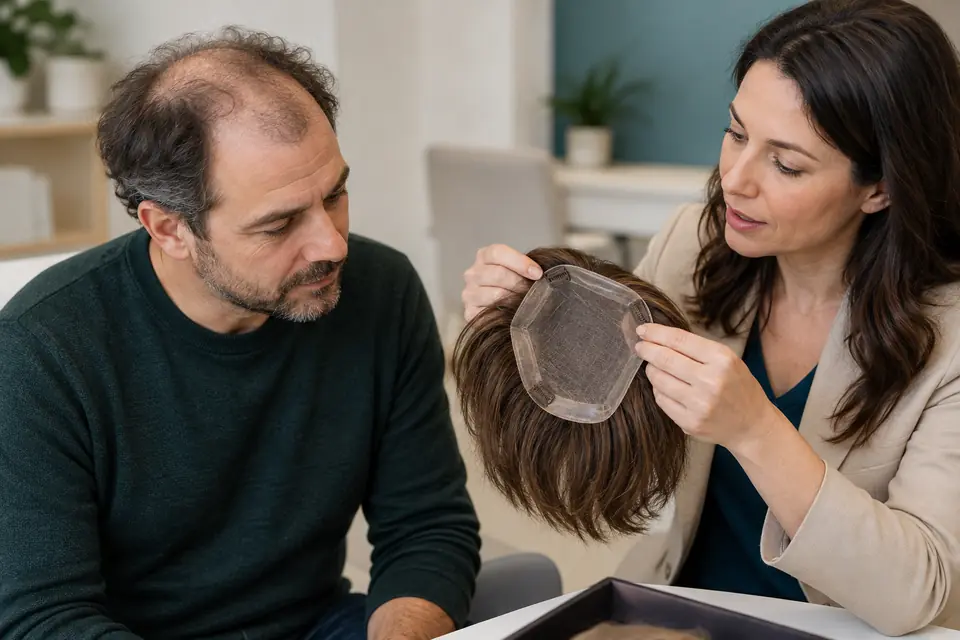
Hair systems, wigs and toppers
Non-surgical hair replacement uses an external hairpiece to cover thinning or bald areas. A suitable system can provide visible coverage once it has been fitted, without waiting for biological regrowth.
Selection depends on the area to be covered, attachment method, hairstyle, comfort and maintenance preferences.
Ask about cleaning, refitting, replacement intervals and the suitability of adhesives or clips for your scalp. Excessive tension and unsuitable attachment methods can irritate the skin or damage remaining hair.
Scalp micropigmentation
Scalp micropigmentation places pigment into the skin to reduce the contrast between hair and scalp or create the appearance of closely shaved hair.
It does not grow hair or provide physical hair length. Colour choice, hairline design, fading and future changes in hair loss should be discussed before treatment.
Because it involves needles and pigment, potential risks include infection, allergic reactions and an unsatisfactory colour or pattern.
Hair fibres and concealers
Hair fibres, powders and other concealers can temporarily reduce the visibility of thinning. Fibres generally work best when enough existing hair remains for them to attach to.
Their effect lasts while the product is present. They do not prevent progression or stimulate follicles, and they may be less suitable for completely bare areas.
Consultant showing the mesh base of a removable hair topper to a man with thinning hair.
Which Alternative to Hair Transplantation Is Right for Me?
The best alternative to hair transplant depends first on the cause of the problem.
Gradual pattern hair loss, temporary shedding, traction-related loss, alopecia areata and scarring conditions require different approaches. A treatment suitable for one diagnosis may be ineffective or inappropriate for another.
A dermatologist may examine the scalp, review medical history and medicines, and request tests when indicated. Sudden shedding, patchy loss, scalp pain, inflammation or signs of scarring deserve assessment rather than an immediate cosmetic treatment package.
| Option | Main purpose | Important limitation |
|---|---|---|
| Topical minoxidil | Support growth and maintenance in suitable follicles | Requires continued use; response varies |
| Prescription medicines | Manage specific causes or mechanisms of hair loss | Suitability and monitoring are essential |
| Low-level laser therapy | Support growth in selected patients | Device-specific evidence and ongoing use |
| PRP | Support existing follicles in selected cases | Variable protocols and response |
| Mesotherapy | Deliver a selected substance into the scalp | Evidence depends on the formulation |
| Hair systems | Provide external coverage | Regular maintenance and replacement |
| Scalp micropigmentation | Reduce visible scalp contrast | Creates an optical effect, not hair |
| Fibres and concealers | Temporarily camouflage thinning | Usually depend on remaining hair |
Your preferences also matter. Consider whether you want biological improvement, immediate cosmetic coverage or a combination.
Discuss your ability to maintain treatment, tolerance for possible side effects, pregnancy plans and budget. Declining surgery is a valid preference, but it does not make every non-surgical procedure suitable.
Nutrition and hair-care changes may help when deficiencies or damaging practices contribute to the problem. Supplements should address an identified need; they are not a universal treatment for genetic hair loss.
Results, Side Effects and Ongoing Costs
How long do results take?
Hair-growth treatments usually need several months before their effect can be assessed properly. Some medical treatments require six to twelve months for a meaningful evaluation.
Hair systems and concealers provide cosmetic coverage when applied or fitted. Scalp micropigmentation may involve several appointments and a healing period.
Use comparable photographs to track progress. Reduced shedding, stabilisation and increased density are different outcomes, so agree with the clinician on what improvement would mean in your case.
Do results require maintenance?
Pattern hair loss usually needs ongoing management. Stopping an effective medicine may allow its benefits to fade. Laser and injectable treatment plans may also involve continued or maintenance sessions.
This does not apply identically to every cause of hair loss. Temporary shedding may improve after its trigger resolves.
What should the cost comparison include?
Compare the likely cost of ongoing care rather than only the first appointment.
Ask about medicines, repeat procedures, review visits, device purchases, hair-system replacement and maintenance. Request a written plan explaining when results will be reviewed and what happens if the treatment is ineffective.
For care abroad, include travel and access to follow-up. Repeated treatment may be more practical locally, even if an initial consultation takes place elsewhere.
You can contact Esteworld to discuss your hair loss concerns and request an assessment of suitable options.