A long-term condition such as diabetes or high blood pressure does not automatically rule out a hair transplant. Many chronic conditions are compatible with surgery if they are recognised and managed before and during the procedure. What matters is how stable the condition is, which medicines you take and whether it could slow healing or raise the risk of infection. The decision is made individually, often with the doctor who manages your condition.
This article is for general information only. It does not replace a consultation, diagnosis or treatment by a doctor. If you have a long-term condition, the doctor who manages it should be part of any decision about surgery.
Who Can Have a Hair Transplant with a Chronic Illness?
Often yes, but only after an individual assessment. A review of surgical candidacy names high blood pressure, heart disease, diabetes, immune deficiency and blood-thinning treatment. None of these rules out a transplant if the condition is fully recognised and managed. A 2026 review adds that comprehensive guidelines on selecting and medically preparing hair transplant patients are still limited.
In practice, the surgical team looks at three questions:
- Is your condition stable and well managed?
- Do any of your medicines affect bleeding, healing or anaesthesia?
- Is the condition itself contributing to your hair loss?
A 2026 review of complications after FUE lists coexisting conditions such as diabetes or high blood pressure, smoking and some medicines among patient-related risk factors. It describes careful patient selection as essential to reducing complications.
The NHS describes a hair transplant as generally safe. As with any operation, there is a small risk of bleeding, infection or an allergic reaction to the anaesthetic. For an overview, see risks and complications of hair transplant surgery.
First: Is the Illness Causing Your Hair Loss?
Before any transplant, the cause of your hair loss needs to be clear. The American Academy of Dermatology (AAD) says a blood test can check for causes of hair loss, and some people also need a scalp biopsy. At Esteworld, the cause of hair loss is assessed by medical aesthetics physicians (MD). Some medical causes change the plan:
- Thyroid disease can cause thinning hair, and treating it can reverse the hair loss.
- Alopecia areata develops when the immune system attacks hair follicles. The NHS says a transplant is not usually suitable for this type of hair loss.
- Scarring alopecia happens when inflammation destroys follicles, and a destroyed follicle cannot regrow a hair.
A transplant also needs enough healthy donor hair and a thinning area that can grow hair. See who may not be suitable for a hair transplant.
How Doctors Assess Suitability
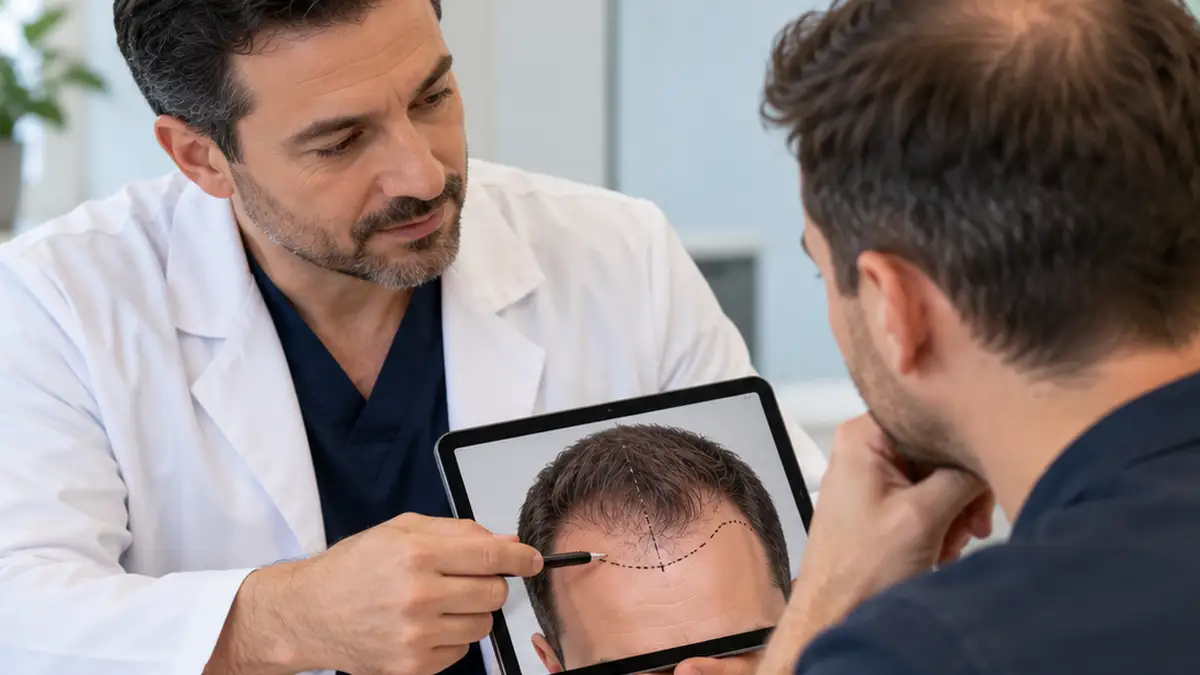
A typical assessment includes:
- Your history: conditions, past surgery, allergies and any problems with bleeding or healing.
- Your medicines: prescribed and over-the-counter medicines, and supplements. The International Society of Hair Restoration Surgery (ISHRS) advises telling your surgeon about current and recent treatments, even ones that seem unrelated.
- Blood tests: a practice guideline recommends tests for all patients. These include haemoglobin, platelets, clotting tests, fasting blood sugar, and screening for hepatitis B, hepatitis C and HIV. See blood tests before a hair transplant.
- Your own doctor’s input: the guideline recommends an opinion on your eligibility from a treating doctor or an independent physician.
Bring a recent letter or summary from the doctor who manages your condition, your latest test results and a full medicine list.
Common Conditions and What Is Usually Checked
| Condition | Why it matters for surgery | What is usually checked | Who may be involved |
|---|---|---|---|
| Diabetes | High blood sugar can slow wound healing and raise infection risk | Blood sugar control, including HbA1c | Diabetes doctor or endocrinologist |
| High blood pressure | Most blood pressure medicines are continued; fitness for surgery is confirmed by a physician | Your usual medicines | Physician or cardiologist |
| Heart disease or past heart procedures | Heart history changes the pre-surgery checks | Heart history; an ECG if needed | Cardiologist or physician |
| Blood thinners | Bleeding risk | Full medicine review | The doctor who prescribed it |
| Thyroid disease | Can itself cause thinning hair | Thyroid status | The doctor who treats it |
| Immune deficiency or immune-suppressing medicines | Higher risk of infection | Medicine review; control of the condition | Your specialist |
| Autoimmune or scarring hair loss | Active disease can make surgery fail or worsen it | Scalp examination; how long the disease has been inactive | Dermatologist |
| HIV, hepatitis B or C | Routine screening for all patients | Blood tests | Your specialist |
Condition-by-Condition Notes

Hair transplant with diabetes
In diabetes, long-term high blood sugar is linked to impaired blood vessel formation and a disturbed inflammatory response. Both can slow wound healing and make infection more likely. A meta-analysis of 94 studies found diabetes to be an independent risk factor for surgical site infection across many types of surgery. That data comes from surgery in general, not hair transplants specifically.
The practice guideline advises assessing people with diabetes before surgery with support from their diabetes doctor or endocrinologist. It recommends an HbA1c test, which reflects average blood sugar over recent months, if you have not had one in the past three months. No single target applies to everyone; your doctors will decide whether your control is good enough.
High blood pressure and heart conditions
According to the practice guideline, most blood pressure medicines are continued up to and including the morning of surgery. It suggests an ECG for people with heart symptoms, a history of heart disease, obesity or metabolic syndrome. If the ECG is abnormal, a cardiologist’s opinion is advised. After heart surgery or a heart procedure, medical clearance from a physician is recommended.
Blood thinners and bleeding disorders
If you take an anticoagulant or antiplatelet medicine, do not stop it on your own. The NHS says you may be asked to stop an anticoagulant before surgery, but only on the advice of your doctor or another healthcare professional. The practice guideline calls these medicines lifesaving: any change needs a careful risk-benefit assessment and clearance by a cardiologist or physician. If you have a known bleeding disorder, tell the surgical team early. Our guide on how to prepare for a hair transplant covers other medicines and supplements that affect bleeding.
Thyroid, epilepsy and other long-term medicines
As thyroid-related thinning can reverse with treatment, your thyroid should be assessed before any transplant is planned. The practice guideline says medicines for thyroid disease, epilepsy, high blood pressure and diabetes should be continued as your treating doctor recommends.
Autoimmune and inflammatory scalp conditions
A transplant is not advised while alopecia areata or a scarring alopecia, such as discoid lupus on the scalp, is active. For alopecia areata, the risk after two years without active disease is reduced rather than removed. For scarring alopecia, some surgeons consider surgery after two or more years without active disease. This is debated, and results may be weaker or only temporary. Other skin and medical conditions should be excluded or fully controlled with ongoing treatment before surgery. These decisions need a specialist scalp assessment, which should come first.
Immune deficiency, HIV and hepatitis
Screening for HIV and hepatitis B and C is part of routine testing for all patients in the practice guideline. Immune deficiency does not in itself rule out a transplant, but diabetes and immunosuppression are listed as risk factors for infection after FUE. If you take medicines that suppress the immune system, tell your surgeon and the doctor who prescribes them. See hair transplants for people living with HIV.
Kidney or liver disease
If you have kidney or liver disease, tell your surgeon early. The practice guideline recommends that a treating doctor or an independent physician gives an opinion on whether you can have the procedure. Your specialist will usually need to be part of the decision.
When Surgery Is Usually Postponed
Surgery may be delayed if:
- Your condition is not yet stable, for example if blood sugar or blood pressure is poorly controlled.
- The cause of your hair loss has not been confirmed.
- You have an active scalp condition, such as alopecia areata or scarring alopecia.
A delay gives time to bring the condition under control.
Before and After Surgery
- If you smoke, try to stop early. Smoking can slow wound healing and raise the risk of infection. The WHO reports fewer complications in people who stop about four weeks or more before surgery.
- Keep taking your usual medicines unless your doctors have told you otherwise, and bring them in their original packaging, with enough for any travel days.
- If you have diabetes, agree with your diabetes doctor how to manage meals, medicines and blood sugar checks on the day.
- Watch the healing areas for signs of infection, especially if you have diabetes.
- Follow your aftercare instructions and attend every follow-up appointment. At Esteworld, patients receive a written aftercare booklet. Check-ups take place on day 1, day 10 and at 1, 4, 7 and 12 months after the procedure.
Travelling Abroad with a Chronic Condition
If you travel for surgery, the CDC advises asking for copies of your medical records in English and agreeing in advance how complications will be handled. Recent surgery and long journeys both increase the risk of blood clots, so agree your travel dates with your surgeon and your own doctor. If you buy travel insurance, declare your conditions to the insurer. See travel insurance for a hair transplant abroad.
When to See a Doctor
Before booking: talk to the doctor who manages your condition if you have a long-term illness or take regular medicines.
In the days before surgery: tell the clinic if your blood sugar or blood pressure readings are higher than usual.
After surgery, contact your clinic or a doctor promptly if:
- You have severe pain or any unexpected symptoms.
- A treated area becomes swollen, red and more painful, pus comes out of it, or you feel generally unwell or have a high temperature.
- Your blood sugar readings are unusually high or low during recovery.
Get emergency help for bleeding you cannot stop, or for pain and swelling in one leg together with chest pain or shortness of breath.
A chronic illness changes how a hair transplant is planned, and sometimes when, but it does not automatically rule one out. Start with an assessment that involves the doctor who already manages your condition. When you are ready, you can contact our team with your diagnosis and medicine list. We can then explain how your condition would be assessed before any decision is made.