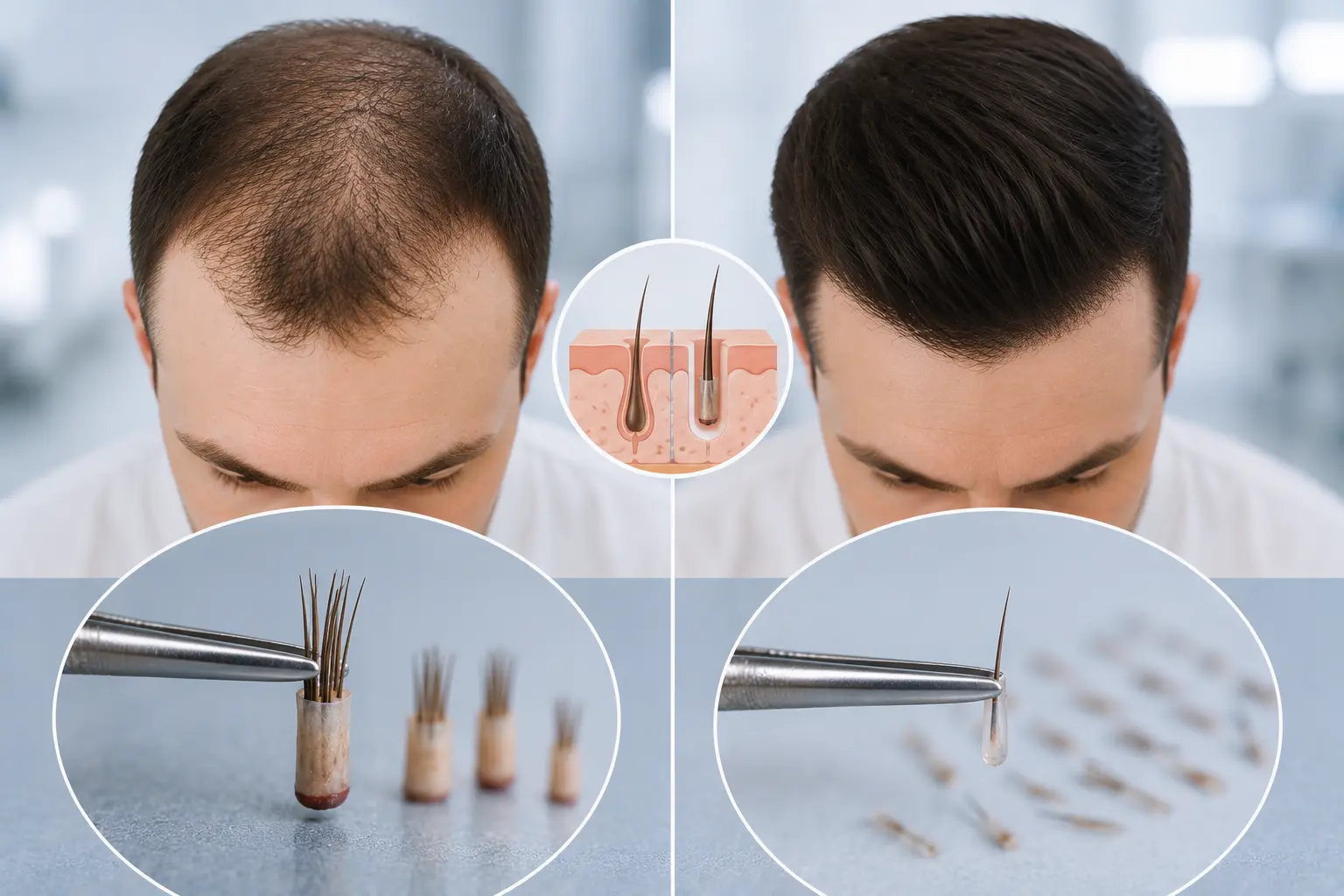
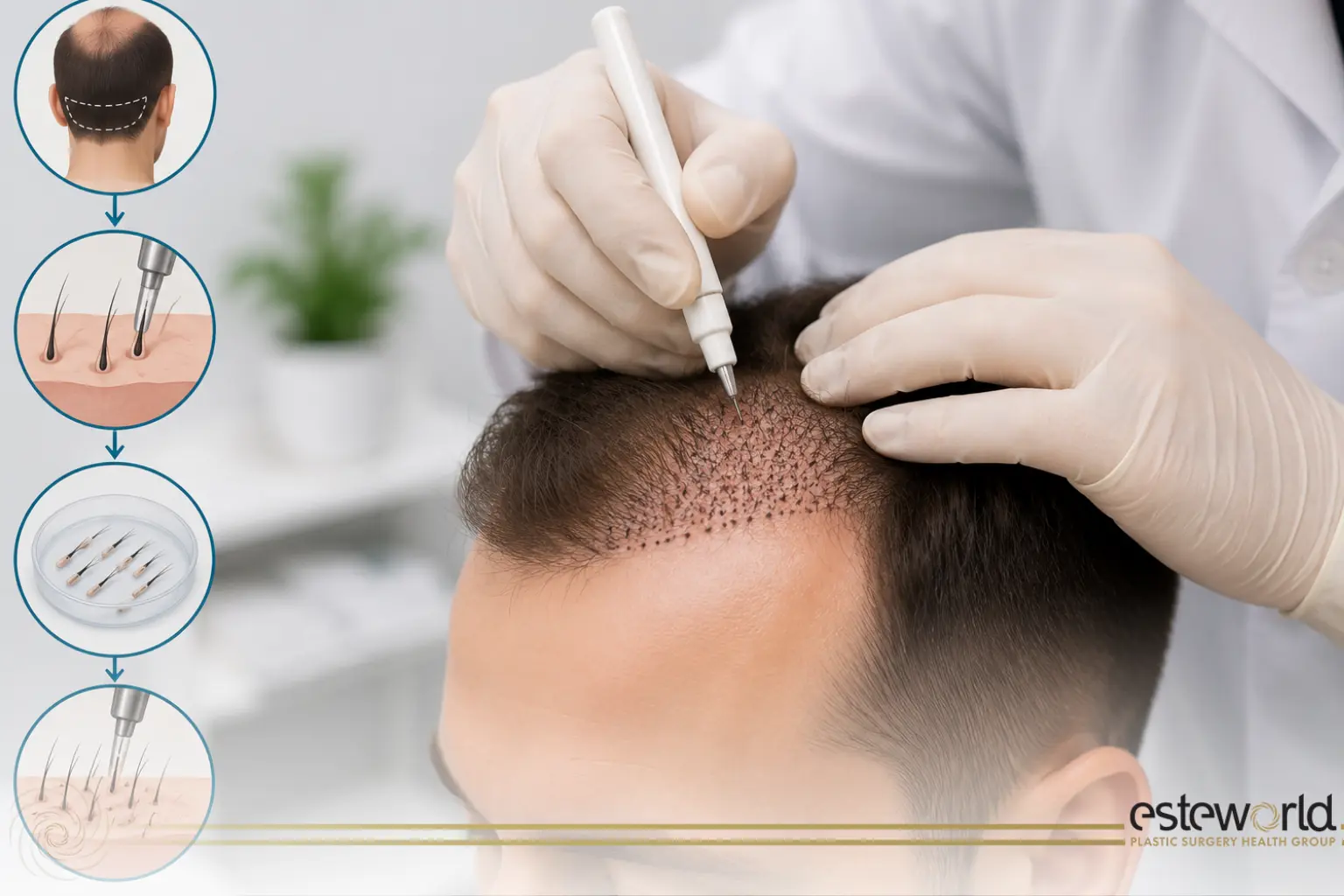
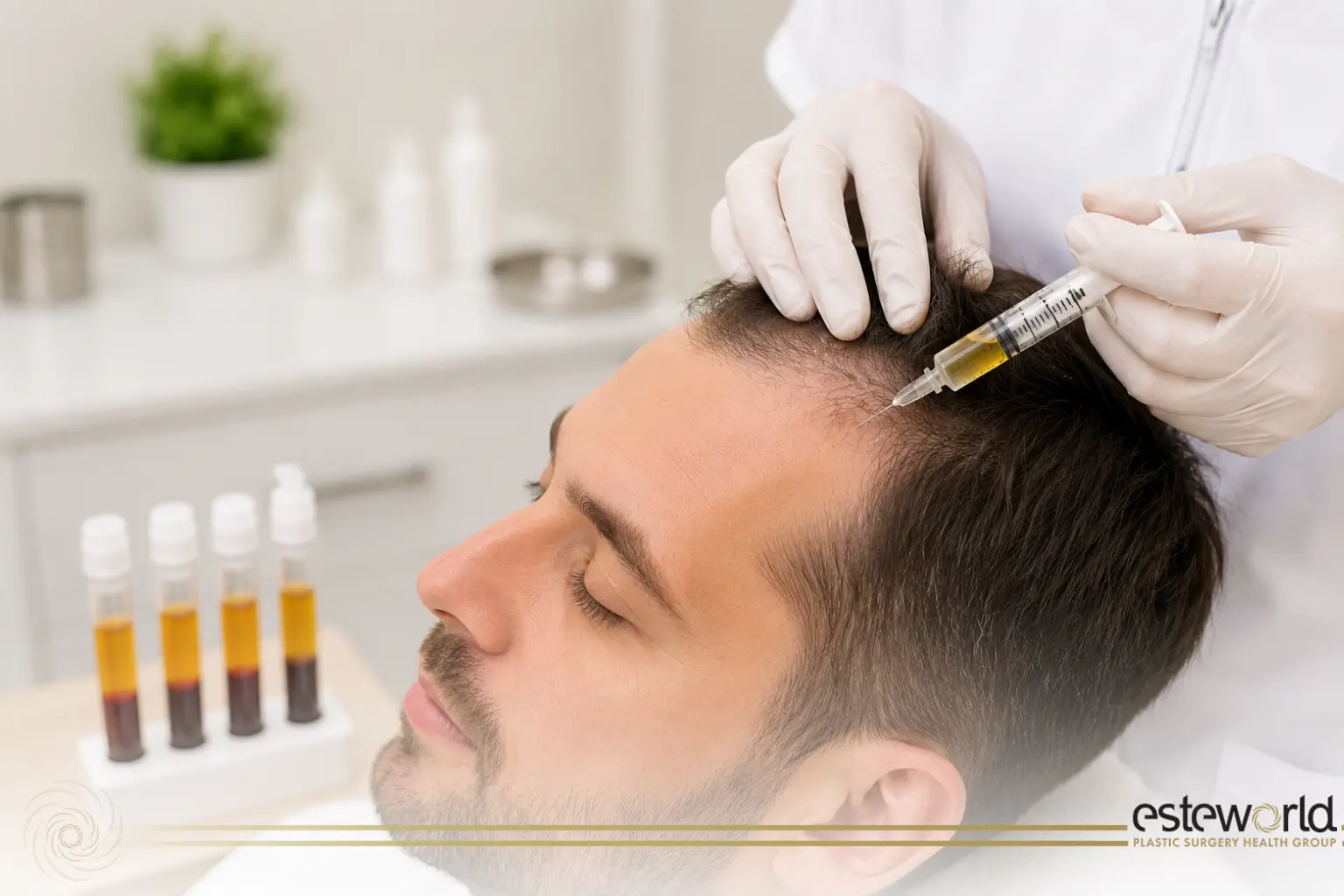
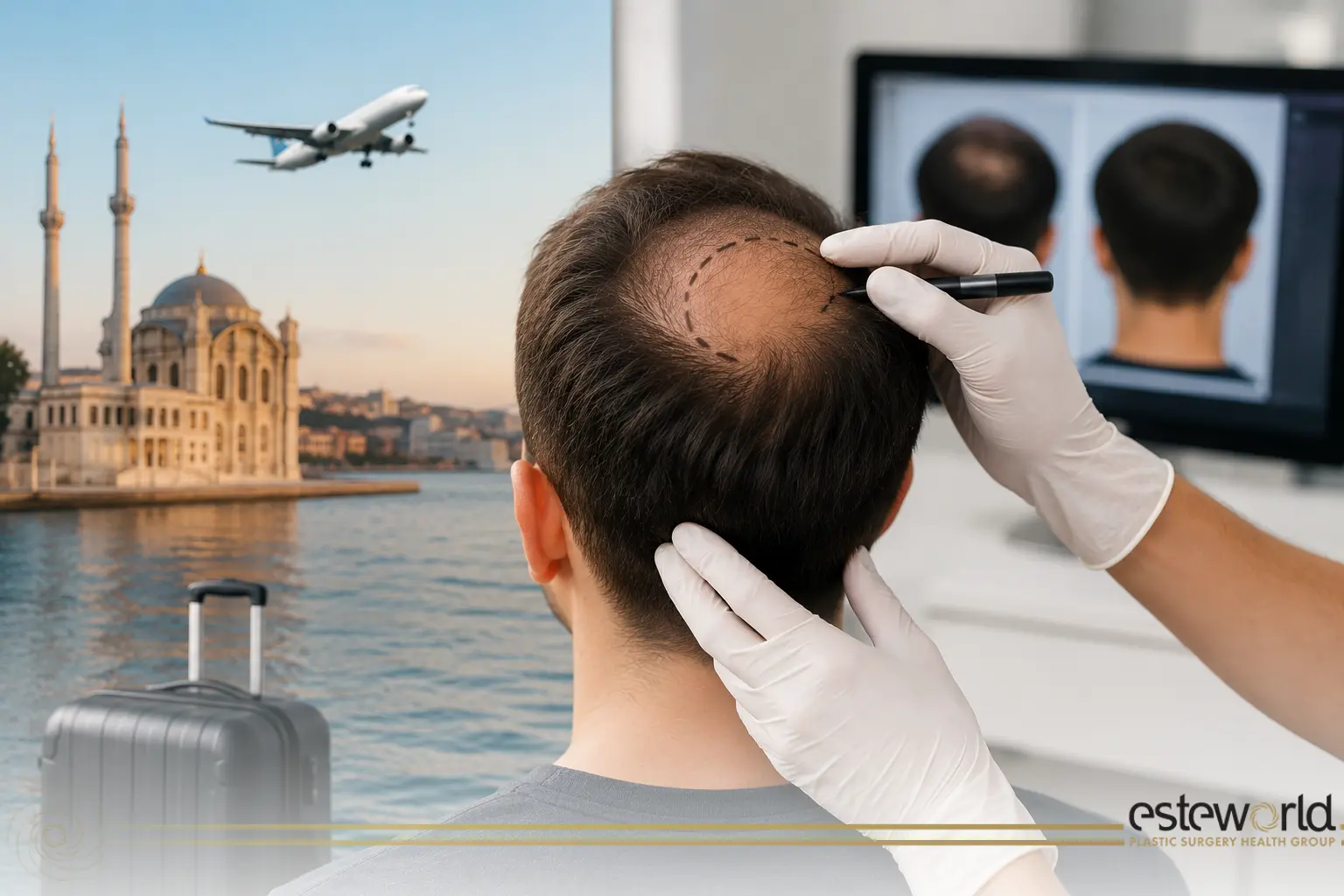
Preparation usually starts several weeks before surgery. You will be asked about your health and medicines and may need blood tests. You are usually advised to stop smoking as early as possible and to avoid alcohol and some supplements beforehand. Do not stop a prescribed medicine, especially a blood thinner, unless your surgeon and the doctor who prescribed it agree.
This article is for general information only. It does not replace the instructions your own surgeon gives you.
Before You Book: Consultation and Medical Check
What to tell your surgeon
Tell your surgeon about:
- Any long-term condition, such as diabetes, high blood pressure, or a heart, thyroid or bleeding problem
- Every medicine you take, including ones bought without a prescription and hormonal medicines such as the contraceptive pill
- Vitamins, herbal products and other supplements
- Allergies, especially to medicines or local anaesthetics
- Smoking, vaping and alcohol use
- Previous scalp surgery or hair loss treatment
- Recent acne treatment with isotretinoin: specialists recommend waiting 6 to 12 months after it ends before surgery
If you have a long-term condition, see our guide to hair transplants with a chronic illness. You can also read about what happens at a hair transplant consultation and the questions to ask your surgeon.
Blood tests
Finding the cause of hair loss may involve a blood test, and some people need a scalp biopsy. Before surgery, a practice guideline recommends routine tests for all patients. These include haemoglobin and platelet counts, clotting and blood sugar tests, and screening for hepatitis and HIV. Your clinic will tell you which tests it needs; see blood tests before a hair transplant for more.
Realistic expectations
The American Academy of Dermatology (AAD) says a full head of hair may be unrealistic, but a fuller head of hair can be the goal. New hair usually starts to appear after about 4 months. Most people see results 6 to 9 months after surgery, and for some it takes 12 months. The NHS says the full result can take 10 to 18 months. Hair loss can also continue after a transplant, so your doctor may discuss medicine to protect your existing hair.
Medicines and Supplements
The timings in this section come from one practice guideline, which describes its own advice as not binding. Your clinic’s instructions come first.
Prescribed blood thinners
Blood thinners include anticoagulants and antiplatelet medicines, such as low-dose aspirin. If you take one for your heart, blood vessels or a past clot, do not stop it on your own. For anticoagulants, the NHS says you may be asked to stop the medicine before surgery, but only on the advice of a doctor or another healthcare professional. The practice guideline calls these medicines lifesaving and says any change should follow the advice of the doctor managing them. The same applies to every other prescribed medicine.
Painkillers and hair loss medicines
- Painkillers you buy yourself. Aspirin and some anti-inflammatory painkillers can increase bleeding. The practice guideline restricts anti-inflammatory painkillers (NSAIDs) for 12 to 24 hours before surgery. Ask your surgeon which pain relief you can use and from when. Prescribed low-dose aspirin counts as a blood thinner (see above).
- Minoxidil. The practice guideline recommends stopping minoxidil one week before the procedure, because it may increase bleeding. If a doctor prescribed it for you, ask them too.
- Finasteride and other hair loss medicines. Advice differs between clinics. Ask your surgeon and prescribing doctor before you stop or start any of them.
Herbal products and vitamin supplements
Some herbal products can increase bleeding. Ginkgo, for example, may raise the risk of bleeding in people taking blood thinners such as warfarin. The practice guideline advises avoiding vitamin supplements and herbal preparations for three weeks before the procedure.
Make a list of everything you take and show it to your surgeon. If a doctor prescribed a supplement for a medical reason, ask them before you stop it.
Smoking and Alcohol
- Smoking. Smokers have higher rates of slow wound healing and wound infection than non-smokers, according to a meta-analysis that included 140 cohort studies. The WHO reports fewer complications in people who stop about four weeks or more before surgery, with each further smoke-free week improving outcomes. See how smoking and alcohol affect healing.
- Alcohol. The practice guideline advises avoiding alcohol for seven days before and after the procedure.

What to Do Before a Hair Transplant: A Timeline
| When | What to do | Why |
|---|---|---|
| As soon as you decide | Stop smoking; share your full medicine and supplement list | Stopping 4 or more weeks before surgery lowers complication risk |
| About 3 weeks before | Pause vitamin supplements and herbal products, if your surgeon agrees | Some can increase bleeding |
| About 1 week before | Avoid alcohol (and for a week after); ask whether to stop minoxidil | Minoxidil may increase bleeding; the guideline also advises no alcohol for 7 days before and after |
| Before surgery | Agree any change to prescribed blood thinners with both doctors | Stopping on your own can be dangerous |
| 12 to 24 hours before, or as advised | Avoid anti-inflammatory painkillers you buy yourself | They can increase bleeding |
| The day before | Arrange for someone to take you home and stay the first night | Someone needs to drive you home |
| On the day | Wash your hair as instructed; follow your clinic’s advice on eating and drinking | Your clinic sets these for your procedure |
The Day of Surgery: What to Wear and Bring

- Hair and scalp. You may be asked to wash your hair on the morning of the procedure. Skip styling products unless your clinic says otherwise.
- Food and drink. Eat and drink as instructed. If you are given fasting instructions, follow them exactly.
- Clothing. Wear a top that buttons or zips at the front, so nothing has to be pulled over your head afterwards.
- To bring. Your medicine list, recent test results, the clinic’s contact details and a loose hat for the journey home. The procedure usually takes a day, so bring a phone charger and something to pass the time. If you are travelling, add your passport and insurance documents.
- Getting home. Do not plan to drive. Arrange for someone to take you home and stay with you at least the first night.
Planning Your Recovery
Expect a tight, achy and swollen scalp for a few days. You may need 1 to 2 weeks off work. Plan for:
- Time off work, and fewer social plans if you want privacy while you heal
- A loose hat, and your surgeon’s advice on sun protection
- Your follow-up: ask the clinic how and when it will check your progress, especially if you are travelling
- Your return journey and travel insurance, if you are having surgery abroad
At Esteworld, check-ups take place on day 1, day 10 and at 1, 4, 7 and 12 months after the procedure.
What to avoid in the first weeks
Your surgeon will tell you how to look after the grafts. At Esteworld, patients receive a written aftercare booklet with these instructions. The NHS gives this general picture:
- Take great care with the transplanted hair for the first 2 weeks, because the grafts are not yet secure.
- Bandages can usually come off after 2 to 5 days, but do not touch the grafts.
- You may be told to cut down on exercise in the first month to reduce scarring.
More detail is in the role of aftercare in hair transplant success.
What Not to Do Before a Hair Transplant
- Don’t stop a prescribed blood thinner without medical advice.
- Don’t leave stopping smoking until the last few days.
- Don’t forget to mention supplements or herbal products.
- Don’t cut your hair very short or shave before asking the clinic.
- Don’t book a flight home before agreeing the date with your surgeon.
When to See a Doctor
Speak to a doctor before surgery if:
- You take a blood thinner, or have a heart, blood pressure, diabetes, thyroid or bleeding condition.
- You develop a cold, a fever, or a scalp rash or infection in the days before surgery: tell your clinic, which will decide whether to go ahead.
- Your hair loss is patchy or has not been diagnosed, as some types, such as alopecia areata, are not usually suited to a transplant.
- You have ever reacted badly to a local anaesthetic or a medicine.
After surgery, contact your clinic or a doctor promptly if a treated area becomes swollen, red and more painful, or pus comes out of it. Do the same if you feel generally unwell or have a high temperature. Get emergency help for bleeding you cannot stop.
Good preparation means telling your surgeon everything about your health and following their advice on medicines, smoking and alcohol. If you would like a pre-operative assessment, or have questions about your own medicines before booking, you can contact our team.