
The cost of replacing all missing teeth with dental implants can vary significantly depending on several factors, including the number of implants required, the treatment technique, the materials used, the clinic’s expertise, and the country where the treatment is performed. While traditional implant treatments often require multiple implants per jaw, modern solutions such as All-on-4 and All-on-6 systems can reduce the total number of implants needed while restoring full oral function and aesthetics.
For many patients researching whole mouth dental implants, understanding what influences pricing is just as important as knowing the final cost. Treatment planning, bone condition, additional procedures, and prosthetic materials all play a role in determining the overall investment.
How much does a full mouth of implants usually cost? The cost of a full mouth dental implant treatment varies depending on the number of implants, prosthetic materials, additional surgical procedures, and the clinic’s location. Patients considering whole mouth dental implants should undergo a comprehensive examination to receive an accurate treatment plan and cost estimate.
Understanding Full Mouth Dental Implants
Losing most or all teeth can affect more than appearance. It can impact eating habits, speech, self-confidence, and overall oral health. Full mouth dental implant treatments are designed to replace missing teeth with fixed restorations supported by dental implants placed into the jawbone.
Unlike removable dentures, implant-supported restorations are anchored securely, providing greater stability and functionality. This is one reason why whole mouth dental implants have become increasingly popular among patients seeking a long-term tooth replacement solution.
What Is Considered a Full Mouth Implant Treatment?
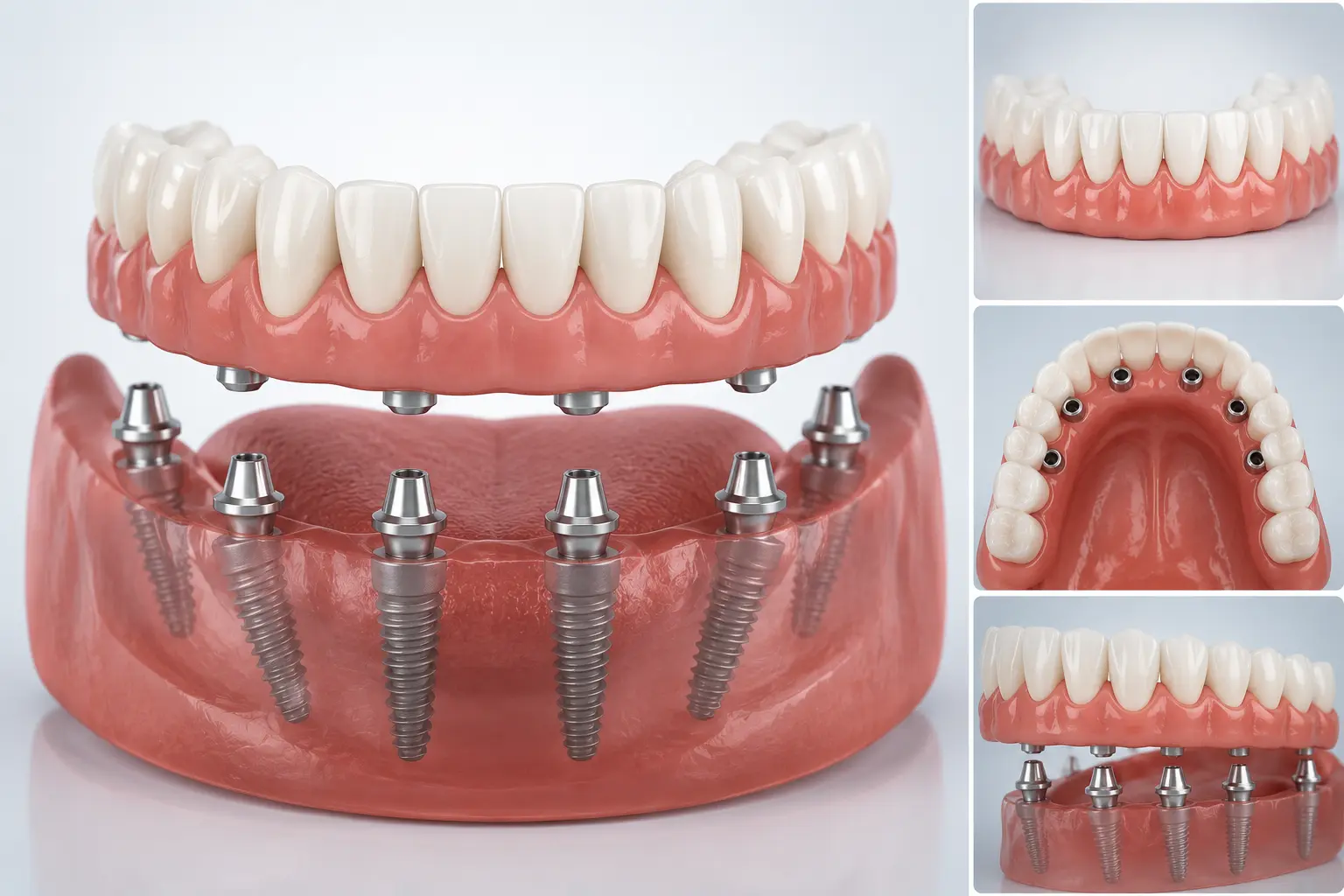
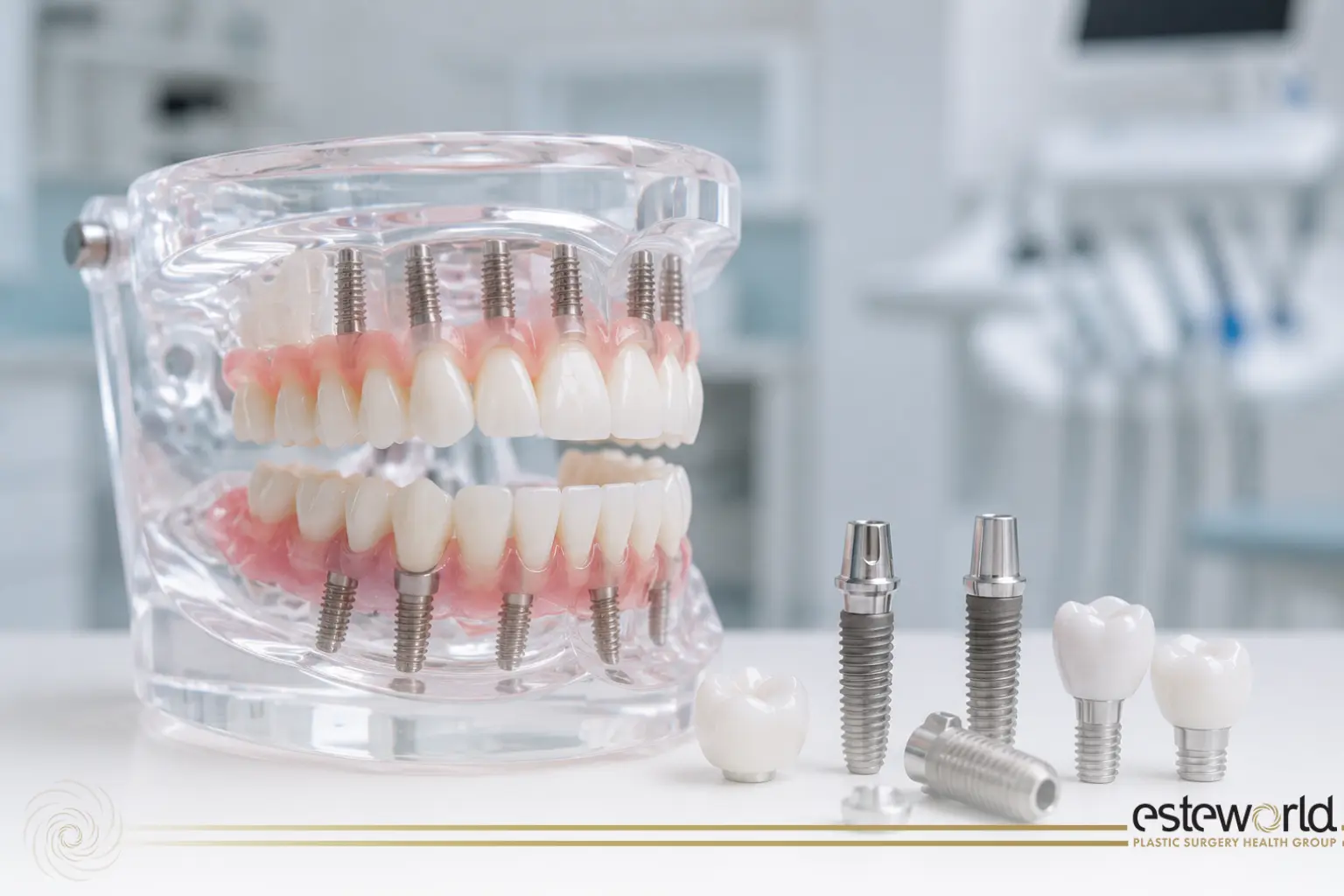
A full mouth implant treatment generally refers to restoring all teeth in the upper jaw, lower jaw, or both jaws using dental implants and fixed prosthetic teeth. Depending on the patient’s needs, treatment may involve different implant concepts, including traditional implants, All-on-4, All-on-6, or customised implant-supported bridges.
The number of implants required varies from person to person. Some patients may need four implants per jaw, while others may require additional implants depending on bone quality and treatment goals.
Factors That Affect the Cost of Whole Mouth Dental Implants
Many patients search for a single price when researching whole mouth dental implants, but treatment costs are influenced by several variables. Understanding these factors helps explain why prices can vary significantly between clinics and countries.
Number of Implants Required
The number of implants used is one of the biggest factors affecting overall treatment costs. A traditional full-mouth restoration may require more implants than an All-on-4 or All-on-6 treatment approach.
Patients with sufficient bone volume may qualify for treatments that require fewer implants, while more complex cases may involve additional implant placement.
Type of Implant System
Different implant manufacturers offer varying levels of technology, research support, and material quality. Premium implant brands generally come with higher treatment costs, but they are often supported by extensive clinical data and long-term studies.
Prosthetic Materials
The final restoration placed on the implants can significantly influence treatment costs. Materials commonly used include acrylic, composite, porcelain, and zirconia.
Each material offers different advantages in terms of durability, aesthetics, and maintenance requirements.
| Treatment Factor | Impact on Cost |
| Number of implants | High |
| Implant brand | Medium to High |
| Prosthetic material | High |
| Bone grafting procedures | Medium to High |
| Clinic expertise | Medium |
| Geographic location | High |
Bone Grafting and Additional Procedures
Not every patient has sufficient jawbone volume for immediate implant placement. In some cases, additional procedures such as bone grafting or sinus lifting may be recommended before implant treatment can proceed.
These procedures can increase the overall treatment cost and may also affect treatment duration.
Average Cost of Full Mouth Dental Implants Around the World
The country where treatment is performed often plays a major role in determining overall expenses. This is one reason many patients compare treatment options internationally before making a decision.
Dental implant costs vary based on operating expenses, healthcare regulations, laboratory fees, and clinician experience. While some countries offer lower treatment costs, patients should focus on overall quality, safety standards, and treatment planning rather than price alone.
Why Do Patients Compare Countries?
Patients researching whole mouth dental implants often compare treatment options in countries such as the United Kingdom, the United States, Germany, and Türkiye.
The comparison is not always based solely on cost. Factors such as treatment quality, waiting times, clinic experience, and available technology also influence decision-making.
Is the Cheapest Option Always the Best?
Choosing treatment based solely on price can be risky. Implant treatment is a long-term investment that directly affects oral health and daily quality of life.
When comparing clinics, patients should consider:
- The qualifications and experience of the dental team
- Implant brands being used
- Laboratory quality
- Treatment planning process
- Follow-up care and support
- Clinic accreditation and patient reviews
A transparent treatment plan is often more valuable than simply finding the lowest advertised price.
All-on-4 vs Traditional Full Mouth Implants Cost Comparison
When evaluating treatment options, many patients compare All-on-4 systems with traditional implant-supported restorations. Although both approaches aim to restore a full arch of teeth, they differ in terms of implant numbers, treatment planning, and overall cost structure.
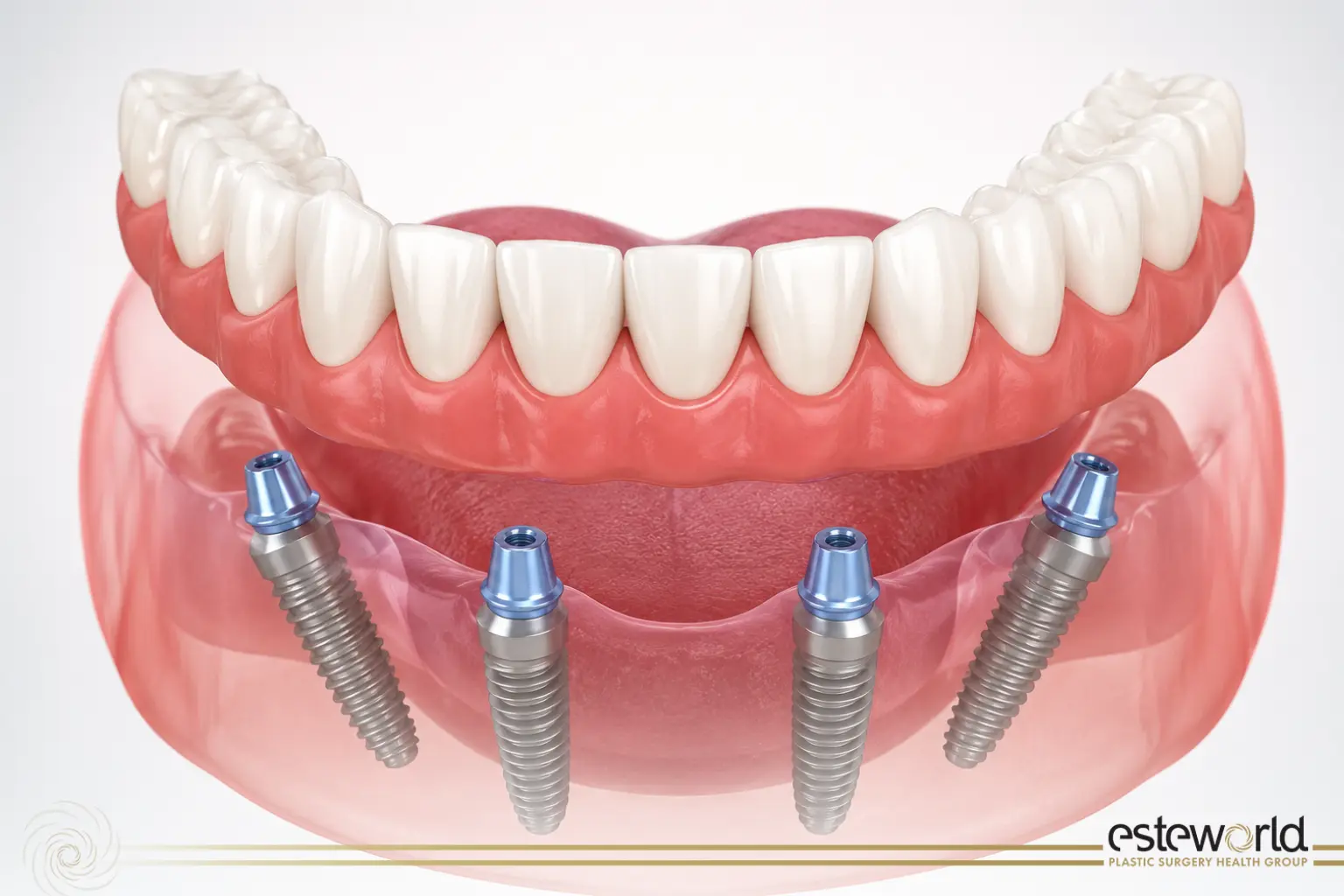
The All-on-4 concept typically uses four strategically positioned implants to support a full fixed prosthesis. In some cases, this approach may reduce the need for additional grafting procedures and shorten overall treatment times. Traditional full-mouth implant treatments, on the other hand, may involve a higher number of implants depending on the patient’s anatomy and treatment goals.
Neither option is universally better than the other. The most appropriate treatment depends on bone density, oral health condition, aesthetic expectations, and functional requirements.
Comparing Common Full Mouth Implant Approaches
| Treatment Type | Typical Implant Count | Treatment Complexity | Cost Range Impact |
| All-on-4 | 4 per jaw | Moderate | Lower |
| All-on-6 | 6 per jaw | Moderate to High | Medium |
| Traditional Full Mouth Implants | 8-12+ per jaw | High | Higher |
| Implant-Supported Bridges | Varies | Moderate to High | Variable |
For many patients seeking whole mouth dental implants, All-on-4 and All-on-6 treatments offer a balance between stability, functionality, and treatment efficiency.
What Is Included in a Full Mouth Implant Price?
One of the most common misconceptions is that the advertised price only covers implant placement. In reality, a comprehensive treatment plan may include numerous stages and services.
Patients should always ask for a detailed breakdown of what is included before committing to treatment. A transparent treatment plan helps avoid unexpected expenses later in the process.
Services Commonly Included in Treatment Packages
A full mouth implant treatment plan may include:
- Initial consultation and diagnostic evaluation
- Digital imaging and treatment planning
- Dental implant placement
- Temporary prosthetic restorations
- Permanent implant-supported teeth
- Follow-up appointments
- Post-treatment care instructions
Some clinics may also offer additional services such as accommodation support, transportation assistance, or multilingual patient coordination for international patients.
Why Treatment Plans Differ Between Patients
No two patients have exactly the same oral health condition. Some individuals require additional surgical procedures, while others may be suitable for immediate implant protocols.
Factors such as bone quality, gum health, bite alignment, and previous dental treatments can all influence the complexity of treatment and the final cost.
How Long Do Whole Mouth Dental Implants Last?
Durability is one of the primary reasons patients choose whole mouth dental implants over removable dentures. When properly maintained, dental implants can provide long-term function and stability.
The implants themselves are typically designed to integrate with the jawbone and may remain functional for many years. However, the lifespan of the prosthetic restoration attached to the implants can vary depending on the material used and the patient’s oral hygiene habits.
Factors That Influence Longevity
The lifespan of full mouth implant restorations is influenced by several elements, including oral hygiene, smoking habits, regular dental check-ups, and overall health status.
Patients who follow professional maintenance recommendations often experience better long-term outcomes.
Can Full Mouth Implants Fail?
Like any medical or dental treatment, implant procedures carry potential risks. Implant complications are relatively uncommon when treatment is properly planned and performed, but factors such as smoking, uncontrolled medical conditions, poor oral hygiene, or inadequate bone support may affect outcomes.
Regular follow-up appointments play an important role in maintaining implant health over time.
Are Full Mouth Implants Worth the Investment?
Many patients evaluating whole mouth dental implants ask whether the treatment is worth the financial commitment. While the initial investment can appear significant, the benefits often extend far beyond aesthetics.
Replacing missing teeth may contribute to improved chewing function, clearer speech, enhanced confidence, and better overall quality of life. Implant-supported restorations can also help maintain jawbone structure, which may be beneficial for long-term oral health.
Looking Beyond the Initial Cost
The true value of implant treatment should be assessed in terms of long-term performance rather than short-term expenses.
Unlike removable dentures, implant-supported restorations are fixed in place and generally provide a more natural experience during eating and speaking. For many individuals, this added comfort and stability contributes significantly to daily life.
Functional and Aesthetic Benefits
Patients often report improvements in both function and appearance following full mouth implant treatment. The ability to eat a wider variety of foods, smile comfortably, and speak with confidence can have a meaningful impact on overall wellbeing.
Because every patient has unique goals and expectations, discussing treatment outcomes with an experienced dental team is an essential part of the decision-making process.
Who Is a Good Candidate for Full Mouth Dental Implants?
Full mouth implant treatment may be suitable for individuals who have lost most or all of their natural teeth or who are experiencing severe dental deterioration.
However, suitability depends on several factors, including oral health condition, bone volume, medical history, and lifestyle habits.
Initial Assessment Matters
Before recommending whole mouth dental implants, clinicians typically perform a comprehensive evaluation. This may include digital imaging, oral examination, and an assessment of bone density.
The purpose of this assessment is to determine whether implant treatment is appropriate and whether any preparatory procedures are required.
Common Characteristics of Suitable Candidates
Patients who maintain good oral hygiene, attend regular dental appointments, and are committed to long-term care often make strong candidates for implant treatment.
Even individuals who have experienced bone loss may still have treatment options available following appropriate evaluation and planning.
Recovery Timeline and Treatment Process
The treatment journey for full mouth dental implants varies depending on the chosen approach and the patient’s individual circumstances.
Some patients may receive temporary teeth shortly after implant placement, while others may require a longer healing period before receiving their final restoration.
Healing and Osseointegration
Following implant placement, a healing process known as osseointegration occurs. During this stage, the implant gradually integrates with the surrounding jawbone.
The duration of this process varies from patient to patient and may be influenced by overall health, bone quality, and treatment complexity.
Returning to Daily Activities
Many patients are able to resume normal daily activities relatively quickly following treatment. However, specific recovery recommendations should always be followed to support healing and optimise outcomes.
Regular follow-up appointments allow the dental team to monitor progress and make any necessary adjustments during the healing period.
The cost of a full mouth implant treatment depends on far more than the number of implants being placed. Factors such as implant systems, prosthetic materials, treatment complexity, clinician expertise, and additional procedures all contribute to the final investment.
For patients researching whole mouth dental implants, understanding the treatment process is just as important as understanding the cost. A comprehensive assessment allows clinicians to create a personalised treatment plan based on individual needs and goals.
Rather than focusing solely on price, patients should evaluate treatment quality, long-term durability, clinical experience, and overall value. A carefully pla/?page_id=14388nned implant treatment can provide lasting functional and aesthetic benefits for many years.
To learn more about full mouth dental implants or to receive a free personalised assessment, you can contact our experienced patient consultants today.