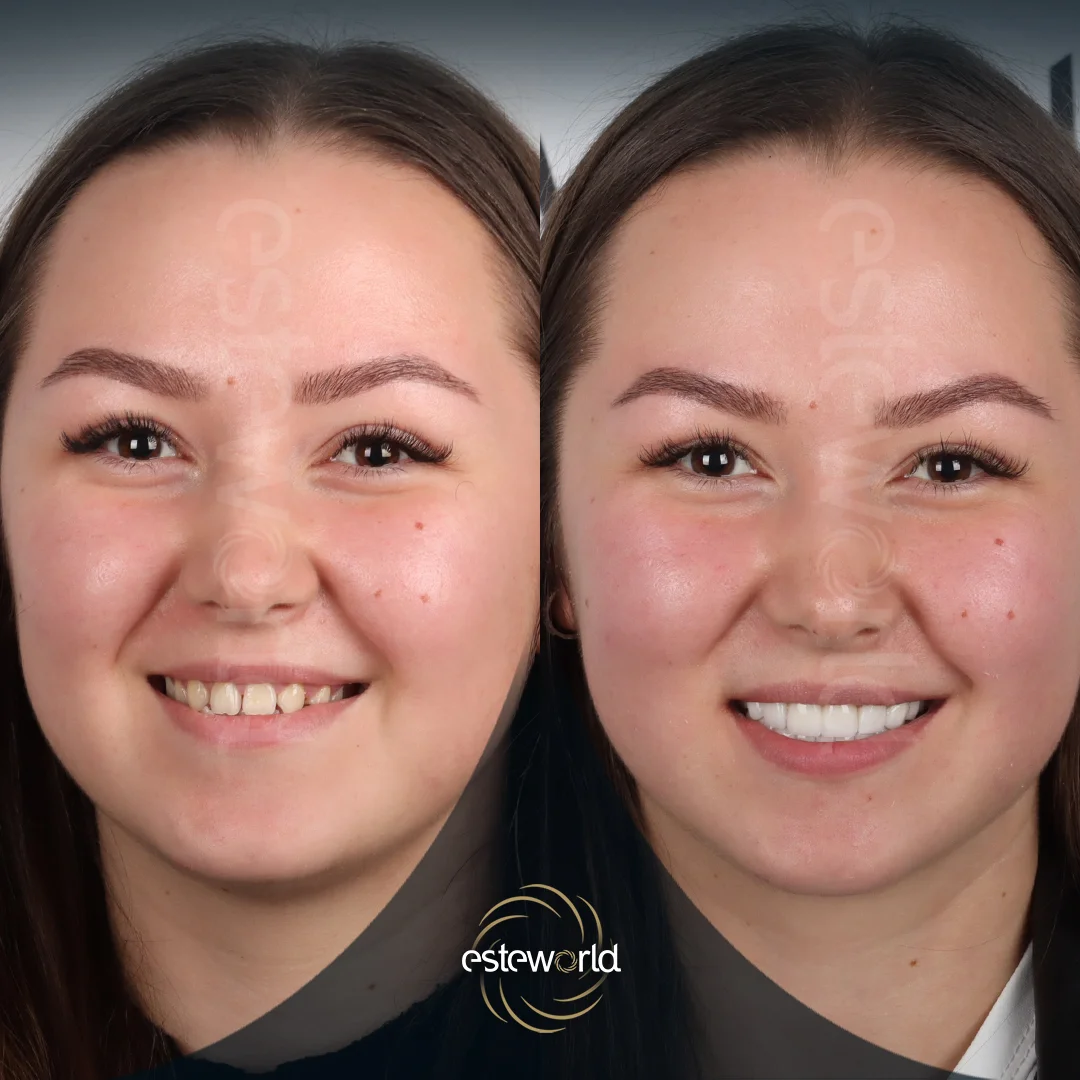
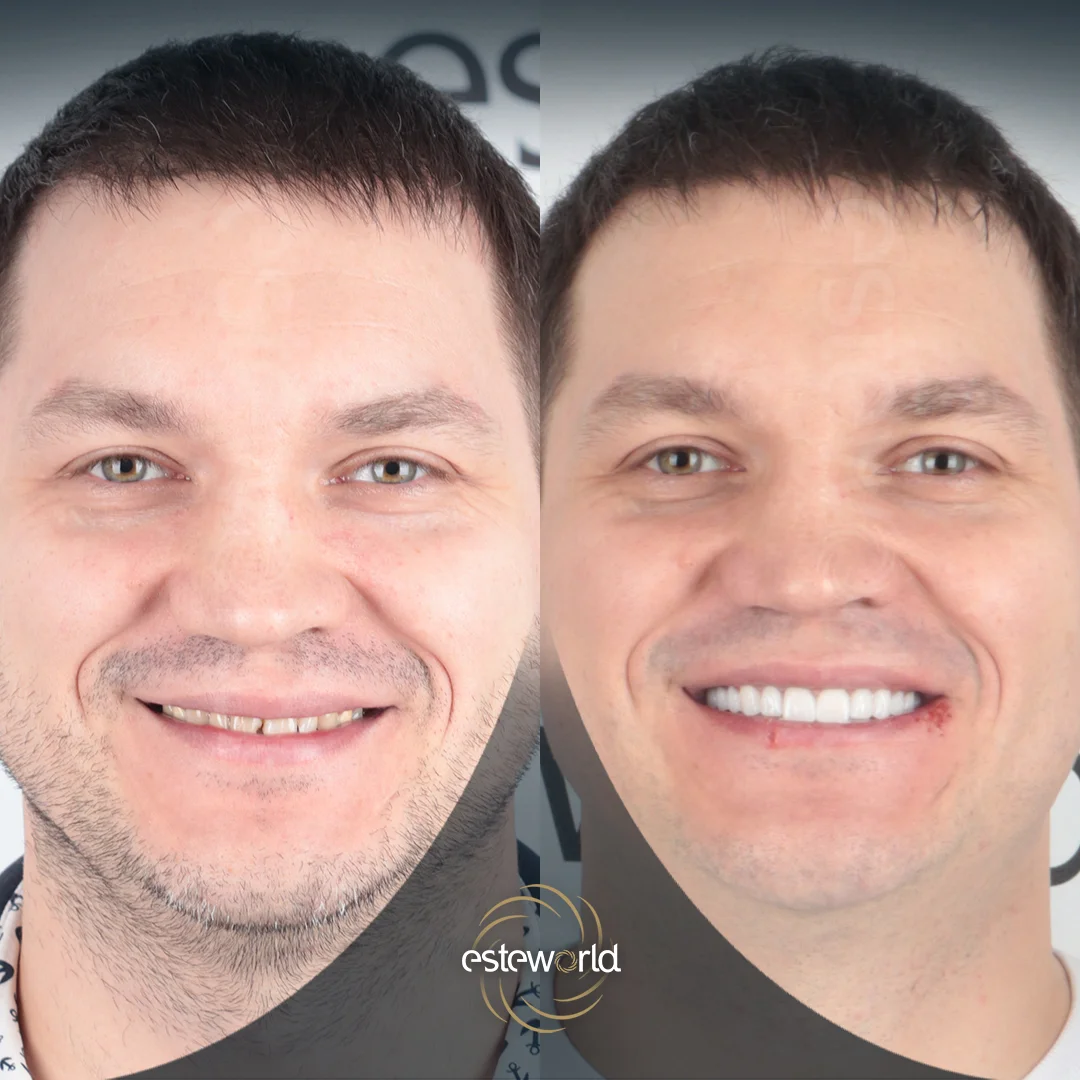
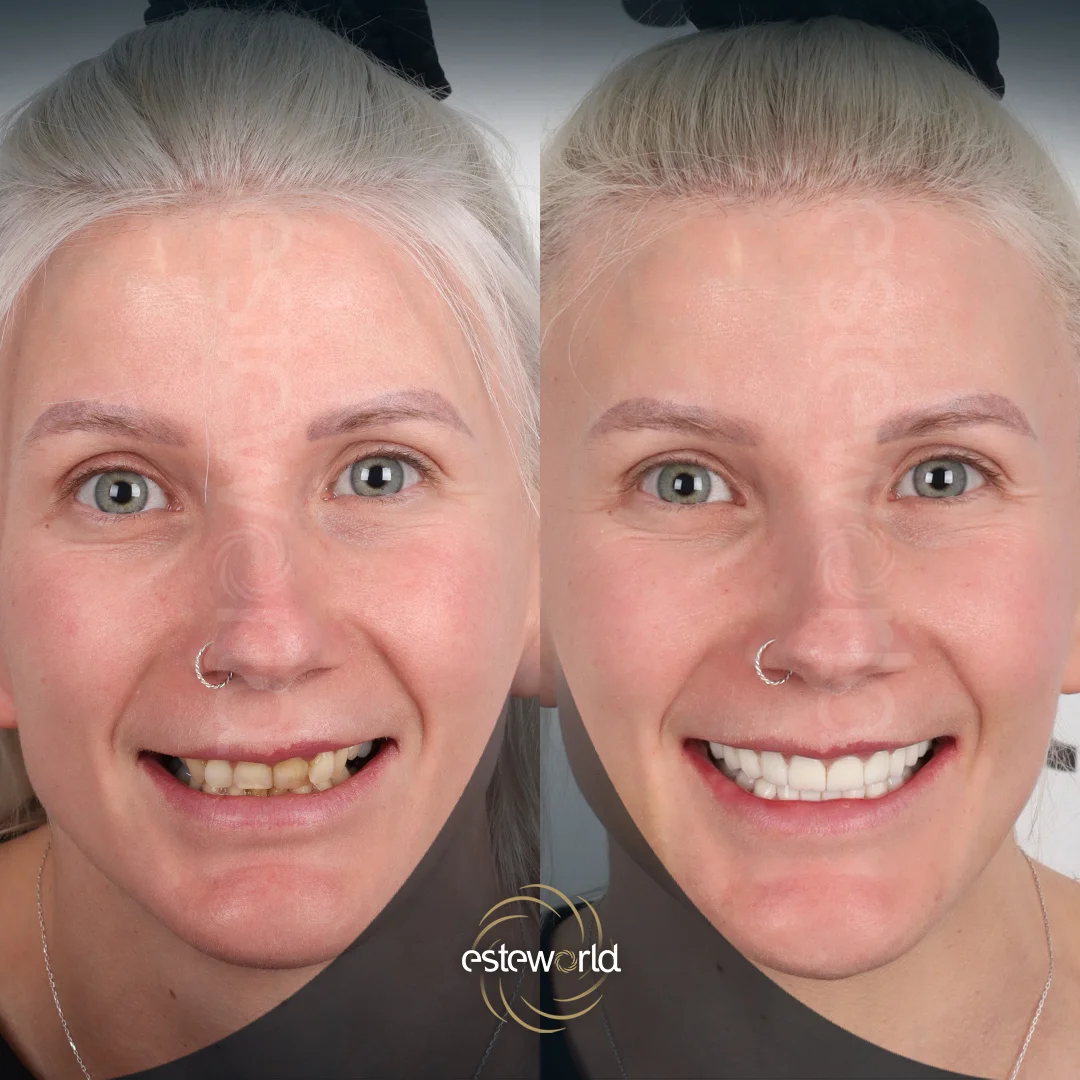
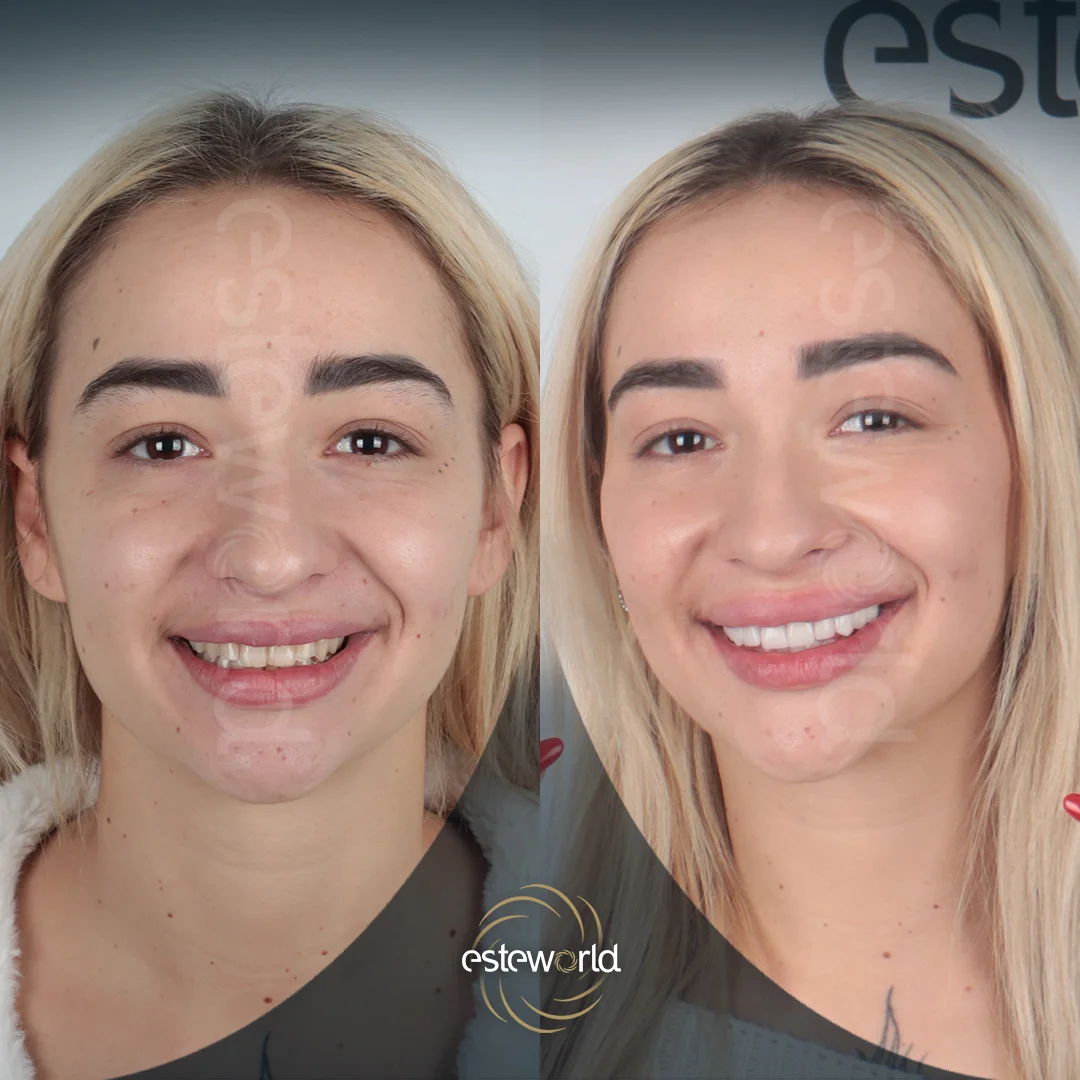
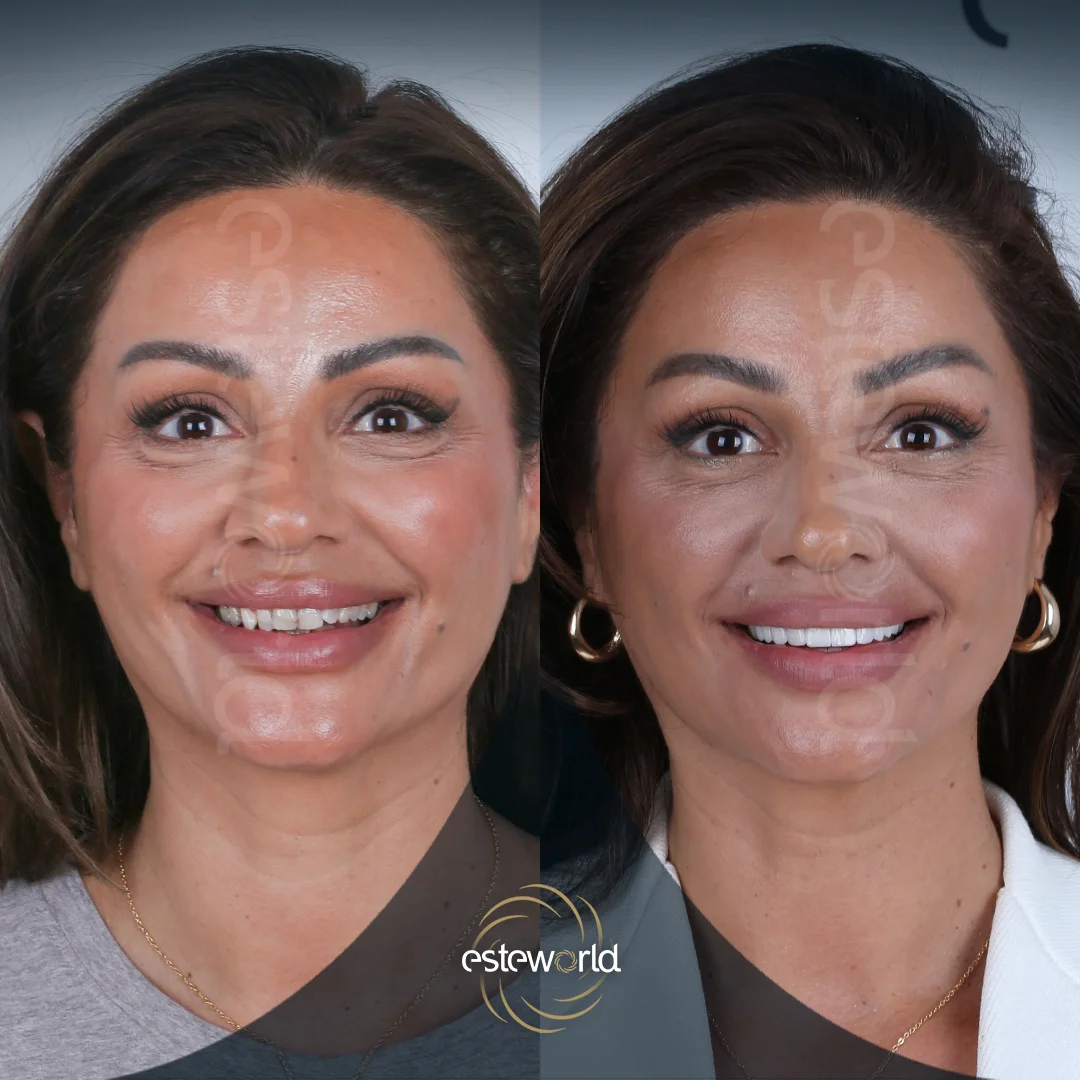
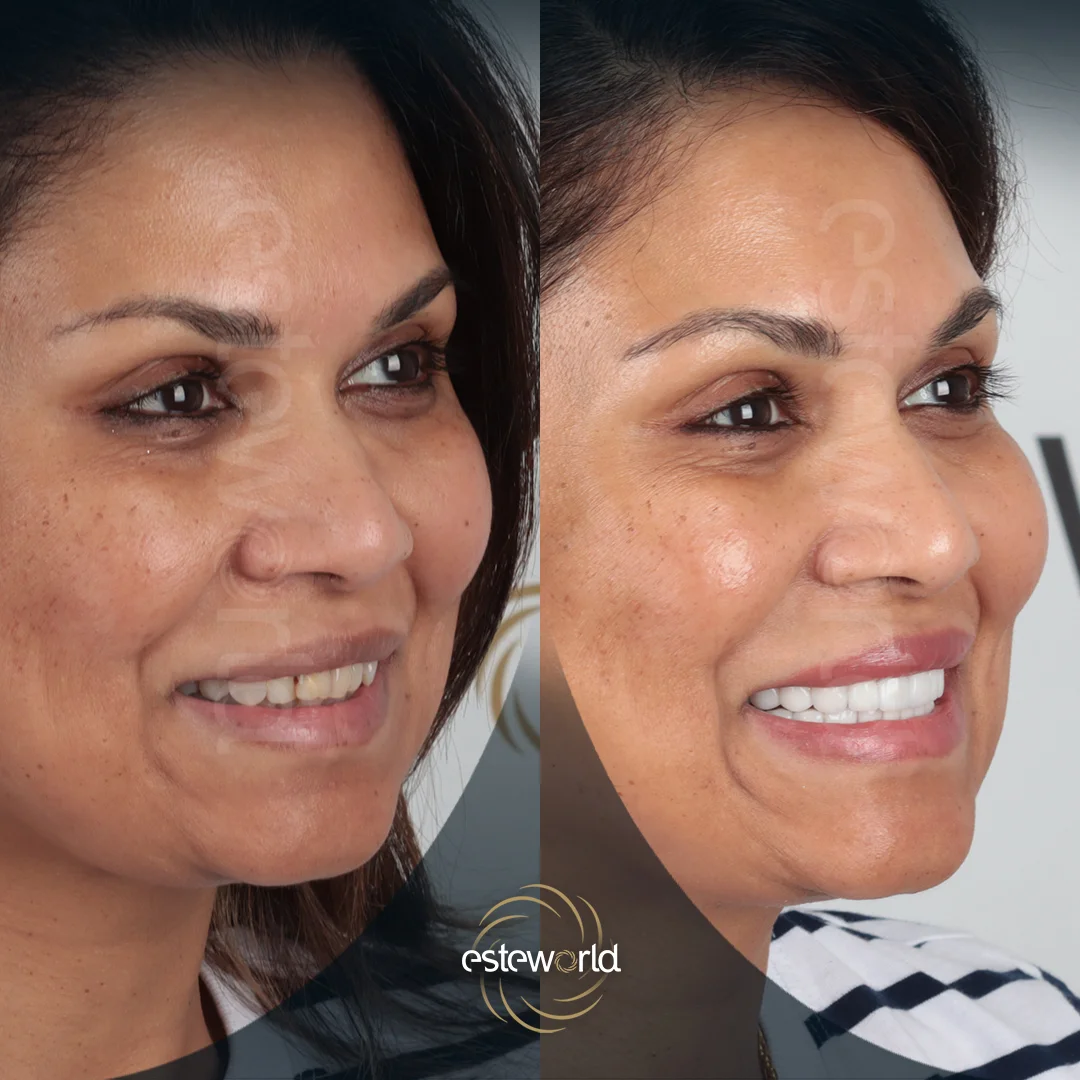
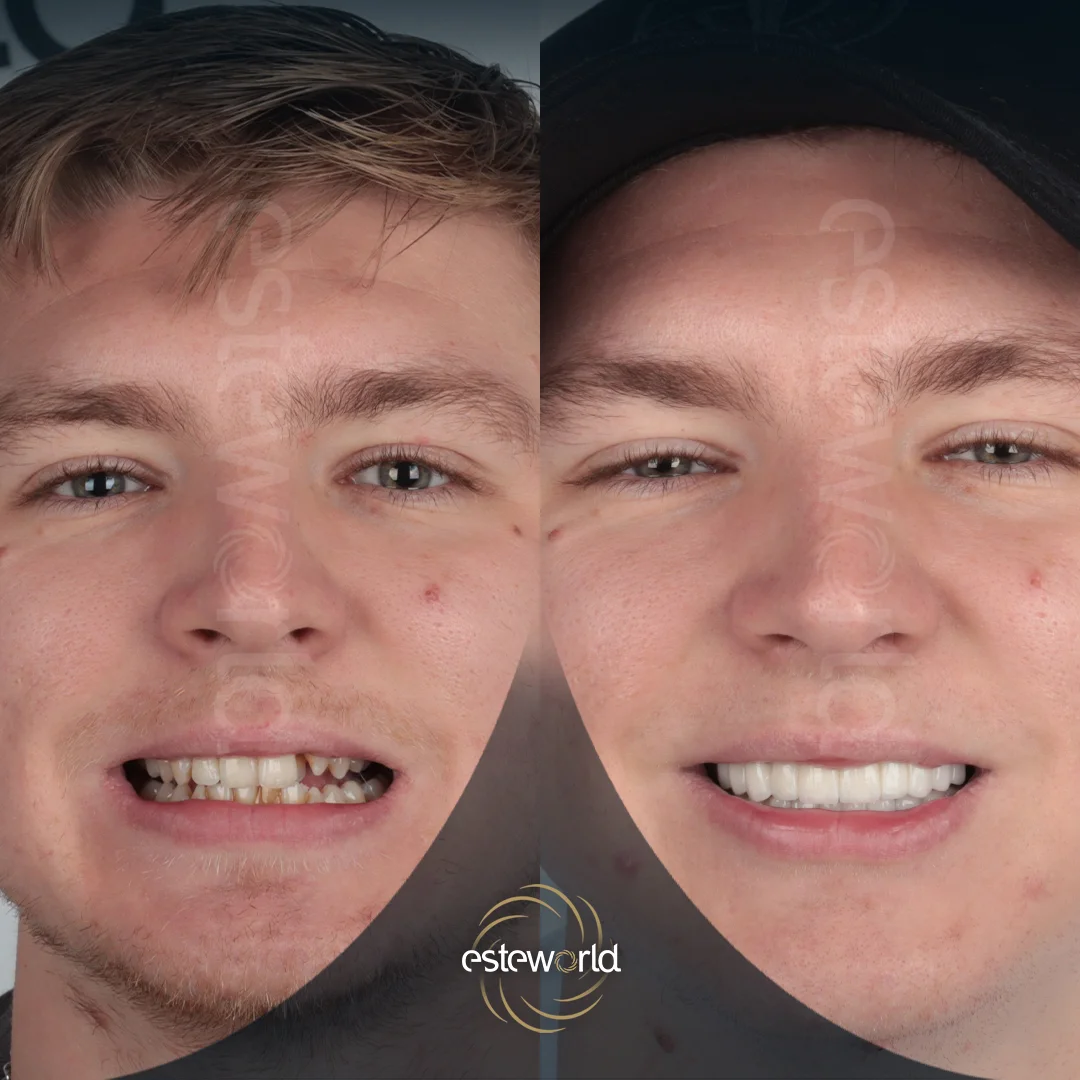
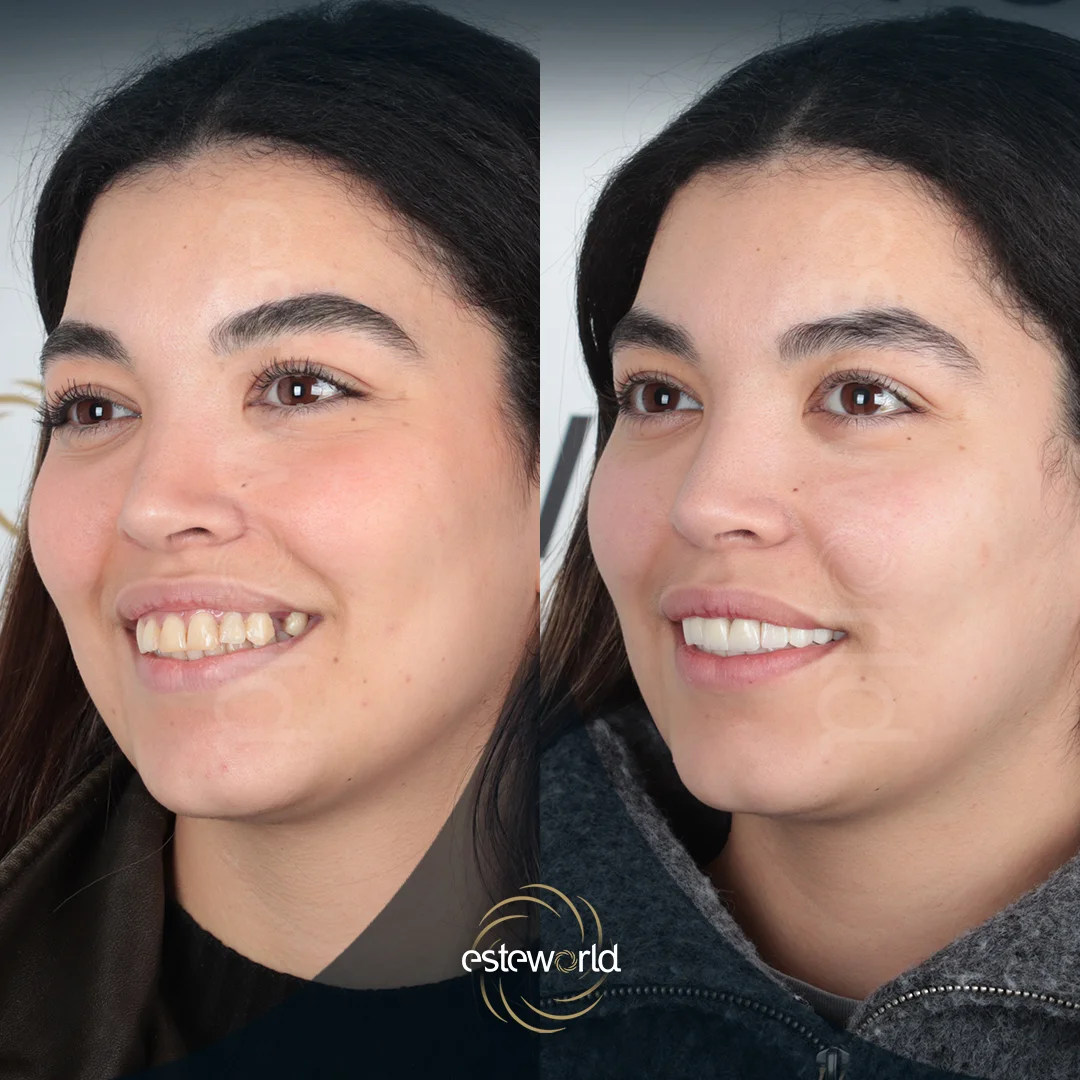
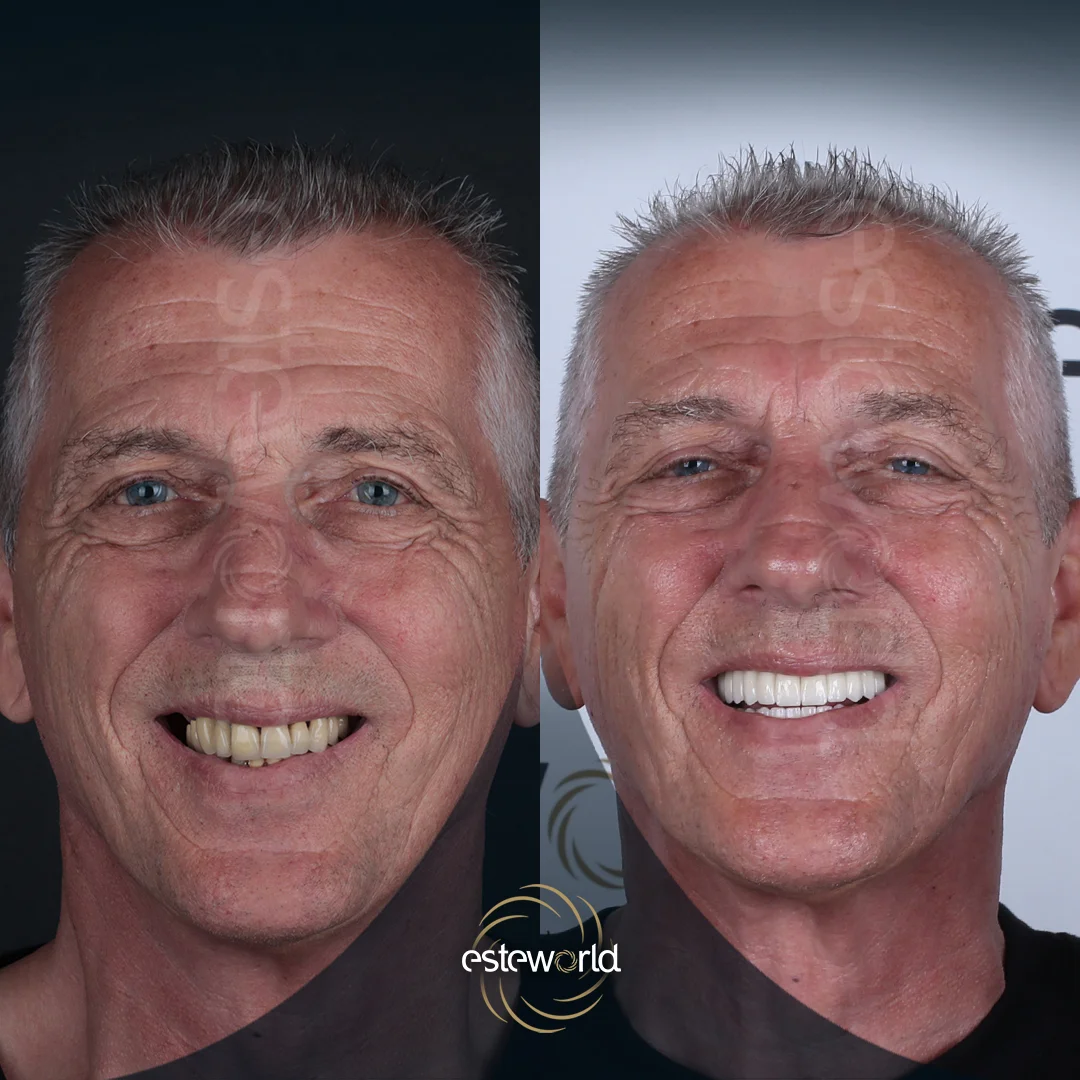
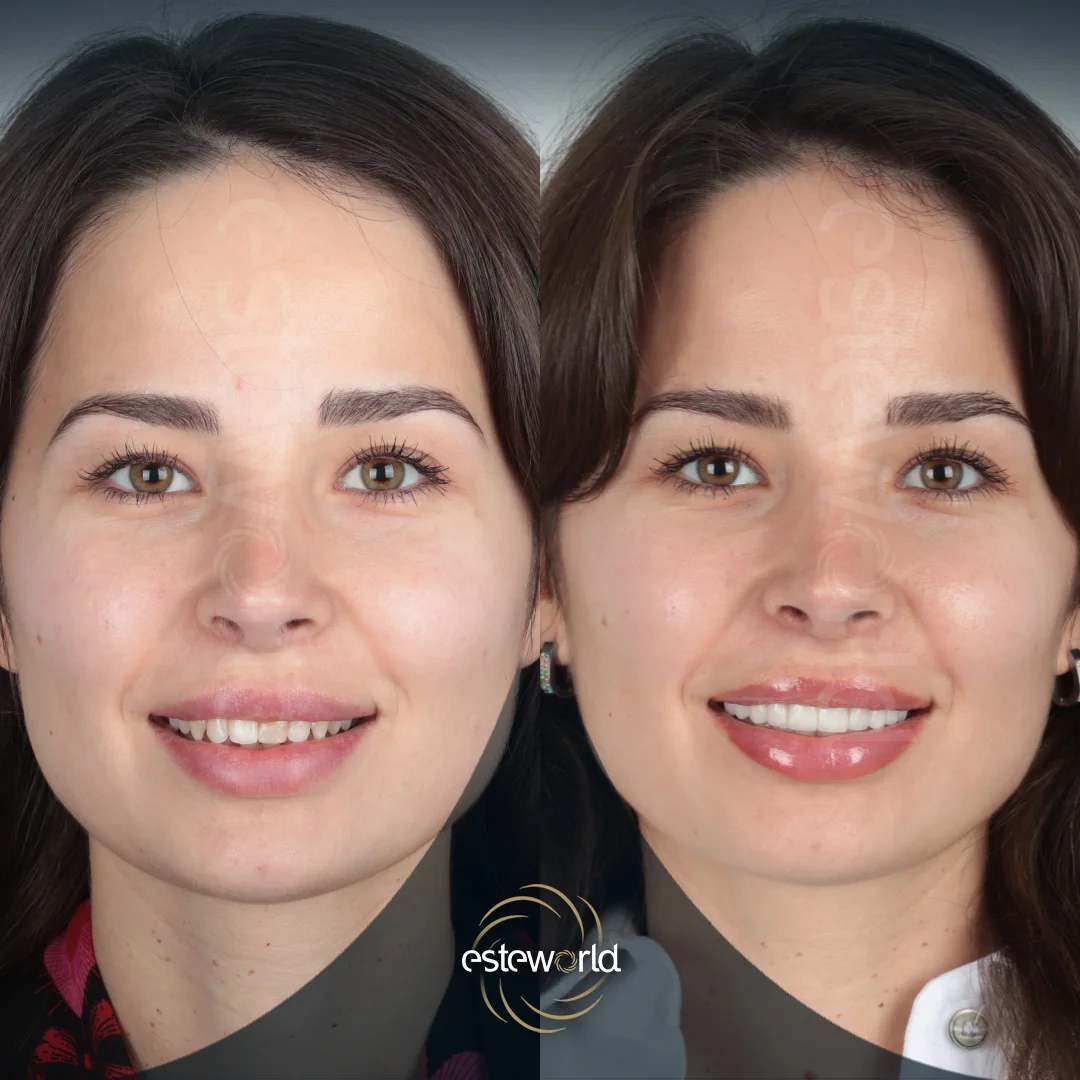
Thinking about dental veneers in Turkey? You’re not alone. Over the past decade, Turkey (especially Istanbul, Antalya, and İzmir) has become a go-to destination for smile makeovers. Patients come for skilled cosmetic dentists, modern clinics, and predictable timelines, and they stay for the value: strong results at prices that often undercut Western Europe and North America. This guide covers what veneers are, who they’re for, how the process works, how to choose a clinic, what it costs, and how to care for your new smile once you’re back home.
What is Dental Veneers in Turkey?
Dental veneers in Turkey are a popular cosmetic solution, offering quality treatment at prices between $150 and $400 per tooth.
Turkish dental clinics combine advanced technology with skilled cosmetic dentists to deliver natural-looking, long-lasting results. Many patients choose Turkey for veneers due to affordable packages that often include consultation, X-rays, treatment, and accommodation. Clinics in cities like Istanbul, Antalya, and Izmir are internationally accredited and cater to English-speaking patients. Compared to Western countries, where veneers can cost over $1,000 per tooth, Turkey provides exceptional value.
Dental crown treatment is applied for 2 purposes:
- Aesthetic
- Functional
When applied for aesthetic purposes, it can be used to cover tooth decay, broken fillings, extracted teeth or cavities in the mouth. On the other hand, veneers for functional purposes are preferred for situations such as tooth deficiency, loss of material, broken teeth, wear or reinforcement of teeth.
How Are Dental Veneers Applied in Turkey?
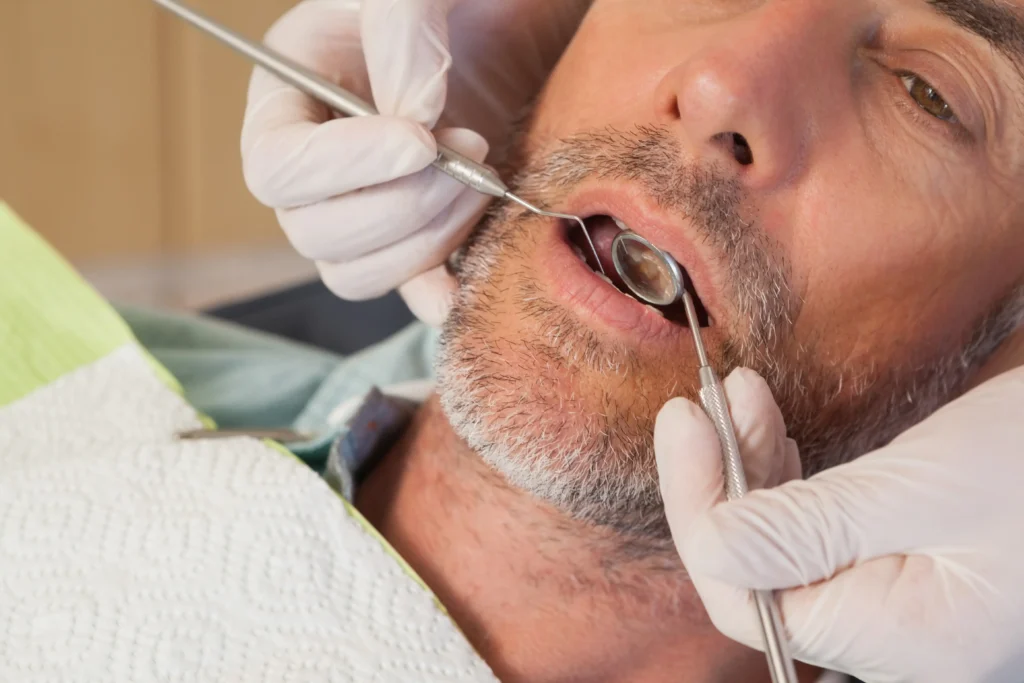
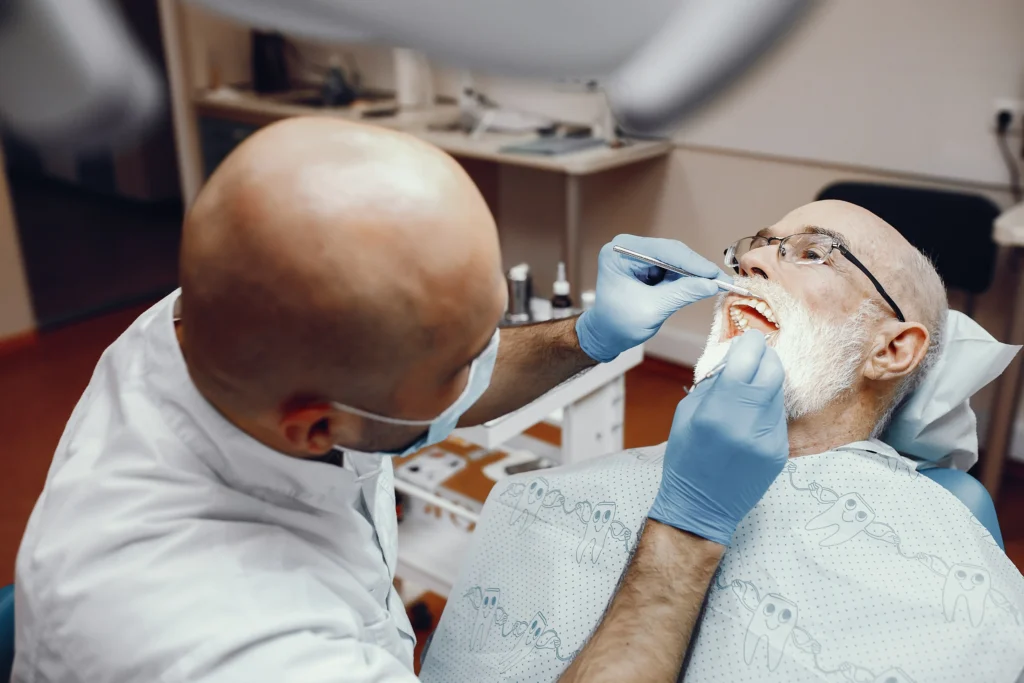
Dental veneers in Turkey are applied through a precise, multi-step process designed to enhance the appearance of teeth with minimal discomfort. The procedure starts with a thorough examination and planning phase to determine the desired shape, size, and color of the veneers.
Next, a small amount of enamel is gently removed from the surface of the teeth to create space for the veneers and ensure a natural fit. Impressions of the prepared teeth are then taken to fabricate custom veneers that match the patient’s dental structure and aesthetic goals. Once the veneers are ready, they are carefully bonded to the teeth using a strong dental adhesive, ensuring durability and a seamless look.
What are the Types of Dental Veneers Treatment?
Porcelain Veneers
- Porcelain veneers are among the most popular and durable options.
- These are custom-made thin shells that are bonded to the front surface of the teeth.
- Porcelain veneers are known for their natural appearance, resistance to staining and longevity.
Composite veneers
- Composite veneers are made of a tooth-colored resin material.
- They are applied directly to the teeth and can usually be completed in a single visit to the dentist.
- These veneers are more affordable but may not last as long as porcelain alternatives.
Emax veneers
- Emax veneers are crafted from high-strength lithium disilicate ceramic.
- They are renowned for their strength and natural translucency, providing a lifelike appearance.
- Emax veneers are suitable for both anterior and posterior teeth.
Zirconium veneers
- Zirconia veneers are made from a strong, biocompatible material.
- They are resistant to chipping and staining and are suitable for those with bruxism (teeth grinding).
- Zirconia veneers offer excellent durability and aesthetics.
Perfect smile veneers
- Perfect smile veneers often refer to customized veneers that are designed to create a flawless, aesthetically pleasing smile.
- These veneers can be made from various materials, including porcelain and composite, based on individual needs.
Benefits of Getting Dental Veneers in Turkey
- High-quality cosmetic dental treatments
- Affordable pricing compared to many other countries
- Access to advanced dental technology and materials
- Custom-made veneers tailored for natural appearance
- Minimal tooth preparation preserving natural enamel
- Quick and efficient treatment process
- Opportunity to combine dental care with travel experiences
- Experienced dental teams focused on patient satisfaction
- Comprehensive aftercare and follow-up services
How Long Does the Dental Veneers Procedure Take?
The dental veneers procedure typically takes between one to two weeks to complete. This duration is mainly due to the time required to design, fabricate, and customize the veneers to fit each patient’s teeth precisely. Initially, the dentist prepares the teeth by removing a thin layer of enamel, which allows the veneers to sit naturally without adding bulk.
After this preparation, impressions are taken and sent to a dental laboratory where the veneers are crafted. Once the veneers are ready, a follow-up appointment is scheduled to bond them securely to the teeth. This two-step process ensures the veneers are both aesthetically pleasing and comfortable, while allowing enough time for careful planning and accurate production.
What to Consider Before Getting Dental Veneers in Turkey?
Before getting dental veneers in Turkey, it is important to consider several factors to ensure the procedure meets your expectations and needs. First, assessing your oral health is essential because issues such as tooth decay or gum disease should be treated before applying veneers. Understanding the nature of veneers, including the fact that a small amount of enamel will be removed, helps set realistic expectations about the procedure and its permanence.
It is also helpful to consider the style and color of veneers that will best complement your natural teeth and facial features. Additionally, planning for the time required for appointments and follow-up visits ensures a smooth treatment process. Taking these points into account allows for a well-informed decision and a satisfactory outcome from dental veneers in Turkey.
Dental Veneers Aftercare and Longevity
Dental veneers require proper aftercare to maintain their appearance and extend their lifespan. After the procedure, it is important to follow good oral hygiene practices such as regular brushing and flossing to prevent decay and gum issues around the veneers. Avoiding habits like biting on hard objects or using teeth as tools can help prevent chips or cracks.
Regular dental check-ups allow for early detection of any potential problems and professional cleaning to keep veneers looking their best. With proper care, dental veneers can last many years, providing a durable and natural-looking enhancement to your smile. Consistent maintenance and mindful daily habits play a key role in preserving the longevity of veneers over time.
Why Should I Get Dental Veneers in Turkey?
Getting dental veneers in Turkey can be an attractive option for several reasons. First, Turkey has a well-developed dental tourism industry with high-quality clinics and experienced professionals offering competitive prices. Dental veneers cost Turkey is often more affordable compared to many Western countries, making it a cost-effective choice for those seeking cosmetic dental procedures. Additionally, Turkey’s modern facilities and beautiful tourist destinations offer a unique opportunity to combine dental treatment with a memorable vacation experience. However, it’s crucial to thoroughly research and choose a reputable clinic with certified dentists to ensure a successful and safe dental veneers procedure.
Dental Veneers Cost Turkey
Veneers in Turkey typically cost between $150 and $400 per tooth, depending on the material and clinic location.
This price includes high-quality materials like porcelain or composite, and is significantly lower than in the UK or US.
Many dental clinics in Istanbul, Antalya, and Izmir offer full veneer packages covering consultation, X-rays, and accommodation. Turkish dentists are known for their expertise, and most clinics cater to international patients with English-speaking staff. Patients often choose Turkey for affordable dental veneers without compromising on quality or aesthetics.