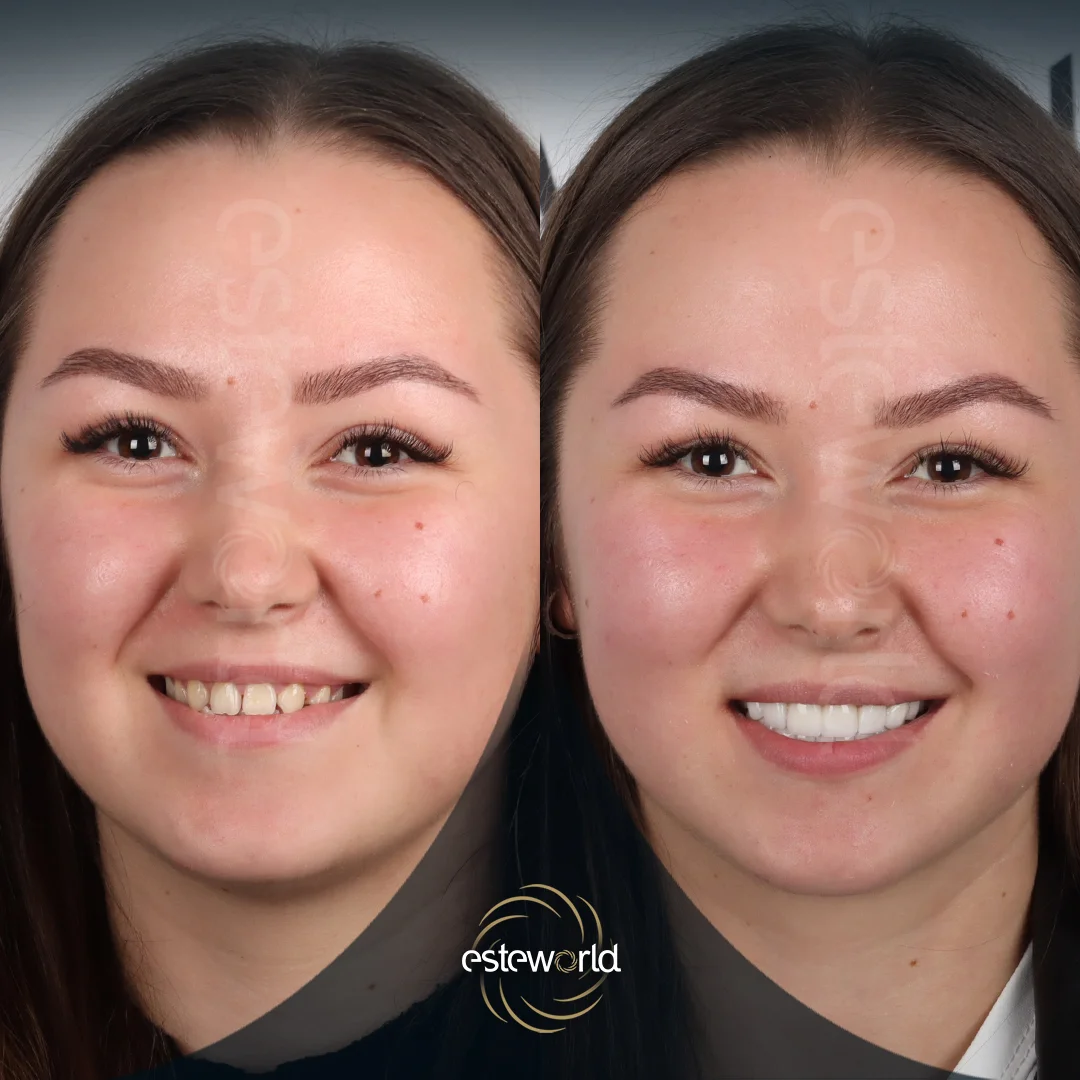
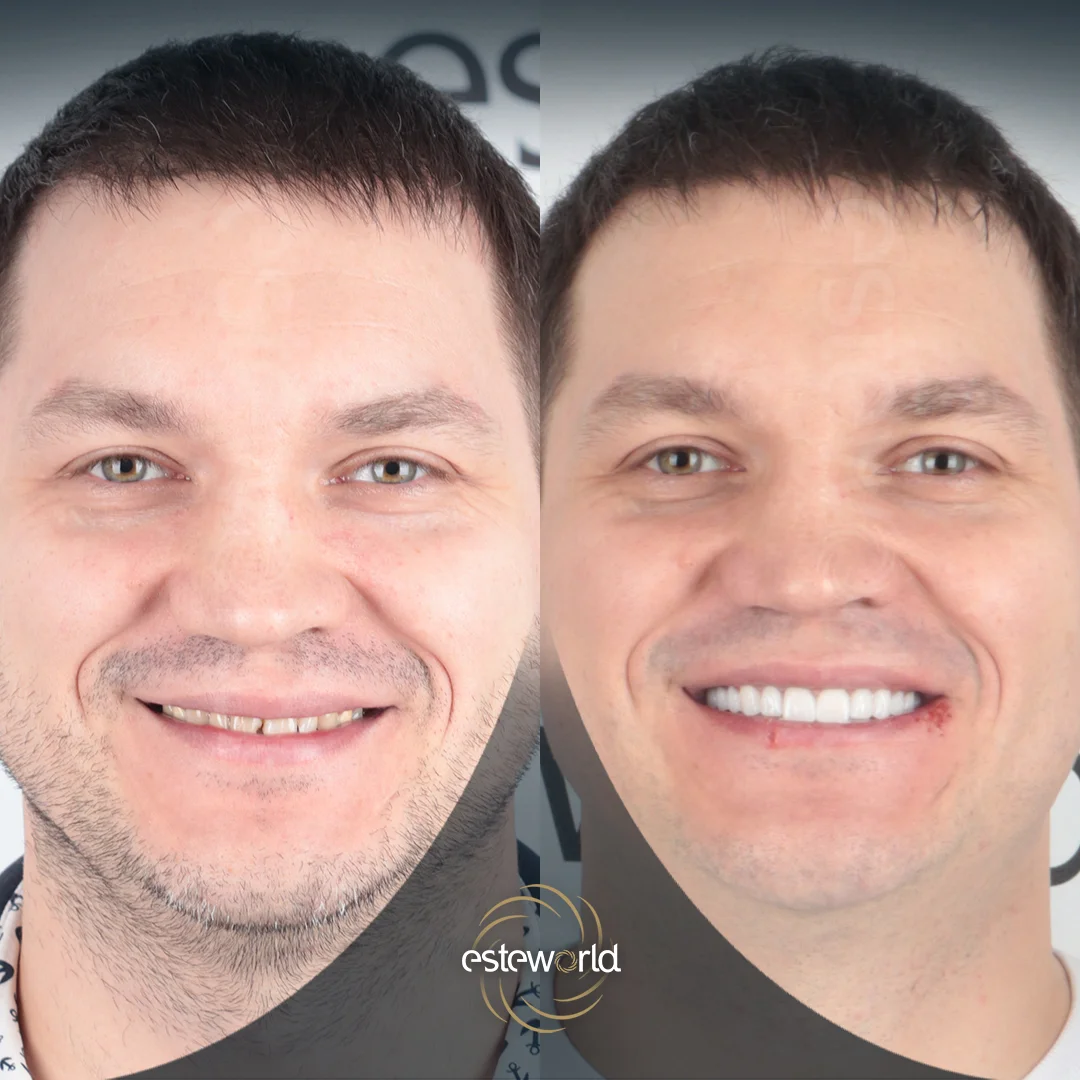
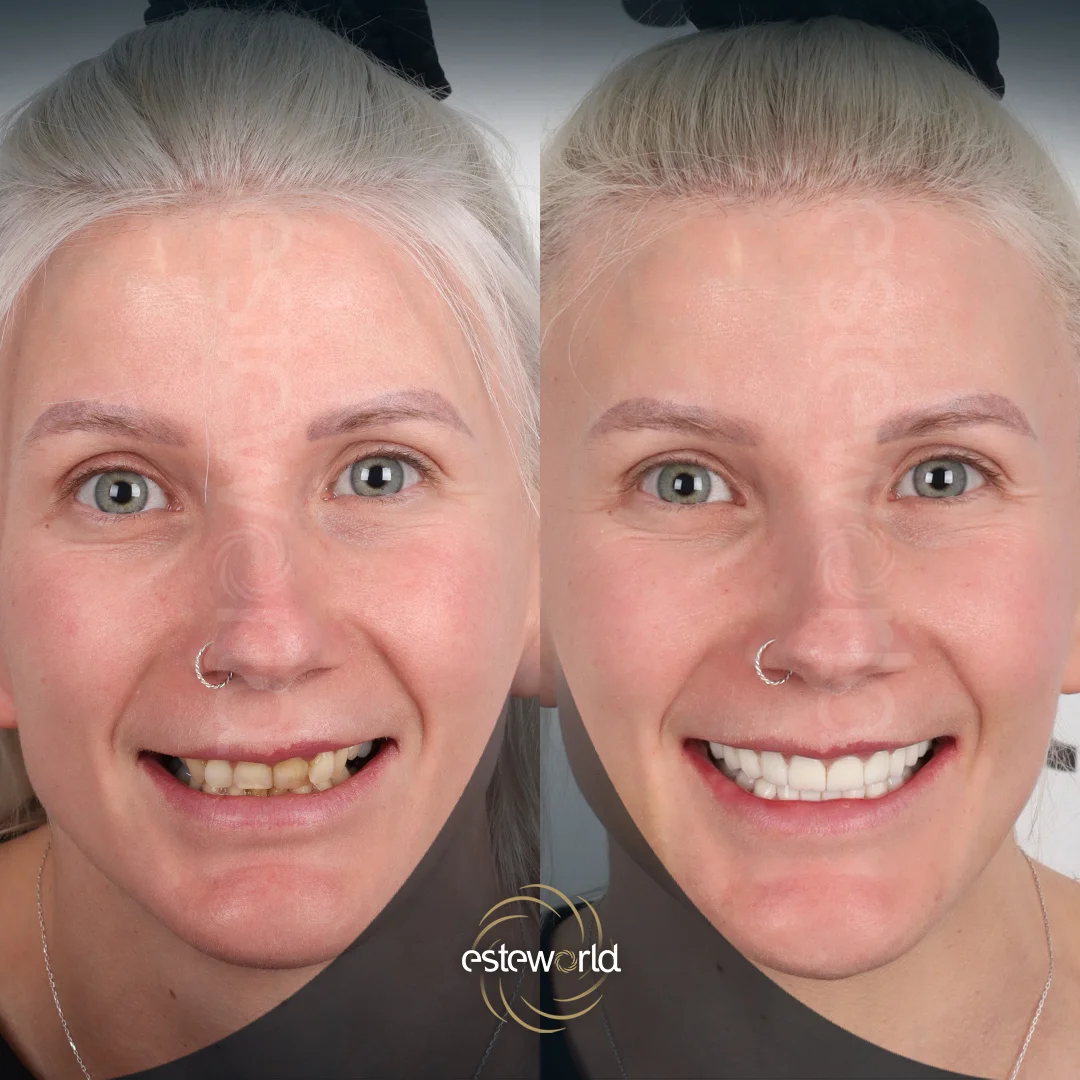
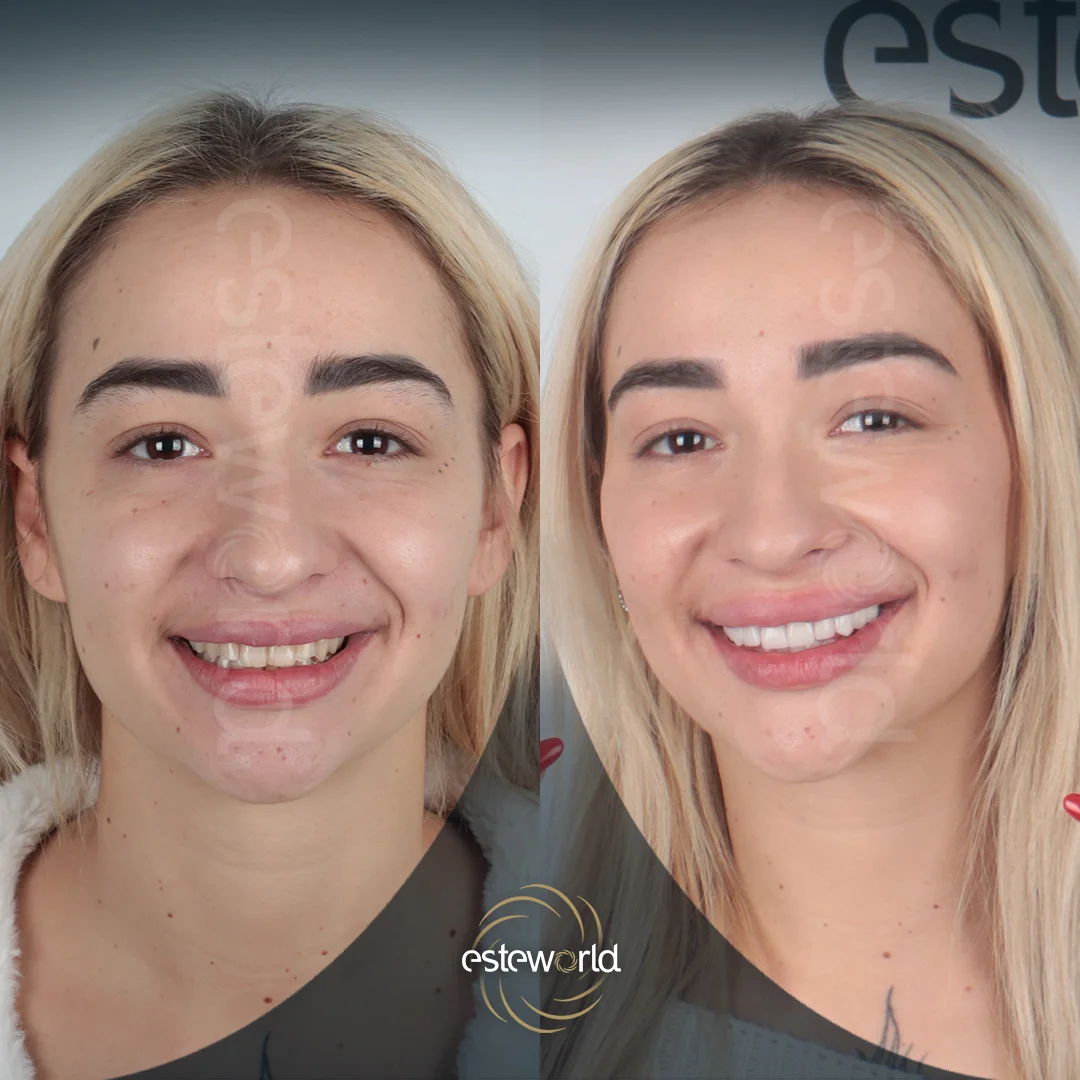
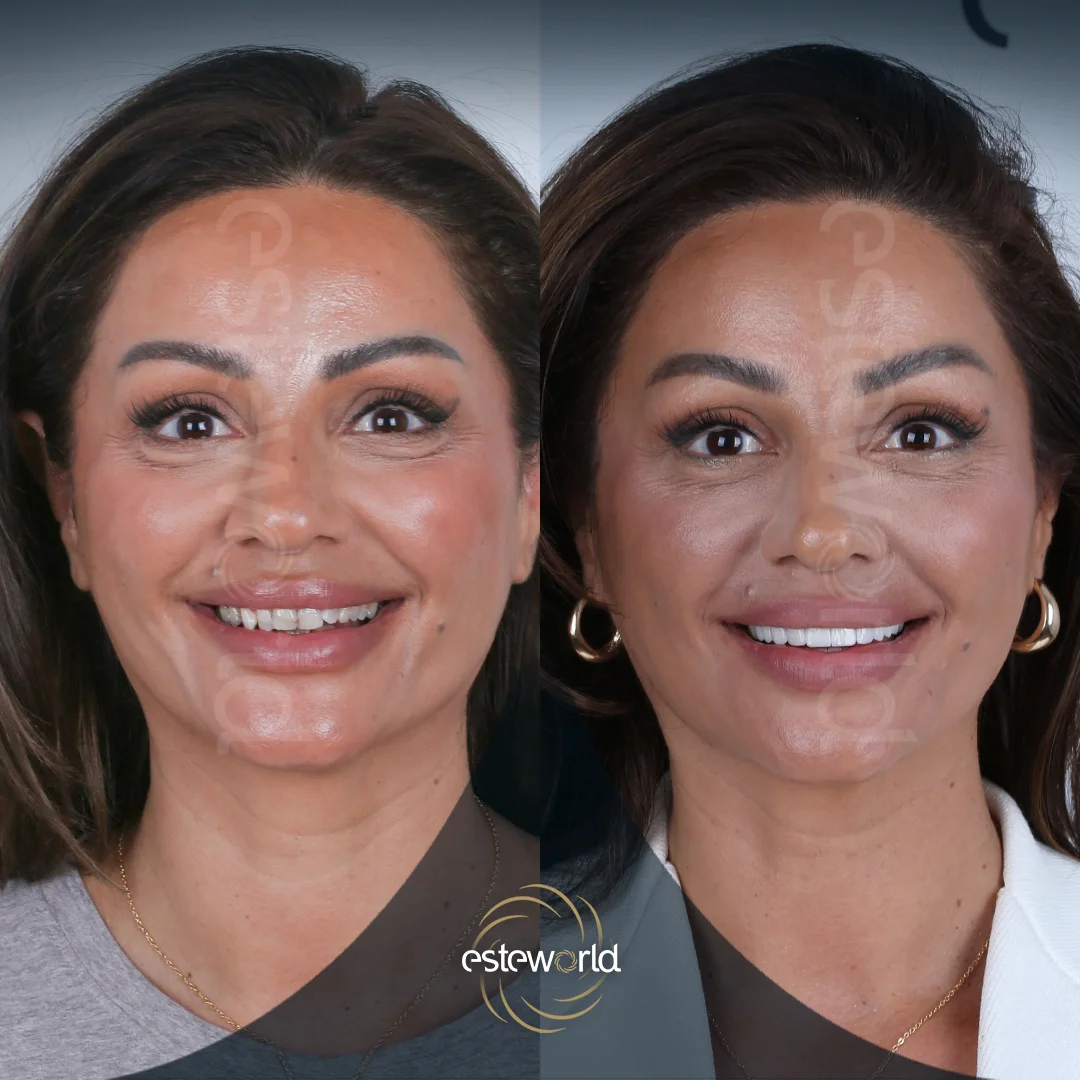
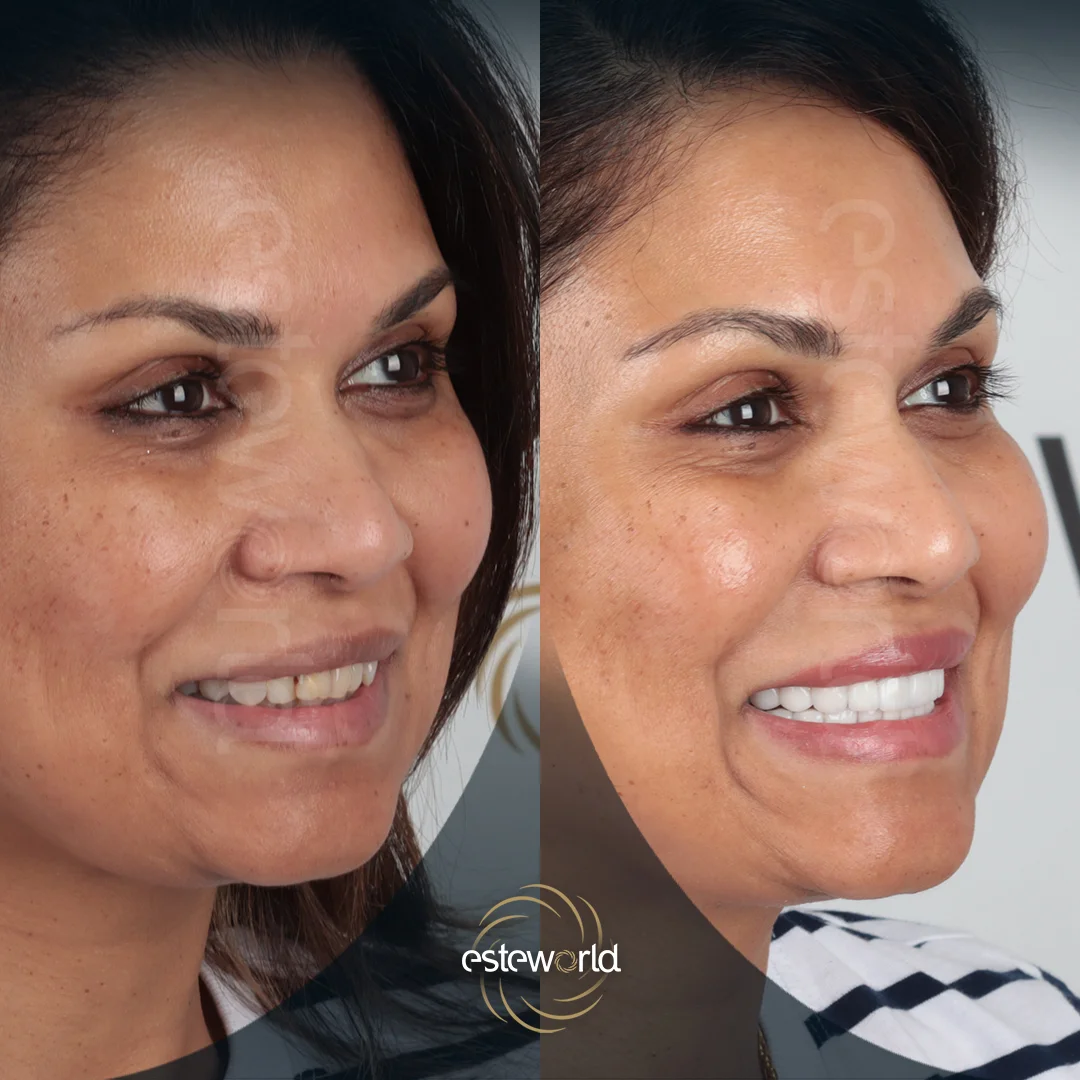
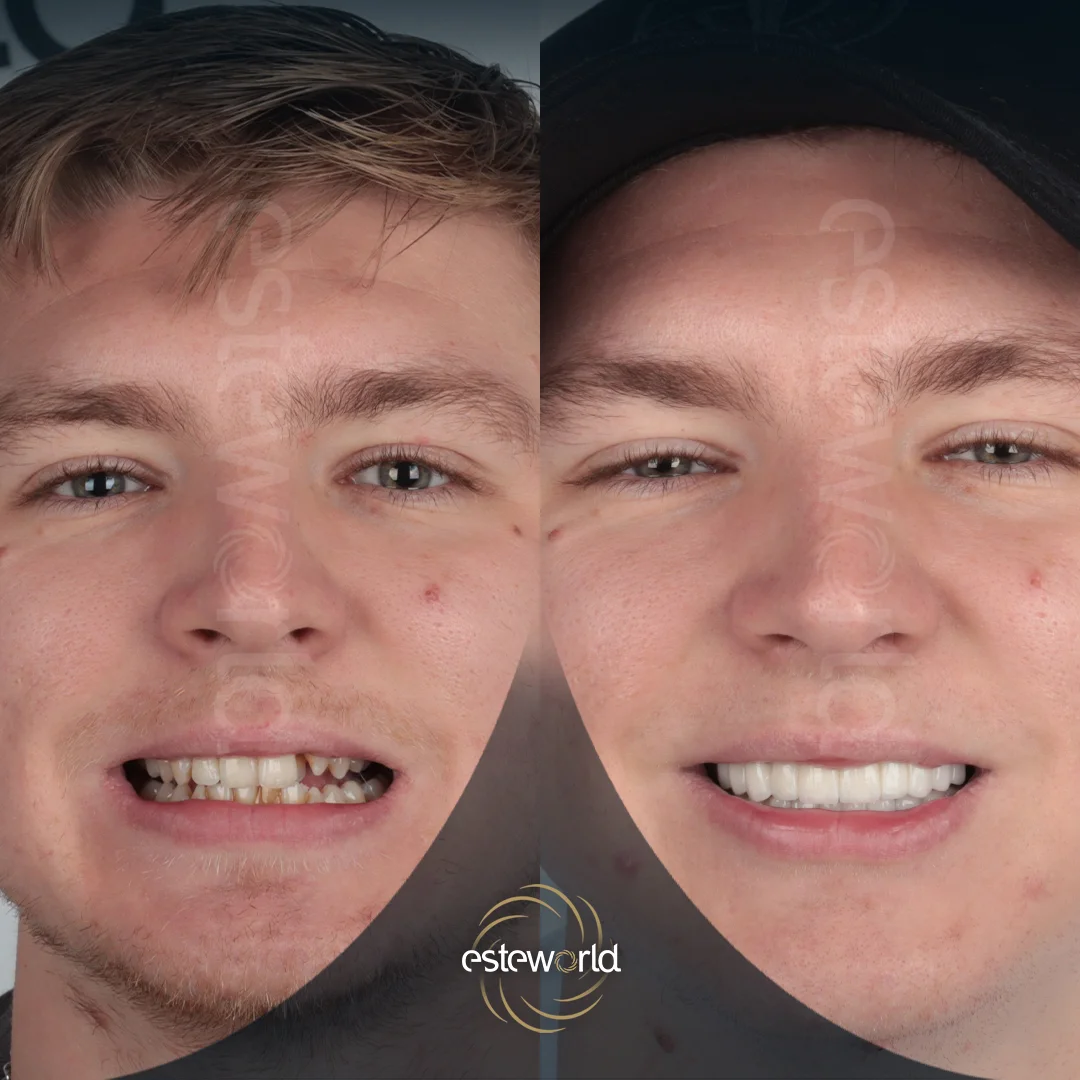
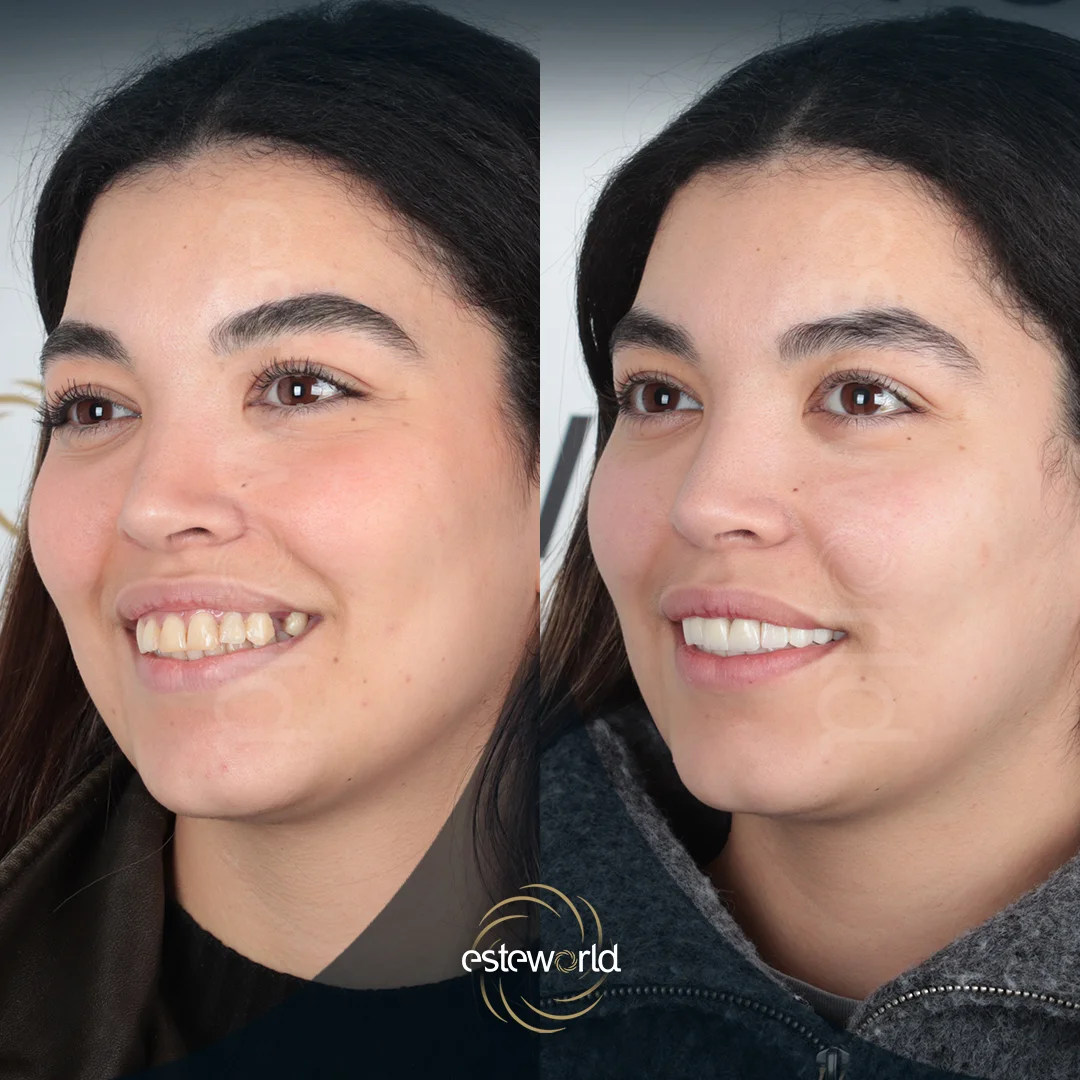
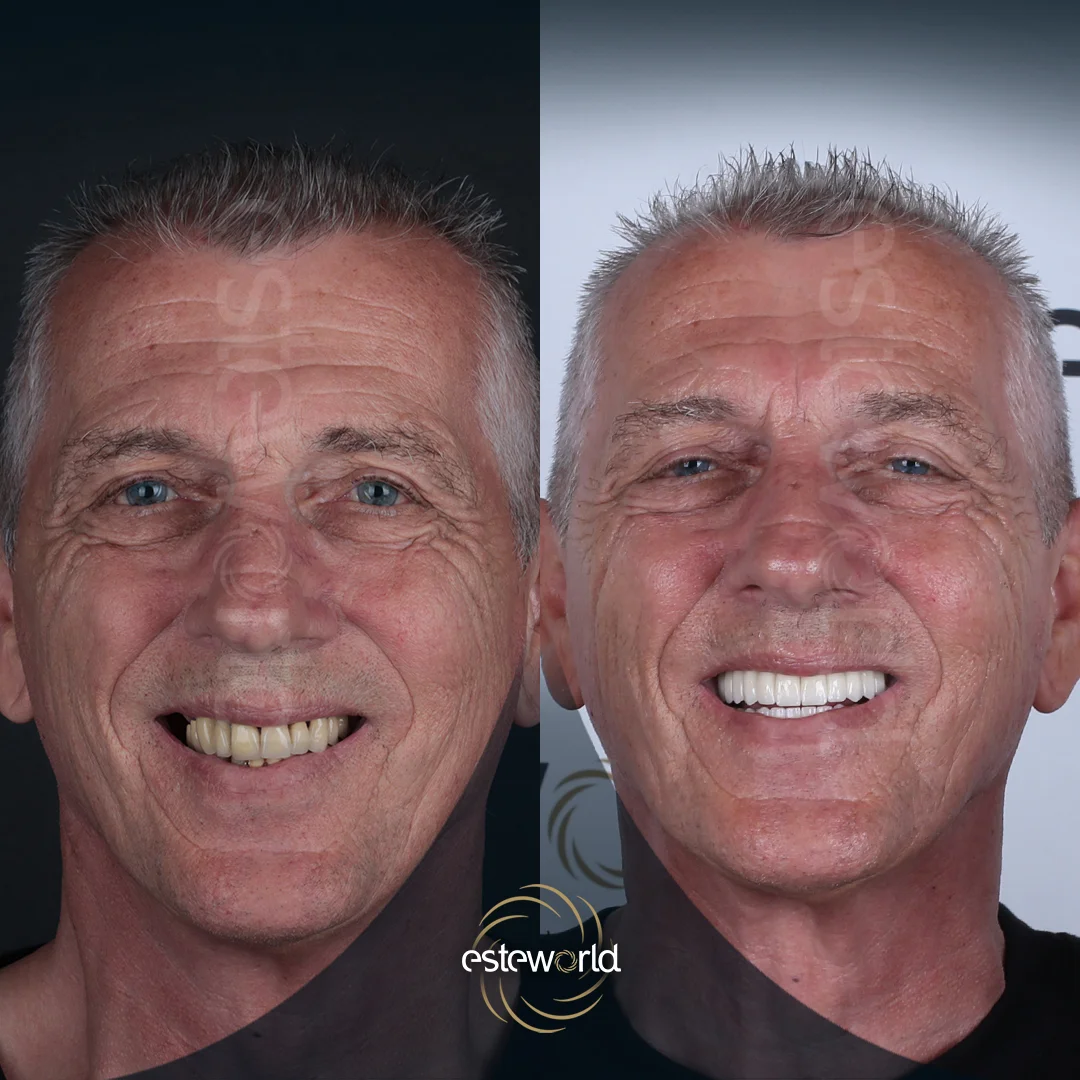
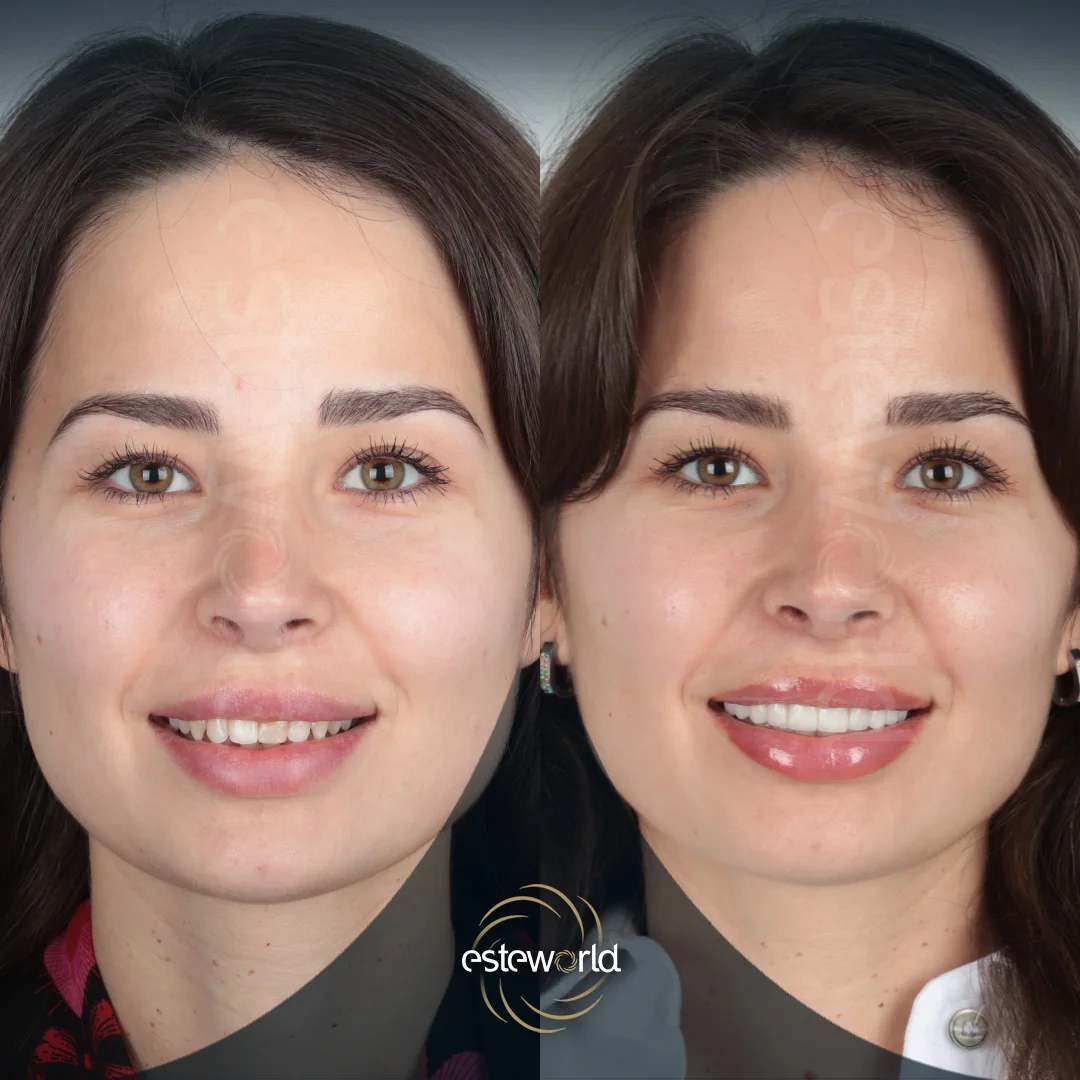
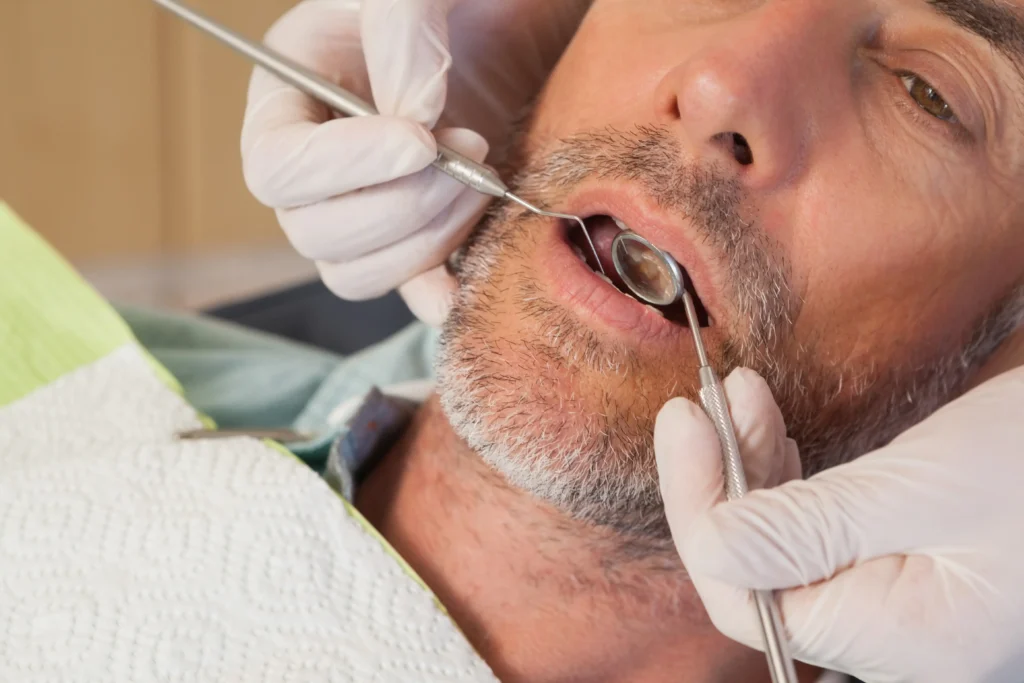
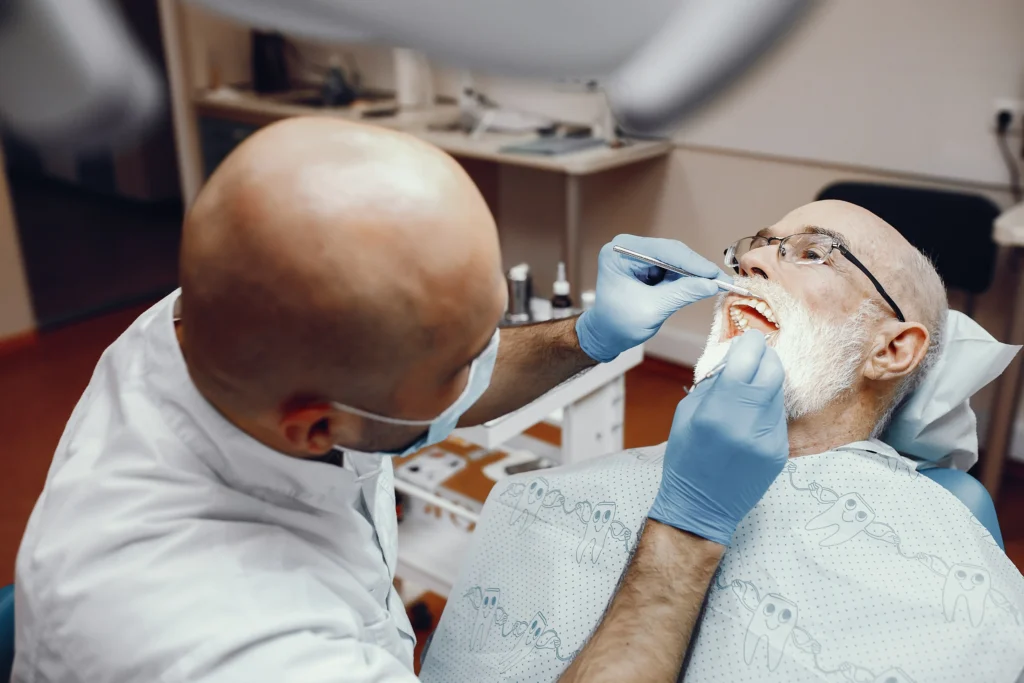
A dental implant in Turkey is a surgical procedure used to replace missing teeth with artificial roots and crowns, widely performed in modern dental clinics across the country. These implants are made from biocompatible materials, typically titanium, and are placed into the jawbone to serve as a stable foundation for crowns, bridges, or dentures
What is Dental Implant in Turkey?
A dental implant in Turkey is an artificial tooth root surgically placed into your jawbone to support a replacement tooth or bridge. It acts just like a natural tooth root, providing a stable foundation for either fixed or removable dental restorations. This stability comes from a remarkable process called osseointegration, where the implant actually integrates with your bone, becoming securely anchored over time.
Unlike traditional dentures, implants don’t rely on surrounding teeth for support, which helps preserve the integrity of your adjacent natural teeth. Plus, dental implants play a crucial role in maintaining jawbone density by stimulating the bone, actively preventing the bone loss that often happens after a tooth is lost. This makes dental implants a truly reliable and long-lasting solution for bringing back both the look and full function of your missing teeth.
In Which Situations Is Implant Dental Treatment Applied?
Dental implants are a widely used treatment option to replace or support missing teeth. Implant application may be suitable for the following conditions:
- If the bone in the area where the implant will be placed is sufficient, a dental crown can be applied by placing an implant instead of the missing tooth.
- If more than one tooth is missing, fixed or removable prostheses can be made using implants. Fixed prostheses are provided by screwing into implants and are more comfortable and functional than removable prostheses.
- Successful results can be obtained by using implants in the treatment of defects in the jaw and face area, whose aesthetic appearance needs to be corrected.
- Lack of teeth can lead to melting of the jawbone over time. If jawbone resorption has occurred, bone grafting may be required before proceeding to implant treatment.
- For patients who do not want to use removable prostheses, implants can offer a more comfortable and convenient alternative. Therefore, implants can be an ideal solution for these patients.
These applications offer an effective treatment option for solving tooth loss problems and achieving aesthetically satisfactory results.
Why Choose Dental Implants?
Choosing dental implants is a preferred option because they provide a durable and natural-feeling solution for missing teeth. Unlike traditional dentures or bridges, implants are anchored directly into the jawbone, offering greater stability and comfort during daily activities like eating and speaking. This direct integration with the bone also helps preserve the jaw’s structure, preventing the bone loss that can occur when teeth are missing.
Furthermore, dental implants do not affect neighboring teeth, which is an advantage over some other restorative methods that require altering adjacent teeth. Their long-term effectiveness and ability to support various types of dental restorations make implants a practical choice for those seeking a functional and lasting tooth replacement.
Who is Dental Implant Treatment Suitable for?
Dental implant treatment is suitable for individuals over the age of 18 who have completed jaw and bone development. Candidates should have healthy gums, sufficient bone density and no untreated chronic conditions. Those with diabetes, osteoporosis, or blood thinners may be eligible with physician approval if their condition is managed under medical supervision. Implants are ideal for replacing one or more missing teeth, supporting bridges or dentures, repairing decayed or worn teeth and achieving a natural-looking smile.
How Is Dental Implant Treatment Performed in Turkey?
Dental implant treatment in Turkey is performed through a carefully planned surgical procedure that involves placing the implant into the jawbone to replace missing teeth. The process begins with a thorough assessment to evaluate bone structure and oral health, ensuring the implant can be securely anchored. Once the implant is placed, a healing period follows, allowing the implant to integrate with the bone through a process called osseointegration, which provides a stable foundation for the replacement tooth.
After this healing phase, an abutment is attached to the implant, serving as the connector for the final dental crown or bridge. This step-by-step approach ensures the implant is well-supported and functional, resulting in a natural appearance and improved oral function.
Advantages of Getting Dental Implant in Turkey
- High-quality dental care with advanced technology
- Affordable treatment costs compared to many other countries
- Skilled dental professionals trained in modern implant techniques
- Comprehensive treatment options available in one visit
- Use of internationally approved implant materials
- Shorter waiting times for procedures and appointments
- Opportunity to combine treatment with travel and tourism
- Strong focus on patient comfort and safety during procedures
- Access to detailed pre- and post-treatment support
How Long Does the Dental Implant Process Take?
The dental implant process typically takes several months from start to finish. This timeframe is primarily due to the healing period required after the implant is surgically placed in the jawbone. During this phase, known as osseointegration, the bone gradually fuses with the implant, providing a strong and stable base for the final restoration.
Depending on individual healing rates and the condition of the jawbone, this process can take anywhere from three to six months. After successful integration, the abutment and the permanent crown are placed, completing the treatment. This staged approach ensures the durability and functionality of the implant, making the overall timeline necessary for a successful and lasting outcome.
Zygomatic Implants
Zygomatic implants are an alternative for individuals with significant bone loss in the upper jaw. These implants are attached to the zygomatic bone (cheekbone) to provide a stable base for dental prostheses, especially in cases where normal implants cannot be applied due to insufficient bone density.
Full mouth dental implants
Full mouth dental implants, also known as full arch dental implants or implant-supported dentures, involve replacing an entire arch (upper or lower jaw) of missing teeth. This comprehensive approach restores the entire set of teeth using multiple implants to support a fixed or removable prosthesis.
Multiple tooth implant
Multiple dental implants involve the placement of implants to support dental bridges or partial dentures, replacing multiple missing teeth within a given dental arch. This approach provides a reliable and permanent solution to restore functionality and aesthetics.
All on 4 dental implants
The All-on-4 dental implant technique uses four strategically placed implants to support a full arch bridge, providing stability and functionality comparable to natural teeth. It is an effective and cost-effective solution for the replacement of a full set of teeth.
Implant restoration
Implant restoration involves placing crowns, bridges or prostheses on dental implants, completing the dental implant procedure and restoring the appearance and functionality of natural teeth.
Mini dental implants
Mini dental implants are smaller in size compared to standard implants. They are used when there is limited bone or space and often act as stabilisers for removable dentures or bridges.
Denture stabilisation
Denture stabilisation involves the use of dental implants to fix and stabilise removable prostheses such as dentures. This improves comfort and confidence while minimising the problems associated with traditional removable appliances.
What to Consider Before Getting Dental Implant in Turkey?
Before getting a dental implant in Turkey, it is important to consider several key factors to ensure a successful treatment experience. First, evaluating your overall oral health and bone condition is essential because a sufficient amount of healthy bone is needed to support the implant securely. Additionally, understanding the treatment timeline and the healing process helps set realistic expectations regarding the duration and stages of the procedure.
Considering travel arrangements and accommodation is also necessary since dental implant treatment may require multiple visits over several months. It is equally important to review the quality and standards of the dental clinic and materials used, as these directly impact the longevity and safety of the implant. By carefully planning and preparing for these aspects, patients can approach their dental implant treatment in Turkey with greater confidence and clarity.
Why Should I Have a Dental Implant in Turkey?
Opting for dental implant in Turkey offers a compelling blend of high-quality healthcare, experienced dental professionals, and cost-efficiency. Turkey has earned a reputation for providing world-class dental care at significantly lower costs compared to many other countries. The country boasts state-of-the-art facilities, skilled implant surgeons, and adherence to international standards.
Moreover, choosing dental implant in Turkey allows you to combine the dental procedure with a unique travel experience, exploring the rich culture and historical sites that the country has to offer. This combination of superior dental expertise, affordability, and a captivating travel experience makes Turkey an attractive destination for dental implant treatments.
During Implant Treatment:
- Follow the pre-operative instructions regarding fasting, medications and anaesthesia given by the dental team.
- Be prepared for the surgical implant procedure, which involves placing the implants in the jawbone.
- Follow postoperative care instructions, including prescribed medications, dietary changes, and proper oral hygiene practices.
- Attend follow-up appointments as scheduled for monitoring and aftercare.
- Allow sufficient time for the implants to integrate with the bone (osseointegration) before proceeding to the restoration phase.
- Rest and avoid strenuous activities to promote healing and minimise complications.