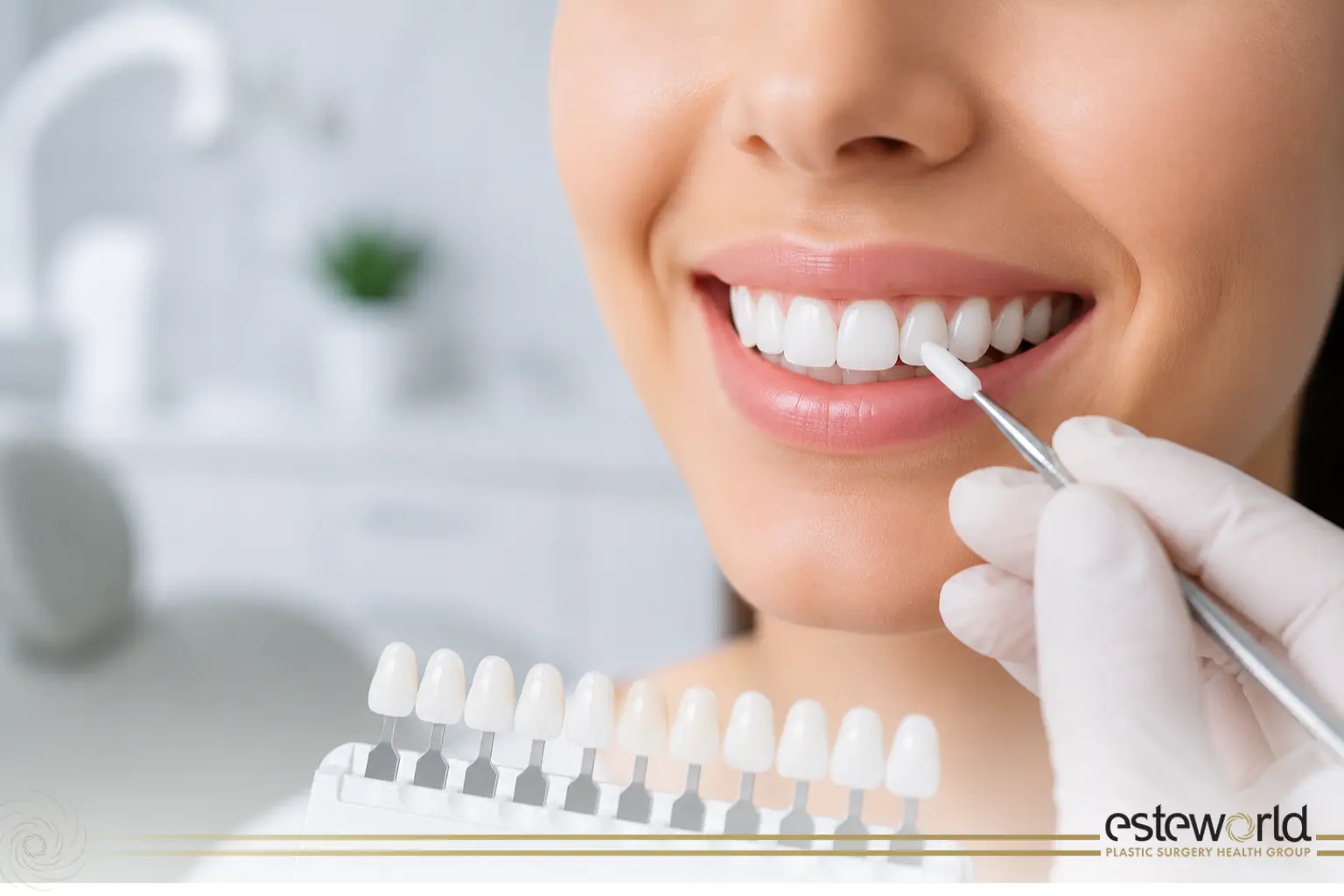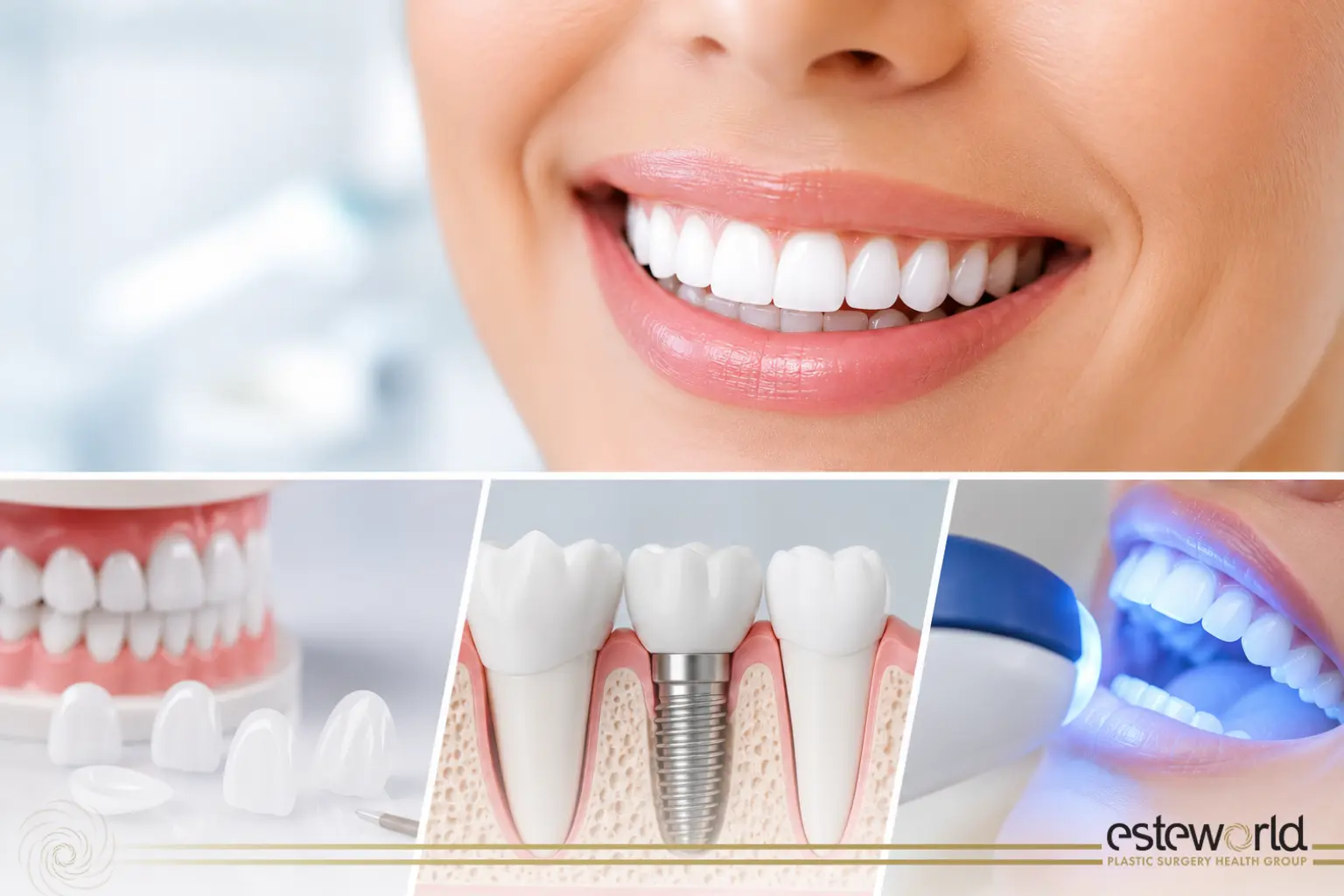

A smile makeover in 2026 is not a single dental treatment. It is a personalised cosmetic and restorative dental plan that may include veneers, dental implants, teeth whitening, crowns, gum contouring or orthodontic preparation, depending on the patient’s oral health and aesthetic goals. Veneers can improve tooth shape, colour and minor surface imperfections. Dental implants can replace missing teeth and support long-term function. Whitening can brighten natural teeth before or after other treatments, depending on the treatment plan. The best result comes from careful diagnosis, realistic expectations, healthy gums, proper bite planning and a clinic that explains every step clearly.
A smile makeover is a customised dental treatment plan designed to improve the appearance, function and harmony of the smile. In 2026, the most common smile makeover options include porcelain veneers, composite veneers, dental implants and professional teeth whitening. The right combination depends on tooth colour, tooth shape, missing teeth, gum health, bite balance, bone structure and the patient’s expectations. A dentist should examine the mouth, take dental images and explain treatment options before recommending veneers, implants or whitening.
What Does a Smile Makeover Mean in 2026?
A smile makeover is often described as a cosmetic dental treatment, but that definition is too narrow. A good smile makeover does not simply make teeth whiter. It looks at the relationship between teeth, gums, lips, facial proportions and bite function. In other words, it is not about giving every patient the same bright, flat, oversized smile that looks like it was designed by someone who has only seen teeth in stock photos.
In 2026, patients are more informed than ever. They want natural-looking results, shorter treatment times, digital planning, transparent pricing and long-term comfort. This has changed the way dentists plan aesthetic dental treatments. The focus is moving away from exaggerated whiteness and towards balance. A successful smile makeover should look clean, healthy and personal to the face.
The treatment plan usually starts with a detailed consultation. The dentist evaluates tooth colour, tooth size, alignment, gum level, missing teeth, old fillings, worn enamel, bite pressure and oral hygiene. If there are untreated dental problems, they are usually managed before cosmetic work begins. Healthy gums and stable teeth are the foundation of any aesthetic result. Otherwise, the treatment may look good at first but become difficult to maintain later.
A Smile Makeover Is More Than a Whiter Smile
Teeth whitening is often the first treatment people think about when they want a better smile. It can be a useful option, especially when the main concern is staining or dullness. However, whitening cannot change tooth shape, close gaps, replace missing teeth or repair major wear. That is why veneers and implants may be included in a smile makeover plan.
A patient with healthy but stained natural teeth may only need professional whitening. A patient with chipped, uneven or heavily discoloured teeth may benefit from veneers. A patient with missing teeth may need dental implants before the final smile design is completed. In some cases, several treatments are combined to create a result that looks natural rather than forced.
Veneers, Implants and Whitening: How They Work Together
Veneers, implants and whitening each solve a different problem. The right treatment is not chosen because it sounds fashionable. It is chosen because it matches the patient’s oral condition. That very boring sentence is also the reason good dentistry works. The mouth is not a mood board.
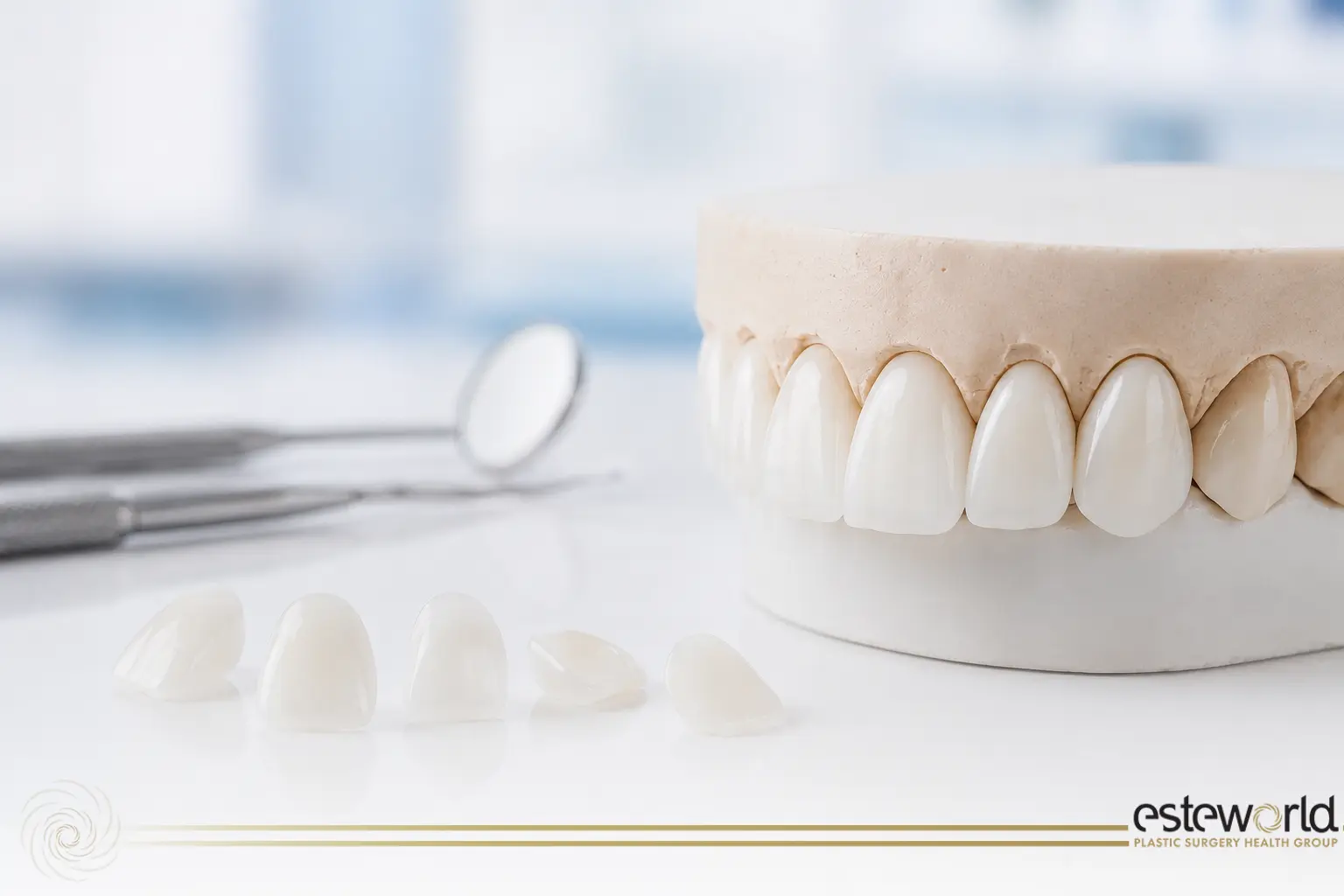
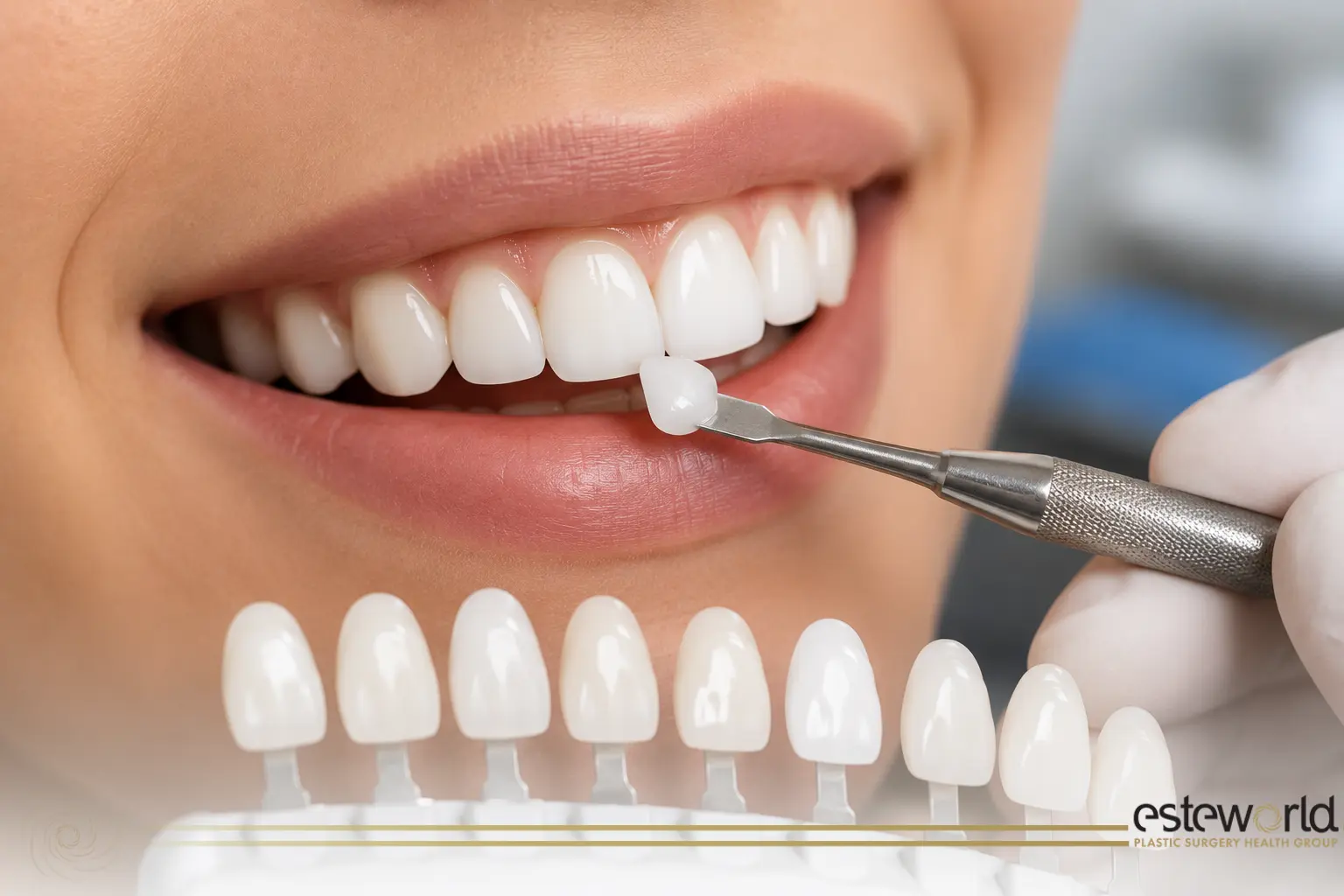
Veneers are thin layers of porcelain or composite material placed on the front surface of the teeth. They are used to improve colour, shape, minor alignment issues, small gaps and worn edges. Porcelain veneers are often preferred for their durability and natural light reflection, while composite veneers may offer a more conservative and faster option in selected cases.
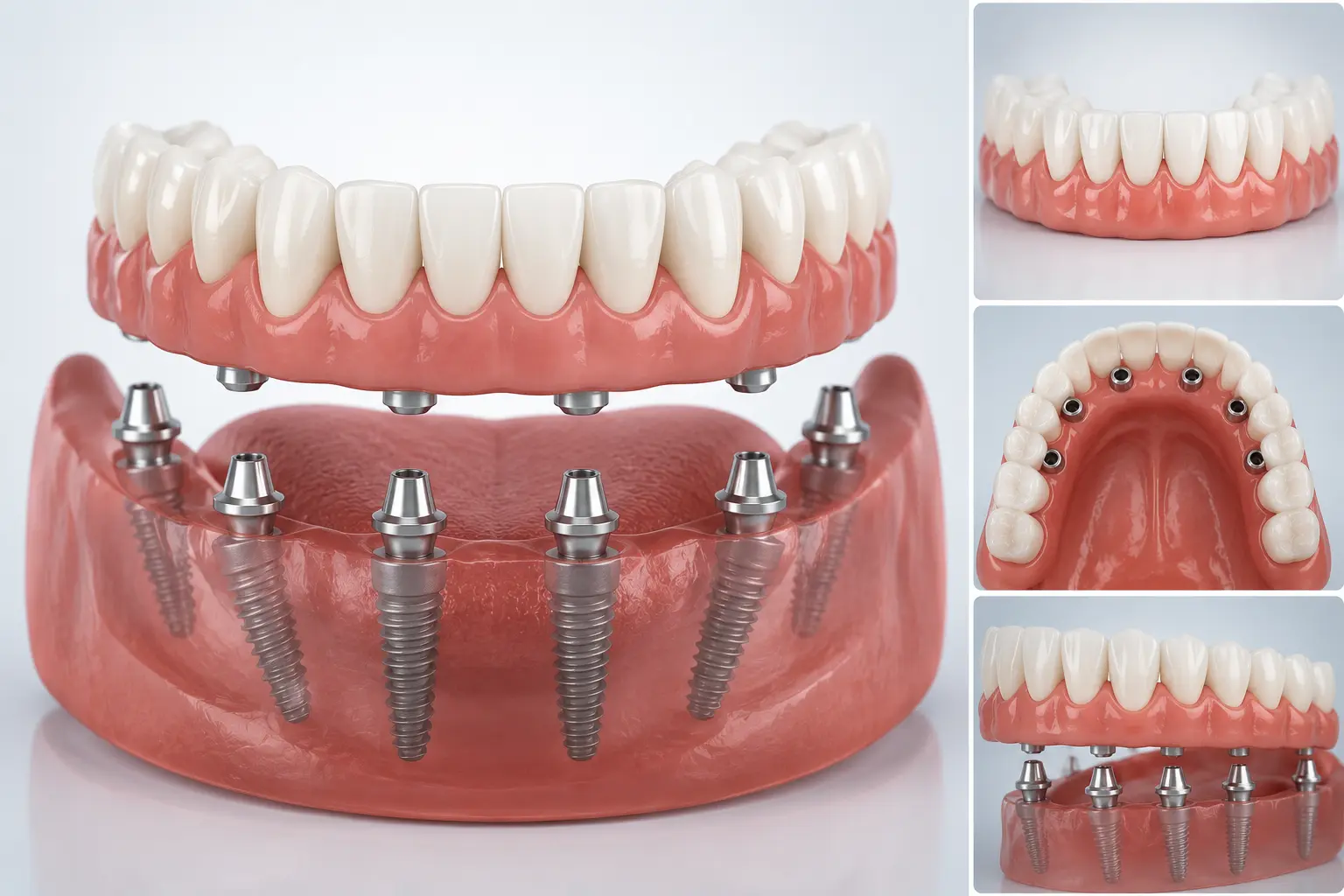
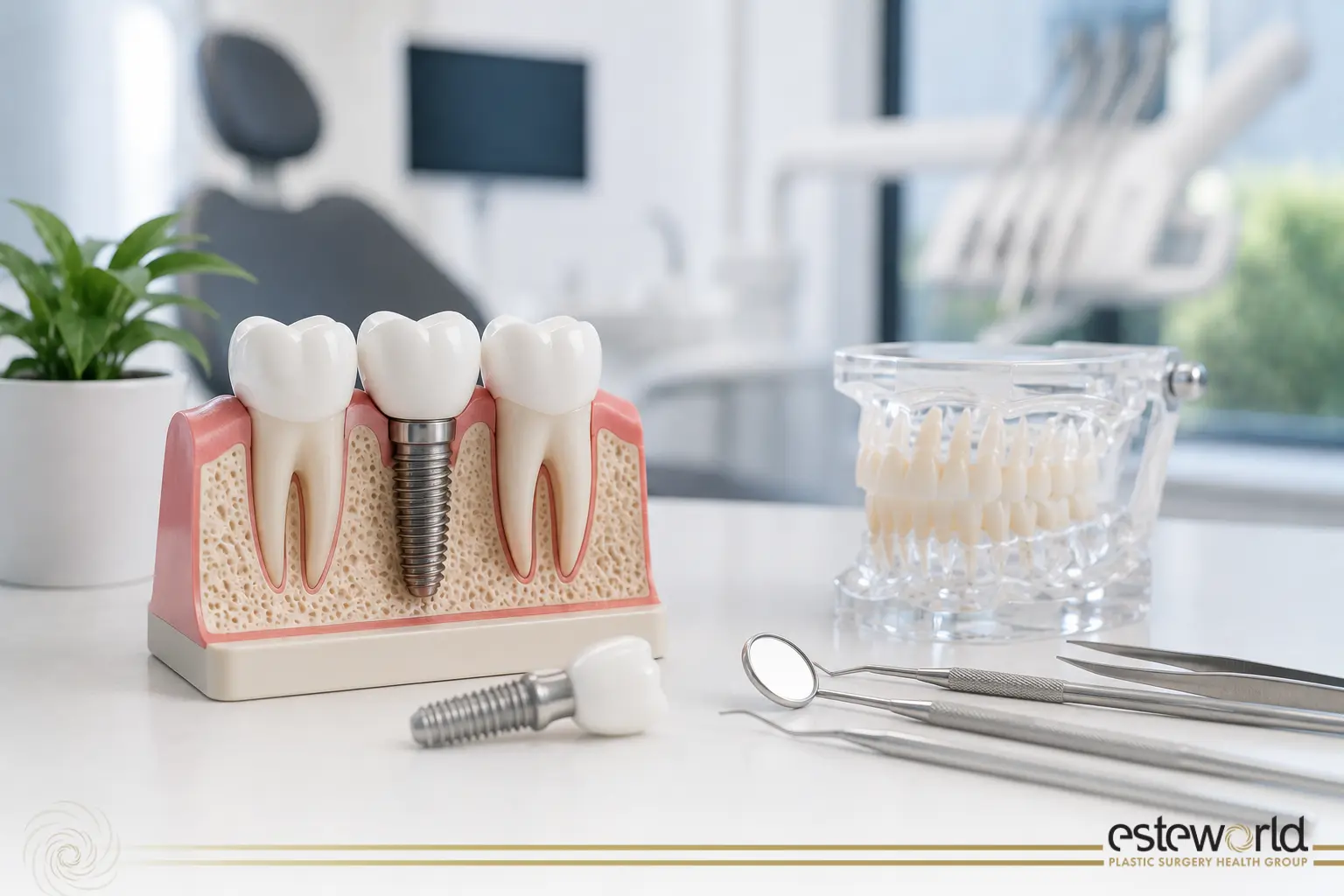
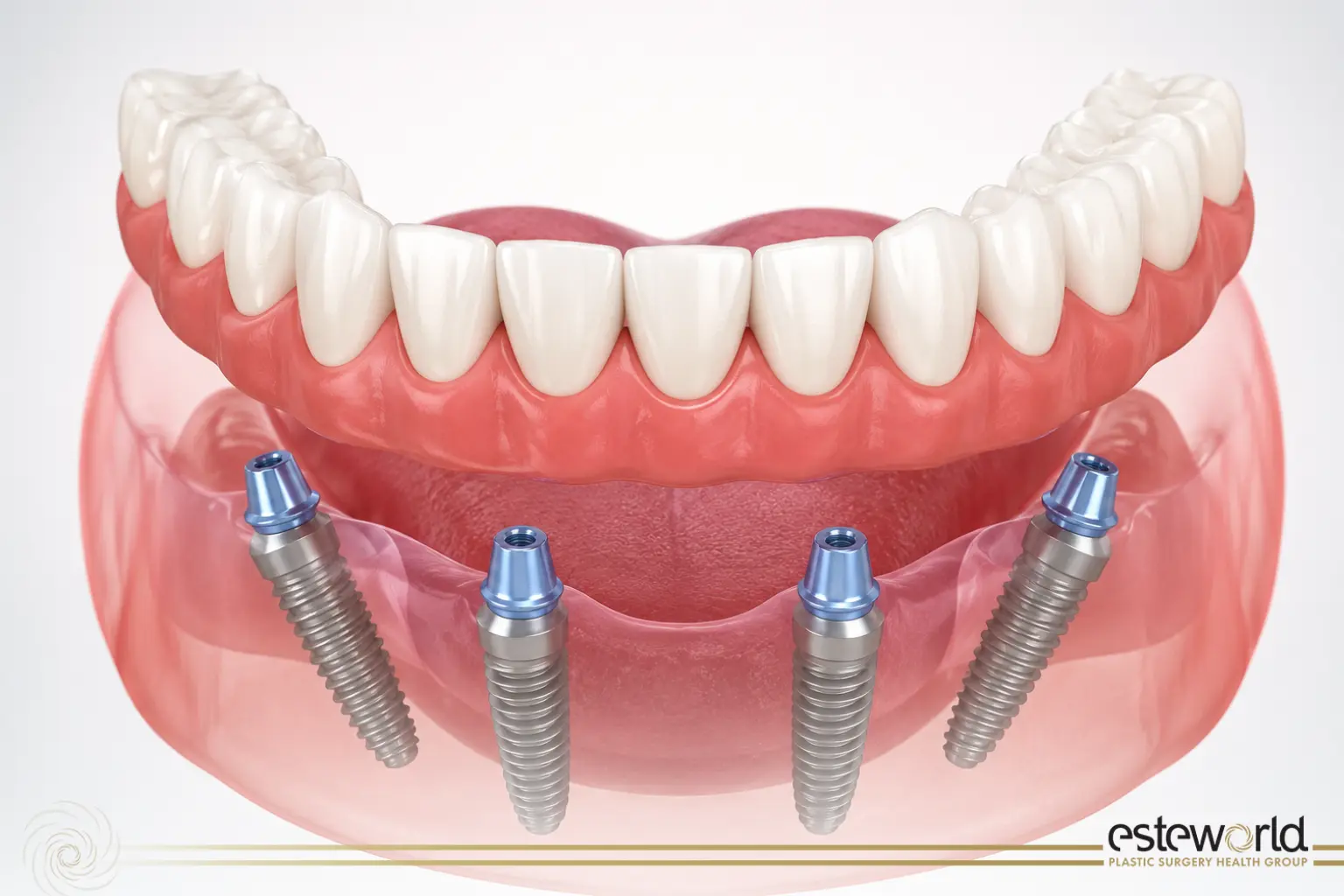
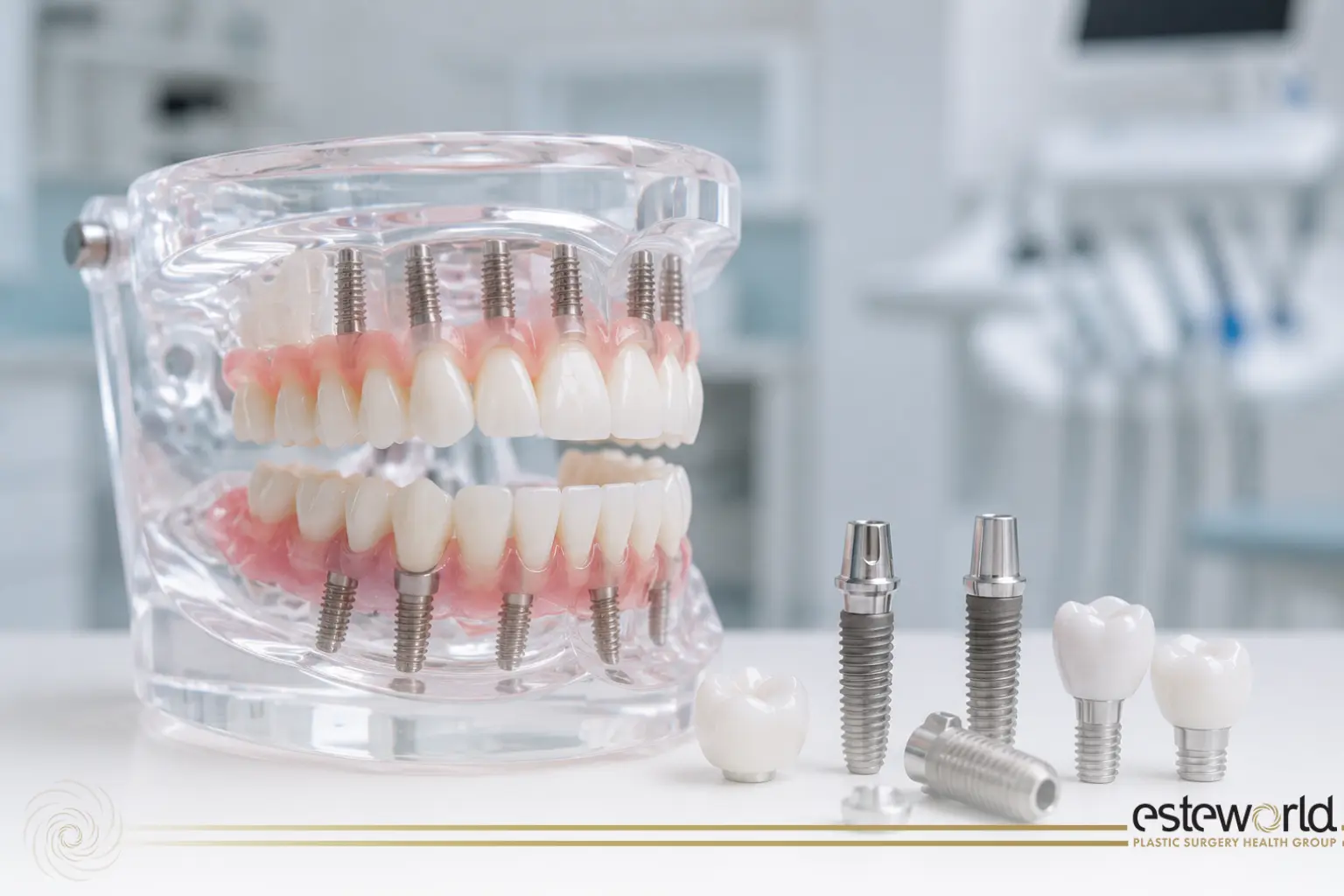
Dental implants are used when one or more teeth are missing. An implant acts as an artificial tooth root placed into the jawbone. After healing, it can support a crown, bridge or full-arch restoration. In a smile makeover, implants are important because missing teeth affect not only appearance but also chewing balance and facial support.
Professional teeth whitening uses bleaching agents to lighten natural tooth colour. It may be performed in the dental clinic or with dentist-supervised home systems. Whitening works only on natural tooth structure, not on porcelain veneers, crowns or implant crowns. This is why whitening is often planned before veneers or crowns are matched in colour.
When Veneers May Be the Right Option
Veneers may be suitable when the main concern is the visible surface of the front teeth. They can help improve teeth that look short, worn, chipped, slightly uneven or permanently stained. They can also create a more symmetrical smile when the natural teeth have minor differences in shape.
However, veneers are not a shortcut for every problem. If the teeth are severely misaligned, orthodontic treatment may be needed first. If there is active gum disease or untreated decay, veneers should wait. If the patient grinds their teeth heavily, a protective night guard may be recommended after treatment. Veneers can look beautiful, but they still need a healthy and stable foundation.
When Dental Implants May Be Needed
Dental implants may be included in a smile makeover when a patient has one or more missing teeth. A gap in the smile can affect confidence, but it can also affect bite function. Neighbouring teeth may shift into the empty space, and bone loss can continue in the missing tooth area.
In implant planning, the dentist checks bone volume, gum health, medical history and bite forces. Some patients need additional procedures, such as bone grafting or sinus lifting, before implant placement. This does not mean the treatment is impossible. It means the plan needs to be precise. Healthcare, annoyingly enough, still refuses to work like instant photo filters.
When Whitening Should Be Planned First
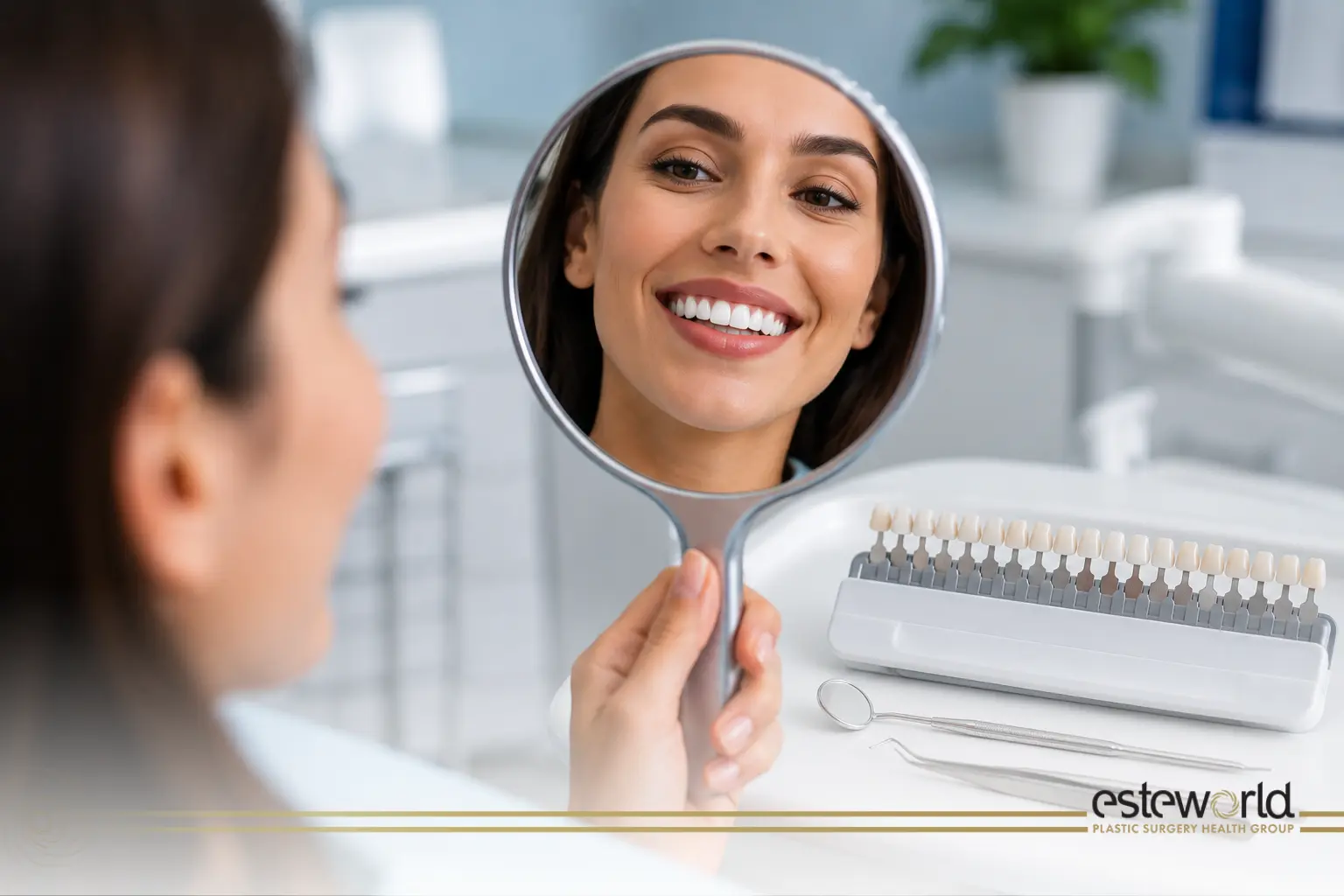
Whitening is often planned before veneers, crowns or implant crowns because artificial restorations do not whiten later. If a patient wants a brighter smile and also needs veneers, the dentist may first whiten the natural teeth and then match the new restorations to the improved shade.
Whitening is most useful for stains caused by tea, coffee, ageing or lifestyle habits. It may be less effective for internal discolouration, old restorations or teeth affected by trauma. Tooth sensitivity may occur during or after whitening, so the dentist should assess enamel condition and gum health before starting.
Smile Makeover Cost, Timeline and Treatment Planning
Smile makeover cost varies because no two treatment plans are exactly the same. One patient may need only whitening and four composite veneers. Another may need gum treatment, dental implants, porcelain veneers and replacement of old crowns. The cost depends on treatment type, number of teeth, materials, dentist experience, clinic technology and whether additional procedures are required.
In 2026, patients often compare smile makeover packages online, especially in destinations such as Turkey, the UK, Europe and the US. This can be useful for general research, but final pricing should always be based on a dental examination. Photos may help with an initial idea, but they cannot show everything. Bone level, gum condition, bite pressure and hidden decay need proper assessment.
A realistic treatment plan should also include timing. Whitening may be completed quickly, while veneers usually require preparation, impressions or digital scans, temporary restorations and final bonding. Dental implants take longer because the implant must integrate with the bone before the final tooth is fitted in many cases. Full-mouth smile makeover treatments may need staged planning.
| Treatment Option | Main Purpose | Typical Planning Point | Important Note |
| Professional whitening | Brightens natural teeth | Shade analysis and sensitivity check | Does not whiten crowns or veneers |
| Composite veneers | Improves shape and small defects | Direct bonding and polishing | Often faster, may need more maintenance |
| Porcelain veneers | Improves colour, shape and symmetry | Digital design, preparation and lab work | Durable but usually more costly |
| Dental implants | Replaces missing teeth | Bone, gum and bite assessment | Healing time may be required |
| Crowns | Restores damaged or heavily filled teeth | Tooth strength and material selection | Used when more coverage is needed |
| Gum contouring | Balances gum line | Gum health and smile line analysis | Not suitable for every gum condition |
What Should Be Included in a Smile Makeover Consultation?
A proper consultation should help the patient understand both the aesthetic possibilities and the clinical limits. Good planning reduces disappointment. It also prevents the very human habit of choosing a treatment because it looked nice on someone else’s Instagram photo.
A smile makeover consultation should usually include:
- Oral examination, gum assessment and bite evaluation
- Dental X-rays, digital scans or photographs when needed
- Discussion of veneers, implants, whitening and alternative options
- Explanation of materials, treatment stages, risks and maintenance
- Shade selection, smile design planning and realistic outcome review
- Written cost estimate with clear details of what is included
This is the first of only two list sections in this article. The goal is to keep the content readable without turning it into a checklist that looks like it escaped from a clinic management spreadsheet.
Choosing the Right Clinic for a Smile Makeover in 2026
Choosing the right clinic is one of the most important parts of the smile makeover process. The best clinic is not always the one with the most dramatic before-and-after photos. Sometimes those photos show lighting, filters and angles more than dentistry. A reliable clinic should focus on diagnosis, ethics, treatment planning and long-term patient care.
The dentist should explain why a specific treatment is recommended. For example, if veneers are suggested, the patient should understand whether porcelain or composite veneers are more suitable. If implants are needed, the patient should know the implant brand, healing timeline and final restoration plan. If whitening is recommended, the patient should understand whether it should be done before or after other treatments.
Technology can support planning. Digital smile design, 3D imaging, intraoral scanners and high-quality dental photography may help patients visualise possible results. Still, technology is only a tool. It cannot replace clinical judgement, dentist experience or honest communication.
International patients should be especially careful. Travelling for dental treatment can be practical, but it requires clear scheduling and follow-up planning. Patients should ask how many visits are needed, what happens if adjustments are required and how communication continues after they return home.
Clinic Selection Questions Patients Should Ask
Before choosing a smile makeover clinic, patients should look beyond the price and ask direct questions. A good clinic should answer clearly without making the patient feel rushed.
Patients should ask:
- Who will perform the treatment, and what is their experience in cosmetic and restorative dentistry?
- Are veneers, implants and whitening planned together or separately?
- Which materials and implant brands are used?
- Will the clinic check gum health, bite balance and existing dental problems first?
- How natural will the final shade and tooth shape look?
- What aftercare, warranty or follow-up support is provided?
This is the second and final list section. From here on, we return to paragraphs, because civilisation has suffered enough formatting already.
Aftercare, Risks and Long-Term Results
A smile makeover can improve confidence, but it still needs maintenance. Veneers, implants and whitening results are not “fit and forget” treatments. They require good oral hygiene, regular check-ups and sensible habits. A patient who invests in a new smile but ignores daily care is basically buying a white sofa and eating tomato soup on it every night.
Veneers should be cleaned like natural teeth. Brushing, flossing and professional check-ups help protect the gum line and the natural tooth structure underneath. Patients who grind their teeth may need a night guard. Biting hard objects, opening packages with teeth or chewing ice can damage veneers and natural enamel.
Dental implants need careful gum care. Although implants do not decay, the tissues around them can become inflamed if plaque is not controlled. This can affect long-term stability. Routine cleaning, professional maintenance and early evaluation of discomfort are important.
Whitening results also require care. Coffee, tea, red wine, smoking and strongly coloured foods can cause staining over time. Maintenance whitening may be recommended by the dentist, but overuse of whitening products can increase sensitivity or irritate the gums. More is not always better, an idea humanity continues to resist with heroic confidence.
Realistic Expectations Matter
A smile makeover should enhance the patient’s smile, not erase their face. Natural results usually come from respecting facial features, age, lip shape and personality. Very white, identical teeth may look artificial if they do not match the person’s face.
Patients should also understand that some results take time. Implants may require healing. Gum tissue may need time to settle. Veneers may need minor adjustments. Whitening may need maintenance. A good dentist explains these details before treatment, not after the patient starts worrying in the mirror.
For detailed information about Smile Makeover and to schedule a free preliminary consultation appointment, please contact us.