
Composite bonding has become one of the most popular cosmetic dental treatments for people who want to improve their smile without committing to more invasive procedures. It can help repair small chips, close minor gaps, reshape uneven edges and improve mild discoloration using tooth-coloured resin. Unlike porcelain veneers, composite bonding usually requires little or no enamel removal, which makes it a conservative option for the right patient. Still, it is not a one-size-fits-all treatment. The best result depends on tooth structure, bite, oral hygiene, dentist experience and realistic expectations. This composite bonding guide 2026 explains the procedure, cost, before and after results, durability and aftercare in a clear way.
Quick summary
- Composite bonding uses tooth-coloured resin to improve shape, colour and minor imperfections.
- The treatment is usually completed in one visit, depending on the number of teeth.
- Composite bonding cost varies by country, clinic, dentist expertise and number of teeth treated.
- Composite bonding before and after results can look natural when tooth shade, facial harmony and bite are planned correctly.
- Bonding is less invasive than porcelain veneers but usually needs more maintenance over time.
- Healthy gums, stable teeth and good oral hygiene are important before treatment.
Composite bonding is a minimally invasive cosmetic dental treatment that uses composite resin to reshape, repair or enhance teeth. It can improve small chips, gaps, uneven edges and mild discoloration. In 2026, the cost depends on country, clinic, case complexity and how many teeth are treated. Before and after results are usually visible immediately, but bonding requires good care because resin can stain, chip or need polishing over time.
What Is Composite Bonding?
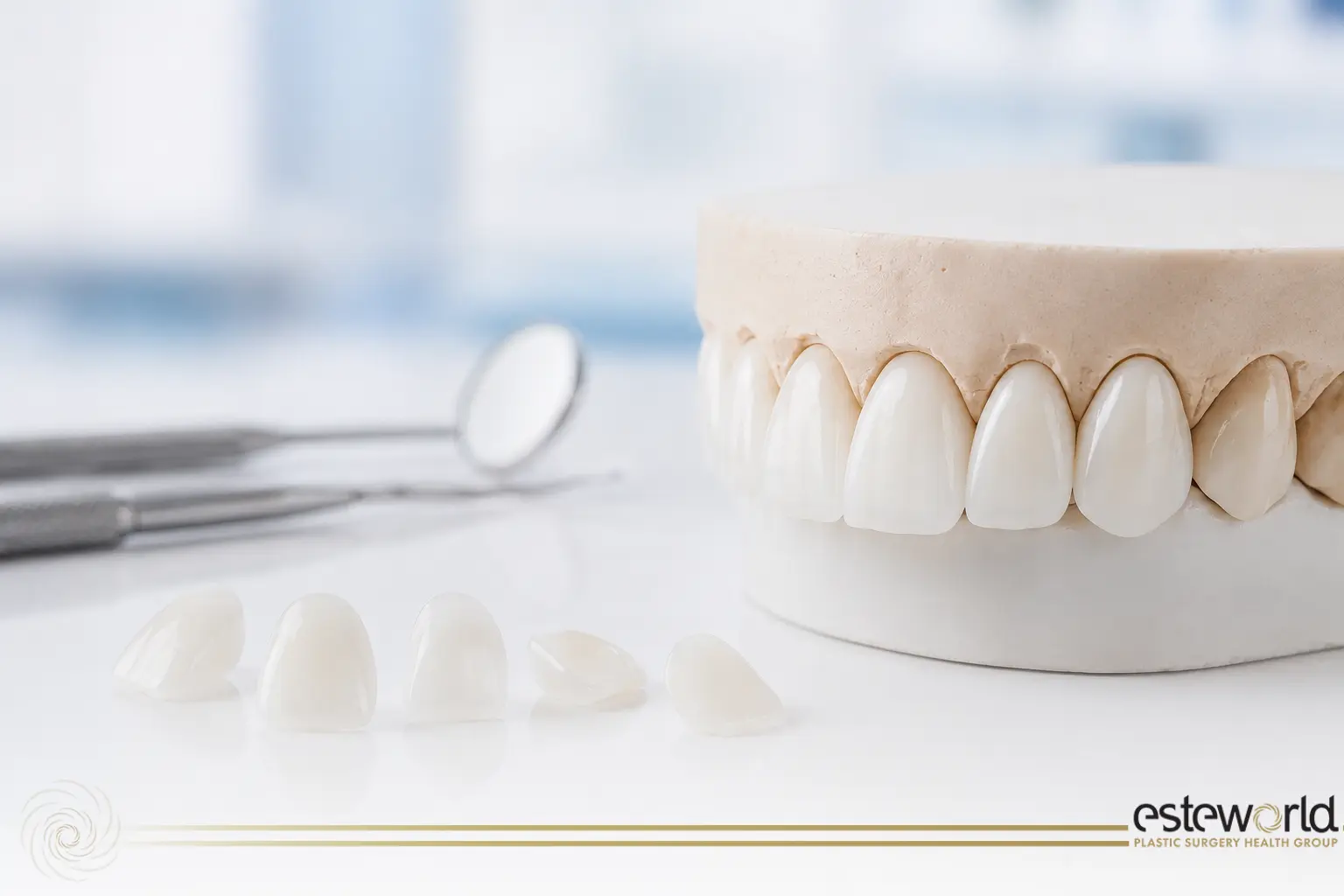
Composite bonding, also called dental bonding or cosmetic bonding, is a treatment where a dentist applies tooth-coloured composite resin directly to the tooth surface. The material is shaped, hardened with a special curing light and polished to blend with the natural teeth. Cleveland Clinic describes dental bonding as a cosmetic treatment that uses tooth-coloured resin to change the shape, size or colour of teeth.
The treatment is commonly used for small aesthetic corrections. It can smooth worn edges, improve minor gaps, cover small stains, repair chips and create a more balanced smile line. It is especially appealing because many cases do not require drilling or anaesthesia. For patients who feel nervous about dental treatment, that alone makes the whole thing less dramatic than the human brain insists it will be.
How Composite Resin Works
Composite resin is a direct restorative material, meaning it can be placed directly onto the tooth. The American Dental Association notes that resin composites are widely used as direct restorative materials and have shown increasing reliability over time.
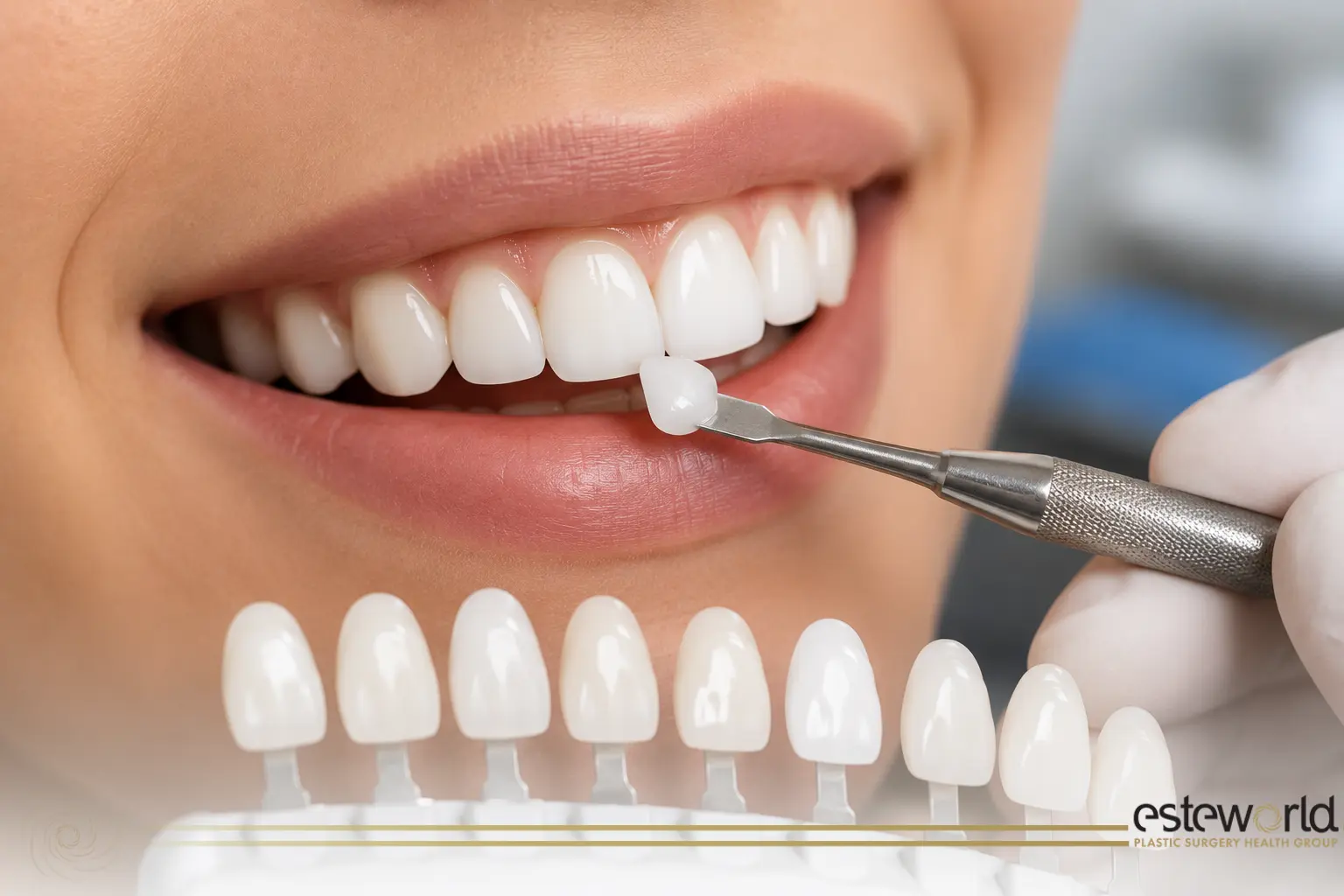
In cosmetic bonding, the dentist selects a shade that matches the surrounding teeth. The tooth surface is gently prepared, the resin is applied in layers, and each layer is shaped to create the desired contour. The final polish is important because it affects how smooth, natural and stain-resistant the result appears. A well-polished bonding surface reflects light more naturally, which is what prevents the result from looking flat or artificial.
Who Is a Good Candidate for Composite Bonding?
A good candidate for composite bonding teeth treatment usually has healthy teeth and gums, minor cosmetic concerns and realistic expectations. Bonding works best when the tooth structure is mostly healthy and the goal is enhancement rather than full reconstruction. It is not designed to correct severe crowding, major bite problems, large fractures or advanced enamel loss. In those cases, orthodontics, crowns, porcelain veneers or other treatments may be more suitable.
Composite bonding may be suitable for patients who want to improve:
- small chips or cracks on front teeth;
- minor gaps between teeth;
- uneven tooth edges;
- mild staining that does not respond well to whitening;
- slightly short or narrow-looking teeth;
- small shape differences in the smile line.
Before treatment, the dentist checks for cavities, gum inflammation, enamel wear, bite pressure and tooth grinding. If there is active decay or gum disease, these problems should be treated first. Bonding placed on unhealthy teeth is not a clever shortcut; it is just dental procrastination with better lighting.
When Bonding May Not Be Enough
Composite bonding has limits. It is not as strong as natural enamel or porcelain. If the patient bites nails, chews pens, grinds teeth at night or has a very heavy bite, the resin may chip more easily. It can also stain over time, especially with frequent coffee, tea, red wine or smoking.
For patients who want a very bright, long-lasting and highly stain-resistant smile makeover, porcelain veneers may be more suitable. For patients who want a reversible, conservative and more affordable option, bonding can be ideal. The right choice depends on the mouth, not on whatever looks perfect in a filtered before-and-after post.
Composite Bonding Procedure: Step by Step
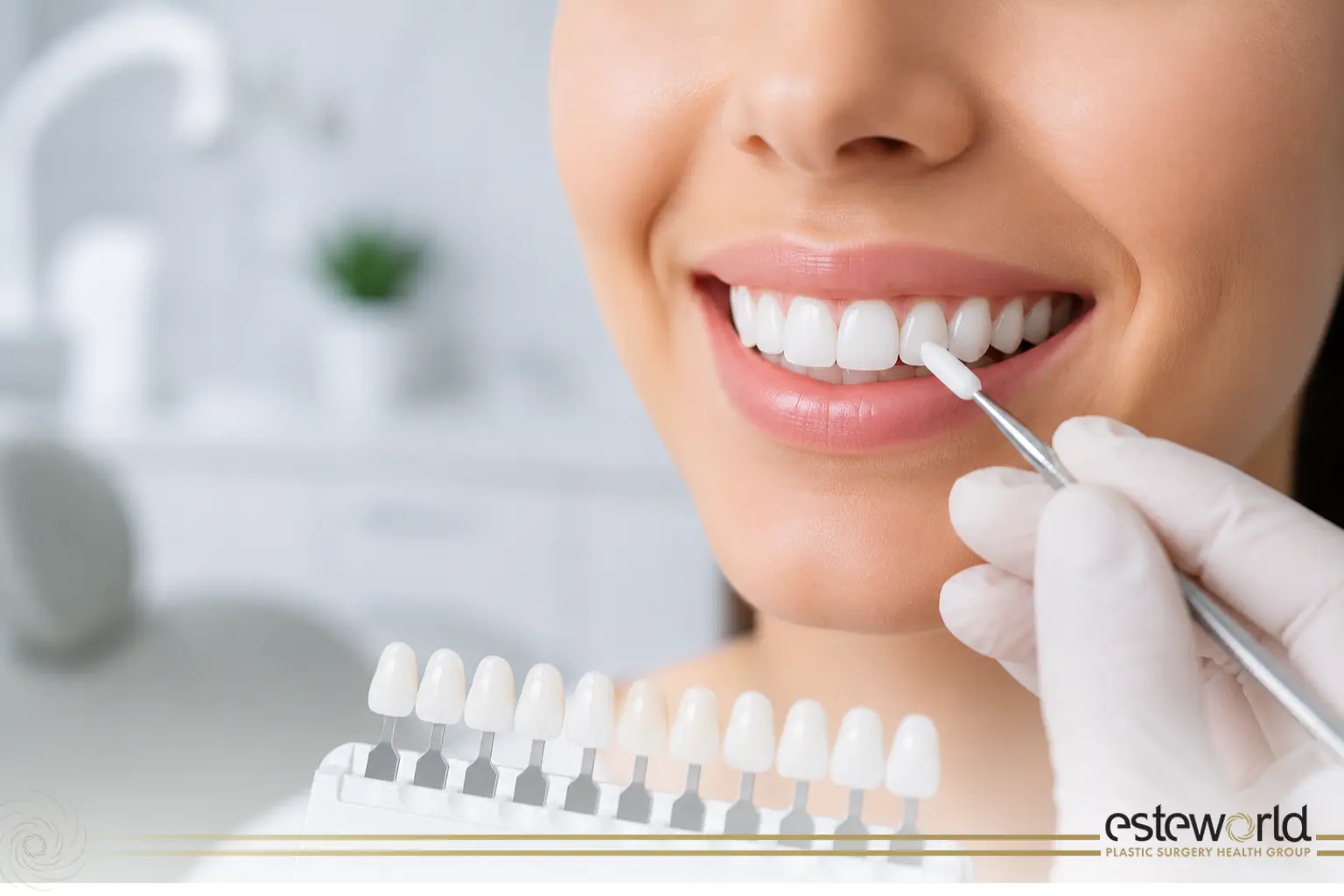
The procedure usually starts with consultation and smile assessment. The dentist examines tooth colour, gum health, bite, tooth proportions and facial features. In many cases, photos or digital smile design may be used to plan the shape. Some patients may need whitening before bonding because composite resin does not whiten after it is placed. This matters because choosing the shade too early can create a mismatch later.
During treatment, the tooth surface is cleaned and lightly conditioned so the resin can bond properly. The dentist applies the composite in layers, sculpts it into shape and hardens each layer with a curing light. Once the shape is complete, the surface is polished until it looks smooth and natural. The patient can usually see the result immediately after the appointment.
| Stage | What Happens | Why It Matters |
| Consultation | Teeth, gums, bite and smile goals are assessed | Determines whether bonding is suitable |
| Shade selection | Resin colour is matched to natural teeth | Helps create a natural result |
| Tooth preparation | Surface is cleaned and conditioned | Supports proper bonding |
| Resin application | Composite is layered and shaped | Builds the new tooth contour |
| Curing | Resin is hardened with light | Gives strength and stability |
| Polishing | Final surface is smoothed | Improves shine and stain resistance |
Does Composite Bonding Hurt?
In most cosmetic cases, bonding is not painful because it usually involves little or no enamel removal. Anaesthesia is often not needed unless bonding is being used to repair decay or a deeper tooth defect. After treatment, some patients may notice mild sensitivity, especially if the tooth surface has been adjusted. This usually settles, but persistent pain should always be checked by a dentist.
The appointment time depends on the number of teeth. A single tooth may take under an hour, while a full smile enhancement can take longer. Some clinics complete multiple teeth in one visit, while others prefer staged appointments for planning and detail. Neither approach is automatically better; quality matters more than speed, despite humanity’s ongoing obsession with doing everything “same day”.
Composite Bonding Cost in 2026
The composite bonding cost in 2026 varies widely. The final price depends on the number of teeth, dentist experience, clinic location, material quality, case difficulty and whether whitening, hygiene treatment or bite protection is needed before or after bonding. Cosmetic bonding is usually priced per tooth, but some clinics offer smile packages for several teeth.
Published private market ranges in 2026 often show lower per-tooth prices in Turkey than in the UK or parts of Europe. Some Turkey-based dental clinics list composite bonding from around £100 to £200 per tooth, while several UK-focused sources and private clinics show higher ranges, often around £200 to £500 per tooth depending on the provider and case. These are not official medical tariffs, so patients should always request a personalised quote after examination.
| Location | Estimated 2026 Price Range | Notes |
| Turkey | Approx. £100–£200 per tooth | Often offered as part of dental tourism packages |
| UK | Approx. £200–£500 per tooth | Cosmetic cases are usually private |
| Europe | Varies widely by country and clinic | Dentist expertise and lab/planning standards affect price |
| Full smile package | Case-dependent | Number of teeth and complexity change the final cost |
Bupa notes that cosmetic composite bonding is not available on the NHS as a purely cosmetic treatment, but it may be available privately at dental practices. NHS guidance also advises patients to ask their dentist whether a treatment is available on the NHS and what it will cost before going ahead.
What Affects the Price?
A simple repair on one chipped tooth costs less than a full smile makeover. More complex cases require more planning, more material, more chair time and sometimes additional treatment. If teeth are stained, whitening may be recommended first. If the patient grinds their teeth, a night guard may be needed after bonding. If the gums are inflamed, hygiene treatment comes before cosmetic work.
Price should not be the only decision factor. Cheap bonding that chips, stains or looks bulky may become expensive very quickly. A natural result requires careful shade matching, anatomy, polishing and bite adjustment. Those details are invisible in a price list, because apparently price lists prefer to hide the important things.
Composite Bonding Before and After: What Results Can You Expect?
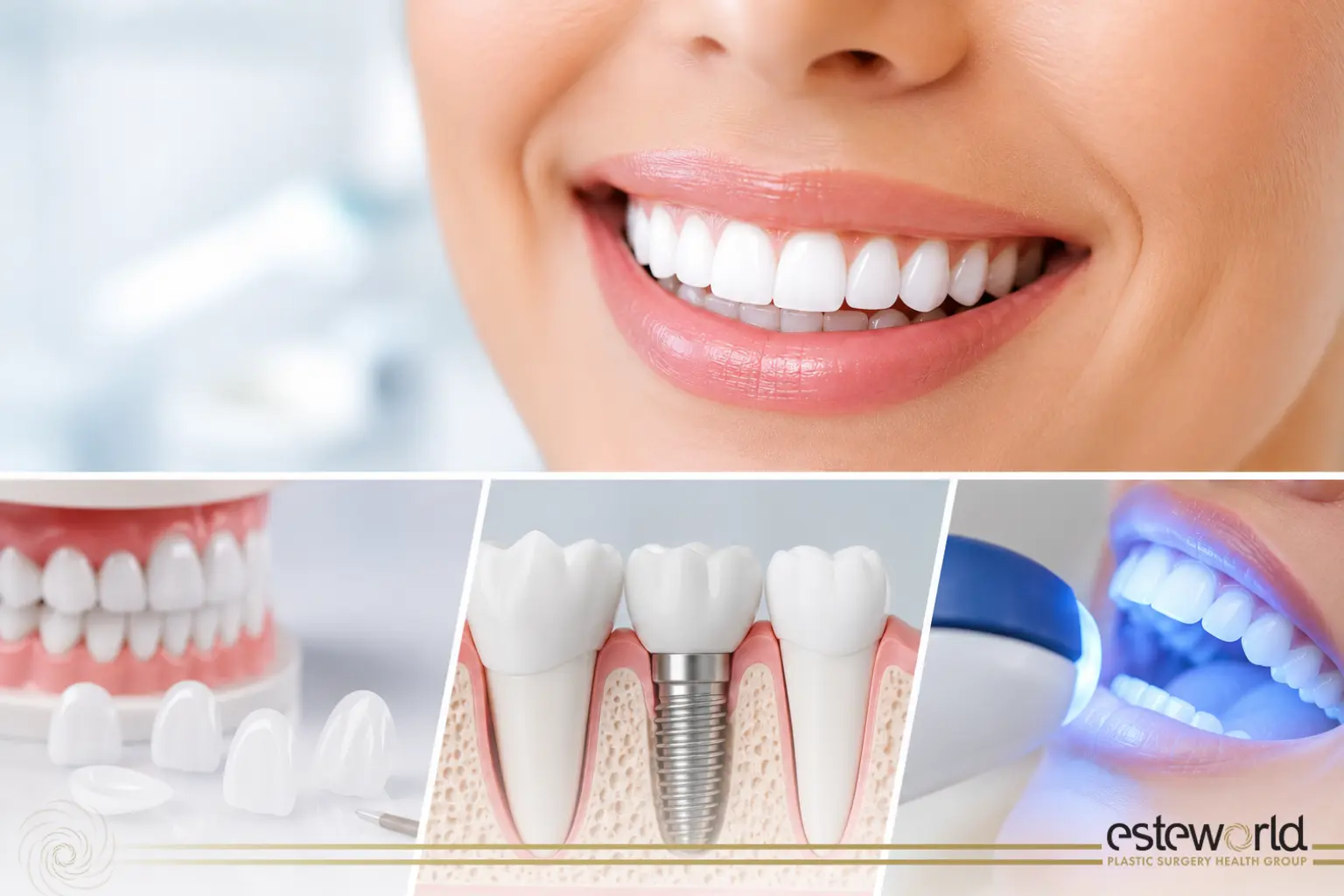
Composite bonding before and after results can be noticeable immediately. Teeth may look more even, balanced and brighter after treatment. Small gaps can appear closed, chipped edges can look restored and the smile line can look smoother. The best results do not look “done”; they look like the patient’s own teeth, just more balanced.
A good before and after comparison should show the teeth in similar lighting, similar angles and without heavy filters. Ethical clinics should avoid unrealistic promises because results depend on tooth condition, bite, colour and maintenance. If a before-and-after image looks too perfect, too white and too smooth to be real, it probably deserves a second look. Teeth are not bathroom tiles, even though some smile makeovers seem determined to prove otherwise.
How Long Does Composite Bonding Last?
Composite bonding is durable, but it is not permanent. Cleveland Clinic states that dental bonding typically lasts around three to ten years before needing touch-up or replacement, depending on oral habits and care.
Longevity depends on brushing, flossing, diet, smoking, grinding, bite pressure and regular dental visits. Bonding on front teeth can last well when treated carefully, but biting hard foods directly with bonded edges can increase the risk of chipping. Over time, the resin may need polishing, repair or replacement. This is normal maintenance, not necessarily treatment failure.
Aftercare, Risks and Maintenance
Composite bonding is considered safe for healthy teeth and gums, but it still requires sensible care. The resin can chip, stain or wear, especially if exposed to high pressure or staining habits. Cleveland Clinic explains that bonding generally does not pose risks to oral health when teeth and gums are healthy, but the material is not as strong as natural teeth.
After treatment, patients should maintain good oral hygiene, attend regular dental check-ups and avoid using bonded teeth as tools. Opening packages with teeth was never a good idea, and dental resin does not magically make it smarter.
To protect the result, patients should:
- brush twice daily and floss every day;
- limit staining habits such as smoking and frequent coffee or red wine;
- avoid biting hard objects, ice, pens or fingernails;
- use a night guard if they grind their teeth;
- attend regular polishing and dental check-ups;
- report sharp edges, chips or bite discomfort early.
Composite Bonding vs Veneers
Composite bonding is generally more conservative than porcelain veneers because it often preserves more natural enamel. It is also usually faster and more affordable. However, veneers are typically more stain-resistant and may last longer. Bonding is easier to repair, while porcelain veneers usually require replacement if damaged.
The decision depends on the patient’s goals. Someone with minor chips and small gaps may do well with bonding. Someone seeking a complete colour and shape transformation may prefer veneers. A good dentist explains both options clearly instead of selling the most expensive one as if teeth were subscription software.
This composite bonding guide 2026 shows that bonding can be an effective, conservative and natural-looking solution for the right patient. It can improve chips, gaps, uneven edges and mild discoloration without the same level of enamel preparation required for many veneer cases. Still, the best result depends on proper diagnosis, good planning, skilled application and long-term maintenance.
Esteworld supports patients with personalised dental assessments, modern smile planning and treatment options tailored to individual needs. If you would like detailed information about composite bonding, cost, before and after expectations or whether this treatment is suitable for your smile, you can contact Esteworld for a specialist consultation.