
Teeth whitening treatment is an aesthetic procedure that helps restore stained or yellowed teeth to a brighter and more natural shade over time. Frequently consumed beverages such as tea and coffee, smoking, and coloured foods can cause discoloration on teeth. In addition, changes in tooth enamel that occur with ageing may also lead to darker-looking teeth.
Many people wonder when the right time is to have teeth whitening treatment. However, determining the correct timing should not depend only on aesthetic expectations but also on the overall condition of oral and dental health. For this reason, a dental examination before the whitening procedure is highly important.
Understanding how teeth whitening treatment is performed and how often it should be repeated can help extend the longevity of the results. Proper timing of the treatment also supports the protection of dental health.
How Is Teeth Whitening Treatment Performed and How Often Should It Be Repeated?
Teeth whitening treatment is a controlled procedure performed to reduce stains on the tooth surface and lighten the tooth colour by several shades. This procedure is typically carried out by a dentist in a clinical environment.
Before the treatment, oral and dental health is carefully evaluated. If there is tartar buildup, cavities, or gum problems, these conditions are treated first. This approach allows the whitening procedure to be performed more safely and effectively.
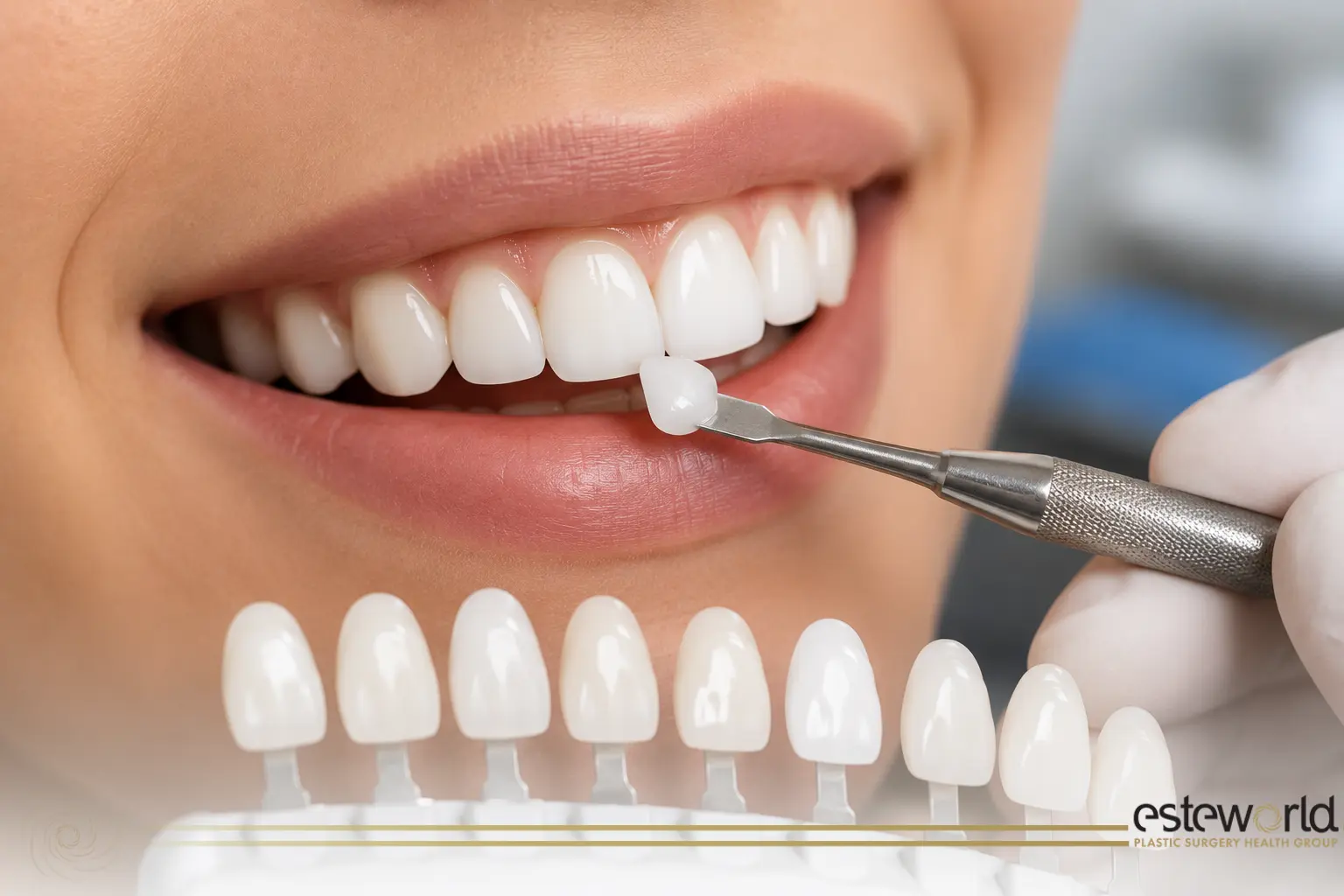
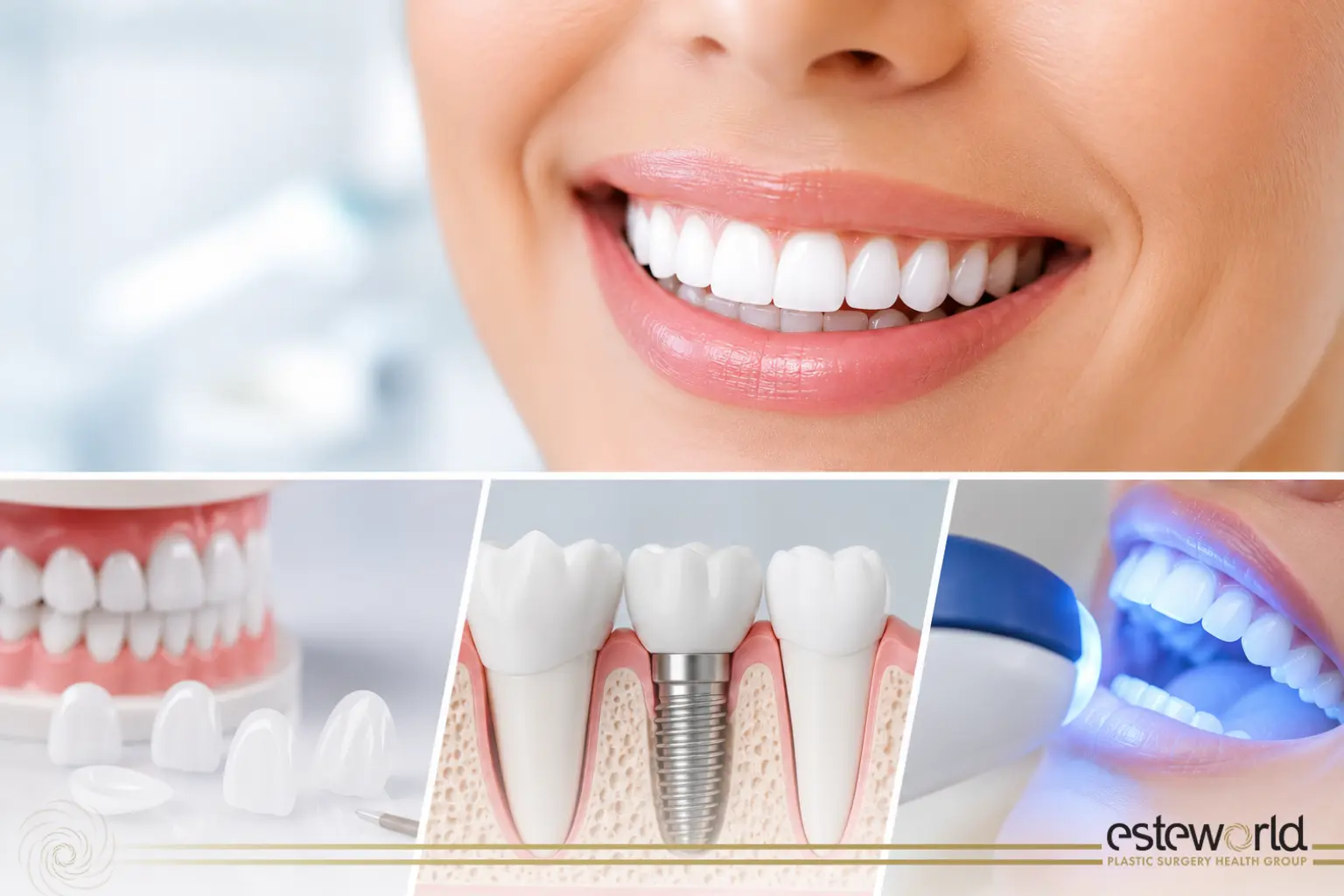
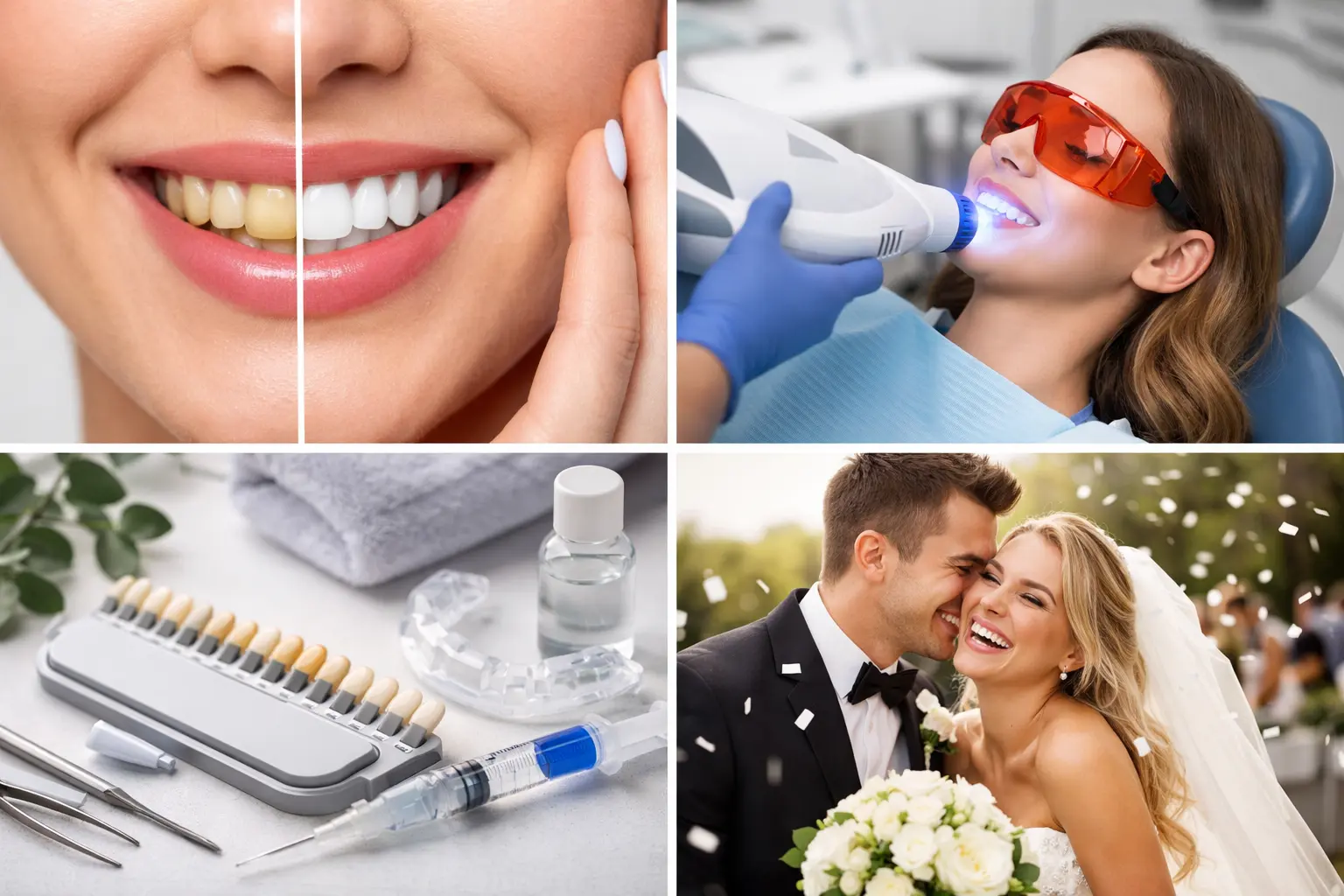
During professional teeth whitening, a special whitening gel is applied to the teeth. This gel remains on the tooth surface for a certain period, and in some cases, special light systems may be used to enhance the effect. The duration of the procedure varies depending on the chosen method but is generally completed in a short time.
In some cases, home whitening methods may be recommended in addition to clinical treatment. In this method, specially prepared trays and controlled gel application are used to support the whitening process.
The frequency of repeating teeth whitening treatment varies depending on personal habits. Smoking or frequent consumption of coffee and tea may cause teeth to stain again over time. Therefore, the timing of repeat treatments should be determined under the supervision of a dentist.
When performed at appropriate intervals, teeth whitening can maintain its effect for a long period. However, excessive repetition may lead to tooth sensitivity, so treatment planning should always follow professional recommendations.
Who Is Suitable for Teeth Whitening Treatment?
Teeth whitening treatment is suitable for many individuals who experience tooth discoloration and wish to achieve a more aesthetic smile. However, for the procedure to be effective and safe, oral and dental health should be in suitable condition.
The following individuals are generally considered suitable candidates for teeth whitening treatment:
- Individuals with yellowing or staining on their teeth
- People with good overall oral and dental health
- Individuals with natural tooth structure
- People who want to improve the appearance of their smile
- Individuals who have completed orthodontic treatment
- Adults who are not satisfied with their tooth colour
- Individuals whose suitability has been confirmed by a dentist
What Is the Most Suitable Age Range for Teeth Whitening?
The appropriate age range for teeth whitening treatment is closely related to the development process of the teeth and the structure of the enamel. For this reason, the same results may not be achieved at every age. It is important that tooth development has been completed for the treatment to be safe and effective.
In general, teeth whitening treatment provides safer and more effective results in adult individuals. However, since each person’s dental structure is different, the most accurate evaluation should be made by a dentist.
The suitable age ranges can be evaluated as follows:
Individuals aged 18 and above
Teeth whitening is generally recommended after the age of 18. By this age, tooth development is largely complete and the enamel structure becomes more stable.
Young adults (18–30 years old)
In this age group, enamel is generally stronger, allowing whitening procedures to deliver more effective results. Surface stains are also easier to remove during this period.
Middle-aged individuals (30–50 years old)
Tooth colour may darken with age. For this reason, whitening treatment is commonly preferred in this group to improve aesthetic appearance.
Individuals aged 50 and above
Teeth whitening can also be performed in this group. However, conditions such as tooth sensitivity or gum problems may occur more frequently, making detailed examination important before treatment.
Individuals under 18 years old
Since tooth development is not yet complete, whitening is generally not recommended for this age group. If necessary, treatment should only be planned following professional evaluation.
Although age is an important factor, it is not the only determining element. Overall oral health, enamel condition, and oral hygiene habits also play significant roles in treatment success.
When Is the Best Time to Have Teeth Whitening?
The best time for teeth whitening treatment depends on the individual’s oral health condition and aesthetic expectations. However, certain periods may be more suitable in terms of achieving effective results and planning daily routines comfortably.
Teeth whitening is often preferred during the following situations:
Before special events
Teeth whitening is frequently chosen before weddings, engagements, graduations, or important events. In such cases, scheduling the treatment a few weeks before the event is recommended.
After orthodontic treatment
After braces or clear aligner treatment, colour differences may appear on teeth. Whitening after orthodontic treatment helps achieve a more balanced appearance.
After dental cleaning
Following tartar removal, tooth surfaces become cleaner. Whitening performed after this process can provide more effective results.
When staining habits are reduced
Limiting smoking or reducing the intake of coffee and tea may help maintain whitening results for a longer period.
During periods when aesthetic appearance is important
Job interviews, social events, or new beginnings may motivate individuals to seek teeth whitening treatment. A brighter smile can support self-confidence.
When oral health conditions are suitable
If there are no cavities, gum disease, or sensitivity issues, whitening can be performed more safely. A dental examination helps determine the correct timing.
How Long Does Teeth Whitening Treatment Last?
The longevity of teeth whitening results depends on daily habits and oral care routines. With proper maintenance, the achieved brightness can be preserved for an extended period.
Generally, professional teeth whitening results may last from several months to several years. Regular brushing, flossing, and maintaining oral hygiene help extend the longevity of the whitening effect.
Smoking and frequent consumption of tea or coffee may cause teeth to stain again. Therefore, the duration of the whitening effect may vary from person to person. When necessary, the procedure can be repeated based on the dentist’s recommendation.
Professional whitening methods typically provide longer-lasting results. Regular dental check-ups and proper oral care help maintain the achieved brightness.
What Should Be Considered Before Teeth Whitening?
To achieve safe and effective results, certain factors should be considered before undergoing teeth whitening treatment. Proper preparation helps protect dental health and improves treatment success.
Important considerations before teeth whitening include:
- A dental examination should be completed
- Tartar removal should be performed if necessary
- Proper oral hygiene habits should be maintained
- Tooth sensitivity should be reported to the dentist
- Staining habits such as smoking or heavy coffee consumption should be reviewed
- Expectations regarding tooth colour should be discussed with the dentist
Teeth whitening treatment can deliver successful aesthetic results when performed at the right time and with appropriate methods. The timing of the treatment varies depending on oral health, age, and daily habits. Therefore, dental examination and professional planning are essential before treatment. With regular oral care and proper timing, whitening results can be maintained for a long time. For detailed information about teeth whitening treatment and to schedule an appointment, you may contact us.