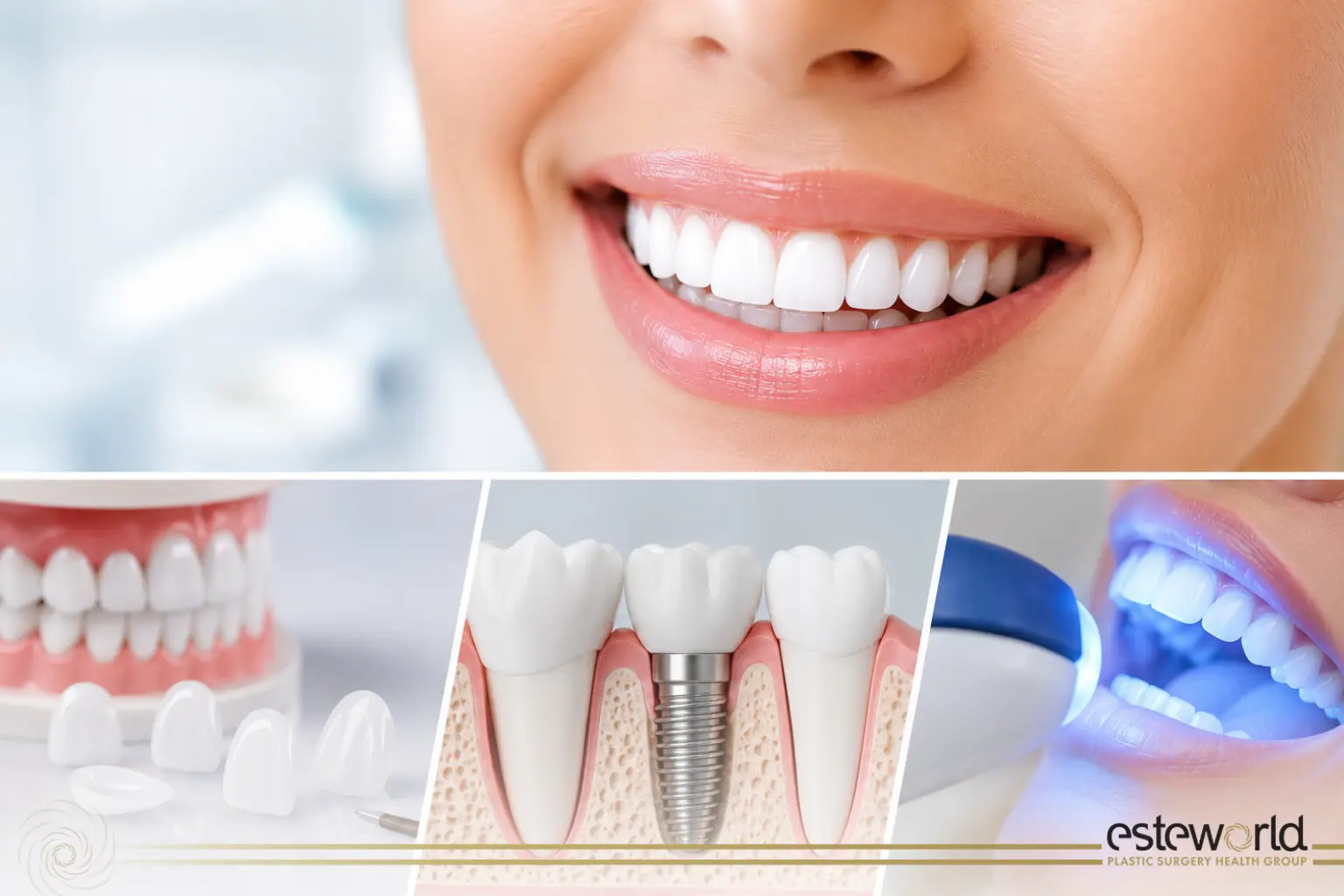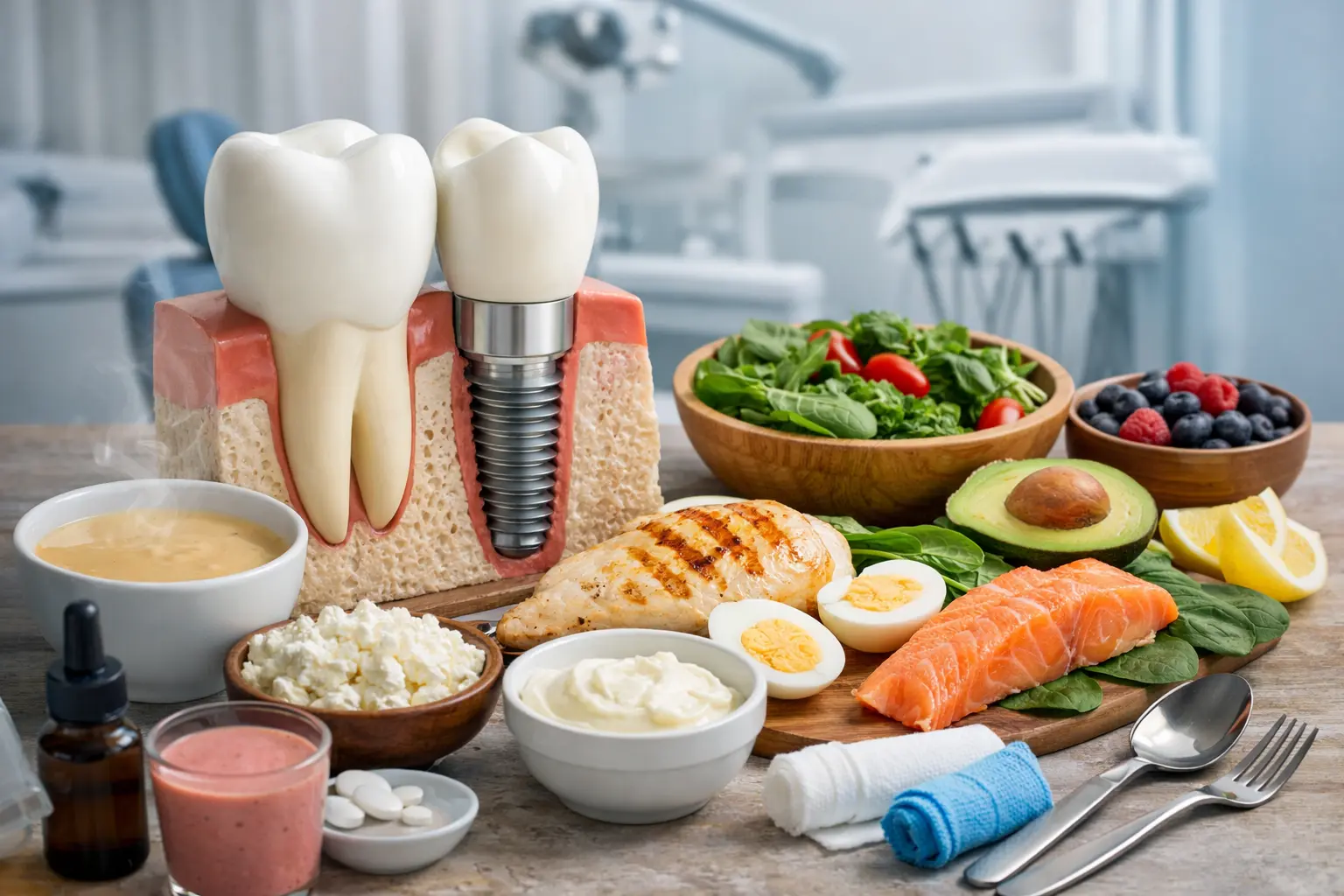
After dental implant surgery, wait until the numbness has worn off before you eat. Keep food and drinks lukewarm or cold on the first day. Soft foods are usually easiest for the first few days. NHS hospital advice says you should be able to eat normally after treatment, but your dentist might recommend soft foods. Your dentist will tell you when you can bite firmly on the implant, which depends on your treatment plan.
This article is for general information only. It does not replace a consultation, diagnosis or treatment by a dentist or doctor.
Why Your Diet Matters After Implant Surgery
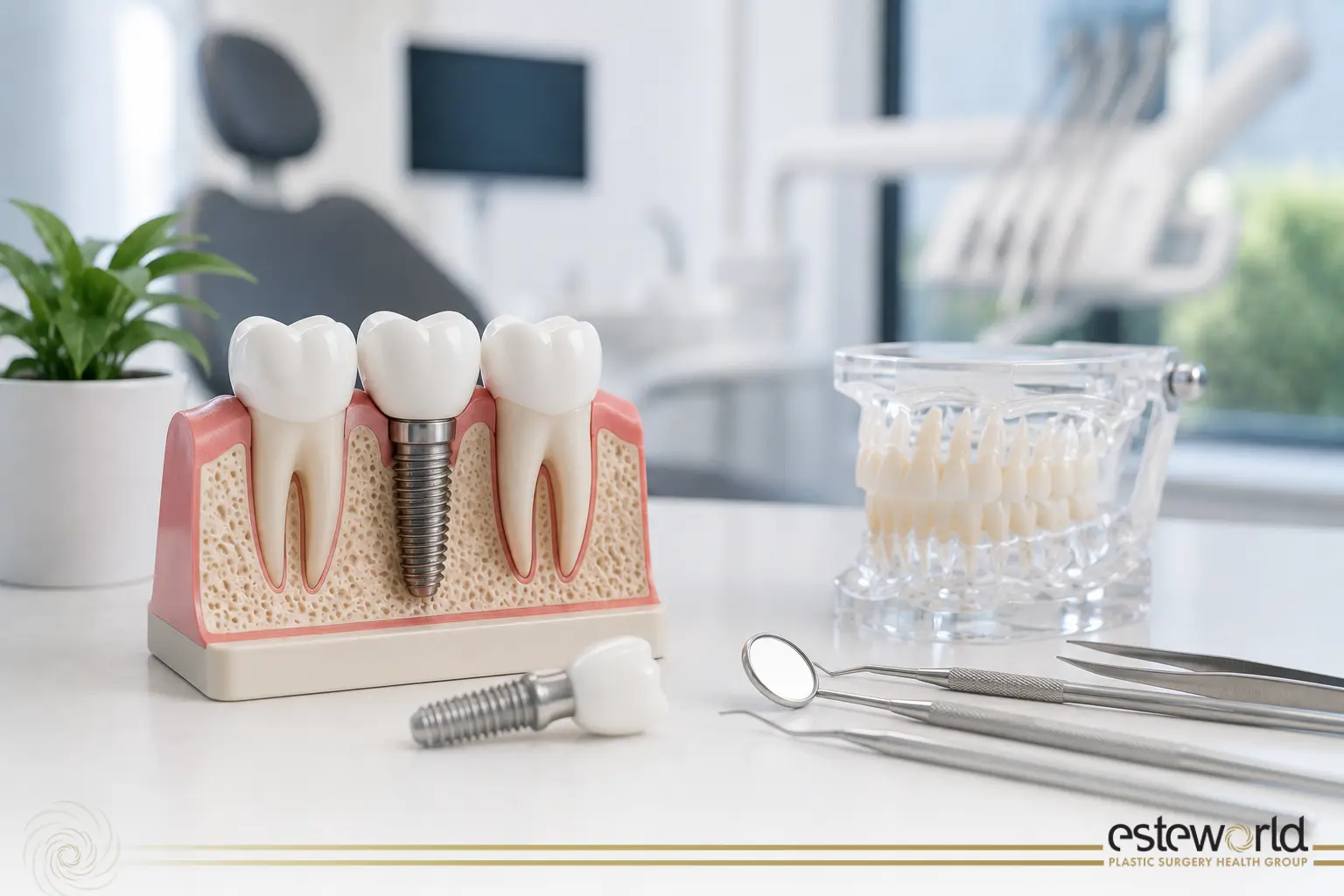
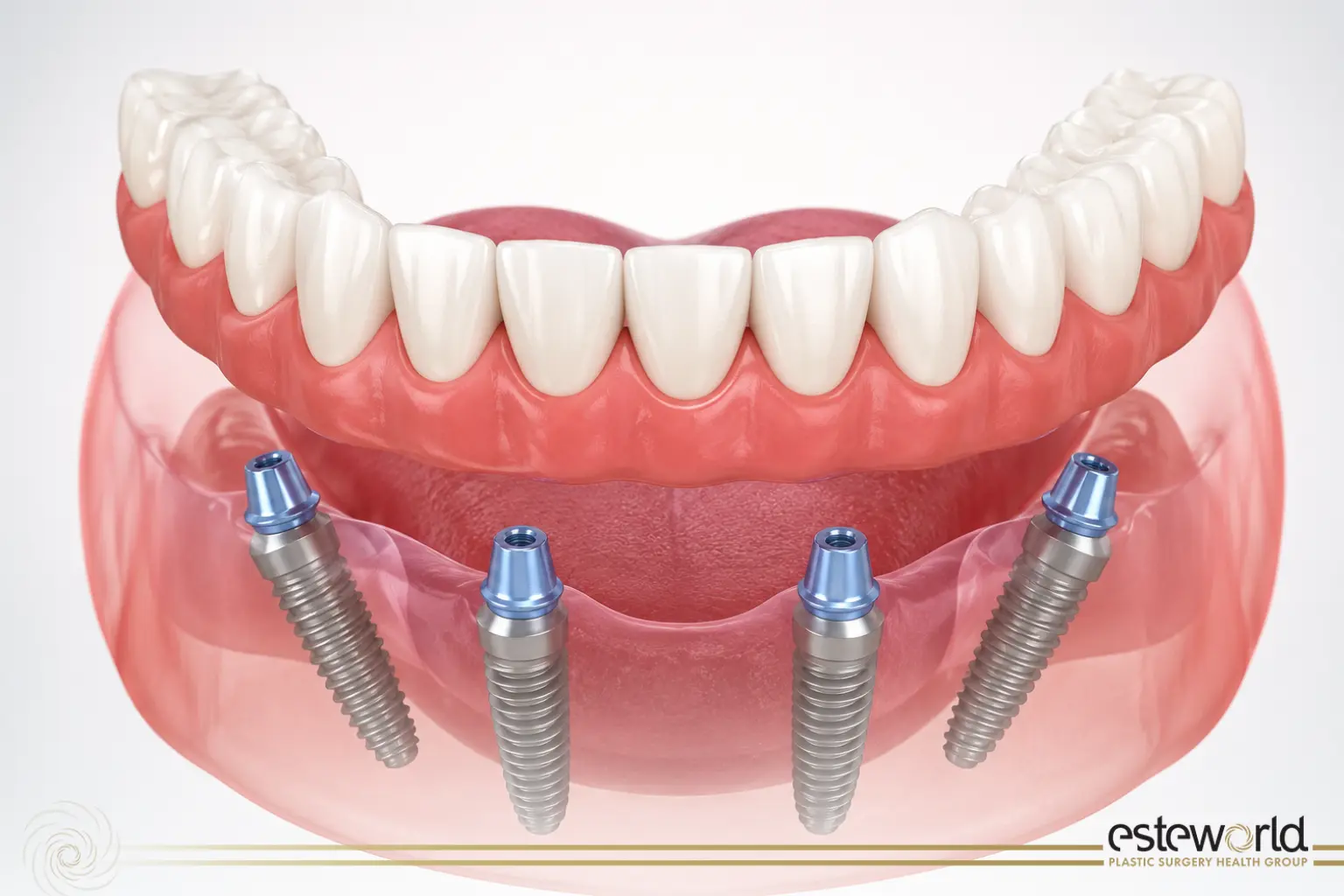
A dental implant is a titanium screw placed in the jawbone to support a crown, bridge or denture. Once it is in place, it is left to heal in the bone. Cambridge University Hospitals NHS Foundation Trust (CUH) says this usually takes 3 to 6 months, and often longer if you need a bone graft. For information on the treatment, see our dental implants page.
What you eat matters in two ways during this time. In the first days, the texture and temperature of your food help protect the wound. Over the following weeks, a balanced diet gives your body what it needs to repair tissue.
We found no evidence that any single food makes an implant bond faster. A 2026 review of 27 human studies found that research on nutrition and implants has focused mostly on vitamin D. Evidence for other nutrients is limited.
What to Eat on the Day of Your Implant Surgery
Your mouth stays numb for a while after a local anaesthetic. Royal Berkshire NHS Foundation Trust says it wears off in 1 to 2 hours on average. While you are numb, you could bite your lip or tongue, or burn your mouth without noticing. CUH advises avoiding hot drinks and food for at least 6 hours after mouth surgery.
NHS advice for the day of minor mouth surgery includes:
- Keep everything you eat and drink lukewarm or cold.
- Choose soft food, or liquid food if chewing is uncomfortable.
- Do not drink alcohol. Guy’s and St Thomas’ NHS Foundation Trust advises no alcohol for 24 hours after implant treatment.
Cooled soup, plain yoghurt, smooth porridge, mashed potato and a small smoothie with a meal are easy options for the first day.
Soft Foods for the First Days
Guy’s and St Thomas’ says you should be able to eat normally after implant treatment. It adds that your dentist might recommend a diet of soft foods. After minor mouth surgery, Royal Berkshire suggests a soft diet for around a week. Which advice applies to you depends on your treatment, so ask your dentist before you go home.
| Type of food | Soft options | Tip |
| Protein | Scrambled eggs, flaked fish, soft tofu, lentil soup, hummus | Let hot dishes cool before you eat |
| Dairy | Plain yoghurt, cottage cheese, milk | Choose plain versions to limit sugar |
| Starchy foods | Porridge, mashed potato, well-cooked pasta | Cut pasta into small pieces |
| Fruit and vegetables | Banana, ripe avocado, stewed fruit, soft cooked or mashed vegetables | Blend into soups, or into a small smoothie with a meal |
| Drinks | Water, milk | Avoid very hot drinks |
Eating a mix of these foods helps you keep up your protein, vitamins and minerals while chewing is uncomfortable.

Foods and Drinks to Avoid While the Area Heals
The NHS gives this advice after wisdom tooth removal, and hospital leaflets for other mouth surgery are similar. For the first few days, avoid:
- Hard or crunchy food, such as crisps, crusty bread and nuts.
- Food that could get stuck in the wound, such as seeds.
- Very hot food and drinks, which could scald your mouth.
- Alcohol, which can increase bleeding.
Smoking is not part of your diet, but it affects healing too. CUH says smoking impairs wound healing and is linked to infection. It also notes that smokers have a much greater rate of implant failure. Our article on smoking and alcohol after a dental implant covers this in more detail.
When Can You Eat Normally After a Dental Implant?
There is no single date for everyone. You may read that a normal diet takes 3 to 6 months. That is roughly how long the implant takes to heal in the bone before your final teeth are fitted. Guy’s and St Thomas’ says you usually need to wait at least 3 months before an implant can support replacement teeth.
That healing period does not mean months of soft food. NHS hospital advice ranges from eating normally after implant treatment to a soft diet for around a week after minor mouth surgery. A soft diet may be needed for longer if teeth were fitted early. Until your final teeth are fitted, ask your dentist how much you can bite on that side.
A few things can change the timing:
- Teeth fitted on the same day or soon after: A 2026 review of implant loading explains that this depends on the implant being very stable in the bone. It suggests a soft diet for 6 to 8 weeks after surgery, so that biting forces do not overload the implant.
- Bone grafting: CUH says a bone graft adds at least 4 months to treatment. Guy’s and St Thomas’ says it might add 4 to 6 months.
- Dentures: If you wear dentures, you may need to leave them out for a while after surgery, which limits what you can chew. The question on dentures below gives the details.
| Stage | Eating and drinking | What to check with your dentist |
| While you are numb | No hot food or drinks for at least 6 hours; take care not to bite your lip or tongue | When the numbness should wear off |
| Day of surgery | Lukewarm or cold, soft and smooth food; no alcohol for 24 hours | Which side to chew on |
| First days to a week | Soft food if your dentist advises it; otherwise you should be able to eat normally | Whether you need a soft diet, and for how long |
| Healing in the bone (usually 3 to 6 months, longer with a graft) | Usual meals, with care on the implant side; a soft diet for 6 to 8 weeks has been suggested if teeth were fitted early | How hard you can bite before your final teeth |
| After your final teeth are fitted | A normal, balanced diet and daily cleaning around the implant | How often to have check-ups |
Can You Eat Dairy After a Dental Implant?
None of the NHS hospital leaflets or NHS pages we reviewed say to avoid dairy after implant surgery. The NHS lists milk, cheese and other dairy foods as sources of calcium, which helps keep teeth healthy. Soft dairy foods such as yoghurt and cottage cheese fit well into a soft diet.
Some websites say dairy irritates an implant or raises the risk of infection. We did not find medical guidance that supports this. While you are numb, keep milky drinks lukewarm or cold rather than hot.
If you are given antibiotics, read the leaflet that comes with them, as Royal Berkshire advises. For amoxicillin, the NHS says you can take it before or after food. If your dentist has given you different advice, follow it.
Nutrients That Support Healing
A 2024 review of nutrition and skin wound healing describes protein as vital for repairing wounds after surgery. Vitamins and minerals also play a part. You can get most of them from a varied diet.
| Nutrient | Why it matters | Food sources |
| Protein | Needed to repair tissue after surgery | Eggs, fish, yoghurt, lentils, beans, tofu |
| Vitamin C | Helps with wound healing | Citrus fruit, peppers, strawberries, blackcurrants, broccoli, potatoes |
| Vitamin D | Helps regulate calcium and phosphate, which keep bones and teeth healthy | Oily fish, red meat, egg yolks, fortified foods; sunlight on your skin from about late March to September in the UK |
| Calcium | Helps build bones and keep teeth healthy | Milk, cheese and other dairy foods, curly kale, okra, calcium-fortified soya drinks, sardines |

Vitamin D and Implants
The 2026 review found that most studies on nutrition and implants looked at vitamin D. People with enough vitamin D tended to have better early implant stability and fewer early failures. Low vitamin D was linked with less favourable early results. Most of these studies were observational, and the authors call for better trials.
The same review suggests a vitamin D test may be worth considering before implant treatment for people at higher risk of low levels. Its examples include limited sun exposure, older age, osteoporosis and a past early implant failure. Ask your dentist or doctor whether a test makes sense for you.
Do Not Take High Doses Without Advice
In the UK, the NHS says everyone should consider a daily 10 microgram vitamin D supplement in autumn and winter. It advises adults not to take more than 100 micrograms a day, as this could be harmful. The 2026 review also notes that very high vitamin D levels may be unfavourable for implants.
You should be able to get all the vitamin C you need from your diet, according to the NHS. It says more than 1,000mg a day can cause stomach pain and diarrhoea.
“Dry Socket”: When It Applies to Implants
Dry socket is a painful condition where the blood clot over a tooth socket does not form properly or comes away too early. The NHS and King’s College Hospital NHS Foundation Trust describe it as a complication of tooth removal. It is mainly relevant if a tooth was taken out at the same appointment as your implant.
In that case, follow the advice you were given for the extraction. King’s College Hospital, for example, asks patients not to rinse or spit for the rest of the day. It also asks them not to suck at the socket or put their tongue into it.
Long-Term Eating Habits with an Implant
CUH says careful cleaning is critical for an implant’s long-term success. Without it, the gums can bleed and swell, and infection can spread to the bone and lead to the loss of the implant.
Your diet still matters for the natural teeth around the implant. UK guidance for dental teams and the NHS suggest:
- Have sugary foods and drinks as part of a meal, not as snacks between meals.
- Swap sugary drinks for water, lower-fat milk, or tea and coffee without sugar.
- Bear in mind that drinking coffee, tea or red wine regularly can stain teeth.
CUH notes that grinding your teeth can overload implants. If you grind your teeth, mention it to your dentist. Our guide to things to consider after a dental implant covers cleaning and aftercare in more detail.
When to Contact Your Dentist
Guy’s and St Thomas’ says any discomfort after an implant is usually eased with regular painkillers and should only last up to a week. Contact your dentist or the clinic that treated you if:
- You have bleeding that does not stop when you press on the area.
- Your pain or swelling is severe or getting worse, and painkillers are not helping.
- You have pain with a bad taste in your mouth, a high temperature or you feel unwell.
- Your discomfort lasts longer than a week.
The first three signs come from NHS advice after tooth removal. The last one follows from Guy’s and St Thomas’ advice that discomfort should only last up to a week. Guy’s and St Thomas’ advises going to your nearest emergency department if bleeding does not stop.
After a dental implant, the first day calls for lukewarm or cold, soft food, and no hot drinks while you are numb. NHS hospital leaflets suggest usual meals after implant treatment, or a soft diet for around a week after minor mouth surgery. Take care on the implant side until the final teeth are fitted. A varied diet with enough protein, vitamins and minerals supports healing, and the guidance we reviewed does not rule out dairy. If you would like to ask about dental implant treatment, you can contact our team.