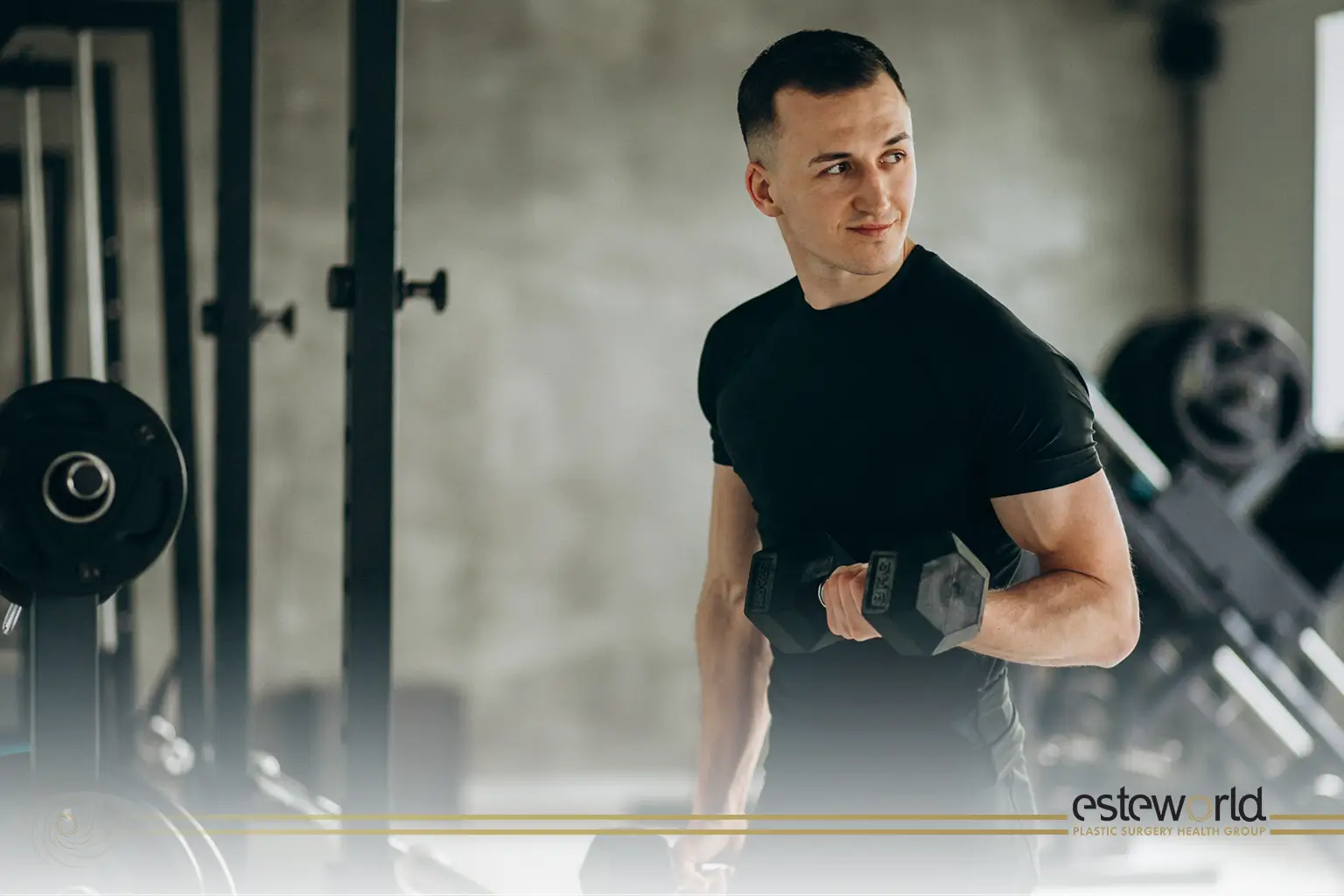
Light, normal activity such as gentle walking may be possible after several days. Vigorous exercise and contact sports may need to wait at least three weeks, with less exercise for the whole first month. Swimming and sunbathing can delay healing, so leave them until your surgeon confirms the scalp has healed.
This article is for general information only. It does not replace a consultation, and your surgeon’s instructions always come first.
When Can You Exercise After a Hair Transplant?
Your surgeon sets your exact dates, because they depend on your technique and on how you heal. Official guidance gives a general outline:
- The first two weeks: the new grafts are not yet secure and need the most care.
- After several days: you may feel well enough for light, normal activity.
- At least three weeks: vigorous exercise and contact sports may need to be avoided.
- Through the first month: you may be told to cut down on exercise to reduce scarring.
After that, build up step by step once your surgeon is happy with how the scalp has healed.
At Esteworld, the dressing on the donor area is removed at the clinic on day 1. The first wash is also done at the clinic, on day 10. Both visits are a good time to ask when you can exercise again.
Why Exercise Is Limited at First
A hair transplant leaves hundreds or thousands of small wounds on the scalp. In the early days, the aim is to protect the grafts and let these wounds close.
- Graft protection. Knocks, rubbing and pressure are easier to avoid when you are not training.
- Bleeding. The American Society of Plastic Surgeons (ASPS) explains that strenuous activity increases blood flow to the scalp. This may cause the grafts or incisions to bleed.
- Scarring. The NHS gives reducing scarring as the reason to cut down on exercise in the first month.
- Pressure on healing skin. A 2026 review of FUE complications describes increasing washing pressure on the scalp only gradually as the skin heals. The same care applies to anything that presses on or rubs your head.

A General Timeline by Activity
The table summarises official guidance for each type of activity. Where there is none, it says so.
| Activity | What medical sources say | Ask your surgeon about |
|---|---|---|
| Walking and light daily activity | Light, normal activity may be possible after several days | How far and how fast to walk at first |
| Running, cycling, cardio classes | Vigorous exercise may need to be avoided for at least 3 weeks; strenuous exercise during recovery can delay healing | When to restart, and at what intensity |
| Weightlifting and gym training | As for cardio; exercise may need to be reduced through the first month | Heavy lifts, bending forward, shared equipment |
| Contact sports and martial arts | May need to be avoided for at least 3 weeks | When your scalp can take contact or a helmet |
| Swimming (pool, sea or lake) | Swimming during recovery can delay healing | When the scalp has healed enough |
| Saunas and steam rooms | No fixed date in official sources | Always ask before you go back |
| Outdoor sport in strong sun | Sunbathing during recovery can delay healing | Hats, and when sunscreen is allowed |
Walking
Short, easy walks fit the light, normal activity that the ASPS describes after several days. Keep the pace relaxed, and stop before you start to strain or sweat heavily.
Running, cycling and cardio
Once you push the pace, these count as vigorous exercise. When your surgeon agrees, start with shorter and slower sessions than you are used to, and wear loose headwear outdoors.
Weightlifting and gym workouts
Heavy lifting is vigorous exercise, even if you feel fine. When you go back, start with lighter loads and avoid straining. Wipe down benches and machines, and keep your hands away from your scalp between sets.
Contact sports and martial arts
Football, rugby, boxing, wrestling and martial arts all carry a real chance of a knock to the head. Some surgeons ask for a longer break than three weeks, so check with yours before you train with others again, even lightly.
Swimming, saunas and steam rooms
The CDC’s caution about swimming applies to pools, the sea and lakes alike. For saunas and steam rooms, wait until your surgeon confirms that your scalp has healed.
Does FUE or FUT Change the Timeline?
The technique changes what you need to protect.
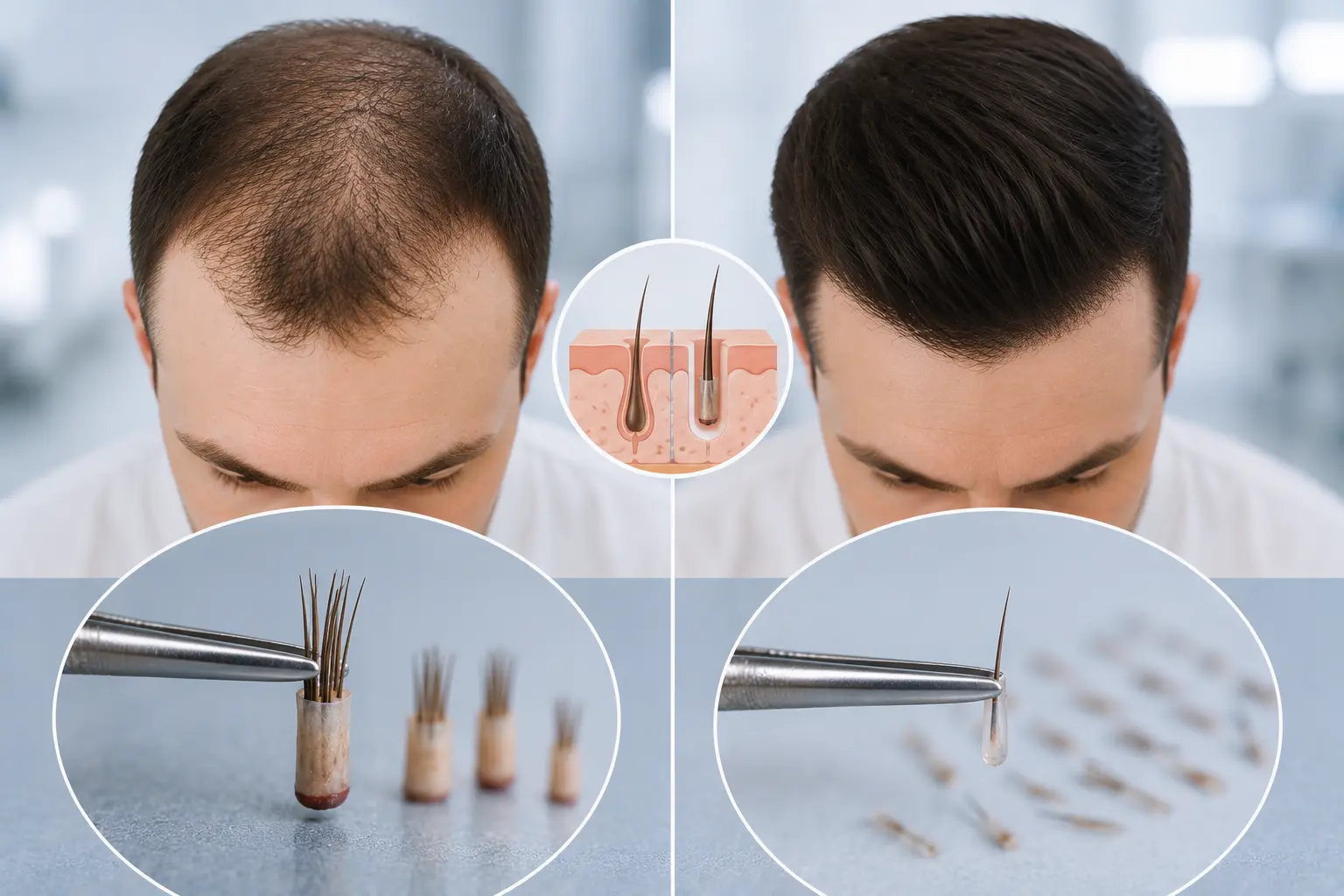
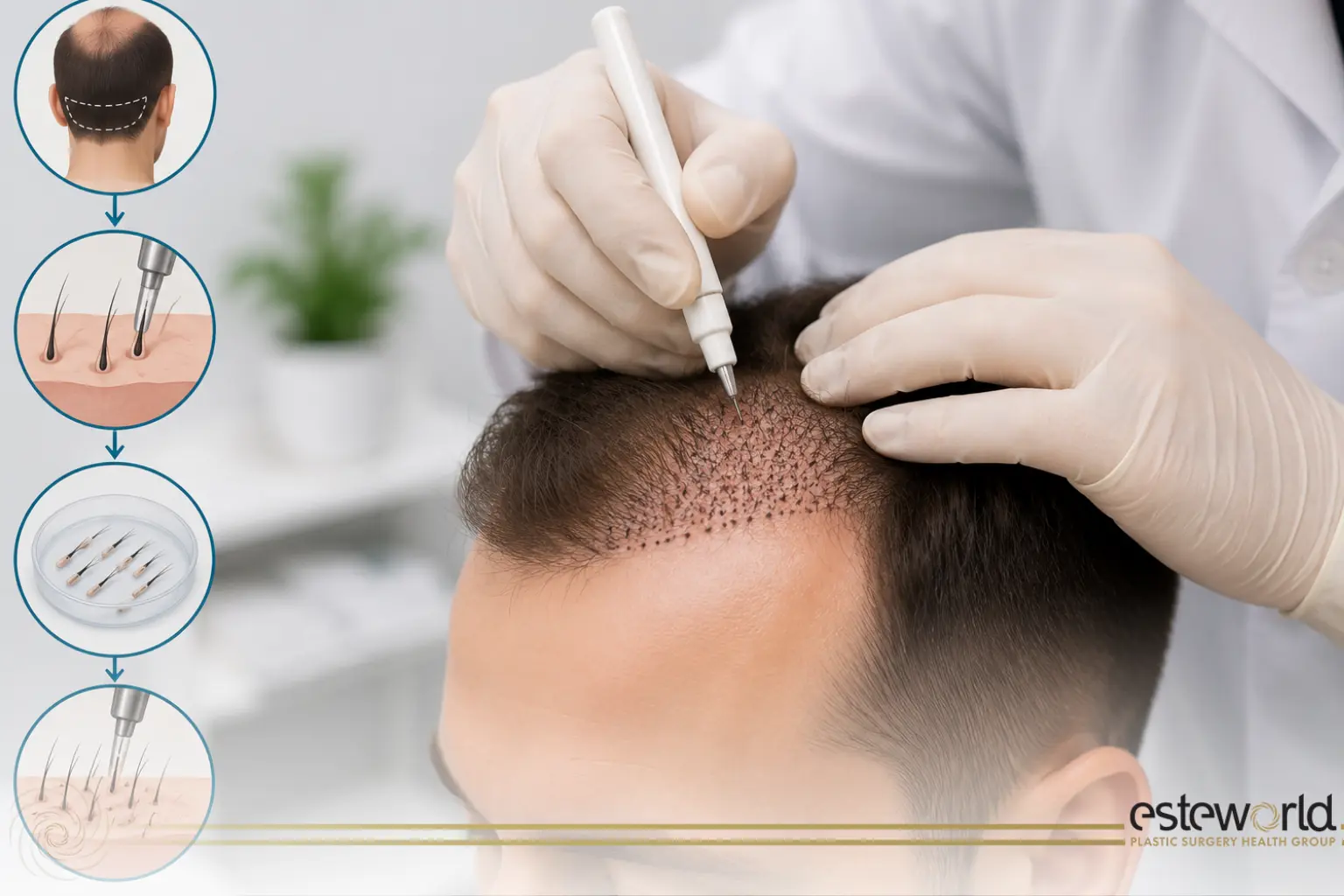
- FUE (including DHI) leaves many tiny wounds in both the donor area and the recipient area.
- FUT (strip surgery) leaves a stitched wound at the back of the head. The ASPS says stitches are removed after a week to 10 days. The NHS gives 10 to 14 days for non-dissolvable stitches.
With FUT, your surgeon may ask you to avoid heavy lifting, and other movements that pull on the back of the scalp, for longer. For more detail, see our guide to donor area recovery and our comparison of FUE vs FUT.
Protecting Your Scalp During Outdoor Sports
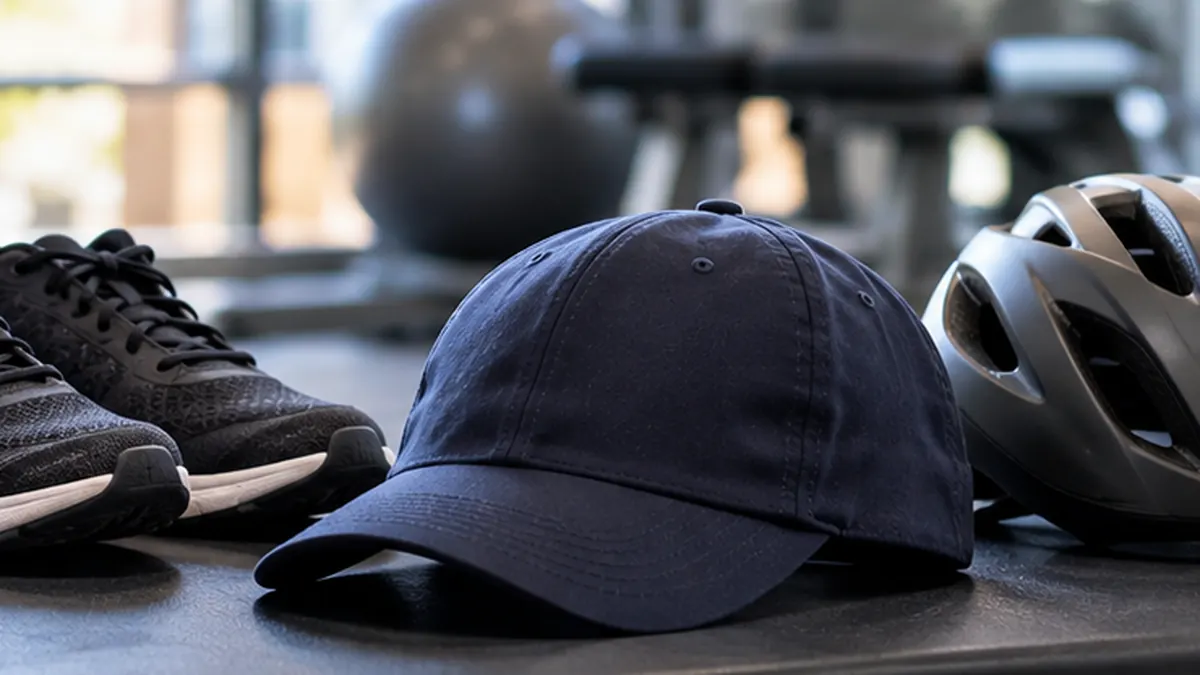
- Sun. Because sunbathing can delay healing, shade matters. If your surgeon agrees, a loose hat that does not press on the grafts can protect your scalp.
- Sunscreen. For healed skin, the American Academy of Dermatology (AAD) recommends a broad-spectrum, water-resistant sunscreen with SPF 30 or higher. Apply it to the treated area only once your surgeon allows.
- Helmets and caps. A tight helmet presses on the scalp. Ask your surgeon before you cycle, ski or play a sport that needs one.
If you are planning a trip soon after your procedure, our guide to a holiday after a hair transplant covers sun, swimming and flights.
When to Stop and When to See a Doctor
If a session brings on new throbbing, pain, swelling or redness in the scalp, stop and rest. Contact your clinic as soon as possible if you have:
- Severe pain, or pain that is extreme or long-lasting
- Noticeable redness and swelling
- Bleeding that continues despite steady pressure
- Pus, honey-coloured crusts, or pain and swelling that keep increasing, which can be signs of infection
- A knock to the head during sport, or a feeling that grafts have been dislodged
A quick message with a photo is better than guessing. If you travelled for surgery, the CDC advises medical travellers not to delay seeking care if they suspect a complication. Our article on infection and complications explains more.
Official guidance only covers the first few weeks; after that, your own healing and your surgeon’s dates set the pace. If you train regularly and are thinking about a procedure, you can contact our team to arrange an assessment. It is a chance to talk through how your sport would fit around recovery. For the wider picture, see our post-operative instructions and our guide to aftercare after a hair transplant.