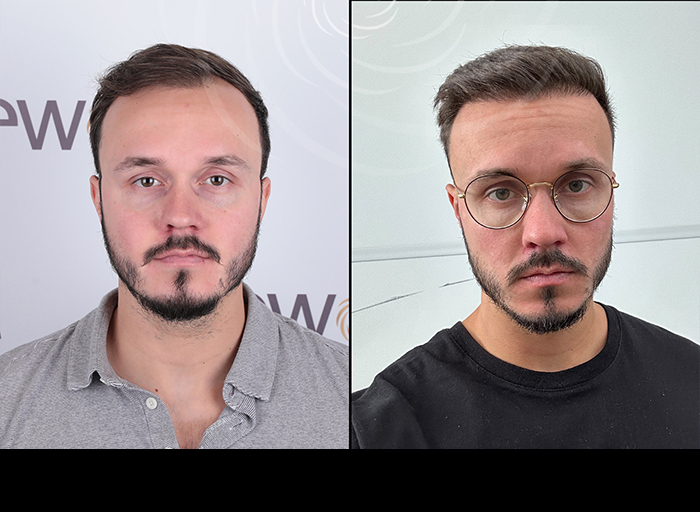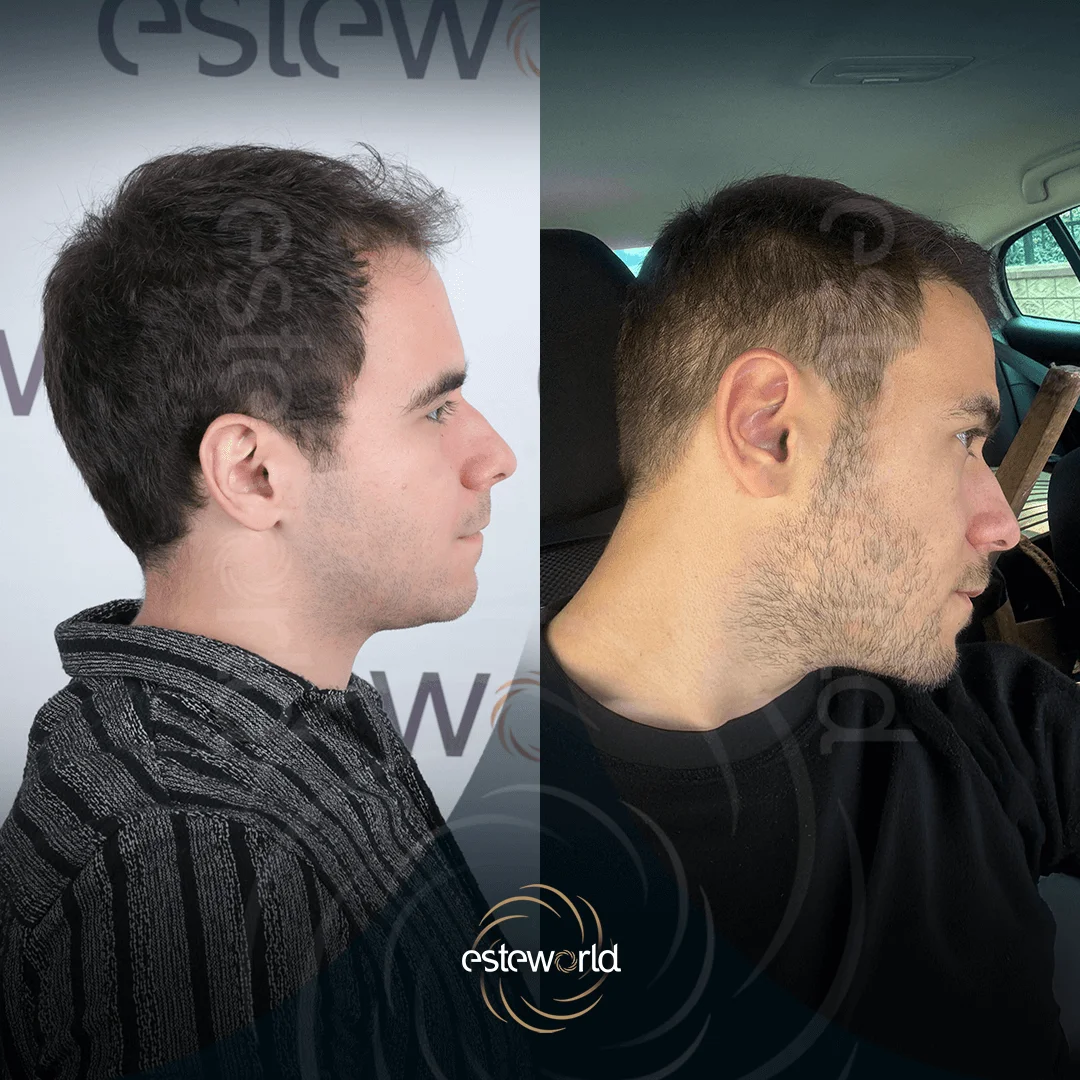
Hair transplant Turkey shows dramatic before and after results based on the number of grafts used during the procedure. For example, 1,500 grafts typically improve mild hairline recession, while 3,000–4,000 grafts offer significant coverage for the crown and mid-scalp. Patients needing full restoration may receive 5,000+ grafts, resulting in dense and natural-looking outcomes. Turkish clinics use advanced techniques like FUE and DHI to ensure minimal scarring and high graft survival rates.
Hair transplantation has become one of the most preferred aesthetic procedures worldwide, and Turkey stands as a global leader in this field. Each year, thousands of people travel to Istanbul and other Turkish cities to undergo a hair transplant. One of the most common questions before surgery is: How do the results differ depending on the number of grafts?
Understanding what to expect before and after a hair transplant Turkey according to graft count helps patients visualize the potential transformation and set realistic expectations. This article explains in detail how the number of grafts affects the outcome, covering results from 1000 to 5000 grafts, based on real patient progress and clinical experience.
Understanding the Concept of Grafts
Before discussing the transformation, it’s essential to understand what a graft is. A graft refers to a small tissue unit containing one or more hair follicles extracted from the donor area—usually the back or sides of the scalp. Depending on the technique used, such as FUE (Follicular Unit Extraction) or DHI (Direct Hair Implantation), each graft can contain between one and four hairs.
For example:
- 1000 grafts can include around 2000 to 3000 hairs.
- 5000 grafts can represent up to 12,000 hairs.
This means the final result doesn’t depend only on the graft number but also on hair thickness, density, and the surgeon’s expertise.
Factors Influencing the Number of Grafts Needed
The number of grafts required varies for each patient depending on:
- The degree of baldness (Norwood scale)
- The size of the recipient area
- Hair thickness and density in the donor area
- Desired hairline design and density expectations
A detailed consultation with a specialist helps determine the ideal number of grafts. The goal is to achieve a natural look with sufficient density while preserving the donor area’s integrity.
Hair Transplant Turkey 1000 Graft Before After
A 1000 graft hair transplant is suitable for patients with mild hair thinning or small bald spots, usually around the temples or hairline corners.
Before:
Patients who undergo 1000 graft procedures often have early-stage hair loss. The scalp still retains a natural hairline, but the density has decreased. Photos taken before surgery show visible thinning rather than complete baldness.
After:
By the 6th month, noticeable improvement appears in density and hairline definition. The final results at around 10–12 months show fuller and well-defined hairlines that restore balance to the face.
A 1000 graft procedure may not drastically change the overall look, but it provides a significant aesthetic enhancement for those seeking natural refinement rather than total transformation. It’s often chosen by young individuals in their 20s or 30s who experience early hairline recession.
Hair Transplant Turkey 2000 Graft Before After
A 2000 graft hair transplant is typically performed for patients with moderate hair loss, particularly at the frontal area and temples. It’s one of the most popular options because it covers visible thinning without overharvesting the donor zone.
Before:
Before surgery, patients with 2000 graft indications usually present with visible gaps in the front section of the scalp but still maintain coverage on the crown. The overall look might appear aged or tired due to a receded hairline.
After:
Around the 5th to 6th month, new growth starts filling in the hairline. By month 8, the density becomes uniform, and the frontal area gains volume.
Before and after photos show clear improvement: the face appears younger, and the forehead-to-hairline proportion becomes balanced. A 2000 graft transplant in Turkey often delivers impressive natural results that blend seamlessly with existing hair.
Hair Transplant Turkey 3000 Graft Before After
A 3000 graft transplant is ideal for those with moderate to advanced baldness affecting both the front and mid-scalp. It provides a more noticeable transformation compared to smaller procedures.
Before:
Patients who need 3000 grafts often show significant thinning across the front and mid-scalp, while the crown may still retain some coverage. The hairline has usually receded considerably, making the forehead appear higher.
After:
Within the first few months, hair growth progresses gradually. By month 6, density improves across the mid-scalp, and the frontal hairline looks more natural. At month 9 or 10, results become strikingly visible — the scalp looks full, and the patient’s appearance changes noticeably.
Before and after photos from 3000 graft hair transplants in Turkey often show dramatic rejuvenation. The balance between coverage and natural design is one of the main reasons this graft count is frequently recommended.
Hair Transplant Turkey 4000 Graft Before After
A 4000 graft transplant is commonly performed for patients experiencing advanced male pattern baldness (Norwood 5–6). This number of grafts allows extensive coverage from the front to the crown, offering a major transformation.
Before:
The scalp usually displays visible baldness over a large area, including the front, mid, and partial crown. The remaining hair is often thin or sparse. Patients at this stage often experience significant loss of confidence.
After:
After surgery, scabs heal within the first two weeks, and the shock loss phase occurs around the first month. By month 6, more than half of the transplanted follicles start growing. At month 9–10, density and volume improve dramatically.
The before and after difference with 4000 grafts is substantial. Patients regain full frontal and mid-scalp coverage, achieving a naturally thick appearance. Clinics in Turkey carefully plan the distribution of grafts to avoid overloading certain zones and to maintain harmony between donor and recipient areas.
Hair Transplant Turkey 5000 Graft Before After
A 5000 graft hair transplant represents one of the most comprehensive procedures available. It’s designed for patients with extensive baldness who want maximum coverage in a single session.
Before:
Patients who require 5000 grafts often have significant hair loss extending from the frontal line to the crown. The scalp is clearly visible, and only the lower sides and back of the head remain dense enough to serve as donor zones.
After:
Because of the large number of grafts, the surgery is performed carefully, often taking 7–9 hours. The recovery process follows the same phases, but the visible change is much more pronounced.
By month 6, regrowth covers most of the scalp. By month 10–12, the transformation is complete, revealing thick and evenly distributed hair. The before-and-after photos of 5000 graft hair transplants in Turkey show one of the most dramatic aesthetic recoveries possible.
This procedure restores not only hair but also confidence, often resulting in a younger and more energetic appearance.
The Role of Technique: FUE vs. DHI vs. Sapphire FUE
The chosen technique also influences the result quality and recovery time.
- FUE (Follicular Unit Extraction): The most widely used method in Turkey. It offers minimal scarring, fast recovery, and excellent density.
- DHI (Direct Hair Implantation): Uses an implanter pen for direct placement without channel creation, allowing high precision in small areas.
- Sapphire FUE: Uses sapphire blades to open microchannels, ensuring smoother healing and higher graft survival rates.
Each technique can deliver great results when performed by skilled surgeons, but the appropriate method depends on individual scalp conditions and desired outcomes.
Healing and Hair Growth Timeline After Transplantation
Regardless of the graft number, all patients go through similar stages after surgery:
- Week 1–2: Scabs and redness fade gradually.
- Week 3–4: Shock loss begins; transplanted hairs shed temporarily.
- Month 3–4: New growth starts with thin, soft hairs.
- Month 6: Visible improvement in coverage and texture.
- Month 9–12: Final density and volume become evident.
Patients who follow post-operative care instructions—using prescribed shampoos, avoiding smoking, and maintaining good nutrition—achieve optimal outcomes.
The Psychological and Social Impact of Hair Restoration
Hair loss often affects more than just appearance—it can influence self-esteem and social confidence. The transformation after a successful transplant brings emotional relief. Many patients report improved self-image, professional confidence, and overall life satisfaction.
Before-and-after photos don’t only show physical change but also represent renewed confidence and vitality.
Frequently Asked Questions About Hair Transplants in Turkey
How do I know how many grafts I need?
A consultation with a specialist and a detailed scalp analysis will determine the exact number based on your baldness level and goals.
Can all grafts survive after transplantation?
With advanced techniques like Sapphire FUE or DHI, survival rates reach up to 90–95%, ensuring long-lasting results.
Is there a limit to the number of grafts per session?
Yes. Most clinics perform up to 5000 grafts in one session to protect the donor area and ensure proper healing.
Will my hair look natural?
Yes. When performed by experienced surgeons, hair direction, density, and angle are carefully planned to mimic natural growth.
Are the results permanent?
Transplanted hair is usually taken from areas resistant to hormonal loss, making the results permanent and lifelong.