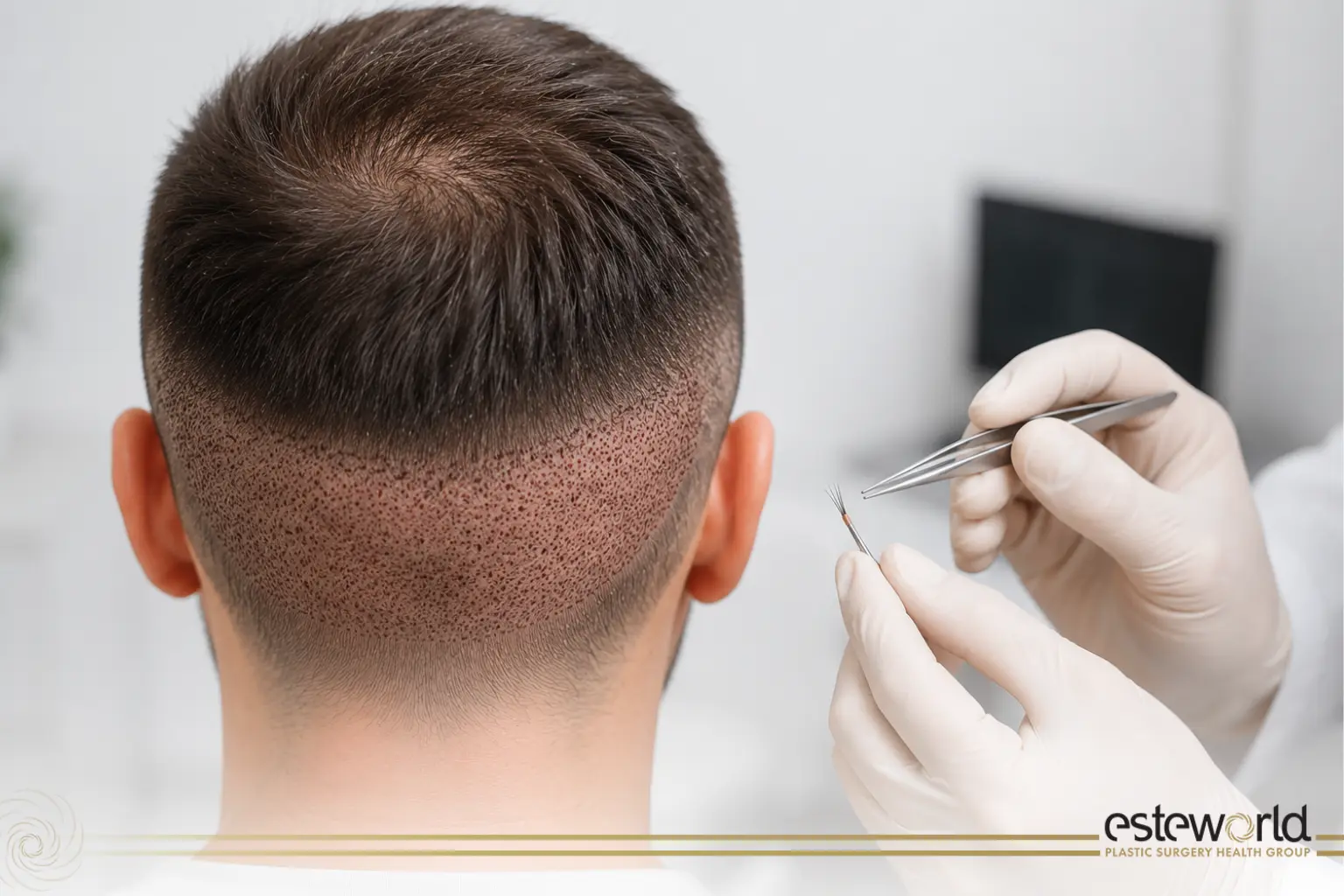
A hair transplant is not only about the procedure itself. The recovery process that follows can directly influence how natural, dense, and healthy the final results appear. Many patients focus heavily on graft numbers and hairline design before surgery, yet the weeks and months after the operation are equally important.
Questions such as “Can I go out in the sun?”, “When can I drink alcohol again?”, “Is shock loss normal?”, or “Should I use minoxidil after hair transplant surgery?” are among the most searched topics by patients in the UK and the USA. The reason is simple: people want to protect their investment and achieve the best possible outcome.
This detailed after hair transplant guideline explains what to expect during recovery, what to avoid, and how to support healthy graft growth step by step.
What should you do after a hair transplant?
After a hair transplant, patients should protect the grafts, avoid direct sun exposure, stop smoking and alcohol temporarily, follow washing instructions carefully, and use medications only as advised by the clinic. Recovery usually includes redness, scabbing, temporary shedding known as shock loss, and gradual hair growth over several months.
Why Aftercare Matters After a Hair Transplant
Hair transplantation has become one of the most preferred cosmetic procedures worldwide. However, the transplanted grafts remain delicate during the first days after surgery. The scalp needs time to heal, blood circulation must stabilise, and the follicles must settle into their new position.
Proper aftercare can help:
- Support healthier graft survival
- Reduce infection risk
- Minimise swelling and irritation
- Improve long-term hair density
- Promote more natural growth patterns
- Reduce complications during healing
Ignoring aftercare instructions, on the other hand, may negatively affect the final appearance.
The First 24 Hours After Hair Transplant Surgery
The first day is usually the most sensitive stage of recovery. During this period, the grafts are still adapting to the recipient area.
Most clinics recommend resting at home and avoiding unnecessary movement. Patients are generally advised to sleep with their head elevated at around 45 degrees to help reduce swelling.
During the first 24 hours:
| Recommended | Avoid |
| Resting | Touching grafts |
| Drinking water | Heavy exercise |
| Using prescribed medication | Smoking |
| Sleeping carefully | Alcohol |
| Following clinic instructions | Scratching scalp |
Mild bleeding, redness, and tightness are usually considered normal.
Hair Transplant Recovery Timeline
Understanding the healing process helps patients avoid unnecessary anxiety.
Days 1–3
The scalp may appear red and sensitive. Tiny scabs begin forming around the grafts. Mild swelling on the forehead can also occur.
Days 4–7
Scabbing becomes more noticeable. Washing routines generally begin during this period according to clinic instructions.
Days 7–14
Most scabs start falling away naturally. The grafts become more secure.
Weeks 2–8
Temporary shedding known as shock loss commonly occurs. This phase can surprise patients, but it is usually part of the normal cycle.
Months 3–6
New hair growth gradually begins. Hair may initially appear thin or uneven.
Months 6–12
Density improves significantly. The transplanted hair becomes stronger and more natural.
After 12 Months
Most patients see near-final results, although texture and density may continue improving slightly.
Sun Exposure After Hair Transplant
One of the most common concerns is sun exposure after hair transplant surgery. Direct sunlight can irritate the scalp and affect healing during the early recovery phase.
Fresh grafts are highly sensitive to UV rays. Excessive sun exposure may lead to:
- Prolonged redness
- Scalp irritation
- Increased sensitivity
- Delayed healing
- Potential pigmentation changes
Most specialists recommend avoiding direct sunlight for at least the first month.
How to Protect the Scalp From the Sun
Patients living in sunny regions or travelling shortly after surgery should take additional precautions.
Recommended precautions:
- Stay in shaded areas whenever possible
- Avoid midday sun exposure
- Wear a loose protective hat only after clinic approval
- Avoid sunbeds and tanning treatments
- Use scalp-safe sunscreen later in recovery if recommended
For many UK and US patients travelling abroad for surgery, returning home by plane also raises concerns about exposure during transport. Airports, taxis, and outdoor waiting periods should be considered carefully during the first days.
Shock Loss After Hair Transplant
Shock loss after hair transplant surgery is one of the most searched topics online because it can be emotionally stressful for patients who are expecting immediate results.
Shock loss refers to temporary shedding of transplanted or surrounding hair after surgery. It may happen because the scalp experiences temporary stress during the procedure.
Although it may look alarming, shock loss is often temporary.
Why Does Shock Loss Happen?
Hair follicles naturally cycle through growth and resting phases. Surgery can temporarily push some hairs into the shedding stage.
Common contributing factors include:
- Surgical trauma to follicles
- Existing weak hair
- Genetics
- Aggressive handling of the scalp
- Smoking
- Poor circulation
When Does Shock Loss Start?
Shock loss often begins around the second or third week after surgery and may continue for several weeks.
Is Shock Loss Permanent?
In most cases, no. The follicles remain alive beneath the scalp and usually begin producing new hair again within a few months.
Patience is extremely important during this phase.
Finasteride After Hair Transplant
Many patients ask whether they should use finasteride after hair transplant procedures.
Finasteride is commonly prescribed to help slow further hair loss by reducing DHT levels, which play a major role in androgenetic alopecia.
While transplanted hairs are generally more resistant to hair loss, native existing hair may continue thinning over time.
Potential Benefits of Finasteride
| Possible Benefit | Explanation |
| Helps maintain existing hair | Supports surrounding non-transplanted hair |
| May improve overall density | Reduces progressive thinning |
| Supports long-term appearance | Helps maintain balanced results |
| May reduce future procedures | Slows continued hair loss |
Important Considerations
Finasteride may not be suitable for everyone. Some individuals report side effects, and treatment decisions should always be made with medical guidance.
Patients should avoid self-medicating without professional evaluation.
Minoxidil After Hair Transplant
Minoxidil is another frequently discussed topic after hair restoration procedures.
Minoxidil is commonly used to support hair growth and improve circulation to hair follicles.
When Can You Start Minoxidil Again?
The timing depends on the clinic’s recommendations and the condition of the scalp. Many surgeons recommend waiting until the grafts have stabilised and the scalp irritation has reduced.
Using minoxidil too early may cause:
- Irritation
- Burning sensation
- Increased redness
- Dryness
Potential Benefits of Minoxidil
- May support faster growth cycles
- Can help surrounding native hair
- May reduce visible thinning
- Can support overall hair appearance
However, consistency is usually important for maintaining effects.
Alcohol After Hair Transplant
Alcohol after hair transplant surgery is another major concern among patients.
Alcohol may temporarily affect circulation and hydration levels. Excessive drinking immediately after surgery may interfere with healing.
Why Is Alcohol Restricted?
During the first days after surgery, the scalp needs stable blood flow and proper recovery conditions.
Alcohol can potentially:
- Increase swelling
- Thin the blood
- Affect medication interactions
- Contribute to dehydration
- Increase bleeding risk
Most clinics advise avoiding alcohol for at least several days before and after the procedure.
Smoking After Hair Transplant
Smoking after hair transplant surgery is strongly discouraged by most clinics.
Nicotine can constrict blood vessels, which may reduce oxygen delivery to healing tissues and follicles.
How Smoking May Affect Recovery
| Effect of Smoking | Possible Impact |
| Reduced circulation | Slower healing |
| Lower oxygen levels | Weaker graft support |
| Increased inflammation | Irritated scalp |
| Delayed tissue repair | Longer recovery |
| Poorer blood supply | Potential graft stress |
Patients who stop smoking temporarily around surgery may support healthier healing conditions.
Washing Hair After Hair Transplant
Washing the scalp correctly is one of the most critical steps during recovery.
Patients are usually given a specific washing routine by their clinic.
The process often includes:
- Applying lotion gently
- Waiting for softening of scabs
- Using mild shampoo
- Rinsing carefully with lukewarm water
- Avoiding direct pressure
Aggressive rubbing should always be avoided during the early days.
Sleeping Position After Hair Transplant
Many patients underestimate how important sleeping position can be after surgery.
Sleeping incorrectly may increase swelling or accidentally damage grafts.
Recommended Sleeping Tips
- Sleep on your back
- Keep the head elevated
- Use a travel pillow if necessary
- Avoid sleeping face down
- Protect the graft area from friction
These precautions are especially important during the first week.
Exercise After Hair Transplant
Returning to the gym too early can increase sweating and blood pressure around the scalp.
Most clinics recommend avoiding:
- Weightlifting
- Running
- Contact sports
- Swimming
- Sauna sessions
Light walking may be acceptable earlier depending on recovery.
Patients should gradually return to intense physical activity based on medical advice.
Scabbing and Itching After Hair Transplant
Scabbing is a natural part of healing. Small crusts form around each graft as the scalp recovers.
Itching can also occur during healing.
Important Advice
Patients should never pick or scratch the scabs aggressively.
Doing so may:
- Irritate the follicles
- Delay healing
- Increase infection risk
- Potentially affect graft stability
Moisturising products recommended by the clinic may help reduce discomfort.
Travel After Hair Transplant
Medical tourism has increased significantly in recent years, especially among patients travelling to Türkiye for hair restoration procedures.
Many international patients wonder whether flying home shortly after surgery is safe.
In general, short flights are commonly possible after the procedure, although clinics may recommend waiting a certain number of hours before travelling.
Travel Tips After Surgery
- Avoid hitting the grafts while boarding
- Carry prescribed medications
- Stay hydrated during flights
- Use neck support pillows
- Avoid crowded situations if possible
Patients should also carefully follow airline baggage and hygiene recommendations during recovery.
Hair Transplant Diet and Nutrition
Nutrition may influence overall healing quality.
Although no special “miracle diet” exists, balanced nutrition can support recovery.
Foods That May Support Recovery
- Protein-rich foods
- Vegetables
- Fruits
- Healthy fats
- Water-rich foods
Hydration is especially important during the first days after surgery.
Common Mistakes After Hair Transplant
Many complications happen not because of the procedure itself, but because patients ignore aftercare advice.
Common Mistakes to Avoid
- Touching or scratching grafts
- Returning to exercise too early
- Smoking heavily
- Drinking alcohol immediately after surgery
- Ignoring washing instructions
- Excessive sun exposure
- Wearing tight hats too soon
- Stopping medication without medical advice
Even small mistakes can influence healing quality.
When to Contact the Clinic
Some symptoms are normal after surgery, while others may require medical attention.
Patients should contact their clinic if they notice:
- Severe swelling
- Persistent bleeding
- Fever
- Strong pain
- Pus or unusual discharge
- Sudden scalp infection signs
Early communication can help prevent complications.
Emotional Recovery After Hair Transplant
Hair transplant recovery is not only physical. Many patients experience emotional ups and downs during the first months.
The temporary shedding phase can create anxiety, especially for individuals expecting immediate cosmetic improvement.
Understanding the timeline realistically helps reduce stress.
Hair growth is gradual, and patience remains one of the most important parts of the process.
The success of a hair transplant depends not only on surgical technique but also on the recovery process that follows. Protecting the grafts, following medical advice carefully, and understanding the normal healing stages can make a significant difference in long-term results.
Questions about sun exposure after hair transplant surgery, shock loss, finasteride, minoxidil, alcohol, and smoking are extremely common because patients naturally want to protect their appearance and maximise results.
Every patient heals differently, which is why personalised medical guidance remains essential throughout the recovery journey.
As Esteworld, we have been providing hair transplant treatments since 1994 with experienced medical teams and internationally focused patient care services in Istanbul. For detailed information about hair transplant procedures and personalised treatment planning, you can contact our team for a professional consultation.