What to Do About Thinning Hair in Women?
Hair loss is a widespread issue affecting both men and women. In women, hair loss occurs due to the interaction of various factors. This condition can affect both physical and psychological health. Hormonal changes, genetic factors, stress, nutrient deficiencies, and various diseases can lead to hair loss. Fortunately, today there are numerous effective treatment options available to help control hair loss and support hair regrowth. In this article, you will find an overview of the causes of hair loss in women, possible treatment methods, and practical tips to support hair health.
What Is Hair Loss in Women?
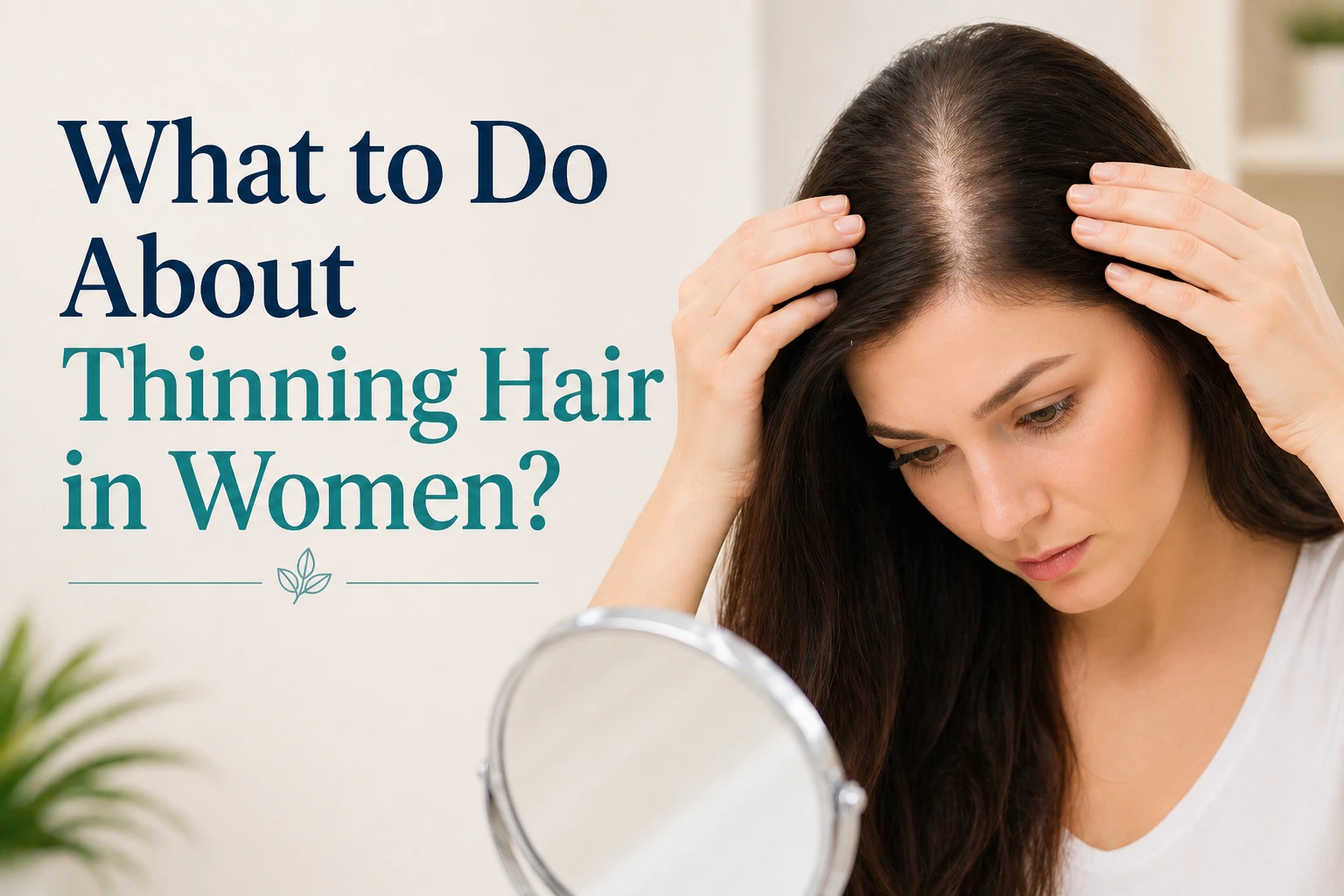
Hair loss in women is referred to as alopecia and can occur due to various factors such as genetic predisposition, hormonal changes, malnutrition, stress, or certain medical conditions. In this process, hair follicles become weakened or damaged, which can lead to thinning hair and eventually hair loss.
The most common type in women is androgenetic alopecia, a hereditary form of hair loss. This type is often associated with hormonal changes, especially after menopause. Early diagnosis and appropriate treatment can help slow down or stop the progression of hair loss.
What Are the Causes of Hair Loss in Women?
Hair loss can be triggered by several causes. The most common include:
Genetic Factors (Androgenetic Alopecia)
Women with a family history of hair loss have a higher risk of developing it themselves.
Hormonal Changes
Especially during pregnancy, after childbirth, menopause, or in conditions such as polycystic ovary syndrome (PCOS).
Nutrient Deficiencies
A deficiency in iron, zinc, vitamin B12, or vitamin D can negatively affect hair health.
Stress
Long-term stress can disrupt the natural hair cycle and lead to increased hair shedding.
Thyroid Disorders
Conditions such as hypothyroidism or hyperthyroidism may cause hair loss.
Chronic Diseases
For example, diabetes, lupus, or other autoimmune diseases.
Medications
Chemotherapy, hormonal contraceptives, blood thinners, or certain blood pressure medications may trigger hair loss.
Improper Hair Care Habits
Excessive heat exposure, chemical treatments, or very tight hairstyles can damage hair.
Infections
Fungal infections of the scalp can also lead to hair loss.
Rapid Weight Loss
Sudden and significant weight loss can increase hair shedding.
How Is Hair Loss in Women Diagnosed?
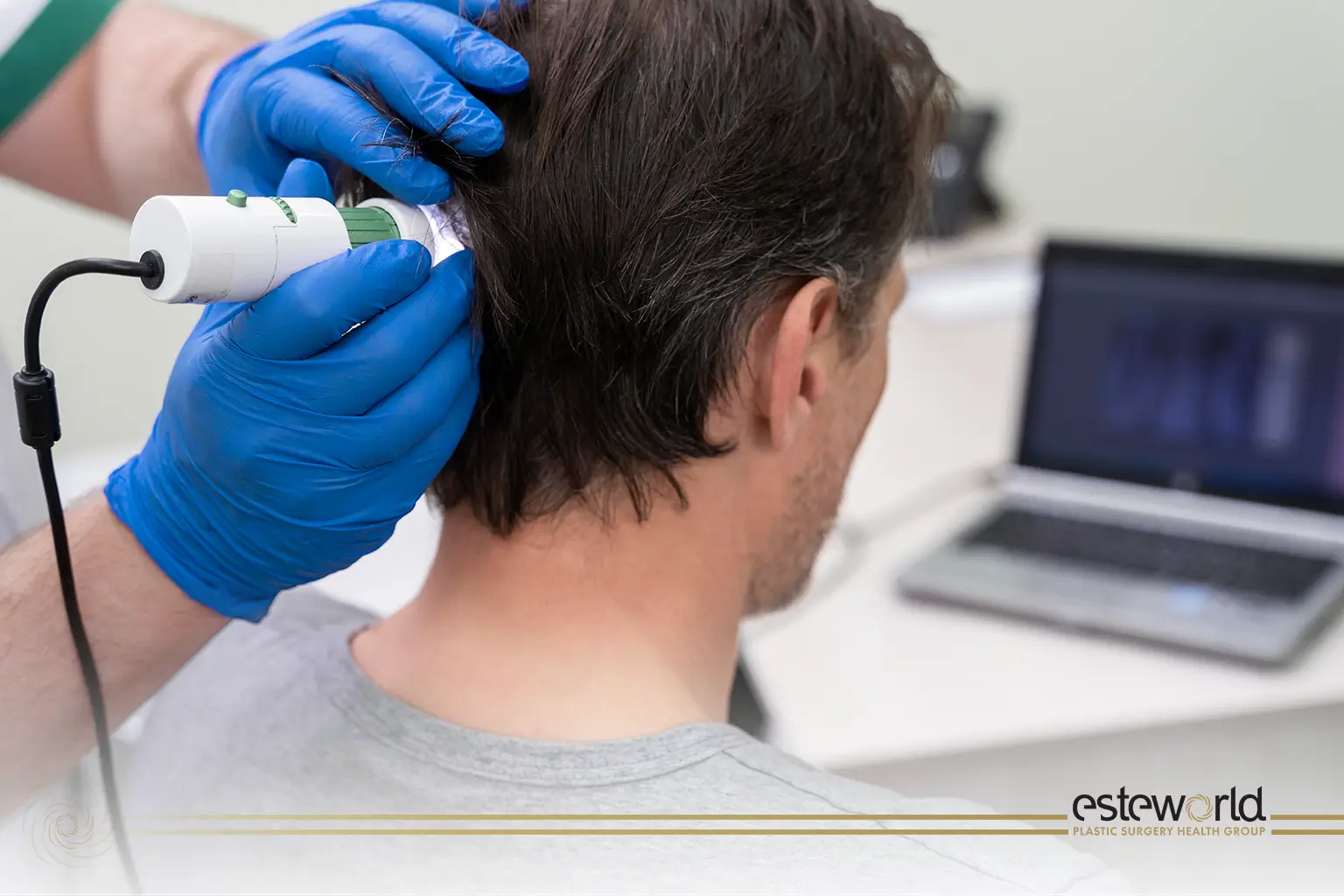
To diagnose hair loss in women, it is important to conduct a detailed medical history evaluation before starting any treatment.
In addition, blood tests are often performed to assess vitamin and mineral levels as well as hormonal parameters. Once the cause of hair loss is identified, an appropriate treatment plan can be developed individually.
Treatment Options for Hair Loss in Women
Treatment primarily depends on the underlying cause. Commonly used methods include:
Hair Laser Treatment
Hair laser therapy is a non-invasive method used to slow down hair loss, stop it, and support the growth of new hair.
Low-level laser light is applied to the hair follicles. This can stimulate the metabolism of hair roots, improve blood circulation, and promote hair growth. The treatment is usually applied several times per week over a specific period. Regular application is necessary for long-term results.
This method is particularly frequently used in women with androgenetic alopecia.
Stem Cell Therapy
Stem cell therapy is considered an innovative method for treating hair loss.
In this method, specific cells from the patient’s body are collected and processed under special conditions. These prepared stem cells are then injected back into the scalp. The goal is to strengthen thinning hair and activate dormant hair follicles.
Stem cells can regenerate and revitalize weakened or damaged hair follicles. This treatment shows particularly good results in the early stages of hair loss. In many cases, the procedure is completed in a single session, and initial results may become visible after several months.
Combination of Stem Cell Therapy and Hair Laser
Stem cell therapy and hair laser treatment can be used separately or in combination.
Especially in cases of thin, weakened, or chemically damaged hair, combining these two methods is often recommended. These treatments can revitalize the scalp and support a healthier appearance of the hair.
Additionally, vitamin and mineral supplements may be used to strengthen hair roots and support hair growth.
Hair Transplantation
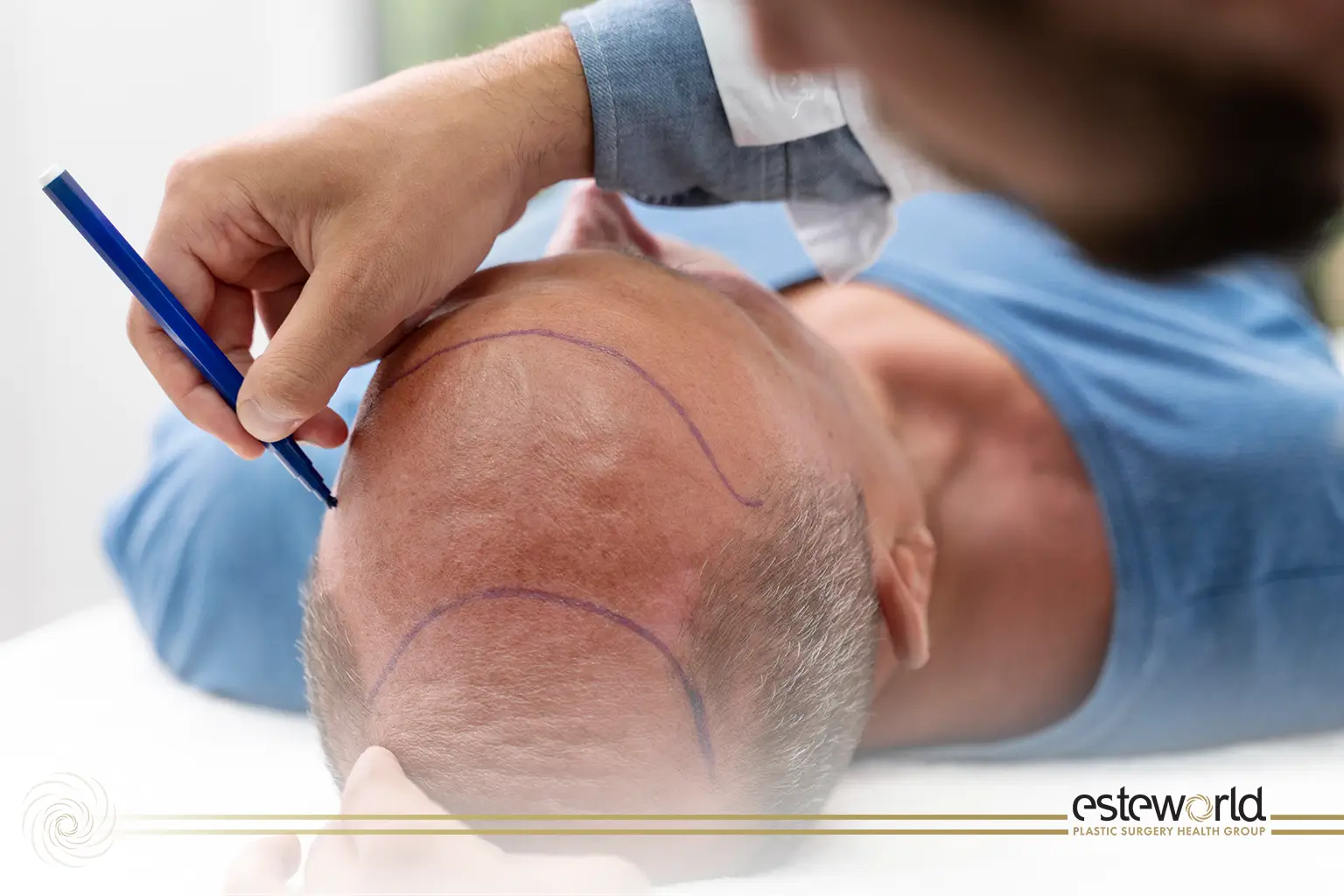
Hair transplantation is a permanent surgical solution for advanced hair loss.
In this procedure, hair follicles are taken from areas with denser hair growth, known as the donor area, and transplanted into thinning or bald areas. The most commonly used techniques include FUE and DHI.
In the FUE method, individual hair follicles are extracted and then implanted.
In the DHI method, hair follicles are placed directly into the target areas using a special instrument called a Choi Implanter.
Hair transplantation is usually recommended when hair loss has progressed and other treatment methods are not sufficiently effective. After the procedure, new hair growth generally begins after several months, and the results can be long-lasting.
Long-term success largely depends on the procedure being performed by experienced specialists in a qualified clinic.
In addition to hair transplantation, eyebrow transplantation is also among the commonly performed treatments in women.
Hair and Eyebrow Transplantation Only in Specialized Clinics
Hair and eyebrow transplantation procedures should only be performed by qualified specialists in authorized clinics.
Many women value not only their hair but also their eyebrows. Various solutions are available for patients experiencing eyebrow loss. Eyebrow transplantation is based on principles similar to FUE hair transplantation.
Hair follicles are taken from the nape area and placed into the eyebrow region at a specific angle and direction to achieve a natural appearance.
Eyebrow hairs grow at an angle of approximately 10 to 15 degrees. In the inner section, they grow upward; in the middle section, parallel to the skin; and in the outer section, slightly downward. Therefore, creating channels during eyebrow transplantation requires high precision.
Patients should be aware that these are surgical procedures and must only be performed by qualified medical professionals.
For further information about hair transplantation and treatment options, you can contact our specialized health consultants.