FUE hair transplant continues to be one of the most researched hair restoration procedures in 2026. People looking for a natural hairline, minimal scarring, and long-term improvement often explore FUE as a modern solution for hair loss. However, many patients still have questions about how FUE works, how much it costs, how long recovery takes, and what kind of results they can realistically expect.
This guide explains the FUE hair transplant process in detail, including graft planning, recovery stages, pricing factors, expected outcomes, and the most important points to consider before choosing a clinic.
FUE hair transplant is a minimally invasive hair restoration technique where individual hair follicles are extracted from the donor area and transplanted into thinning or bald regions. In 2026, FUE remains one of the most preferred methods thanks to its natural-looking results, advanced healing process, and flexible graft planning options.
What Is FUE Hair Transplant?
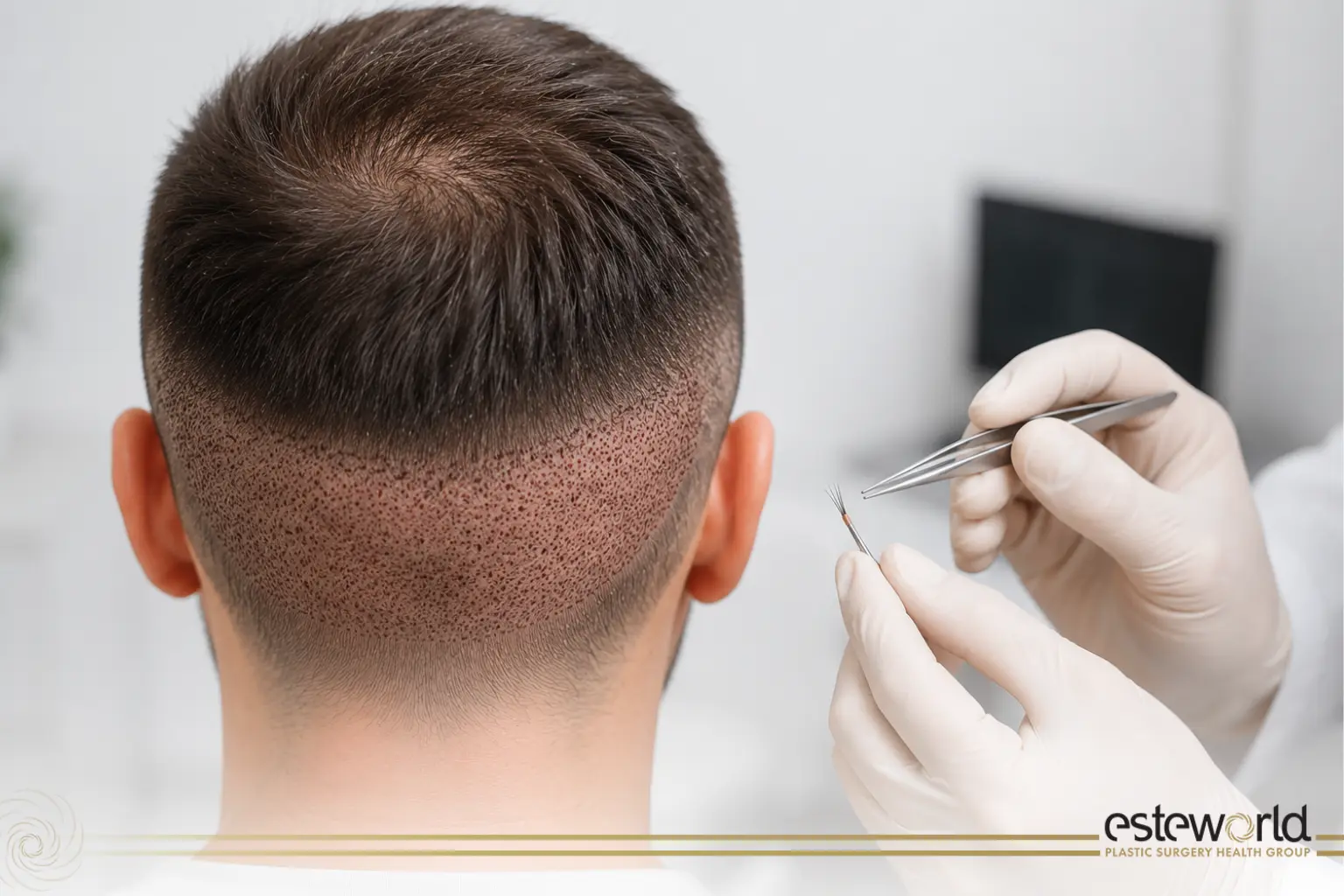
FUE stands for Follicular Unit Extraction. It is a modern hair transplant technique that involves removing individual follicular units from the donor area and implanting them into areas affected by hair loss.
Unlike older strip methods, FUE does not require the removal of a large strip of scalp tissue. Instead, grafts are collected one by one using specialised micro tools. This approach usually leaves tiny dot-like marks rather than a linear scar.
Over the years, FUE has evolved significantly. In 2026, clinics use more advanced extraction systems, refined implantation techniques, and customised hairline planning approaches. Patients today are no longer simply looking for hair coverage. They often want natural density, age-appropriate hairlines, and long-term donor preservation.
One of the reasons FUE remains highly popular is its versatility. The method can be used for frontal hairline restoration, crown hair transplant procedures, beard transplants, eyebrow restoration, and even repair operations after failed hair transplant surgeries.
Why Is FUE Hair Transplant So Popular in 2026?
Hair transplant trends continue to change every year. Earlier generations often focused only on filling bald areas, but expectations have shifted. Modern patients care more about realism, symmetry, and donor management.
FUE aligns with these expectations because the procedure allows detailed planning and more precise graft placement. This becomes especially important when creating natural-looking transitions and softer frontal hairlines.
Social media also plays a major role in the popularity of FUE hair transplant procedures. Many patients openly share monthly recovery updates, before-and-after images, and hair growth journeys online. As a result, people researching hair restoration now have far more visual references than they did a decade ago.
Another important reason is the increasing international accessibility of hair transplant clinics. Countries such as Türkiye have become globally recognised destinations for hair transplant procedures due to experienced medical teams and comprehensive patient packages.
How Does FUE Hair Transplant Work?
The procedure begins with an analysis of the scalp, donor area, hair density, and future hair loss risk. This planning stage is one of the most critical parts of the entire process.
Hair follicles are usually extracted from the back or sides of the scalp because these areas tend to be genetically more resistant to hair loss. Once the grafts are collected, they are implanted into thinning or bald regions according to a customised design.
The angle, direction, and distribution of the grafts matter significantly. A technically successful procedure is not only about survival rate. It is also about whether the transplanted hair blends naturally with existing hair.
Most procedures are performed under local anaesthesia, and patients typically remain awake during the operation.
FUE vs FUT: What Is the Difference?
Patients often compare FUE with FUT before deciding which technique suits them best.
| Feature | FUE Hair Transplant | FUT Hair Transplant |
| Extraction Method | Individual graft extraction | Strip removal |
| Scarring | Tiny dot scars | Linear scar |
| Recovery | Faster recovery | Longer recovery |
| Haircut Flexibility | Short hairstyles possible | Scar visibility may limit short cuts |
| Popularity in 2026 | Very high | Less common |
Although FUT is still used in certain cases, FUE has become the preferred option for many patients because of its minimally invasive nature and modern aesthetic planning capabilities.
Who Is a Good Candidate for FUE Hair Transplant?
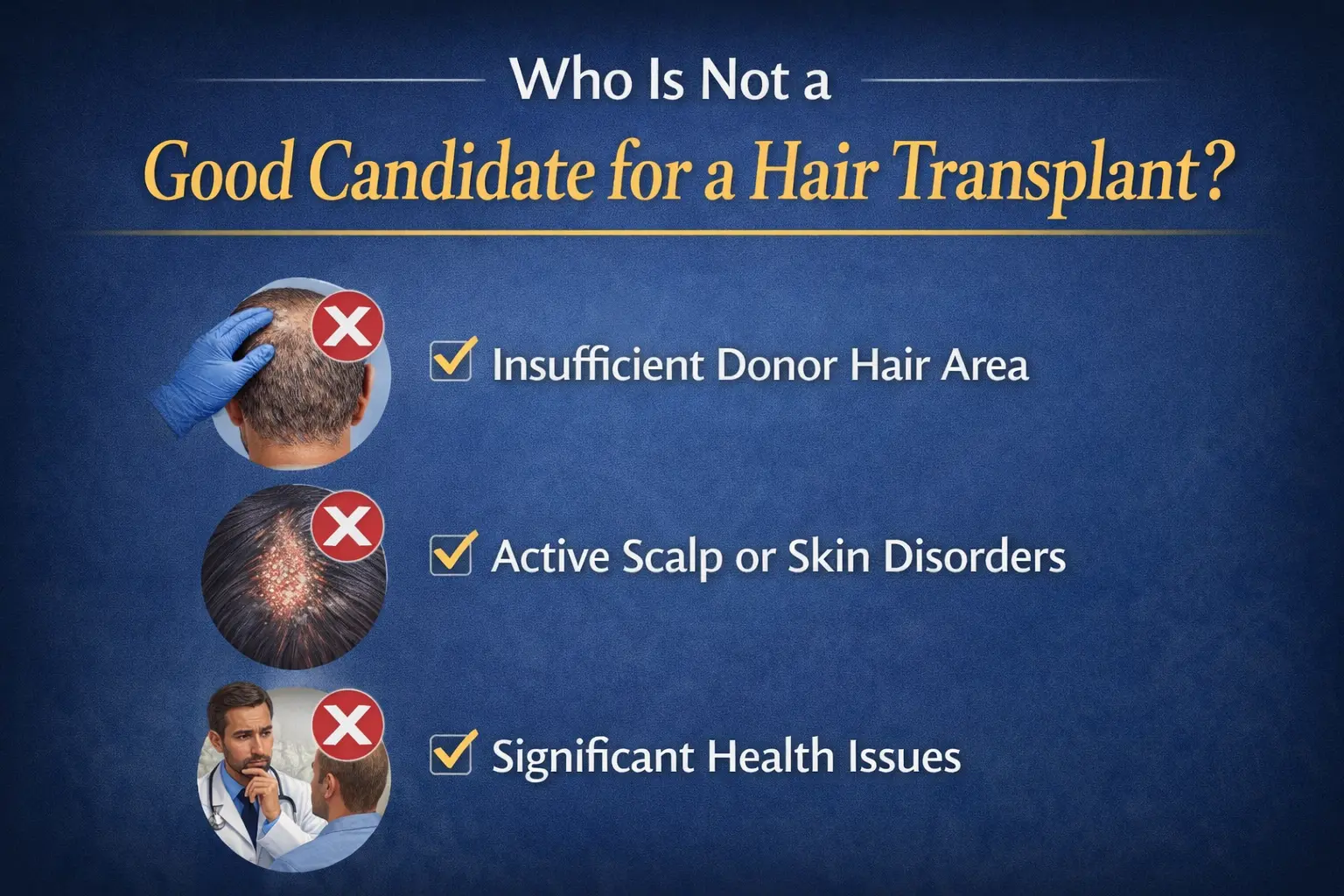
Not everyone experiencing hair loss is automatically considered an ideal candidate for surgery. A detailed evaluation is always necessary.
Several factors influence candidacy:
- Donor area strength
- Hair loss pattern
- Hair thickness and texture
- Age and future hair loss progression
- Scalp condition
- General health status
Patients with strong donor reserves and stabilised hair loss often achieve better long-term outcomes. On the other hand, younger individuals with aggressive hair loss patterns may require more strategic long-term planning.
Realistic expectations also play an important role. Hair transplant surgery improves density and appearance, but it may not recreate teenage-level hair volume in every case.
How Many Grafts Are Needed?
The number of grafts depends on the extent of hair loss and the desired coverage area.
Below is a general estimate:
| Hair Loss Area | Approximate Grafts |
| Hairline Restoration | 1500 – 2500 |
| Crown Area | 1800 – 3500 |
| Full Top Coverage | 3500 – 5500+ |
| Beard Transplant | 1000 – 3000 |
These numbers vary from patient to patient. Hair texture, curl pattern, and scalp contrast can dramatically influence visual density.
For example, thicker hair may create fuller-looking results with fewer grafts compared to fine hair.
What Does the Recovery Process Look Like?
Recovery is one of the most discussed topics in hair transplant forums and consultations. Many patients worry about swelling, redness, and shock loss after surgery.
The first few days usually involve mild sensitivity and visible crust formation. These crusts gradually disappear during the washing phase.
Shock loss commonly occurs during the first weeks. This temporary shedding phase can cause anxiety, especially for first-time patients. However, it is usually considered a normal part of the hair growth cycle.
Hair growth generally follows this timeline:
- First month: shedding phase
- Months 2–3: early growth begins
- Months 4–6: visible improvement
- Months 8–12: density increases
- 12–18 months: final maturation stage
Crown area procedures may require more patience because the growth cycle in that region often progresses more slowly.
What Affects FUE Hair Transplant Results?
Many people focus entirely on the procedure itself, but the final outcome depends on multiple variables.
One of the most important factors is donor quality. Strong donor hair creates more flexibility in planning and better visual density.
Hair characteristics also matter significantly. Curly or thick hair often provides more scalp coverage compared to straight fine hair.
The skill of the medical team plays a major role as well. Natural hairline design, graft angle control, and donor preservation are critical aspects of modern FUE planning.
Patient habits can also influence recovery and long-term appearance. Smoking, poor scalp care, and ignoring post-operative instructions may negatively affect the healing process.
FUE Hair Transplant Cost in 2026
Hair transplant pricing remains one of the most searched topics online. However, costs vary widely depending on several factors.
The following elements often influence pricing:
| Pricing Factor | Impact on Cost |
| Number of grafts | Higher graft count usually increases cost |
| Clinic reputation | Experienced clinics may charge more |
| Country | International price differences are significant |
| Technique used | Advanced systems may affect pricing |
| Accommodation packages | Included in some medical tourism packages |
Türkiye continues to attract international patients because it offers comparatively competitive pricing alongside experienced surgical teams.
However, choosing a clinic based solely on low prices can be risky. Hair transplant surgery is a long-term aesthetic procedure, and poor planning may create unnatural outcomes or donor depletion.
Are FUE Hair Transplant Results Permanent?
Transplanted follicles are generally considered resistant to genetic hair loss because they are taken from the donor area. As a result, transplanted hair is often long-lasting.
However, existing native hair may continue to thin over time. This is why some patients continue supportive treatments after surgery.
Long-term maintenance may include medical therapies, scalp care routines, or PRP support depending on the individual case.
The goal is not only immediate density but also balanced long-term appearance.
Common Mistakes Patients Make
Many patients spend months researching clinics but overlook some of the most important questions.
One common mistake is focusing entirely on graft numbers. More grafts do not automatically mean better results. Overharvesting can permanently damage the donor area.
Another issue is unrealistic expectations created by heavily edited social media content. Lighting, styling, and camera angles can dramatically change how density appears online.
Some patients also underestimate the importance of future hair loss planning. Hair transplantation should not only address the current bald area. It should also consider how hair loss may progress in the coming years.
How to Choose the Best FUE Hair Transplant Clinic in 2026
Choosing the right clinic remains one of the most important decisions in the entire process.
Patients should evaluate:
- Doctor involvement during planning
- Donor management approach
- Naturalness of previous results
- Transparency about limitations
- Hygiene standards
- Real patient reviews
- Long-term planning philosophy
Consultations should include realistic discussions about density, future hair loss, and achievable expectations rather than aggressive sales promises.
Procedures advertised as “guaranteed” or “perfect” should always be approached carefully.
Is Türkiye Still a Leading Destination for Hair Transplant?
Türkiye continues to be one of the leading destinations for medical tourism and hair restoration procedures in 2026.
International patients often choose Istanbul because of:
| Advantage | Why Patients Consider It |
| Experienced teams | High procedure volume |
| Competitive pricing | Lower costs compared to many countries |
| Medical tourism infrastructure | Hotel and transfer packages |
| Advanced techniques | Modern FUE and DHI systems |
| International support | Multilingual patient services |
Many clinics now provide comprehensive international patient coordination, including airport transfers, accommodation, and aftercare support.
FUE hair transplant remains one of the most advanced and widely preferred hair restoration methods in 2026. The procedure continues to evolve with improved techniques, more refined planning approaches, and stronger emphasis on natural-looking outcomes.
However, successful results depend on much more than the surgery itself. Donor quality, realistic expectations, clinic experience, and long-term hair loss planning all influence the final appearance.
Patients considering FUE should focus on personalised medical evaluation rather than social media trends alone. Every scalp, donor area, and hair loss pattern is unique.
When properly planned, FUE hair transplant can provide natural-looking and long-lasting improvement for many individuals experiencing hair loss.