
Does Minoxidil Work for Receding Hairlines?
Hair loss is a common concern for both men and women and can affect self-confidence, appearance, and overall quality of life. Although there are many treatments available for hair loss, understanding the effectiveness, benefits, and limitations of each option is essential before starting any treatment. One of the most widely used and researched hair loss treatments is Minoxidil.
Originally developed as a medication for high blood pressure, Minoxidil was later found to stimulate hair growth and has since become a popular treatment for androgenetic alopecia, commonly known as male or female pattern hair loss. But does Minoxidil really work for receding hairlines, and what kind of results can users realistically expect?
In this article, we explore how Minoxidil works, who can use it, its effectiveness for hairline recession, application methods, potential side effects, and how it compares with other hair loss treatments.
What is Minoxidil?
Minoxidil is a medication used to treat hair loss and stimulate hair growth. It is commonly prescribed for male pattern baldness (androgenetic alopecia) and female pattern hair loss. Available in topical solution or foam form, Minoxidil is applied directly to the scalp where hair thinning or hair loss is present.
Although researchers do not fully understand every aspect of how Minoxidil works, it is believed to improve blood flow around hair follicles and extend the anagen (growth) phase of the hair cycle. This process may help revitalize miniaturized hair follicles and encourage thicker, healthier hair growth.
Minoxidil is not considered a permanent cure for hair loss. Instead, it is a long-term management treatment that generally requires continuous use to maintain results.
Does Minoxidil Really Work for a Receding Hairline?
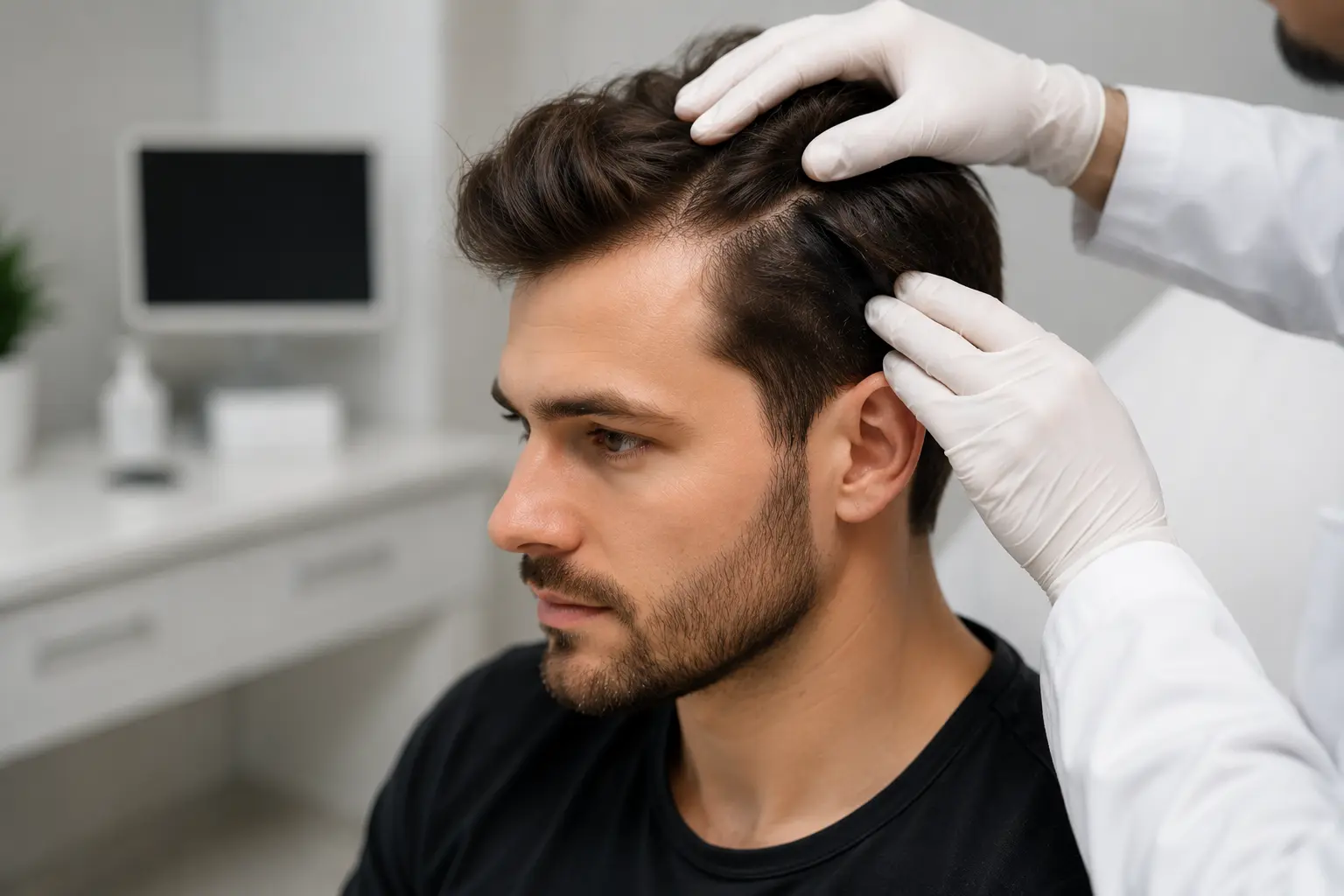
A receding hairline is often one of the first visible signs of androgenetic alopecia. Many individuals begin searching for treatment options as soon as they notice thinning around the temples or a gradual backward movement of the frontal hairline.
Minoxidil may help slow the progression of hairline recession and support new hair growth in some individuals. Research suggests that Minoxidil can stimulate weakened hair follicles, potentially improving hair density and reducing further loss. However, results vary significantly from person to person.
Several factors influence treatment success, including:
- Age
- Genetics
- Duration of hair loss
- Degree of follicle miniaturization
- Consistency of use
- Overall scalp health
Generally, individuals who begin treatment during the early stages of hair loss tend to experience better outcomes than those with advanced baldness.
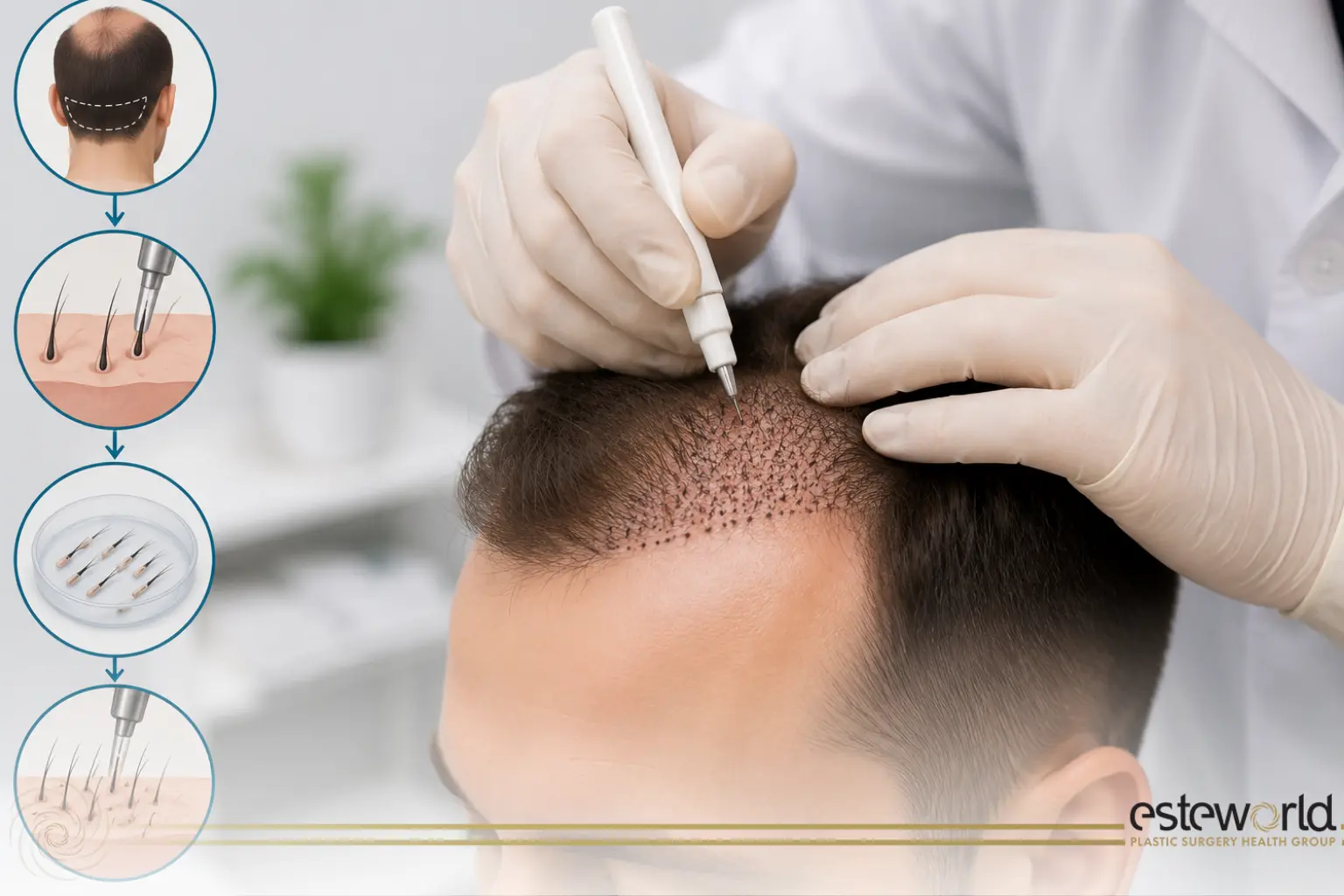
It is important to note that Minoxidil may not fully restore a severely receded hairline. In cases of extensive hair loss, surgical options such as hair transplantation may provide more significant cosmetic improvements.
Who Can Use Minoxidil?
Minoxidil is commonly recommended for individuals experiencing:
- Male pattern baldness (androgenetic alopecia)
- Female pattern hair loss
- Diffuse hair thinning
- Early-stage hairline recession
- General hair density reduction
Although Minoxidil is widely used, it may not be suitable for everyone. Certain scalp conditions, medical conditions, or medications may affect its suitability.
Before starting treatment, consulting a qualified healthcare professional is recommended. A doctor can assess the underlying cause of hair loss and determine whether Minoxidil is an appropriate treatment option.
How is Minoxidil Applied in Hair Treatment?
Proper application plays an important role in achieving the best possible results from Minoxidil treatment.
Minoxidil is typically applied directly to a clean and dry scalp. The solution or foam is gently distributed over the affected areas and lightly massaged into the skin.
General application guidelines include:
- Wash and dry the scalp before use.
- Apply the recommended amount of Minoxidil to thinning areas.
- Allow the product to dry naturally.
- Avoid washing the scalp for at least four hours after application.
- Use consistently according to the product instructions or physician recommendations.
Most formulations are applied once or twice daily. Missing applications regularly may reduce treatment effectiveness.
How Long Does It Take to See Results with Minoxidil?
One of the most common concerns among users is how quickly Minoxidil begins to work.
Hair growth occurs gradually, meaning noticeable improvements usually require patience and consistency.
| Treatment Timeline | Expected Changes |
|---|---|
| 2-8 Weeks | Temporary shedding may occur |
| 2-4 Months | Early signs of hair thickening |
| 4-6 Months | Improved density and reduced shedding |
| 6-12 Months | More visible and stable results |
Many users experience temporary increased shedding during the first few weeks of treatment. While this can be alarming, it is often considered a normal response as weaker hairs enter the shedding phase and new hairs begin growing.
Visible improvements generally become more noticeable after several months of consistent use.
Is Minoxidil a Permanent Solution?
A common misconception is that Minoxidil permanently cures hair loss.
In reality, Minoxidil helps maintain hair growth only while treatment continues. Once the medication is discontinued, hair follicles gradually return to their previous state and any gains achieved through treatment may slowly diminish.
For most users, maintaining results requires long-term or ongoing use. This is why healthcare providers often describe Minoxidil as a management strategy rather than a cure.
Individuals considering treatment should understand that consistency and commitment are key factors in achieving and maintaining results.
Possible Side Effects of Minoxidil
Minoxidil is generally considered safe for most users when applied as directed. However, like any medication, side effects can occur.
Some potential side effects include:
- Scalp irritation
- Redness
- Dryness
- Itching
- Flaking
- Temporary shedding
- Unwanted facial hair growth in rare cases
Serious side effects are uncommon but should be discussed with a healthcare professional if they occur.
Following product instructions carefully can help minimize the risk of irritation and improve treatment tolerance.
Can Minoxidil Be Used After a Hair Transplant?
Many hair restoration specialists recommend Minoxidil as part of a comprehensive post-transplant hair care strategy.
Following the recovery period recommended by the surgeon, Minoxidil may help support existing native hair and reduce ongoing hair loss in untreated areas of the scalp.
Hair transplantation and Minoxidil should not be viewed as competing treatments. In many cases, they complement one another.
While a hair transplant restores hair to areas with significant loss, Minoxidil may help preserve and strengthen surrounding hair follicles, contributing to a more stable long-term result.
Patients should always follow their surgeon’s guidance regarding when to start or resume Minoxidil after surgery.
Factors That Influence Treatment Success
The effectiveness of Minoxidil can vary based on multiple factors.
Several elements may influence outcomes:
- Early versus advanced hair loss
- Genetic predisposition
- Daily treatment consistency
- Hormonal influences
- Lifestyle habits
- Smoking
- Nutritional status
- Overall health
- Scalp condition
Individuals who begin treatment soon after noticing hair thinning often achieve better results than those who delay intervention for many years.
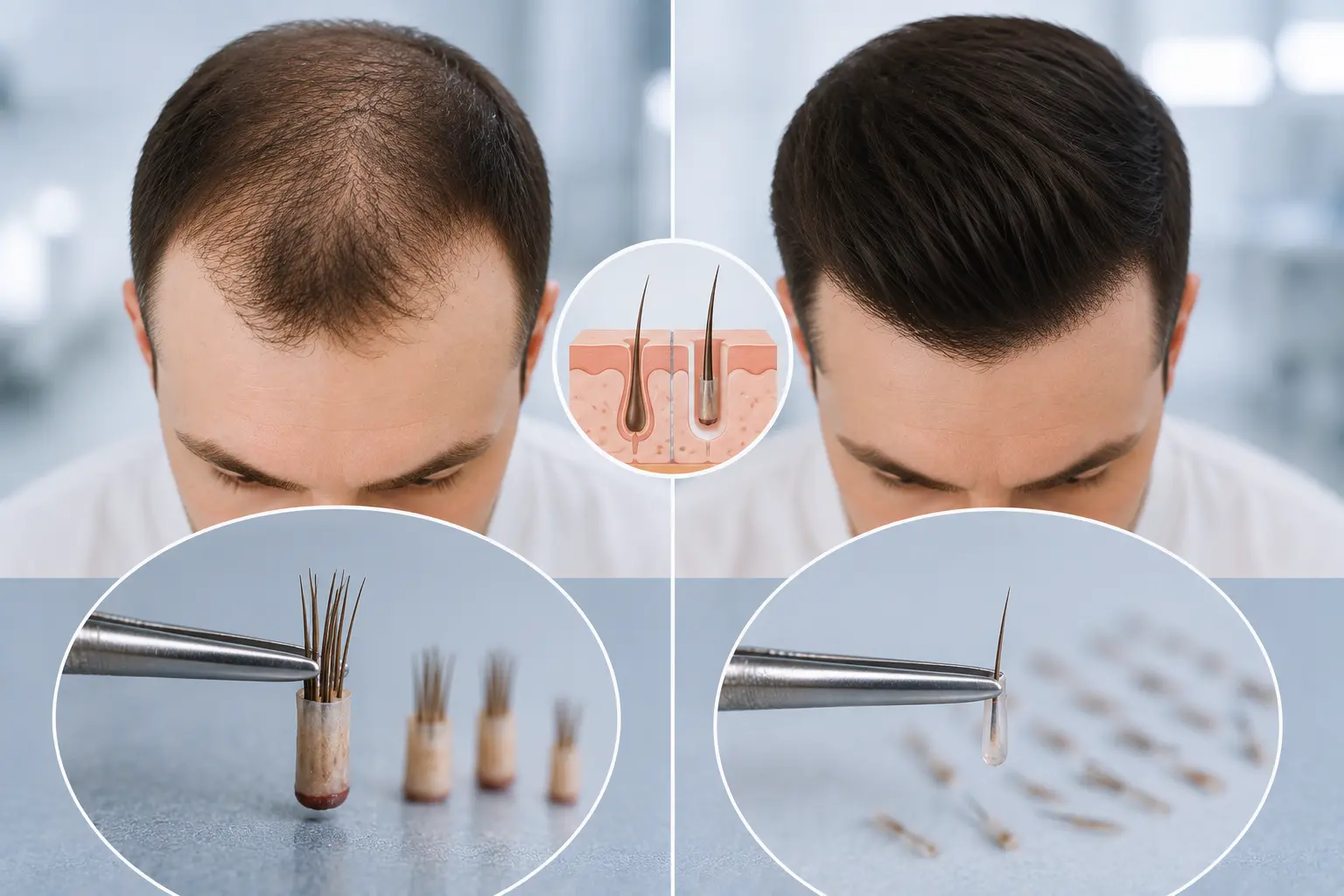
Minoxidil Before and After: What Results Are Realistic?
Before-and-after photographs found online can sometimes create unrealistic expectations.
While some individuals experience visible regrowth, others may primarily benefit from slowing or stabilizing ongoing hair loss.
Realistic treatment outcomes may include:
- Reduced hair shedding
- Increased hair thickness
- Improved hair density
- Slower progression of hair loss
- Partial regrowth in thinning areas
The primary goal of treatment is often preservation rather than dramatic restoration.
For patients with extensive hair loss or advanced hairline recession, combining Minoxidil with other therapies may provide more satisfactory results.
When Should You Consider a Hair Transplant Instead of Minoxidil?
Minoxidil can be highly effective for many individuals, especially during the early stages of hair loss. However, some patients may require more advanced treatment options.
Hair transplantation may be considered when:
- Significant hairline recession has occurred
- Large bald areas are present
- Hair loss has stabilized
- Sufficient donor hair is available
- Greater cosmetic improvement is desired
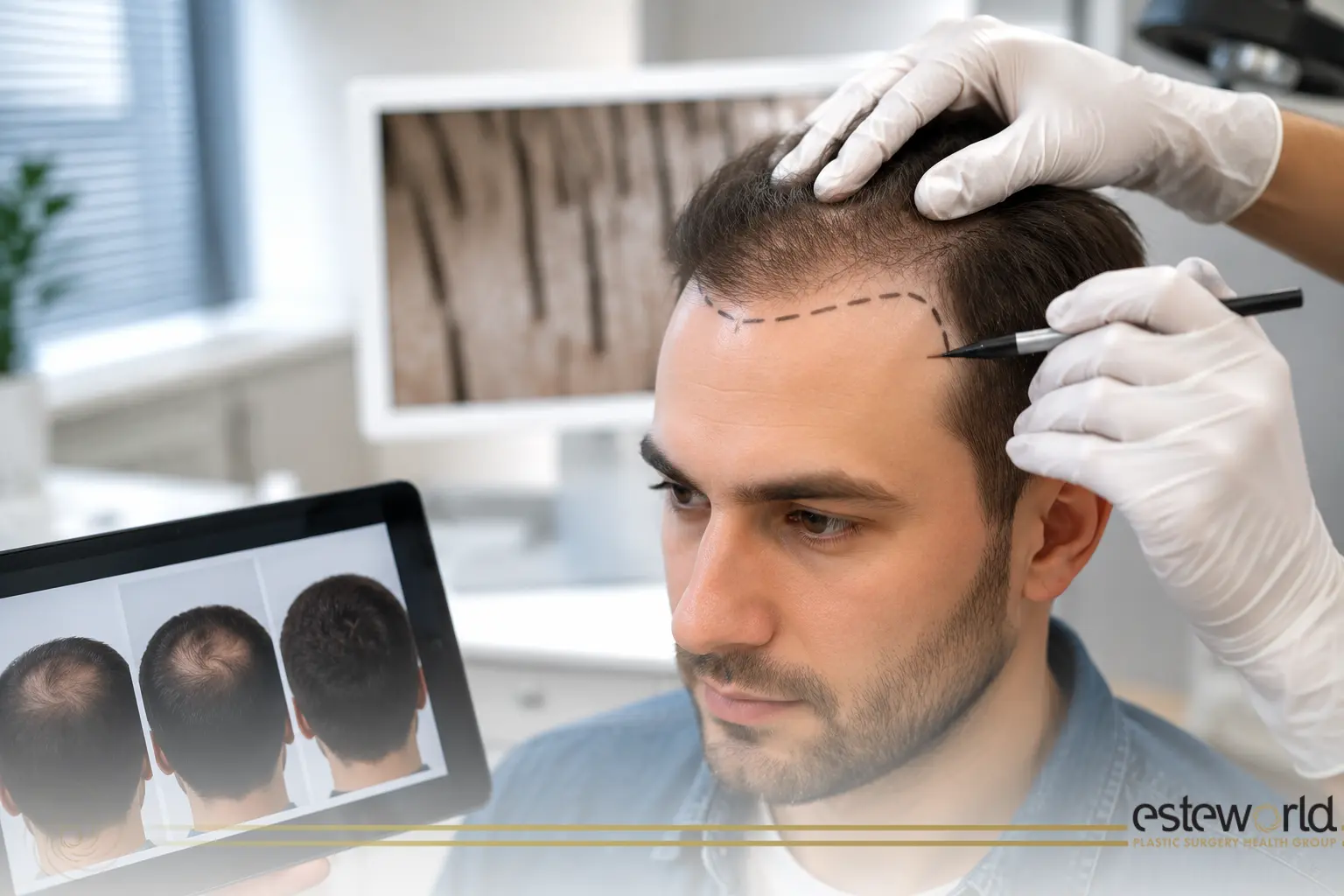
A professional hair analysis can help determine whether medical treatment, surgical restoration, or a combination of both approaches is the most suitable option.
Minoxidil and Comparison with Other Hair Loss Treatments
Minoxidil is one of several treatment options available for hair loss management. Another commonly prescribed medication is Finasteride.
Finasteride works differently from Minoxidil by targeting the hormonal mechanisms involved in androgenetic alopecia. Hair transplantation, meanwhile, offers a surgical solution for permanent hair restoration in selected candidates.
Other approaches may include:
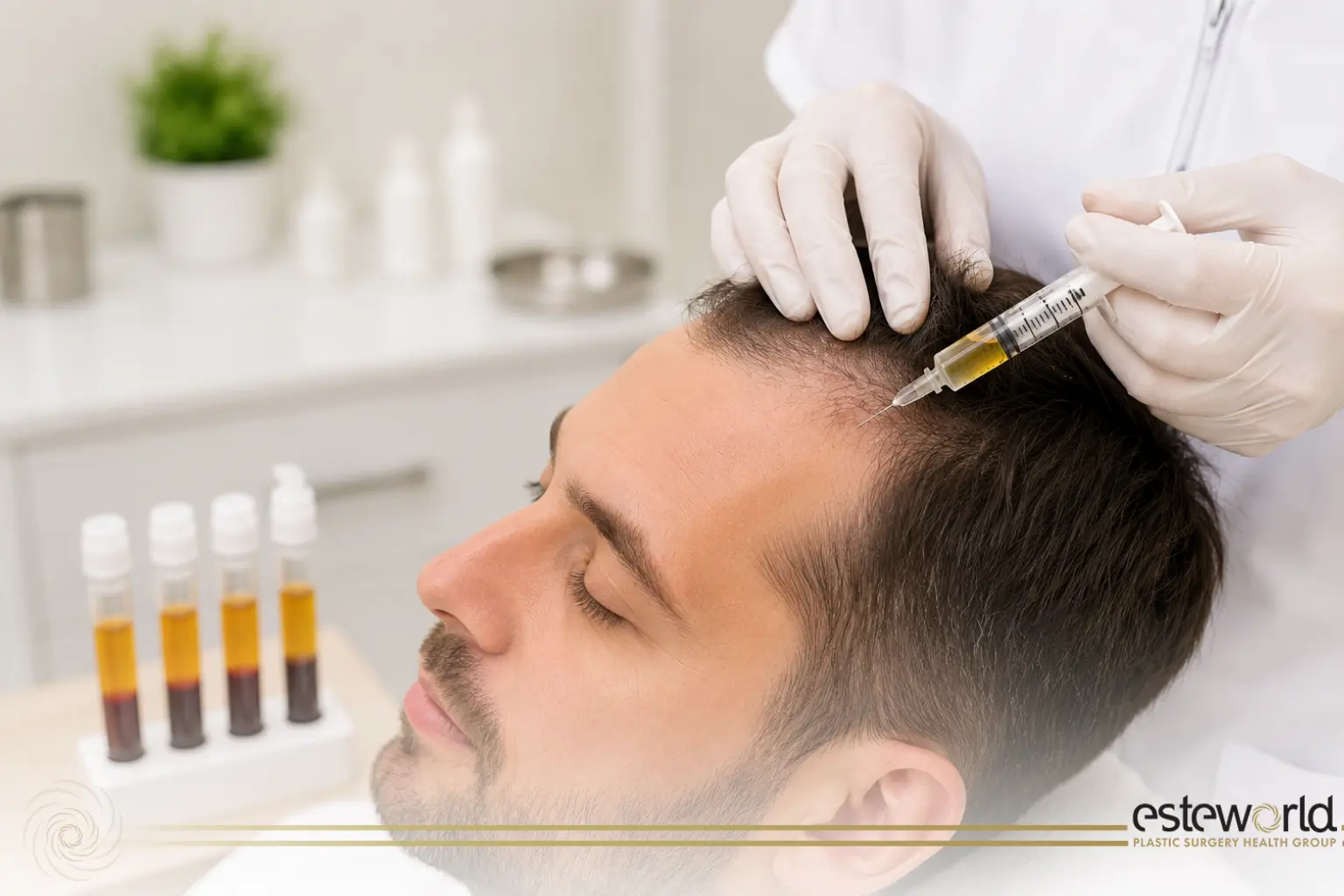
- Platelet-rich plasma (PRP) therapy
- Low-level laser therapy
- Specialized hair care products
- Lifestyle modifications
- Nutritional support
Each treatment option offers unique benefits and limitations. The most appropriate choice depends on factors such as age, gender, degree of hair loss, medical history, and treatment goals.
Minoxidil vs Finasteride
| Features | Minoxidil | Finasteride |
|---|---|---|
| Application Method | Applied topically as a solution or foam to the scalp | Taken orally in tablet form |
| Mechanism of Action | Stimulates follicles and supports hair growth cycle | Blocks DHT production to reduce hair loss |
| Intended Use | Male and female pattern hair loss | Primarily male pattern baldness |
| Effectiveness | May reduce shedding and improve growth | May reduce hair loss and increase density |
| Side Effects | Possible scalp irritation and itching | Possible sexual and hormonal side effects |
| Frequency of Use | Once or twice daily | Once daily |
| Onset of Action | Several months of consistent use | Typically 3-6 months |
| Prescription Required | Some formulations available without prescription | Prescription required |
Minoxidil remains one of the most widely used non-surgical treatments for hair loss and receding hairlines. It may help slow hair loss progression, improve hair density, and support new hair growth when used consistently over time.
While results vary among individuals, early intervention often leads to better outcomes. It is important to maintain realistic expectations and understand that Minoxidil is generally a long-term treatment rather than a permanent cure.
For individuals experiencing advanced hair loss, combining Minoxidil with other treatments such as Finasteride or hair transplantation may offer more comprehensive results.
If you are considering hair restoration treatments, consulting experienced hair restoration specialists can help you determine the most appropriate approach for your individual needs.
You can contact our expert health consultants for more information about hair transplantation, hair loss treatments, and personalized hair restoration solutions.