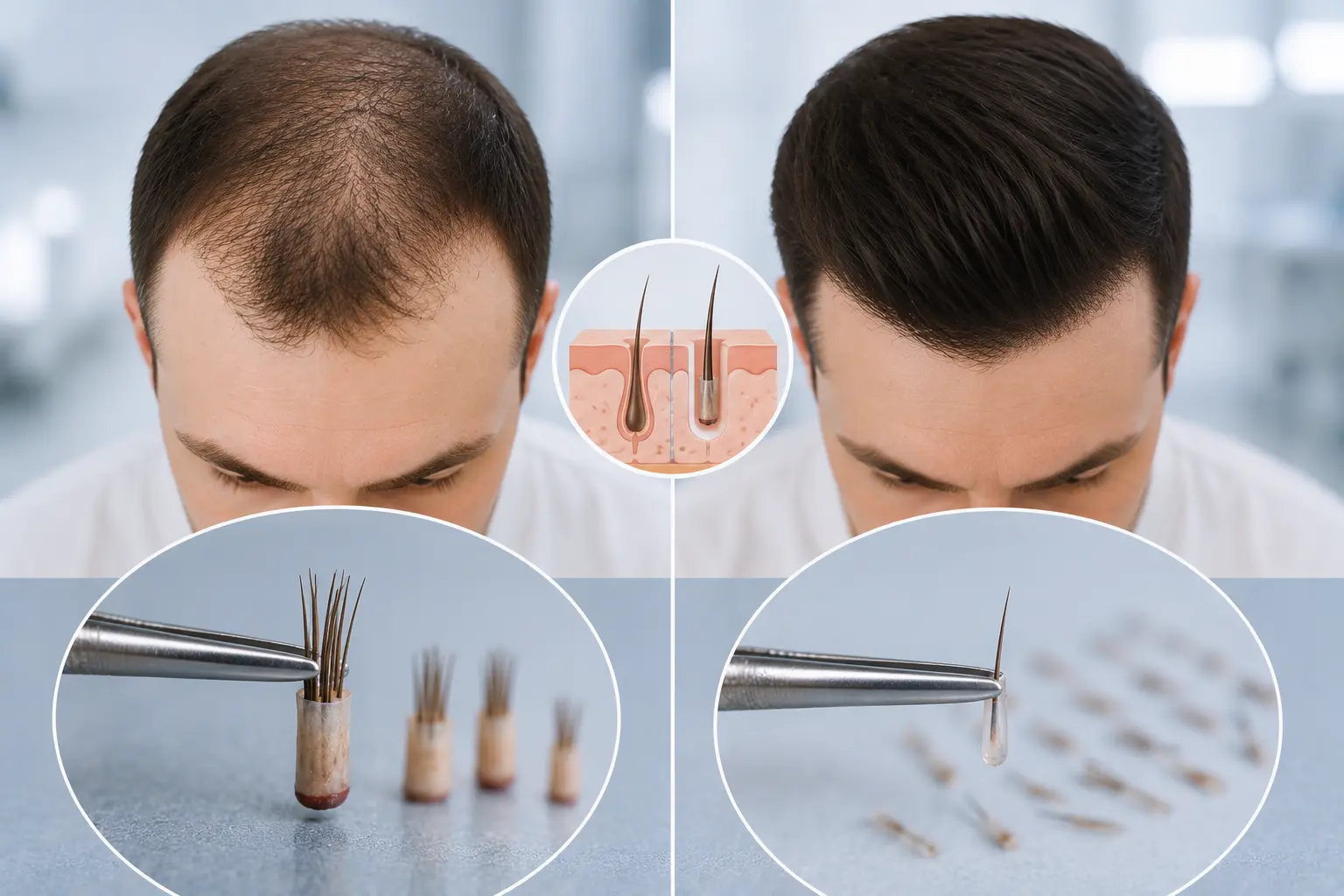
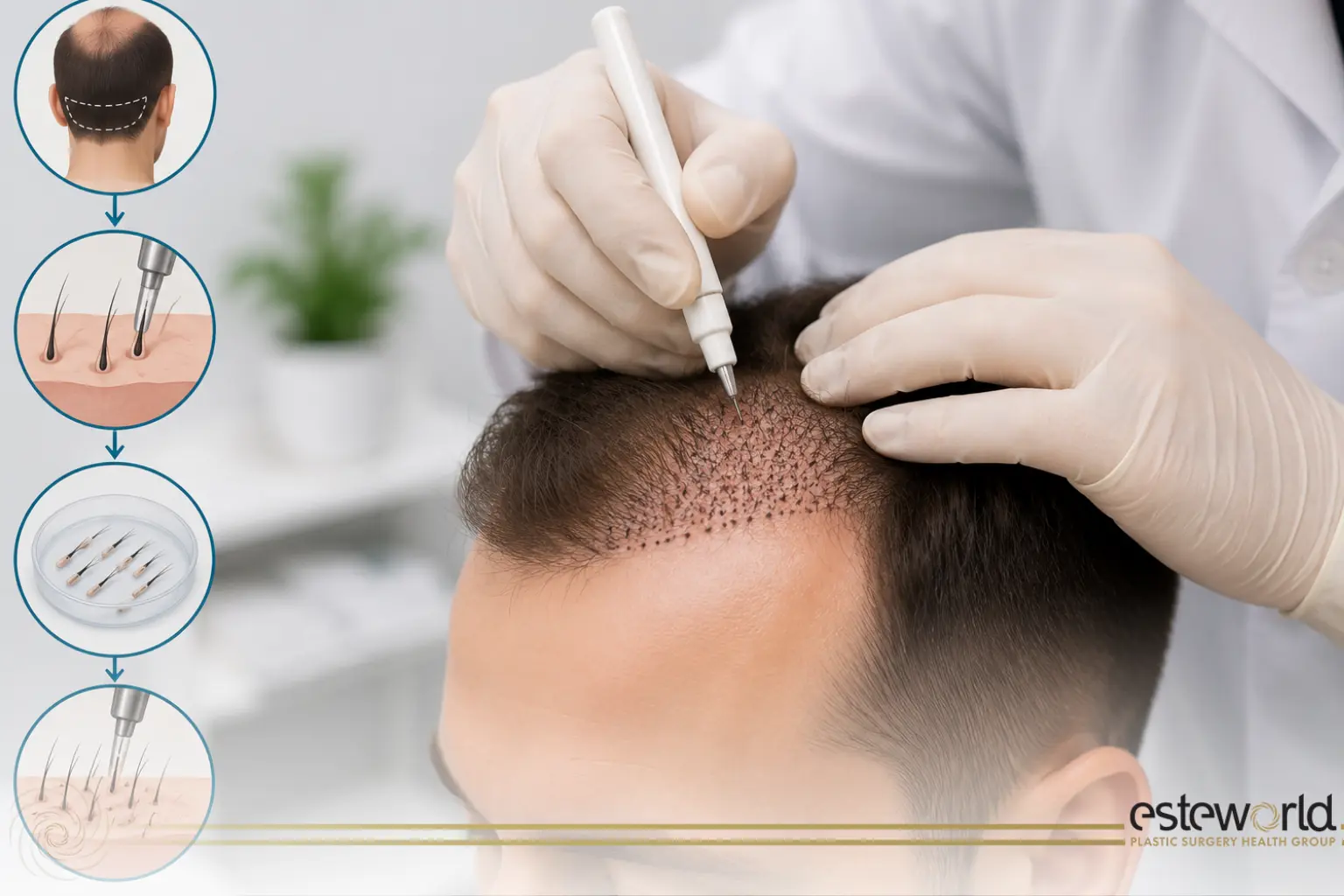
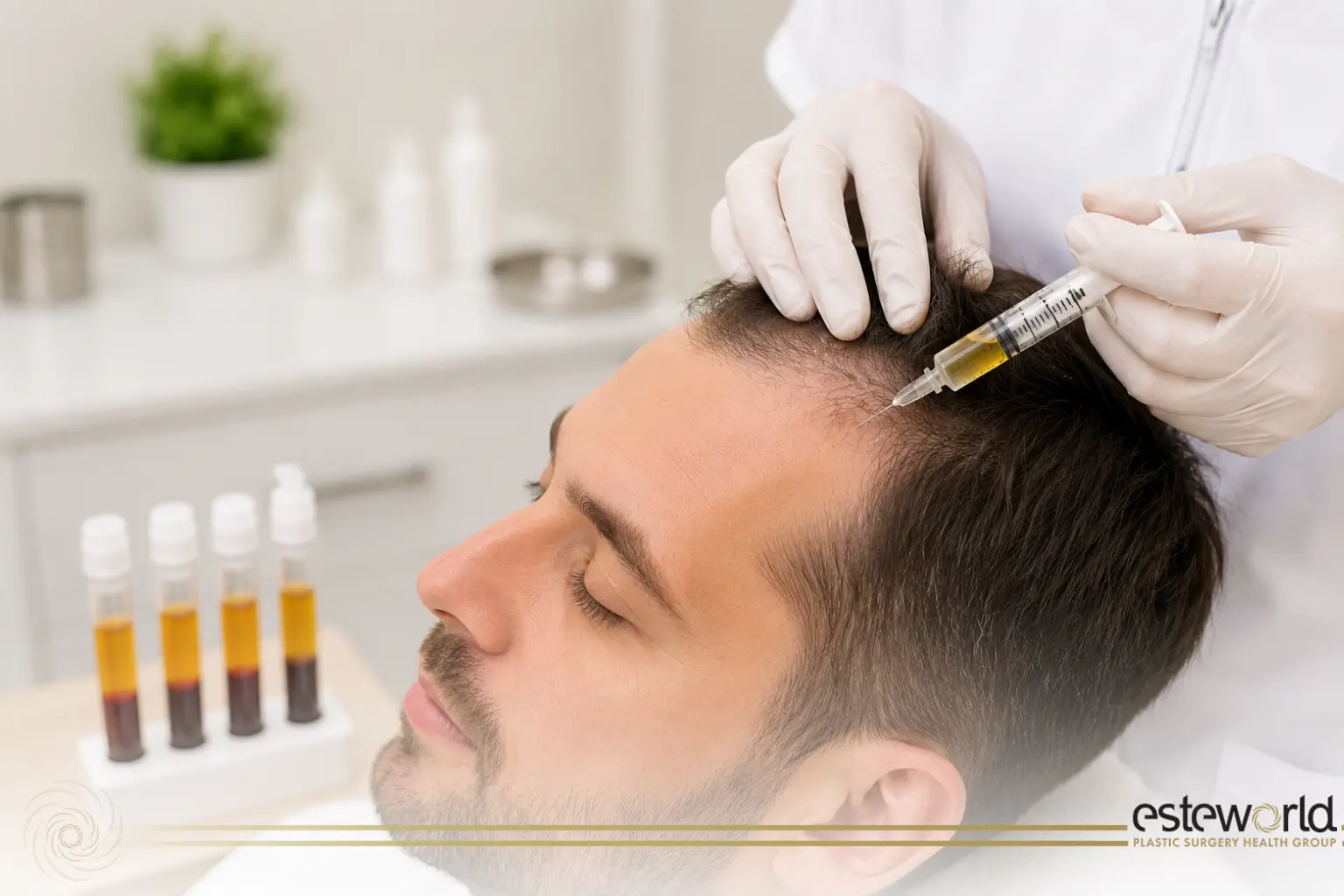
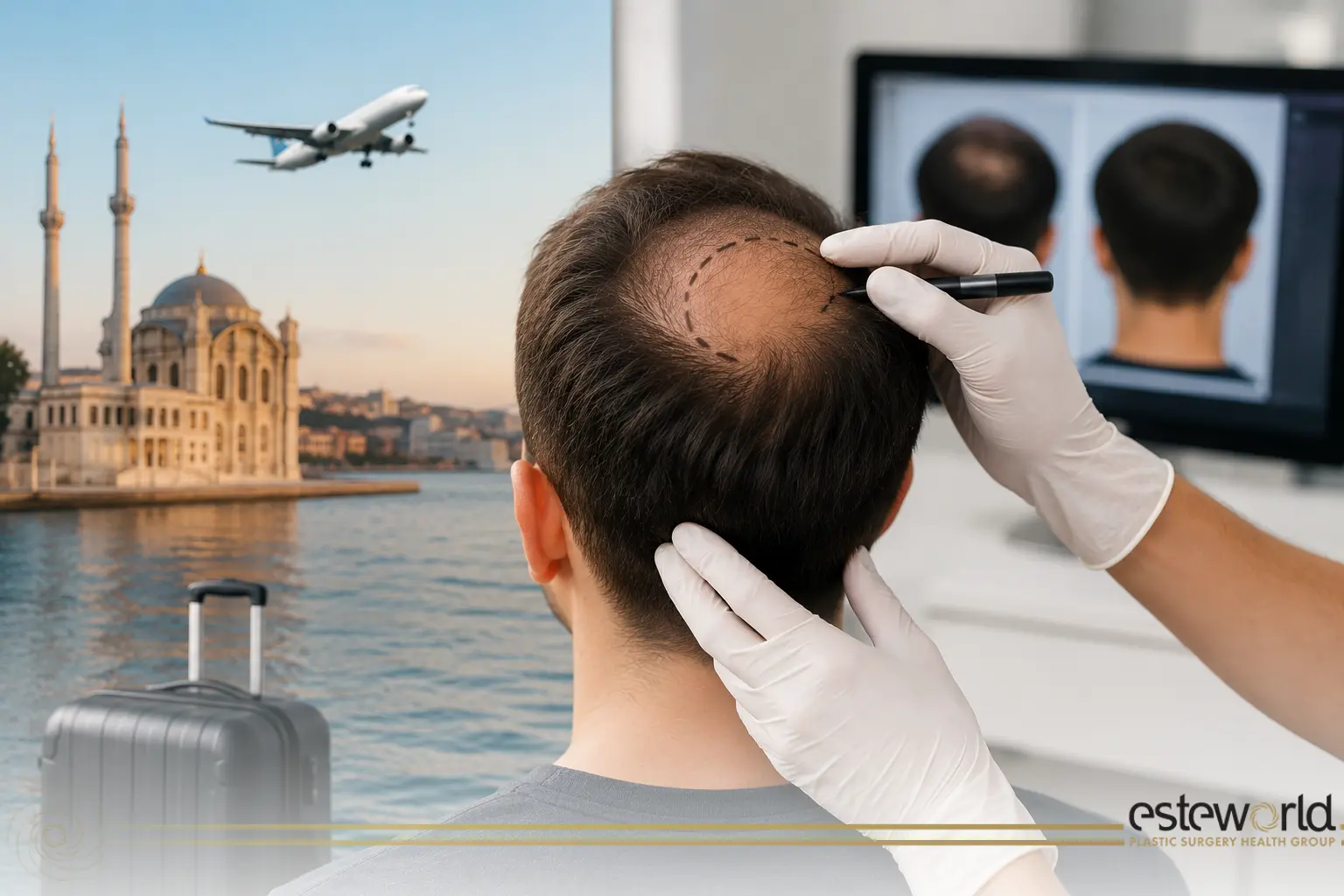
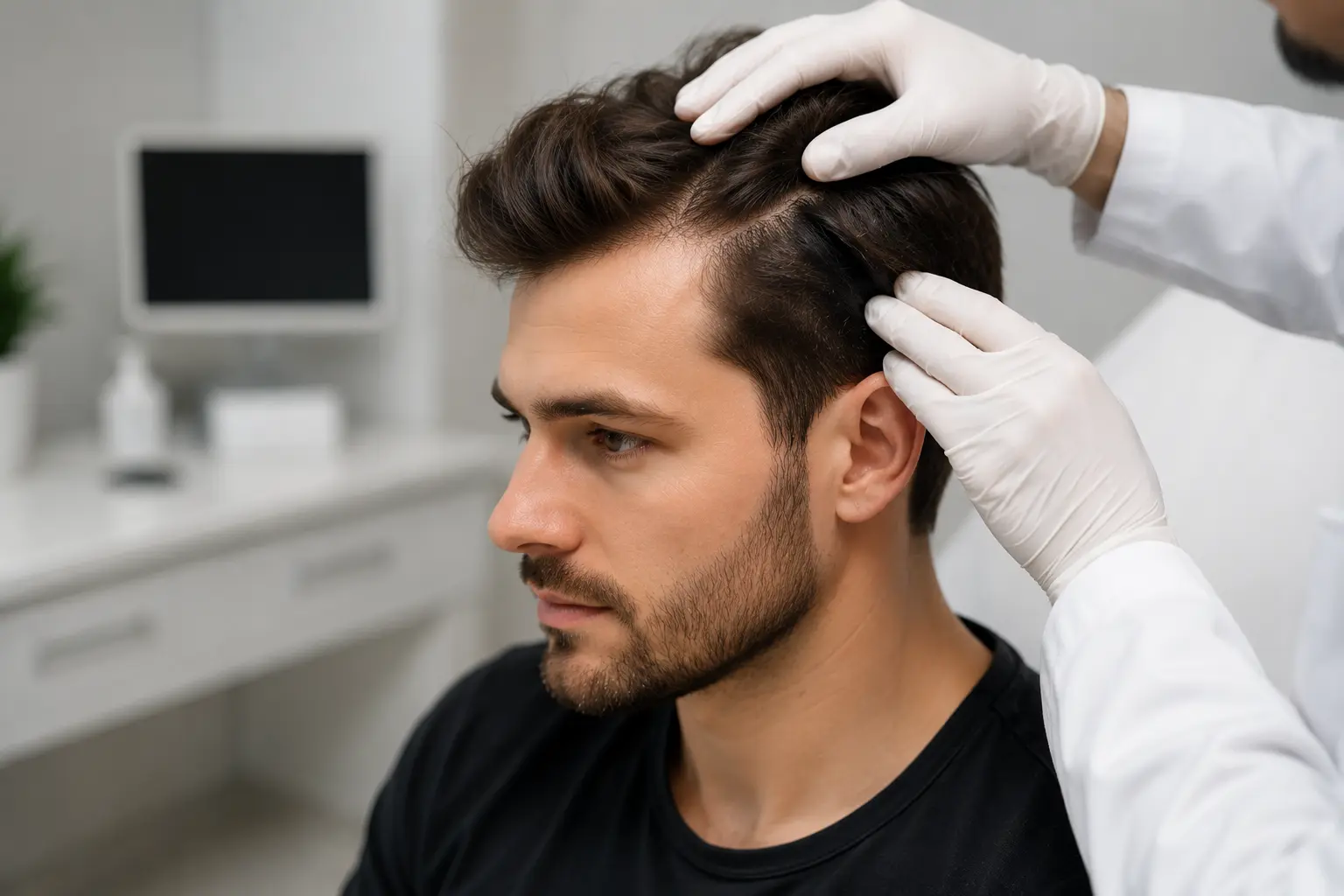
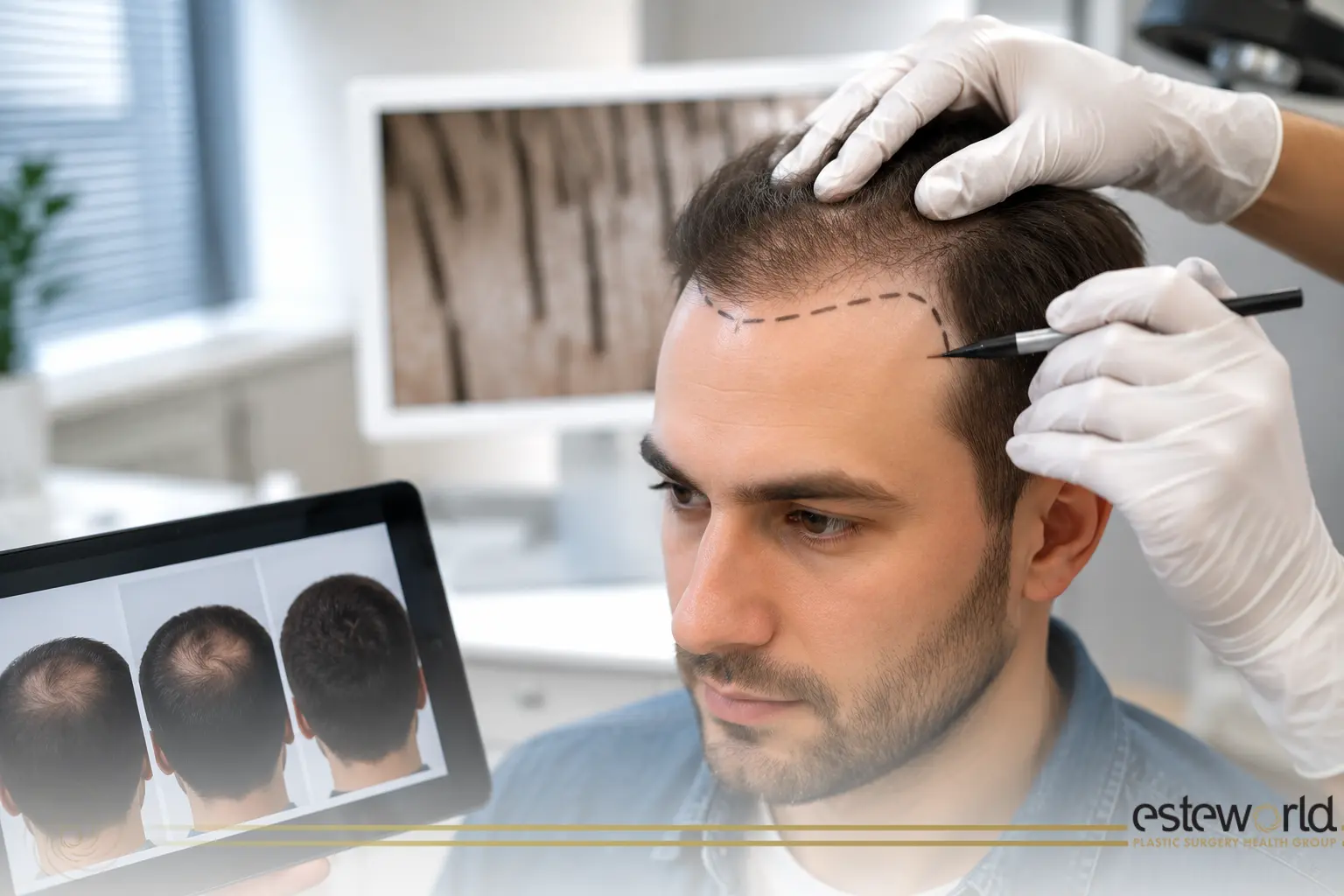
Dermatologists are doctors who specialise in skin, hair and nails. In hair transplant care, their main role is to find the cause of hair loss and check for scalp conditions that could make surgery unsuitable. They also help manage hair loss before and after the procedure.
This article is for general information and does not replace a medical consultation, diagnosis or treatment.
What Does a Dermatologist Do in Hair Loss Care?
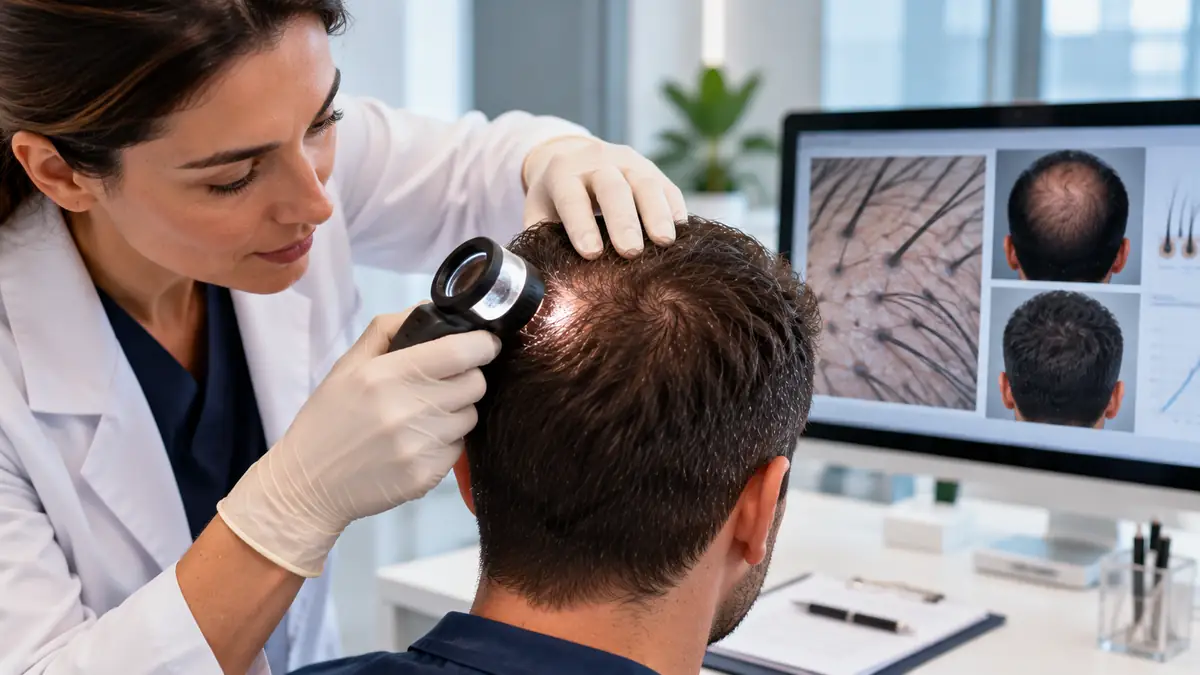
Hair loss has many causes, and treatment depends on which one you have. A dermatologist starts with your history, including how long you have had hair loss and whether it came on quickly. They then examine your scalp, nails and any other affected areas.
If a disease, a vitamin deficiency, a hormone problem or an infection is suspected, they may suggest a blood test or a small scalp biopsy. Some people have more than one cause: shedding after having a baby, for example, can make early hereditary hair loss less obvious. Hair can also regrow on its own after triggers such as a major illness, surgery or losing a lot of weight.
Before Surgery: Diagnosis and Suitability
Finding the Cause of Hair Loss
A hair transplant is mainly suited to inherited pattern hair loss. The NHS notes that it is not usually suitable for other types. Confirming the diagnosis is the first step towards deciding whether surgery is an option at all. For one example, see hair transplantation for alopecia areata patients.
Conditions That May Rule Out or Delay Surgery
The ISHRS guidelines for follicular unit extraction (FUE) say the donor and recipient areas should be checked for skin conditions that can affect hair density. Examples include alopecia areata, psoriasis and scarring alopecia. Thinning across the back and sides may also count against FUE. A dermatology assessment helps identify these situations.
Assessing the Donor Area
To have a transplant, you need enough healthy hair to move to the thinning area. Our guide on how to improve your hair donor area explains how the donor area is measured and what can and cannot be changed.
Timing for Younger Patients
Men in their 20s may be advised to start hair loss medicine first and wait before having surgery.
Who Performs a Hair Transplant?
Hair restoration surgery is performed by doctors from different specialties. The American Academy of Dermatology notes that many dermatologists perform hair transplants. The NHS advises finding a surgeon who is qualified and experienced in this type of surgery.
In Türkiye, a Ministry of Health regulation, last amended in September 2025, sets out who may do each step. Dermatologists are among the doctors who may make the recipient-site openings. Graft removal and placement may also be done by certified healthcare staff working under the supervision and responsibility of those doctors. At Esteworld, graft harvesting is carried out by certified healthcare staff under the physician’s responsibility. Professional codes, such as that of the American Board of Hair Restoration Surgery, set their own standards. Our checklist for hair transplant tourism covers both in more detail.
How Roles Are Divided in a Hair Transplant Team

At Esteworld, the cause of hair loss is assessed by medical aesthetics physicians (MD). Within the team, the roles are divided as follows:
| Specialist / team | Duties and responsibilities |
|---|---|
| Hair transplant specialist | Assessing the patient, designing the hairline, planning the number of grafts and the transplant method, and managing the surgical process |
| Medical aesthetics physician (MD) | Investigating the causes of hair loss, assessing scalp diseases and, when needed, contributing to the treatment process |
| Hair transplant healthcare team | Under the physician’s responsibility and within the scope of their authority, preparing for the operation and providing technical support |
| Nurses | Preparation before the operation, patient follow-up, and information about care after the procedure and the recovery process |
After Surgery: Long-Term Hair Loss Management
A transplant moves existing hair; it does not stop pattern hair loss. Hair loss and thinning can continue after surgery, which is why hair loss medicine can be part of long-term care. Medicines such as minoxidil and finasteride only keep working while you use them. Your doctor can advise whether one is right for you.
A dermatologist can also help if scalp problems appear later, or if a different type of hair loss starts after your transplant. Follow-up visits are a good moment to raise these questions.
Questions to Ask Before Choosing a Doctor
The International Society of Hair Restoration Surgery (ISHRS) suggests asking questions like these before surgery:
- Who will evaluate my hair loss and recommend a course of treatment?
- What is the doctor’s education, training, licensure and experience in treating hair loss?
- Who will be involved in performing my surgery, and what role will each person play?
- Is everyone involved in my surgery covered by malpractice insurance?
It is also worth asking whether the cause of your hair loss has been diagnosed, and what the plan is if it continues. For more, see choosing a hair transplant specialist. If you are also reading about non-medical hair specialists, our article on the role of trichology explains how that role differs.
When to See a Doctor
It is worth seeing a doctor, ideally a dermatologist, if:
- Your hair loss came on quickly.
- You have round or oval bald patches, or are also losing hair from your eyebrows, eyelashes or beard, which can be signs of alopecia areata.
- Your scalp itches, hurts or looks inflamed, as some scalp conditions, such as scalp ringworm, need their own treatment.
- You suspect a health problem, a deficiency or a hormone problem, as a blood test may be needed.
- You are considering a hair transplant but do not know the cause of your hair loss.
After a transplant, contact your clinic promptly if you have severe pain or any symptom you were not told to expect.
A dermatologist’s main contribution to hair transplant care is diagnosis. It tells you why your hair is thinning, whether surgery can help and how to manage hair loss over time. Not sure yet what is causing your hair loss? You can contact our team to arrange an assessment with our medical aesthetics physicians (MD) before any decision about surgery.