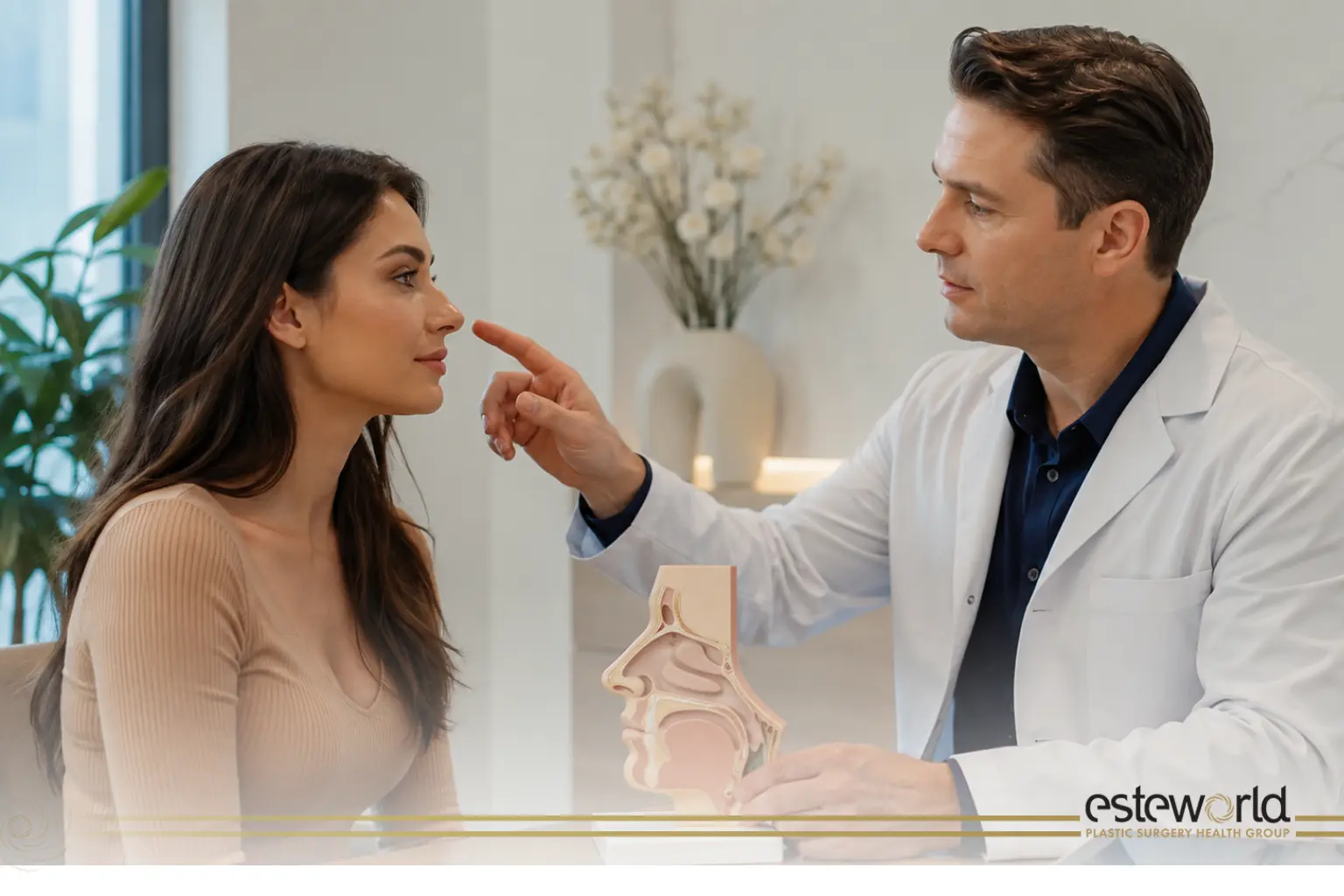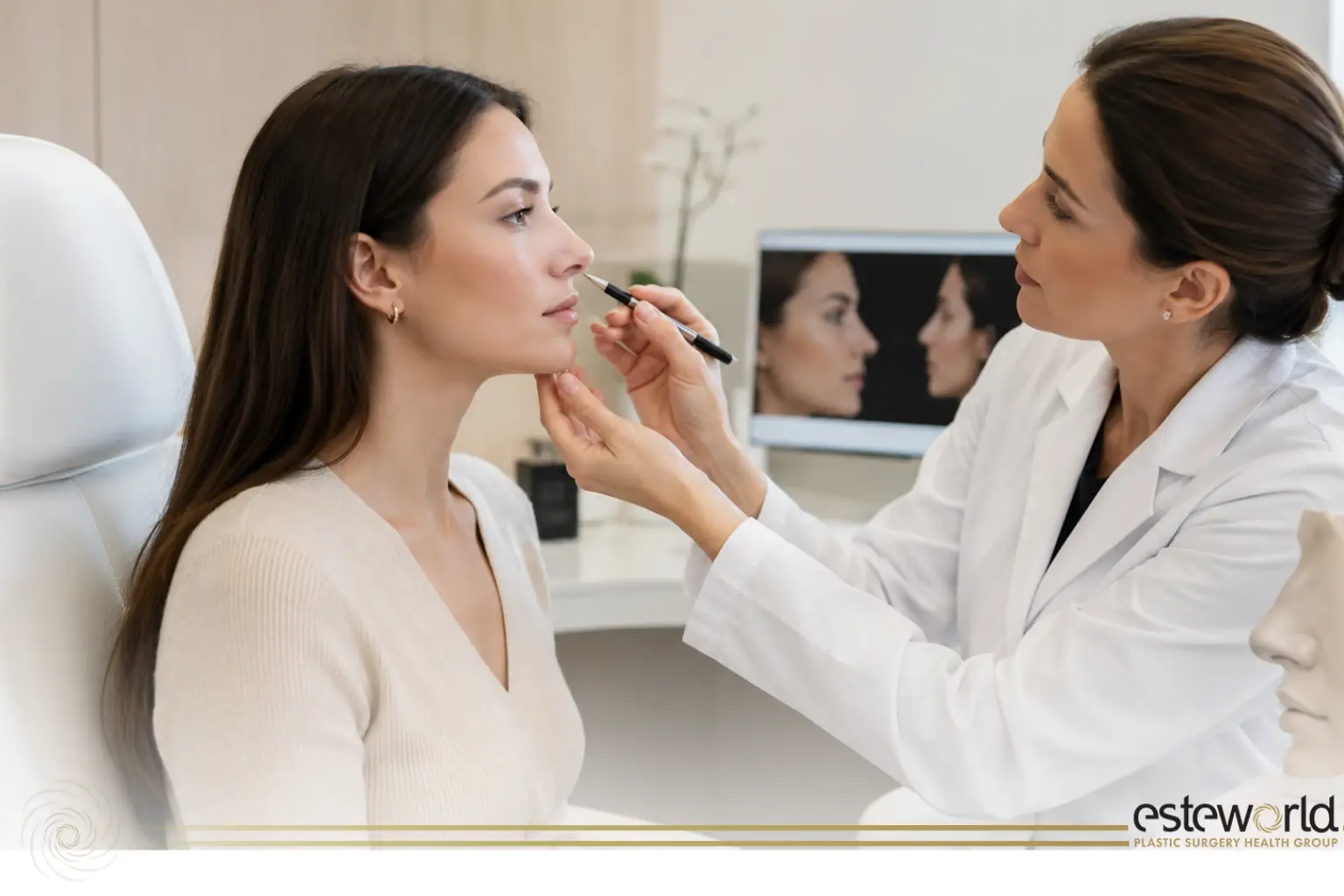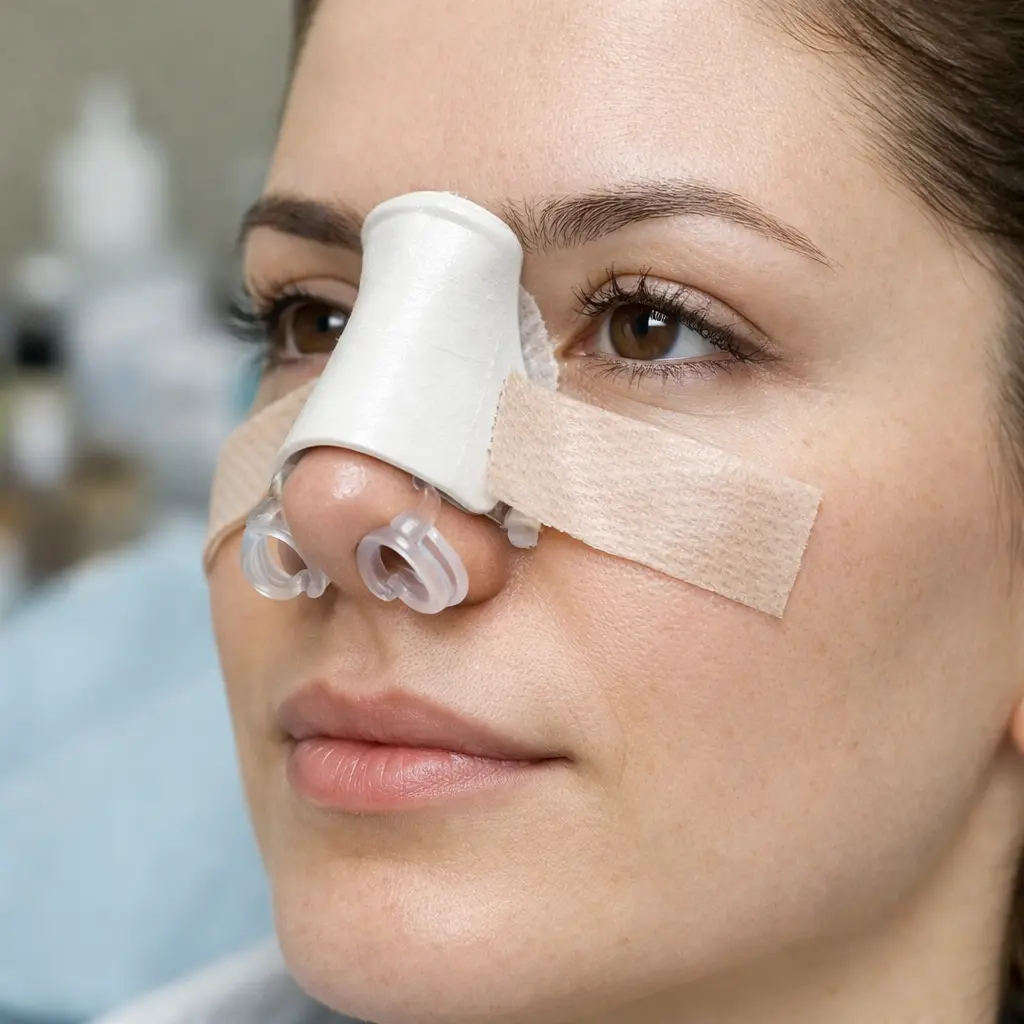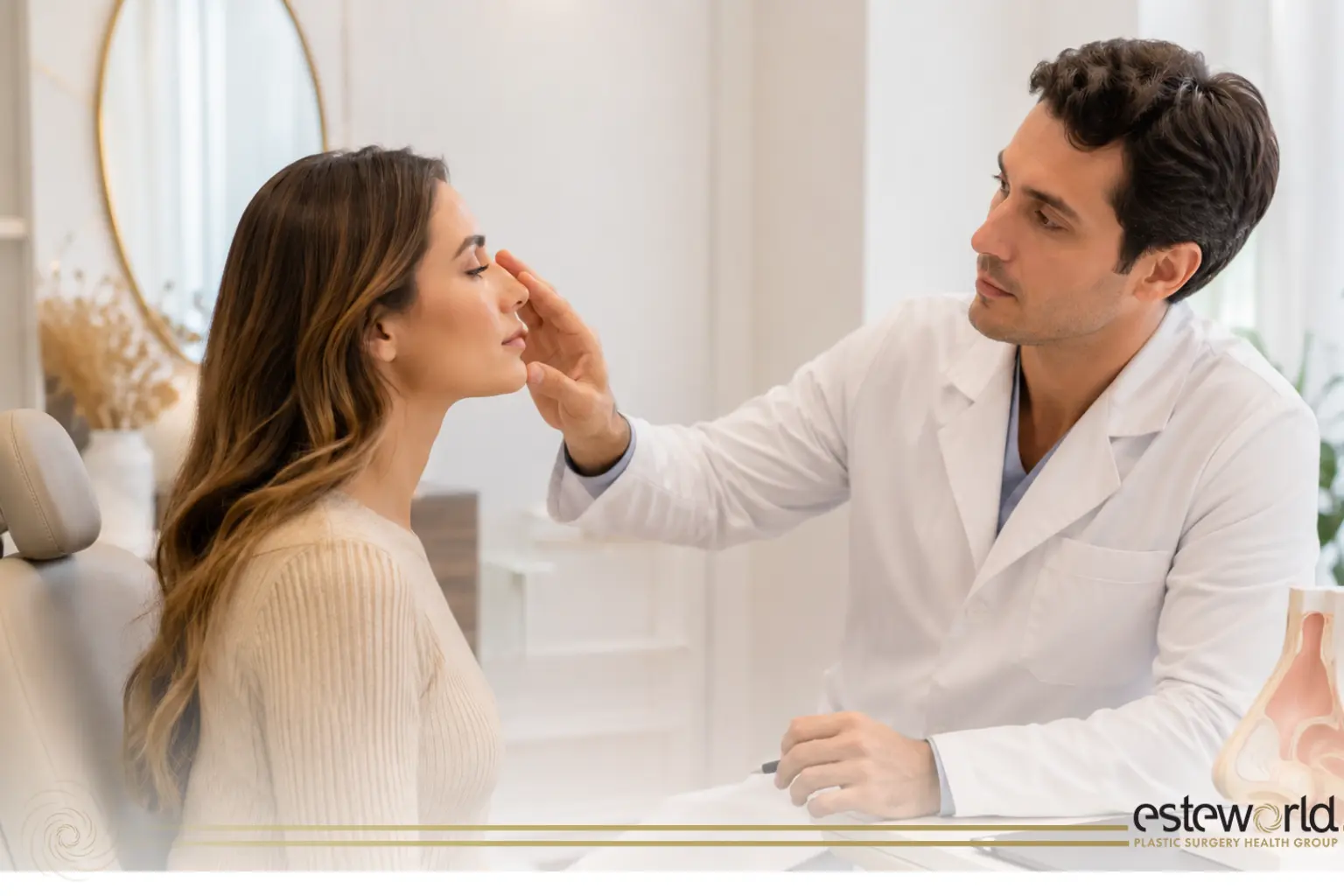

Septorhinoplasty is a surgical procedure that combines two important goals in one treatment plan: improving nasal breathing and refining the external appearance of the nose. It may be considered when a deviated septum, nasal obstruction, previous trauma, asymmetry, or structural irregularities affect both function and facial balance. Unlike a purely cosmetic rhinoplasty, septorhinoplasty focuses on how the nose works as well as how it looks. For this reason, a detailed medical evaluation is essential before deciding whether this procedure is suitable.
Septorhinoplasty is designed for people who have breathing problems related to internal nasal structure and also want to improve the shape or balance of the nose. During the procedure, the surgeon may correct a deviated septum, support weak cartilage, improve airflow and reshape visible nasal features such as the bridge, tip or nostril symmetry. The result depends on the patient’s anatomy, skin thickness, healing process and surgical plan. A successful septorhinoplasty does not aim to create a standard nose; it aims to create a more functional, natural-looking nose that fits the person’s face.
What Is Septorhinoplasty?
Septorhinoplasty is a combined nose surgery that corrects functional problems inside the nose and aesthetic concerns on the outside. “Septo” refers to the nasal septum, the wall of cartilage and bone that separates the two nostrils. “Rhinoplasty” refers to reshaping the external structure of the nose. When these two approaches are performed together, the goal is to improve nasal airflow while creating a more balanced nasal appearance.
This procedure may be recommended for patients who struggle with nasal blockage, mouth breathing, sleep discomfort, post-traumatic deformity or visible crookedness of the nose. It may also be preferred when changing the outside of the nose without correcting the internal structure would not provide a stable or healthy result. In other words, septorhinoplasty is not only about making the nose look better. It is about making the nose work better and look more harmonious at the same time.
Why Breathing and Aesthetics Are Often Connected
The nose is not just a facial feature. It is also an airway. This is why nasal appearance and nasal function often influence each other. A nose that looks visibly crooked may also have internal deviation. A collapsed nasal valve may affect both the shape of the nose and the ability to breathe comfortably. Previous injury can change the bridge, tip or septum at the same time. Human anatomy, as usual, refuses to be simple.
A deviated septum can narrow one or both nasal passages. In some people, this may cause difficulty breathing through the nose, especially during sleep, exercise or allergy seasons. Septorhinoplasty can address this by straightening or repositioning the septum and improving structural support where needed. If the outer nasal framework also contributes to obstruction, aesthetic reshaping and functional correction may be planned together.
Common Functional Concerns
Functional concerns usually involve the internal structures that affect airflow. Patients may report that one side of the nose feels constantly blocked, breathing feels worse at night, or they rely on mouth breathing more than they should. Some people also notice that breathing becomes difficult during physical activity. These symptoms do not always mean surgery is necessary, but they are important signs that should be evaluated by a specialist.
Septorhinoplasty may help with:
- Deviated septum affecting nasal airflow
- Nasal obstruction after trauma or injury
- Crooked nose with internal structural deviation
- Weak nasal support or valve collapse
- Breathing difficulty combined with visible nasal asymmetry
Common Aesthetic Concerns
Aesthetic concerns vary from person to person. Some patients want a straighter nasal bridge, a more refined nasal tip, better nostril symmetry or a softer side profile. Others want to correct a nose shape that changed after trauma. The goal is not to erase the patient’s facial identity. A well-planned septorhinoplasty respects the person’s natural features and aims for balance rather than an exaggerated result.
Who May Be a Good Candidate for Septorhinoplasty?
A good candidate for septorhinoplasty is someone who has both functional and aesthetic concerns related to the nose. The person may have trouble breathing through the nose and may also feel uncomfortable with nasal shape, deviation or asymmetry. However, suitability cannot be decided only by looking at photographs. A physical examination, medical history and sometimes imaging or endoscopic evaluation may be needed.
The patient’s expectations also matter. Septorhinoplasty can improve the structure of the nose, but it cannot create a perfect or completely different face. Skin thickness, cartilage strength, previous surgery, trauma history and healing response all affect the final result. Patients who understand this process usually have a healthier experience because they evaluate the surgery as a medical and aesthetic journey, not as a quick visual edit.
When Septorhinoplasty May Not Be the First Option
Septorhinoplasty may not be the first choice if nasal breathing problems are mainly caused by allergies, sinus disease, temporary swelling or untreated nasal inflammation. In these cases, medical treatment may be recommended before surgery is considered. It may also be delayed in patients who smoke heavily, have uncontrolled medical conditions or have unrealistic expectations about the result.
A proper consultation helps separate structural problems from temporary or medical causes. This is important because not every blocked nose needs surgery, and not every aesthetic concern requires a functional correction. The right treatment plan begins with the right diagnosis, shocking as that may be in a world that loves shortcuts.
Septorhinoplasty Procedure: What Happens During Surgery?
Septorhinoplasty is usually performed under general anesthesia. The exact technique depends on the patient’s anatomy and the planned corrections. In some cases, the surgeon uses a closed approach, where incisions are made inside the nostrils. In more complex cases, an open approach may be preferred, which allows better visibility of the nasal framework. The choice of technique is based on what needs to be corrected, not on which method sounds trendier.
During the functional part of surgery, the deviated septum may be straightened, repositioned or reshaped to improve airflow. If there is weak cartilage or valve collapse, the surgeon may use cartilage grafts to support the nasal structure. During the aesthetic part, the bridge, tip, nostrils or overall nasal alignment may be refined. The aim is to create a nose that functions better and looks natural from the front, side and three-quarter angles.
| Treatment Area | Functional Purpose | Aesthetic Purpose |
| Septum | Improves internal airflow | Helps support a straighter nasal axis |
| Nasal bridge | May support airway stability | Refines hump, width or profile |
| Nasal tip | Can improve support and airflow | Adjusts projection, rotation and definition |
| Nasal valves | Helps reduce obstruction | Supports natural nasal contour |
| Nostril symmetry | May improve airflow balance | Creates a more balanced lower nose |
Open vs Closed Septorhinoplasty
Open septorhinoplasty gives the surgeon wider access to the nasal structures and may be preferred in complex cases, revision surgeries or significant asymmetry. Closed septorhinoplasty uses incisions inside the nostrils and may be suitable for selected cases with less complex changes. Neither method is automatically better. The best approach is the one that allows safe, precise and stable correction for that patient’s anatomy.
Recovery After Septorhinoplasty
Recovery after septorhinoplasty is gradual. Swelling, bruising, nasal congestion and mild discomfort are common in the early period. Many patients feel blocked at first, not because the surgery has failed, but because internal swelling and crusting temporarily reduce airflow. Breathing usually improves as the tissues heal, although the timeline varies from person to person.
Most visible swelling decreases within the first few weeks, but the nose continues to refine over several months. Tip swelling can take longer to settle, especially in patients with thicker skin. Final results are usually assessed after the deeper tissues have healed and the nasal shape becomes more stable. Patience is not glamorous, but noses apparently insist on it.
Patients are usually advised to avoid pressure on the nose, heavy exercise, smoking, alcohol and trauma during the early healing period. Glasses, sleeping position and nasal cleaning should also be managed according to the surgeon’s instructions.
General recovery reminders include:
- Keep the head elevated during the early recovery period
- Avoid blowing the nose until the surgeon allows it
- Protect the nose from impact or pressure
- Attend follow-up appointments regularly
- Follow cleaning, medication and activity instructions carefully
When Can Breathing Improve?
Some patients notice breathing improvement after early swelling decreases. Others need more time because internal tissues continue to heal. It is normal for airflow to feel uneven during the first weeks. If breathing becomes worse, pain increases, fever develops or there is unusual bleeding, the surgeon should be contacted promptly.
When Can the Final Shape Be Seen?
The general nasal shape may become visible after the early swelling improves, but the final result takes longer. The bridge often settles earlier than the nasal tip. Subtle definition, tip refinement and tissue softness continue to develop over months. This is why early mirror-checking every five minutes is not a medical strategy, even if many people try it with impressive dedication.
Benefits, Limits and Realistic Expectations
Septorhinoplasty can offer both functional and aesthetic benefits when the right patient and the right surgical plan come together. A patient may breathe more comfortably, feel less nasal blockage and have a nose that appears straighter or more balanced. For many people, the biggest benefit is that the nose feels more natural as part of the face rather than looking or functioning like a separate problem.
However, every surgical procedure has limits. Septorhinoplasty cannot guarantee perfect symmetry, identical nostrils or a completely swelling-free recovery. Minor asymmetry is normal in the human face. Healing is also individual. Scar tissue, skin thickness, cartilage memory and previous trauma may influence the final outcome.
The most realistic goal is improvement, not perfection. A good result is one that improves breathing where possible, supports long-term nasal function and creates a natural appearance that fits the patient’s facial features.
Septorhinoplasty Can Support Both Function and Facial Balance
Septorhinoplasty is more than a cosmetic nose procedure. It is a combined surgical approach that can improve nasal airflow while refining the shape and balance of the nose. For patients with a deviated septum, nasal obstruction, trauma-related changes or visible asymmetry, it may offer a practical way to address function and appearance within one treatment plan.
The most important step is proper evaluation. A successful septorhinoplasty depends on understanding the patient’s breathing concerns, facial structure, skin quality and expectations. When planned carefully, the procedure can help create a nose that looks natural, supports better airflow and fits the face more harmoniously.
To learn more about septorhinoplasty or to book a free preliminary consultation, you can contact us.