
A nose job is one of the most personal cosmetic surgeries because the nose sits at the centre of the face and affects both appearance and breathing. Some people consider rhinoplasty because they want to reduce a hump, refine the nasal tip or create better facial harmony. Others need nose surgery to improve airflow, correct a deviated septum or repair changes caused by injury. Whatever the reason, a nose job should never be planned as a quick beauty trend. It is a surgical procedure that requires medical evaluation, realistic expectations and a surgeon who understands both aesthetics and nasal function. Tiny changes of only a few millimetres can make a visible difference, which is exactly why rhinoplasty needs careful planning rather than “make it like this celebrity” optimism, humanity’s favourite shortcut to disappointment. Mayo Clinic notes that rhinoplasty is used to change the shape of the nose and may also be performed to improve breathing.
Quick Summary
- A nose job, medically called rhinoplasty, reshapes the nose and may also improve breathing.
- Rhinoplasty can address the bridge, nasal tip, nostrils, asymmetry or structural problems.
- Recovery usually includes swelling, bruising, a nasal splint and gradual healing.
- Final nose job results may take up to one year to settle fully.
- Good candidates have realistic expectations, stable health and a clear surgical plan.
A nose job is a surgical procedure that changes the shape, size or structure of the nose. It can be performed for cosmetic reasons, functional breathing problems or both. The best rhinoplasty results are planned according to facial proportions, nasal anatomy, skin thickness, breathing function and the patient’s expectations.
What Is a Nose Job?
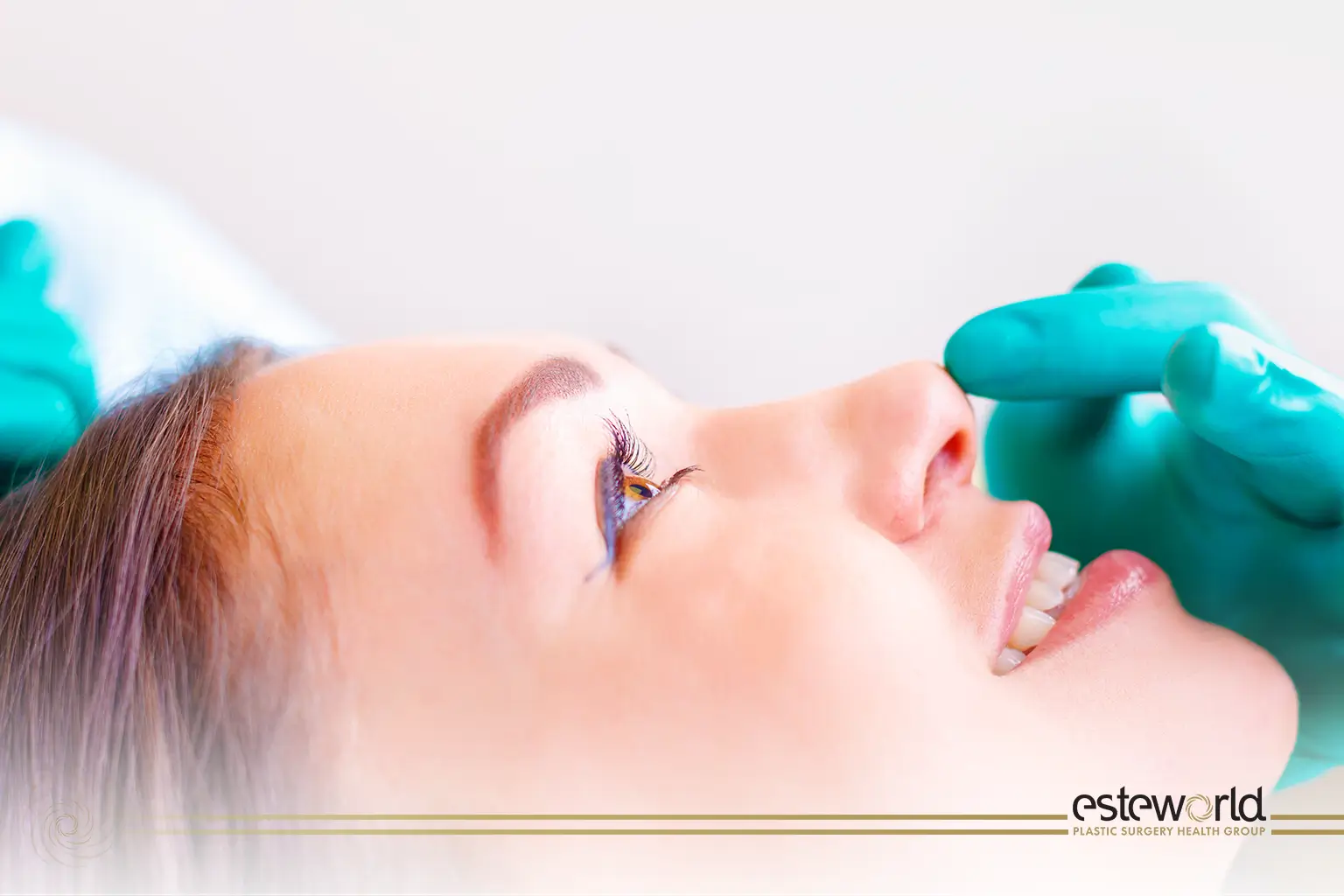
A nose job is the common name for rhinoplasty, a surgical procedure that changes the nose’s shape or structure. The American Society of Plastic Surgeons describes rhinoplasty as a procedure that enhances facial harmony and the proportions of the nose. In daily language, people often use “nose job” to describe cosmetic reshaping, but medically the procedure can also involve functional correction.
Rhinoplasty may change the nasal bridge, tip, nostril width, nasal length or overall projection. In some patients, surgery also includes septoplasty, which corrects a deviated septum. Mayo Clinic explains that septoplasty straightens the wall between the nasal passages when it is crooked, and it may be performed at the same time as rhinoplasty to improve breathing.
Cosmetic and Functional Rhinoplasty
Cosmetic rhinoplasty focuses on appearance. It may reduce a dorsal hump, refine a bulbous nasal tip, narrow the bridge or improve facial balance. Functional rhinoplasty focuses on breathing. It may correct internal structural problems, nasal valve collapse or septal deviation. Many patients need a combined approach because the nose is not just a visible feature; it is also an airway. Treating it only as decoration is, medically speaking, a bit like judging a house only by the curtains.
Who Is a Good Candidate for a Nose Job?
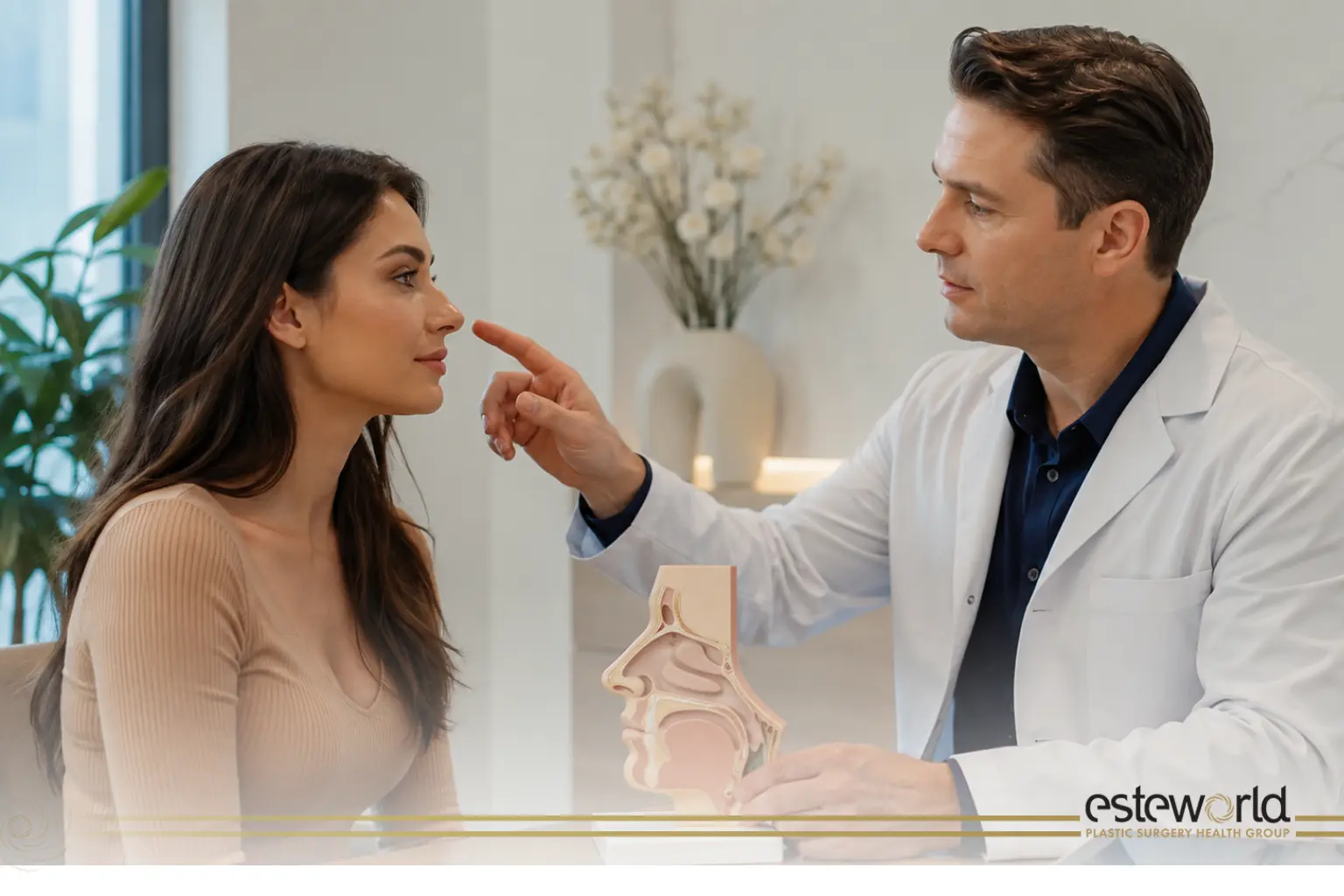
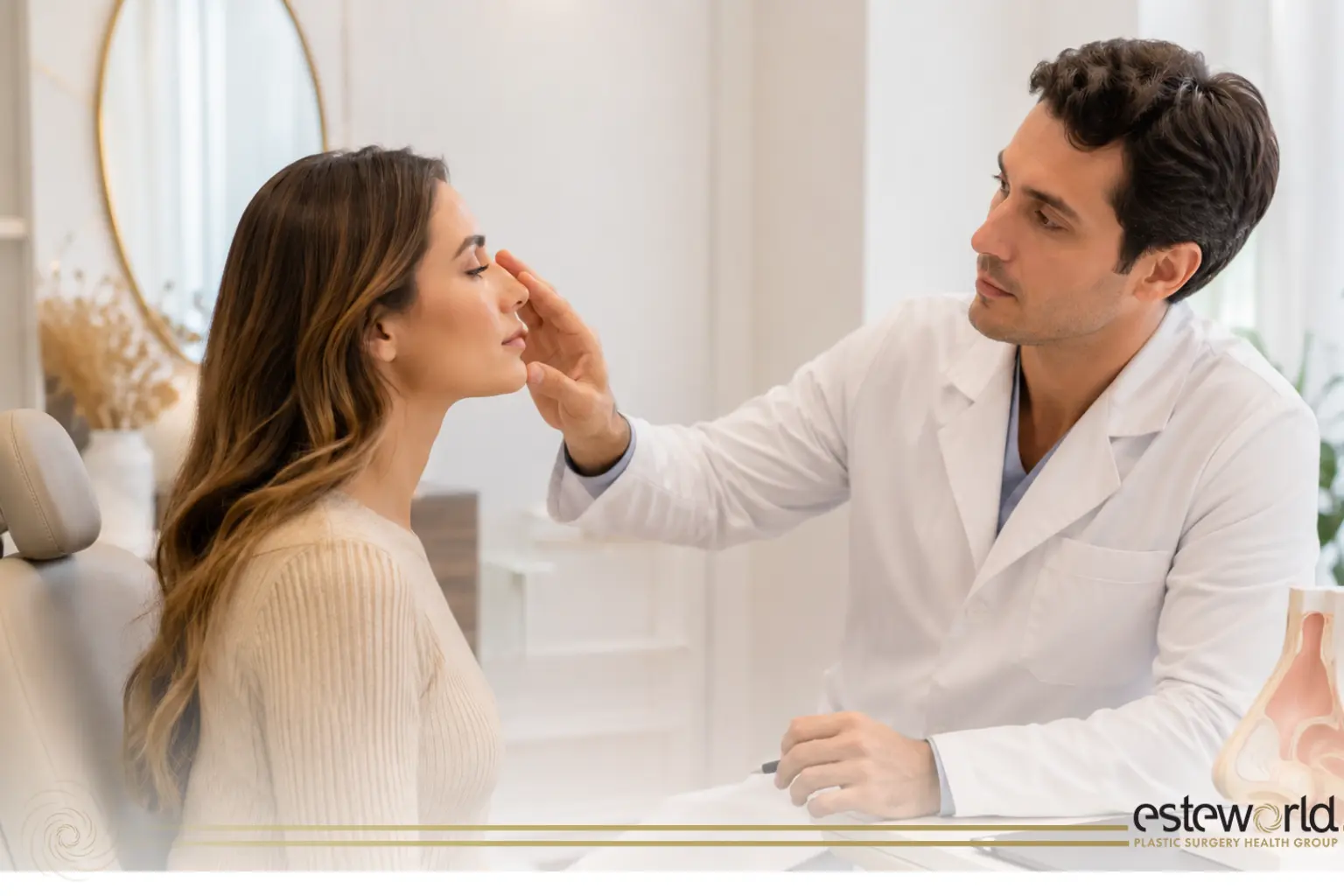
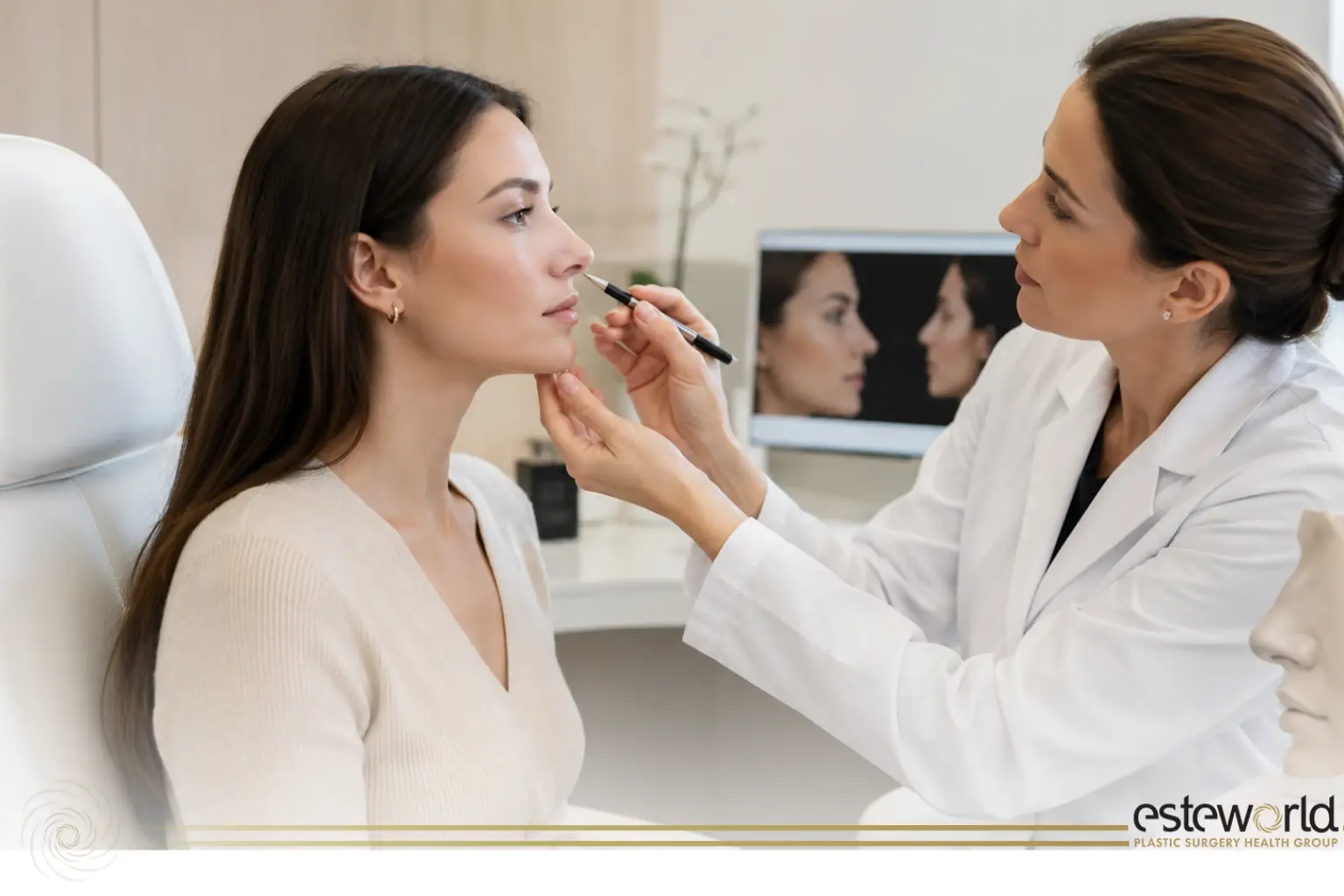
A good candidate for a nose job is someone who wants a realistic improvement rather than a completely different identity. Rhinoplasty should respect the person’s facial structure, ethnicity, skin type and breathing function. A small, delicate nose may not suit every face. A very narrow nose may look refined in a photo but cause breathing problems if the internal structure is not protected. This is why consultation is not just a sales conversation; it is a medical planning stage.
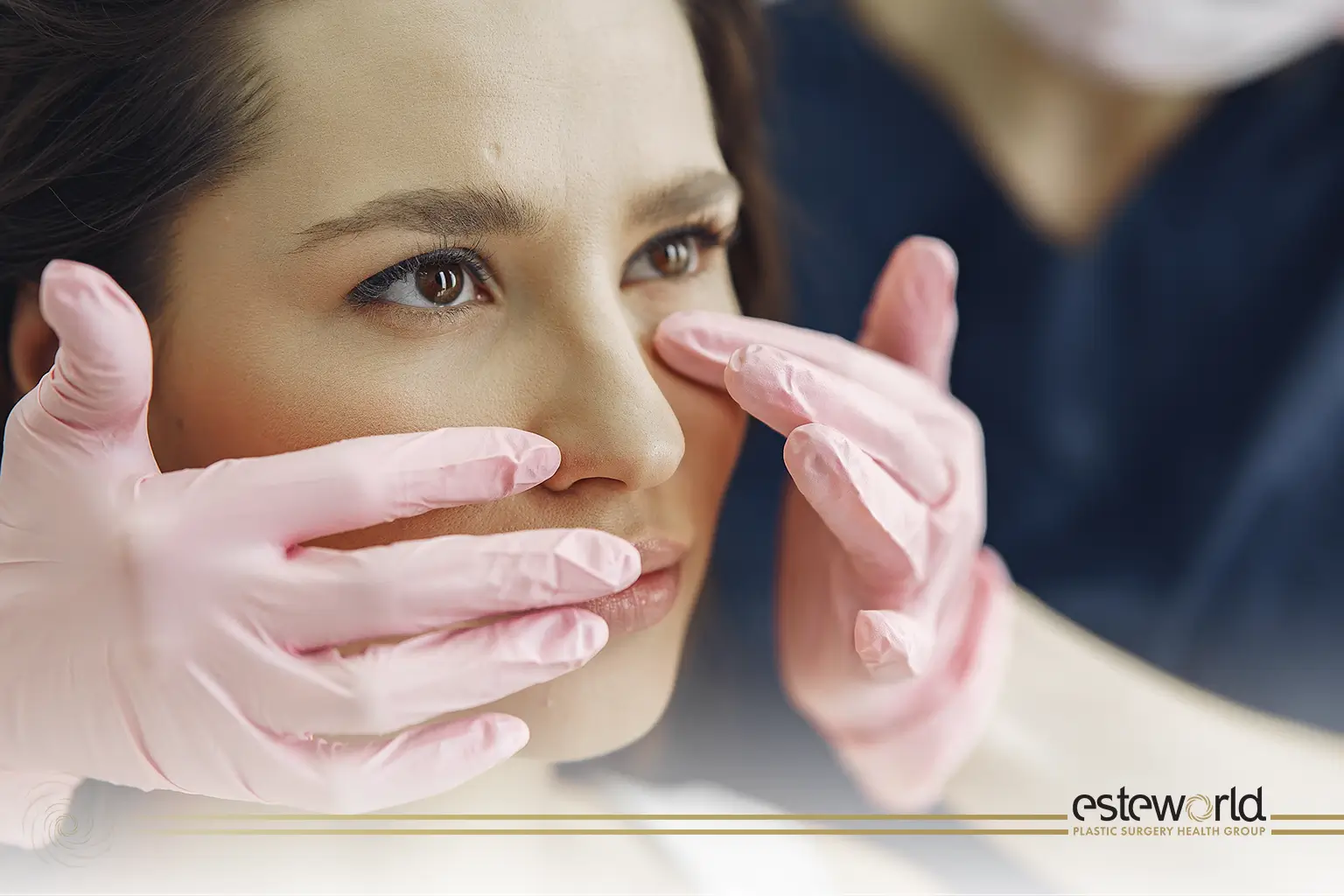
The surgeon usually evaluates facial proportions, nasal bones, cartilage strength, skin thickness and the inside of the nose. Thick skin may limit how sharply the nasal tip can be defined. Thin skin may reveal small irregularities more easily. Previous trauma, past surgery or breathing complaints can also change the treatment plan.
A nose job may be considered for patients who have:
- A nasal hump, wide bridge, drooping tip or asymmetry
- Breathing problems related to septal deviation or structural narrowing
- Nose shape changes after injury or previous surgery
- Fully developed facial growth and stable general health
- Realistic expectations about recovery, swelling and final results
- A willingness to follow aftercare instructions and attend follow-up visits
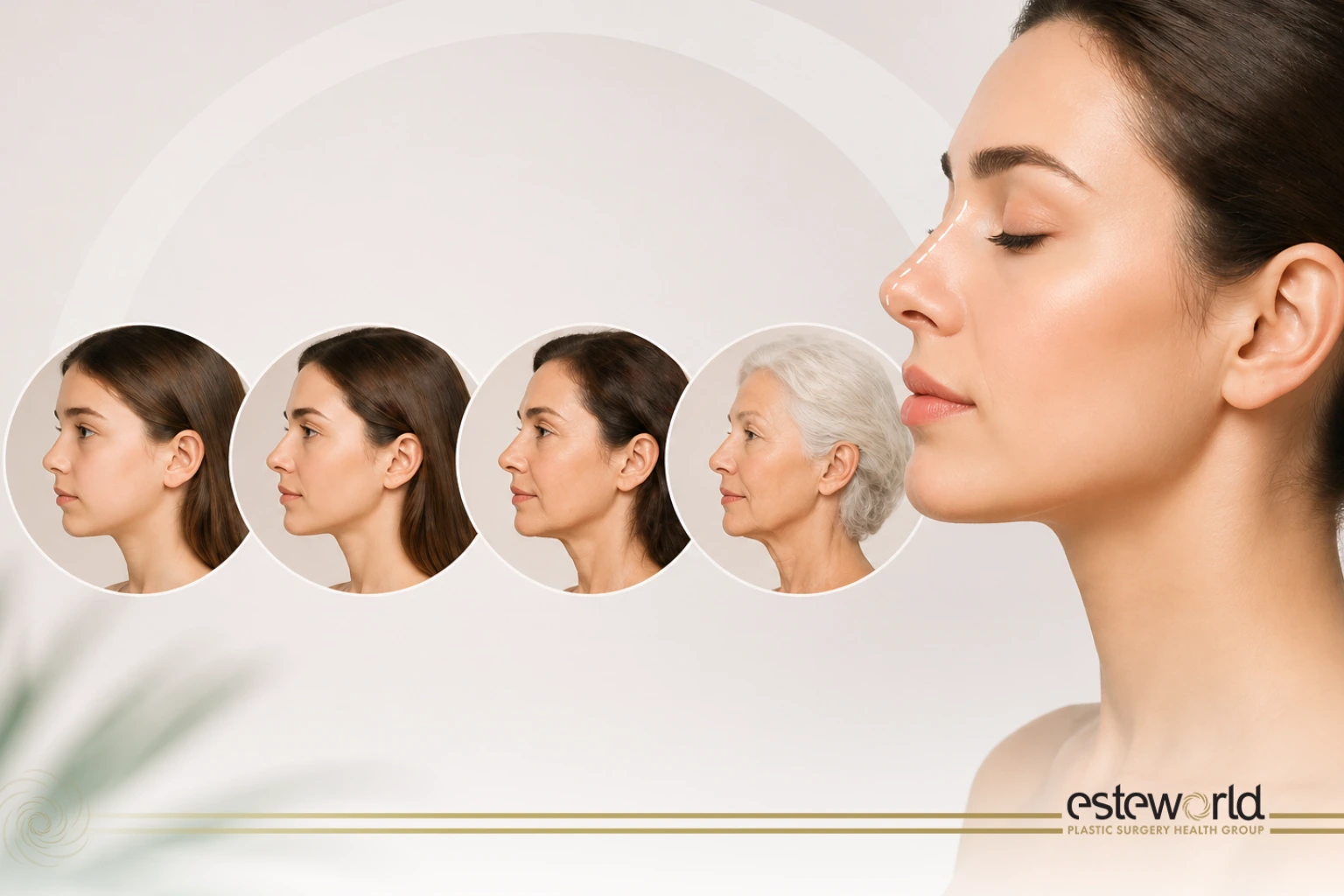
Age is also important. Rhinoplasty is generally planned after facial growth is complete. Emotional maturity matters as much as physical readiness. A patient should understand that the aim is improvement and balance, not perfection. No surgeon can promise an exact copy of a filtered image, despite the internet’s impressive effort to make faces look downloadable.
How Is a Nose Job Performed?
Rhinoplasty is personalised for each patient. Mayo Clinic states that rhinoplasty does not have one regular plan or fixed order of steps because surgeons personalise the operation according to the patient’s needs. This is one of the reasons rhinoplasty is considered a complex procedure. The nose is a three-dimensional structure made of bone, cartilage, skin and internal airway passages.
Open and Closed Rhinoplasty
In open rhinoplasty, a small incision is made across the columella, the tissue between the nostrils. This gives the surgeon wider visibility of the nasal structure and is often preferred for complex changes, revision surgery or detailed tip work. In closed rhinoplasty, incisions are made inside the nostrils, so there is no external incision across the columella. This approach may be suitable for selected patients who need more limited corrections.
Neither technique is automatically better for everyone. The best choice depends on anatomy, surgical goals, previous procedures and the surgeon’s assessment. A patient with a small dorsal hump may need a different method than someone with severe asymmetry, thick skin or a collapsed nasal valve.
What Happens During Surgery?
During a nose job, the surgeon may reshape bone, cartilage or both. Larger changes may require cartilage grafts, sometimes taken from the septum, ear or rib depending on the case. Mayo Clinic notes that for larger changes, cartilage from a rib, implants or bone from other parts of the body may be used. After the internal framework is adjusted, the skin and soft tissue are placed back over the new structure.
The surgery is usually performed under anaesthesia. After the operation, patients are monitored in a recovery room and many can leave the same day, although some may stay overnight depending on health status or surgical complexity.
Nose Job Recovery Timeline
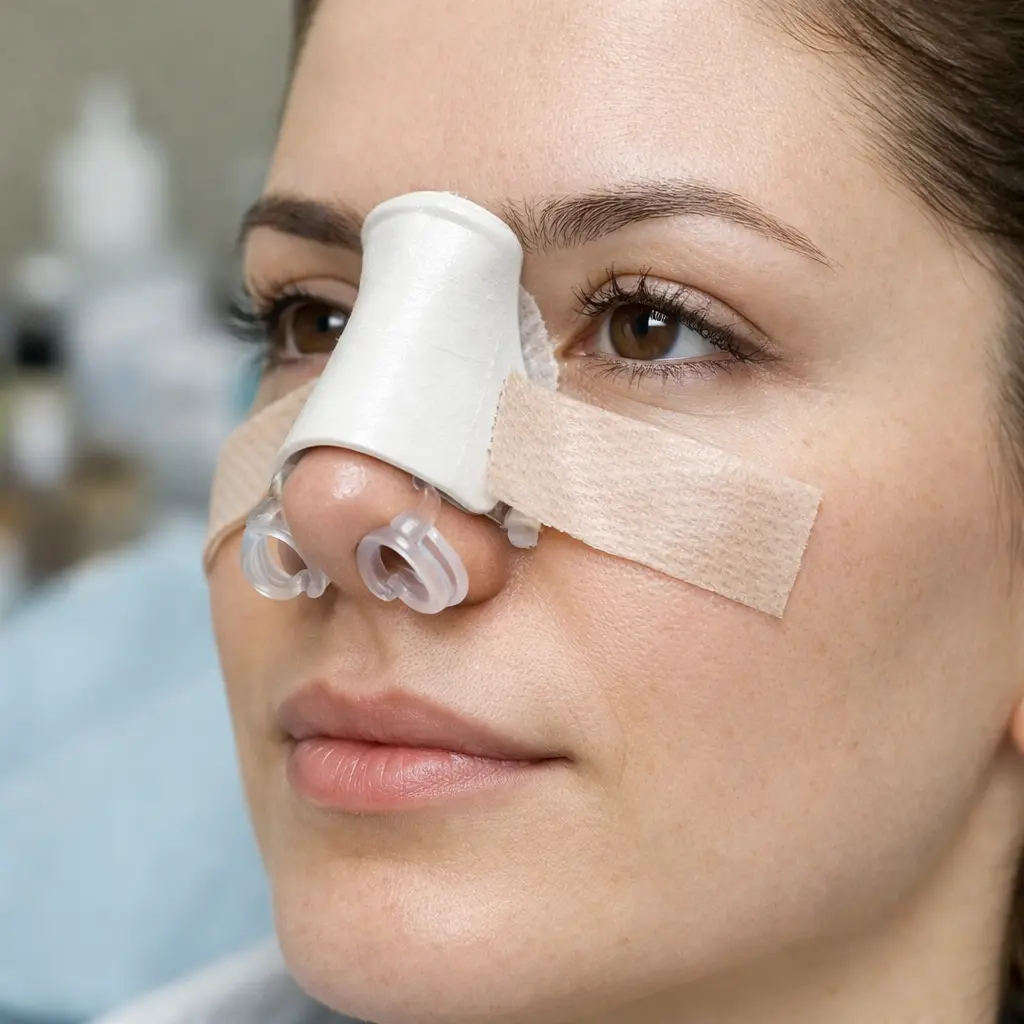
Recovery after a nose job is gradual. The first week usually involves swelling, bruising, congestion and a splint. Mayo Clinic states that a nasal splint is often kept in place for about one week, while internal bandages may remain for 1 to 7 days depending on the case. Cleveland Clinic also notes that swelling and bruising around the nose and eyes may take several weeks to resolve.
The first visible change often appears when the splint is removed, but this is not the final result. Swelling can make the nose look larger, uneven or less defined for weeks or months. Cleveland Clinic explains that swelling may last four to six weeks, decrease slowly over the first three months and that full results are usually seen after the nose completely heals, often around one year.
| Recovery Stage | What Usually Happens | Patient Focus |
| First 24–48 hours | Swelling, congestion, mild bleeding or drainage may occur | Rest with head elevated and follow medication instructions |
| First week | Splint, bruising and nasal stuffiness are common | Avoid pressure, bending and nose blowing |
| 2–3 weeks | Bruising often fades and social recovery improves | Return gradually to normal daily routines |
| 4–6 weeks | Many patients resume more active movement with approval | Avoid trauma and heavy pressure on the nose |
| 3–12 months | Swelling continues to refine slowly | Wait patiently for final contour |
| Around 1 year | Final result becomes clearer | Evaluate long-term outcome with the surgeon |
NHS guidance says people may need up to two weeks off work after nose reshaping surgery, and strenuous exercise may usually resume around four to six weeks depending on recovery. Patients should follow their own surgeon’s instructions rather than copying someone’s recovery video online, because apparently even noses heal individually, rude as that is to content algorithms.
Risks, Results and Realistic Expectations
A nose job can improve facial balance and breathing in selected patients, but it also carries surgical risks. The American Society of Plastic Surgeons lists possible rhinoplasty risks such as anaesthesia risks, infection, difficulty breathing, numbness or pain, poor wound healing, scarring, skin discoloration, swelling, unsatisfactory appearance and the possibility of revision surgery. Cleveland Clinic also lists risks including infection, nosebleeds, poor wound healing, altered sense of smell, pain, scarring and additional surgery.
Realistic expectations are essential. A nose job can refine the nose, improve proportions and correct functional issues, but it cannot guarantee emotional confidence, perfect symmetry or a completely new face. The nose continues to change during healing, and subtle asymmetry in the early weeks is common. Cleveland Clinic describes asymmetrical healing as swelling that may affect one side more than the other during the first weeks after surgery.
Revision Rhinoplasty
Some patients may need revision rhinoplasty if breathing problems persist, healing changes the result or the aesthetic outcome does not meet the agreed goal. Mayo Clinic notes that if a second surgery is needed for further changes, patients generally need to wait at least one year because the nose can continue changing during that time. Revision surgery is usually more complex than first-time rhinoplasty because scar tissue, altered cartilage and previous structural changes must be considered.
Choosing an experienced surgeon, reviewing realistic before-and-after cases and discussing both functional and cosmetic goals can reduce the risk of disappointment. However, no ethical clinic should promise a flawless or guaranteed result. The nose is living tissue, not a 3D-rendered object that can be exported in high resolution.
A nose job is not only about making the nose smaller or changing its shape. It is a carefully planned surgical procedure that can improve facial harmony, correct structural concerns and support breathing when medically needed. The best rhinoplasty results come from realistic expectations, detailed consultation, skilled surgical planning and patient commitment to recovery. Swelling, gradual refinement and aftercare are part of the process, so patience matters as much as the operation itself.
At Esteworld, nose job procedures are planned according to each patient’s facial proportions, nasal anatomy, breathing needs and aesthetic expectations. To learn more about nose job surgery and the most suitable rhinoplasty options for your needs, you can contact us.