
For many men, a patchy beard is not just a small cosmetic detail. It can affect facial balance, personal style and, sometimes, confidence. So when alopecia causes beard hair loss, the question becomes very direct: Can I get a beard transplant if I have alopecia? The honest answer is: sometimes, but not always. It depends on the type of alopecia, whether the condition is active or stable, the quality of the donor hair and the medical evaluation before surgery. A beard transplant with alopecia should never be planned like a simple grooming upgrade, because alopecia can be unpredictable. Lovely, because apparently even facial hair has decided to become a medical committee meeting.
- A beard transplant may be possible in some people with stable hair loss, but it is usually not recommended during active alopecia areata.
- Alopecia barbae is a form of alopecia areata that affects the beard area and may cause round or irregular patches.
- If the immune system is still attacking hair follicles, transplanted beard hairs may also shed.
- A dermatologist or hair restoration specialist should first identify the cause of beard loss.
- Good candidates usually have stable hair loss, healthy skin and enough suitable donor hair.
A beard transplant can be considered for some patients with alopecia, but active alopecia areata or alopecia barbae often makes surgery unsuitable. The safest approach is to diagnose the type of alopecia first, treat or stabilize the condition, then assess whether donor hair, skin health and expectations support beard restoration.
Understanding Alopecia Before Considering a Beard Transplant
Alopecia is not one single condition. It is a broad term for hair loss, and the cause matters more than the patch itself. Some people lose beard hair because of genetics, scars, burns, previous surgery or trauma. Others experience beard loss because of alopecia areata, an autoimmune condition in which the immune system targets hair follicles. When alopecia areata affects the beard area, it is often called alopecia barbae.
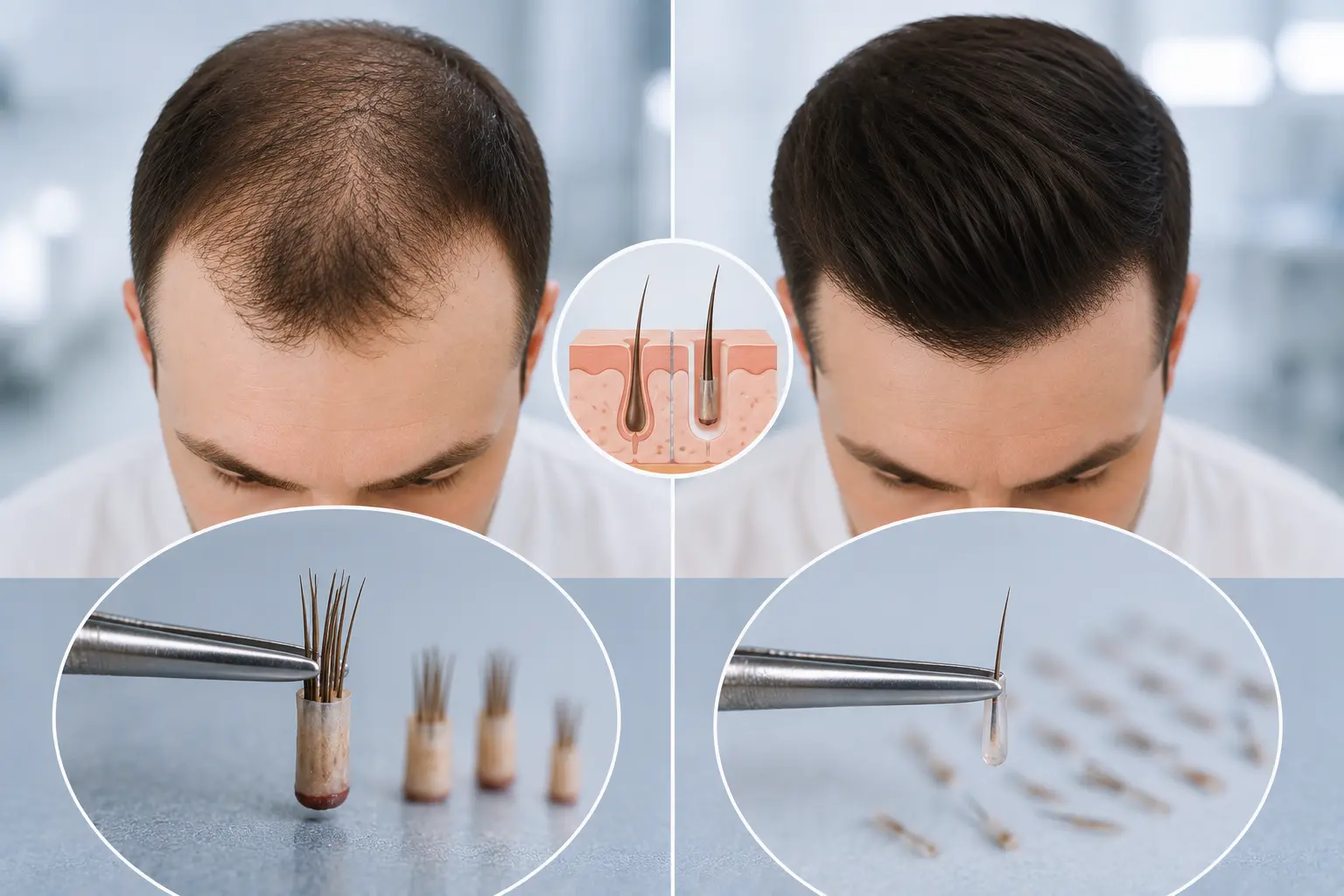
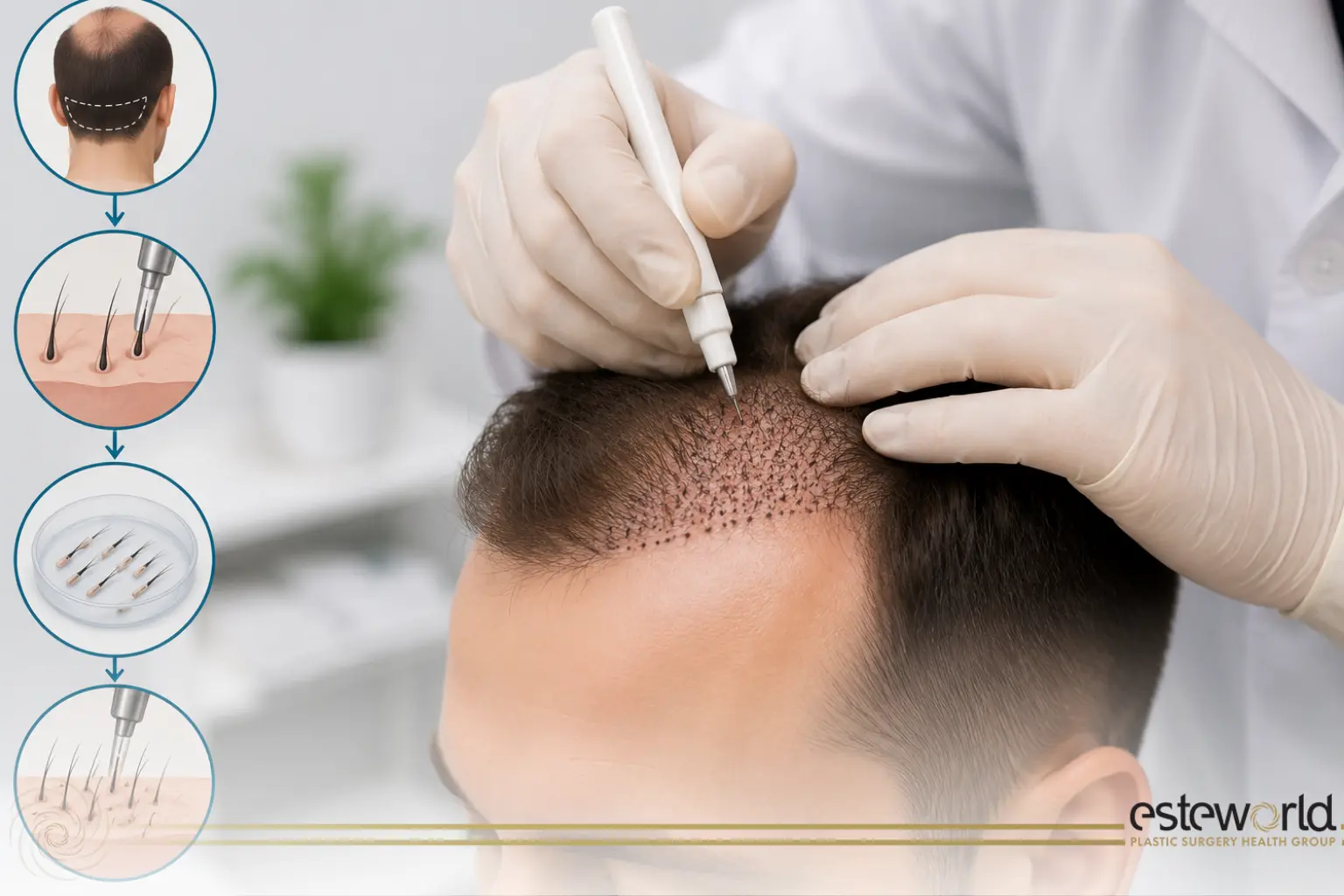
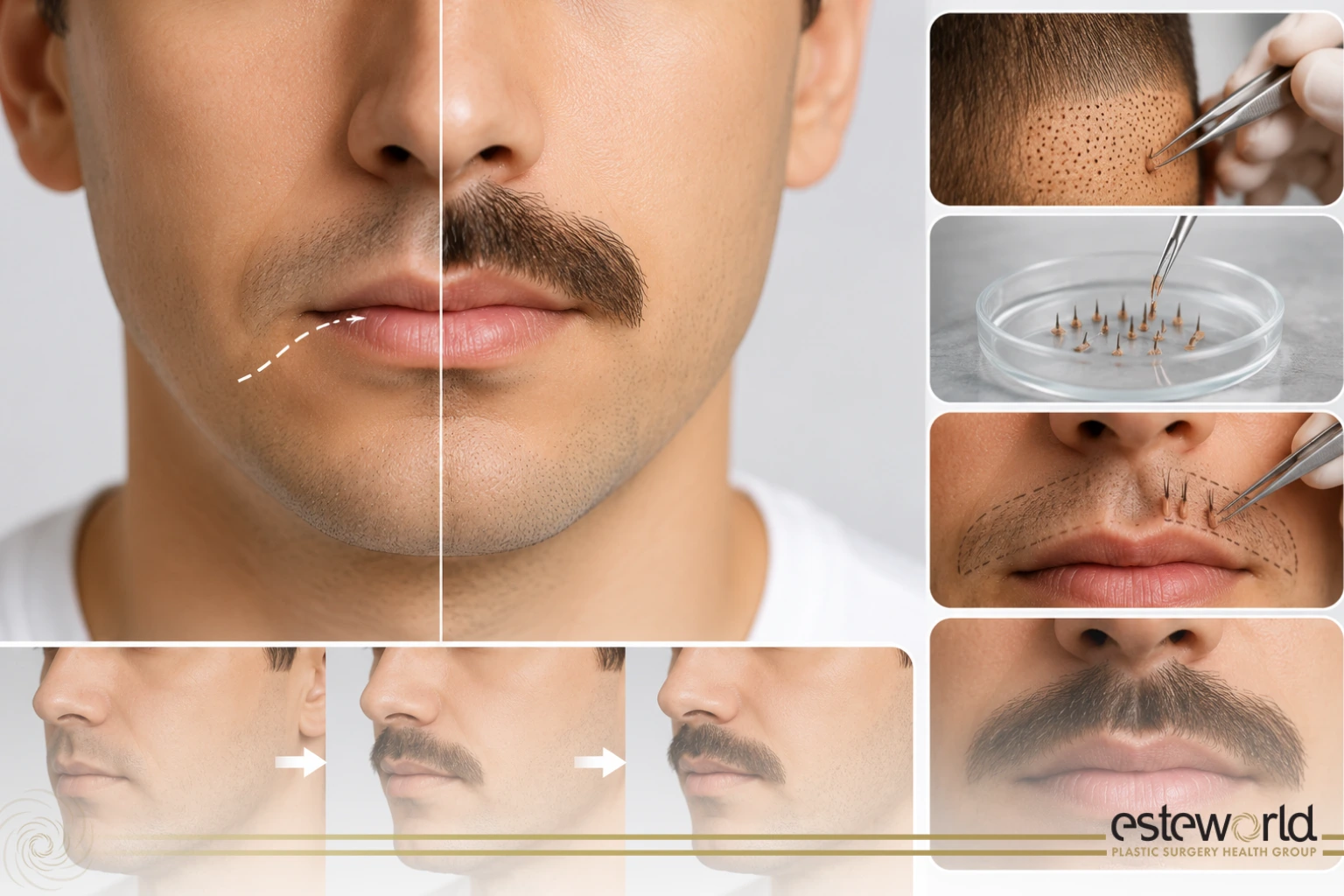
This difference is important because a beard transplant does not treat the underlying disease. It moves hair follicles from a donor area, usually the back or sides of the scalp, into the beard region. If the beard loss is caused by a stable scar, the transplanted follicles may have a better chance of growing. If the beard loss is caused by active alopecia areata, the immune reaction may continue and affect the transplanted hairs too.
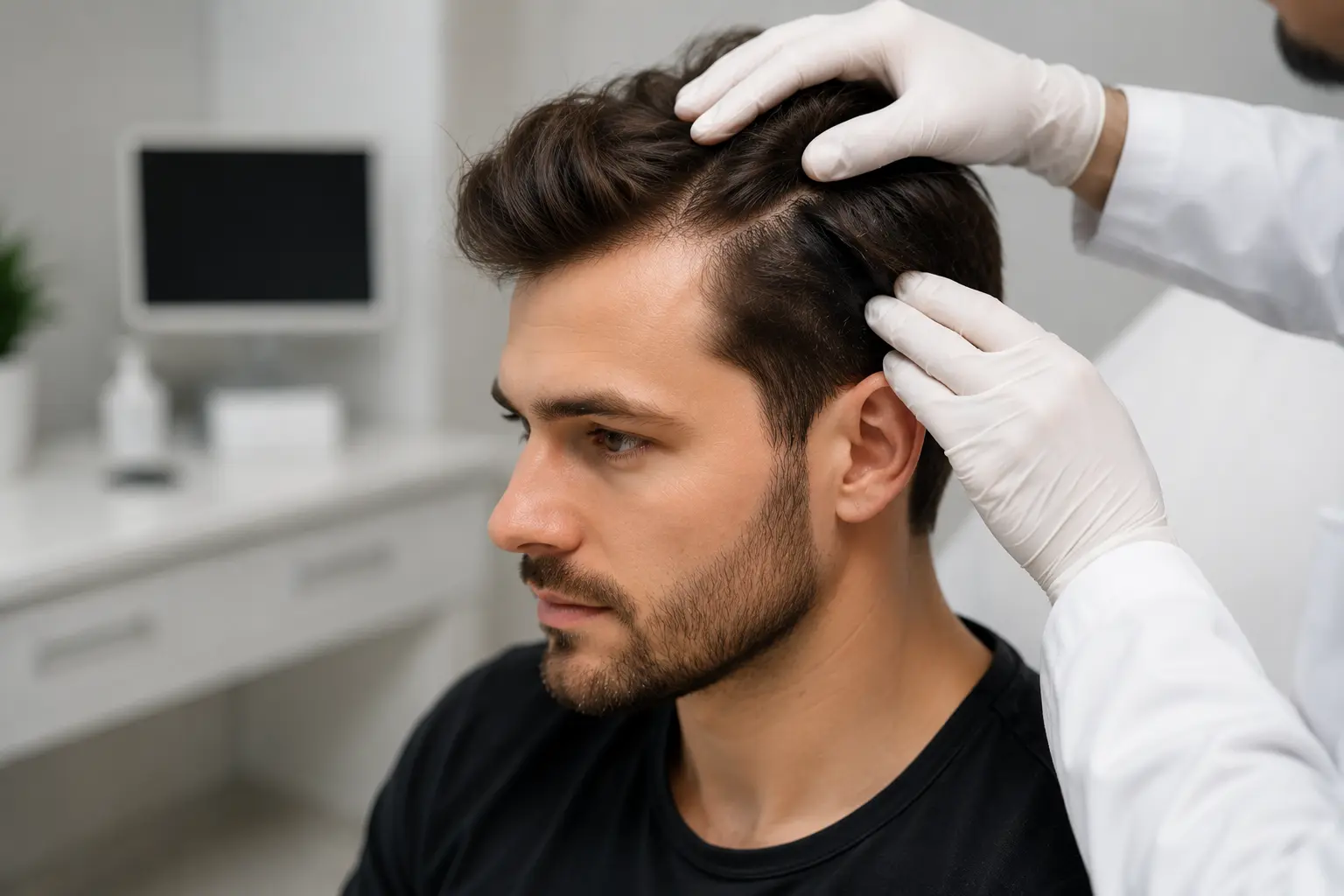
That is why the first step is not choosing a beard shape from an Instagram photo. The first step is diagnosis. A specialist needs to understand whether the patch is stable, whether there is inflammation, whether hair loss appears elsewhere on the body and whether the skin in the beard area is healthy enough for implantation.
Alopecia Barbae and Patchy Beard Loss
Alopecia barbae often appears as one or more smooth patches in the beard. The skin may look normal, which can be confusing, because the lack of redness does not always mean the condition is inactive. Some men experience small patches that regrow over time. Others have repeated flare-ups, wider beard loss or hair loss in the scalp, eyebrows or body.
For this reason, timing matters. A beard transplant planned too early may give a disappointing result. The transplanted hair can grow at first and then shed if the autoimmune activity returns. In some cases, the procedure itself may irritate the area and become a trigger for renewed shedding. This is exactly why proper assessment is more useful than optimistic guessing, humanity’s least reliable medical device.
Can You Get a Beard Transplant with Alopecia?
A beard transplant with alopecia may be possible when the condition is stable, the skin is healthy and the donor area is strong enough. Stability usually means there has been no clear progression, no new patches and no signs of active inflammation for a meaningful period. The exact waiting time should be decided by a doctor, because alopecia does not follow a tidy calendar like a polite appointment reminder.
In active alopecia areata, beard transplant surgery is generally not advised. Active disease means the immune system may still be attacking hair follicles. In that situation, placing new follicles into the beard area does not solve the biological problem. It may simply give the immune system more follicles to target. The result can be poor growth, patchy density or renewed hair loss after the initial healing phase.
A person with beard loss caused by scarring, trauma or burns may be assessed differently. Scar tissue can be more difficult to transplant into because blood supply and skin texture may be altered, but the issue is not the same as active autoimmune hair loss. In these cases, a surgeon evaluates the scar quality, thickness, vascularity and realistic density before planning a facial hair transplant.
When Surgery May Be Considered
Alopecia does not automatically mean “no beard transplant ever.” It means the decision needs more medical caution. Surgery may be considered if the diagnosis is clear, the condition has been stable, medical treatment has been completed or optimized, and the patient understands that results cannot be guaranteed. A careful clinic will also examine the donor hair. Scalp hair used for beard restoration should be selected and placed with attention to angle, direction and density, because beard hair grows differently from scalp hair.
When Surgery Should Be Delayed
A beard transplant should usually be delayed when beard patches are new, spreading or changing. It should also be delayed if there is itching, burning, redness, scaling, active inflammation or unexplained hair loss in other areas. If alopecia areata is suspected but not diagnosed, dermatological evaluation comes first. Beard transplant planning before diagnosis is like building a balcony before checking whether the building exists. Bold, yes. Sensible, no.
Main Risks of Beard Transplant with Alopecia
Every beard transplant has potential risks, even in people without alopecia. These include swelling, redness, crusting, infection, ingrown hairs, temporary numbness, scarring, uneven density and unnatural direction. With alopecia, the biggest additional concern is disease activity. If the underlying alopecia remains active, transplanted hairs may not survive as expected.
| Factor | Why It Matters | Possible Outcome |
| Active alopecia areata | Immune activity may continue | Transplanted hairs may shed |
| Unclear diagnosis | Cause of beard loss is unknown | Wrong treatment plan |
| Poor donor hair | Not enough suitable follicles | Low density or limited coverage |
| Scarred skin | Blood supply may be reduced | Slower healing or patchy growth |
| Unrealistic expectations | Beard density has limits | Dissatisfaction after growth |
| Poor aftercare | Healing is affected | Infection, irritation or graft damage |
Medical and Healing Risks
The beard area has a rich blood supply, which can support healing, but it is also visible and sensitive. After transplantation, patients may experience redness, swelling, crusting and mild discomfort. These usually improve over time. Infection is uncommon when hygiene and aftercare are correct, but it remains possible. Warning signs include increasing pain, pus, fever, strong redness or swelling that gets worse instead of better.
People with alopecia should be especially careful about inflammation. If the skin is already irritated or affected by an active dermatological condition, surgery may increase stress in the area. This does not mean every person with alopecia will have complications. It means the skin should be calm before any procedure is considered.
Aesthetic Risks and Natural Beard Design
A natural beard transplant depends on more than placing hair into empty patches. The angle must be low, the direction must follow natural facial hair growth and the density must be planned gradually. Beard hair does not grow in the same direction across the cheeks, jawline, chin and moustache region. A technically careless transplant can create hairs that stand upright, grow in the wrong direction or look too dense in one area and too thin in another.
This is especially important in alopecia-related patch loss, because the missing area may have irregular borders. A surgeon has to blend transplanted hair into existing beard hair. If the beard continues to thin later, the result may become uneven. For that reason, long-term planning is not optional. It is the whole point.
Who May Be a Good Candidate?
A good candidate for beard restoration usually has stable hair loss, healthy donor hair, realistic expectations and no active inflammation in the beard area. The specialist also needs to understand whether the goal is to fill a small patch, define the cheek line, rebuild the goatee area or create a fuller beard overall. Each goal requires a different number of grafts and a different design.
Important candidate factors include:
- confirmed diagnosis of the beard hair loss cause
- stable condition with no recent spreading patches
- healthy skin in the recipient area
- enough donor hair from the scalp or another suitable area
- realistic expectations about density and growth timeline
- no uncontrolled medical condition affecting wound healing
- willingness to follow aftercare instructions carefully
- understanding that alopecia may relapse in the future
A person with alopecia universalis, widespread active alopecia areata or rapidly changing beard patches is usually not an ideal candidate. In these situations, medical treatment and disease control are more important than surgery. A beard transplant can move follicles, but it cannot negotiate peace with the immune system. Apparently the immune system did not attend diplomacy school.
How to Lower the Risks Before Beard Restoration
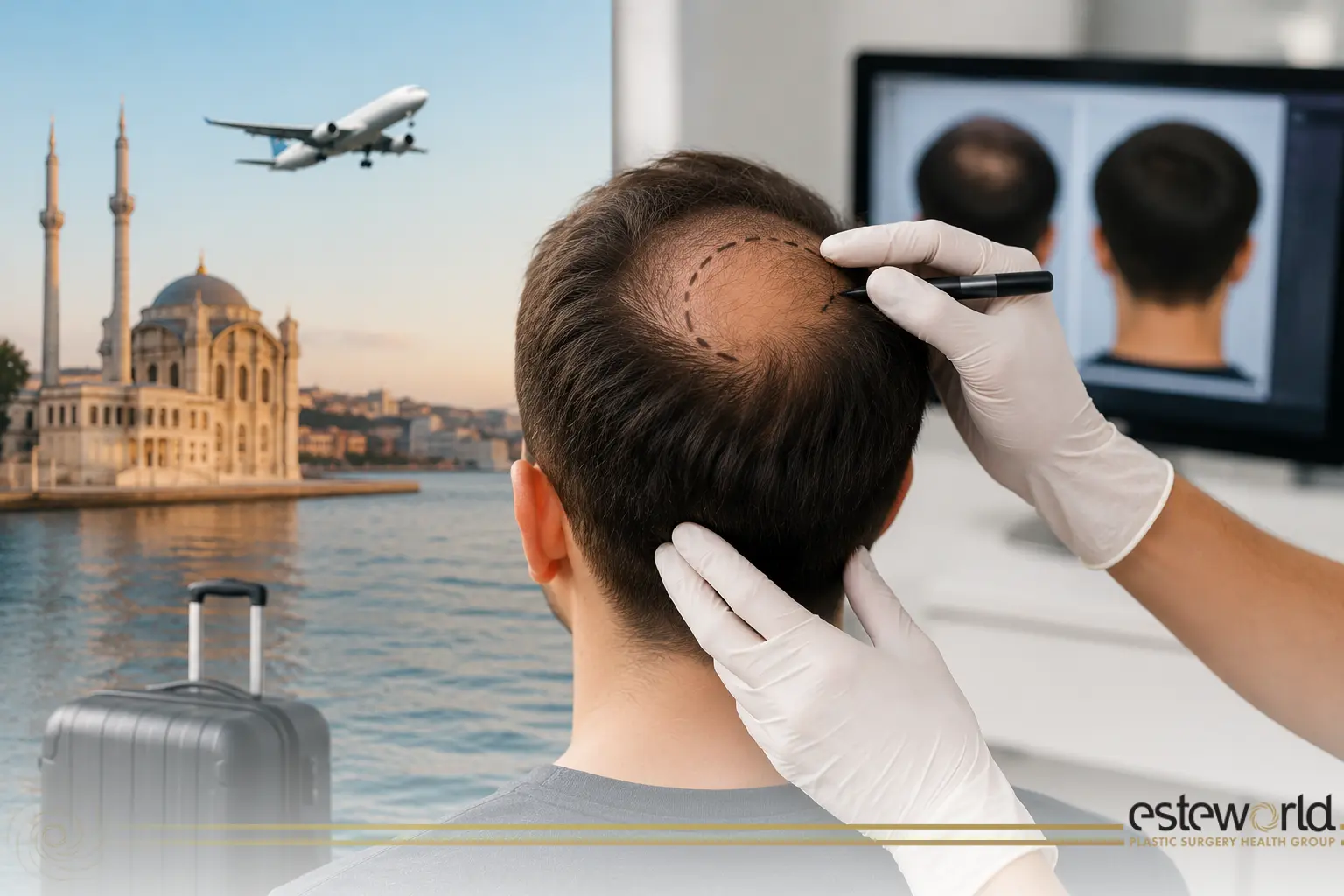
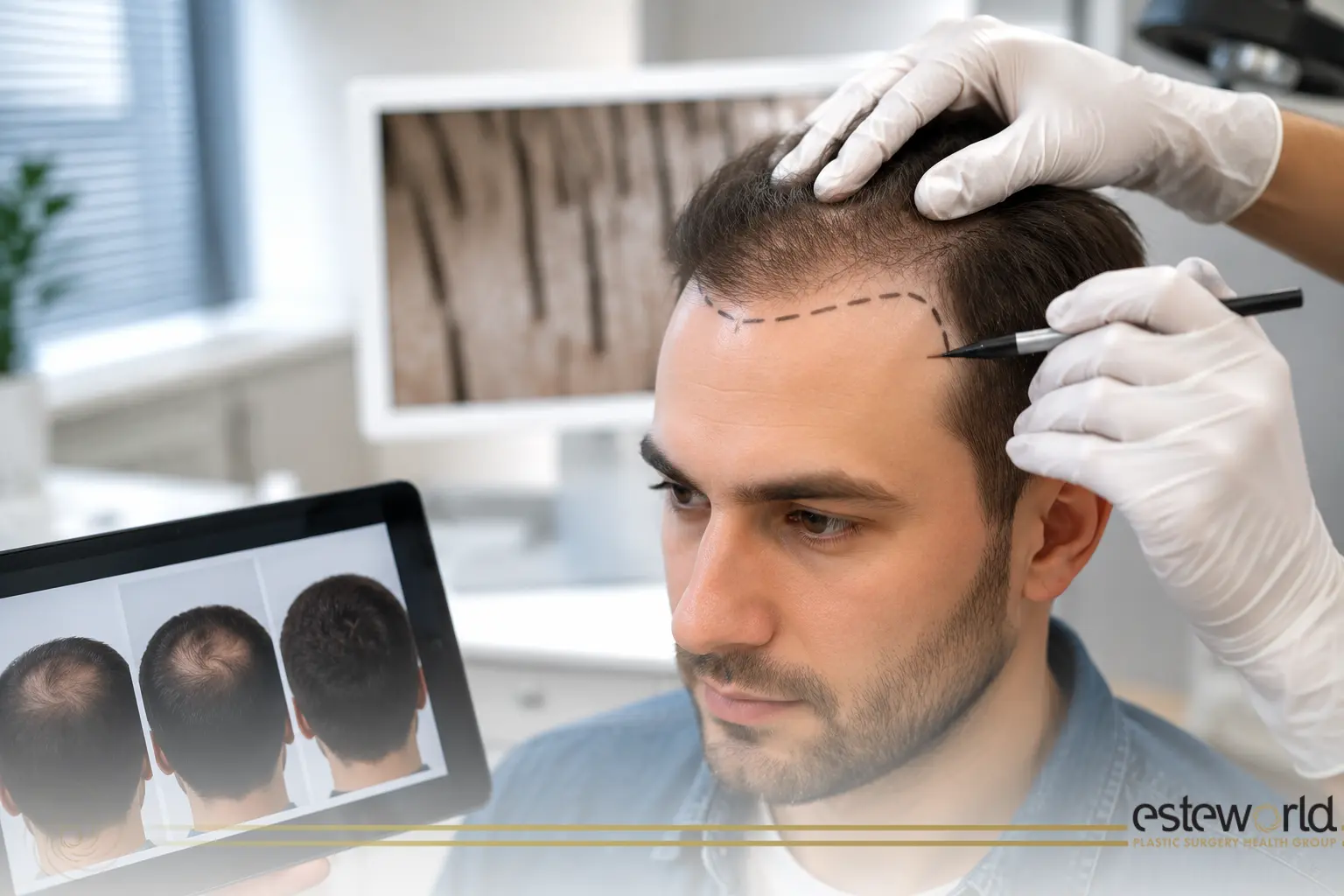
The safest plan starts with a proper consultation. The doctor should ask when the beard loss started, whether it is spreading, whether similar patches exist on the scalp or body, and whether there are autoimmune conditions in the personal or family history. In some cases, dermoscopy, blood tests or dermatology referral may be needed.
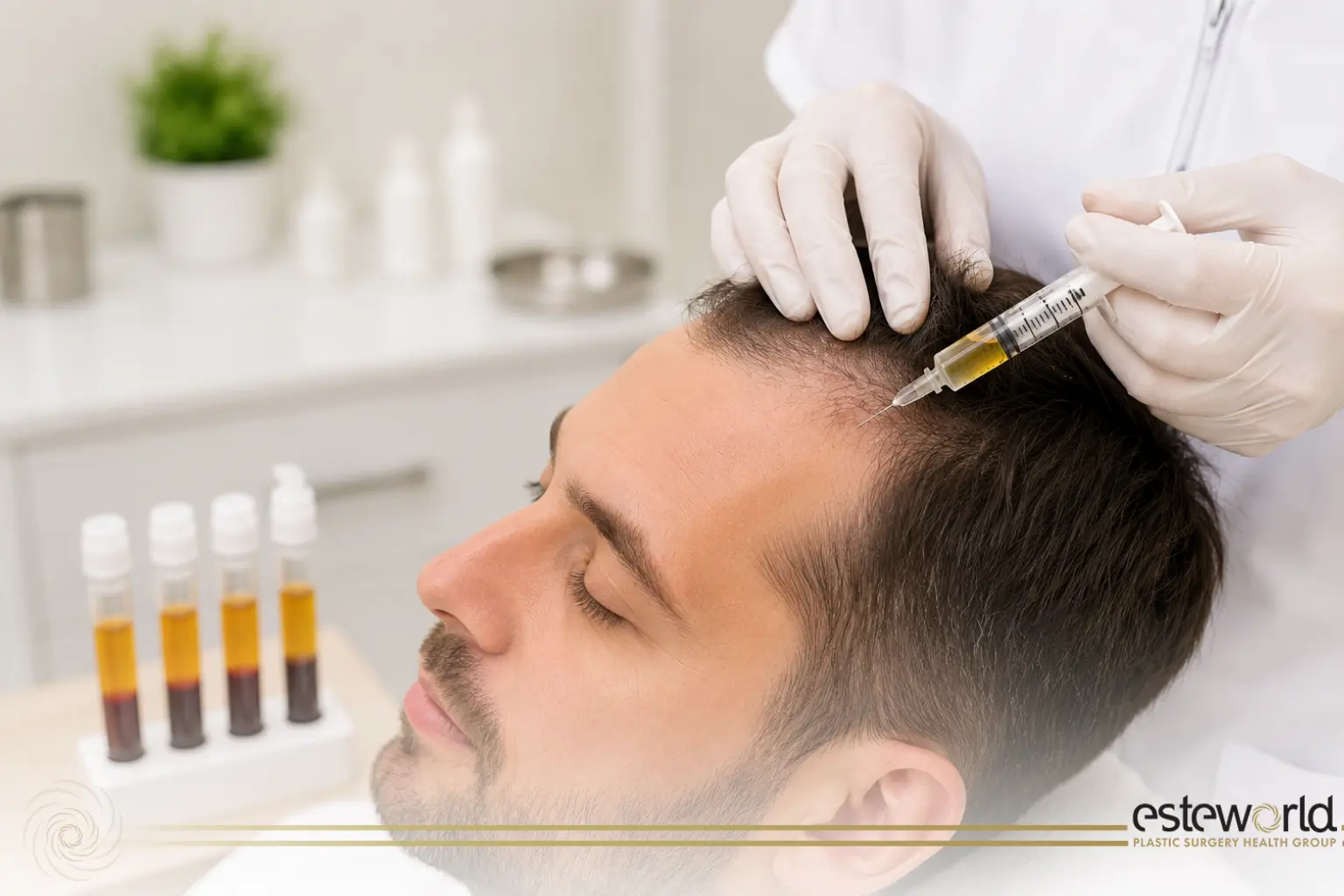
If alopecia areata is active, treatment may be recommended before surgery is reconsidered. Treatment options can vary depending on severity and location. Some patients may respond to topical or injected corticosteroids, minoxidil or other dermatologist-guided therapies. The aim is not only regrowth, but also stability. A transplant makes more sense when the condition is quiet.
After beard transplantation, aftercare also matters. Patients usually need to avoid touching, scratching, shaving too early, heavy exercise, steam, harsh skincare products and direct sun exposure during the early healing period. The exact timeline should come from the treating clinic. Following instructions may sound boring, but so is ruining grafts because impatience briefly won an argument.
Questions to Ask Your Specialist
Before deciding, patients should ask whether their alopecia is active or stable, whether the diagnosis is certain, how many grafts are realistic, where the donor hair will come from and what happens if alopecia returns. They should also ask who performs each stage of the procedure, how the beard angle is planned, what aftercare includes and when final results can reasonably be expected.
A transparent clinic will not promise a perfect beard in every alopecia case. Instead, it will explain limits. That is not pessimism. That is medicine behaving like medicine.
Final Thoughts from Esteworld
A beard transplant can be a meaningful option for selected patients with stable beard hair loss, but it is not the right first step for every type of alopecia. The key is to identify the cause, understand whether the condition is active and plan the procedure with medical caution. Esteworld has provided hair restoration and aesthetic treatment services since 1994 with patient-specific planning and specialist evaluation. To learn more about beard transplant options, alopecia-related beard loss and your suitability for the procedure, you can contact our specialists for detailed information.