Search

The Role of Nutrition in Pre and Post Hair Transplant Care

the-role-of-nutrition-in-pre-and-post-hair-transplant-care

Dr. Burak Tuncer

Hair Transplant

Publication Date

28 November 2024

Last updated

9 June 2026

Table of Contents

Your lifestyle choices have an impact on your hair health. If you are experiencing hair loss, it is important to first review your habits. If your diet lacks important minerals that can trigger hair loss, it can increase the problem, especially protein, zinc and iron. At the same time, a balanced intake of vitamins is also critical for hair health. It may not be possible to completely solve hair loss with food choices, but it is important to make a good start.

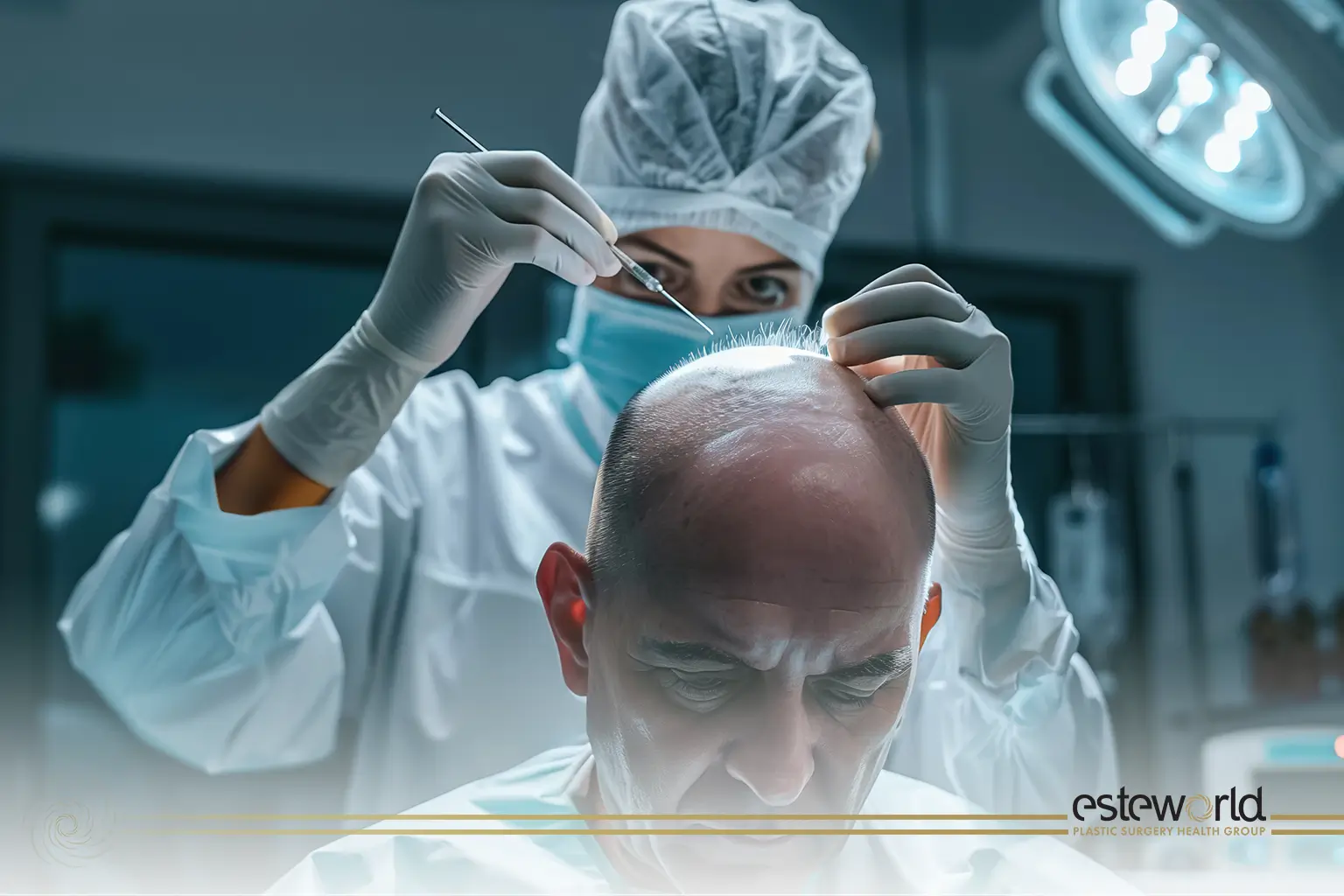
Dietary habits are not only effective in combating hair loss but are also important in hair transplant surgery. It is necessary to pay attention to nutrition before and after hair transplantation in order to avoid problems during the surgery, the healing process and the growth process of the transplanted hair.

How Should We Eat Before Hair Transplantation?

Although the hair transplant procedure is often emphasized for its aesthetic results rather than its surgical aspect, it is important to remember that it is actually a surgery. Like any surgery, hair transplantation requires a carefully planned preparation process. From the beginning of your surgery until the end of the healing process, you should eat according to your doctor’s recommendations and avoid habits that should be avoided. Here are some precautions that may be requested by your doctor before undergoing surgery:

Follow a Balanced Nutrition Program

A healthy diet before surgery is critical to promote healing and minimize the risk of complications. It is important to adopt a nutrient-dense diet that includes fruits, vegetables, protein and grains.

Maintain Body Fluid Balance

Water intake is important for overall body health. Drinking enough water before surgery is important to get through the surgical process comfortably and to speed up the healing process.

Avoid Alcohol Consumption

It is important not to drink alcohol for at least 24 hours before surgery. Alcohol can affect anesthesia and increase the risk of bleeding.

Avoid Blood Thinning Foods and Supplements

Certain foods and supplements can increase the risk of bleeding. It is important to be careful not to consume those with blood-thinning properties such as garlic, ginger, fish oil, vitamin E for at least 2 weeks before surgery.

Limit Caffeine Use

Heavy caffeine consumption can disrupt sleep patterns and trigger anxiety. It may be helpful to limit caffeine intake 24 hours before surgery.

How Should We Eat After Hair Transplantation?

After hair transplant surgery, a correct and balanced diet should be followed for a fast recovery process and healthy hair growth. Here are the nutrition rules that should be applied after surgery:

  • Give Importance to Adequate Protein Intake:

Keratin, the main building block of hair, is a protein composed of amino acids. Therefore, care should be taken to consume enough protein before and after hair transplantation.

  • Increase Fluid Consumption:

Adequate fluid intake is important to maintain the body’s moisture balance before surgery and during the healing process. Water should be the main source of fluid.

  • Focus on Healthy Foods:

Create a balanced diet of fruits, vegetables, grains, meats and healthy fats to provide the necessary nutrients for the healing process.

  • Limit Salt and Spices:

Salty and spicy foods can increase possible side effects of surgery, such as edema and inflammation. It is therefore important to limit excessively salty and spicy foods.

  • Consider Vitamin Supplementation:

It may be necessary to take vitamin supplements after surgery to support hair growth. If your doctor recommends appropriate vitamin supplements, you should take them regularly.

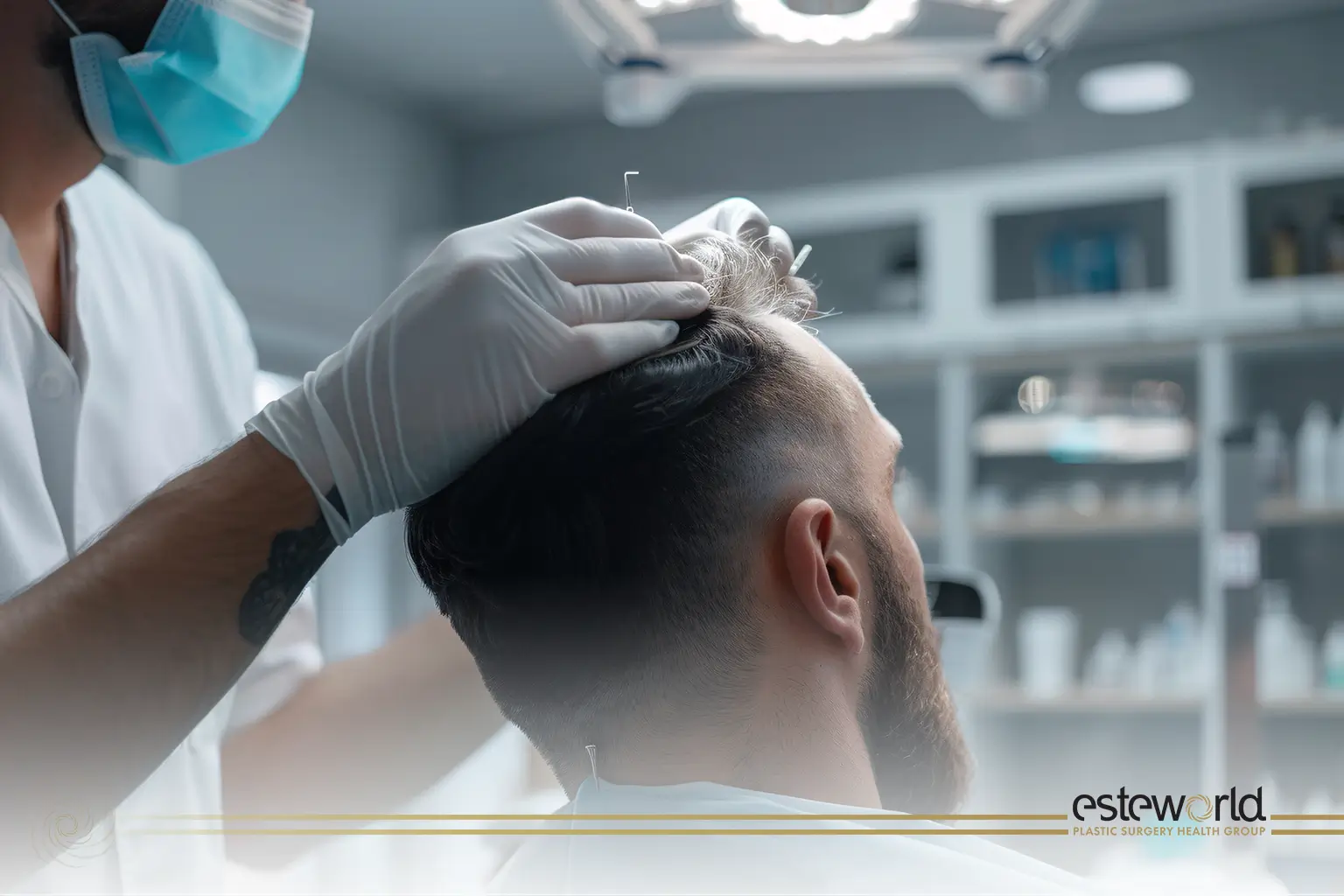
For detailed information about nutrition after hair transplantation, you can read our related blog post. At Esteworld, hair transplantation is performed by expert plastic surgeons. Our specialist doctors closely follow the developments in hair transplantation. They plan the hair transplantation process individually. Provides maintenance and follow-up care until permanent and natural results are achieved. You can contact us for detailed information about hair transplantation and the process.
Get Expert Advice Today
Have Questions in Mind? Contact Us!

Frequently Asked Questions About the Role of Nutrition in Pre and Post Hair Transplant Care

Proper nutrition before a hair transplant supports overall health, immune function, and tissue readiness, which can positively influence the surgical and healing process.
Yes, adequate intake of protein, vitamins, and minerals supports wound healing and helps the body recover more efficiently after the procedure.
Protein, iron, zinc, biotin, and vitamins such as A, C, and D are commonly associated with hair structure, scalp condition, and cellular repair.
Poor nutrition may slow healing, weaken hair quality, and affect overall recovery, making balanced dietary habits important during the post-transplant period.
No, any dietary changes or supplements should be discussed with a healthcare professional to ensure safety and suitability for the individual.
ESTEWORLD
WE ARE IN 35 COUNTRIES IN THE WORLD

As Esteworld Health Group, Turkey’s leading provider of plastic and aesthetic surgery services, we have been offering aesthetic services at the highest medical standards since 1994 under the slogan “Healthy beauty!”

Hair Transplant Operations
0 +
Plastic Surgery Operations
0 +
Dental Treatments
0 +
Achievements and Certificates
THE HOSPITAL THAT MAKES YOU SMILE
We provide services with high medical standards; we offer solutions in hair transplantation, plastic surgery, longevity, dental and medical aesthetics with our expert staff.
ESTEWORLD
ESTEWORLD
Welcome to Esteworld. How can we help you?

Anfahrt zur Atasehir-Klinik mit öffentlichen Verkehrsmitteln:

Mit dem Metrobus:

Sie können an der Haltestelle Uzunçayır aus dem Metrobus aussteigen und dann mit Minibussen und Bussen zum Einkaufszentrum Metropol fahren.

Busverkehr:

Sie können die Buslinien 8K-10-10A-10EK-13-13ŞB-13AB-14ŞB-16M-19EK-19M-KM46-256 nehmen und an der Haltestelle Ataşehir Plazalar aussteigen.

Transport mit dem Minibus:

Sie können die Minibusse Üsküdar-Ferhat Paşa, Üsküdar-Ataşehir, Ümraniye-Ataşehir nehmen und
an der Haltestelle Ataşehir Plazalar aussteigen.

Mit der U-Bahn

Sie können die U-Bahn-Linie M4 Kadıköy-Sabiha Gökçen nehmen und an den Haltestellen Yenisahra oder Kozyatağı aussteigen und dann mit Bussen und Minibussen zum Metropol AVM fahren.

Transport vom Flughafen Sabiha Gökçen:

Sie können die U-Bahn-Linie M4 Kadıköy-Sabiha Gökçen nehmen, an der Haltestelle Kozyatağı aussteigen und dann mit Minibussen und Bussen zum Ataşehir Metropol AVM fahren.

Dojazd do kliniki Atasehir środkami transportu publicznego:

Metrobusem:

Można wysiąść z metrobusu na przystanku Uzunçayır, a następnie dojechać minibusami i autobusami do centrum handlowego Metropol.

Transport autobusowy:

Można skorzystać z linii autobusowych 8K-10-10A-10EK-13-13ŞB-13AB-14ŞB-16M-19EK-19M-KM46-256 i wysiąść na przystanku Ataşehir Plazalar.

Transport minibusem:

Można skorzystać z minibusów Üsküdar-Ferhat Paşa, Üsküdar-Ataşehir, Ümraniye-Ataşehir i
wysiąść na przystanku Ataşehir Plazalar.

Metrem

Można skorzystać z linii metra M4 Kadıköy-Sabiha Gökçen i wysiąść na przystanku Yenisahra lub Kozyatağı, a następnie dojechać autobusami i minibusami do Metropol AVM.

Transport z lotniska Sabiha Gökçen:

Można skorzystać z linii metra M4 Kadıköy-Sabiha Gökçen, wysiąść na przystanku Kozyatağı, a następnie minibusem lub autobusem dojechać do Ataşehir Metropol AVM.