
After a hair transplant, a balanced diet with enough protein, fluids, vitamins and minerals can support normal tissue repair and recovery. No single food can guarantee graft survival or faster hair growth, but avoiding nutritional deficiencies and maintaining a varied diet can help create the conditions the body needs while the donor and recipient areas heal.
Your surgeon’s post-operative instructions should always take priority, especially if you have a medical condition, take medication or have been advised to follow specific dietary restrictions.
Why Does Nutrition Matter After a Hair Transplant?
Nutrition after a hair transplant mainly supports the body’s healing process rather than determining whether individual grafts survive. Adequate calories, protein, fluids and micronutrients help support tissue repair, immune function and normal wound healing during recovery.
A hair transplant creates many small wounds in the donor and recipient areas. Like other healing tissues, these areas require energy and nutrients while the skin repairs itself.
Protein is particularly important because the body uses amino acids for tissue repair and maintenance. Vitamin C contributes to normal collagen formation and also improves the absorption of non-haem iron. Zinc is involved in cell division, protein synthesis and wound healing, while iron supports haemoglobin and normal oxygen transport.
This does not mean that taking large amounts of vitamins will make transplanted hair grow faster. In people who already receive enough nutrients, taking additional supplements without a diagnosed deficiency may provide no additional benefit and can sometimes be harmful.
A practical post-transplant nutrition plan should therefore focus on:
- Eating enough rather than following a restrictive weight-loss diet
- Including a source of protein in regular meals
- Eating a varied selection of vegetables and fruits
- Including whole grains, legumes, nuts and seeds where appropriate
- Drinking enough fluids
- Following your clinic’s instructions regarding alcohol, caffeine and supplements
What Should You Eat After a Hair Transplant?
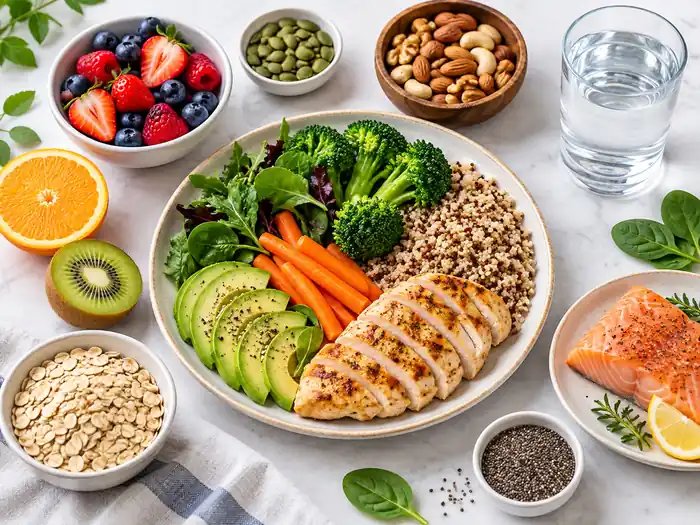
The best diet after a hair transplant is generally a varied, balanced diet rather than a special “hair transplant diet.” Meals can combine protein, vegetables or fruit, complex carbohydrates and healthy fats to provide the nutrients required for normal recovery.
The following table summarises useful nutrients and food sources.
| Nutrient | Why It Matters During Recovery | Food Sources |
|---|---|---|
| Protein | Provides amino acids used in tissue repair and normal hair structure | Fish, chicken, eggs, yoghurt, milk, lean meat, beans, lentils |
| Vitamin C | Supports collagen formation and helps the body absorb iron from plant foods | Citrus fruits, strawberries, kiwi, peppers, broccoli |
| Iron | Supports haemoglobin and normal oxygen transport | Lean red meat, eggs, legumes, leafy green vegetables, fortified cereals |
| Zinc | Contributes to cell division, protein synthesis and normal wound healing | Meat, shellfish, dairy products, beans, nuts, seeds |
| Healthy fats | Form part of a balanced diet and provide essential fatty acids | Oily fish, walnuts, seeds, avocado, olive oil |
| B vitamins | Support normal energy metabolism and other cellular functions | Whole grains, meat, dairy foods, legumes, eggs |
| Fluids | Help maintain normal hydration during recovery | Water, milk and other suitable non-alcoholic fluids |
Prioritise Protein at Meals
Protein is one of the most useful nutritional priorities during recovery. Hair is largely composed of keratin, a structural protein, while protein is also required throughout the body for tissue repair.
Useful options include:
- Eggs
- Fish
- Chicken or turkey
- Lean meat
- Yoghurt and other dairy products
- Beans
- Lentils
- Chickpeas
- Tofu and other suitable plant-based proteins
You do not need an unusually high-protein diet unless your doctor or dietitian specifically recommends one. The goal is to avoid inadequate protein intake and include a suitable protein source throughout the day.
Eat a Variety of Fruits and Vegetables
Fruits and vegetables provide vitamin C, carotenoids and many other micronutrients.
Examples include:
- Oranges and other citrus fruits
- Strawberries and berries
- Kiwi
- Peppers
- Broccoli
- Spinach and other leafy greens
- Carrots
- Tomatoes
Variety matters more than relying on a single supposed “superfood.”
Include Iron- and Zinc-Rich Foods
Iron and zinc are both relevant to normal tissue repair and general hair health.
Sources of iron include lean red meat, legumes, eggs, fortified cereals and leafy green vegetables. Pairing plant sources of iron with vitamin C-rich foods can improve non-haem iron absorption.
Sources of zinc include meat, shellfish, dairy products, beans, lentils, whole grains, nuts and seeds.
Iron or zinc supplements should not automatically be taken after transplantation. Excessive supplementation can cause side effects, and supplementation is more appropriate when a deficiency or increased requirement has been identified.
Keep Hydrated
Adequate fluid intake helps maintain normal hydration while your body is recovering. Water can be your main fluid source.
There is no universal requirement to drink an arbitrary number of glasses specifically because you have had a hair transplant. Fluid needs differ according to body size, activity, climate, diet and medical conditions.
Use your clinic’s instructions if you have been given a specific fluid recommendation.
What Foods and Drinks Should You Limit After a Hair Transplant?
There is no scientifically established list of foods that automatically causes hair transplant grafts to fail. The more useful approach is to avoid behaviours that interfere with normal recovery and follow any restrictions given by your surgical team.
Alcohol
Alcohol is commonly restricted around surgical procedures because it may interact with medication, contribute to dehydration and interfere with recovery.
The exact period for avoiding alcohol can vary according to the procedure and medications prescribed. Follow the timeframe provided by your hair transplant team rather than using a generic rule.
Very Heavy, Fried or Highly Processed Meals
Heavy meals may be uncomfortable immediately after a long procedure, particularly if you experience nausea or reduced appetite.
During early recovery, simpler balanced meals may be easier to tolerate. You do not need to permanently eliminate all fats or carbohydrates.
Foods High in Added Sugar and Salt
Foods high in added sugar, salt and highly processed ingredients should not replace nutrient-dense meals during recovery.
Rather than creating a strict prohibited-food list, prioritise:
- Fresh or minimally processed foods
- Adequate protein
- Fruits and vegetables
- Whole grains
- Healthy fats
- Suitable fluids
Caffeine
Caffeine does not need to be universally banned after every hair transplant. Different clinics may provide different instructions, particularly immediately before and after the procedure.
If your surgical team asks you to temporarily limit coffee, tea or energy drinks, follow their recommendation.
Spicy Foods
There is limited evidence that ordinary spicy foods directly harm transplanted follicles. However, some patients may prefer to avoid very spicy meals during the first days if they trigger sweating, reflux or digestive discomfort.
This is different from claiming that spices themselves damage grafts.
What About Garlic, Ginger and Turmeric?
Patients sometimes encounter online advice telling them to completely avoid garlic, ginger or turmeric because of possible effects on bleeding.
Normal amounts used in food should not automatically be treated like medicinal-dose supplements. Concentrated supplements can have different effects from normal dietary amounts.
If you use herbal products or high-dose supplements, tell your doctor before and after the procedure and follow the clinic’s medication and supplement instructions.
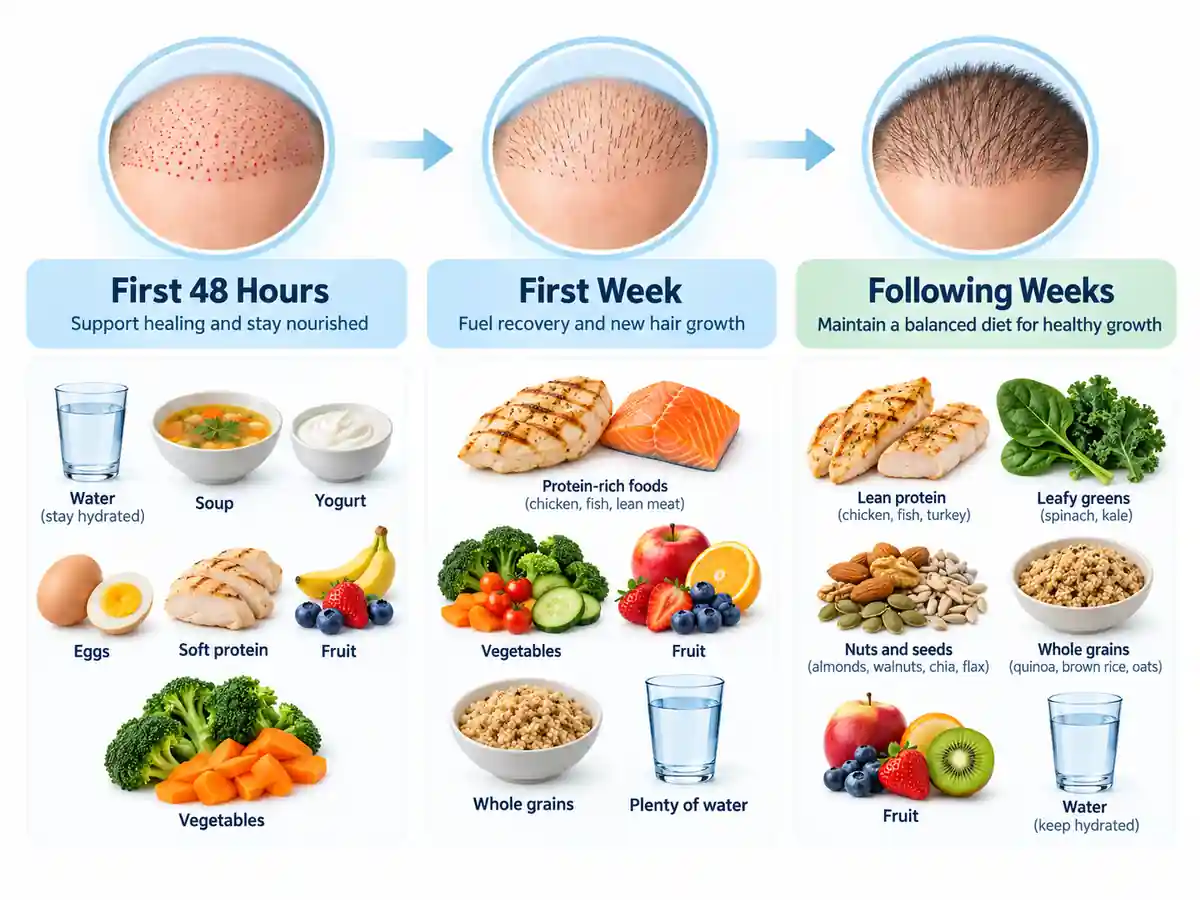
How Should You Eat During the First Days and Weeks After a Hair Transplant?
During the first few days, the priority is to eat normally enough to support recovery, maintain hydration and follow your prescribed post-operative instructions. There is usually no need for an extreme or highly restrictive diet.
First 24–48 Hours
After the procedure, choose meals that you normally tolerate well.
A simple meal might include:
- Grilled chicken, fish or another protein source
- Rice, potatoes or whole grains
- Cooked vegetables
- Yoghurt
- Fruit
- Water
If you experience nausea or reduced appetite, smaller meals may be easier to manage.
Avoid fasting or starting an aggressive calorie-restriction programme immediately after surgery.
For other early recovery instructions, patients can also review the Esteworld guide on Day 2 after a hair transplant.
During the First Week
Continue eating regular balanced meals.
Try to include:
- Protein at each main meal
- Several types of fruit and vegetables
- Iron- and zinc-containing foods
- Complex carbohydrates
- Healthy fats
- Adequate fluids
This is also a useful period to avoid experimenting with unnecessary supplements or highly restrictive diets.
During the Following Weeks
Once the immediate recovery period has passed, there is generally no special “hair transplant menu” that needs to be followed indefinitely.
A balanced eating pattern remains useful for overall health and normal hair biology, but nutrition should be viewed as supportive care rather than a treatment that controls the transplanted follicles.
Patients with known nutritional deficiencies, restrictive diets or symptoms suggesting deficiencies may require individual evaluation.
Do You Need Vitamins or Supplements After a Hair Transplant?
Supplements are not automatically necessary after a hair transplant. A food-first approach is appropriate for many patients, while supplements may be considered when a nutritional deficiency, restricted diet or specific clinical need has been identified.
Commonly discussed nutrients include iron, zinc, vitamin D, vitamin B12 and biotin. However, taking more of these nutrients does not necessarily produce better hair transplant results.
High-dose supplementation can also create problems. For example, excessive zinc intake may interfere with copper absorption.
If nutritional deficiency is suspected, laboratory testing and medical assessment can help determine whether supplementation is appropriate.
Esteworld patients looking for more information can read:
Patients should tell their medical team about all vitamins, minerals, herbal products and other supplements they take, particularly around the time of surgery.