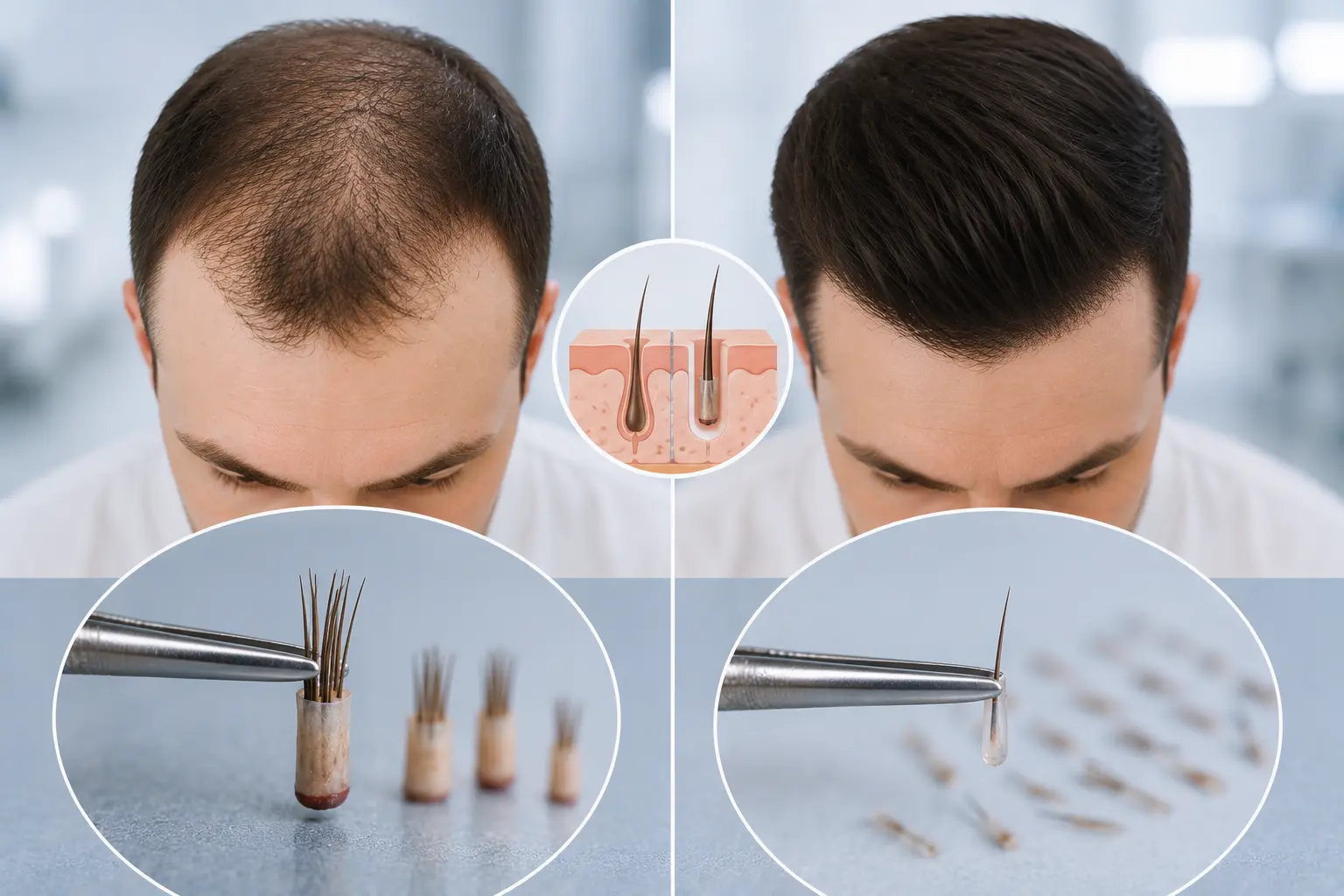
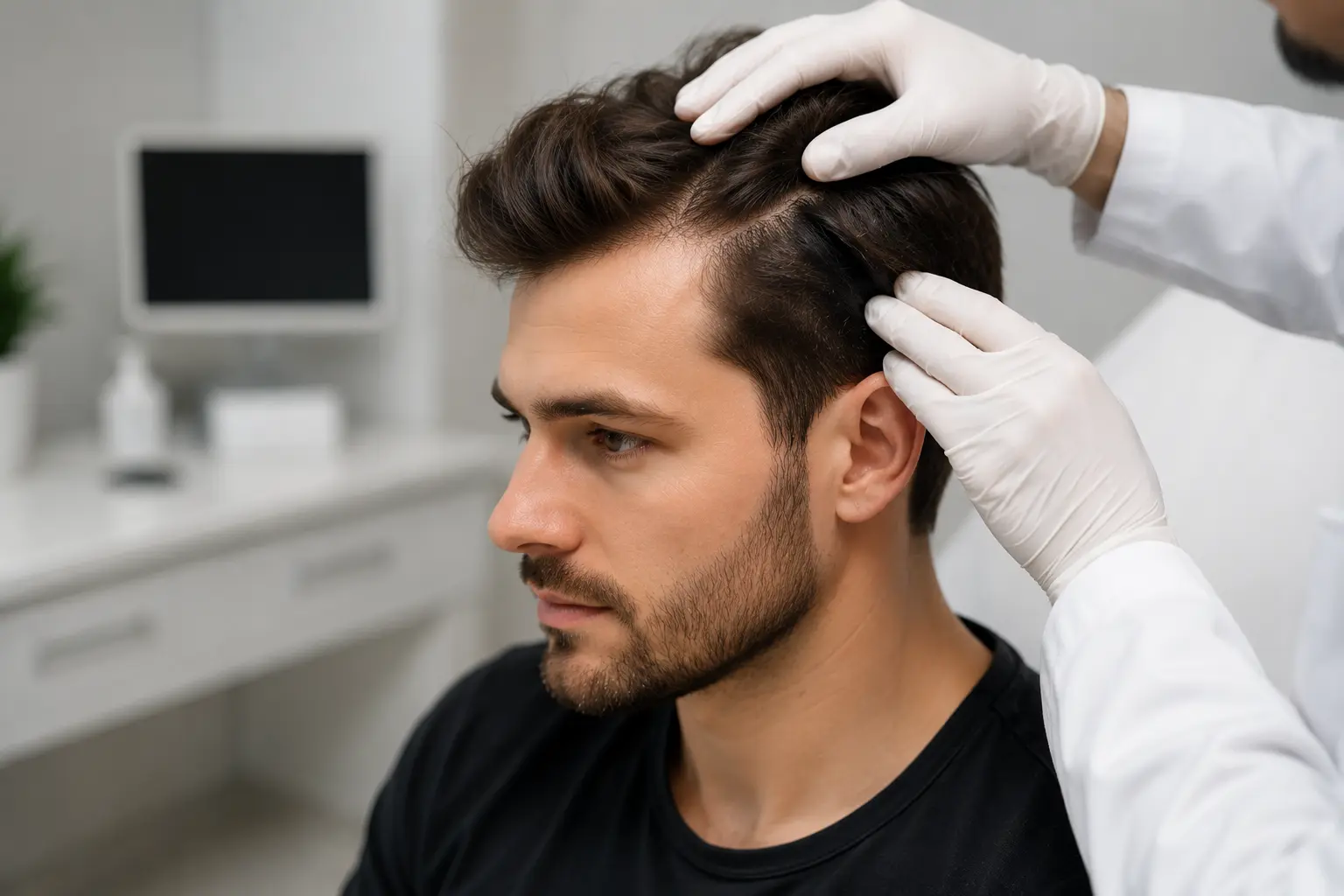
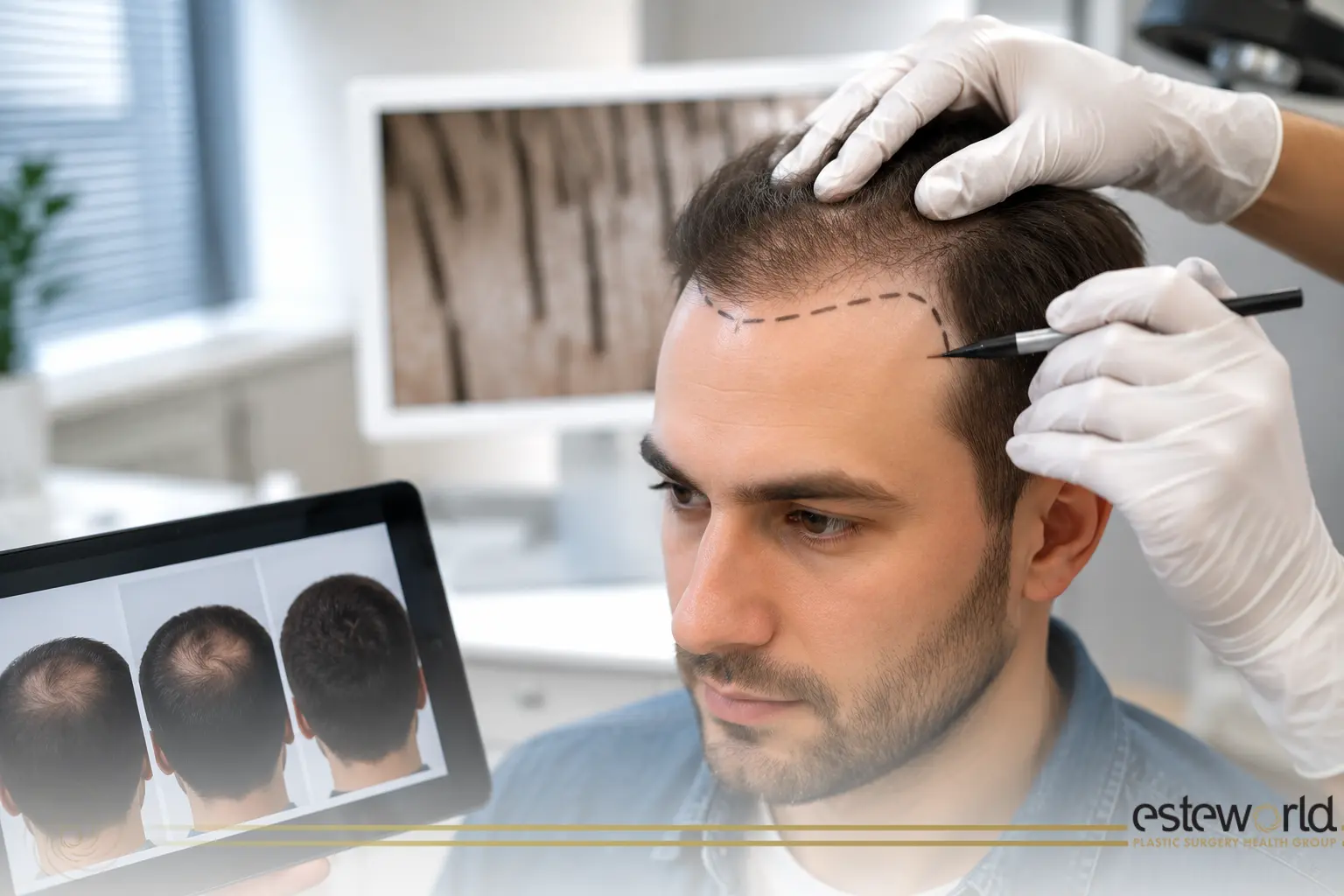
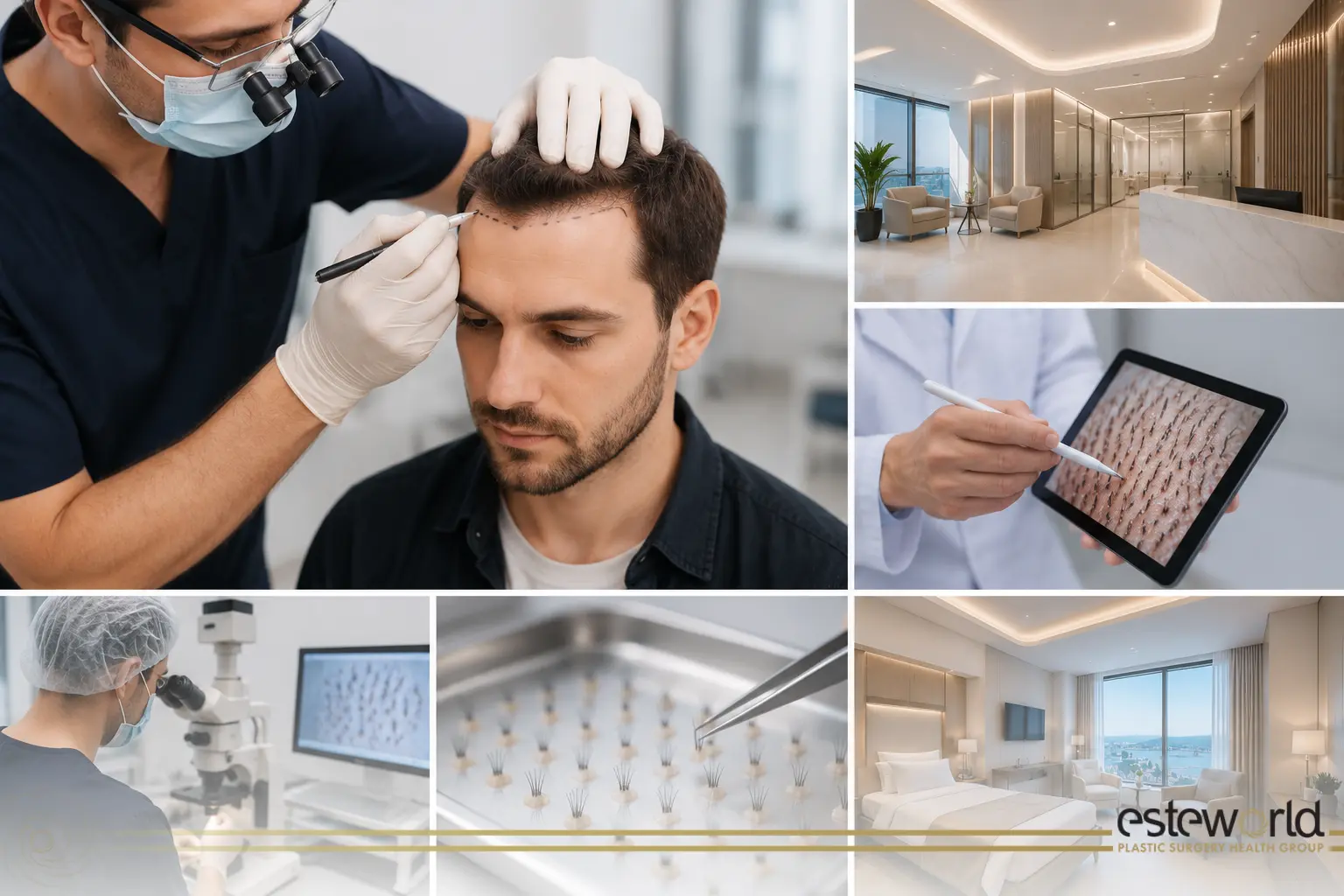
A “stem cell hair transplant” usually means injecting cells or cell-derived material, often taken from your own scalp or fat tissue, into thinning areas. Despite the name, it does not move hair follicles the way FUE or FUT does. A few small studies have also tried cell treatments alongside a conventional transplant. The studies so far are few, small and use different methods. These treatments are therefore still experimental: nobody can yet say how well, or for how long, they work.
This article is for general information only. It does not replace a consultation, diagnosis or treatment by a doctor.
What Does “Stem Cell Hair Transplant” Mean?
Hair follicles contain their own stem cells, which makes them a possible target for future treatments.
The idea behind stem cell hair treatments is to use cells, or the substances they release, to support weakened follicles. The word “transplant” can be confusing here: most of these treatments are injections, not the surgical moving of follicles from one area to another.
The main approaches
Clinics use the same name for very different methods:
- Autologous micrografts: small samples of your own scalp are taken with a fine punch, broken down mechanically into a suspension and injected into thinning areas.
- Fat-derived cells (stromal vascular fraction, SVF): cells are separated from a small sample of your own fat tissue and injected into the scalp.
- Conditioned media or secretome: the fluid that cells release when grown in a laboratory, rather than the cells themselves.
- Extracellular vesicles (often called exosomes): tiny particles released by cells.
These methods are not interchangeable, and the evidence for each is different. If you are offered a “stem cell” treatment, ask exactly which method is used.
How it differs from FUE and FUT
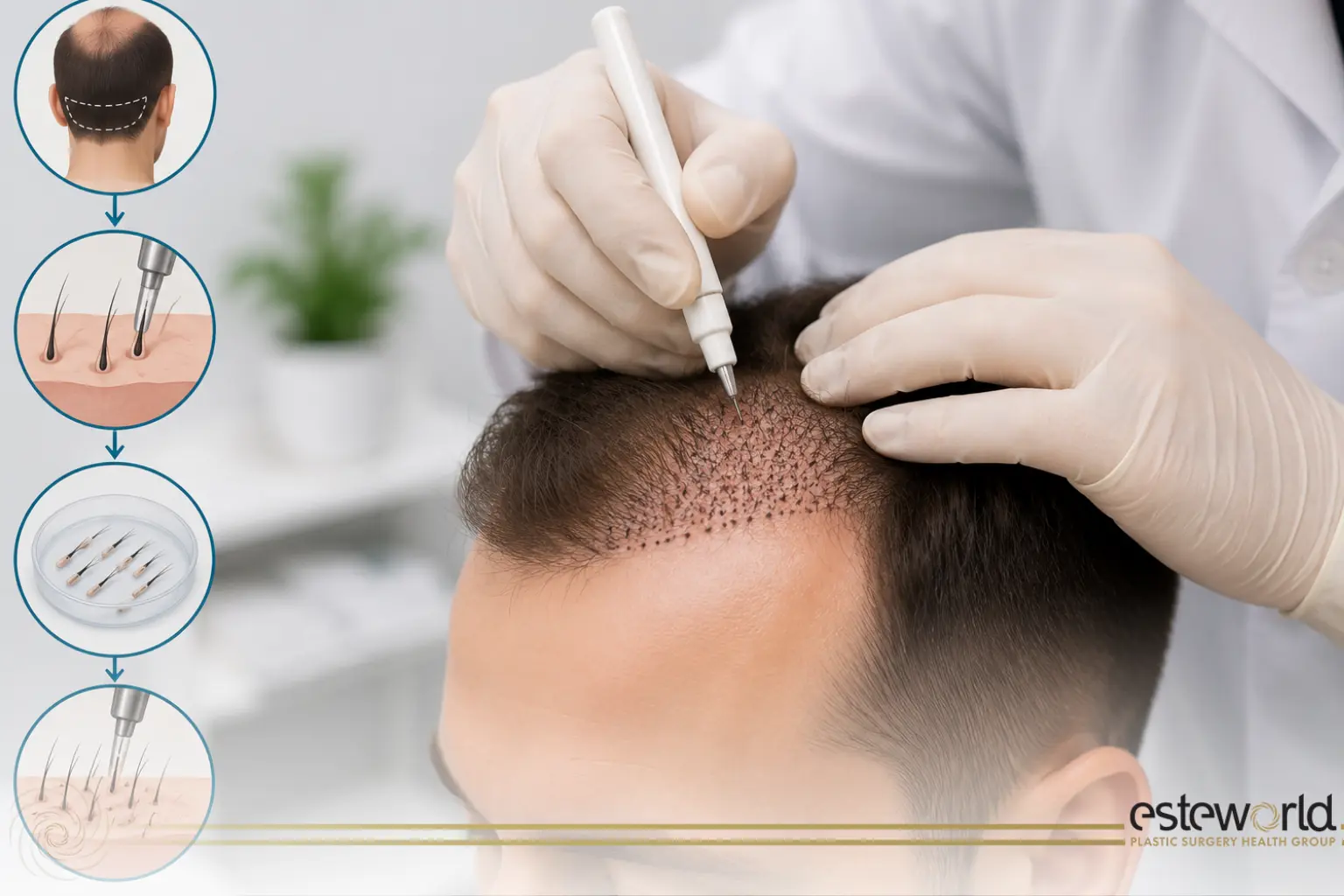
In FUE and FUT, hair follicles are removed from the back or sides of the head and placed in thinning areas, where they keep growing. With these conventional transplants, most people see results at 6 to 9 months, and medicine can slow further hair loss. Used on their own, stem cell treatments do not add follicles; at most, they aim to improve the hair that is already there.
Are Stem Cells Used Alongside a Hair Transplant?
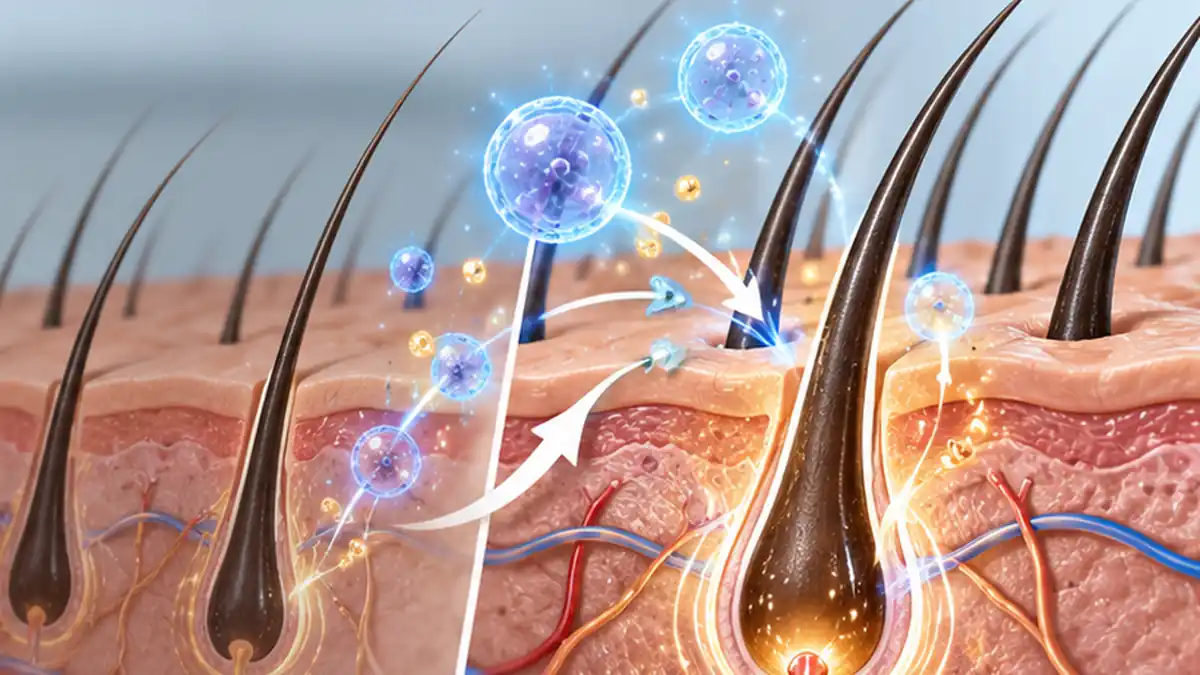
Some researchers have tried cell treatments as a step before a conventional transplant, mainly to prepare a difficult scalp for the grafts. The evidence is still very thin:
- Scarred scalp: a 2024 study included 60 patients with scalp scars from injury or earlier surgery. Half had an injection of cells from their own fat tissue four weeks before FUE. Over 12 months, that group had higher hair density and graft survival than the group who had FUE alone. It was a single study, and the authors recommend further research.
- Inflammatory scalp disease: a 2026 case report describes one woman with lichen planus of the scalp. She had fat-derived cells (SVF) and platelet-rich fibrin before her transplant, and graft survival was good after a year.
- Blood-derived products: platelet-rich fibrin is made from blood, not stem cells. A 2026 systematic review reported additional benefits when it was used with hair transplantation.
One study and one case report are not enough to make cell treatment a routine part of a transplant. If it is suggested for your surgery, ask what evidence supports it in your situation.
What Does the Research Show So Far?
| Approach | What it involves | Amount of evidence | Main limitations |
|---|---|---|---|
| Autologous micrografts | Injection of a suspension made from your own scalp tissue | Small: a 27-patient, placebo-controlled half-head study found more hairs and higher density in treated areas | Small numbers; authors call for larger controlled studies |
| Stem cells and micrografts overall | Various cell-based injections | Few: 3 studies with 146 patients in a 2026 systematic review, with encouraging early results | Different protocols, little long-term data; larger randomised trials needed |
| Fat-derived cells and secretome | Cells or their products from fat tissue | Low: only 1 of 11 publications was a randomised controlled trial; the review graded the recommendation as level D | Mostly small studies without a control group |
| Cell treatment before a transplant | Fat-derived cells injected weeks before FUE | Very little: one 60-patient study and one case report | Small numbers; the study authors recommend further research |
| Conventional FUE or FUT | Surgical moving of follicles | Established surgical treatment | Limited by donor hair; does not stop ongoing loss |
What the 2011 Pennsylvania study actually found
You may read that researchers at the University of Pennsylvania showed stem cells can “reverse” hair loss. That study found that bald scalp in men with pattern hair loss still contains hair follicle stem cells. What it lacks are certain cells that develop from them. It was a laboratory study. It pointed to a possible target for future treatments, but it did not test any treatment in patients.
What about hair cloning?
“Hair cloning” usually refers to growing new hair follicles from a person’s own cells in a laboratory. A 2024 review reports that most such experiments have been done in animals, and that applying them to humans has met various limitations. Forming thick hair follicles that grow and cycle normally from human cells is still a challenge, so this is not an available treatment.
What Happens During Treatment?
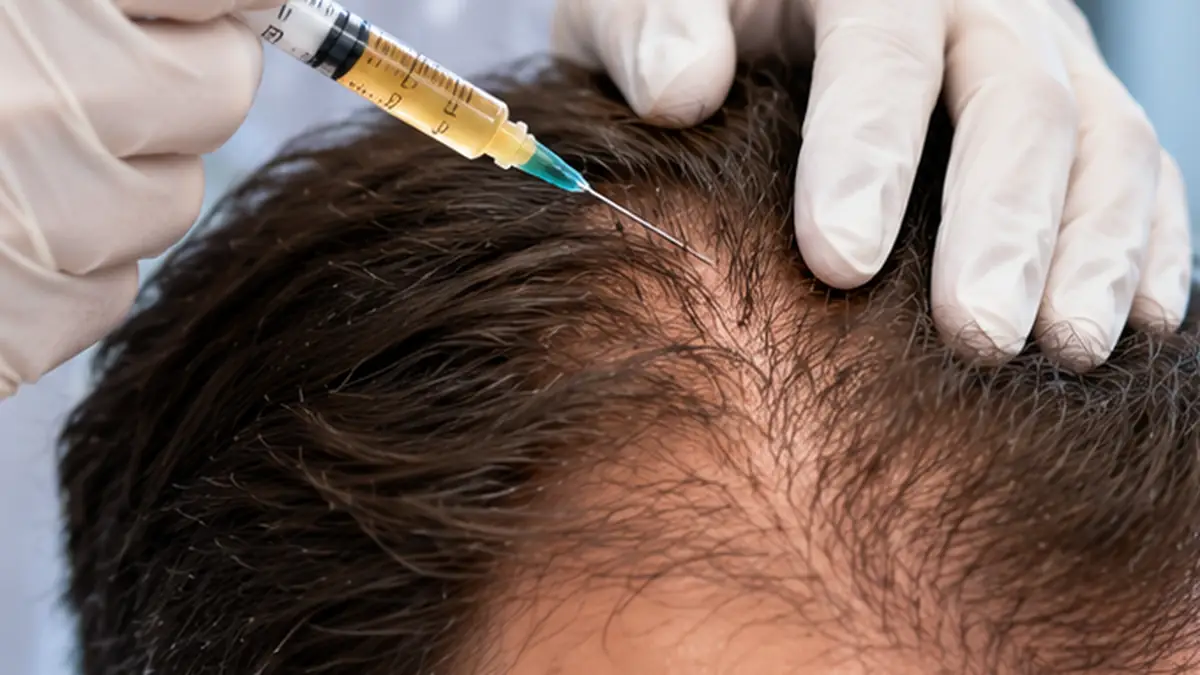
Methods differ, but most follow three steps:
- Taking a sample: small punch samples of scalp skin for micrografts, or fat tissue removed by liposuction for fat-derived cells.
- Processing: the tissue is broken down mechanically or with enzymes to obtain a suspension of cells or cell products.
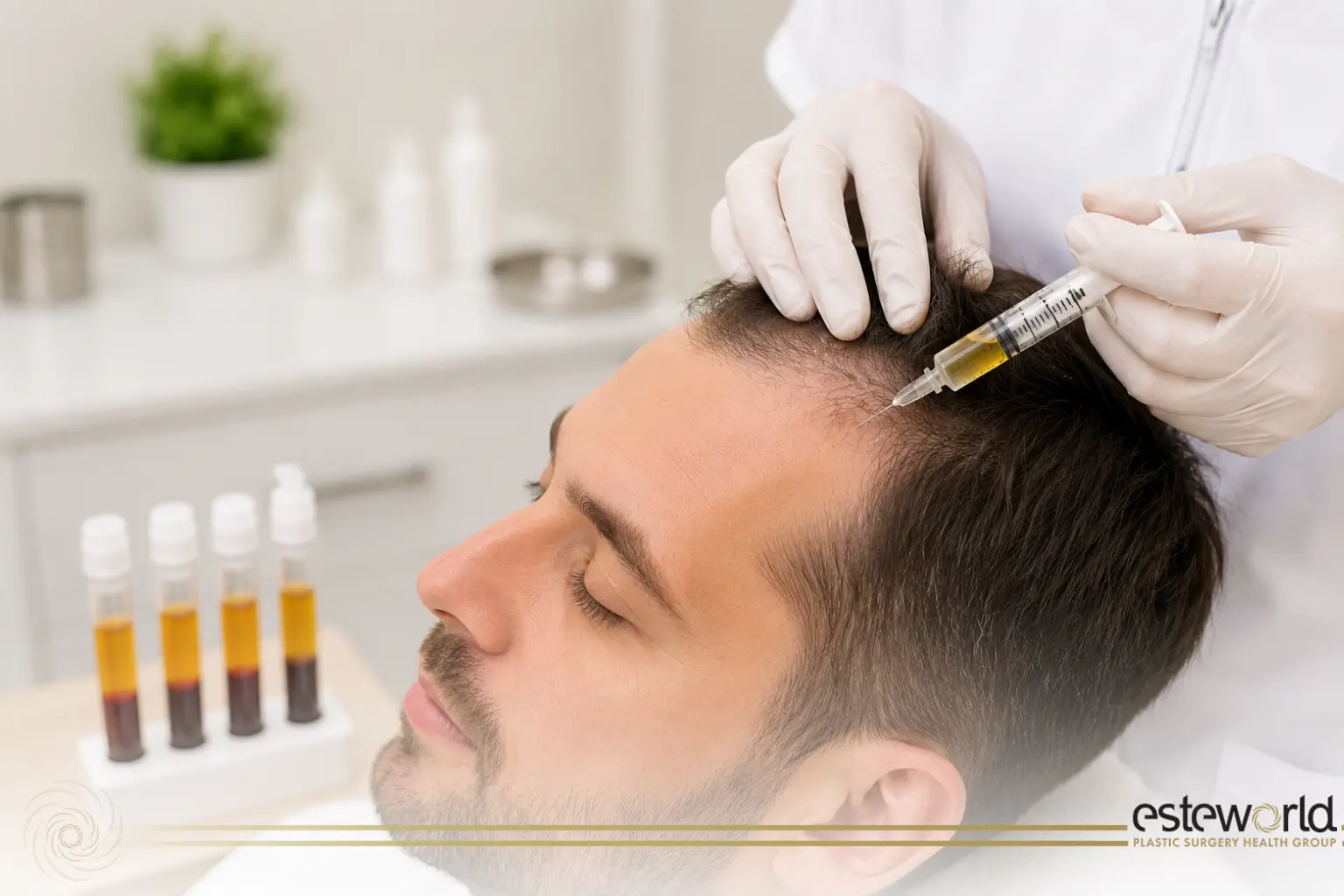
- Injecting: the material is injected into thinning areas of the scalp.
The number of sessions and the follow-up schedule vary between studies. Ask the provider in advance how the sample will be taken, how many sessions are planned and what recovery to expect at the sampling site.
Is Stem Cell Hair Treatment Approved?
In the United States, the only stem cell products the FDA has approved are blood-forming stem cells from umbilical cord blood. They are approved for certain disorders of blood production. Other products, including stem cells, fat-derived stromal vascular fraction and exosomes, need FDA approval before they can be marketed there. Before approval, the FDA requires them to be used only in a clinical trial under its oversight.
Rules differ from country to country. Ask your doctor about the regulatory status of any treatment you are offered, both where you live and where it would be performed.
Possible Risks and Unknowns
The small hair studies reviewed so far mostly reported mild, temporary side effects. Because few patients have been studied, less common problems may not have been seen yet.
The FDA has received reports of serious adverse events, including infections, linked to unapproved regenerative medicine products used for a range of conditions. These reports do not concern hair treatments specifically, but they show why the source, preparation and handling of any cell product matter.
Other open questions include:
- How long any improvement lasts
- Which method, dose and number of sessions work most effectively
- Who is most likely to respond
Who Might Consider It
Because these treatments are experimental, start with a diagnosis, not the treatment. The NHS recommends seeing a GP to understand the cause of hair loss before going to a commercial hair clinic. Most published studies are in pattern hair loss; one review also included alopecia areata. They are not a substitute for diagnosing other causes, such as scarring forms of hair loss.
Discuss established options first, such as minoxidil or finasteride, or a conventional transplant if you are a suitable candidate. Some people may also be able to join a registered clinical trial. See who may not be suitable for a transplant.
Questions to Ask Before Trying an Experimental Treatment
The International Society for Stem Cell Research (ISSCR) publishes a guide to help patients make informed decisions about stem cell treatments. Based on the evidence above, useful questions include:
- Exactly which method is being used: micrografts, fat-derived cells, secretome or something else?
- What published evidence supports it for my type of hair loss?
- Is it offered as part of a registered clinical trial?
- What is the regulatory status of this treatment here?
- What are the known risks, and who looks after me if something goes wrong?
- How will results be measured, and over what period?
Be cautious if a provider promises permanent results, cannot name the published studies or gives no written information about risks.
How It Compares With PRP and Exosomes
Platelet-rich plasma (PRP) is made from your own blood rather than from stem cells. It has its own body of evidence; see our guide to PRP hair treatment. The 2026 review reported that fat-derived cells (SVF) gave comparable or better results than PRP in the studies it included. Those studies were small and varied, so they do not settle which treatment is better. Exosome products are also under study for hair loss; for their use in skin, see what exosome therapy is.
When to See a Doctor
See a doctor:
- Before any stem cell or “regenerative” hair treatment, to confirm the cause of your hair loss
- If your hair loss is sudden, patchy or getting worse quickly
- If redness, swelling, pain or discharge at an injection or tissue-sampling site does not settle
- If you have a high temperature or feel unwell after a procedure
Stem cell hair treatments are an active area of research, but they remain experimental, whether used on their own or alongside a transplant. They are not a proven alternative to established treatments. At Esteworld, stem cell and exosome treatments are available; your doctor can explain the current evidence and whether they suit you. The sensible first step is a diagnosis and an honest look at the evidence for your type of hair loss. Our team can assess your hair loss and explain the established options open to you: request an assessment.