Travelling abroad for a hair transplant is common, but standards, qualifications and patient protections differ between countries. Before you book, check that the facility is authorised and who will perform each step. Make sure you understand what you are consenting to and how aftercare will work at home.
This article is general information for patients. It is not legal or medical advice and does not replace a consultation with a doctor or a qualified legal adviser.
This page is a practical checklist. For the legal frameworks themselves, such as liability and advertising rules, read our article on the legal aspects of international hair transplant procedures.
What Is Hair Transplant Tourism?
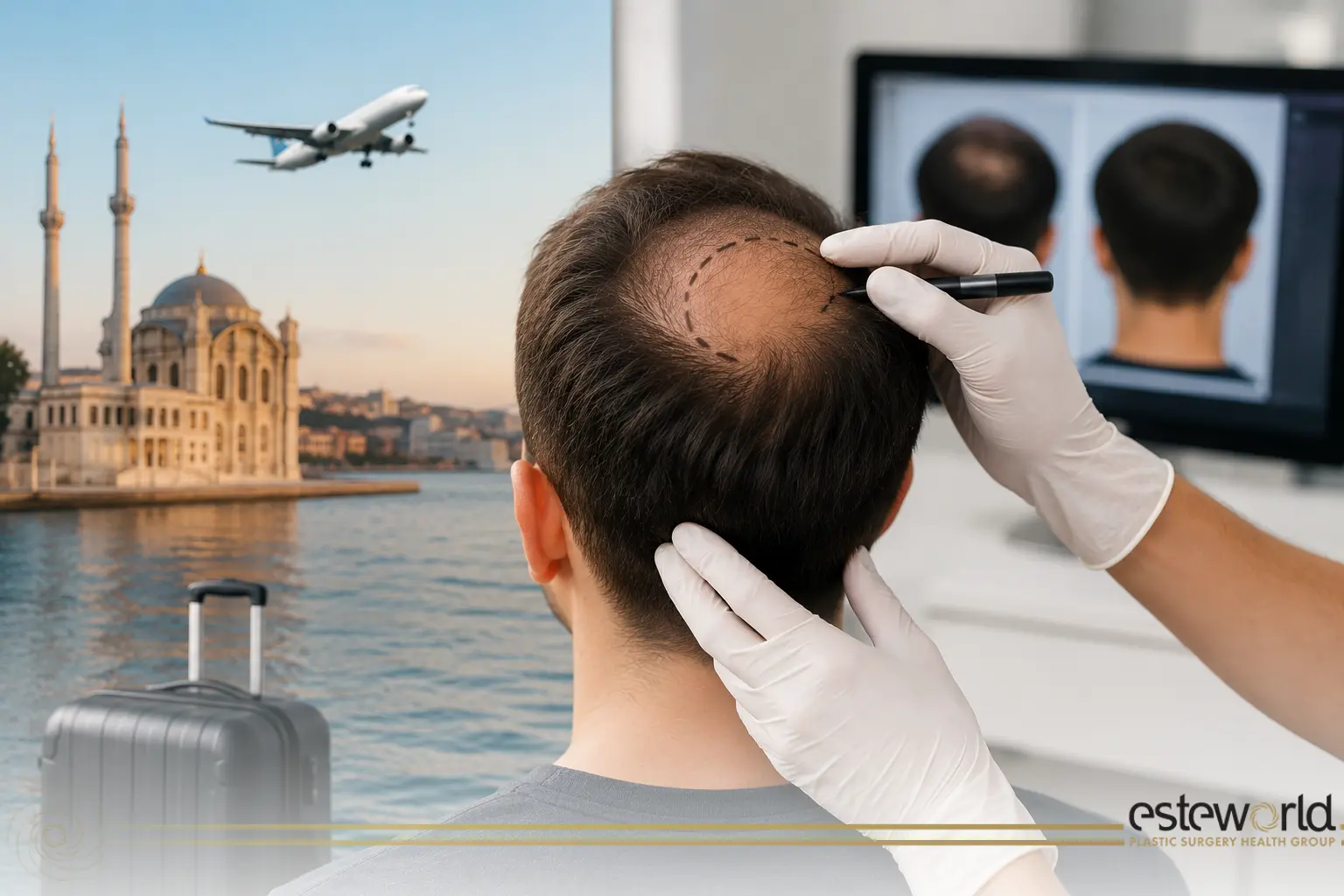
Hair transplant tourism means travelling abroad for hair restoration surgery. The operation is the same; the setting is not. You meet a different health system, different rules, often a different language, and usually a short stay before you fly home.
The CDC notes that even accreditation does not guarantee a good outcome.
Before You Book: Five Things to Check

1. Is the Facility Authorised?
In Türkiye, hair transplant units are covered by a dedicated Ministry of Health regulation, the Regulation on Hair Transplant Units. It was published in the Official Gazette on 6 May 2023 and last amended in September 2025. Under it, health facilities with a hair transplant unit are registered on a Ministry of Health portal, and the registration is published online. The UK government’s travel advice adds that the Ministry of Health lists its approved medical providers on the HealthTürkiye website.
You can:
- Ask the clinic which authorisation it holds, and from which authority.
- Look the facility up on the HealthTürkiye website yourself, rather than relying on a logo.
- Check that the name on the authorisation matches the place where your surgery will happen.
2. Who Will Perform Each Step?
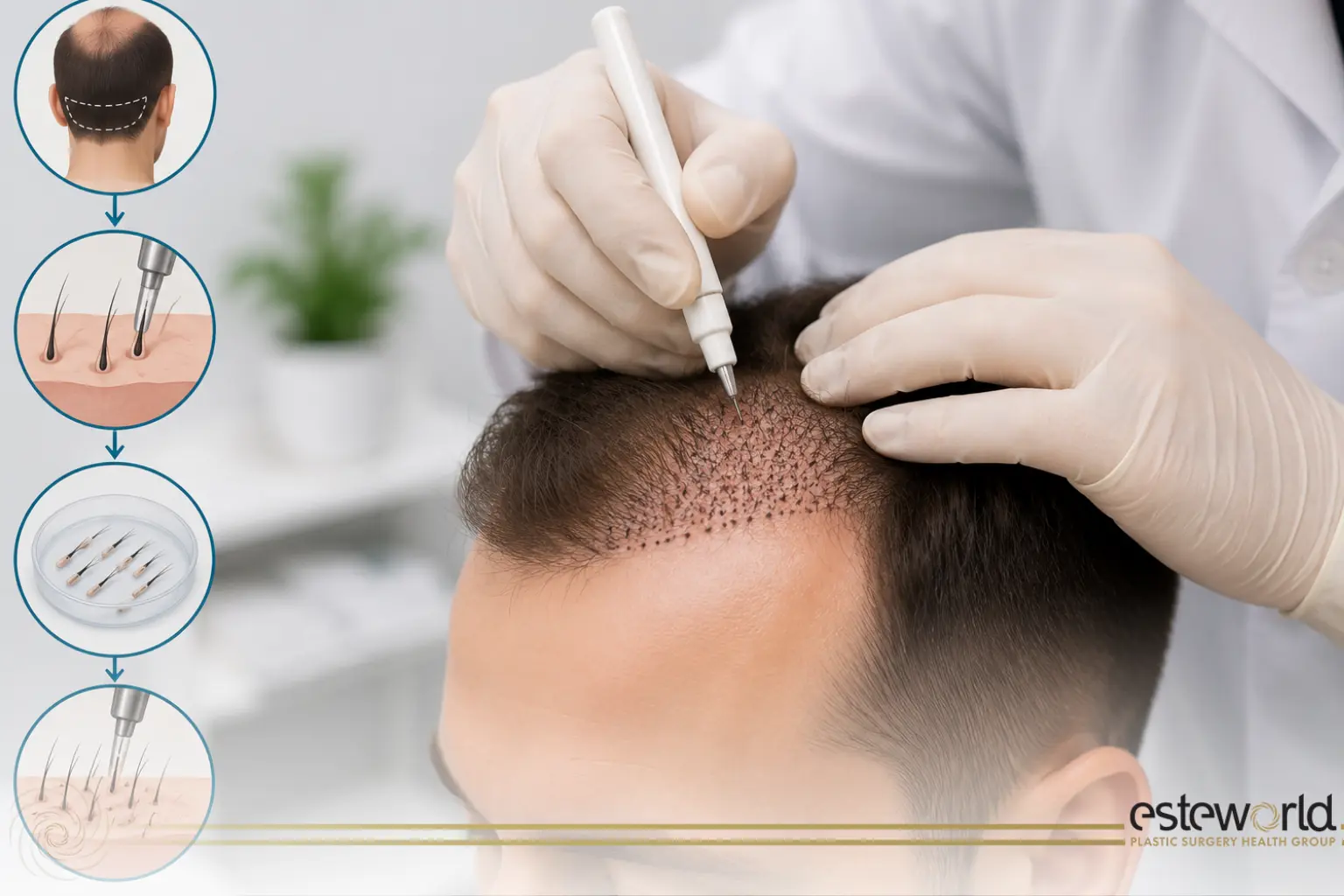
A hair transplant has several stages: planning the hairline, removing the grafts, making the small openings where grafts go, and placing them. The International Society of Hair Restoration Surgery (ISHRS) suggests asking who will be involved in your surgery and what role each person will play. Ask, too, about their training, licence and experience, and whether everyone involved has malpractice insurance.
In Türkiye, the regulation sets out who may do which step. Under it, only doctors may make the recipient-site openings: doctors with a hair transplant certificate, plastic surgeons, dermatologists, and doctors with a medical aesthetics certificate. Certified healthcare staff, such as nurses, may also remove and place grafts under those doctors’ supervision and responsibility; graft removal was added to their role by the September 2025 amendment. At Esteworld, graft harvesting is carried out by certified healthcare staff under the physician’s responsibility.
Professional codes add their own standards. In the United States, the American Board of Hair Restoration Surgery (ABHRS) says recipient-site incisions must be made by the physician of record. For graft extraction, it allows another licensed practitioner where local rules permit. Whatever the setting, you should be told plainly who does what. Our list of questions to ask at your consultation can help.
3. Do You Understand What You Are Consenting to?

Informed consent means you understand what will be done, the realistic range of outcomes and the risks before you agree. The NHS advises having two consultations with the surgeon who will treat you before any surgery, which gives you a cooling-off period. The surgeon should make sure you understand the procedure, its limitations, the alternatives and the risks. They should also speak a language you understand.
In practice:
- Ask for the consent form in a language you read well, ideally before the day of surgery.
- Ask for a written treatment plan: technique, estimated number of grafts, areas to be treated and who will do what.
- Keep a signed copy.
4. How Will Your Records and Photos Be Handled?
The CDC advises medical travellers to get copies of their medical records in English, so any doctor who sees them later understands what was done. Ask before surgery how you will receive your operation notes and any prescriptions.
Clinics often take photos to plan and track treatment. Ask who can see them and whether they will be used for anything other than your care.
5. What Is the Aftercare Plan?
The NHS describes aftercare as an important part of treatment. It suggests finding out where check-ups will take place and what happens if there are complications. Ask how follow-up works once you are home and who answers your questions. At Esteworld, patients receive a written aftercare booklet with their procedure. Our article on follow-up appointments after surgery explains why these check-ins matter.
Red Flags and Reassuring Signs
The table below sums up these checks. An ethical clinic will also tell you when surgery is not right for you. The NHS notes that transplants are not usually suitable for hair loss other than pattern baldness.
| Topic | Red flag | Reassuring sign |
|---|---|---|
| Who operates | Vague answers, or “the team” with no names | A named doctor responsible for your care, and a clear answer on who does each step |
| Consultation | Surgery booked without speaking to your surgeon | Consultations with the surgeon who will treat you, and time to think |
| Claims | “Scarless” surgery or a procedure done entirely by a machine | Limitations, alternatives and risks explained; ISHRS notes that FUT and FUE both leave scars |
| Suitability | Anyone accepted without an assessment | The cause of your hair loss is assessed first |
| Consent | A form in a language you cannot read | Information and consent in a language you understand |
| Records | Nothing in writing to take home | Notes and prescriptions you can show your own doctor |
| Aftercare | Contact ends when you leave | A plan for check-ups and for complications |
| Authorisation | No details given | Details you can check on an official source |
What If Something Goes Wrong After You Return Home?
Insurance
Travel insurance does not normally cover you if something goes wrong in surgery, the NHS warns. It suggests asking what insurance the clinic or surgeon has, and whether it covers you. Our guide to travel insurance and complications abroad covers this in more detail.
Flying After Surgery
Air travel and major surgery both raise the risk of a blood clot, which can be life-threatening. Ask your surgeon when it is safe for you to fly after your procedure.
Getting Help at Home
At Esteworld, the international patient team explains aftercare to patients abroad by video or voice call, and patients carry out their own aftercare. A Zoom call with the doctors can be arranged if needed.
If you need care at home, take the records described above to the appointment. If you are unhappy with your care, raise it with the clinic in writing first and keep copies of everything.
When to See a Doctor
Before you travel: talk to your own doctor about your plans before you book.
After surgery, contact the clinic or a local doctor if you notice:
- Severe pain, or any symptom you were not told to expect
- Swelling or redness that is getting worse, increasing pain, pus or a high temperature, which can be signs of an infected wound
Get urgent medical advice if you have throbbing pain or swelling in one leg, especially with red or darkened skin. Call your local emergency number if you also feel short of breath or have chest pain, as these can be signs of a blood clot.
Planning a hair transplant abroad means doing some of the checking yourself. Confirm the facility’s authorisation and who operates, read the consent in your own language, and have your records and an aftercare plan before you fly. If you are weighing up treatment in Türkiye, you can put these questions to our team. Ask for the answers in writing, so you can compare them calmly before deciding.