What to Eat After a Hair Transplant
Short answer: There is no special “hair transplant diet”. A varied, balanced diet with enough protein, fruit, vegetables and fluids gives your body what it needs to heal the small wounds in the donor and recipient areas. No single food or vitamin makes grafts grow faster, and supplements are not automatically needed. Your surgeon’s instructions come first, especially if you have a medical condition, take regular medication or follow a special diet.
Why Nutrition Matters During Recovery
A hair transplant creates many tiny wounds in the scalp. Like any healing skin, these areas need energy and nutrients while they repair. Food supports this normal healing; it does not decide on its own whether individual grafts survive.
A few nutrients do specific jobs during repair:
- Protein helps the body repair cells and make new ones (MedlinePlus).
- Vitamin C helps form collagen, supports wound healing and helps the body absorb iron.
- Zinc plays a role in cell growth, wound healing and the immune system.
- Iron is needed to carry oxygen in the blood. Low iron is one of the recognised causes of hair shedding.
A 2019 review in Dermatology and Therapy found that low iron or vitamin D are worth correcting when a blood test shows a deficiency, but that the evidence does not support routine supplements such as biotin or vitamin E for common hair loss. In other words, the goal is to avoid shortfalls, not to take extra.
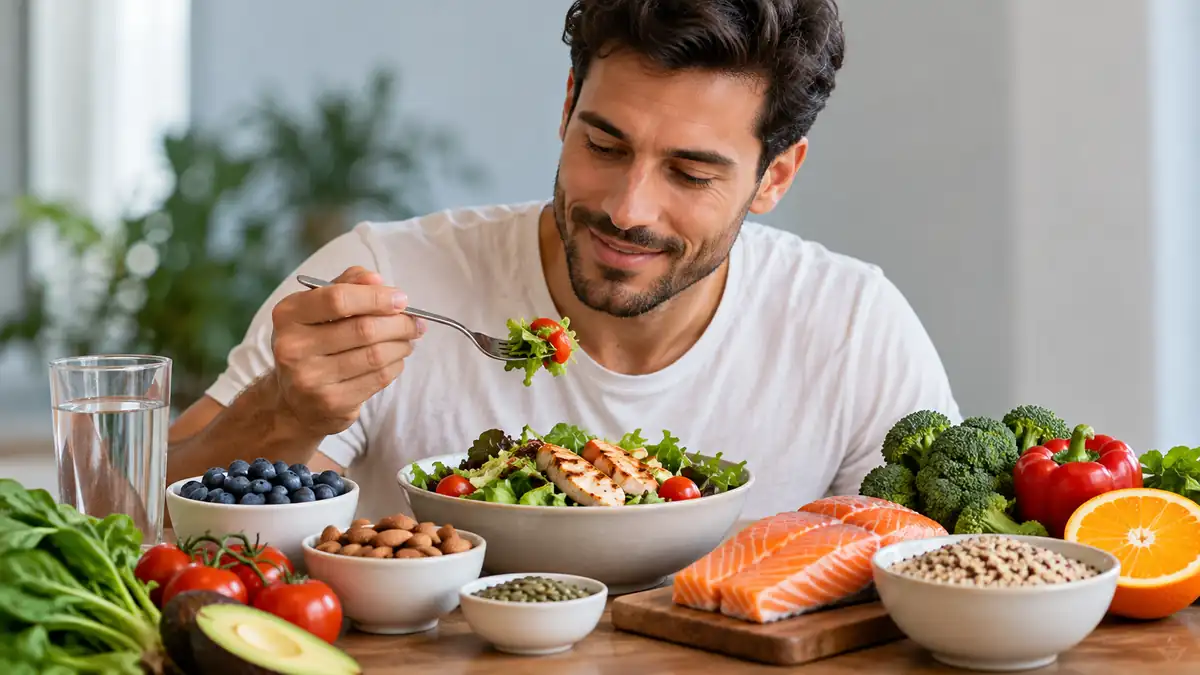
What to Eat After a Hair Transplant
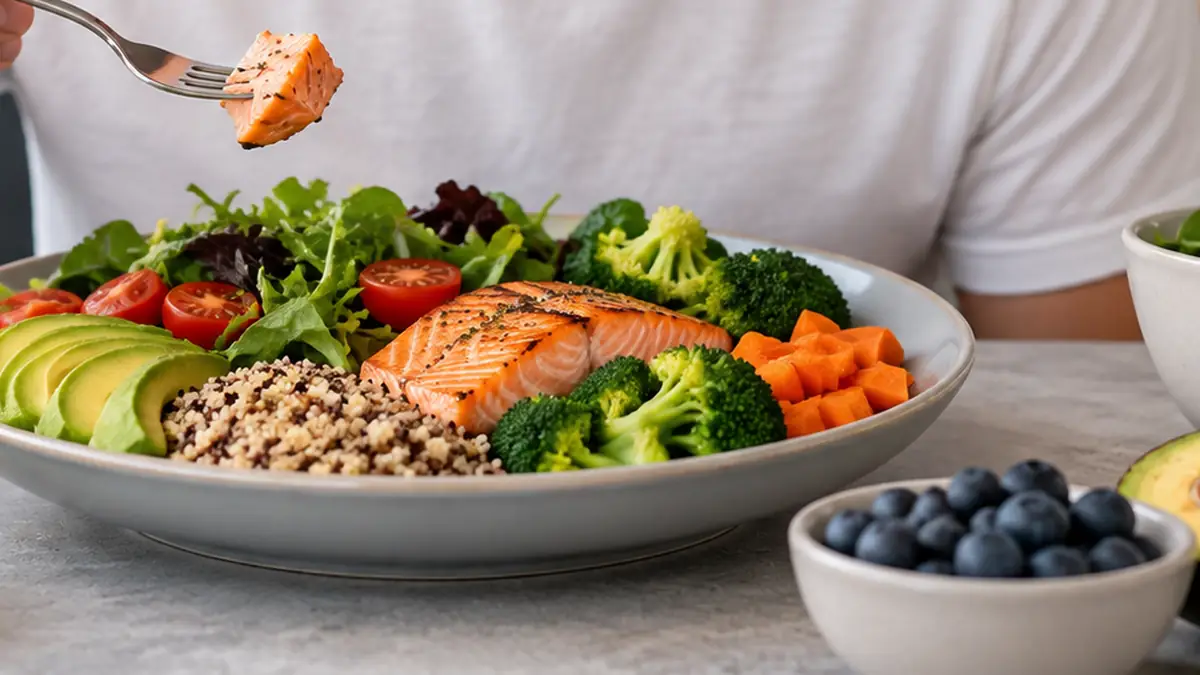
Most meals can simply combine a protein source, vegetables or fruit, a starchy food and some healthy fat.
| Nutrient | Why it matters | Example foods |
|---|---|---|
| Protein | Repairs and builds tissue | Fish, eggs, chicken, yoghurt, lean meat, beans, lentils, tofu |
| Vitamin C | Collagen formation, wound healing, iron absorption | Citrus fruit, strawberries, kiwi, peppers, broccoli, tomatoes |
| Iron | Carries oxygen in the blood | Lean red meat, eggs, legumes, leafy greens, fortified cereals |
| Zinc | Cell growth and wound healing | Meat, shellfish, dairy, beans, nuts, whole grains |
| Healthy fats | Part of a balanced diet | Oily fish, walnuts, seeds, avocado, olive oil |
| Fluids | Normal hydration | Water, milk and other non-alcoholic drinks |
Include protein at every main meal
You do not need an unusually high-protein diet unless your doctor recommends one. The aim is simply not to fall short. Good options include eggs, fish, poultry, dairy, beans, lentils, chickpeas and tofu. MedlinePlus notes that you do not need to eat animal products to get enough protein.
Eat a variety of fruit and vegetables
Variety matters more than any single “superfood”. Raw fruit and vegetables are the best sources of vitamin C; cooking reduces it.
Pair iron-rich foods with vitamin C
Plant sources of iron, such as lentils, beans and leafy greens, are absorbed better when eaten with vitamin C-rich foods. A lentil dish with a tomato salad, or cereal with a glass of orange juice, are easy examples.
Drink enough fluids
Water should be your main drink. There is no set number of glasses you need because of a hair transplant. Your needs depend on your size, activity and the climate, which matters if you are recovering in a warm city like Istanbul in summer.
Foods and Drinks to Limit
No food has been shown to make grafts fail. The more useful approach is to avoid things that can slow healing or interact with your medication.
Alcohol
The CDC lists drinking alcohol among the holiday activities that can delay healing after surgery abroad. A 2026 review on FUE complications also lists alcohol among the things that can increase bleeding risk. Ask your surgeon how long to avoid it, both before and after the procedure. Our article on smoking and alcohol after a hair transplant covers this in more detail.
Heavy, fried or highly processed meals
These do not harm grafts directly, but they can feel uncomfortable after a long procedure, especially if you have a reduced appetite. Simple, balanced meals are usually easier in the first days. Foods high in added sugar and salt should not replace nutritious meals.
Coffee, tea and energy drinks
Clinics give different advice about caffeine around the day of surgery. Follow your own team’s instructions.
Spicy food
There is no good evidence that ordinary spicy food harms transplanted follicles. Some people prefer to avoid very spicy meals for the first few days if they cause sweating or indigestion.
Herbal products and supplements
The FUE complications review lists some herbal supplements, such as ginkgo biloba and ginseng, as well as vitamin E, among products that can increase bleeding risk. Tell your medical team about every herbal product and supplement you take, and ask when to stop them before surgery.
Eating in the First Days and Weeks
First 24 to 48 hours: Choose meals you normally tolerate well, such as grilled chicken or fish, rice or potatoes, cooked vegetables, yoghurt and fruit, with water. If you feel sick or have little appetite, smaller meals may be easier. This is not the time to fast or start a strict weight-loss diet. Our guide to day 2 after a hair transplant covers the other things to expect.
First week: Keep to regular balanced meals with protein, several kinds of fruit and vegetables, iron- and zinc-containing foods and enough fluids. Avoid experimenting with new supplements.
After that: There is no special menu to follow long term. A balanced diet supports general health and normal hair growth, but nutrition supports recovery; it does not control how transplanted hair grows. For what to expect month by month, see our hair growth timeline after a hair transplant.
Do You Need Vitamins or Supplements?
Not automatically. For most patients, food comes first. Supplements make sense when a deficiency, a restricted diet or another clinical reason has been identified, usually after a blood test. Our article on blood tests before a hair transplant explains what may be checked.
More is not better, and some supplements carry their own risks:
- Zinc: MedlinePlus warns that long-term excess zinc can lead to copper, iron or magnesium deficiency.
- Vitamin A and selenium: The Dermatology and Therapy review notes that too much of either can itself contribute to hair loss.
- Biotin: Deficiency is rare in people eating a normal diet. High biotin intake can cause falsely high or falsely low lab results, and the FDA has warned that biotin in supplements can interfere with some tests, including troponin tests used when a heart attack is suspected. Tell your doctor and the laboratory if you take it.
You can find more in our guide to supplements after a hair transplant.
This article is for general information and does not replace medical advice. If you have a medical condition or follow a special diet, ask your doctor or a dietitian for individual guidance.