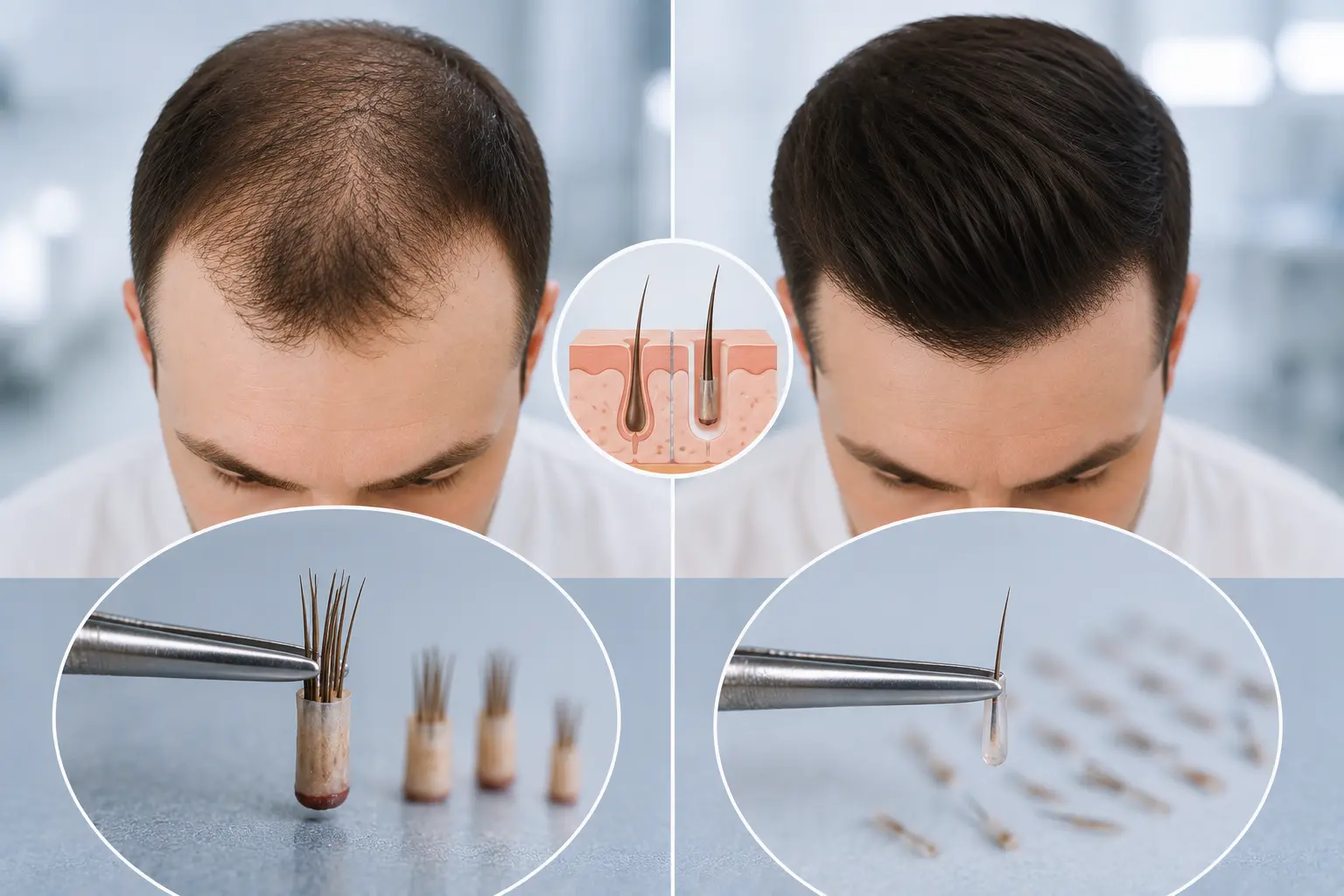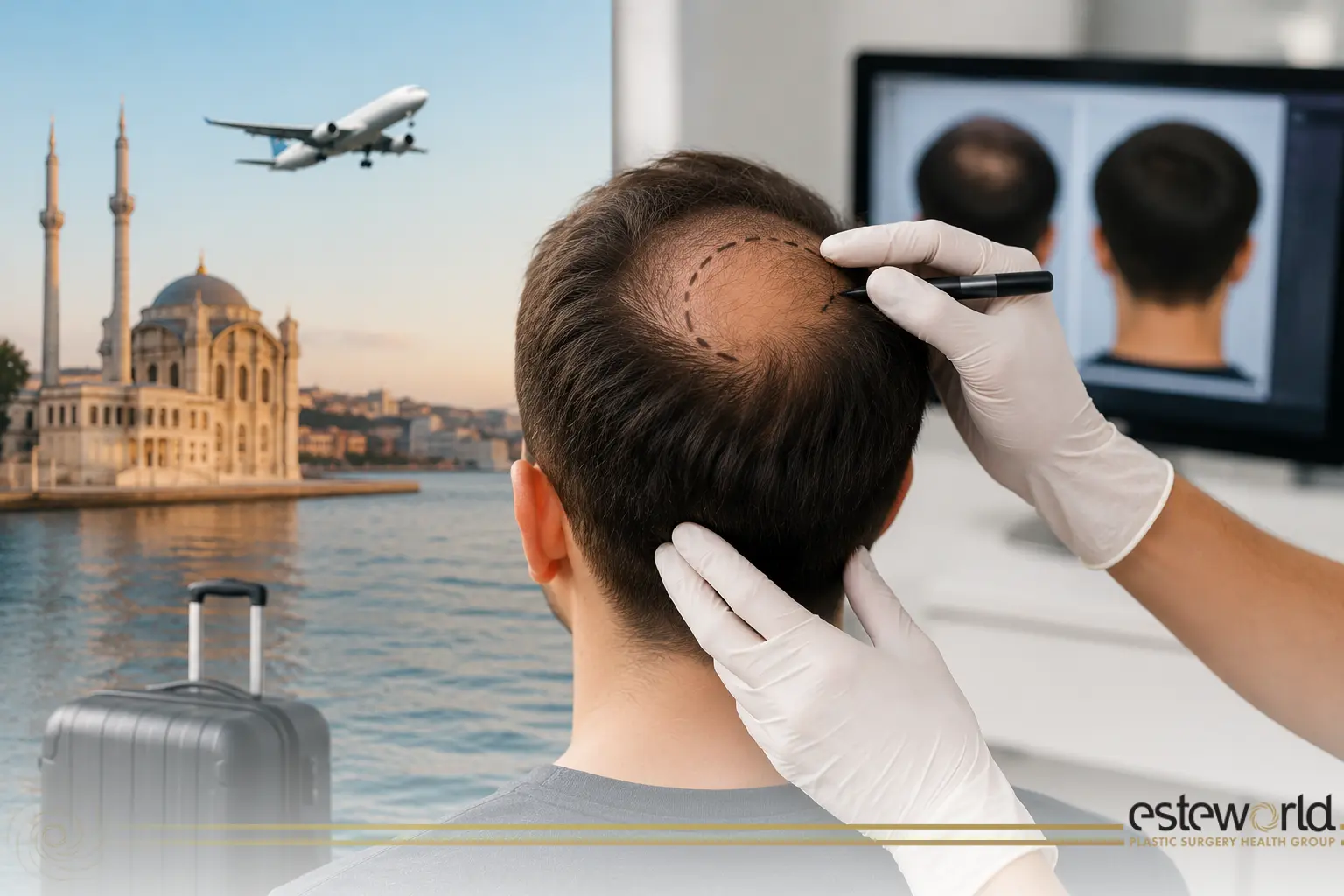

Hair transplantation can be considered for some young adults, but age alone does not determine whether someone is a suitable candidate. The main questions are whether the cause and pattern of hair loss are clear, whether the loss is stable, whether the donor area can support long-term restoration and how much future hair loss is expected.
For younger patients, conservative planning is especially important. A hairline that looks appropriate at age 20 should also remain natural if non-transplanted hair continues to thin over the following years.
What Causes Hair Loss at a Young Age?
Hair loss at a young age can have several causes, including androgenetic alopecia, temporary shedding, nutritional deficiencies, medical conditions, medications and inflammatory or autoimmune disorders. Identifying the cause should come before deciding whether hair transplantation is appropriate.
Androgenetic alopecia, also called male or female pattern hair loss, is one of the most common reasons younger adults notice progressive thinning.
It may begin during late adolescence or early adulthood and can appear as:
- Recession around the temples
- A gradually receding frontal hairline
- Thinning over the crown
- Reduced density through the top of the scalp
- Progressive miniaturisation of existing hairs
Androgenetic alopecia is progressive, which is particularly important when considering a hair transplant in young patients. Transplanted follicles may remain in place while surrounding native hairs continue to thin, potentially creating an unnatural appearance if future loss was not considered during the initial plan. Clinical guidance therefore recommends particular caution in very young patients whose alopecia is still evolving.
Not every case of early hair loss is androgenetic alopecia, however.
Other possible causes include:
- Telogen effluvium
- Alopecia areata
- Thyroid disorders
- Iron or other nutritional deficiencies
- Certain medications
- Scalp conditions
- Traction-related hair loss
- Significant physical or psychological stress
For this reason, a young patient should not assume that visible thinning automatically means they need hair transplantation.

At What Age Can You Have a Hair Transplant?
There is no single universal age at which every patient becomes suitable for hair transplantation. In practice, specialists are often more cautious with patients in their late teens and early twenties because their final pattern of androgenetic hair loss may not yet be predictable.
Published hair-transplant practice guidelines state that age is important but should not be considered in isolation. Because androgenetic alopecia is progressive, performing surgery too early may leave a transplanted hairline surrounded by continued native hair loss. Some expert guidance therefore prefers waiting until approximately 23–25 years of age in typical early androgenetic alopecia cases, while recognising that selected younger patients may require individual consideration.
This means the answer to “What is the minimum age for a hair transplant?” is more nuanced than a fixed number.
| Age / Situation | General Consideration |
|---|---|
| Under 18 | Cosmetic hair transplantation would generally require exceptional medical circumstances and specialist assessment |
| 18–20 | Usually approached very cautiously because the future hair-loss pattern may still be difficult to predict |
| 21–23 | Selected patients may be assessed, but stability of loss and long-term planning are particularly important |
| 23–25+ | Hair-loss pattern may be easier to evaluate, although age alone still does not establish candidacy |
| Any adult age | Donor quality, diagnosis, hair-loss stability, expectations and future progression remain essential |
Can You Get a Hair Transplant at 18?
Being 18 does not automatically make someone a good candidate for a hair transplant.
At this age, androgenetic alopecia may still be developing rapidly. Creating a low or dense frontal hairline too early can consume a significant proportion of the available donor supply before the patient’s eventual pattern of hair loss is known.
The first priority should therefore be:
- Confirm the diagnosis.
- Assess whether the hair loss is still progressing.
- Examine donor density and miniaturisation.
- Discuss non-surgical management where appropriate.
- Estimate the potential long-term pattern of loss.
Surgery at a very young age should be the exception rather than a routine response to early recession.
Can You Get a Hair Transplant at 20?
A hair transplant at 20 may technically be possible in selected circumstances, but suitability depends much more on the pattern and stability of hair loss than on having reached a particular birthday.
The concern is not whether follicles can physically be transplanted at age 20. The concern is what the scalp may look like at 25, 30 or 40 if native hair continues to recede.
A young patient with rapidly progressing loss and a strong family history of advanced baldness may require a much more conservative plan than a patient with a stable, localised pattern.
What Is the Most Suitable Age for Hair Transplantation?
There is no universally “best” age for hair transplantation.
A more useful question is:
Has the patient reached a point where the likely long-term hair-loss pattern can be planned responsibly?
Good surgical candidates generally have:
- A clear diagnosis
- Adequate donor hair
- A reasonably predictable hair-loss pattern
- Realistic expectations
- A hairline plan compatible with future ageing
- Enough donor reserve for possible future treatment
Hair-transplant guidelines consistently emphasise patient selection, donor availability and future hair-loss planning rather than choosing candidates according to age alone.
Why Can Hair Transplantation Be Riskier at a Young Age?
The main risk of early hair transplantation is not that young age makes grafts inherently unable to grow. The problem is that progressive hair loss can continue around the transplanted follicles, while the donor area contains a limited number of follicles that need to last for decades.
This creates several long-term planning issues.
Future Hair Loss May Be Difficult to Predict
A patient with mild temporal recession at 20 may later develop more extensive frontal, mid-scalp or crown thinning.
If the first transplant creates a very low and dense hairline, there may not be enough donor hair available to maintain proportional coverage as hair loss progresses.
Clinical literature specifically identifies very young patients and patients with unstable hair loss as groups requiring particular caution.
Donor Hair Is Limited
Hair transplantation redistributes existing hair follicles. It does not generate an unlimited new supply.
The donor area therefore has to be treated as a long-term resource.
A young patient may potentially need additional treatment decades later. Using too many grafts in the first procedure can limit future options.
The Hairline Must Age Naturally
Young patients often want their previous teenage hairline restored completely.
That is not always the most sustainable choice.
A more conservative hairline can preserve donor grafts and remain proportionate as the face matures and natural hair loss progresses.
The aim should not simply be to create the lowest possible hairline. It should be to create one that remains believable over time.
Additional Procedures May Be Needed
Hair transplantation does not stop androgenetic alopecia in native follicles.
Even when transplanted follicles remain, surrounding hair can continue to thin.
A patient who begins surgery very early may therefore require additional procedures or long-term medical management later in life.
How Can Hair Loss at a Young Age Be Managed Before Surgery?
Young patients with progressive hair loss should first receive an appropriate diagnosis and discuss evidence-based non-surgical treatment where suitable. Stabilising ongoing hair loss can make future surgical planning more predictable and may delay or reduce the need for transplantation.
The appropriate treatment depends on:
- Cause of hair loss
- Sex
- Age
- Pattern of thinning
- Medical history
- Current medications
- Severity and progression of hair loss
For androgenetic alopecia, established medical treatments may be considered after clinical assessment. Treatment choice and suitability vary by patient, and prescription medication should only be used after discussing benefits, risks and contraindications with a qualified clinician.
Evidence-based reviews and clinical guidelines support topical minoxidil for appropriate male and female pattern hair loss patients and finasteride for suitable male patients, while treatment decisions need to consider individual contraindications and possible adverse effects.
Medical treatment is particularly relevant in young patients because it can help the physician observe how the hair-loss pattern develops before committing limited donor grafts to surgery.
Can PRP or Other Supportive Treatments Prevent the Need for a Hair Transplant?
Supportive treatments such as PRP may be discussed in selected patients, but they should not be presented as guaranteed alternatives to surgery or as methods that permanently stop genetic hair loss.
Their role depends on diagnosis and individual treatment planning.
The previous version of this article specifically recommended “hair laser and Acell+PRP” for everyone under 30. That approach is too broad. A patient should instead be assessed first and offered treatment according to the diagnosed cause of hair loss.
How Is a Hair Transplant Planned for a Young Patient?
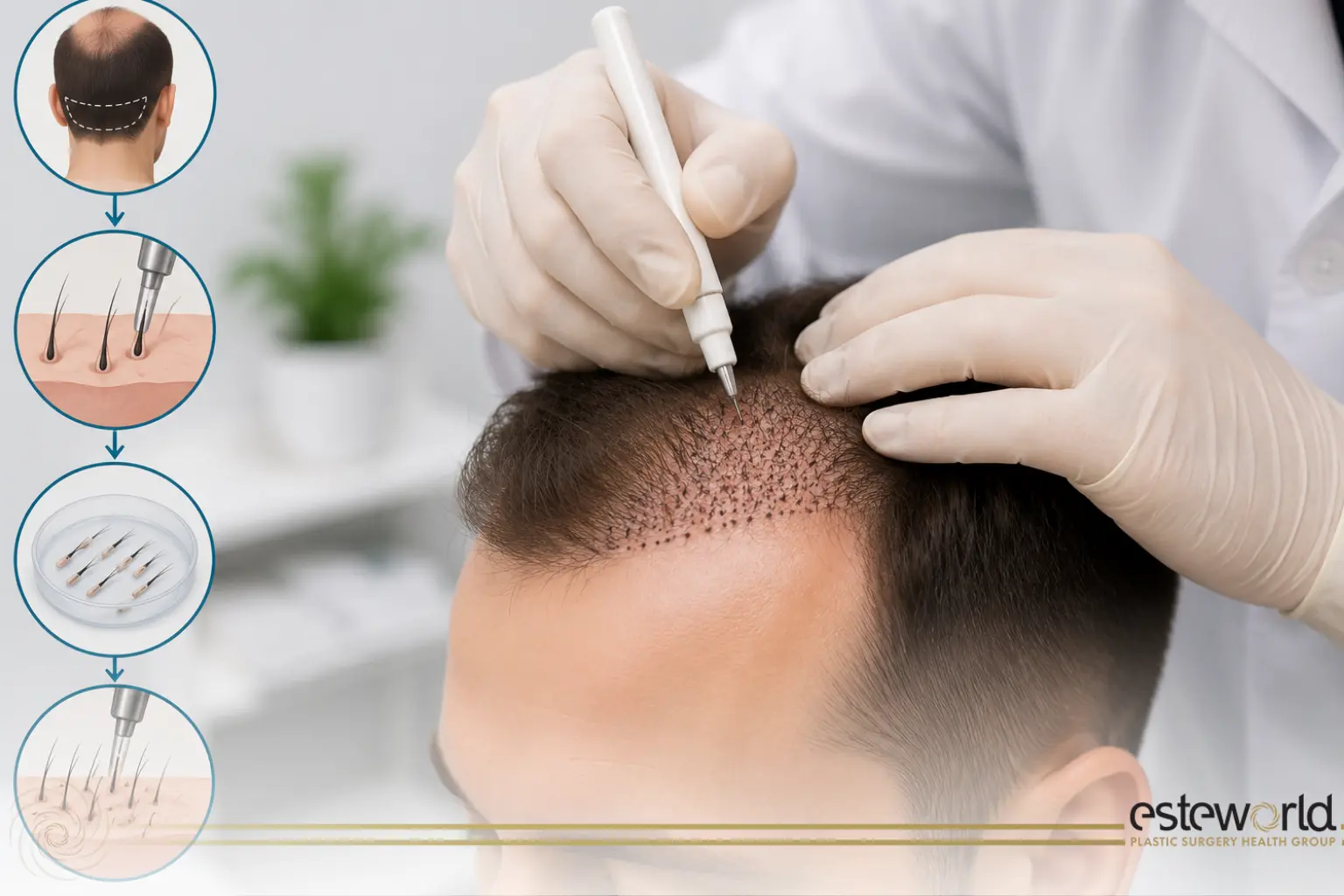
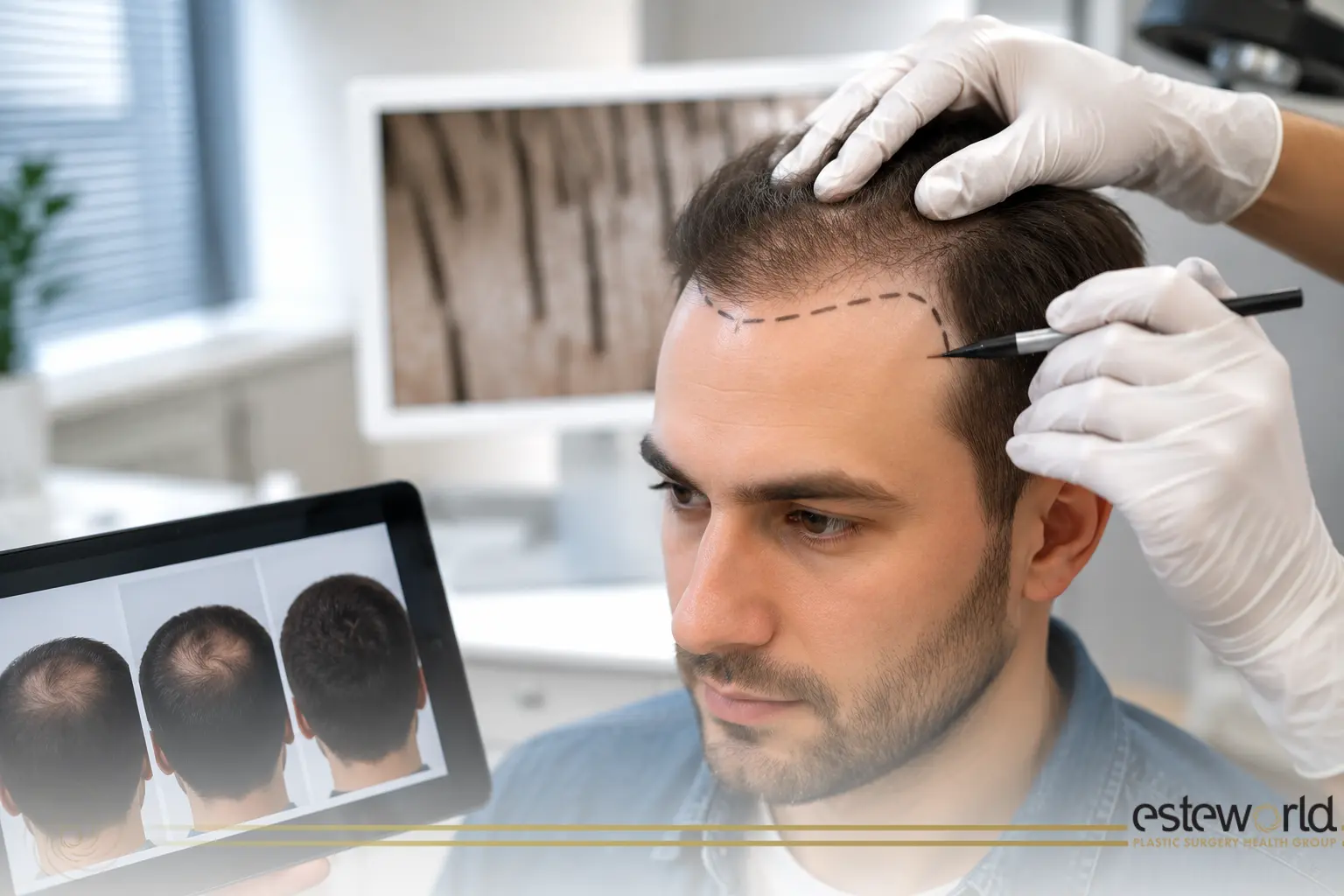
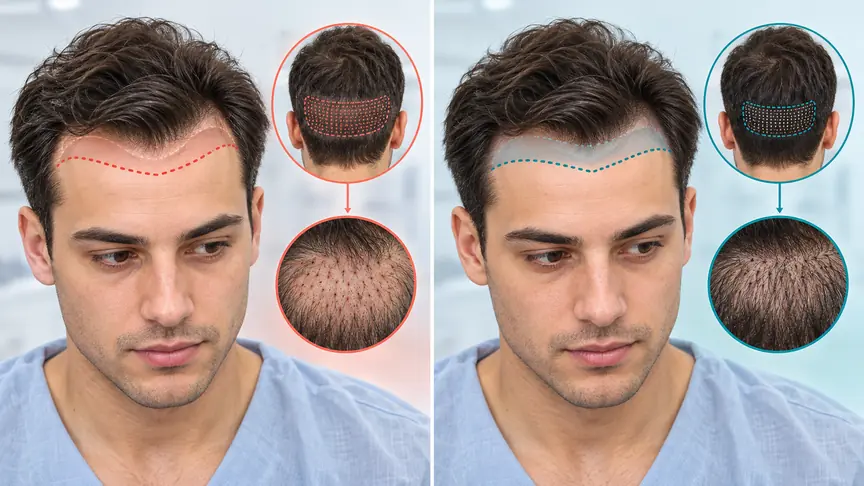
Hair transplantation in a young patient requires more conservative long-term planning than simply filling the areas that are currently thin. The surgeon must consider the patient’s present pattern, likely progression and finite donor reserve.
1. Confirm the Diagnosis
The physician should first determine what is causing the hair loss.
Hair transplantation may be appropriate for some types of stable hair loss but inappropriate when active disease, unstable diffuse thinning or another untreated condition is responsible.
2. Evaluate Hair-Loss Stability
The rate of progression matters.
Photographs from previous years, family history, scalp examination and miniaturisation patterns can help assess whether hair loss is continuing rapidly.
3. Assess the Donor Area
The donor area should be evaluated for:
- Density
- Hair calibre
- Follicular distribution
- Miniaturisation
- Estimated long-term graft availability
An apparently dense donor area in a young patient still needs to be considered in the context of decades of possible future hair loss.
4. Design a Conservative Hairline
The hairline should reflect:
- Facial proportions
- Age
- Current pattern of loss
- Expected future loss
- Available donor capacity
A lower hairline requires more grafts and commits the patient to maintaining coverage behind that line if hair loss progresses.
5. Plan for Future Hair Loss
The first procedure should not consume the donor supply without considering what may happen later.
Planning should leave options available if the patient develops further thinning in the:
- Frontal zone
- Mid-scalp
- Crown
Published literature on managing advanced hair-loss patterns specifically highlights conservative planning for younger patients who show warning signs of potentially extensive future loss.
How Do You Know If a Young Patient Is a Good Candidate for Hair Transplantation?
A young patient may be considered for hair transplantation when the diagnosis is clear, donor hair is suitable, the treatment area can be planned sustainably and the patient understands that native hair loss may continue after surgery.
Factors supporting candidacy can include:
- Confirmed cause of hair loss
- Suitable and stable donor area
- Significant and clearly defined hair loss
- Reasonably predictable progression
- Realistic expectations
- Willingness to consider long-term management
- Understanding of donor limitations
- Acceptance of a conservative hairline when appropriate
Factors that may support waiting rather than operating immediately include:
- Rapidly progressing hair loss
- Unclear diagnosis
- Extensive miniaturisation
- Diffuse donor thinning
- Very limited current hair loss
- Unrealistic expectations
- Request for an excessively low or dense juvenile hairline
- Insufficient donor reserve
Hair transplantation should therefore not be viewed as a race to reach a minimum age.
The appropriate timing is the point at which the medical team can create a plan that still makes sense if the patient’s hair-loss pattern continues to evolve.