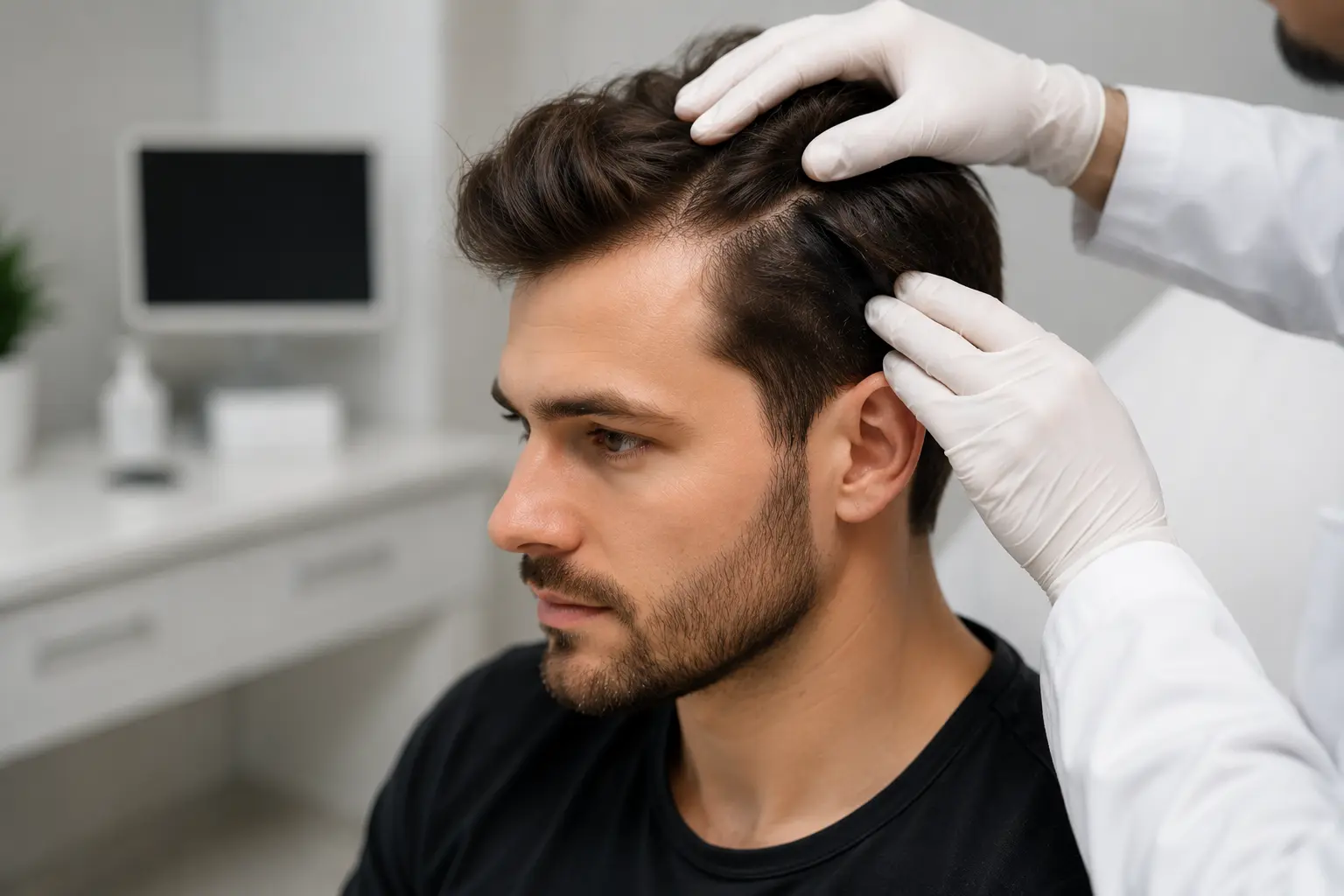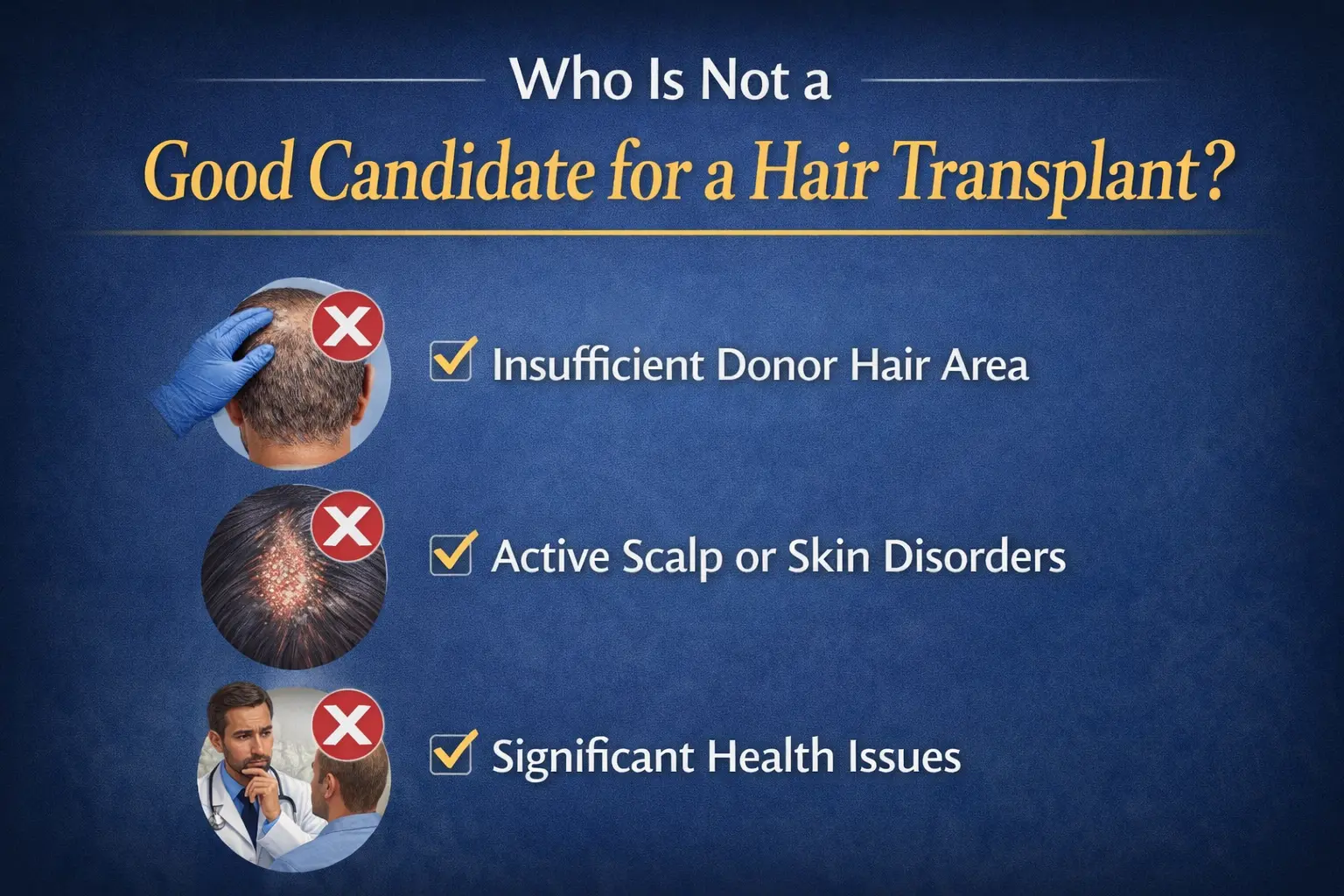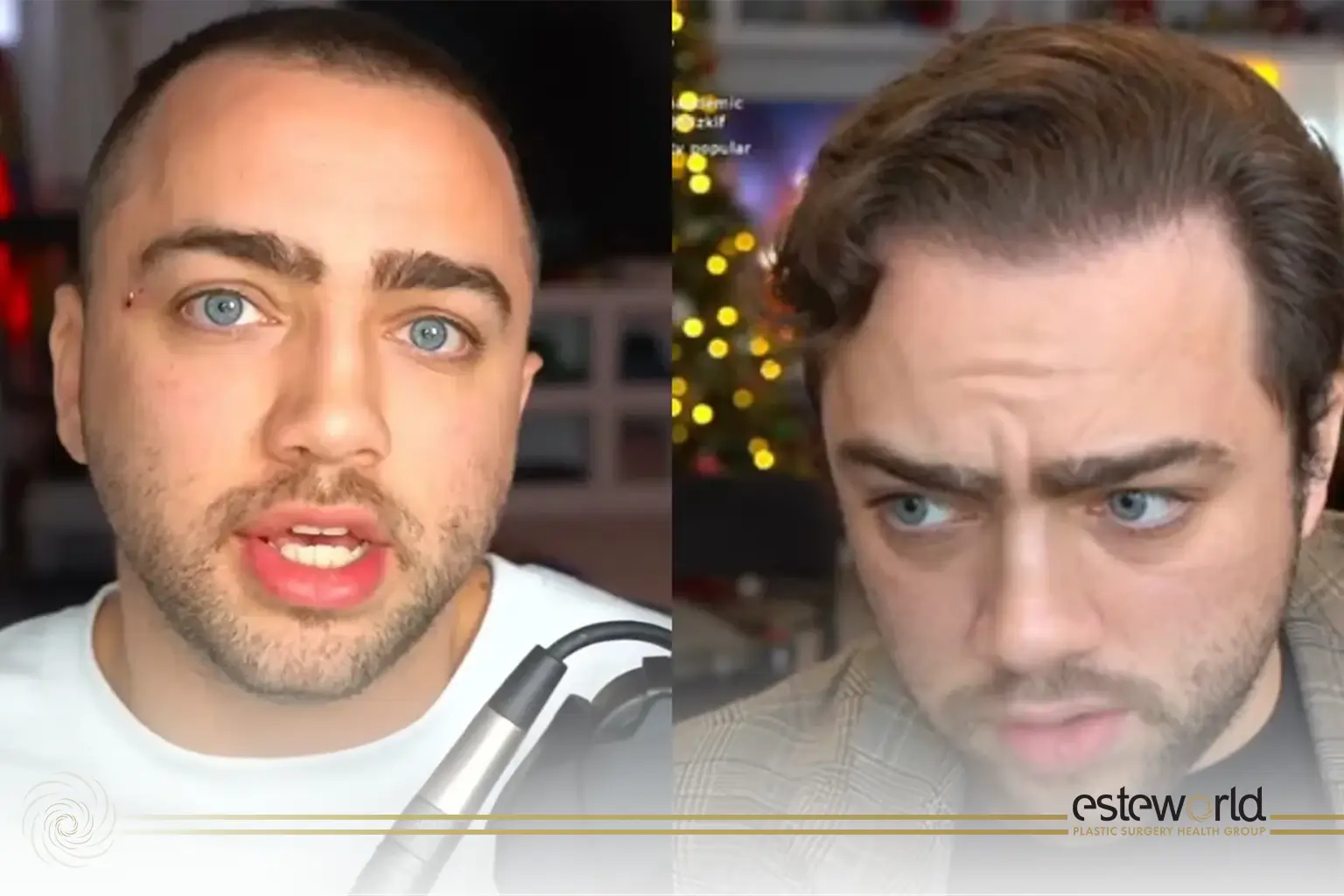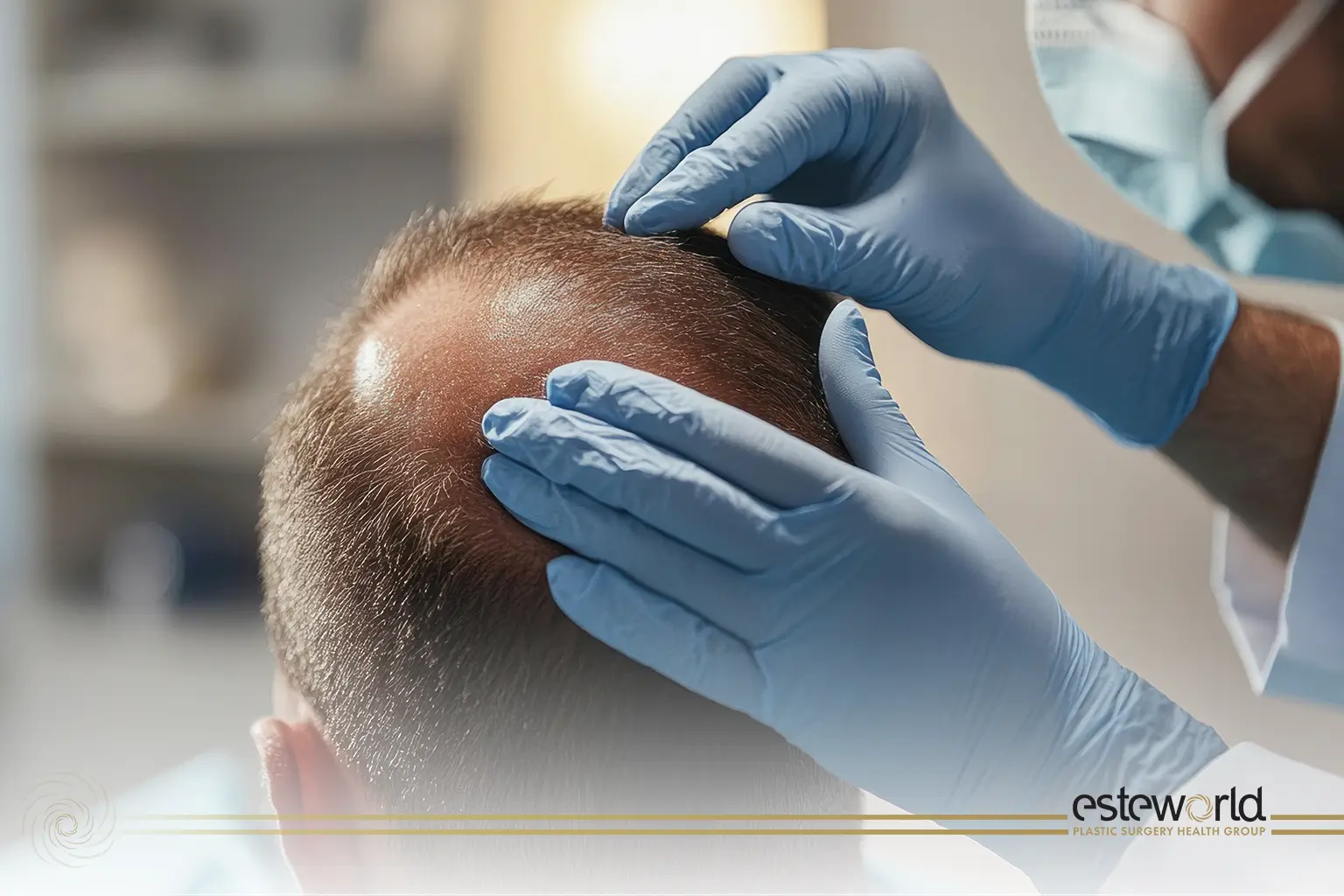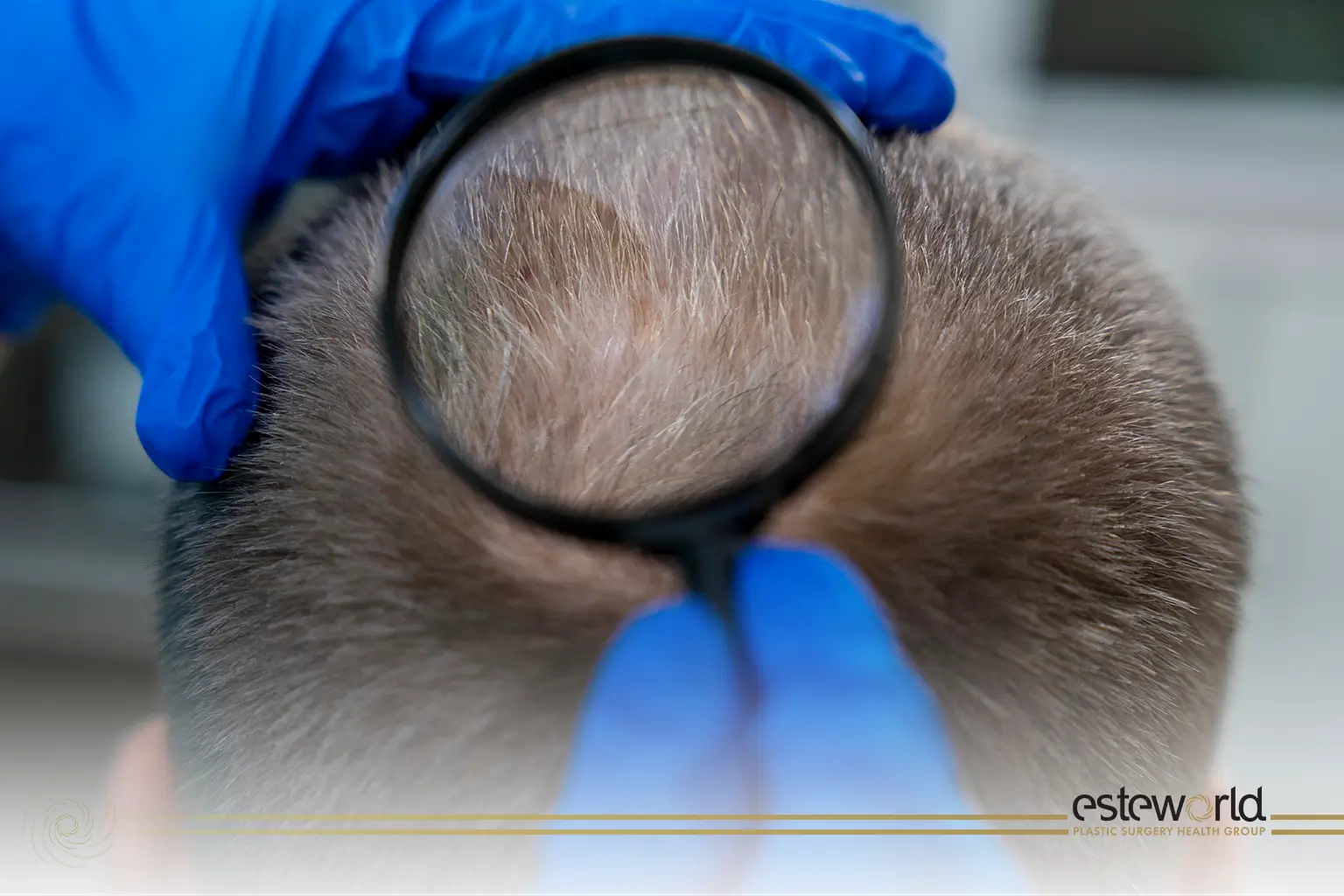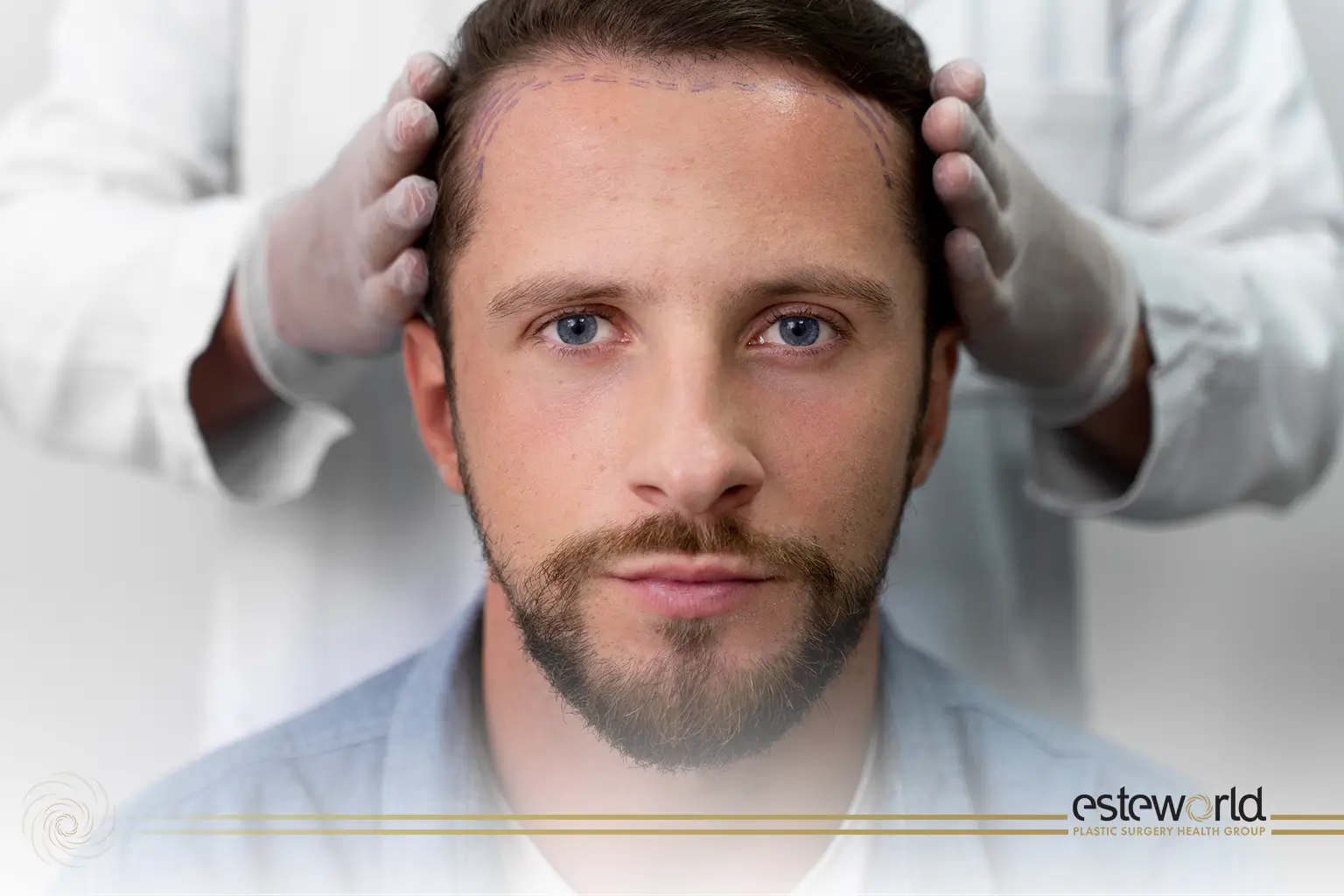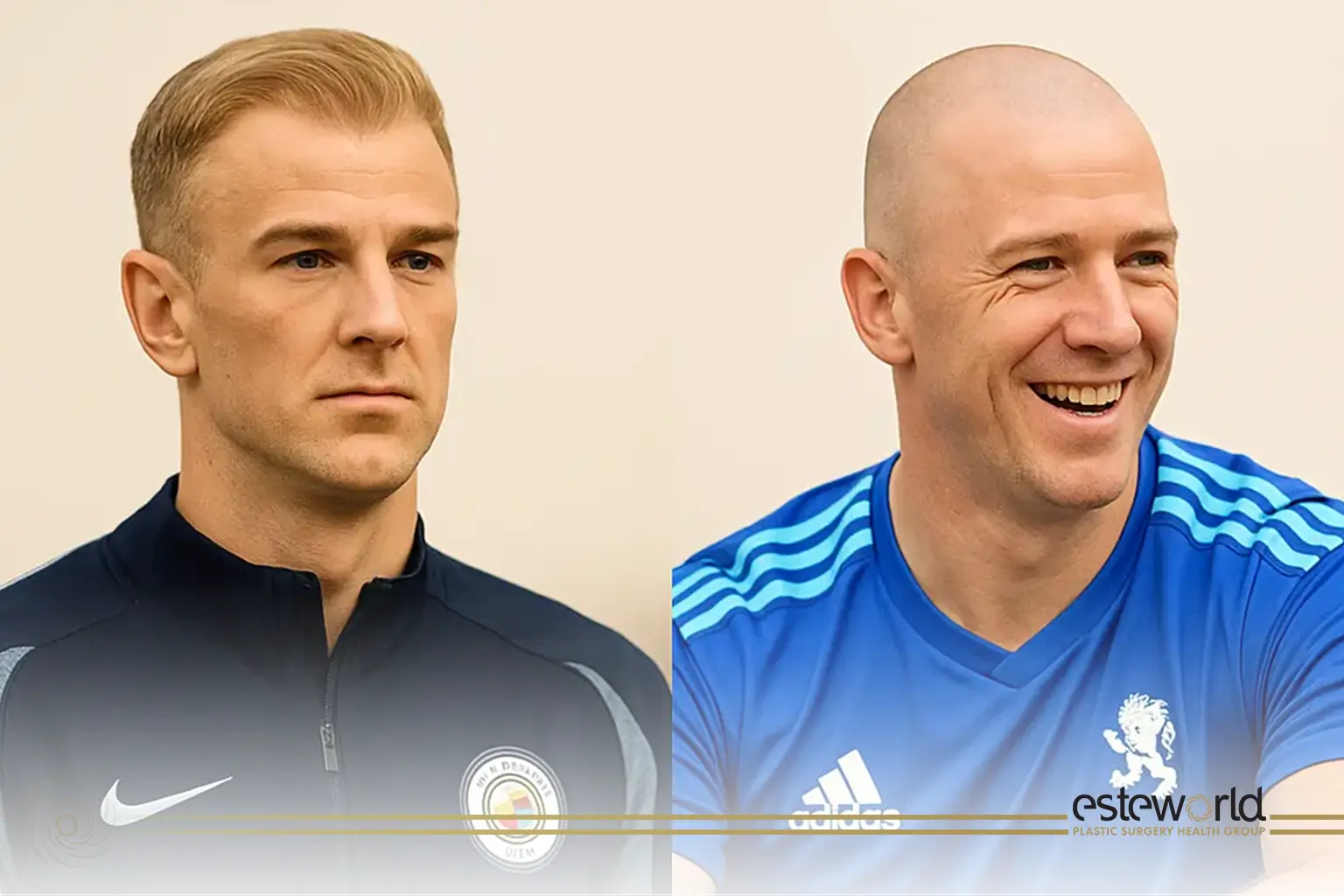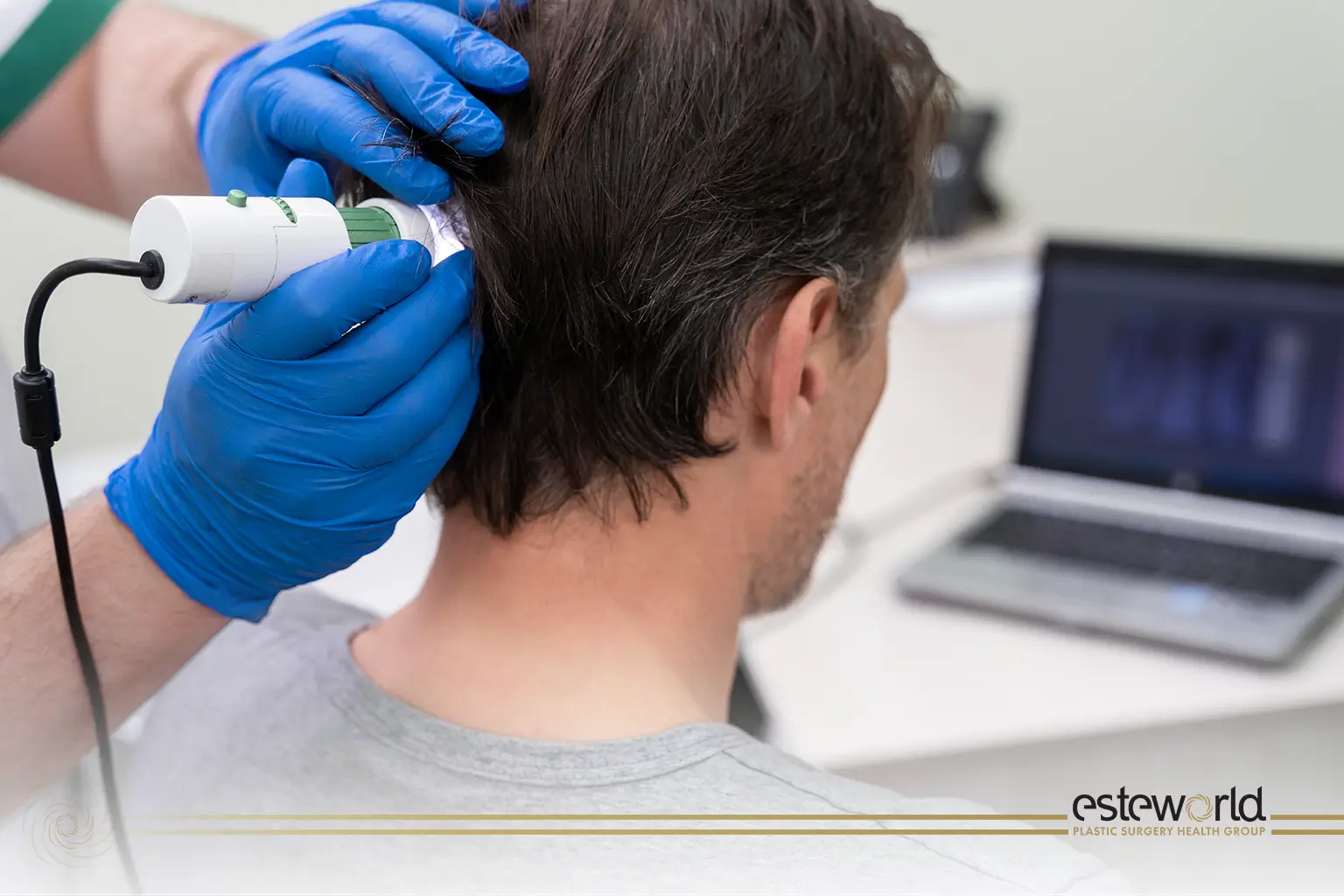

Hair transplantation continues to attract thousands of international patients to Türkiye every year. The combination of experienced surgeons, advanced techniques, and accessible treatment options makes the country one of the most researched destinations for hair restoration. However, one question appears repeatedly during the decision-making process: Which hair transplant is best in Turkey?
The answer depends on several factors, including hair loss level, donor area quality, expectations, hairline design, and recovery preferences. While techniques such as FUE and DHI remain among the most preferred options, many patients specifically search for procedures that offer natural density, minimal shaving requirements, and controlled graft placement.
Today, one of the most discussed methods among international patients is dhi hair transplant in turkey. This technique is frequently preferred by individuals seeking dense implantation and a more refined hairline design. Still, choosing the “best” hair transplant is not only about the method itself. The clinic’s medical planning, surgeon experience, donor management, and post-operative follow-up also play a major role in the overall outcome.
The best hair transplant method in Turkey varies according to the patient’s hair structure, donor capacity, and expectations. DHI and FUE are among the most commonly preferred techniques. Patients looking for dense implantation and natural-looking hairlines often research best dhi hair transplant in turkey options due to the precision offered during graft placement.
The best hair transplant in Turkey depends on individual needs rather than a single universal method. DHI hair transplant is widely preferred for precise implantation and natural density, while FUE may be more suitable for larger graft sessions. Choosing an experienced medical team and personalised treatment planning is often more important than the technique alone.
Understanding Modern Hair Transplant Techniques
Hair transplantation has changed significantly over the past decade. Older methods that created unnatural hair patterns have largely been replaced by more advanced approaches focused on natural angles, density planning, and donor preservation.
Today, the two most commonly discussed methods are FUE and DHI. Although both involve extracting grafts from the donor area, the implantation stage differs.
What Is FUE Hair Transplant?
FUE, also known as Follicular Unit Extraction, involves harvesting individual grafts from the donor area and implanting them into channels opened in the recipient region.
This method is often preferred for patients requiring a high number of grafts. It allows broad coverage and may be suitable for individuals with advanced hair loss.
What Is DHI Hair Transplant?
DHI, or Direct Hair Implantation, is considered a more controlled implantation technique. Special implantation pens are used to place grafts directly into the scalp.
One of the main reasons international patients search for dhi hair transplantation in turkey is the precision offered during the implantation stage. Since graft direction and depth can be adjusted more carefully, natural-looking density may be achieved more effectively in some cases.
Why Is DHI Hair Transplant So Popular In Turkey?
Turkey has become strongly associated with DHI procedures over recent years. Many international patients specifically search for dhi hair transplant in turkey because clinics in Istanbul and other major cities have extensive experience with this technique.
DHI is commonly preferred by patients who want:
- Natural-looking frontal hairlines
- Dense implantation between existing hair
- Minimal visible scarring
- Shorter haircut requirements
- More controlled graft placement
- Faster return to social life
The technique is especially popular among individuals who still have existing hair and want to increase density without fully shaving the scalp.
Is DHI Better Than FUE?
There is no universal answer to this question. Some patients achieve excellent outcomes with FUE, while others may benefit more from DHI.
DHI is often preferred for precision and dense frontal implantation. FUE, on the other hand, may be more suitable for extensive bald areas requiring larger graft numbers.
Rather than focusing only on the technique name, patients should evaluate whether the clinic creates a personalised plan based on donor quality, scalp structure, and long-term hair preservation.
How To Choose The Best Hair Transplant Clinic In Turkey
Choosing the right clinic is often more important than selecting a specific technique. Two clinics may advertise the same procedure, yet the outcomes can differ significantly depending on medical expertise and planning quality.
When researching the best dhi hair transplant in turkey, patients should pay attention to medical transparency rather than aggressive marketing claims.
Important Factors To Evaluate
A successful hair transplant process usually depends on several elements working together:
| Evaluation Criteria | Why It Matters |
| Surgeon experience | Influences natural hairline planning |
| Donor area management | Helps preserve future graft reserves |
| Clinic hygiene standards | Supports patient safety |
| Before-after consistency | Indicates procedural stability |
| Post-operative follow-up | Affects recovery process |
| Realistic planning | Prevents overharvesting |
Some clinics focus only on high graft numbers, while others prioritise donor preservation and long-term naturalness. Patients should be cautious about unrealistic promises.
What Affects Hair Transplant Results?
Many people assume the procedure itself guarantees the result. In reality, several personal and medical factors influence the final appearance.
Hair Characteristics
Hair thickness, curl pattern, colour contrast, and density all affect the visual outcome. Thicker hair may create fuller coverage with fewer grafts.
Donor Capacity
The donor area is limited. Proper planning is essential to avoid unnecessary extraction that could affect future procedures.
Recovery Process
Healing quality also impacts the final result. Following aftercare instructions carefully can help protect newly implanted grafts.
Most patients begin seeing noticeable growth around the third or fourth month. However, final results usually continue improving over 12 months.
Understanding Hair Transplant Costs In Turkey
Cost remains one of the reasons many international patients travel to Turkey for treatment. However, pricing should not be the only deciding factor.
Searches related to dhi hair transplant cost in turkey and dhi hair transplant price in turkey continue to grow because patients want both affordability and quality.
Prices may vary depending on:
- Number of grafts required
- Surgeon involvement during the procedure
- Clinic location
- Technology used
- Accommodation and transfer services
- Procedure duration
Very low prices may sometimes indicate limited medical involvement or overly high patient volumes. For this reason, patients should evaluate the overall treatment process instead of comparing prices alone.
Does Higher Cost Mean Better Results?
Not necessarily. Expensive treatment does not automatically guarantee natural results. Likewise, extremely cheap procedures may not always provide sufficient medical planning.
A balanced evaluation including surgeon experience, patient reviews, consultation quality, and realistic expectations is often more valuable than focusing only on cost.
Recovery Timeline After Hair Transplant
Patients researching hair transplantation often focus entirely on the procedure day, but the recovery phase is equally important.
The first weeks usually involve temporary redness, mild scabbing, and shedding. This process is considered normal.
| Recovery Stage | Typical Timeline |
| Initial healing | 7-10 days |
| Shock loss phase | 2-8 weeks |
| Early growth | 3-4 months |
| Visible density increase | 6-8 months |
| Final result | 12 months |
Hair transplantation requires patience. Early growth may appear uneven before density gradually improves.
When Can Patients Return To Daily Life?
Many patients return to desk-based work within a few days. However, strenuous exercise, heavy sweating, and direct sun exposure may need to be avoided temporarily.
Recovery recommendations may differ according to the technique used and the individual healing response.
Choosing the best hair transplant in Turkey is not about finding a single “perfect” technique. Instead, it involves selecting the most suitable approach for the patient’s hair structure, donor capacity, and long-term expectations.
Procedures such as dhi hair transplant in turkey continue to attract international attention because of their controlled implantation approach and natural-looking results. However, successful outcomes depend not only on the technique itself but also on medical expertise, realistic planning, and responsible donor management.
Patients researching best dhi hair transplant in turkey options should prioritise experienced medical teams, transparent consultation processes, and clinics that focus on long-term naturalness rather than aggressive promises.
For personalised evaluation and treatment suitability, consultation with experienced hair transplant specialists is recommended.
For detailed information about DHI hair transplantation or to schedule a free preliminary consultation appointment, please contact us.