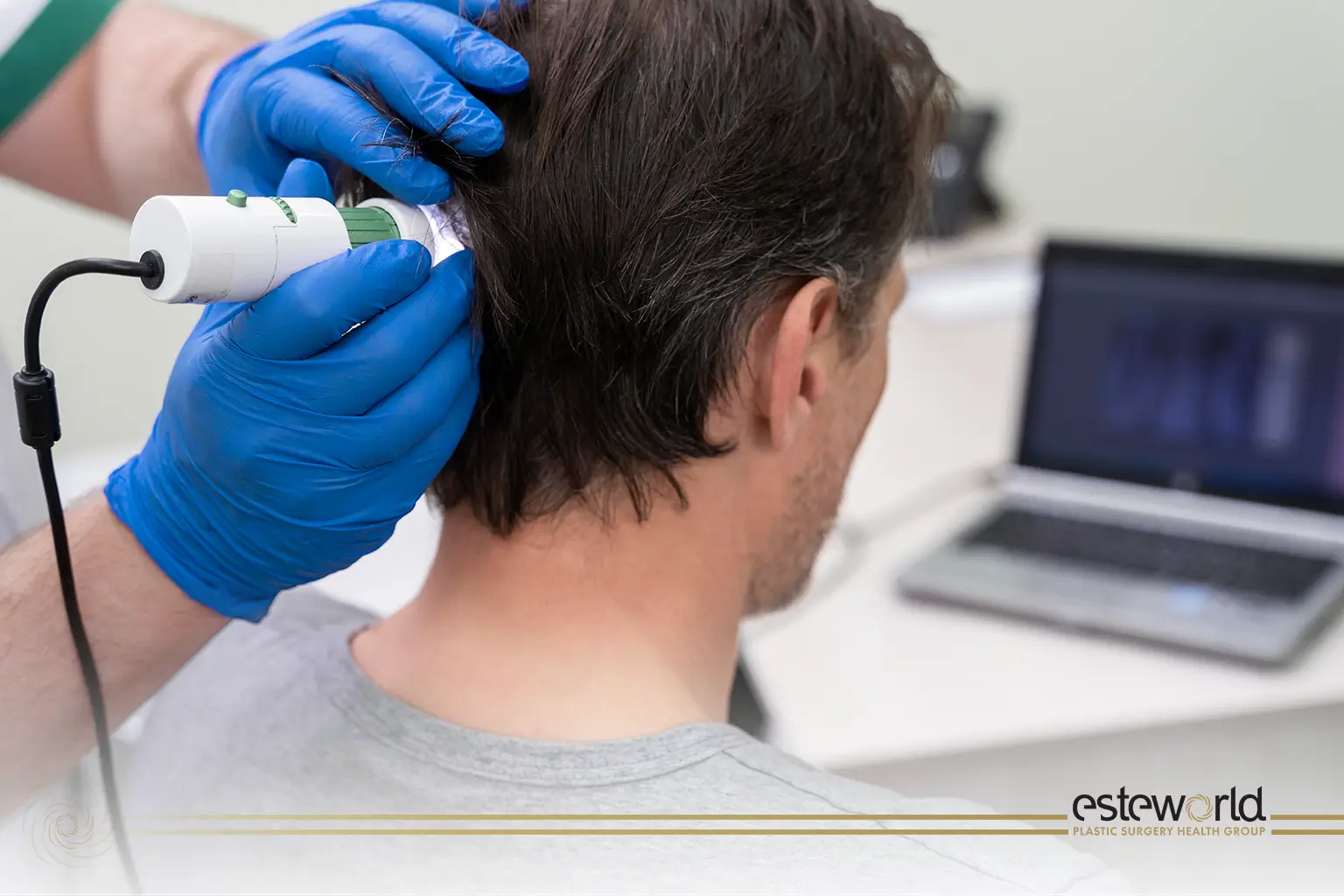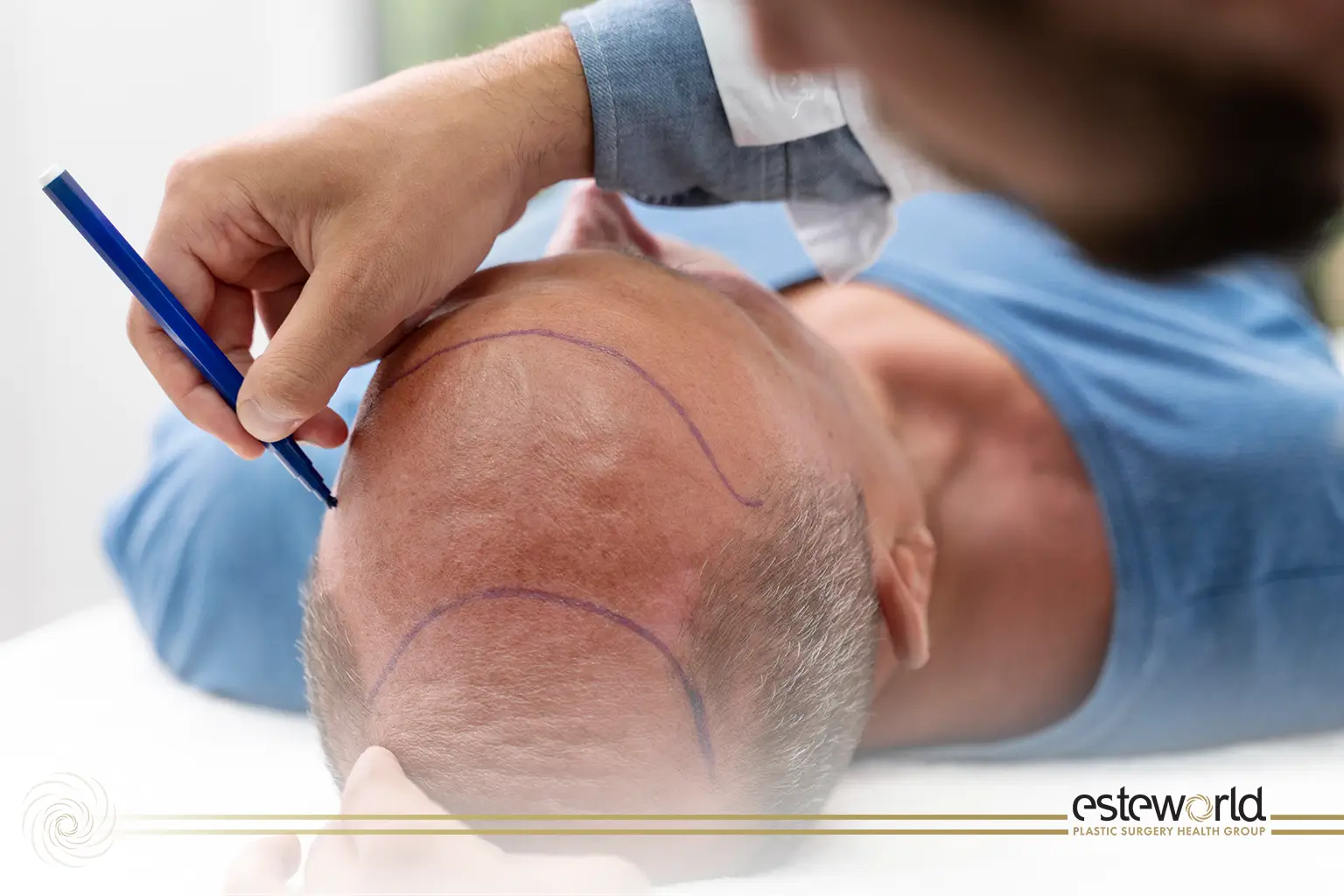

Hair loss is a common concern among transgender individuals, often exacerbated by hormonal changes and the challenges of achieving a desired look. For many, hair transplantation can be a transformative solution, offering a way to restore a natural-looking hairline and boost self-confidence. Transgender hair transplantation is a procedure specifically designed to meet the unique needs of transgender patients, whether they are undergoing hormone therapy or transitioning to a different gender. In this article, we will discuss the intricacies of transgender hair transplantation, the various techniques available, considerations for pre- and post-transplant care, and the benefits of this procedure in enhancing both appearance and self-confidence.
What is Transgender Hair Transplant?
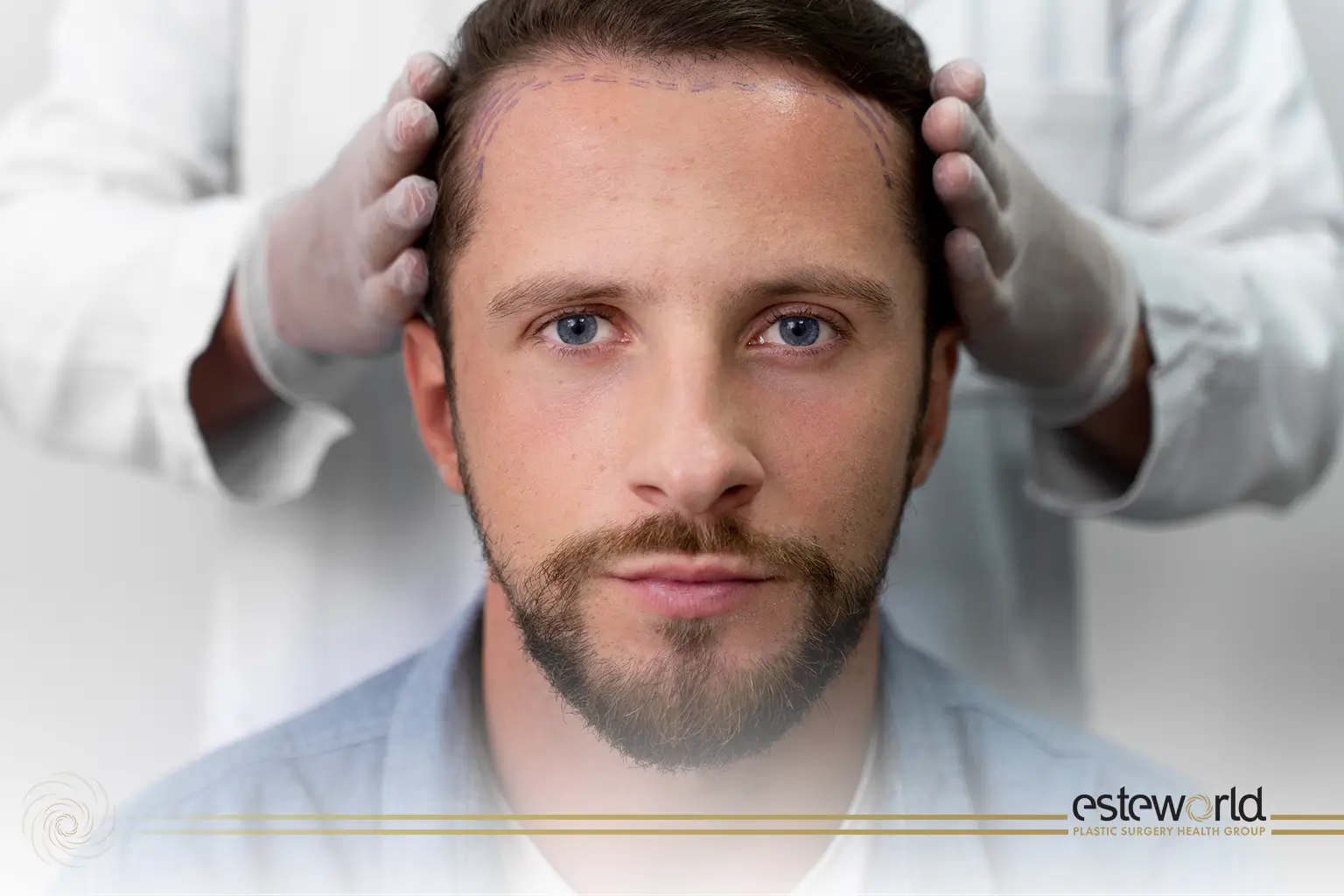
A transgender hair transplant is a specialized hair restoration procedure designed to address the unique needs of transgender individuals. It involves transplanting hair follicles from a donor site to areas of the scalp where hair loss has occurred, aiming to create a natural-looking hairline that aligns with the individual’s gender identity. This procedure can be particularly beneficial for those undergoing hormone therapy or transitioning, as it helps to achieve a more congruent appearance and enhance self-confidence. The techniques used, such as Follicular Unit Extraction (FUE) or Direct Hair Implantation (DHI), are tailored to ensure optimal results and minimal disruption to the patient’s existing hair and scalp.
How is Transgender Hair Transplantation Performed?
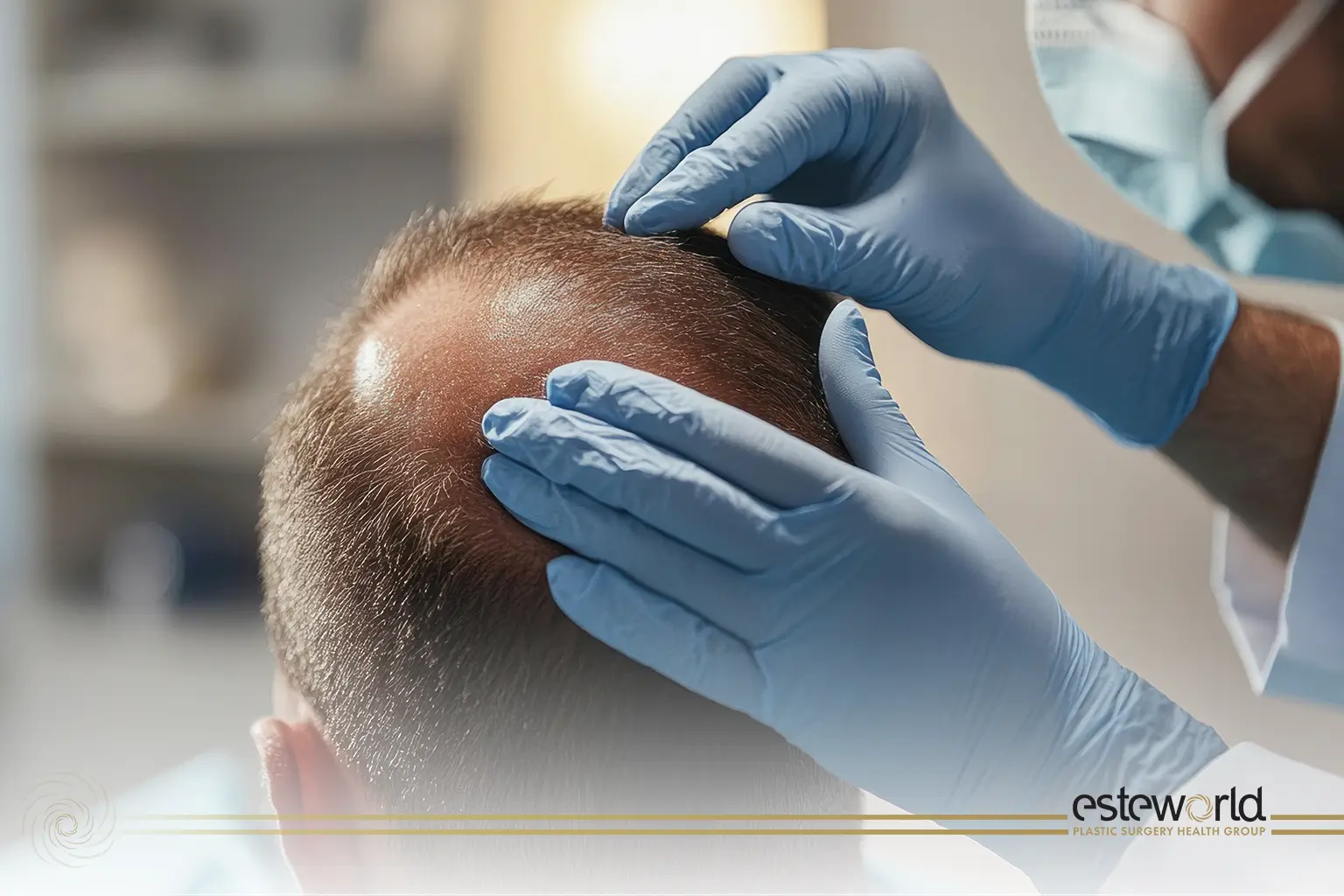
Transgender hair transplantation is performed by transferring hair follicles from a donor site, usually the back of the scalp, to areas experiencing hair loss. The procedure typically involves either Follicular Unit Extraction (FUE), where individual follicles are extracted and implanted, or Direct Hair Implantation (DHI), where follicles are placed directly into the recipient site. Both methods are designed to create a natural-looking hairline that is compatible with the individual’s gender identity. The process is tailored to meet specific needs and ensure minimal downtime, with careful pre- and post-operative care to optimize results and promote healing.
What Are the Differences Between Male and Female Hairlines?
- Shape:
- Male Hairlines: Typically have a more pronounced recession at the temples, often forming an M-shape or widow’s peak.
- Female Hairlines: Generally have a softer, more rounded shape with less recession at the temples.
- Hairline Position:
- Male Hairlines: Often start higher on the forehead, with more noticeable thinning or receding over time.
- Female Hairlines: Usually lower and more even across the forehead, with gradual thinning that maintains the overall shape.
- Patterns of Hair Loss:
- Male Hairlines: Commonly experience receding hairlines and bald spots, following patterns such as the Norwood scale.
- Female Hairlines: Typically show diffuse thinning over the entire scalp rather than distinct bald spots, following patterns like the Ludwig scale.
- Age of Onset:
- Male Hairlines: Hair loss often begins earlier, usually in the late teens or early twenties.
- Female Hairlines: Hair loss generally starts later in life, often during or after menopause.
These differences help in tailoring hair restoration approaches to match the specific patterns and aesthetics of male and female hairlines.
Transgender Hair Transplant Prices?
The cost of a transgender hair transplant varies greatly depending on various factors such as the technique used (such as Follicular Unit Extraction (FUE) or Direct Hair Implantation (DHI)), the extent of the transplant, the location of the clinic, and the experience of the surgeon. To get an accurate estimate, you can talk to esteworld hair transplant specialists who offer customized solutions for transgender patients and schedule an appointment.