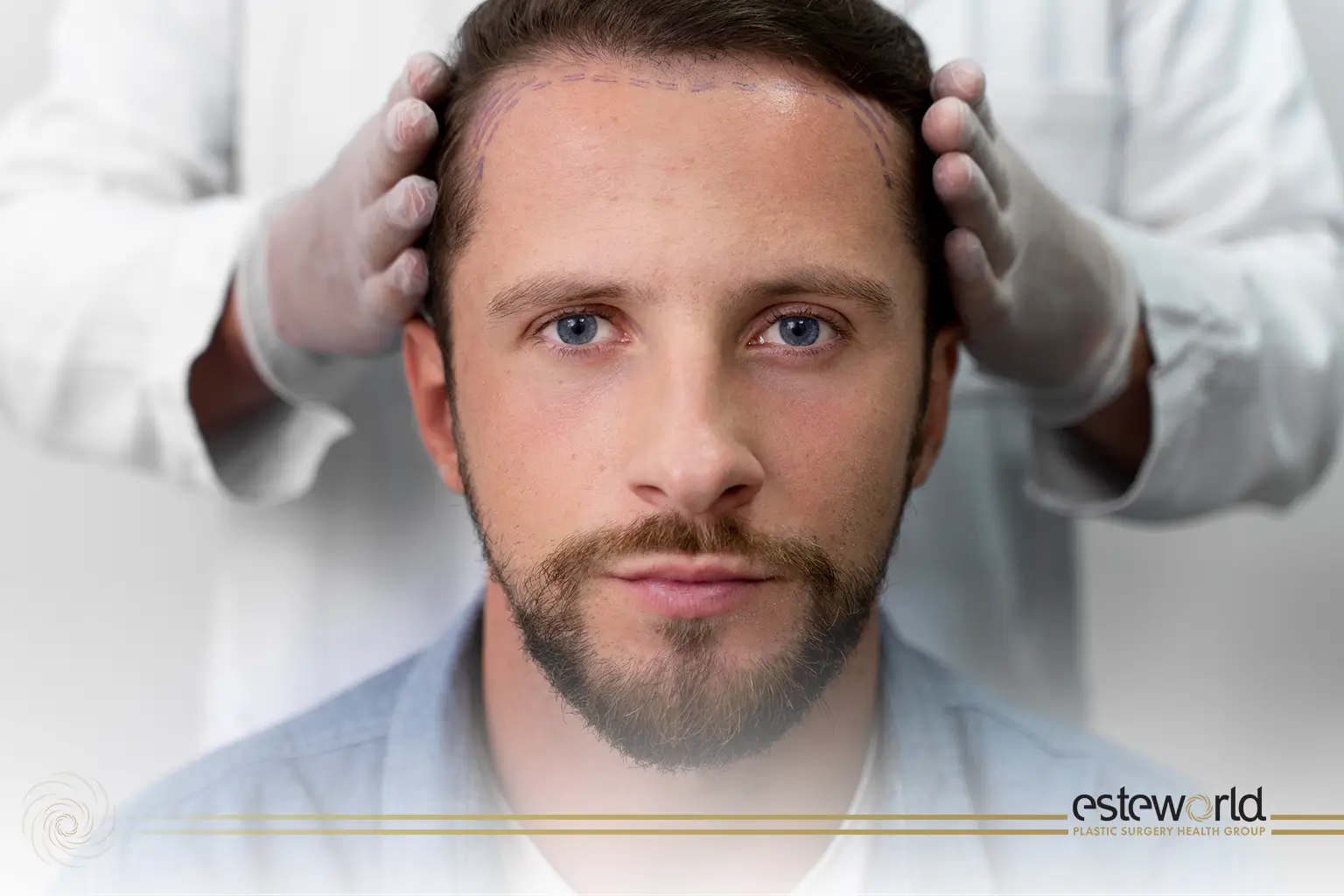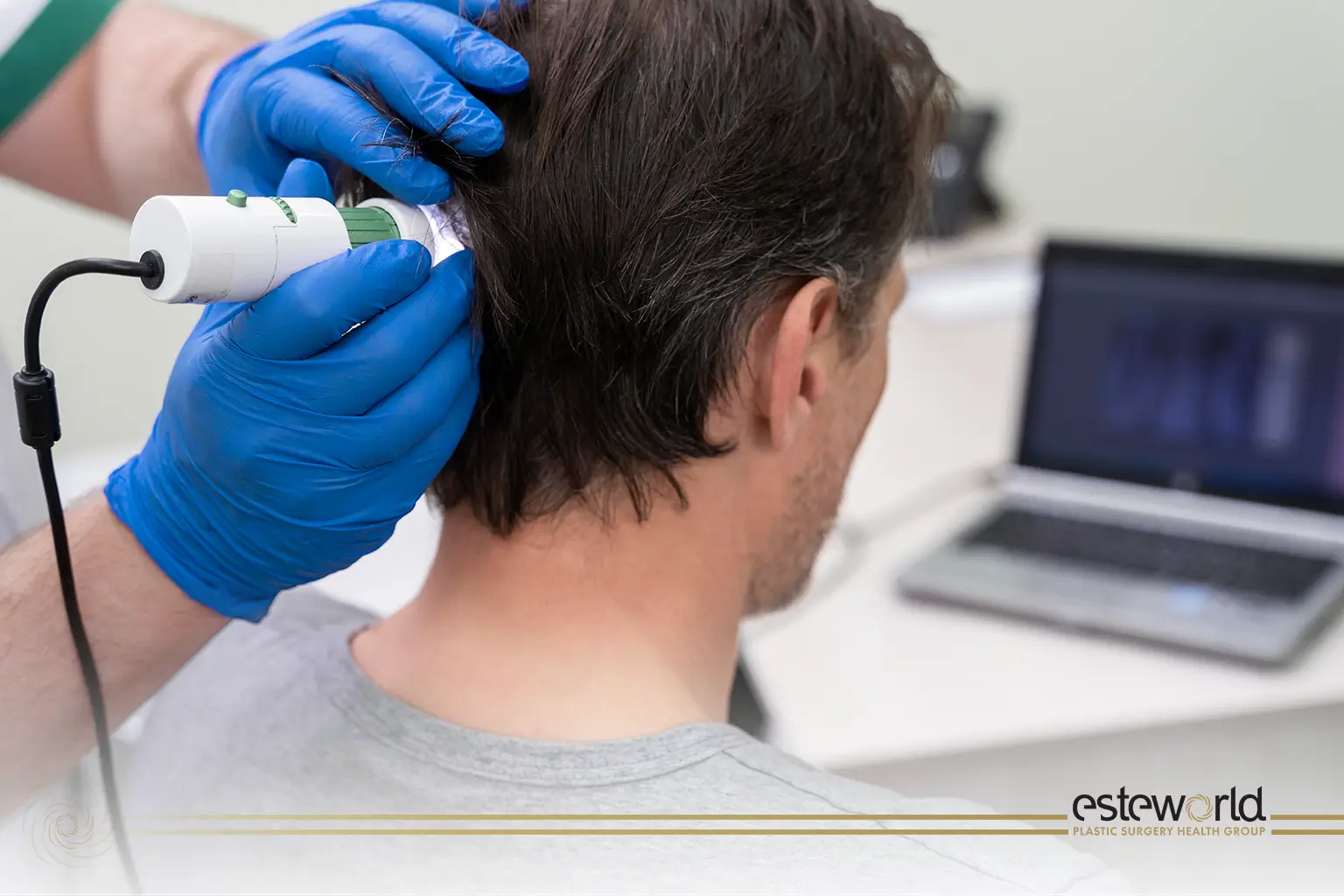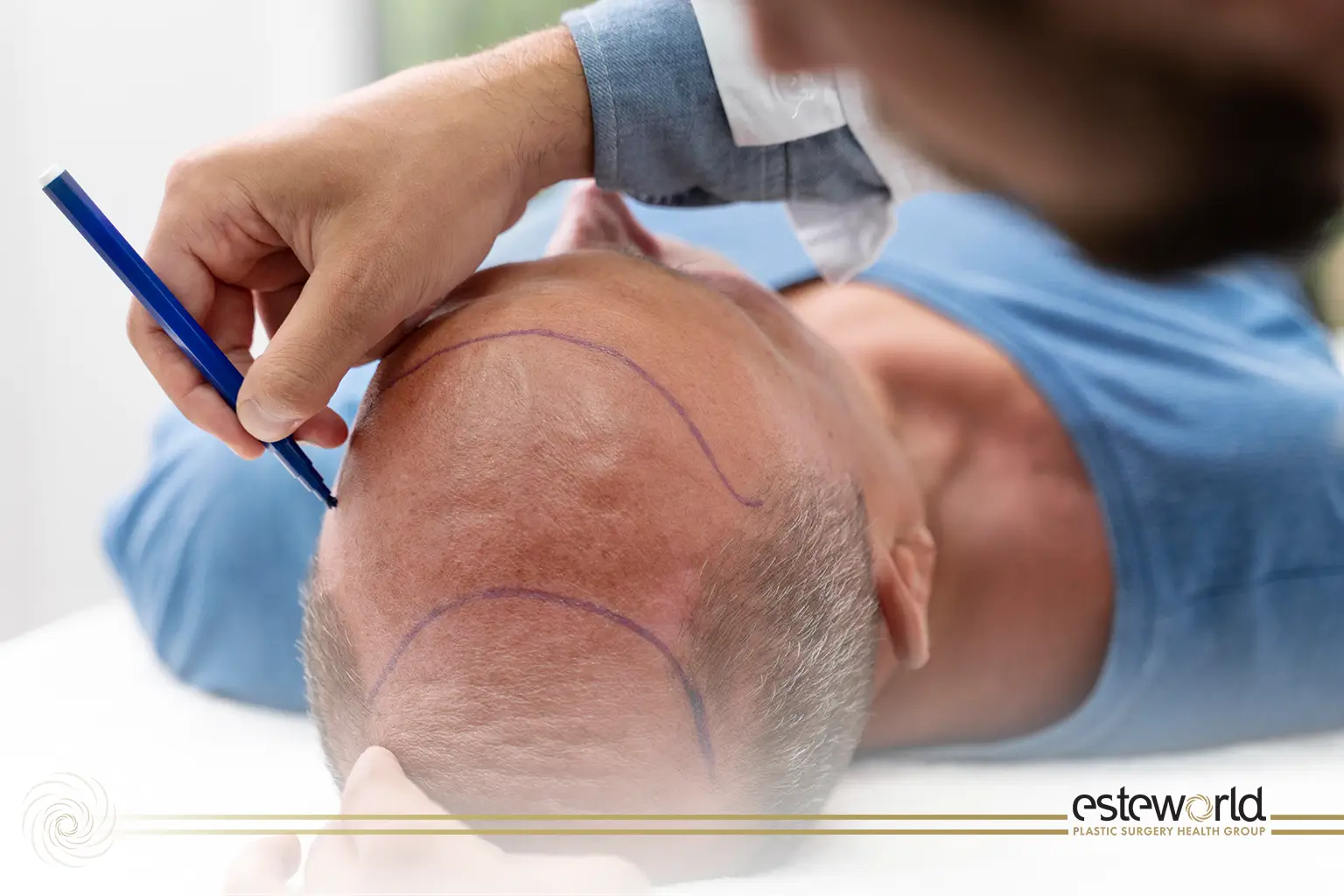

Hair transplantation is a promising option for many people seeking a permanent solution to hair loss. After hair transplantation, patients may experience a phenomenon called shock hair loss. This involves the temporary loss of newly transplanted hair and is a natural part of the treatment. It is important to learn more about the causes, symptoms and how to manage shock hair loss after hair transplantation in order to understand the temporary nature of this process and eventually achieve the desired result
Why Does Shock Loss Occur After Hair Transplantation?
Shock hair loss after hair transplantation is a phenomenon that some people experience temporarily after a hair transplant operation.
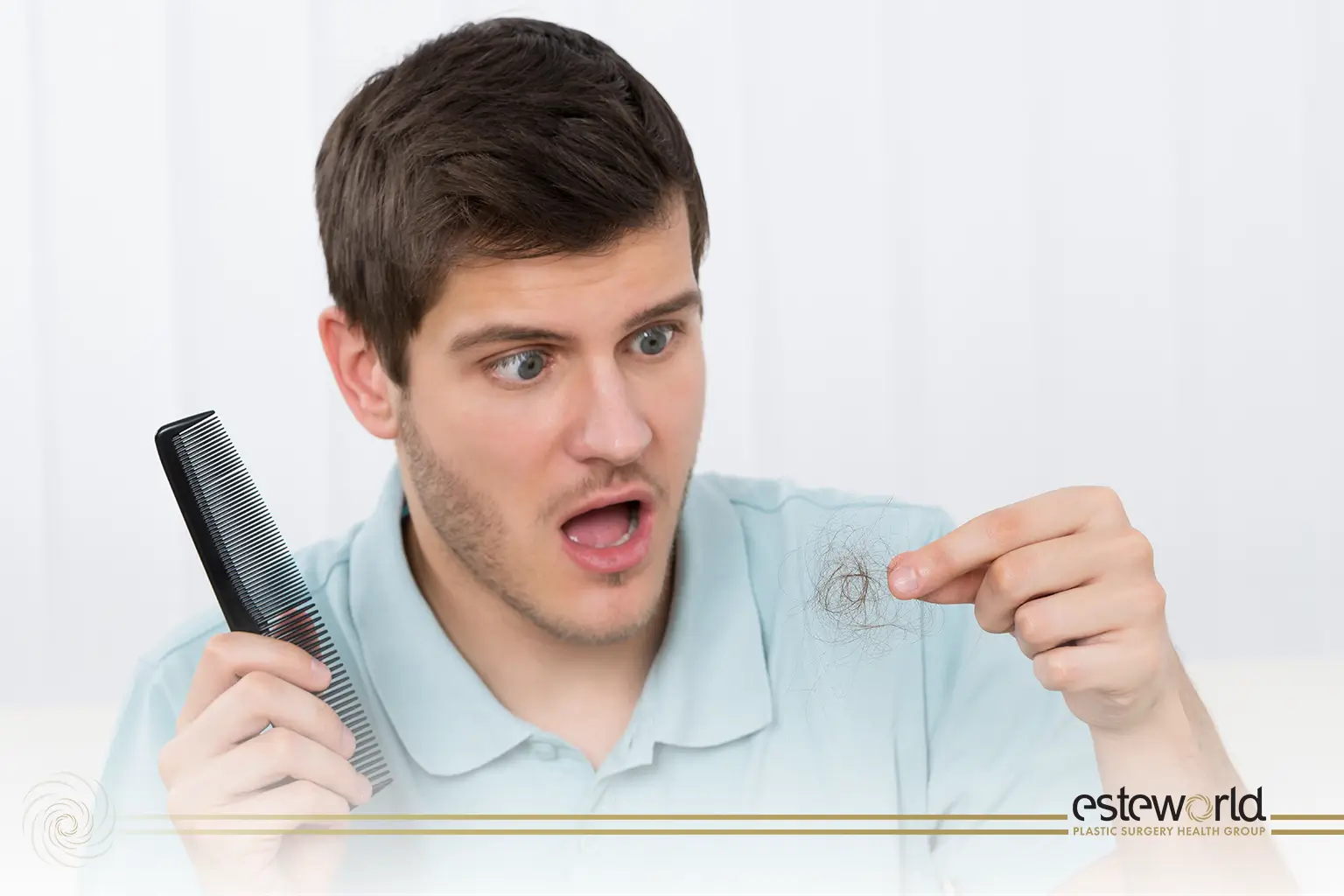
The implanted hair may fall out rapidly within a short period of time following the hair transplant. This shedding can be a reason to question or worry about the success of the hair transplant procedure; however, shock shedding is a natural and healthy process.
After this temporary loss, the hair continues to grow back strong and healthy.
Shock hair loss after hair transplantation is a natural and healthy process that confirms the beginning of new hair growth and precedes the formation of permanent hair.
There are several factors that can trigger shock hair loss after hair transplantation.
The two main causes of shock hair loss, which is a temporary and natural process, are as follows:
- Transplanted hair follicles undergo an adaptation process after being placed in a new body. Since this adaptation process cannot be completed immediately, the hair follicles may respond by shedding their old hair.
- Hair transplantation can cause minor trauma to the scalp. This may cause the hair to enter a resting phase and tend to fall out. This phase is a preparation process for the growth of healthy and strong hair.
When Does Shock Loss Occur After Hair Transplantation?
Shock hair loss after hair transplantation usually occurs within the first month after transplantation but can last from the second to the eighth week.
In general, shock hair loss after hair transplantation occurs within the first one to two months and is completed with the growth of healthy hair within a period of three months.
How Long Does Shock Loss After Hair Transplantation Last?
This shedding process, called shock shedding, usually lasts between 10-15 days. The duration of shock hair loss after hair transplantation may vary depending on genetic factors and the hair transplant method used.
Nevertheless, it is expected to end within two weeks from the start of shock hair loss.
What Happens After Shock Loss After Hair Transplantation?
Shock hair loss after hair transplantation can result in the temporary loss of a large portion of hair.
After this process, which should not be a cause for concern, the scalp continues to heal.
This phase is expected to be completed from the first month to the end of the third month, after which symptoms such as itching and acne may appear, but the hair starts to grow again.
These symptoms are not negative, but rather indicate that the scalp is healing as expected.
What Should I Pay Attention to in Shock Loss After Hair Transplantation?
The first thing to consider about shock hair loss is to be aware that it is a natural part of the process.
After accepting shock hair loss after hair transplantation as a healthy phase, there are some precautions that should be taken to support the growth of healthy hair. These measures are as follows:
Consuming foods with high nutritional value Drinking plenty of fluids Avoiding harmful substances such as alcohol and smoking Avoiding impacts on the scalp Avoiding exercises and activities that may cause excessive sweating Using shampoos and lotions recommended by the doctor These measures help the process to progress in a healthy way by ensuring that the hair is nourished and the hair follicles are not damaged during the shock loss phase, which is a critical period for the growth of new and healthy hair.
Shock shedding after hair transplantation is a normal and healthy process and taking the necessary precautions is of great importance for healthy hair growth.
You can contact us to get detailed information about hair transplantation and treatments from Esteworld specialist hair physicians.