Hair loss can be a challenging and emotional experience for many individuals. With advances in medical technology, robotic hair transplantation has emerged as a promising solution for those who want to regain their hair and their confidence. This innovative procedure utilizes state-of-the-art robotic technologies to ensure precision, efficiency and natural-looking results. In this article, we will examine the long-term results of robotic hair transplantation and provide information on what patients can expect in terms of hair growth, density and overall satisfaction. Whether you are considering this procedure or have already undergone it, understanding the long-term results is crucial to making informed decisions about your hair restoration journey.
What is Robotic Hair Transplantation?
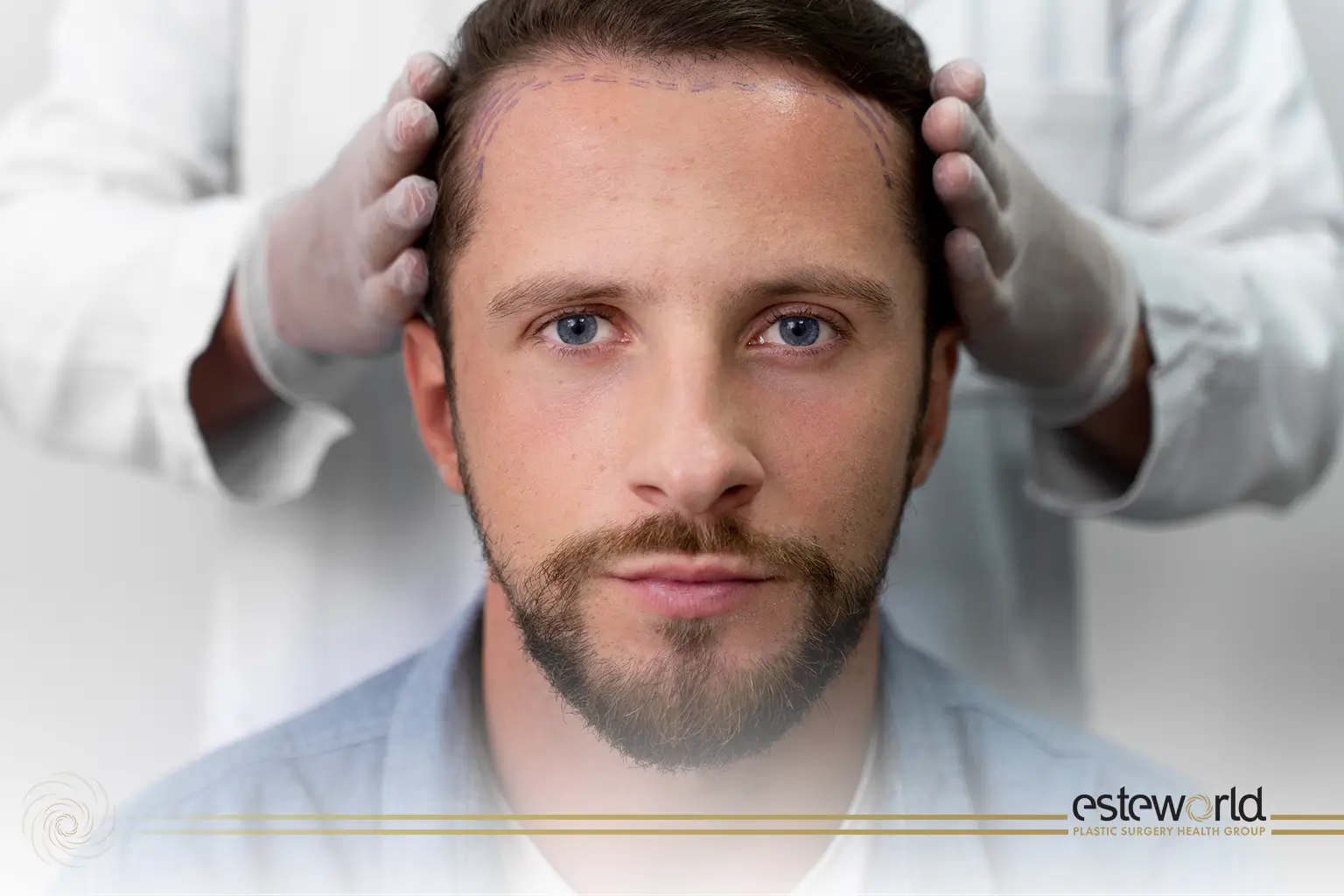
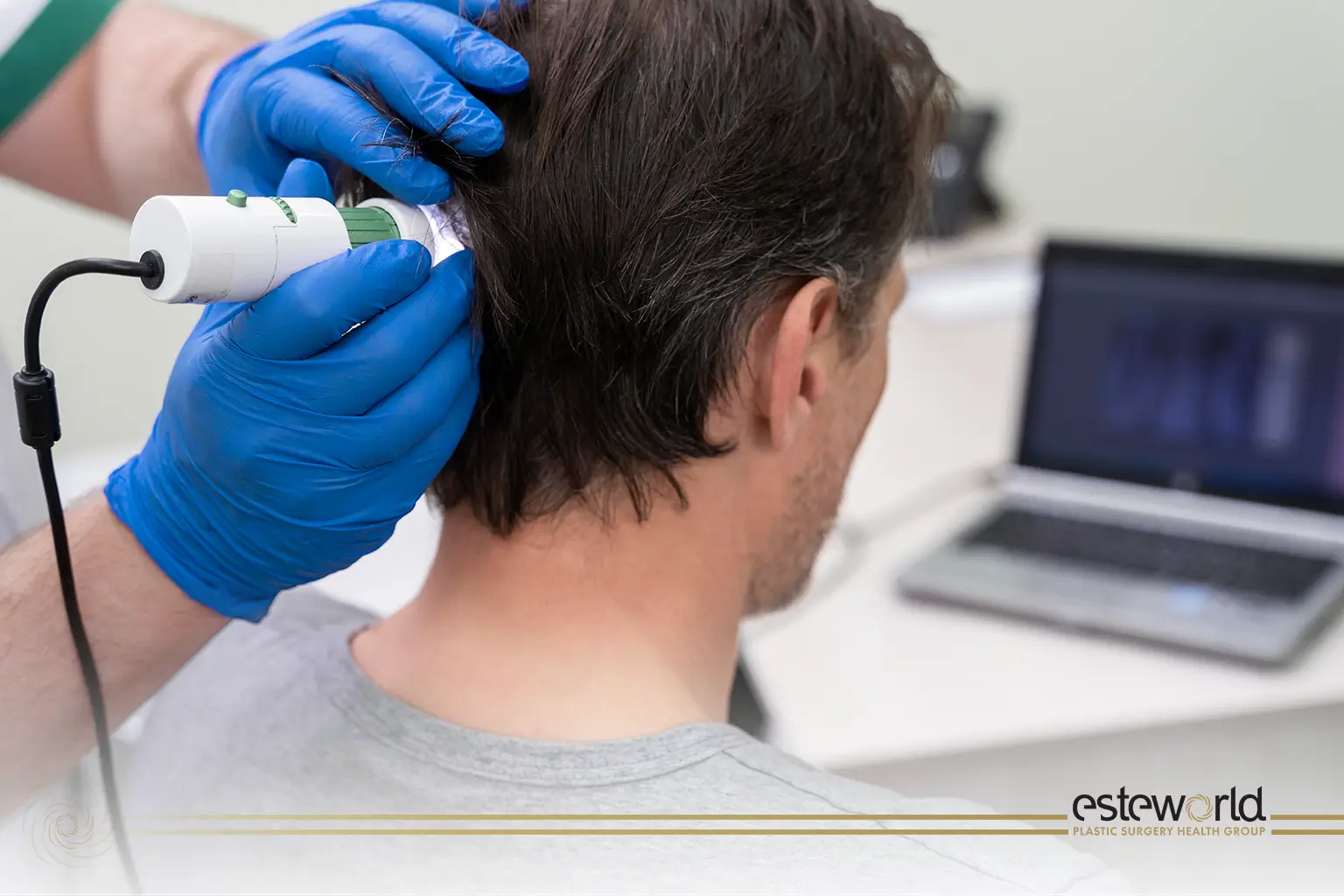
Robotic hair transplantation is an advanced hair restoration procedure that utilizes robotic technology to assist in the extraction and implantation of hair follicles. Typically guided by a physician, the system uses high-resolution imaging and precision robotic arms to harvest individual follicles from the donor area and accurately place them in the recipient area. This method increases the precision, consistency and speed of the transplant, resulting in natural-looking and long-lasting hair growth with minimal discomfort and downtime for the patient.
How is Robotic Hair Transplantation Performed?
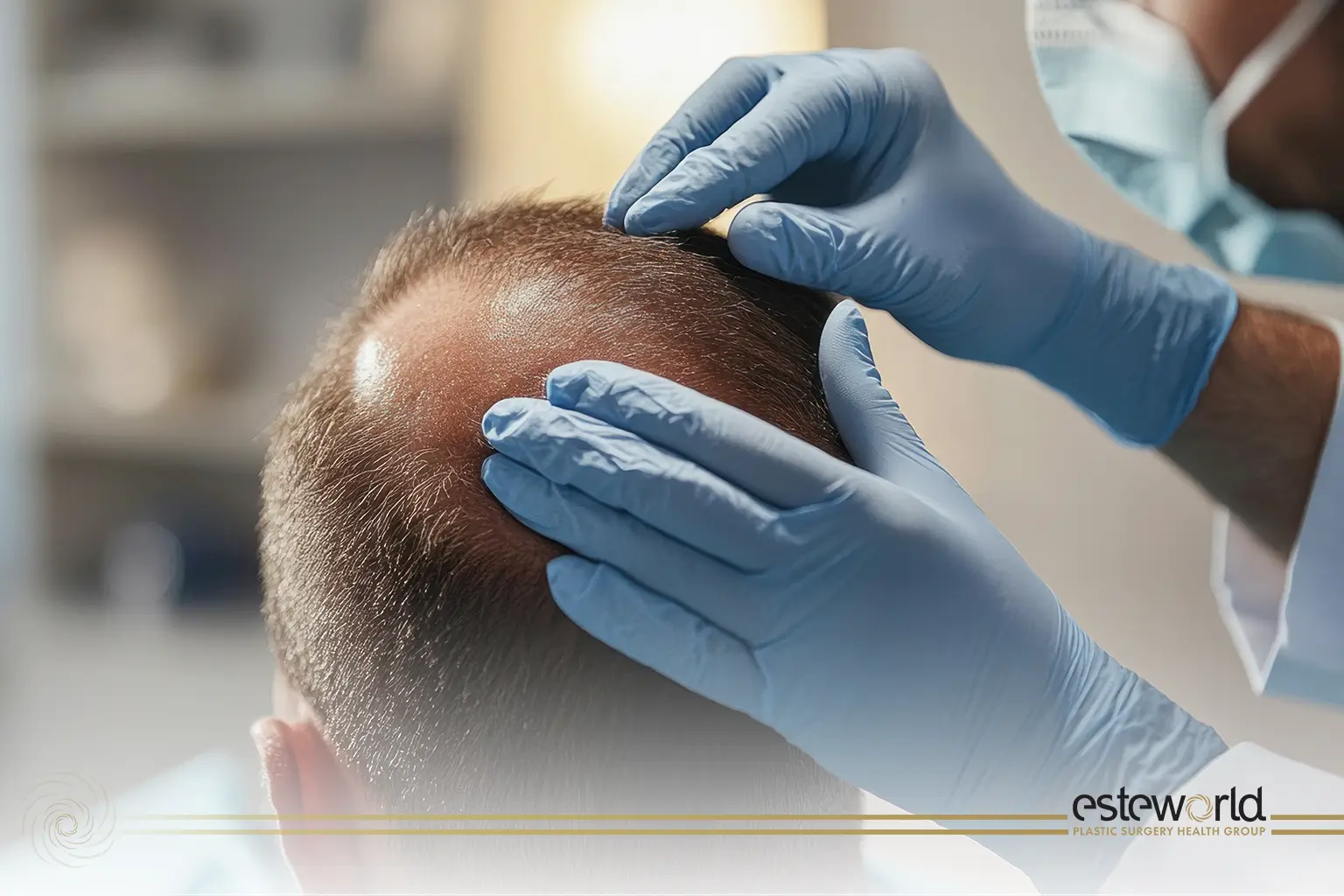
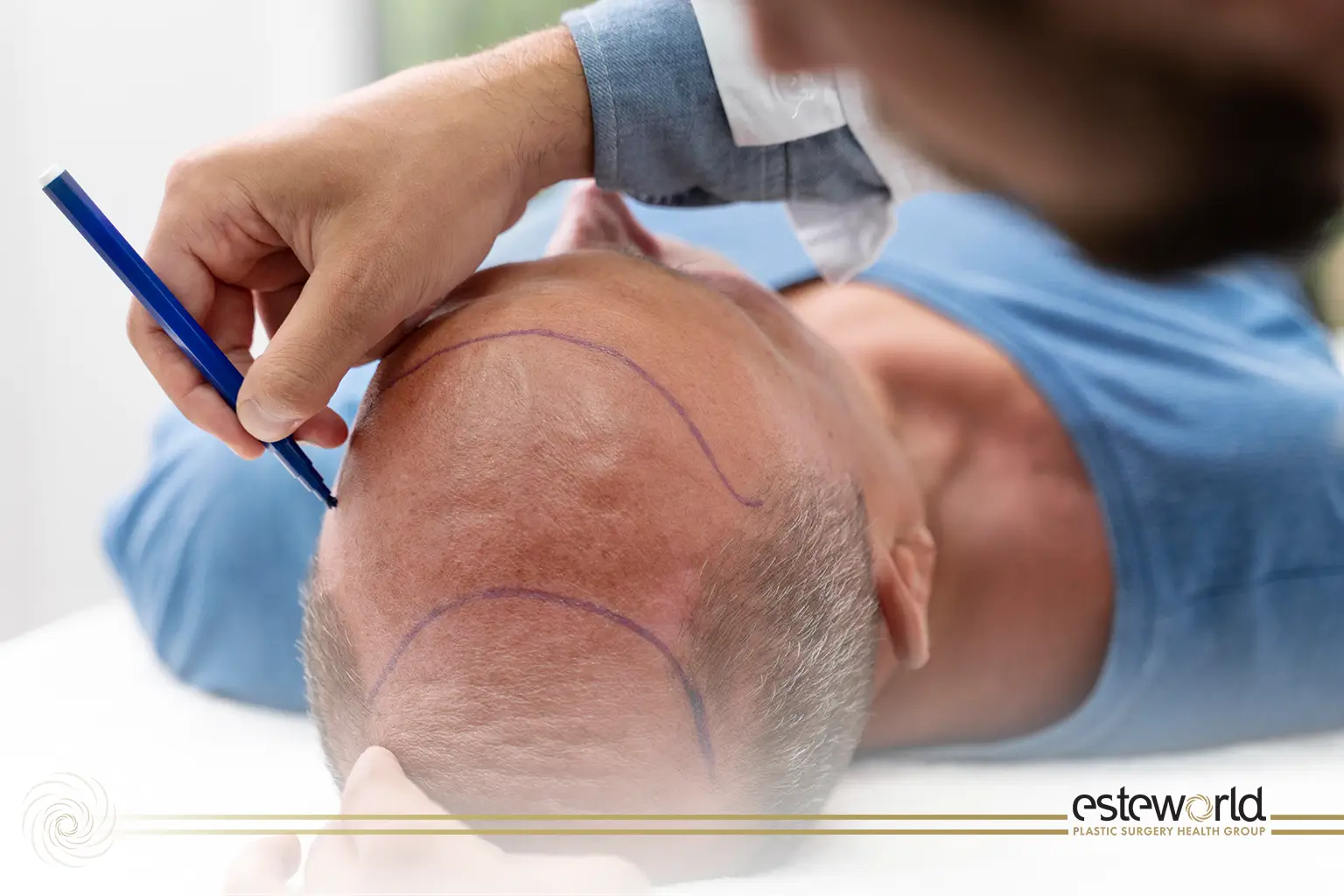
Robotic hair transplantation is performed by utilizing a sophisticated robotic system that aids in both the extraction and implantation of hair follicles. The process begins with the robotic arm, guided by high-resolution imaging, identifying and harvesting healthy hair follicles from the donor area, typically at the back of the scalp. These follicles are then meticulously implanted into the balding or thinning areas, following the natural growth pattern of the patient’s hair. The entire procedure is overseen by a skilled physician to ensure precision and optimal results, offering a minimally invasive solution with high accuracy and consistent outcomes.
Robotic Hair Transplant Process
First Week
In the first week following a robotic hair transplant, patients will experience the initial recovery phase. During this time, it is common to have some swelling, redness, and minor discomfort in the scalp. The newly transplanted hair follicles are settling into their new positions, and the donor site may show signs of minor bruising or scabbing. It’s important to follow post-operative care instructions closely, including keeping the scalp clean and avoiding strenuous activities. Most patients can return to their normal activities within a few days, although it’s advisable to avoid direct sun exposure and excessive sweating.
First Month
By the end of the first month, most of the initial swelling and redness will have subsided. The transplanted hair follicles will start to shed as part of the natural hair growth cycle, which is a normal part of the process. This shedding is known as “shock loss” and is temporary. The donor area should be healing well, with any residual scabbing or bruising fading away. Patients should continue to adhere to their post-operative care routine, which may include gentle hair washing and the use of prescribed topical treatments.
First 3 Months
At three months, patients will start to see signs of new hair growth as the transplanted follicles enter the active growth phase. The hair might appear thin and fine initially, but it will gradually thicken over time. The scalp should be well-healed by now, with minimal visible signs of the procedure. It is important to maintain regular follow-up appointments with your specialist to monitor progress and address any concerns. Continued adherence to prescribed treatments and scalp care can help ensure the best possible outcomes.
Month 6
By six months, patients will experience more noticeable hair growth. The newly transplanted hair should start to resemble the surrounding natural hair in terms of density and texture. This is a critical period for evaluating the success of the procedure. Most people will see a significant improvement in coverage and overall hair density. While individual results may vary, continued patience and adherence to aftercare instructions are key. Regular check-ups with the hair restoration specialist can help track progress and make any necessary adjustments to the care plan.
Robotic Hair Transplant 1 Year and After
One year after a robotic hair transplant, patients typically see the final results of their procedure. The transplanted hair should be fully grown in, with a natural appearance that blends seamlessly with the existing hair. The density, coverage, and overall aesthetic should be well-established by this time. Long-term results will largely depend on individual factors such as hair type, genetics, and adherence to aftercare. Most patients are very satisfied with their results, enjoying a fuller head of hair and improved confidence. Ongoing maintenance and regular check-ins with the hair restoration specialist can help sustain the results and address any potential issues.
Robotic Hair Transplant Results
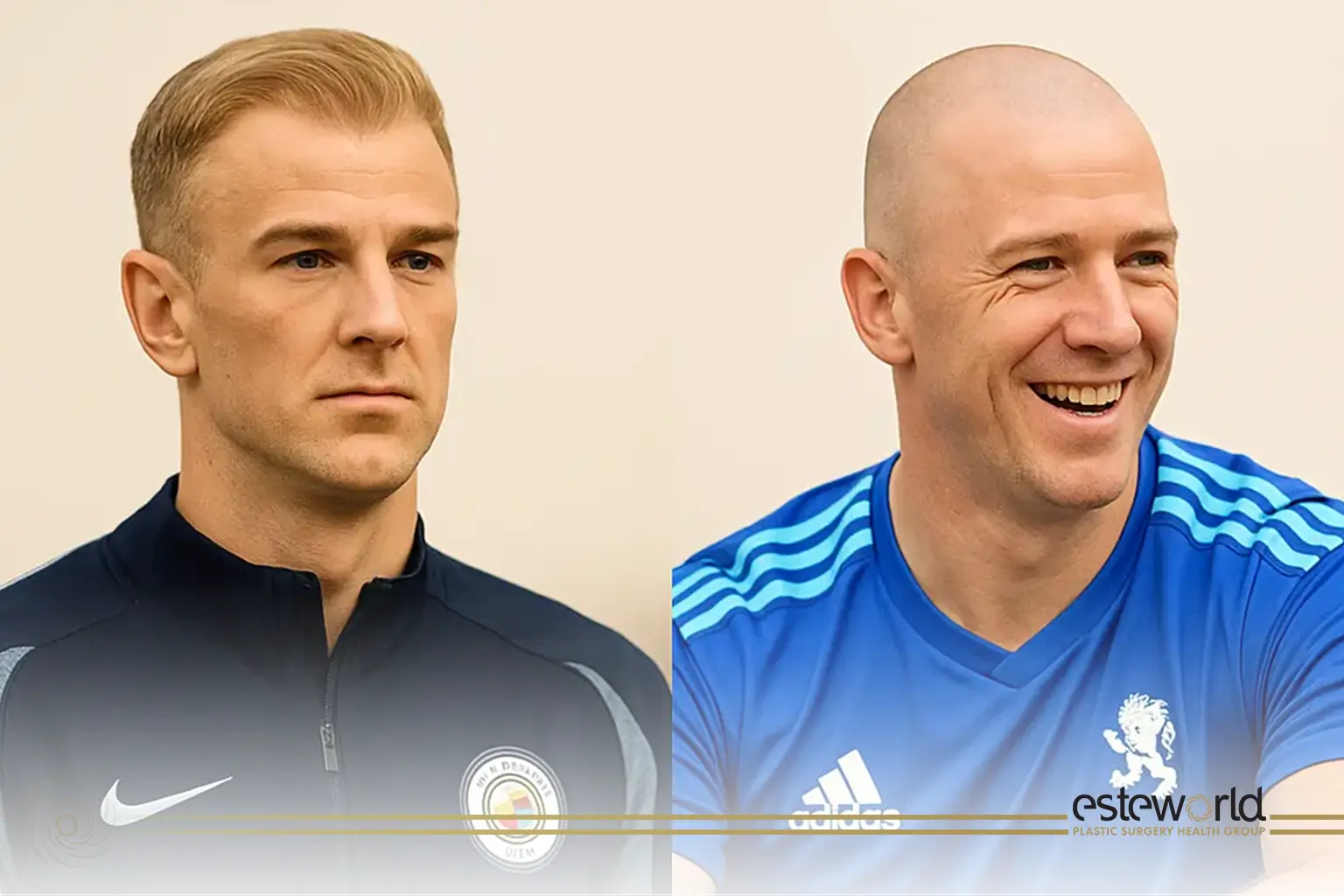
Robotic hair transplant results are often compared favorably to other hair transplantation methods due to the precision and consistency offered by robotic technology. Unlike traditional methods, which can be more manual and variable, robotic systems use high-resolution imaging and automated techniques to ensure accurate follicle extraction and placement. This typically results in a more natural-looking hairline, less trauma to the donor area, and a faster recovery time. While both robotic and traditional methods can yield successful outcomes, the robotic approach often provides enhanced precision and fewer complications, leading to improved overall results and patient satisfaction.