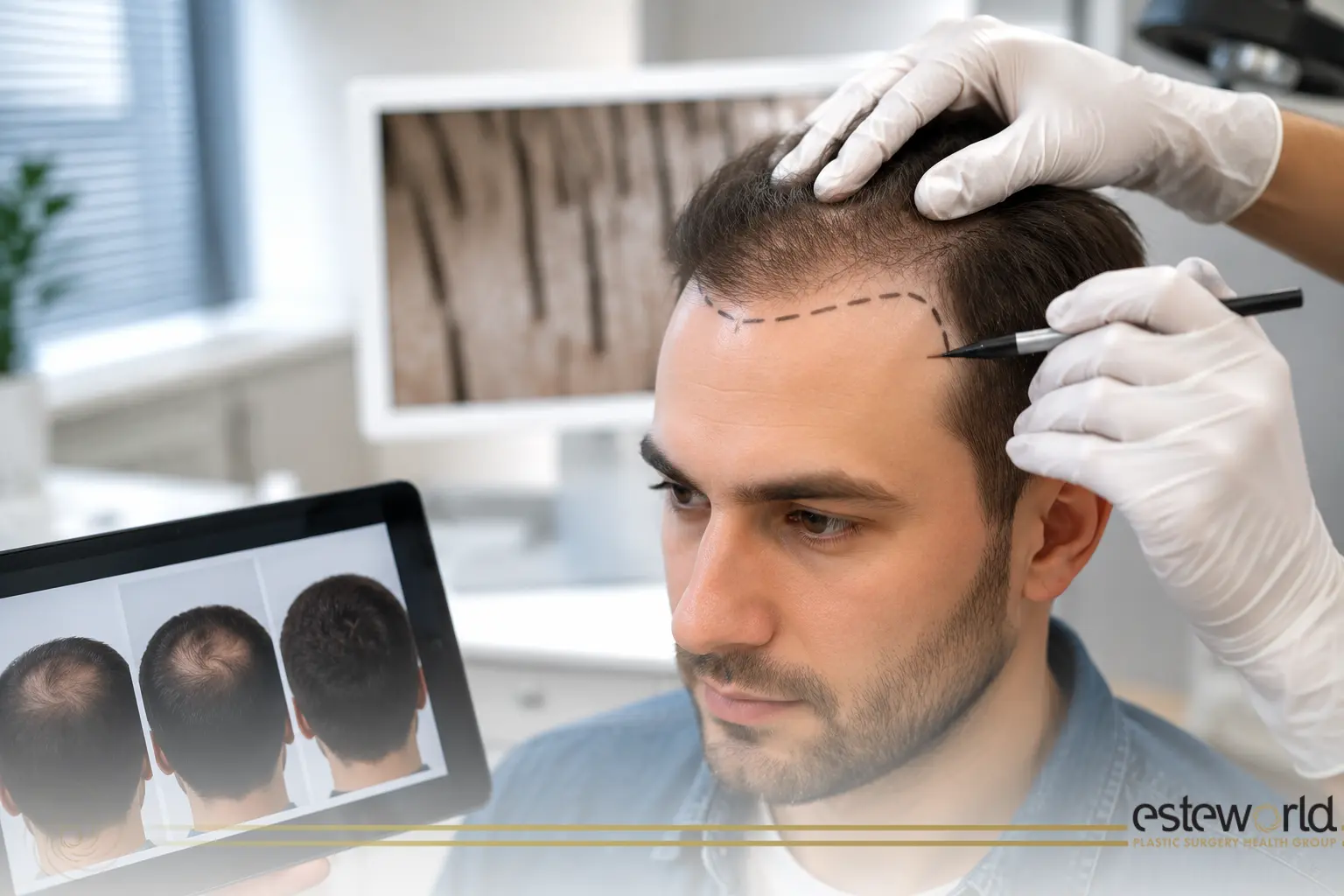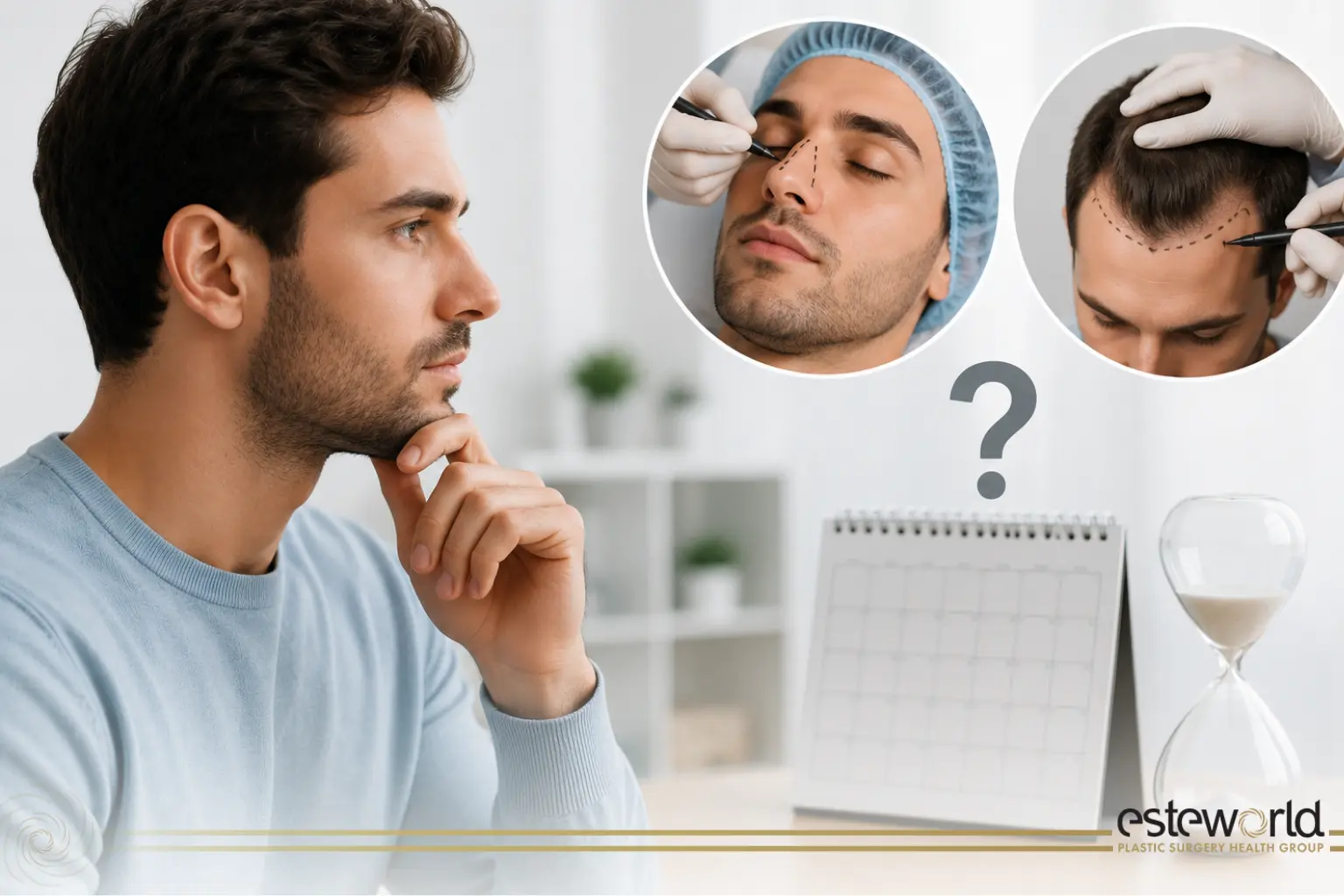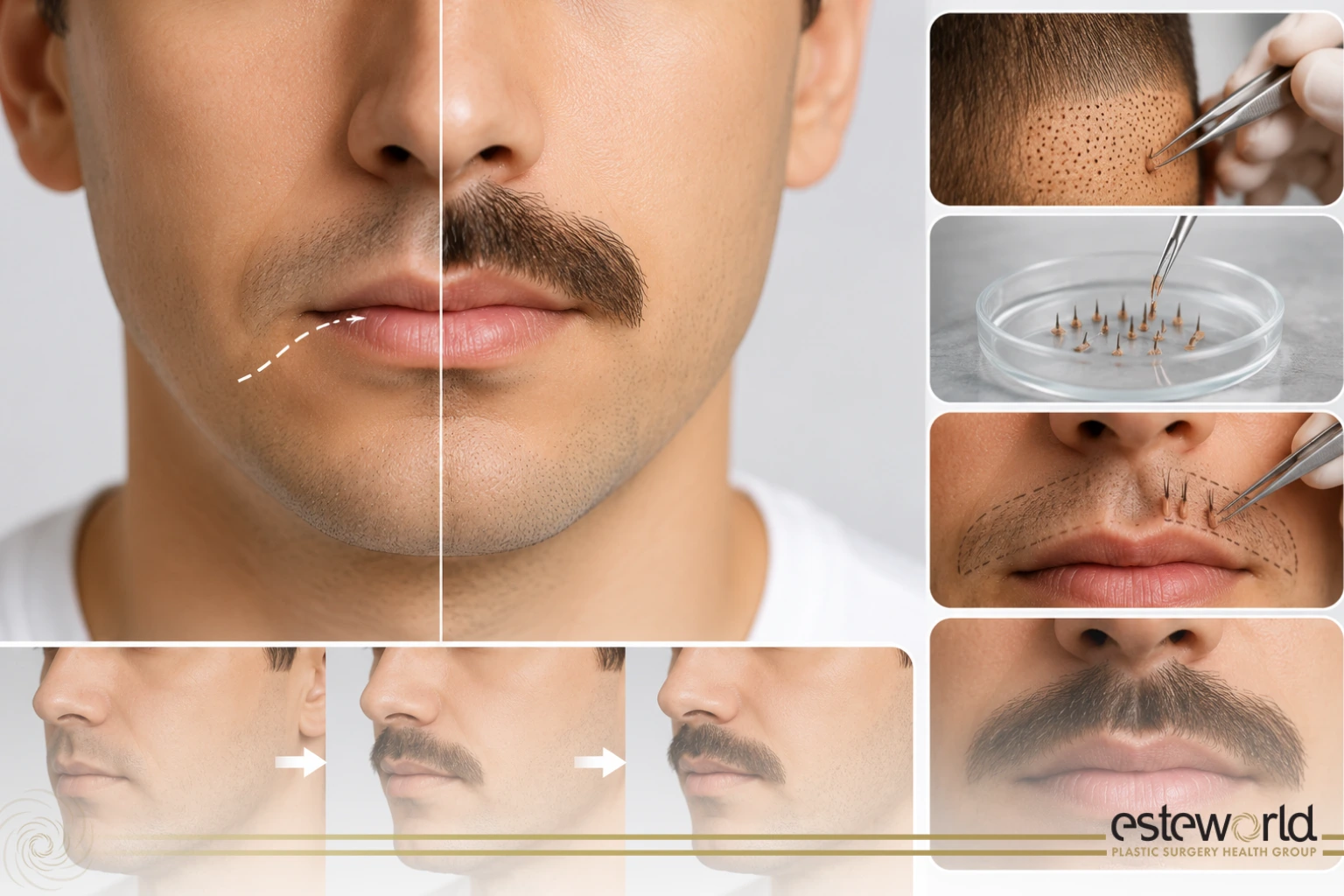

Hair transplantation, a surgical procedure designed to eliminate hair loss and restore natural hairlines, has emerged as a transformative solution for those struggling with thinning hair or baldness. However, not everyone is an ideal candidate for this procedure. Certain qualifications and considerations must be met to ensure the best possible results and patient satisfaction. In this guide, we discuss the basic qualifications that individuals must meet before undergoing a hair transplant. From age and health prerequisites to realistic expectations and donor hair adequacy, we will summarise the key factors that determine a person’s suitability for this innovative hair restoration procedure. Let’s explore the important criteria that pave the way to a successful hair transplant journey.
Qualifications to Get a Hair Transplant Procedure
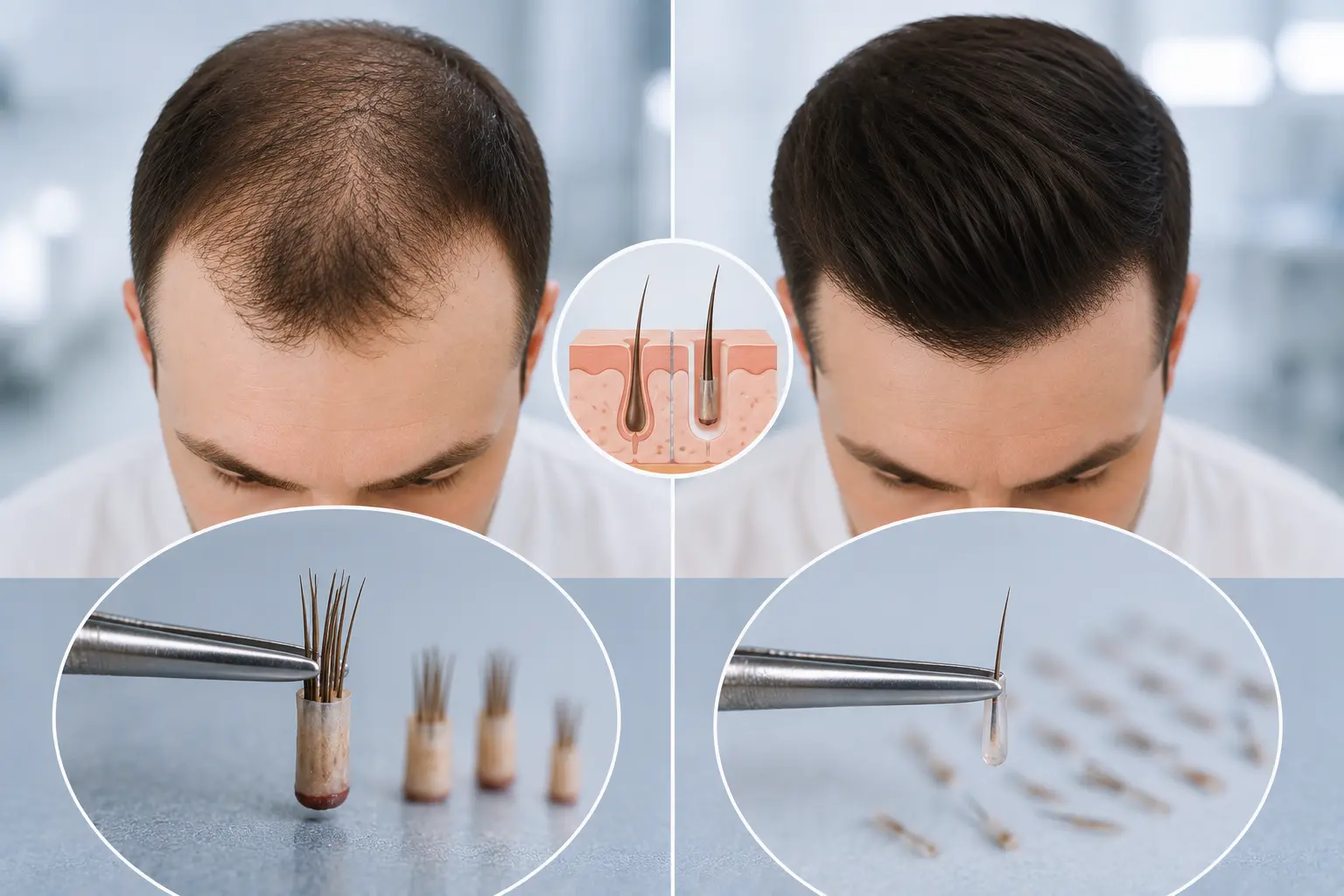
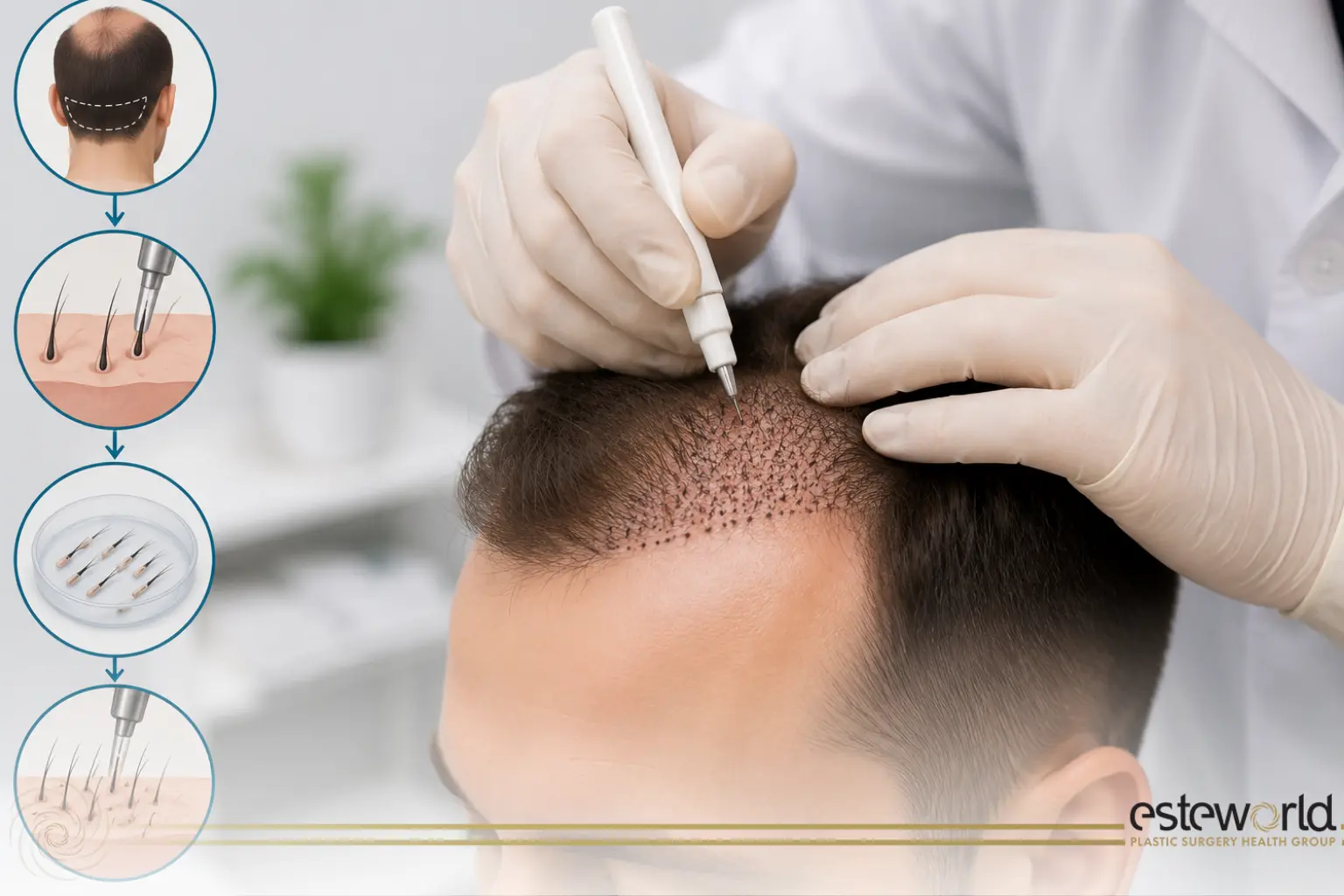
Hair transplantation is a surgical procedure that involves removing hair follicles from a part of the body (usually the back or sides of the scalp where hair is typically denser) and placing them in an area where hair is thinning or balding. The goal is to restore a natural-looking hairline and improve overall hair density.
Here are the typical qualifications and considerations for hair transplantation:
1. Age and Maturity
Hair transplantation is generally recommended for adults whose hair loss has reached a stable stage. Younger individuals may not be ideal candidates because the shape and extent of their hair loss may not yet be fully apparent.
2. Extent of Hair Loss
Candidates should have a stable and identifiable pattern of hair loss that indicates a clear need for hair restoration. Hair transplantation is most effective for individuals with male pattern baldness (androgenic alopecia) or female pattern hair loss.
3. Healthy Scalp
The scalp should be healthy with adequate blood circulation. Conditions such as dermatitis, psoriasis or infection may need to be treated and resolved before hair transplantation is considered.
4. Sufficient Donor Hair
An adequate amount of donor hair is necessary for a successful hair transplant. The donor area (typically the back or sides of the scalp) must have enough hair follicles to effectively cover the recipient area.
5. Realistic Expectations
Candidates should have realistic expectations regarding the results of the procedure. Hair transplantation can improve hair density and appearance, but may not restore a full head of hair as in youth.
6. General Health and Medical History
A thorough medical evaluation is essential to ensure that the candidate is in good general health and is not taking any conditions or medications that could interfere with the surgery or the healing process.
7. Stability of Hair Loss
It is important that the candidate’s hair loss is stabilised. Performing a hair transplant while hair loss is still occurring may result in irregular or unnatural results.
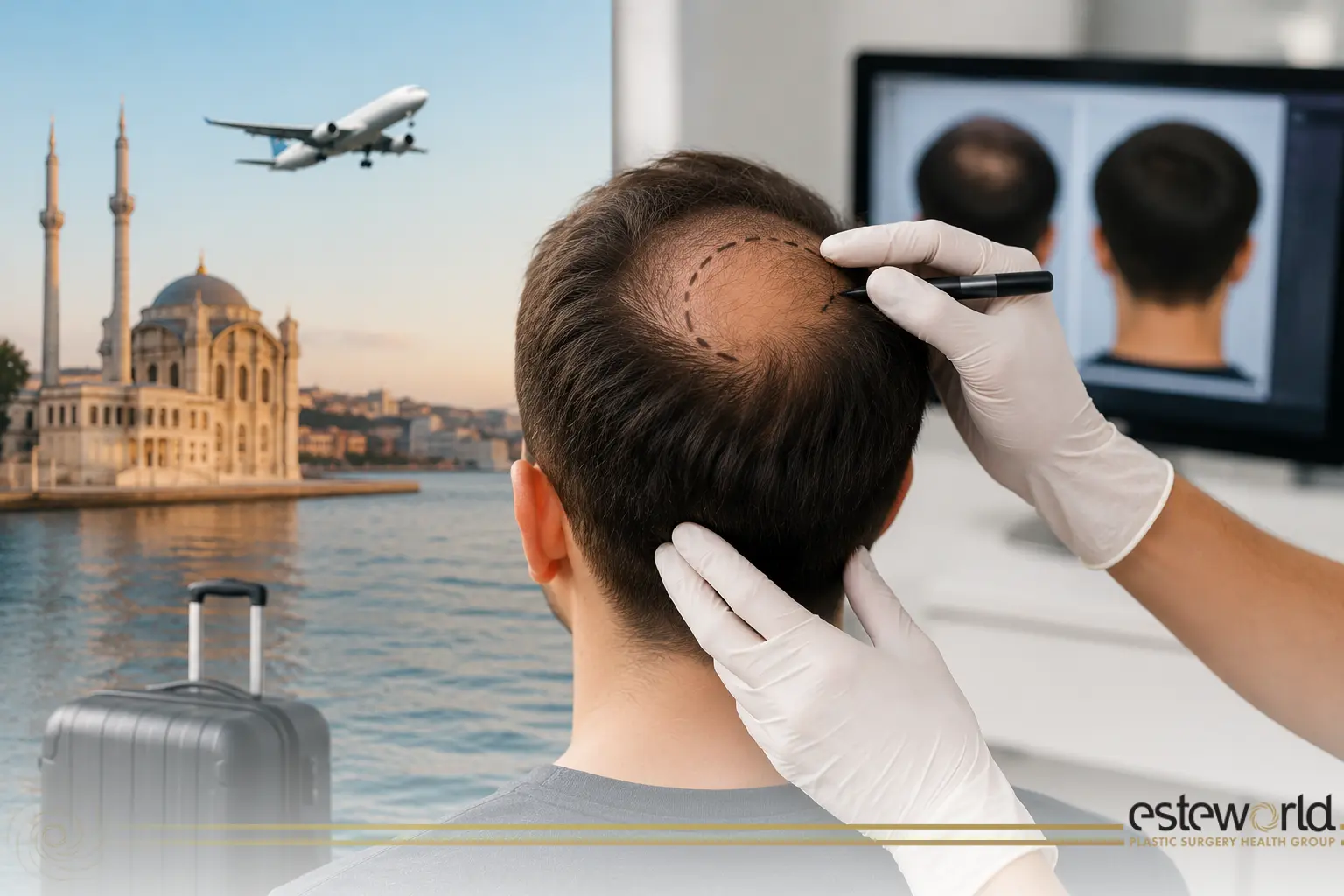
8. Consultation with an Expert
Potential candidates should consult a qualified and experienced hair transplant surgeon for a thorough evaluation and personalised recommendations.
9. Financial Considerations
Hair transplantation is a significant investment. Candidates should consider the cost of the procedure and whether it fits within their budget.
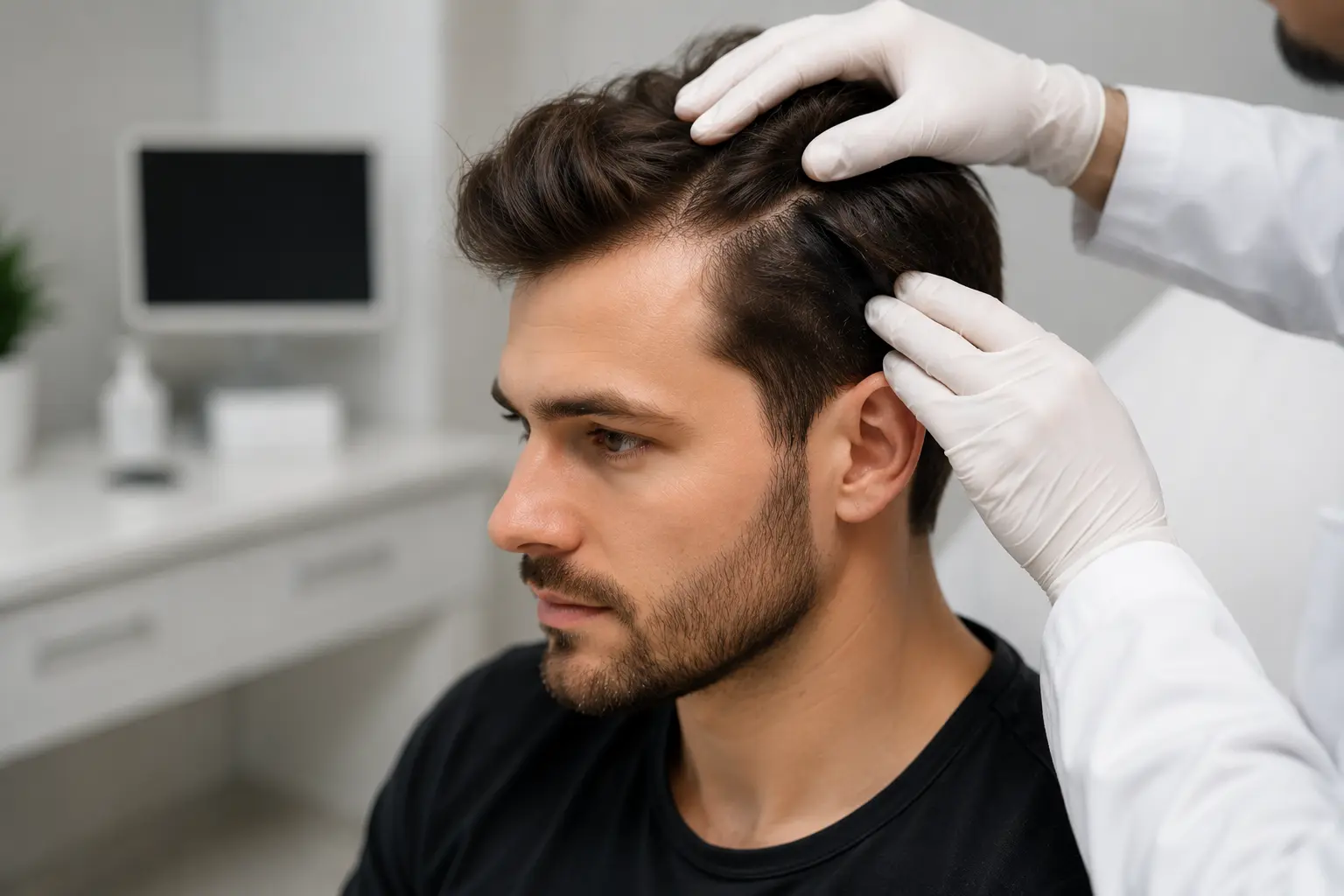
It is very important to consult with a qualified hair transplant surgeon to determine if you are a suitable candidate for the procedure and to discuss your goals and expectations. The surgeon will perform a thorough evaluation and provide personalised recommendations based on your individual circumstances.