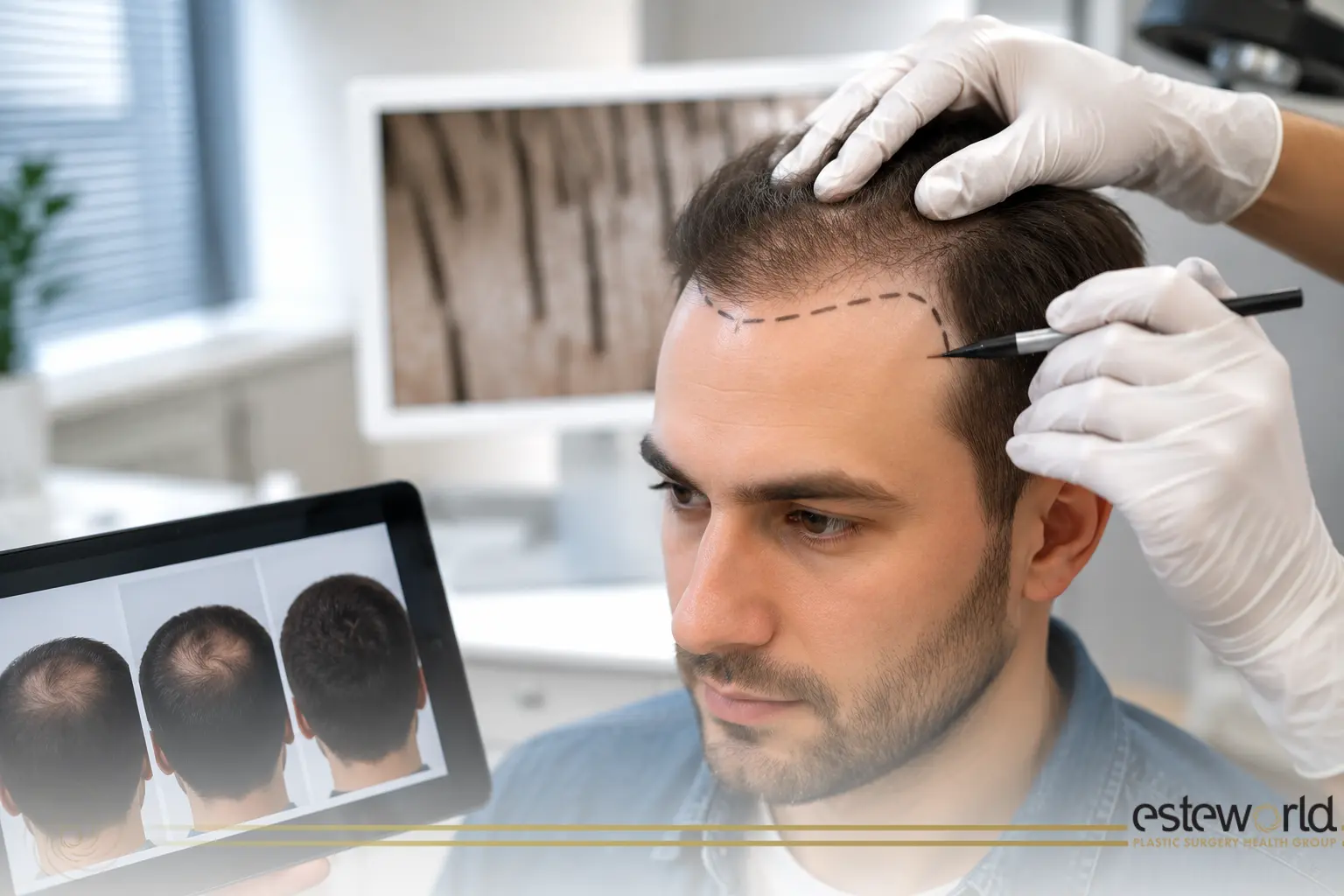

Hair transplantation is a surgical hair restoration procedure that involves moving healthy hair follicles from a donor area, usually the back or sides of the scalp, to areas affected by thinning or hair loss. Modern techniques such as FUE, Sapphire FUE, and DHI allow surgeons to transplant individual grafts while preserving a natural appearance. The transplanted follicles continue to grow in their new location, making hair transplantation one of the most effective long-term solutions for suitable candidates experiencing hair loss.
How do hair transplants work? Hair transplants work by extracting healthy hair follicles from a donor area and implanting them into thinning or bald areas of the scalp. Once transplanted, these follicles establish a blood supply and continue producing hair naturally. Techniques such as FUE and DHI are commonly used to achieve natural-looking and long-lasting results.
What Is a Hair Transplant?
Hair loss affects millions of men and women worldwide. While medications and non-surgical treatments may help slow hair loss progression, they often cannot restore hair in areas where follicles have stopped producing new strands. This is where hair transplantation becomes a valuable treatment option.
A hair transplant is a minimally invasive procedure designed to redistribute healthy hair follicles from one part of the scalp to another. Rather than creating new hair, the procedure relocates existing follicles that are genetically resistant to hair loss.
The most common donor area is located at the back and sides of the head. These follicles are generally less sensitive to the hormone dihydrotestosterone (DHT), which is one of the primary causes of androgenetic alopecia. Because these follicles maintain their genetic characteristics after transplantation, they continue growing hair in their new location.
Modern hair transplant procedures have evolved significantly over the past decade. Today’s techniques allow for natural hairline design, high graft survival rates, and faster recovery compared to older methods.
Who Is a Good Candidate for a Hair Transplant?
Not everyone experiencing hair loss is automatically a candidate for surgery. A successful outcome depends on several factors, including the cause of hair loss, donor area quality, age, and expectations.
Individuals with androgenetic alopecia, commonly known as male or female pattern hair loss, are often among the best candidates. People with stable hair loss and sufficient donor hair generally achieve the most predictable outcomes.
Hair transplantation may also be considered for individuals who have lost hair due to trauma, burns, previous surgeries, or certain medical conditions. However, a detailed consultation is always necessary before planning treatment.
Factors That Influence Eligibility
Several elements are evaluated before a surgeon recommends a hair transplant procedure:
- Donor area density and quality
- Extent of hair loss
- Hair characteristics such as thickness and texture
- Age and future hair loss pattern
- Overall health condition
- Realistic expectations regarding results
A thorough assessment helps determine whether surgery is the most appropriate solution and which technique may provide the best outcome.
How Do Hair Transplants Work Step by Step?
Many people understand the general concept of moving hair follicles, but they are often curious about what actually happens during the procedure. Understanding each stage can make the process easier to follow and help patients feel more comfortable about treatment.
Consultation and Hair Analysis
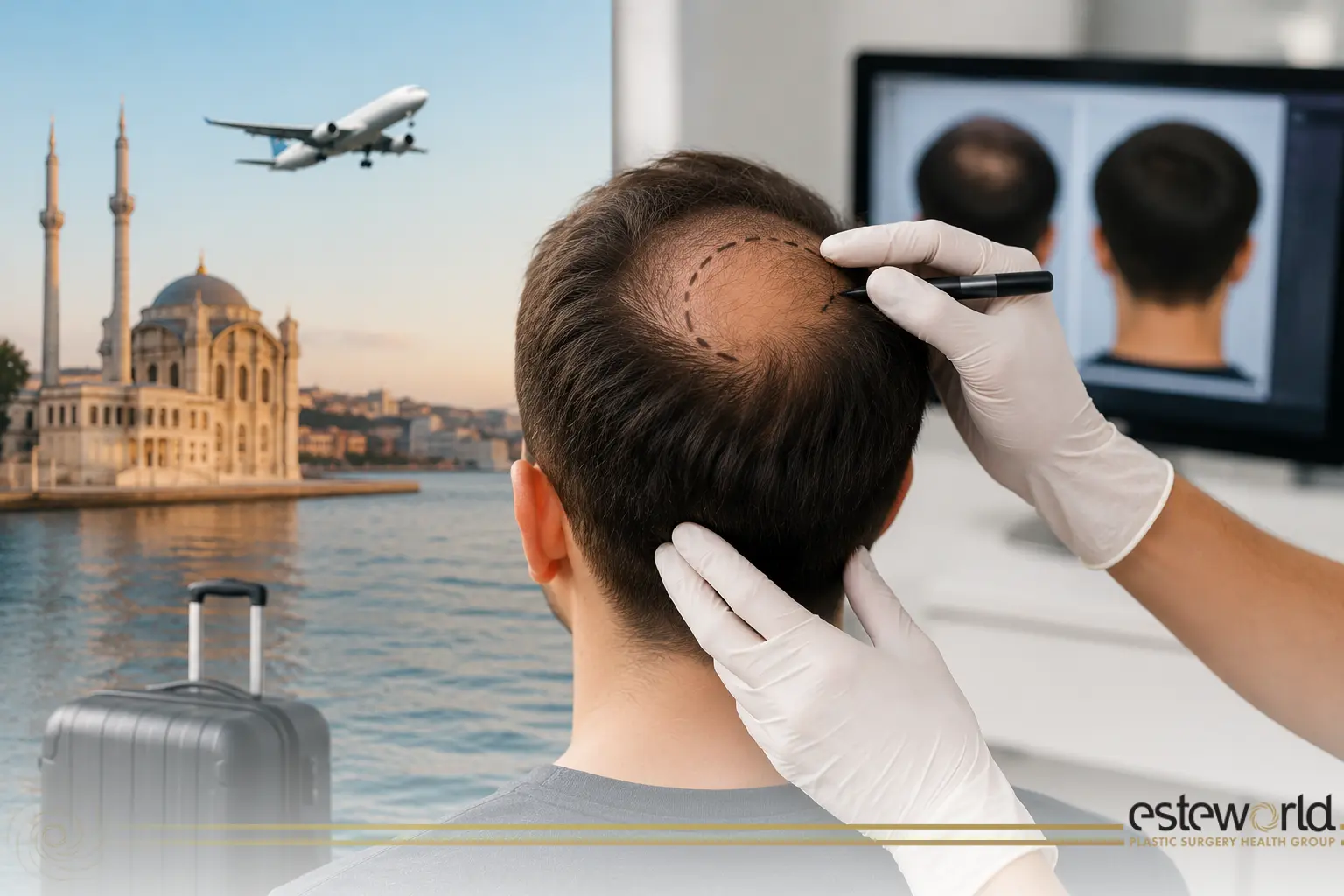
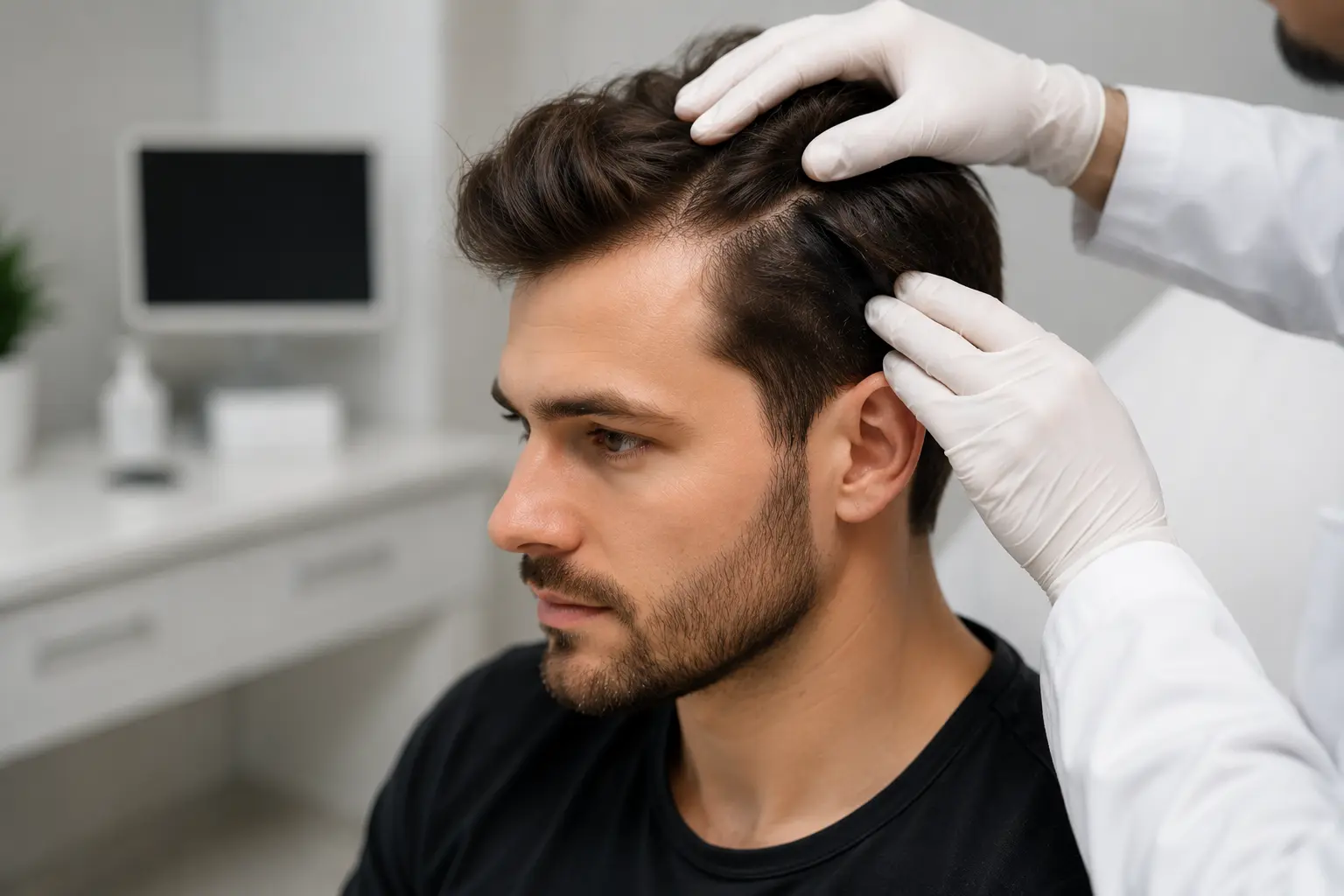
Every successful hair transplant begins with a detailed consultation. During this stage, the surgeon evaluates the scalp, examines donor hair density, and discusses the patient’s goals.
Hairline planning is one of the most important aspects of treatment. A well-designed hairline should complement facial proportions while maintaining a natural appearance over time.
Photographs and scalp analysis may be performed to assess current hair loss and estimate the number of grafts required.
Why Planning Matters
The consultation stage is not simply about determining how many grafts can be transplanted. It is about creating a long-term strategy. Hair loss may continue in non-transplanted areas, so surgeons often plan with future changes in mind.
A conservative and natural design typically produces better long-term results than an aggressive approach that may not age well.
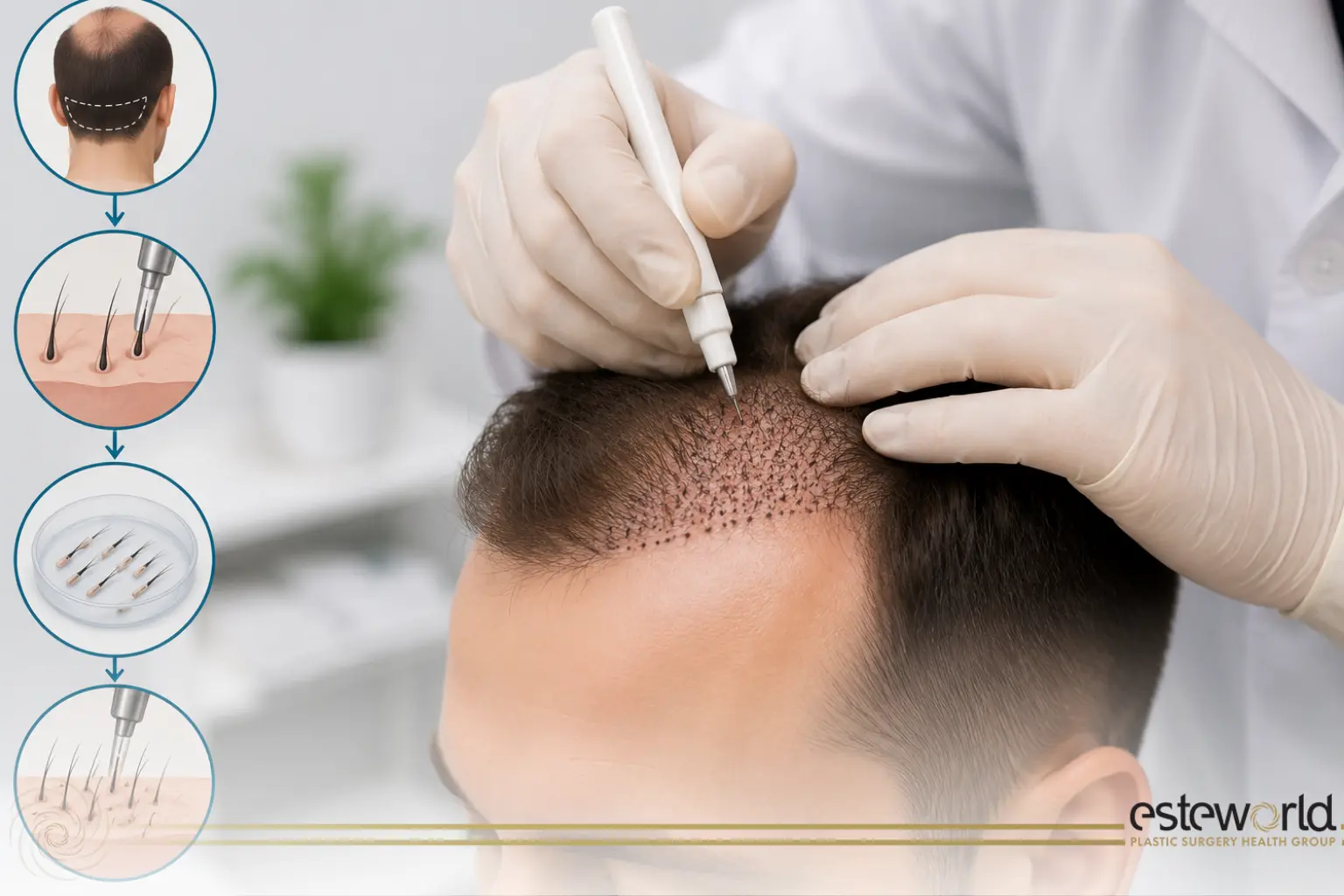
Preparing the Donor Area
Once treatment planning is complete, the donor area is prepared for extraction. In most cases, this involves trimming the hair and administering local anaesthesia.
The goal is to ensure patient comfort throughout the procedure while preserving the integrity of each follicular unit.
Modern hair transplant procedures are performed under local anaesthesia, allowing patients to remain awake while avoiding discomfort.
Graft Extraction
Graft extraction is one of the most critical stages of the procedure. During FUE hair transplant surgery, individual follicular units are carefully removed using specialised micro-punch instruments.
Each graft may contain one, two, three, or occasionally four hairs. Preserving the health of these grafts is essential because damaged follicles may not survive transplantation.
The extraction process requires precision and experience. Removing too many follicles from one area can affect donor appearance, while poor handling can reduce graft survival rates.
Understanding Follicular Units
Hair naturally grows in small groups known as follicular units. Modern transplantation techniques preserve these natural groupings, which helps create realistic and aesthetically pleasing outcomes.
Single-hair grafts are often used at the hairline, while multi-hair grafts may be placed further behind to increase density.
Channel Opening
After graft extraction, tiny recipient sites are created in the thinning or bald area.
This stage is often referred to as channel opening. The surgeon carefully determines the angle, direction, and density of each incision.
Natural results depend heavily on this step. Even high-quality grafts may appear unnatural if recipient sites are created at incorrect angles.
Hair growth patterns differ across the scalp. For this reason, surgeons study existing hair direction and recreate these patterns during implantation.
Graft Implantation
The final stage of the procedure involves placing extracted grafts into the recipient area.
Each follicle is positioned according to the treatment plan developed during consultation. The placement process requires patience and precision because every graft contributes to the final appearance.
During implantation, surgeons focus on maintaining natural density transitions. The frontal hairline usually contains softer and finer grafts, while denser graft placement is reserved for areas further back.
This careful arrangement helps ensure that transplanted hair blends seamlessly with existing hair.
Hair Transplant Techniques Compared
Several modern techniques are available today. While the fundamental principle remains the same, each method differs in how follicles are extracted and implanted.
| Technique | Extraction Method | Implantation Method | Key Advantage |
| FUE | Individual follicle extraction | Manual implantation | Versatile and widely used |
| Sapphire FUE | Individual follicle extraction | Sapphire blade channels | Enhanced precision |
| DHI | Individual follicle extraction | Direct implantation pen | High control during placement |
FUE Hair Transplant
Follicular Unit Extraction, commonly known as FUE, remains one of the most widely performed procedures worldwide.
It allows surgeons to harvest individual grafts without creating a linear scar. Recovery is generally faster compared to older strip harvesting techniques.
FUE can be used to restore hairlines, temples, mid-scalp regions, and crown areas.
Sapphire FUE
Sapphire FUE follows the same extraction principles as traditional FUE but uses specially designed sapphire blades when creating recipient sites.
These blades allow precise channel creation and may help support optimal graft placement.
Many clinics utilise Sapphire FUE because it combines established FUE principles with modern surgical instruments.
DHI Hair Transplant
Direct Hair Implantation, or DHI, uses a specialised implantation device that allows graft placement without a separate channel-opening stage.
This technique provides significant control over angle and direction during implantation and is frequently chosen for patients seeking density enhancement in specific areas.
While DHI and FUE share many similarities, the choice between techniques depends on individual needs, donor characteristics, and treatment goals.
What Happens After a Hair Transplant?
One of the most common concerns among patients is what happens after the procedure. While the transplantation itself is completed within a day, the final outcome develops gradually over several months.
Understanding the recovery process is important because hair growth does not happen immediately. The newly transplanted follicles require time to adapt to their new environment, establish blood supply, and enter a normal growth cycle.
Most patients return to their normal daily routines within a few days, although specific aftercare instructions should always be followed to support healing and optimise results.
The First Week After Surgery
During the first few days, mild redness, swelling, and small scabs may develop in both the donor and recipient areas. These reactions are considered normal and usually improve gradually.
Patients are typically advised to avoid rubbing the scalp, participating in strenuous physical activities, or exposing the treated area to excessive sunlight during the early healing phase.
The transplanted grafts are particularly delicate during the first week. Following washing instructions and post-operative recommendations plays an important role in protecting the newly implanted follicles.
When Do Scabs Fall Off?
Small scabs generally begin shedding within seven to ten days. By the end of the second week, most patients notice a significant improvement in scalp appearance.
At this stage, the transplanted follicles remain securely in place beneath the skin, even though visible hair growth has not yet begun.
Understanding Shock Loss
Many patients become concerned when transplanted hairs begin falling out several weeks after surgery. This process is known as shock loss and is a completely normal part of recovery.
Shock loss occurs because the transplanted follicles temporarily enter a resting phase before producing new hair.
Although the hair shafts may shed, the follicles themselves remain alive beneath the scalp. New growth typically begins in the following months.
Understanding this stage helps manage expectations and reduces unnecessary anxiety during recovery.
Hair Growth Timeline After a Hair Transplant
Hair transplantation is a gradual process. While some improvement becomes visible within a few months, full results require patience.
Month 1 to Month 3
During this period, shock loss is common. The scalp continues healing, and transplanted follicles prepare for new growth.
Many patients notice little visible change at this stage, which is entirely expected.
Month 3 to Month 6
New hairs gradually begin emerging from transplanted follicles. Initially, these hairs may appear thin and fine.
As growth continues, density slowly increases. Patients often start noticing visible improvement during this period.
Month 6 to Month 9
Hair becomes thicker, stronger, and more noticeable. Coverage typically improves significantly, and the transplanted area begins blending naturally with existing hair.
Month 9 to Month 12
Most patients experience substantial growth by this stage. Density continues improving, and the overall appearance becomes more refined.
Month 12 to Month 18
Final maturation occurs during this phase. Hair texture, thickness, and density continue developing, allowing patients to appreciate the complete outcome of their procedure.
How Successful Are Hair Transplants?
Hair transplantation is considered one of the most reliable long-term solutions for suitable candidates experiencing hair loss.
Success depends on multiple factors, including donor quality, surgical technique, graft handling, post-operative care, and individual healing characteristics.
When performed by experienced surgeons using modern techniques, transplanted follicles can achieve high survival rates and continue producing hair for many years.
Factors That Influence Hair Transplant Results
Several variables affect the final outcome:
- Donor hair quality and density
- Surgeon experience and technique
- Hair characteristics such as thickness and colour
- Patient age and pattern of hair loss
- Post-operative care and compliance
- Overall scalp health
Each patient presents unique characteristics, which is why personalised treatment planning remains essential.
Can a Hair Transplant Look Natural?
One of the biggest concerns among prospective patients is whether transplanted hair will look artificial.
Modern techniques focus heavily on natural hairline design, follicle distribution, and proper angulation. When performed correctly, a hair transplant can blend seamlessly with existing hair and appear virtually undetectable.
The goal is not simply to add hair but to recreate the natural appearance of hair growth.
Advantages and Limitations of Hair Transplant Surgery
Hair transplantation offers significant benefits, but it is important to understand both its strengths and limitations.
One major advantage is that transplanted hair comes from the patient’s own scalp. Because these follicles are genetically resistant to hair loss, they typically continue growing in their new location.
Another benefit is the long-term nature of the results. Unlike temporary cosmetic solutions, hair transplantation provides permanent follicular relocation.
However, hair transplantation does not stop future hair loss in non-transplanted areas. For this reason, some patients may benefit from medical treatments alongside surgery.
Similarly, donor hair availability can influence the extent of restoration that can be achieved. Patients with advanced hair loss may require realistic planning to ensure balanced and natural-looking outcomes.
Understanding how hair transplants work helps patients make informed decisions about hair restoration. Modern procedures such as FUE, Sapphire FUE, and DHI rely on relocating healthy hair follicles from donor areas to regions affected by thinning or baldness. Once transplanted, these follicles continue producing hair naturally, creating long-lasting and natural-looking results.
Although the process requires patience, the gradual transformation achieved through hair transplantation can significantly improve both appearance and confidence. Success depends on careful planning, appropriate candidate selection, surgical expertise, and proper aftercare.
If you are researching how do hair transplants work and considering treatment, a detailed consultation with an experienced hair restoration specialist is the best way to determine which approach is most suitable for your needs.
For more information about hair transplant procedures or to schedule a free hair analysis and consultation, you can contact our expert medical consultants.