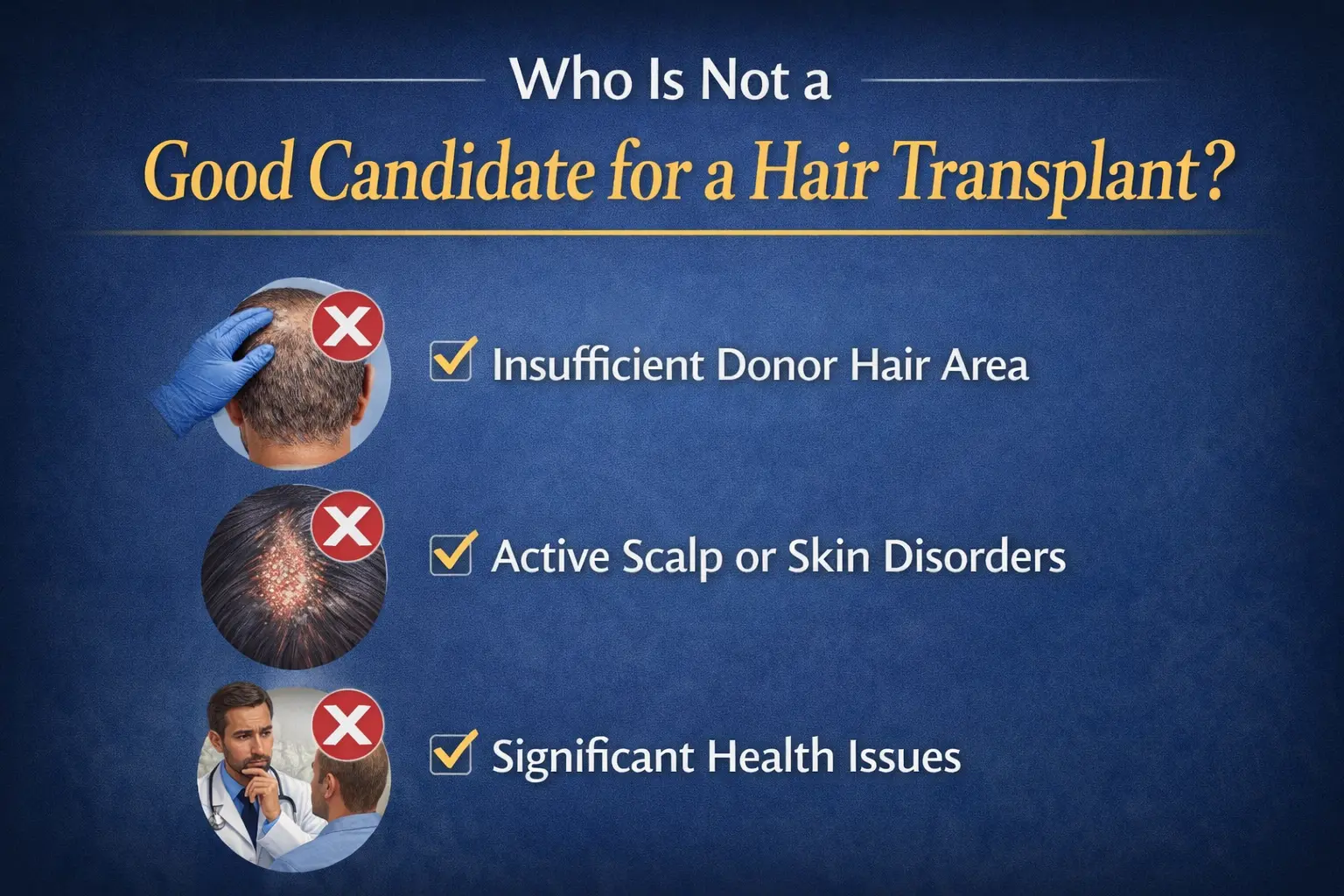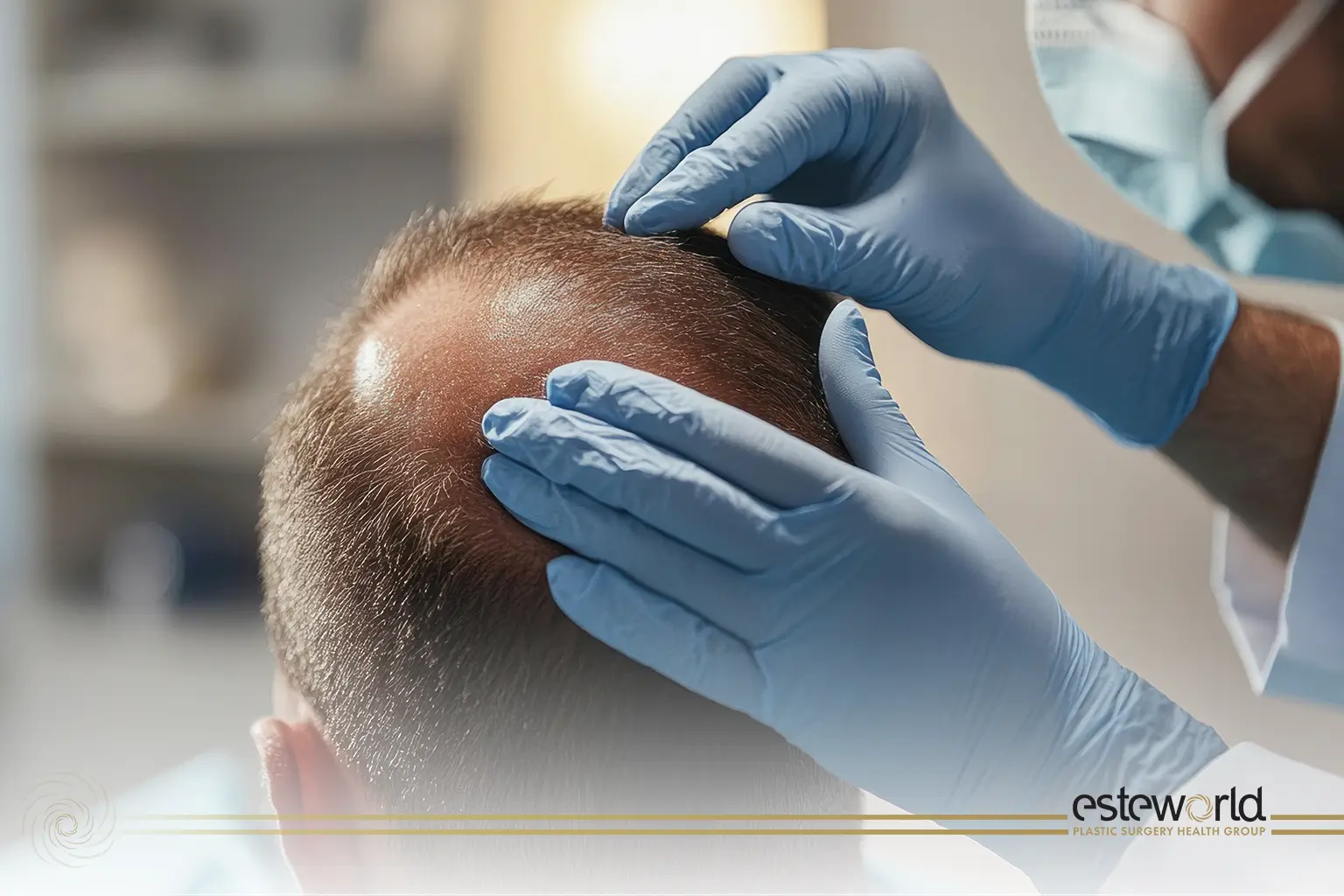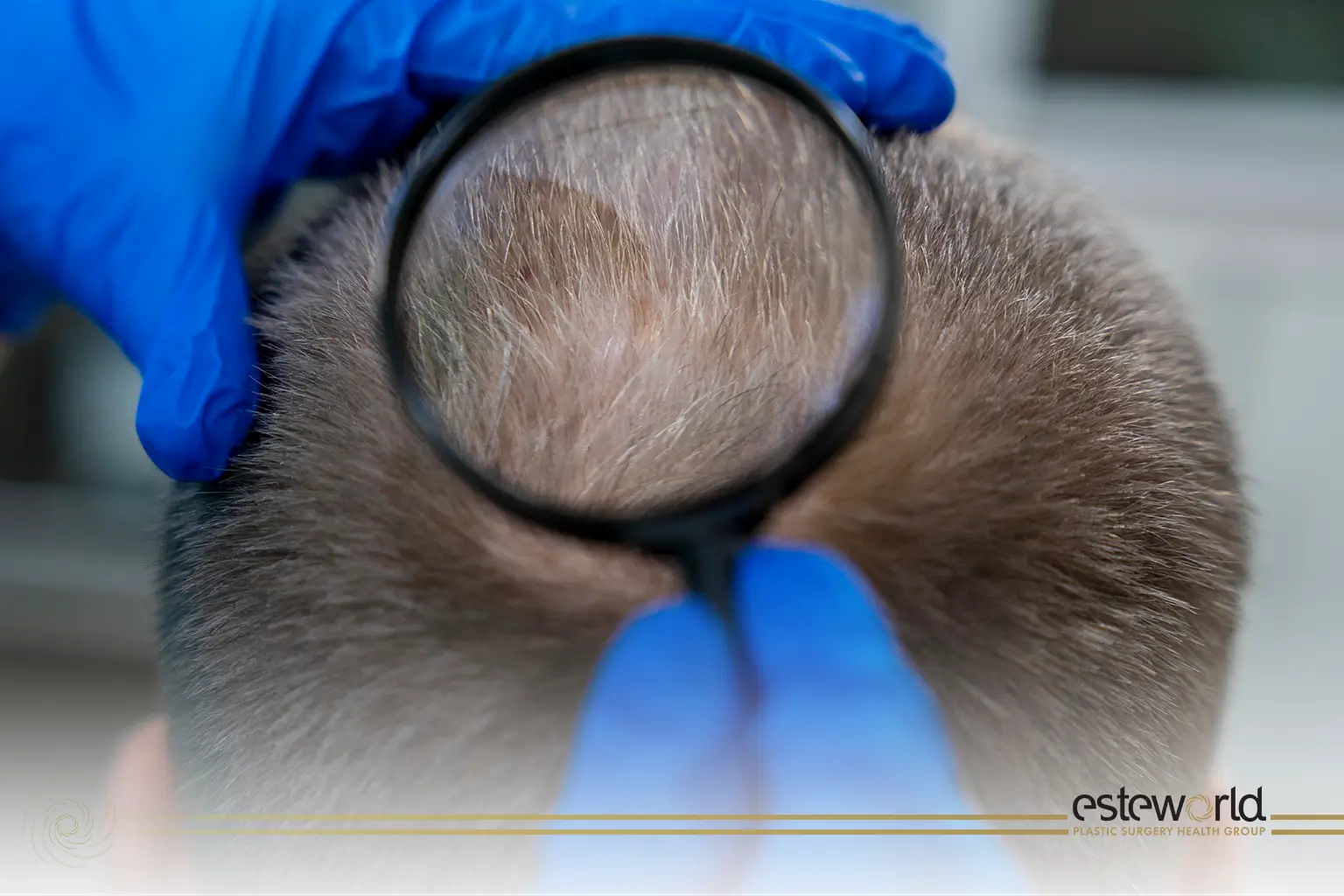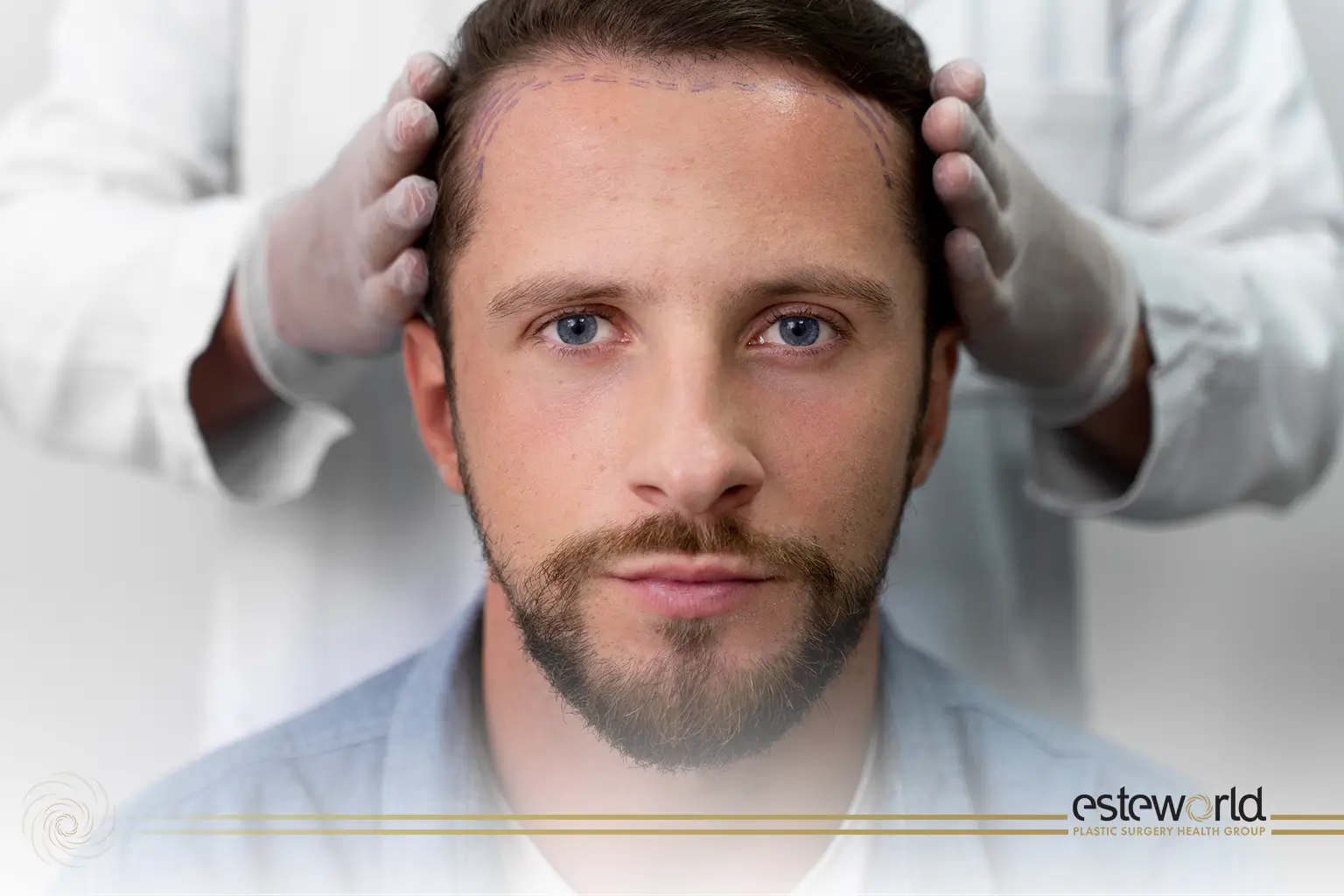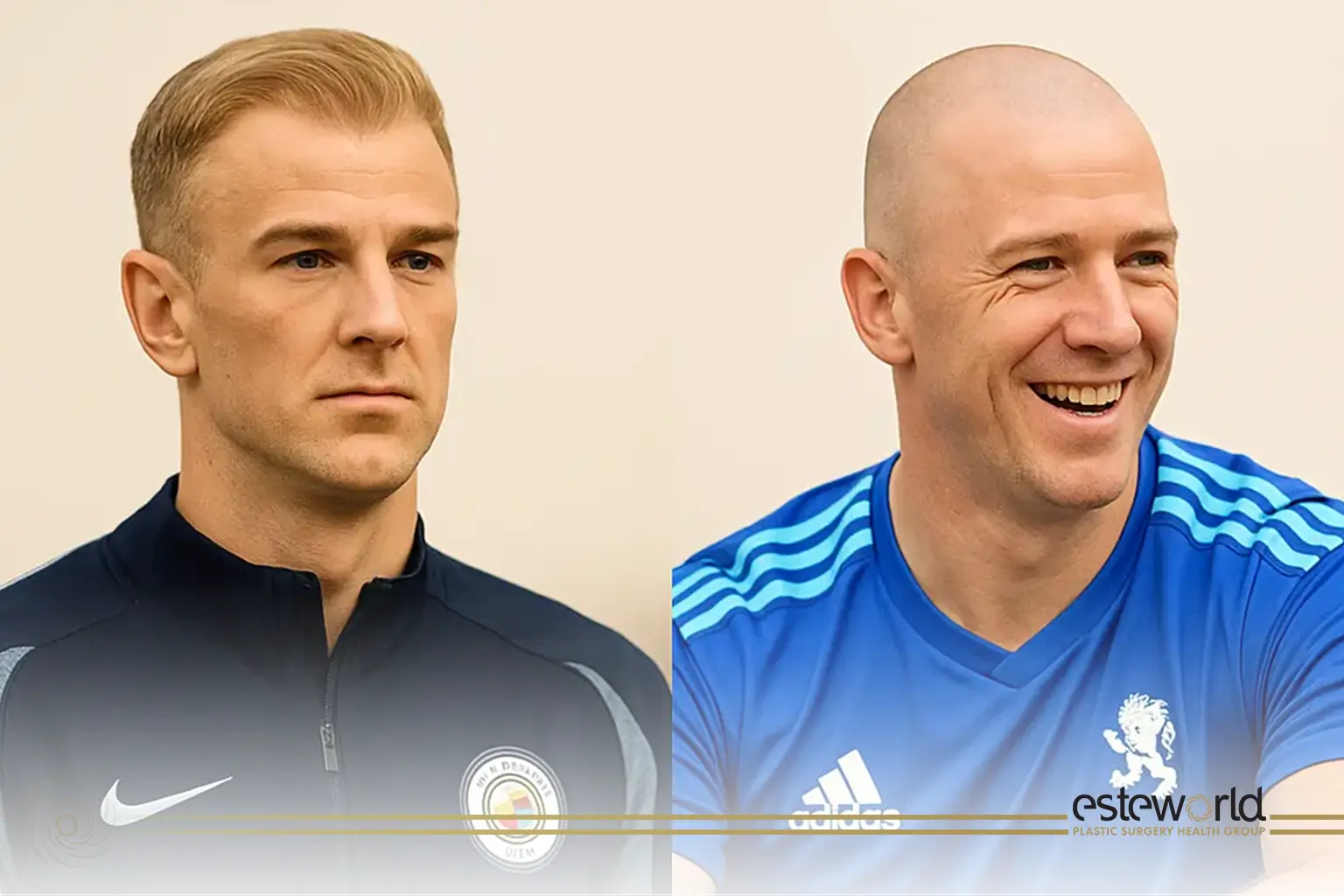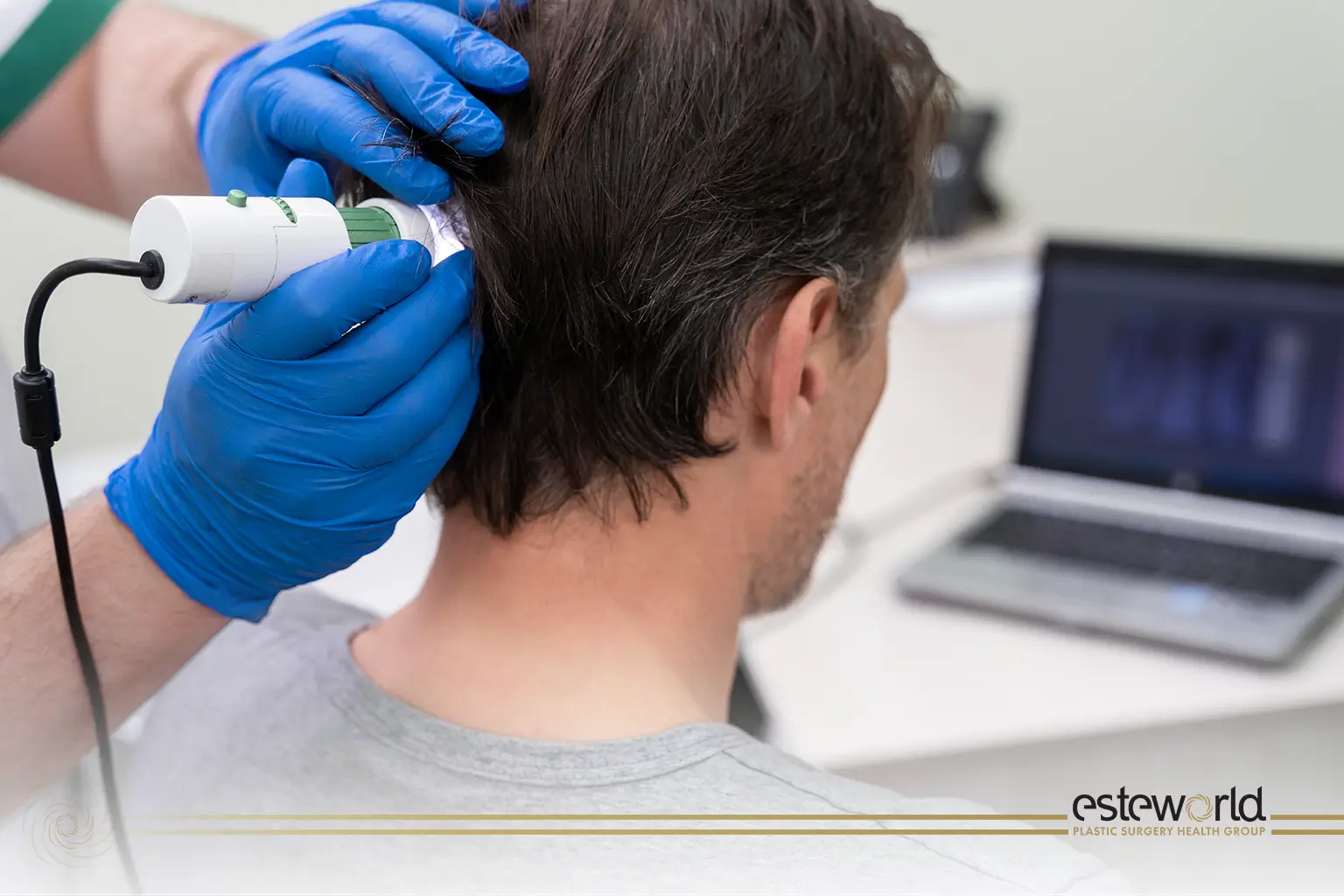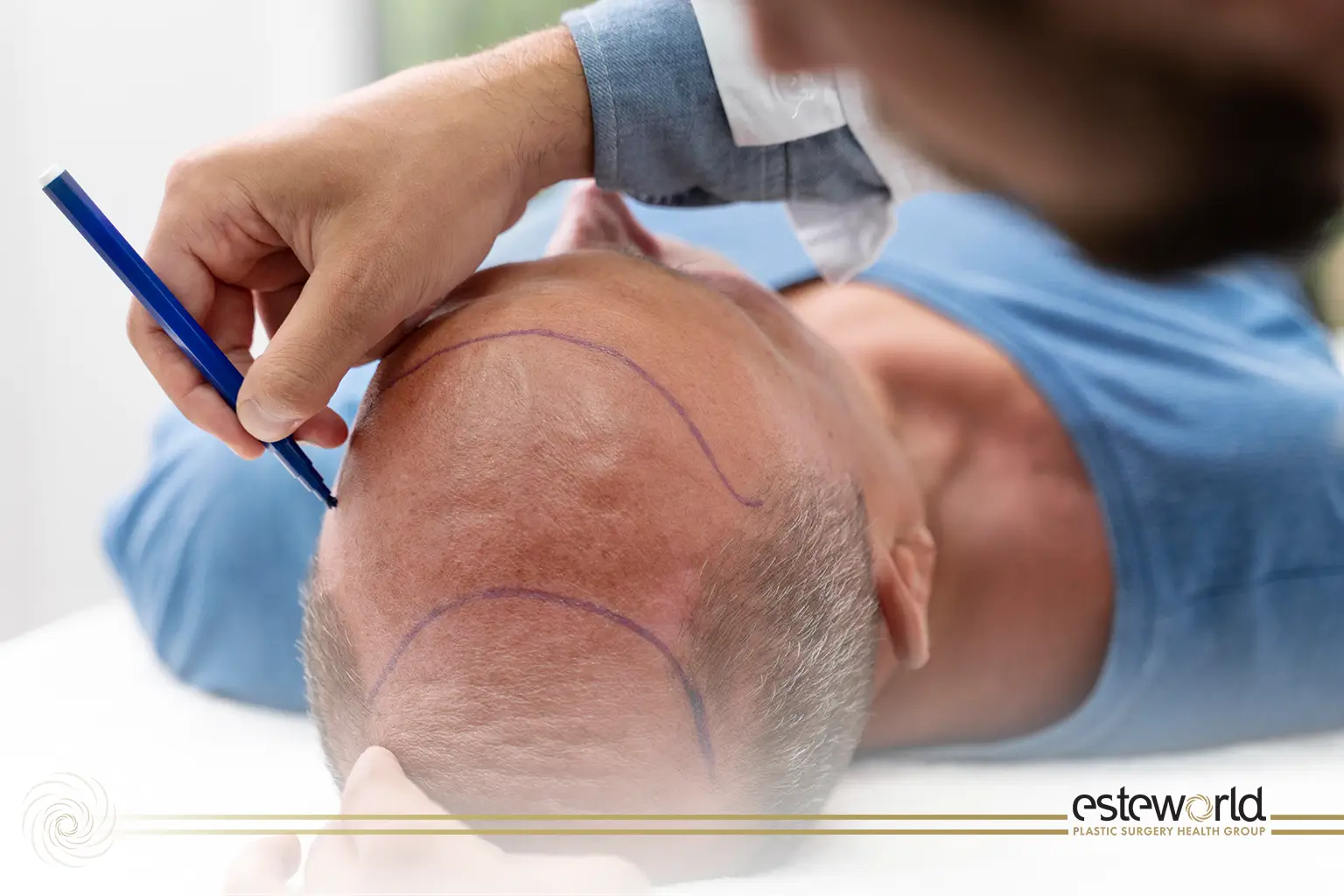
Hair transplantation is one of the most popular cosmetic procedures worldwide, offering a permanent solution for both men and women experiencing hair loss. Thanks to techniques such as FUE, DHI, and Sapphire, the procedure has become much safer, more natural, and more effective. However, many patients still ask: “Is hair transplantation safe? Are there any side effects of hair transplantation?”
Like any surgical intervention, hair transplantation can lead to both short-term and long-term side effects. Knowing what to expect before and after the procedure is crucial for making an informed decision. Reviewed by Hair Transplant Specialist Dr. Burak TUNCER, this article discusses the possible side effects of hair transplantation, long-term outcomes (for example, “What happens 10 years after a hair transplant?”), and provides answers to frequently asked questions.
Common Side Effects of Hair Transplantation
1. Swelling
Swelling is one of the most common side effects of hair transplantation. It usually appears on the forehead or around the eyes within the first 48 hours after the procedure. It typically lasts for 2–5 days and resolves on its own. Swelling occurs due to fluid retention in the tissues following local anaesthesia and surgical manipulation of the scalp.
Management Tips:
- Keep the head elevated while sleeping.
- Apply cold compresses as recommended by your doctor.
- Take prescribed medications to reduce swelling.
💡 Important: Swelling is temporary and not a sign of complication. However, if it becomes excessive or is accompanied by pain and fever, consult your doctor.
- Redness and Crusting
Redness and small scabs are natural side effects of hair transplantation. They can occur in both the donor and recipient areas. Redness usually fades within 7–10 days, while scabs fall off naturally within 10–14 days.
Management Tips:
- Do not pick or scratch the scabs.
- Carefully follow the post-operative washing instructions.
- Use gentle, doctor-recommended shampoos to support healing.
Important: Redness lasting longer than 3 weeks should be evaluated by a specialist.
3. Itching
Almost every patient experiences itching after hair transplantation. It typically appears in the first week and may continue intermittently during the healing process. Itching occurs due to healing, scab formation, and the regeneration of skin cells.
Management Tips:
- Avoid scratching to prevent damaging the grafts.
- Keep the scalp clean and moisturised as advised by your doctor.
- Antihistamines or soothing sprays may be recommended if necessary.
💡 Important: Severe itching accompanied by redness or pus may indicate folliculitis (inflammation of hair follicles) and should be checked by a doctor.
- Shock Loss (Temporary Hair Shedding)
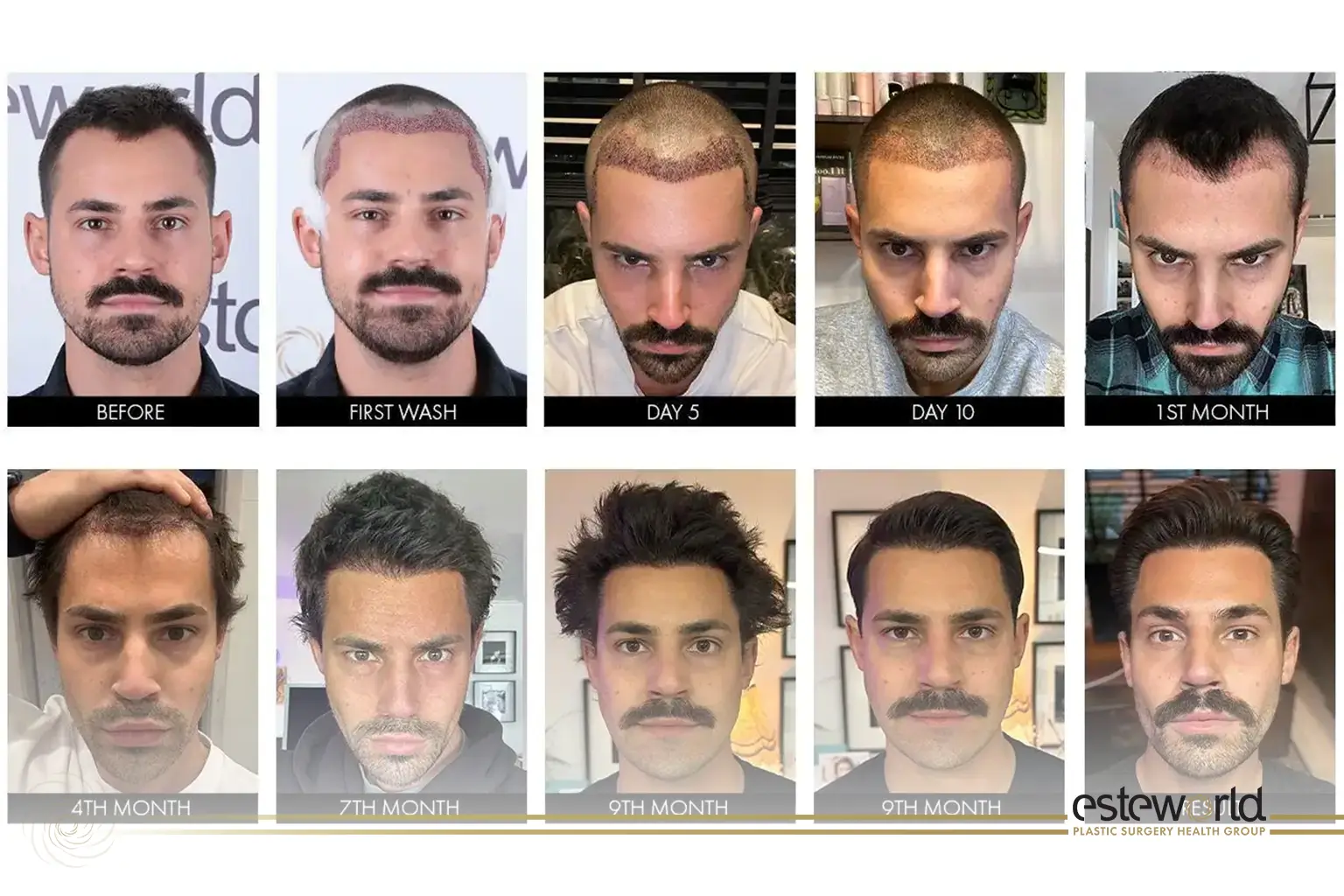
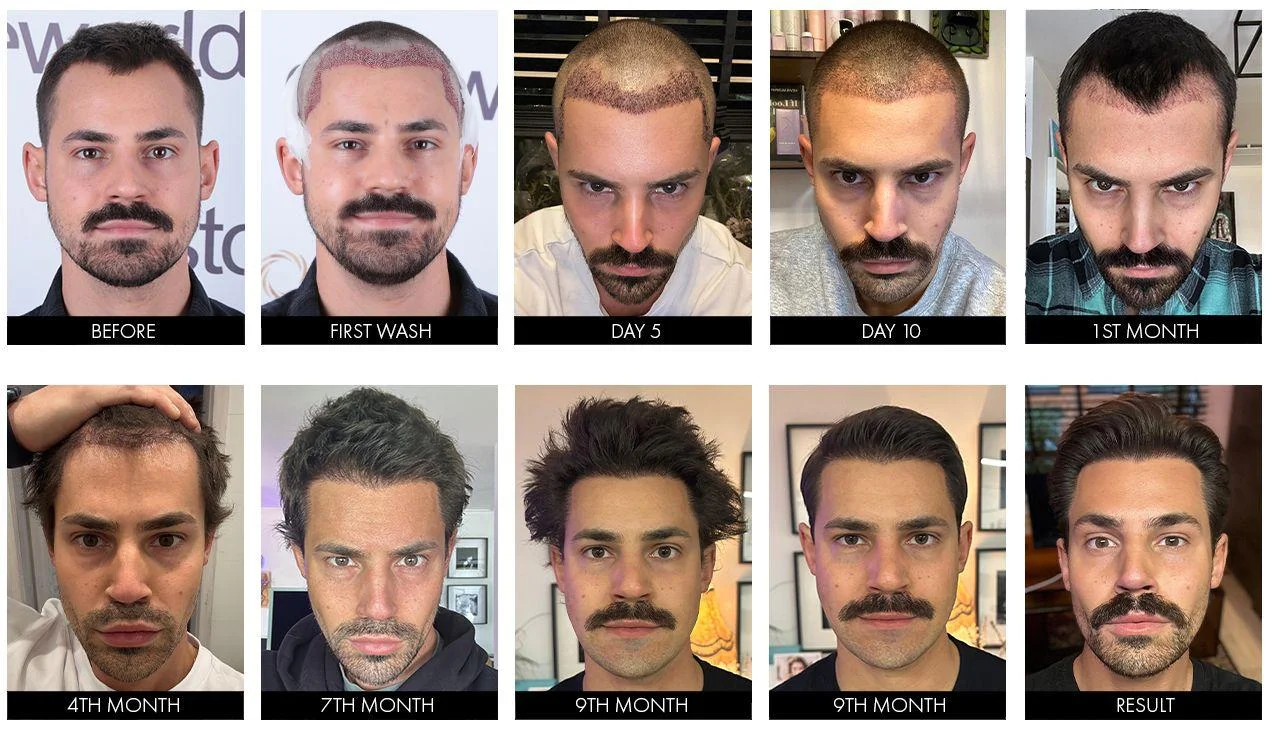
One of the most concerning side effects for patients is shock loss. This occurs when transplanted or surrounding natural hairs fall out within the first 4–6 weeks after the procedure.
Shock loss is a natural reaction to the surgical process. Hair follicles temporarily enter the “resting phase” (telogen) before resuming new growth.
Timeline:
- Weeks 2–6: Shedding occurs.
- Months 3–4: New hairs begin to grow.
- 6 months and beyond: Noticeable growth is visible.
- 12 months: Final results become clear.
For detailed information about the hair transplant recovery process, you can read our related blog post.
Management Tips:
- Do not panic; this is a completely normal process.
- Continue following post-operative care instructions.
- Be patient; hair regrowth is gradual and varies individually.
💡 Important: Shock loss is temporary. The transplanted hair follicles are permanent.
Less Common but Possible Risks
Infection: Very rare, but may occur if post-operative care is neglected.
Folliculitis: Inflammation of the hair follicles, usually treatable with antibiotics.
Scarring: Minimal with FUE/DHI methods, but more common with the older FUT technique.
Numbness: Temporary loss of sensation may occur, but it usually resolves within a few months.
Unnatural Hairline: Procedures performed by inexperienced surgeons may lead to poor cosmetic outcomes.
Are There Long-Term Side Effects of Hair Transplantation?
Many patients ask: “What happens 10 years after a hair transplant?”
- Hair follicles taken from the donor area are genetically resistant to hair loss and remain permanent.
- The natural ageing process continues, so non-transplanted hair may thin over time.
- Long-term side effects are very rare, but poorly executed procedures may leave visible scarring or uneven density.
- With the right technique, hair transplantation can still provide natural and consistent results even after 10 years.
Tips to Minimise Side Effects
- Choose an experienced doctor and a reputable clinic.
- Strictly follow post-operative instructions (washing, sleeping position, medication).
- Avoid smoking and alcohol to support healing.
- Protect the scalp from sun exposure during the first weeks.
- Attend regular follow-up appointments.
Long-Term Considerations
- Permanent results depend on the quality of the donor hair and the patient’s overall health.
- Side effects are usually temporary and can be easily managed with proper medical guidance.
- Patients should maintain realistic expectations: a hair transplant increases density but does not restore the hairline to its “teenage” state.
Hair transplantation is a safe and effective solution for hair loss when performed by qualified surgeons in accredited clinics. Temporary side effects such as swelling, redness, itching, and shock loss are a natural part of the healing process and are generally mild and manageable. Less common risks such as infection, folliculitis, or scarring can be minimised with proper medical care and by choosing an experienced surgeon. In the long term, transplanted follicles remain permanent; however, the natural ageing process may affect the surrounding hair. By following post-operative care instructions and maintaining realistic expectations, patients can achieve natural and permanent results that significantly improve both appearance and self-confidence.
In conclusion, the most important factor for anyone considering a hair transplant is choosing a reputable clinic and an experienced specialist (American Academy of Dermotology). Since 1994, Esteworld has been recognised internationally as a leading healthcare group in hair transplantation, working with thousands of expert hair transplant doctors. To learn more about our specialists and advanced hair transplant techniques, please contact us today.