
There are many questions about hair transplantation, how the procedure works and what the expectations are. In this article, we will focus on one of the frequently asked and curious topics: Can hair transplantation be performed using another person’s hair? We will cover every detail you need to know about this subject. Now, let’s take a detailed look at this important topic.
Can I get a hair transplant from another person?
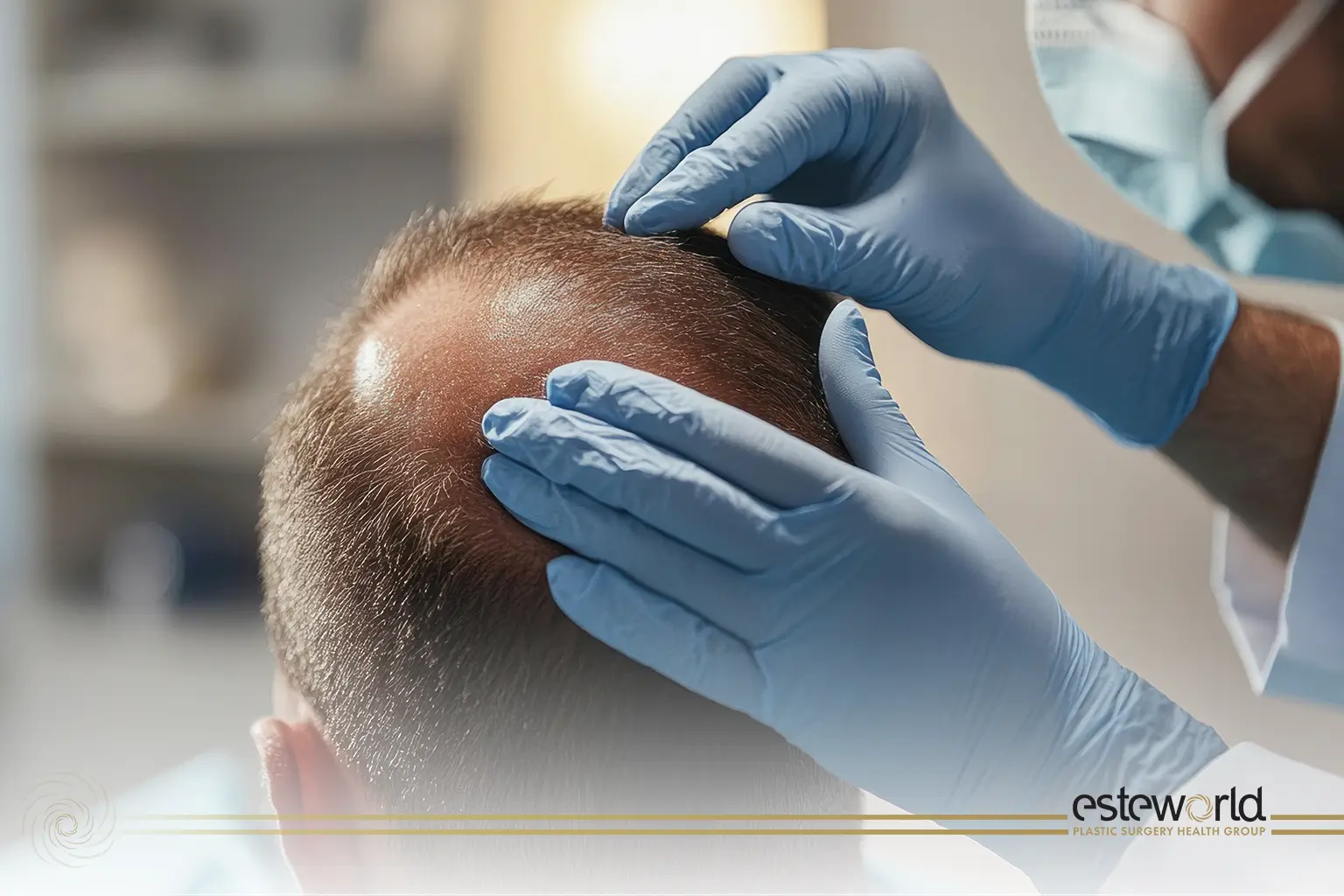
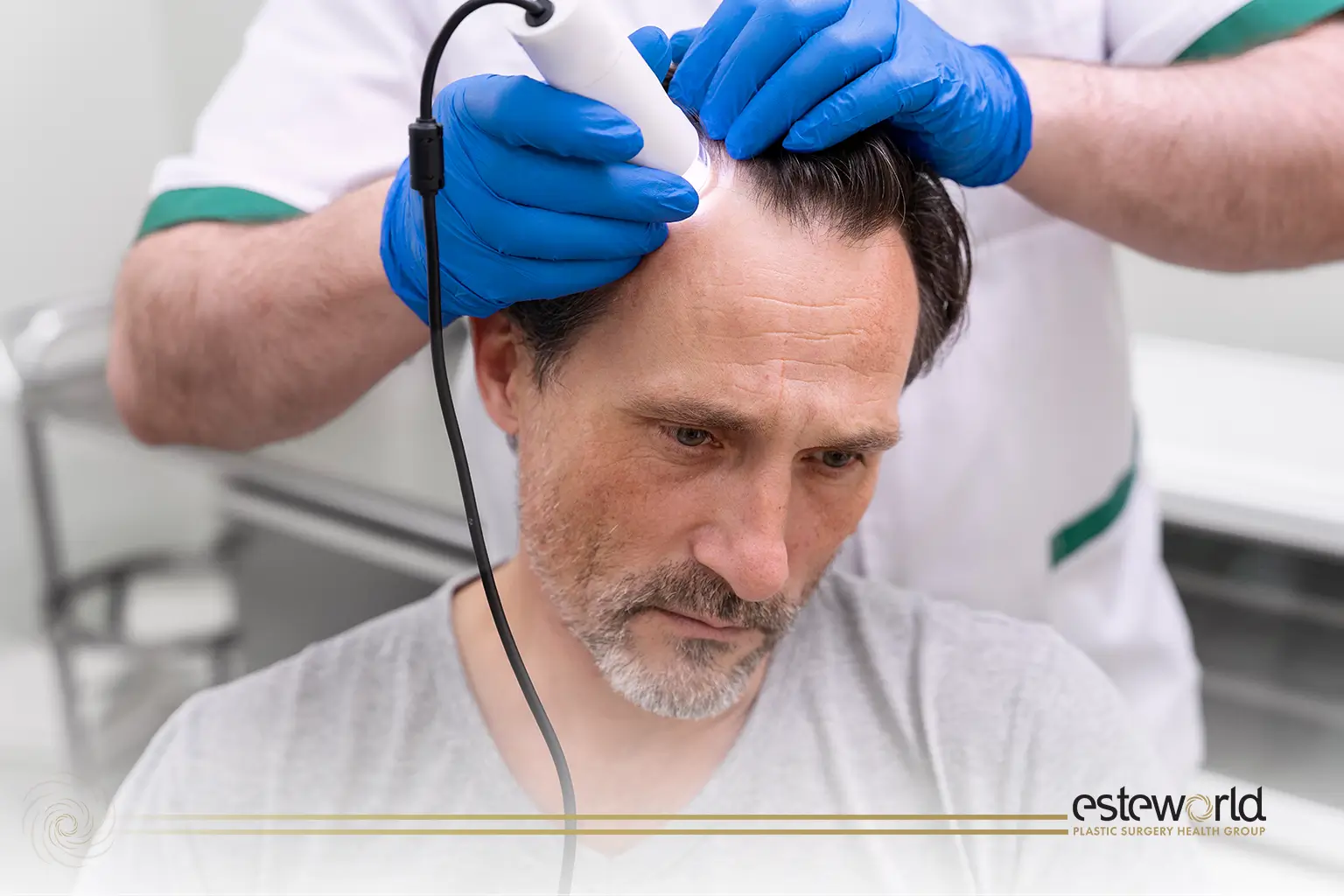
Hair transplantation involves moving hair follicles from one part of a person’s body (usually the back or sides of the scalp) to another part (typically areas with hair loss). The hair follicles are typically taken from the transplant recipient.
The most commonly used donor areas for hair transplantation are
- Scalp (Hair Back and Sides): The most commonly used donor area for hair transplantation is the scalp. Especially the back and sides of the head are generally preferred because they are resistant to hair loss and genetically harbour permanent hair follicles.
- Beard and Moustache Area: Beard and moustache area can be used as an alternative donor area for hair transplantation. Hair follicles taken from these areas can be transplanted to the upper parts of the head or other areas.
- Body Hair: Hair follicles from body parts, especially from areas such as the chest or legs, can be used as donors in hair transplantation. However, since these follicles are generally thinner, they should be used more carefully compared to the follicles taken from the scalp.
Hair transplantation from another person, often referred to as allogeneic hair transplantation, is not a common practice. There are several reasons for this:
- Immunological rejection: Hair follicles have antigens specific to the person’s immune system. If hair follicles from another person are transplanted, the recipient’s immune system will likely recognise them as foreign and reject them.
- Compatibility Issues: Each person’s hair is unique and hair characteristics (colour, texture, thickness) can vary significantly. Using another person’s hair can result in a poor match and an unnatural appearance.
- Ethical and Legal Considerations: Hair transplantation from another person will raise ethical and legal concerns regarding consent, potential risks, and the processing of human tissues.
For these reasons, one’s own hair follicles are usually used in hair transplants (autologous transplantation). If you are considering a hair transplant, it is very important to consult with a qualified medical professional, such as a dermatologist or hair transplant surgeon, to discuss your options and determine the best course of action for your particular situation.
Research shows;
There are many retrospective studies in order to reach the most up-to-date information on this subject. A study conducted by Dr Colin Johada in 1999 examined the results of transplanting hair from the scalp of one individual into the arm of another individual. According to the results of the study, even between two people of different sexes, the grafts transplanted into the inner arm were rejected by the donor area and hair growth did not occur. However, it is unclear how effective this type of hair growth will be in the long term.
In addition, even grafts taken from the beard area of the person have a lifespan of about five years. It is therefore debatable whether such procedures are worthwhile in terms of cost and time. Other current research suggests that DNA plays an important role in this context. For individuals with different DNA, it is a very difficult process for hair follicles to adapt and turn them into ‘permanent’ hair. This is true even for identical twins, even if they have similar DNA. Because even if hair growth begins, after a while the tissue rejects this transformation. In such cases, it is possible that the growth may stop or the grafts may fall out.
Esteworld hair transplant centre expert hair doctors will help you at every stage of your hair transplantation treatment. You can always contact us for detailed information about hair transplantation and hair transplantation process.