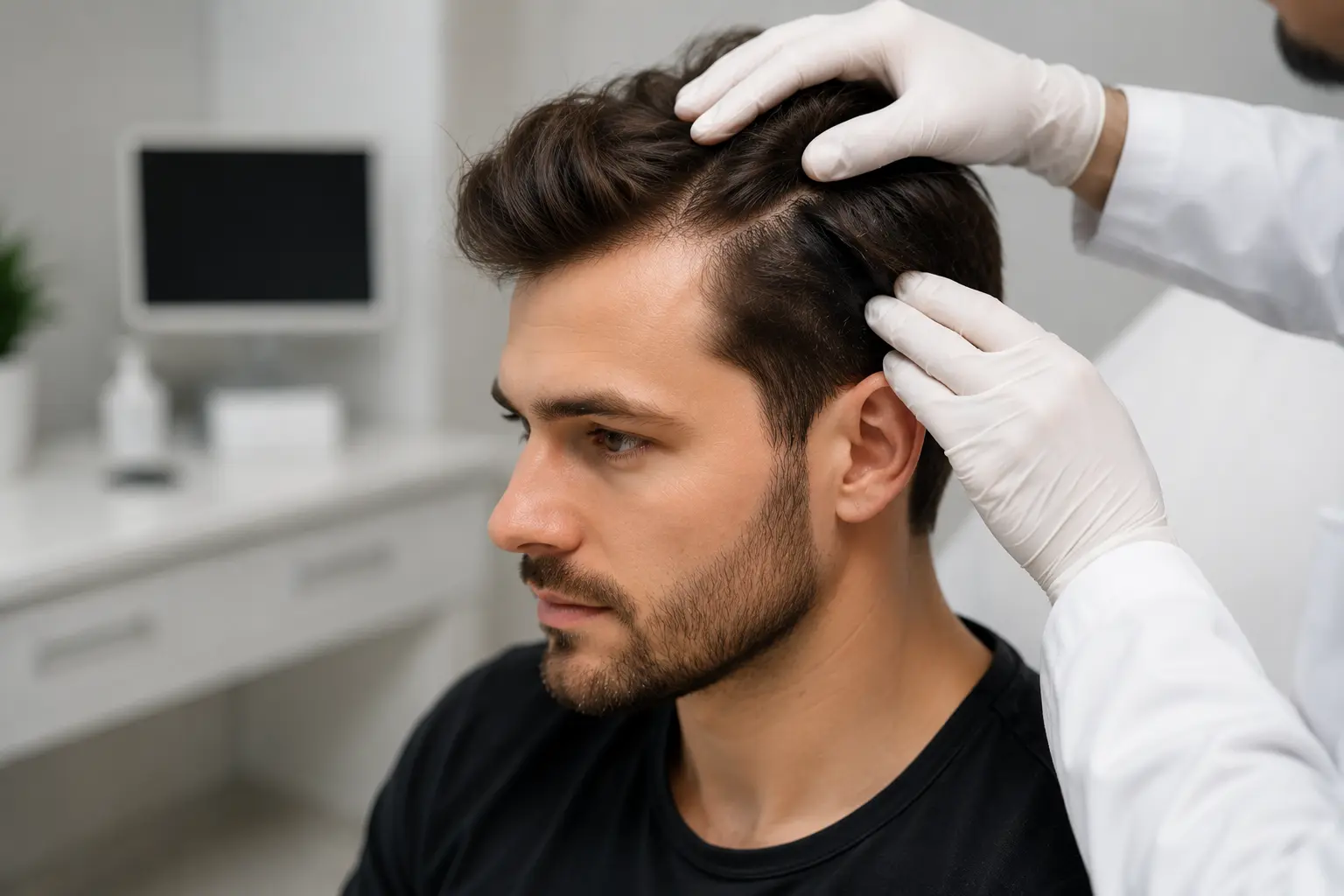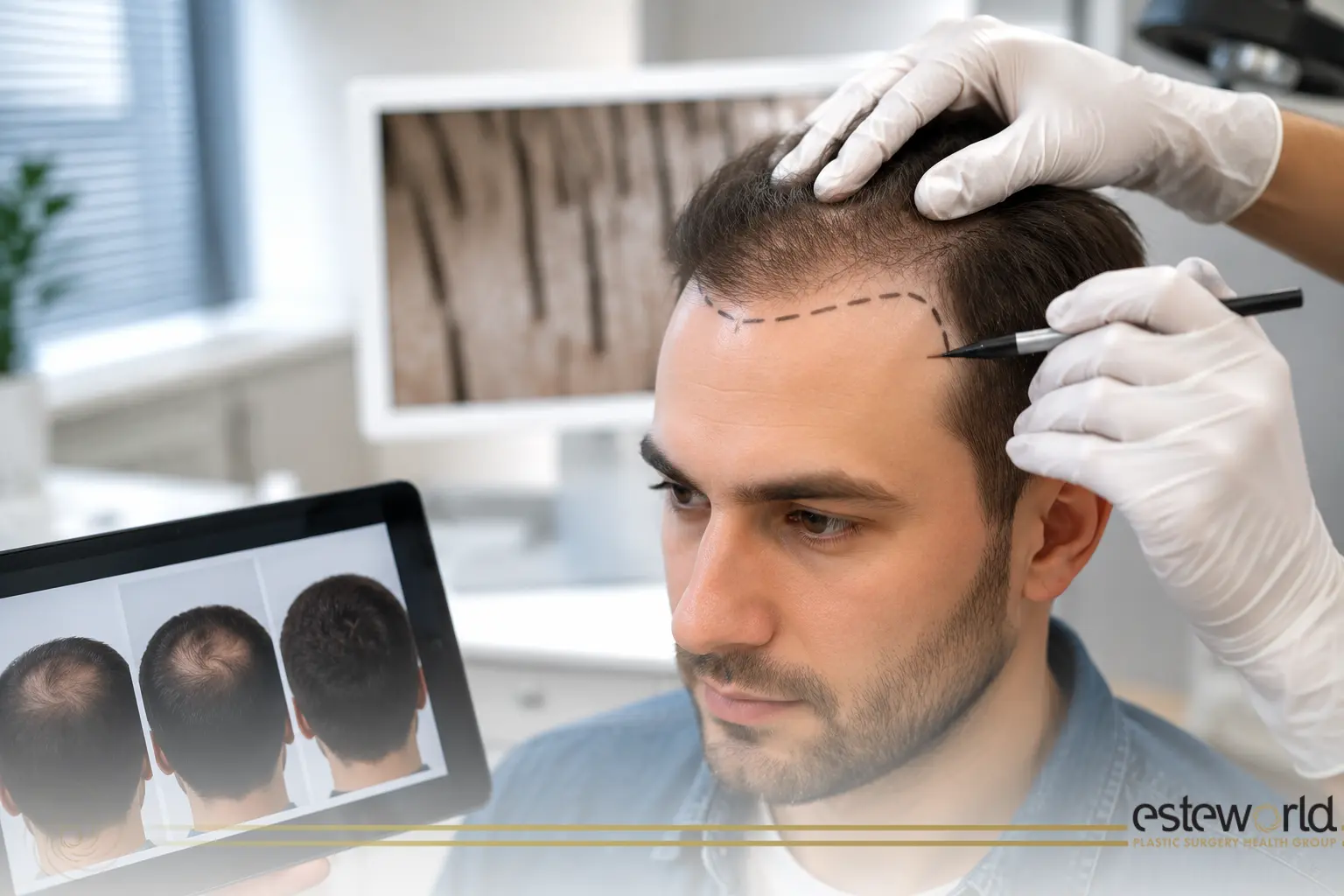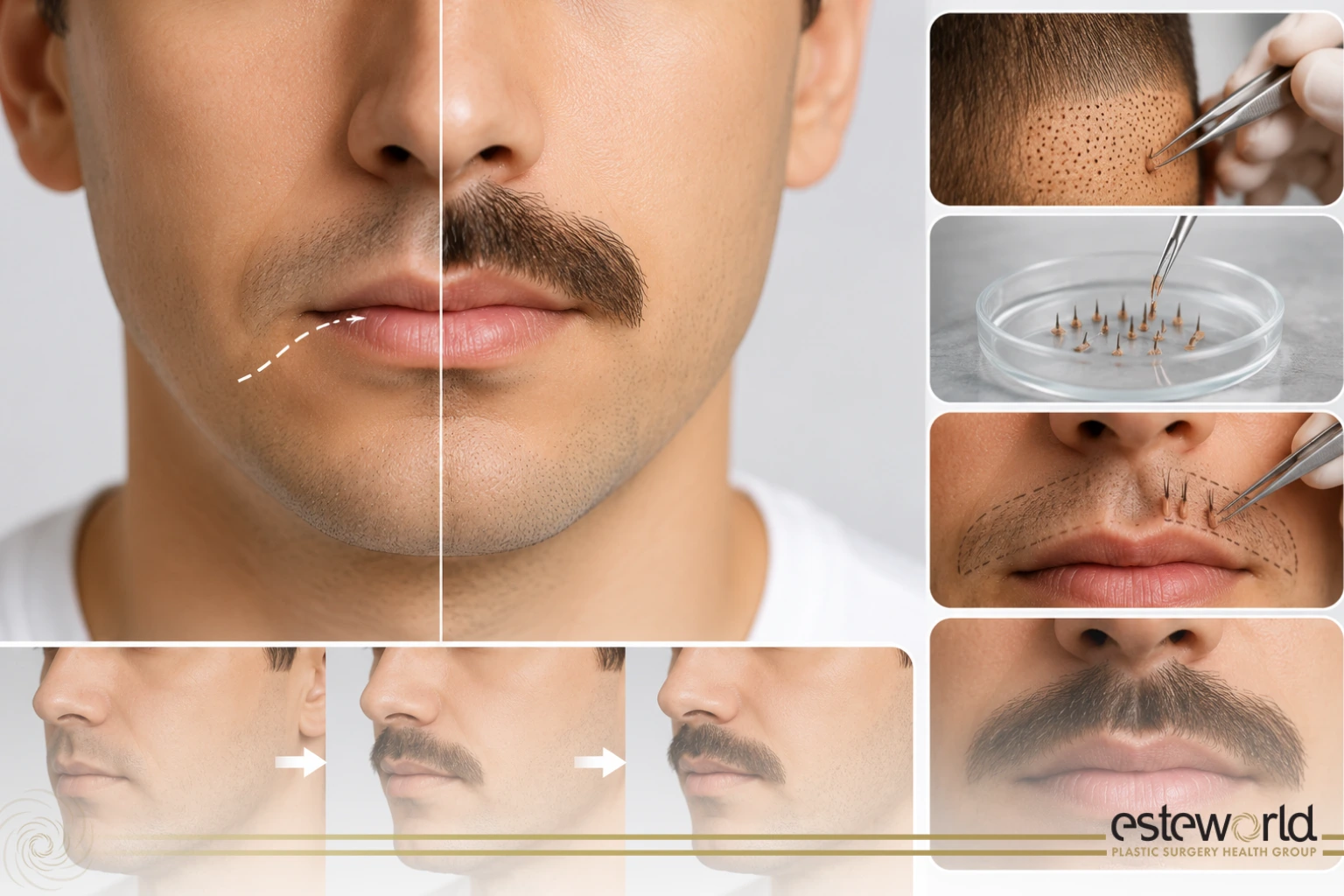

Many people living with HIV may be able to have a hair transplant when their condition is medically controlled and an individual assessment confirms that elective surgery is appropriate. Eligibility depends on recent viral load and CD4 results, general health, current medications, active infections, donor hair and approval from the relevant doctors.
Can an HIV-positive person have a hair transplant?
Yes, a person living with HIV may be considered for hair transplantation when HIV is appropriately managed, general health is stable and the medical assessment supports elective surgery. HIV status alone does not determine eligibility; the decision also considers viral control, immune status, medications, active infections, hair-loss diagnosis and donor capacity.
HIV affects the immune system, but it does not mean that every person living with HIV has impaired immunity or poor healing. Antiretroviral therapy (ART) can suppress the virus and help people remain healthy. The patient’s current clinical status is therefore more informative than the diagnosis alone.
A hair transplant can improve the appearance of thinning areas and may support self-confidence, but it remains an elective surgical procedure. The patient should disclose HIV status, current ART, other medications, allergies and relevant medical history confidentially to the clinical team so that treatment can be planned safely and without stigma.
The procedure may need to be postponed when HIV is untreated or not adequately controlled, an active infection is present, recent laboratory results are unavailable or another medical condition increases surgical risk. A postponement does not necessarily mean that transplantation will never be possible; eligibility can be reconsidered after the patient’s health has been optimised.
Who Is Eligible and Which Tests Are Needed Before Surgery?
Eligibility is established through a combined HIV, general-health and hair-restoration assessment. Recent viral-load and CD4 results help the medical team evaluate surgical risk, while general blood tests, medication review and scalp analysis identify factors that may affect anaesthesia, bleeding, wound healing or the likely cosmetic result.
| Evaluation before hair transplant | Why it is reviewed |
|---|---|
| HIV viral load | Shows how effectively HIV is being controlled with treatment. |
| CD4 count | Helps assess immune status and the risk of postoperative complications. |
| ART and other medications | Identifies adherence issues and possible interactions with perioperative medicines. |
| Active or recent infections | An elective procedure may need to be postponed until an infection is treated. |
| General blood tests | Assess blood count, clotting when indicated, liver and kidney function and other surgical risks. |
| Hair and scalp analysis | Confirms the cause of hair loss, donor capacity and realistic transplant goals. |

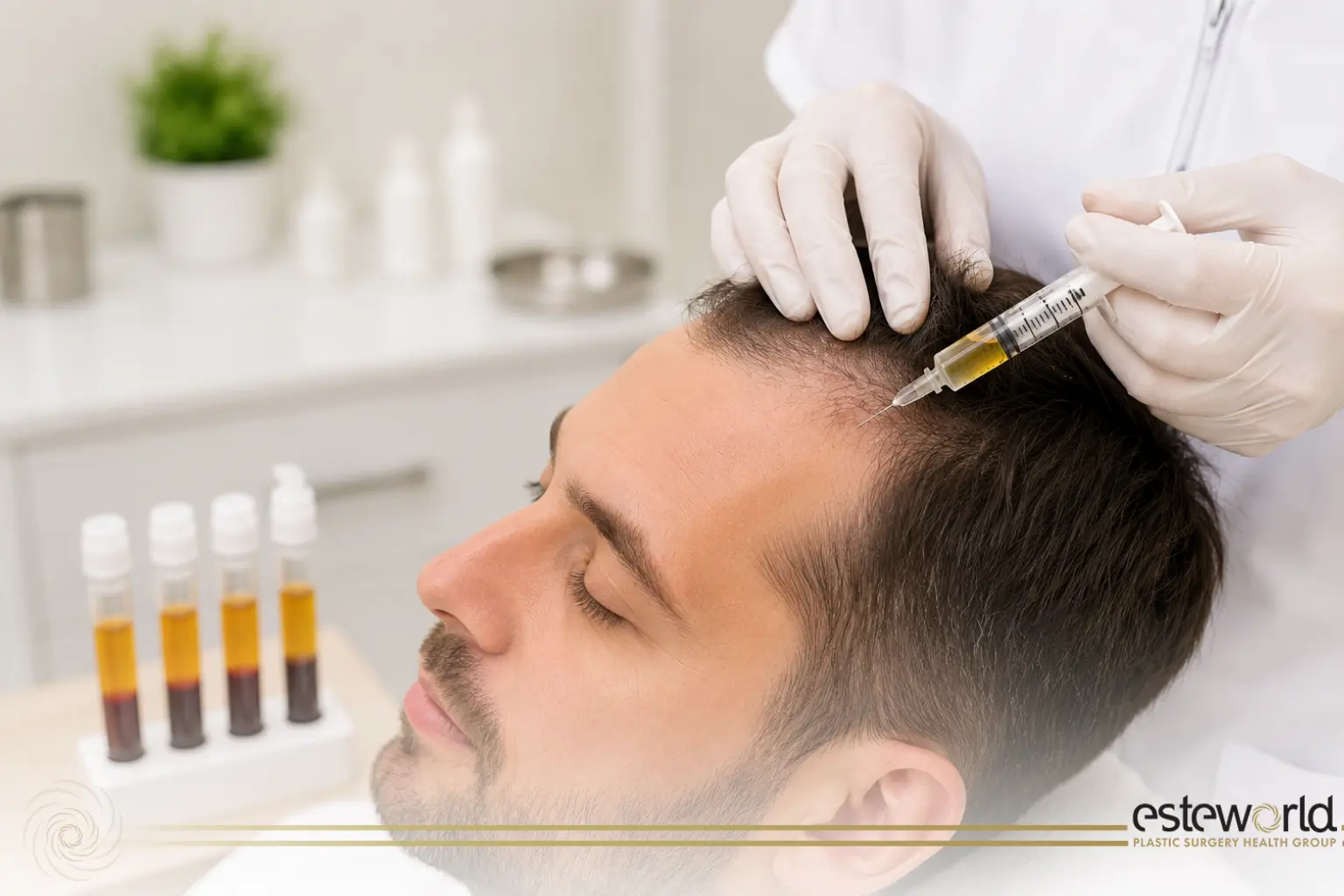
The preoperative plan may include a complete blood count, liver and kidney function tests, blood glucose, coagulation testing when clinically indicated and screening for hepatitis B, hepatitis C or other infections according to clinic policy. Learn more about the role of blood tests before hair transplantation.
One perioperative guideline recommends consulting an experienced HIV care provider before elective surgery when viral load is at or above 200 copies/mL or CD4 count is at or below 200 cells/mm³. These figures are clinical reference points rather than universal hair-transplant approval or rejection thresholds. The patient’s HIV specialist and hair-restoration doctor must interpret the results together.
ART should not be stopped or changed without the prescribing specialist’s instruction. Some antiretroviral medicines may interact with sedatives, local anaesthetics, antibiotics, corticosteroids or pain medicines. A current medication and supplement list allows these combinations to be reviewed before surgery.
Which Hair Transplant Method Can Be Used and How Is It Performed?
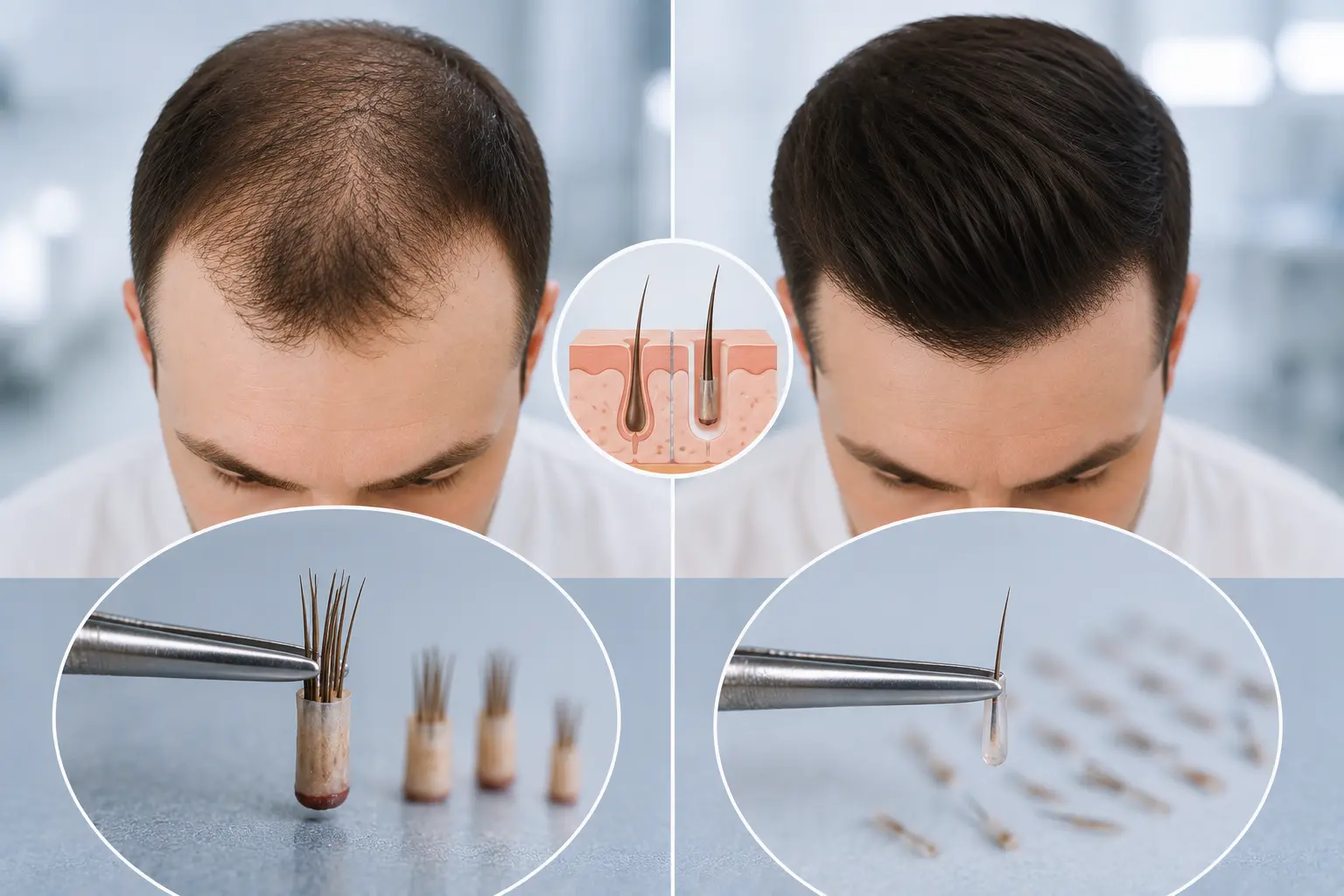
FUE, Sapphire FUE and DHI may all be considered for medically suitable patients living with HIV. HIV status alone does not make one technique automatically safer or rule out another. Method selection should be based on donor density, recipient-area size, graft requirement, scalp condition, hair characteristics and the medical team’s assessment.
FUE and Sapphire FUE
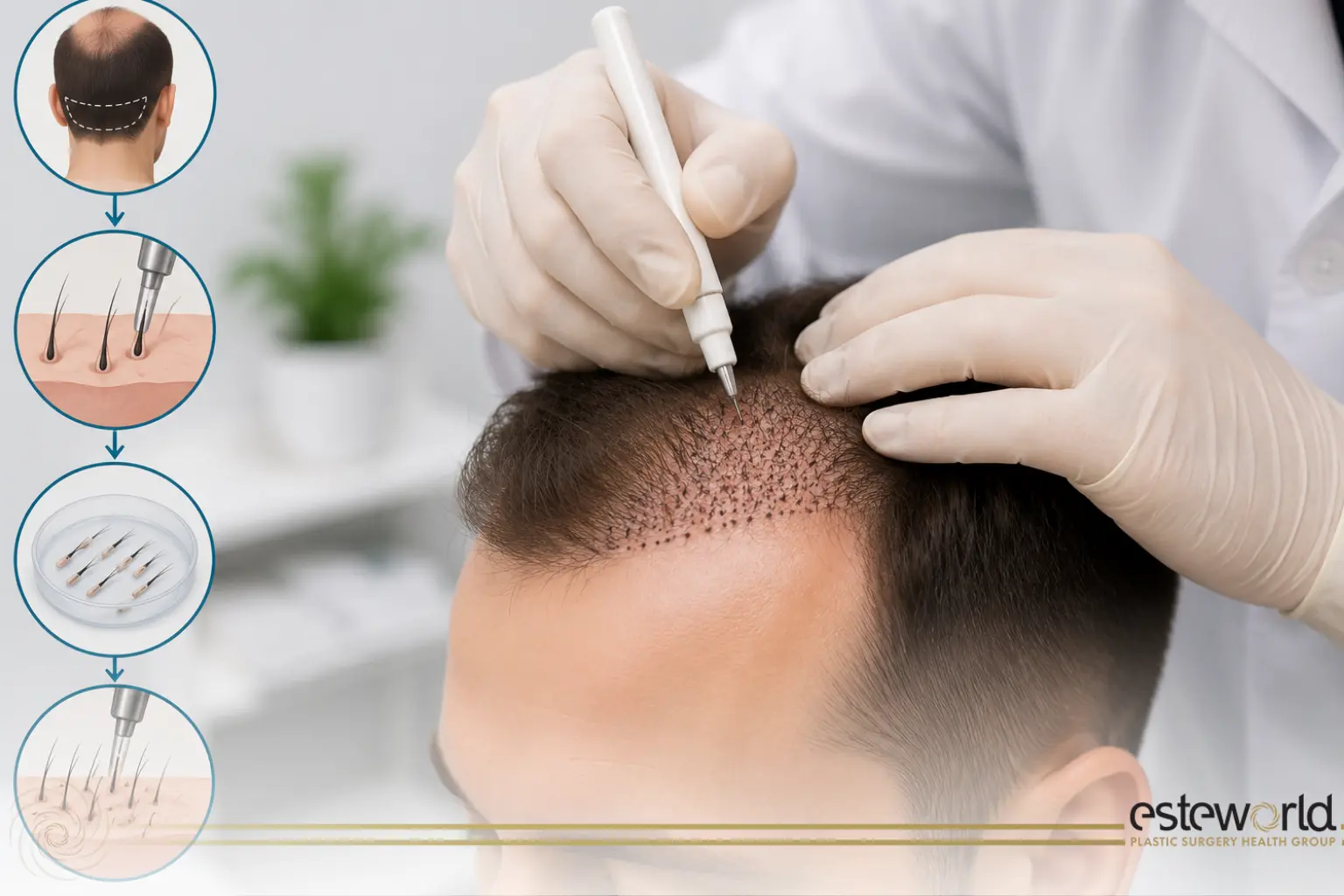
During FUE hair transplantation, follicular units are extracted individually from the donor area. Sapphire FUE uses sapphire blades during the channel-opening stage. These techniques do not create the linear donor scar associated with strip surgery, but they still involve multiple small wounds and require proper aftercare.
DHI
During DHI hair transplantation, extracted grafts are implanted using a specialised implanter pen. Channel creation and graft placement are closely integrated during implantation. DHI is not automatically faster, safer or more suitable because a patient has HIV; the choice depends on the individual plan.
What about FUT?
HIV is not, by itself, a reason to state that FUT is always prohibited. FUT involves removing and closing a narrow strip of donor scalp, so its wound and scar profile differs from FUE. The doctor should assess its suitability individually. A clinic may prefer FUE or DHI based on donor management, recovery needs or its own medical protocol.
The main stages of transplantation are:
- Medical history, HIV treatment and recent laboratory results are reviewed.
- Hair loss, scalp health and donor density are examined.
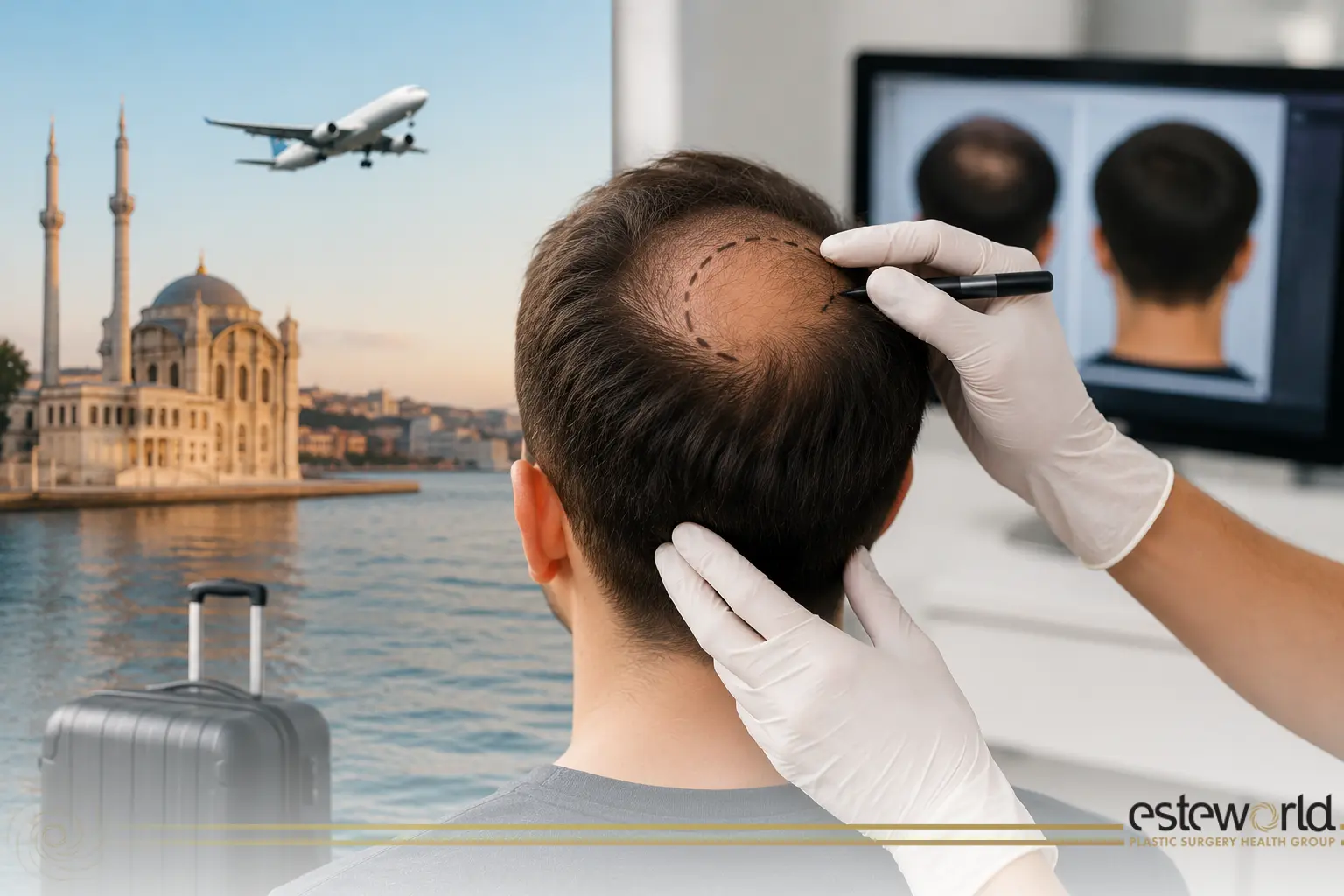
- The hairline, recipient areas, graft requirement and technique are planned.
- Local anaesthesia is administered according to the approved medical plan; sedation is used only when clinically appropriate.
- Grafts are harvested, prepared and implanted into the planned recipient sites.
- The patient receives personalised washing, medication and follow-up instructions.
Procedure duration varies according to the technique, graft count, treatment area and individual clinical needs. The same aesthetic planning principles apply, but the medical plan should reflect the patient’s current health and medication profile.
How Are Infection Control and Aftercare Managed?
Hair transplantation should be performed using Standard Precautions for every patient, regardless of known HIV status. These measures include hand hygiene, appropriate protective equipment, safe handling of sharps, single-use items where required and validated cleaning, disinfection and sterilisation of reusable equipment.
Known HIV status should not be the only reason a clinical team follows protective measures, and a separate operating room or “special steriliser” is not universally required solely because a patient lives with HIV. The clinic must apply appropriate blood-borne pathogen precautions consistently and follow local regulations and its approved clinical protocols.
After transplantation, the patient should:
- continue ART exactly as prescribed unless the HIV specialist advises otherwise;
- take only medicines approved by the treating doctors;
- follow the clinic’s washing and hygiene instructions;
- avoid rubbing, scratching or picking the recipient area;
- avoid intense activity, heavy lifting, excessive heat and direct sunlight for the advised period;
- use only approved creams, lotions or sprays;
- attend scheduled follow-up appointments;
- report fever, increasing pain, spreading redness, unusual discharge, persistent bleeding or delayed healing promptly.
Some clinics begin the first gentle wash on day 2 or day 3, while others use a different schedule. There is no single date that is correct for every patient. The products, water pressure, hand movement and timing demonstrated by the treating clinic should take priority over general online advice.
What Should Patients Expect During Recovery, Travel and Pricing?
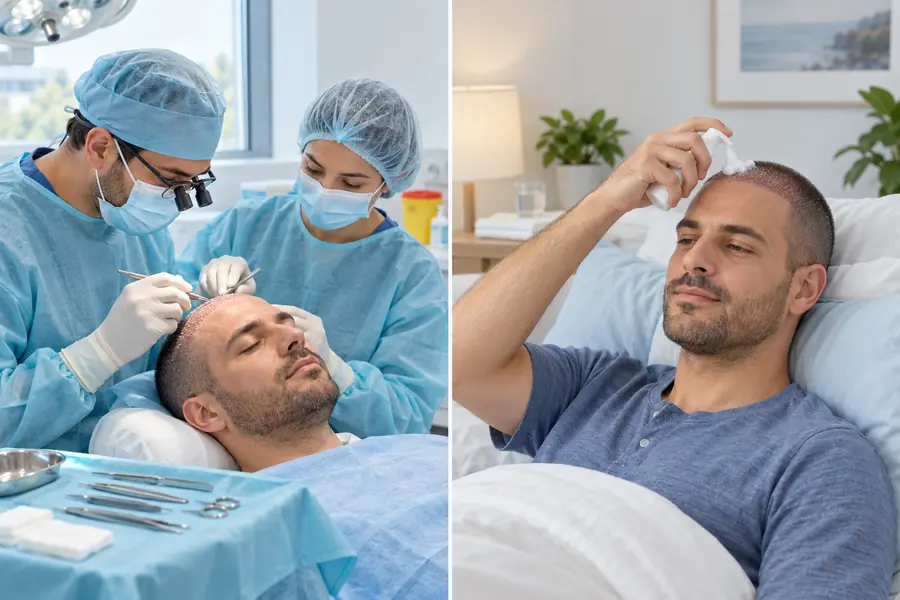
When HIV is medically controlled and no additional healing risk is present, recovery and hair growth may follow the usual transplant timeline. Redness, swelling, scabbing and temporary shedding can occur, while new growth develops gradually. Travel plans and pricing should be discussed only after medical eligibility is established.
The typical recovery pattern is:
- First 7–10 days: Redness, mild swelling, tenderness and small scabs gradually improve.
- Approximately 2–8 weeks: Many transplanted hair shafts shed. This expected phase does not usually mean that the follicles have been lost.
- Around 3–6 months: New growth becomes more visible, although early hairs may look fine or uneven.
- Around 6–12 months: Density, texture and the overall appearance continue to mature. Some patients need longer for the final result.
Severe or increasing pain, fever, spreading redness, foul-smelling discharge, persistent bleeding or delayed healing should not be treated as routine recovery. The patient should contact the medical team promptly.
HIV does not automatically cause hair loss. Thinning may be related to androgenetic alopecia, stress, nutritional deficiencies, another health condition, a scalp disorder or, in some cases, medication. The cause should be assessed before transplantation because surgery redistributes follicles but does not treat every form of active hair loss.
Travelling to Turkey
Patients planning to travel should send medical records before booking, carry enough ART in its original packaging and avoid interrupting treatment. They should also confirm how postoperative monitoring will continue after returning home. Entry and medication rules can change, so current official Turkish consular guidance should be checked before travel.
Does HIV change the cost of a hair transplant?
The price depends on the treatment plan, graft requirement, technique, medical assessment and included services. HIV status alone should not be presented as proof that a special operating room, special steriliser or fixed surcharge is always required. Clinic policy and any genuinely necessary additional medical planning should be explained transparently after assessment.
Esteworld has provided hair-restoration services since 1994. Each patient living with HIV requires a confidential, individual assessment involving the hair-restoration team and, where appropriate, the patient’s HIV specialist. A consultation does not guarantee eligibility for surgery.