Search

Feeding After Hair Transplant

Dr. Burak Tuncer

Hair Transplant

Publication Date

30 October 2024

Last updated

18 May 2026

Table of Contents

Why is Nutrition Important After a Hair Transplant?

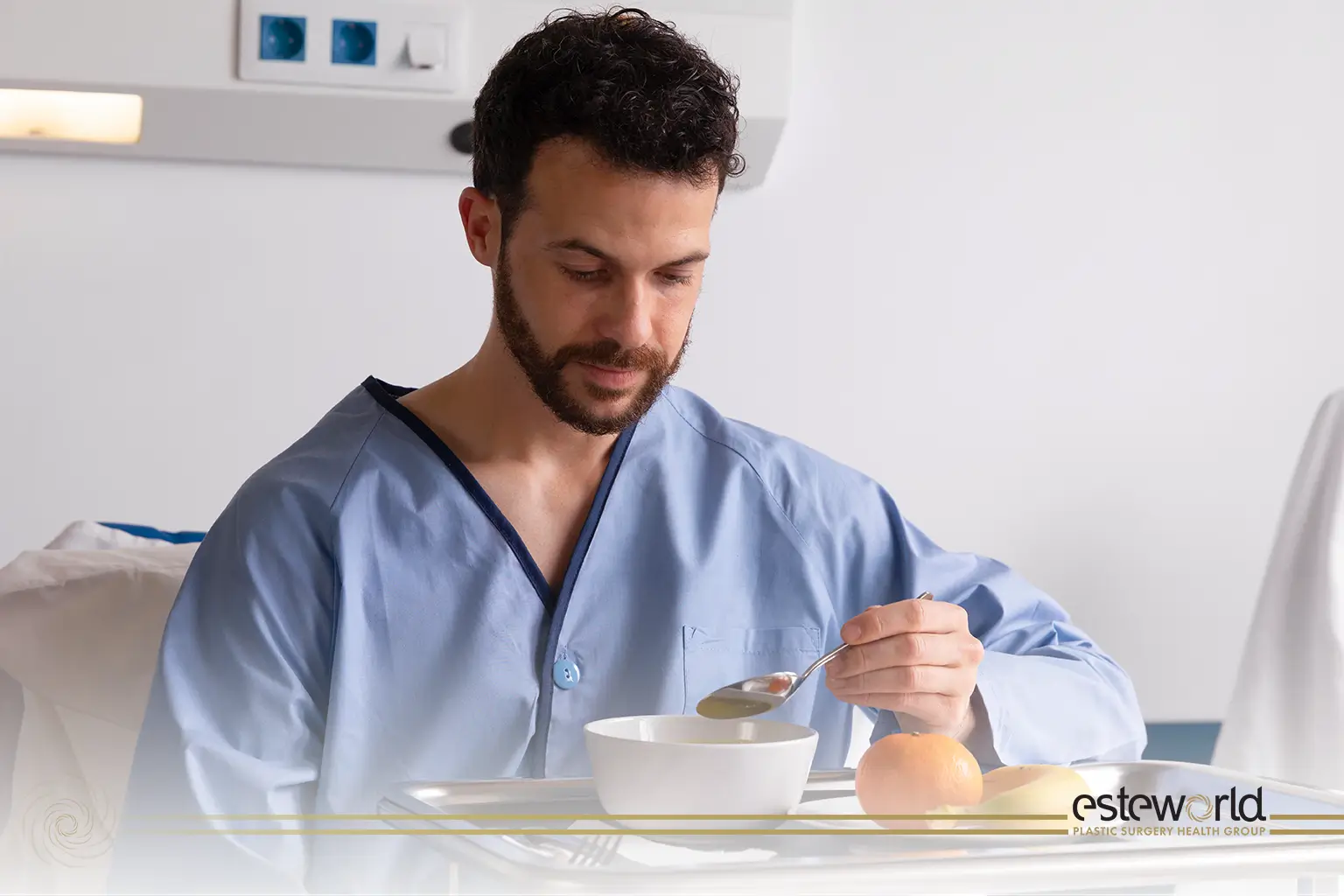
A balanced diet is essential after a hair transplant, as it provides the nutrients needed to support recovery and stimulate new hair growth. Proper nutrition helps the body heal faster, reduces the risk of inflammation, and strengthens the transplanted hair follicles. Nutrient-dense foods rich in vitamins, minerals, and proteins play a significant role in enhancing the effectiveness of the transplant and ensuring long-term results. In this article, we’ll explore the key nutrients needed after a hair transplant and suggest foods to incorporate into your post-surgery diet.

Essential Nutrients for Hair Growth and Recovery

Several nutrients are vital for promoting hair growth and supporting recovery after a hair transplant. Protein is the primary building block of hair, so consuming adequate protein from sources like lean meats, fish, eggs, and legumes is crucial. Vitamins such as Vitamin C, Vitamin E, and Vitamin A contribute to collagen production, improve circulation, and protect hair follicles from damage. Minerals like zinc and iron support scalp health and reduce hair shedding. Omega-3 fatty acids, found in fatty fish, chia seeds, and walnuts, also help reduce inflammation and support scalp health. Ensuring you get these nutrients can enhance the overall success of your hair transplant.

Foods to Include in Your Post-Transplant Diet

To aid recovery and boost hair growth, incorporate nutrient-dense foods into your diet. Lean proteins like chicken, fish, eggs, and beans provide essential amino acids for hair strength. Fruits and vegetables, particularly those rich in antioxidants, like berries, spinach, and carrots, help reduce inflammation and protect against oxidative stress. Whole grains, such as quinoa and oats, provide B vitamins and zinc, which are essential for hair health. Additionally, nuts and seeds, like almonds and flaxseeds, offer healthy fats and Vitamin E. Avoid processed foods and sugary snacks, as these can increase inflammation and hinder the recovery process.

Hydration and Lifestyle Tips for Optimal Results

Staying hydrated is key to supporting your body’s natural healing processes and promoting scalp health. Aim to drink at least 8 glasses of water daily to keep your scalp hydrated, which aids in reducing dryness and irritation post-transplant. Avoid alcohol and caffeine in the initial recovery phase, as they can dehydrate the body and potentially interfere with the healing process. Maintaining a healthy lifestyle, including regular exercise (after the recommended recovery period), adequate sleep, and stress management, can also help enhance the results of your hair transplant and support overall well-being.

Get Expert Advice Today
Have Questions in Mind? Contact Us!

FAQs

Focus on a diet rich in lean proteins, fruits, vegetables, whole grains, and healthy fats to provide essential nutrients that support hair growth and recovery.
Protein is crucial for hair growth as it supplies amino acids that strengthen hair follicles. Lean meats, fish, and eggs are excellent sources of protein for post-transplant nutrition.
Vitamins A, C, E, and B-complex are vital as they support collagen production, circulation, and hair follicle health, enhancing the success of the transplant.
Yes, staying hydrated is essential for promoting scalp health, reducing inflammation, and supporting the body’s healing process.
It’s best to avoid alcohol, especially during the initial recovery phase, as it can dehydrate the body and potentially interfere with healing.
Avoid processed foods, sugary snacks, and high-sodium items, as they can increase inflammation and slow the healing process.
Iron supports healthy blood flow to the scalp and reduces hair shedding, making it an important mineral for hair growth. Foods rich in iron include leafy greens and lean meats.
A nutrient-rich diet is always beneficial, but you can generally resume a balanced, varied diet after the initial recovery period, focusing on hair-supporting nutrients.
Following a nutritious diet long-term can support ongoing hair health and overall well-being, but focusing on key nutrients is especially important in the first few months.
Supplements can be helpful if you struggle to get enough nutrients from your diet, but consult your surgeon before starting any supplements post-transplant.
ESTEWORLD
WE ARE IN 35 COUNTRIES IN THE WORLD

As Esteworld Health Group, Turkey’s leading provider of plastic and aesthetic surgery services, we have been offering aesthetic services at the highest medical standards since 1994 under the slogan “Healthy beauty!”

Hair Transplant Operations
0 +
Plastic Surgery Operations
0 +
Dental Treatments
0 +
Achievements and Certificates
THE HOSPITAL THAT MAKES YOU SMILE
We provide services with high medical standards; we offer solutions in hair transplantation, plastic surgery, longevity, dental and medical aesthetics with our expert staff.
ESTEWORLD
ESTEWORLD
Welcome to Esteworld. How can we help you?

Anfahrt zur Atasehir-Klinik mit öffentlichen Verkehrsmitteln:

Mit dem Metrobus:

Sie können an der Haltestelle Uzunçayır aus dem Metrobus aussteigen und dann mit Minibussen und Bussen zum Einkaufszentrum Metropol fahren.

Busverkehr:

Sie können die Buslinien 8K-10-10A-10EK-13-13ŞB-13AB-14ŞB-16M-19EK-19M-KM46-256 nehmen und an der Haltestelle Ataşehir Plazalar aussteigen.

Transport mit dem Minibus:

Sie können die Minibusse Üsküdar-Ferhat Paşa, Üsküdar-Ataşehir, Ümraniye-Ataşehir nehmen und
an der Haltestelle Ataşehir Plazalar aussteigen.

Mit der U-Bahn

Sie können die U-Bahn-Linie M4 Kadıköy-Sabiha Gökçen nehmen und an den Haltestellen Yenisahra oder Kozyatağı aussteigen und dann mit Bussen und Minibussen zum Metropol AVM fahren.

Transport vom Flughafen Sabiha Gökçen:

Sie können die U-Bahn-Linie M4 Kadıköy-Sabiha Gökçen nehmen, an der Haltestelle Kozyatağı aussteigen und dann mit Minibussen und Bussen zum Ataşehir Metropol AVM fahren.

Dojazd do kliniki Atasehir środkami transportu publicznego:

Metrobusem:

Można wysiąść z metrobusu na przystanku Uzunçayır, a następnie dojechać minibusami i autobusami do centrum handlowego Metropol.

Transport autobusowy:

Można skorzystać z linii autobusowych 8K-10-10A-10EK-13-13ŞB-13AB-14ŞB-16M-19EK-19M-KM46-256 i wysiąść na przystanku Ataşehir Plazalar.

Transport minibusem:

Można skorzystać z minibusów Üsküdar-Ferhat Paşa, Üsküdar-Ataşehir, Ümraniye-Ataşehir i
wysiąść na przystanku Ataşehir Plazalar.

Metrem

Można skorzystać z linii metra M4 Kadıköy-Sabiha Gökçen i wysiąść na przystanku Yenisahra lub Kozyatağı, a następnie dojechać autobusami i minibusami do Metropol AVM.

Transport z lotniska Sabiha Gökçen:

Można skorzystać z linii metra M4 Kadıköy-Sabiha Gökçen, wysiąść na przystanku Kozyatağı, a następnie minibusem lub autobusem dojechać do Ataşehir Metropol AVM.