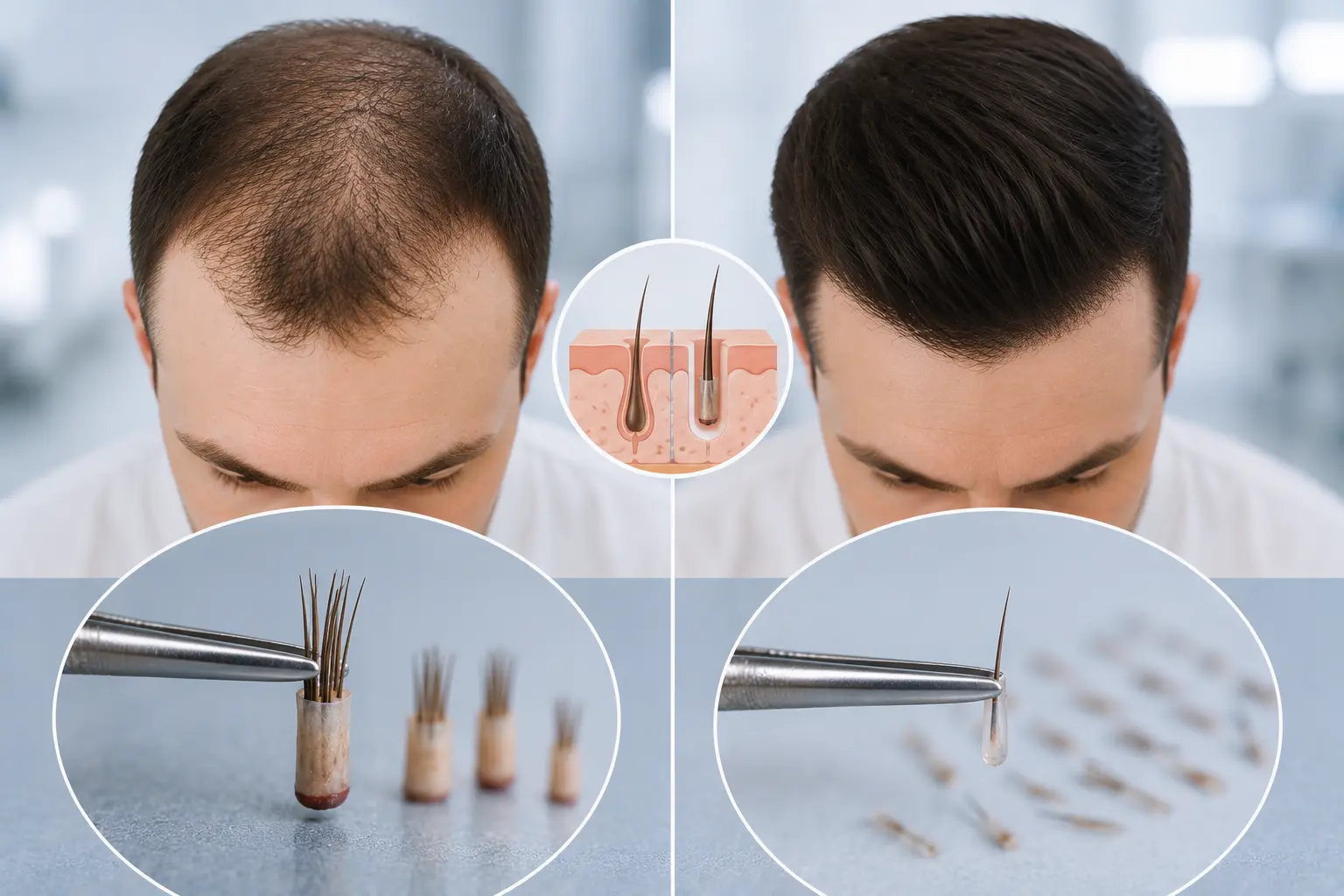
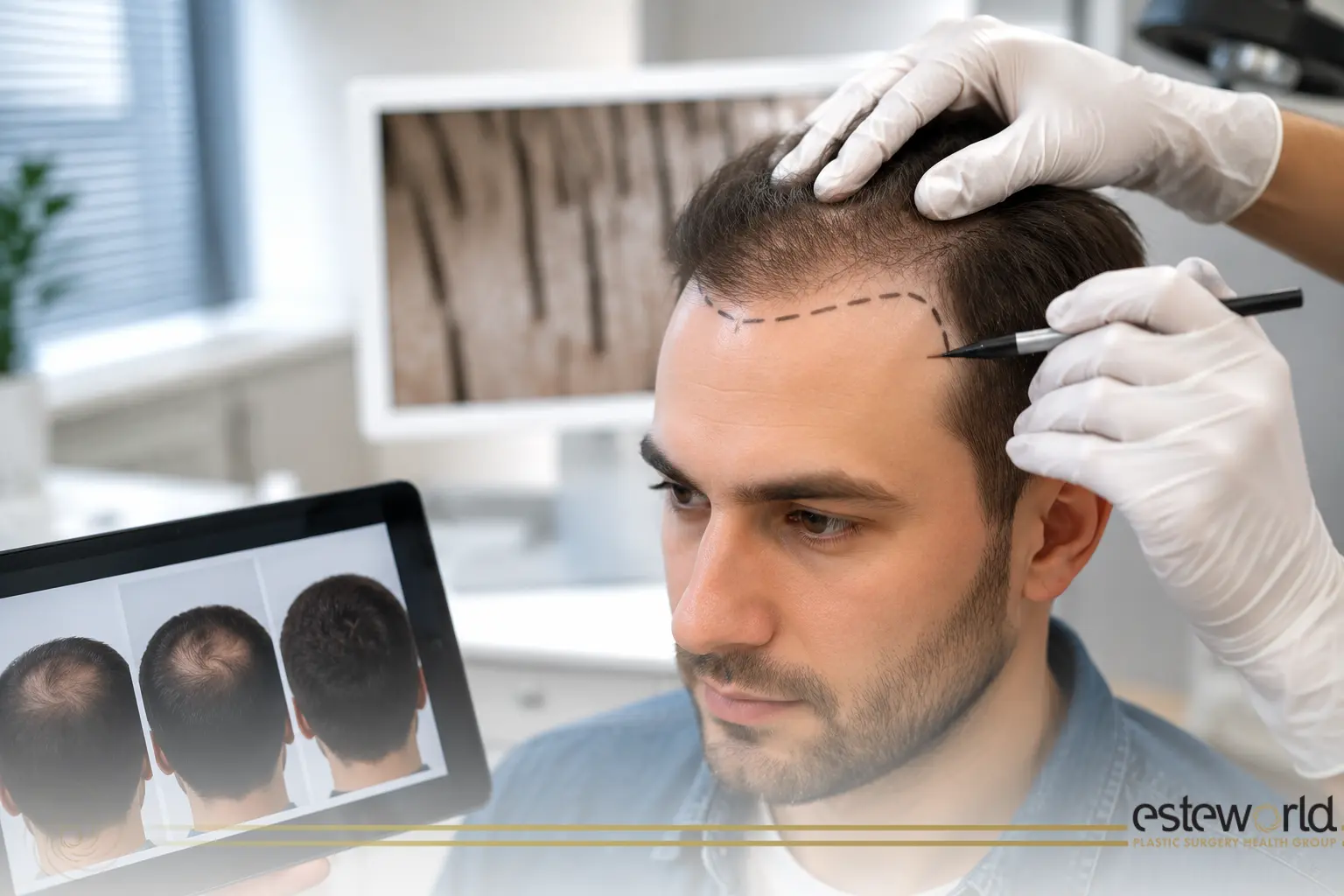
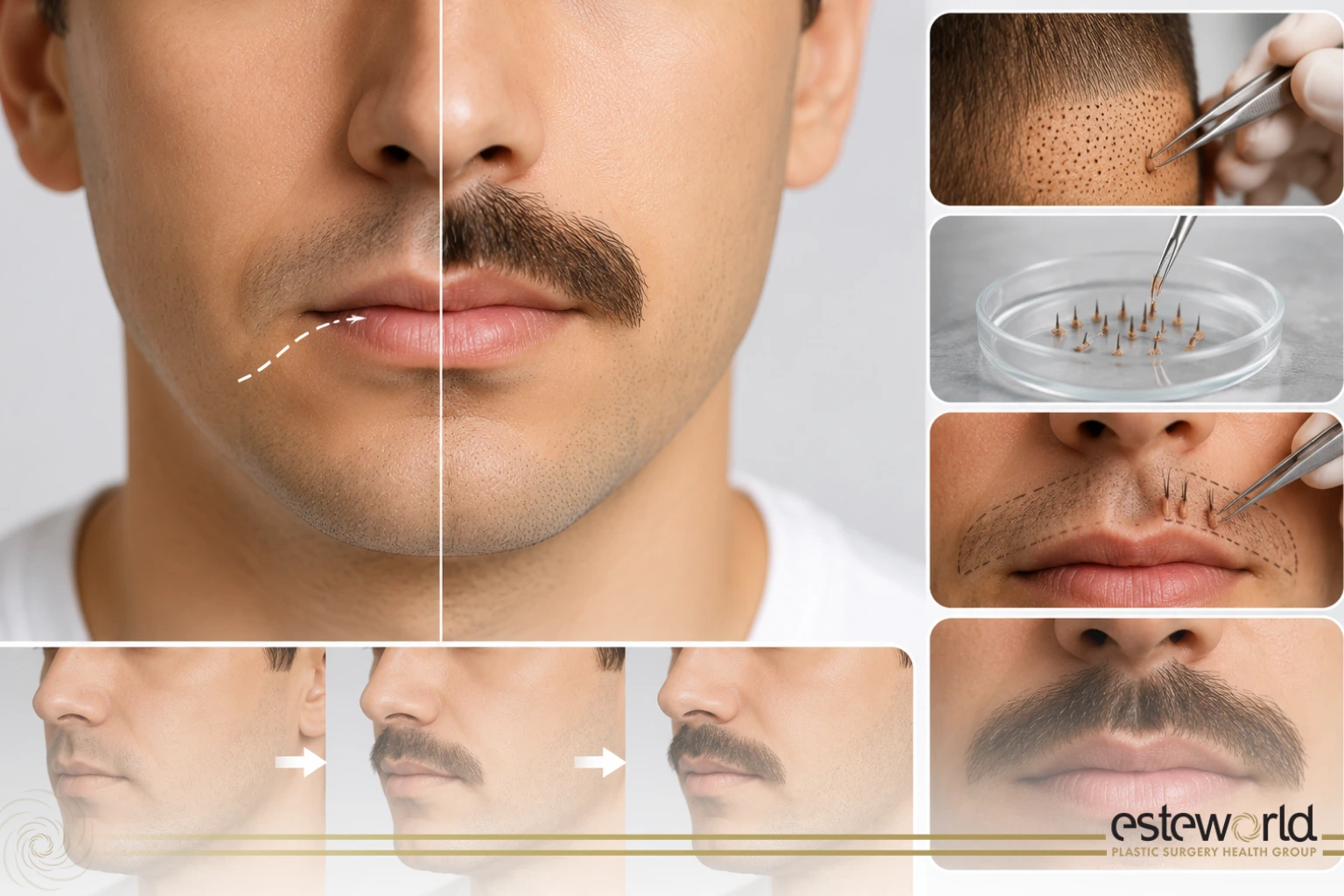
A hair graft is a small piece of living tissue containing one or more hair follicles and surrounding supporting tissue. During a hair transplant, grafts are moved from a donor area to an area affected by hair loss. Modern follicular unit grafts usually contain one to four hairs. A graft is therefore not the same as a single hair, and graft numbers alone do not determine the final result.
Quick summary
- A hair graft contains follicles and supporting tissue.
- One graft can contain several hairs.
- Hair count and graft count are different measurements.
- Donor capacity limits how many grafts can safely be harvested.
- Graft handling, placement and individual healing also influence results.
How many hairs are in one graft?
A modern follicular unit graft typically contains one to four hairs. The exact number depends on the natural grouping of follicles in the donor area. For example, 3,000 grafts with an average of two hairs per graft would represent approximately 6,000 hairs—not 3,000.
Hair Graft vs Hair Follicle: What Is the Difference?
Understanding these terms helps you interpret a treatment plan and compare clinic estimates accurately.
| Term | Meaning |
|---|---|
| Hair shaft | The strand of hair that extends above the skin |
| Hair follicle | The structure within the skin that produces a hair |
| Follicular unit | A naturally occurring group of follicles with associated supporting structures |
| Hair graft | The piece of tissue transferred during transplantation |
In modern follicular unit transplantation, a graft generally contains one natural follicular unit. However, “graft” is a surgical term, while “follicular unit” describes an anatomical grouping. Historical grafting techniques also used larger pieces of tissue containing multiple follicular units.
This distinction matters when reading advertisements. A proposal for 4,000 hairs is not automatically equivalent to a proposal for 4,000 grafts. Ask the clinic which measurement it uses and whether the number refers to the planned procedure or the final recorded count.
The purpose of transplantation is to relocate living follicles capable of producing hair. Placing a cut hair shaft into the scalp would not provide the same result because the growing structure would be missing.
How Many Hairs Are in a Hair Graft?
The number of hairs in a graft varies. Some grafts contain a single hair, while others contain two, three or four. A surgical session normally includes a mixture rather than one uniform graft type.
A useful calculation is:
Estimated hair count = graft count × average number of hairs per graft
The average must come from the patient’s graft composition. It should not be treated as a fixed conversion that applies to every person.
Hair Counts for 2,500, 3,000, 3,500, 4,000 and 5,000 Grafts
The following table demonstrates the arithmetic using an illustrative average of 1.8–2.2 hairs per graft. This is an example assumption, not a guaranteed or universal clinical average.
| Number of grafts | Illustrative number of hairs |
|---|---|
| 2,500 grafts | 4,500–5,500 |
| 3,000 grafts | 5,400–6,600 |
| 3,500 grafts | 6,300–7,700 |
| 4,000 grafts | 7,200–8,800 |
| 5,000 grafts | 9,000–11,000 |
Your actual hair count may fall outside these examples. Ask for the recorded numbers of single-hair and multi-hair grafts if you want to understand the calculation behind your treatment.
These figures also do not tell you which scalp area can be covered. A count such as 3,500 grafts cannot automatically be assigned to the temples, mid-scalp or crown. The distribution depends on the measured treatment area and the agreed design.
How Are Hair Grafts Collected and Transplanted?
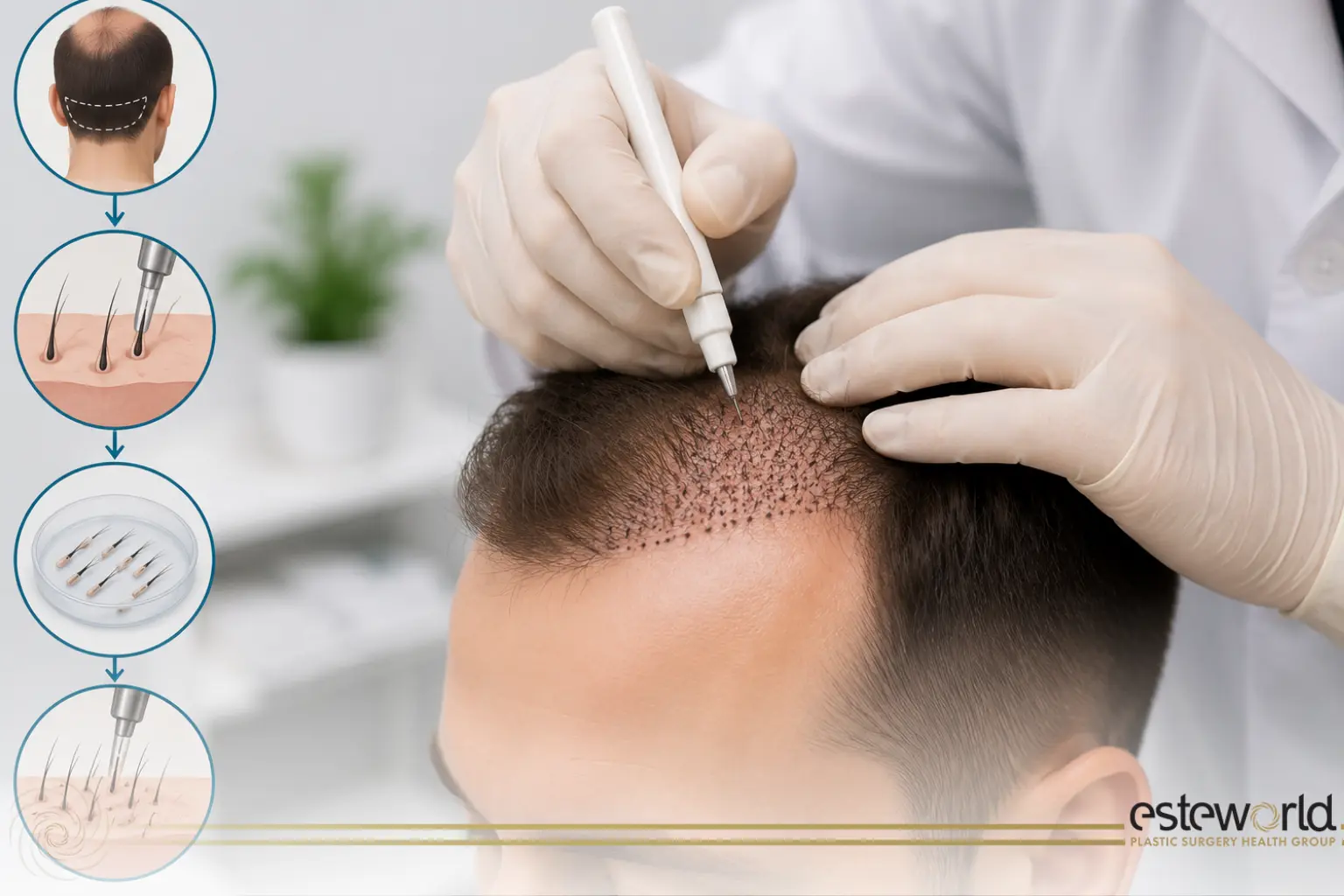
Hair transplantation involves harvesting grafts, preparing and protecting them, and placing them in the recipient area. The harvesting method and implantation method describe different parts of this process.
FUE Hair Grafts
Follicular unit excision, commonly called FUE, involves removing follicular units individually with a small surgical punch. The term “follicular unit extraction” is still widely used, although ISHRS uses “excision” to emphasise that the procedure involves cutting tissue.
FUE leaves small individual scars in the donor area. It should not be described as scar-free surgery.
FUT Hair Grafts
In strip FUT, a strip of hair-bearing scalp is removed from the donor area. It is then divided into individual grafts under magnification, and the donor wound is closed.
FUE and FUT can both provide follicular unit grafts. Their main difference is how those grafts are obtained; FUT usually leaves a linear donor scar.

Graft Preparation and Placement
After harvesting, grafts are inspected, counted and kept in an appropriate holding environment until placement. They can be implanted using forceps or implanter devices.
DHI, or direct hair implantation, refers to an implantation approach using sharp implanters. It does not describe a different biological type of graft or create additional donor follicles.
Placement also affects appearance. Single-hair grafts can help create a soft frontal edge, while grafts containing more hairs can contribute to fullness behind it. A single-hair graft is therefore not inherently a lower-quality graft; its value depends on where it is needed.
Hair Graft Calculation: How Many Grafts Do I Need?
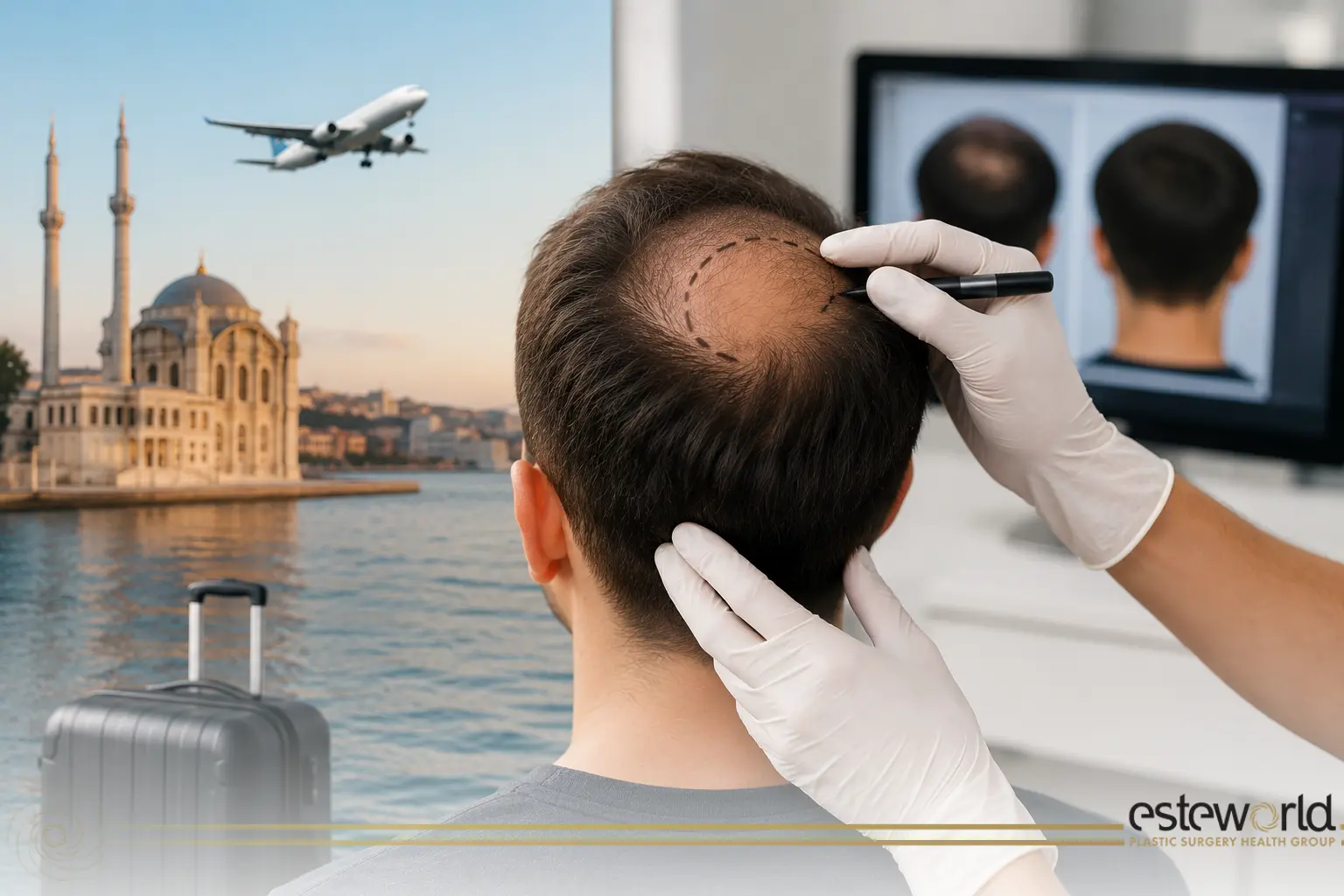
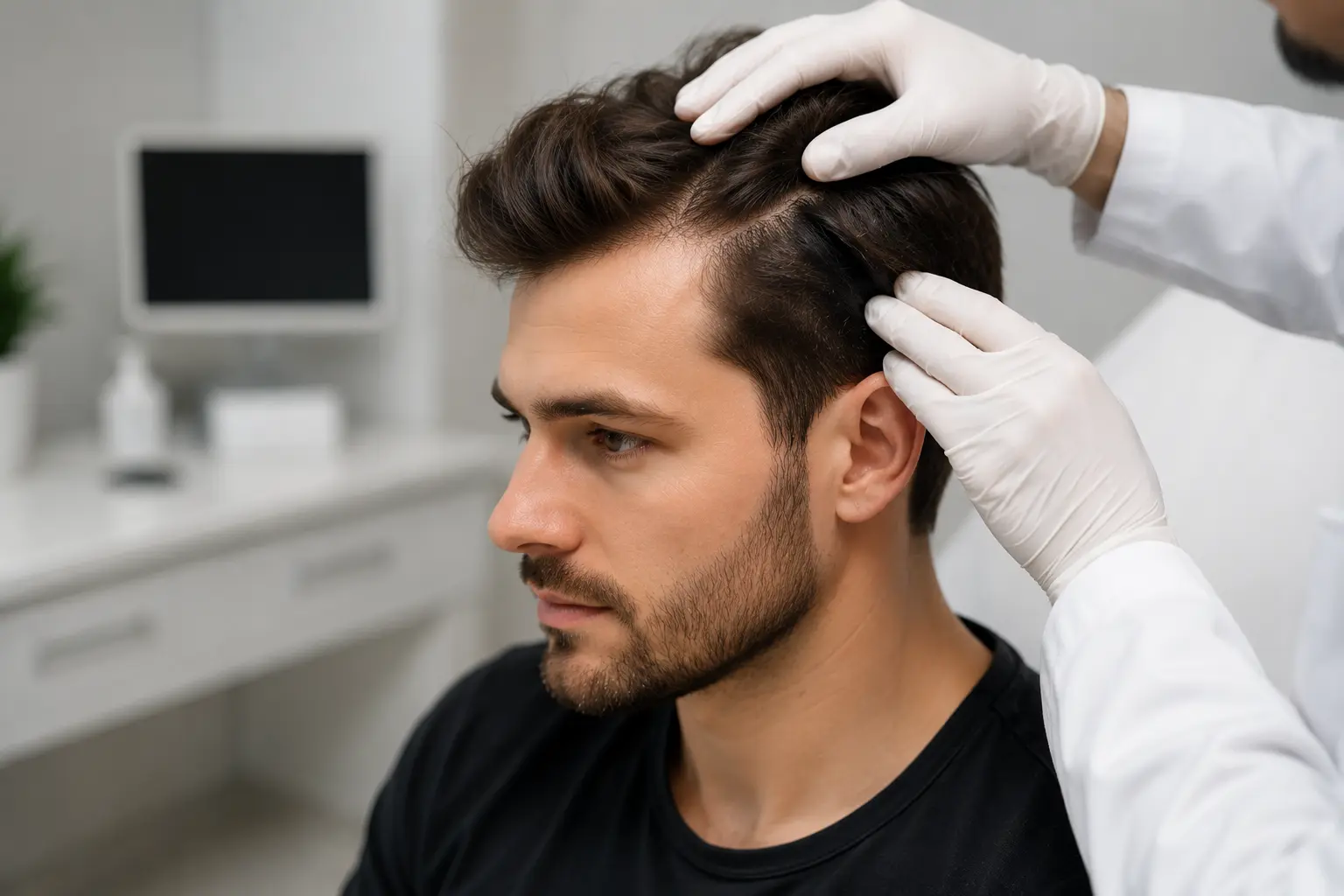
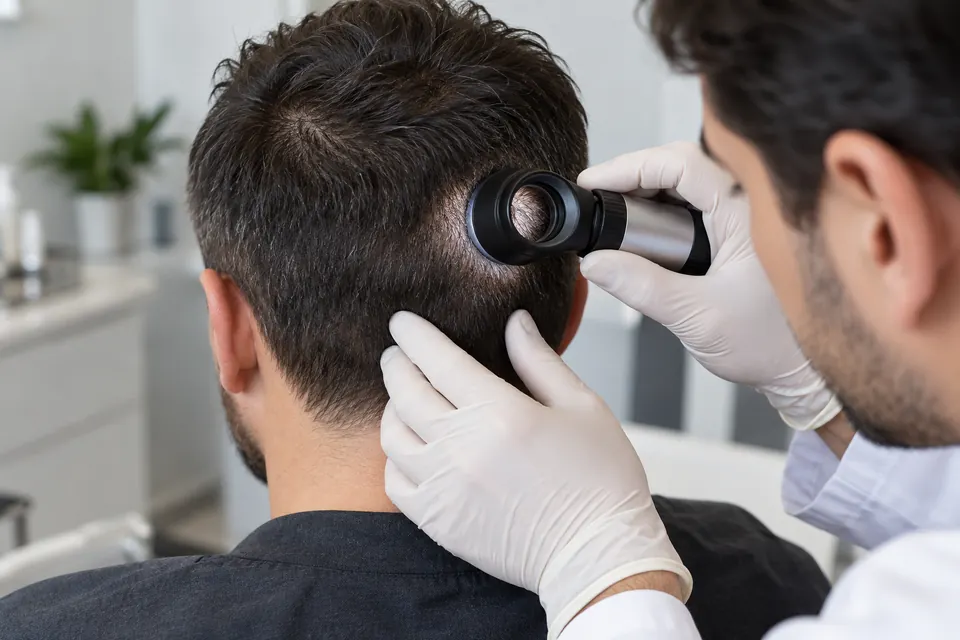
Hair graft calculation balances the area requiring treatment with the amount of suitable donor hair available. It should begin with a diagnosis and scalp assessment, rather than a predetermined package size.
The surgeon considers:
- The size and location of the thinning or bald area.
- Existing hair and evidence of continuing hair loss.
- Donor density and the number of hairs in follicular units.
- Hair thickness, curl and contrast with the scalp.
- Previous surgery, scarring and future treatment needs.
Hair characteristics matter because the same graft count can produce different visual coverage in different people. Donor assessment and long-term planning help determine how available hair should be used.
What Does the Norwood Scale Tell You?
The Hamilton–Norwood Scale describes patterns and stages of male pattern hair loss. It helps communicate the extent of recession and crown involvement, but it is not an automatic graft calculator.
Two people with the same broad hair loss pattern may have different treatment areas, donor characteristics and goals. A consultation must connect the classification with the individual scalp assessment.
For more detail about treatment areas and planning, see our guide to how many hair transplant grafts you may need.
How Many Grafts of Hair Does a Person Have?
There is a difference between the follicles present in the donor region and the number that can safely be removed.
A donor area must retain enough hair to maintain an acceptable appearance. Removing too many grafts can leave visible thinning or a patchy pattern, and it can reduce options for future surgery.
Figures such as 6,000–8,000 available grafts should therefore not be presented as a universal donor capacity. Your safe supply requires an individual assessment.
Minimum and Maximum Number of Grafts in Hair Transplantation
There is no single graft count that defines a worthwhile procedure for every patient. A small, targeted correction and extensive scalp restoration have different requirements. The claim that fewer than 1,000 grafts cannot make a visible difference is too broad.
Likewise, 8,000 grafts is not a universal maximum or a target everyone should pursue. The planned number must reflect donor limitations, recipient needs and the possibility of future hair loss.
When reviewing a proposal, ask whether the quoted number is intended for one session or several. Also ask which areas will receive priority if the available donor supply cannot provide the coverage you initially requested.
What Determines Hair Graft Quality and Survival?
A high graft count does not compensate for damaged tissue or unsuitable planning. Follicles must be harvested and handled carefully to preserve their ability to grow.
During FUE, a follicle can be partially cut or damaged—a problem called transection. Avoiding unnecessary follicular injury is an important part of harvesting.
Grafts also need protection while outside the body. Clinical descriptions of graft preparation emphasise maintaining hydration and minimising handling trauma while grafts await implantation.
When Do Hair Grafts Become Secure?
Grafts gradually become anchored in the recipient area. A published study found that grafts could no longer be dislodged under its testing conditions by day nine. However, that finding does not mean every patient should resume rubbing, scratching or unrestricted activity on that day.
Follow your surgeon’s washing and activity instructions. The NHS recommends particular care during the first two weeks after transplantation.
Does Shedding Mean the Graft Has Failed?
Not necessarily. Transplanted hair shafts commonly shed before new growth becomes visible. Losing a shaft does not automatically mean the follicle has been lost.
Results develop over months; the NHS describes approximately 10–18 months for full results. Report severe pain or unexpected symptoms to your clinic rather than trying to assess graft survival from a shed hair alone.
To discuss your donor area and treatment goals, contact Esteworld for a consultation. An individual assessment can establish whether transplantation is appropriate and explain the proposed graft plan.