Social Media Influence on Hair Transplant Decisions
Social media influence on hair transplant decisions is the way online videos, patient stories, clinic posts and endorsements shape people’s interest in hair transplantation, their expectations and their choice of provider. This content can help people discover treatment options and prepare questions. However, it cannot establish whether someone is suitable for surgery or predict their individual results. Those decisions require a medical assessment.
Quick summary
- Social media can introduce treatment options and make patient experiences easier to access.
- Before-and-after photos need consistent presentation and clear treatment timelines.
- Influencer recommendations, reviews and follower counts require careful interpretation.
- Medical suitability, the surgical team and long-term planning should guide the final decision.
Should you choose a hair transplant clinic based on social media? Social media can help you identify clinics to investigate, but it should be one part of your research. Verify who will perform the procedure, how your suitability will be assessed, what the proposed treatment includes and how follow-up care will work.
How Effective Is Social Media in Deciding on a Hair Transplant?
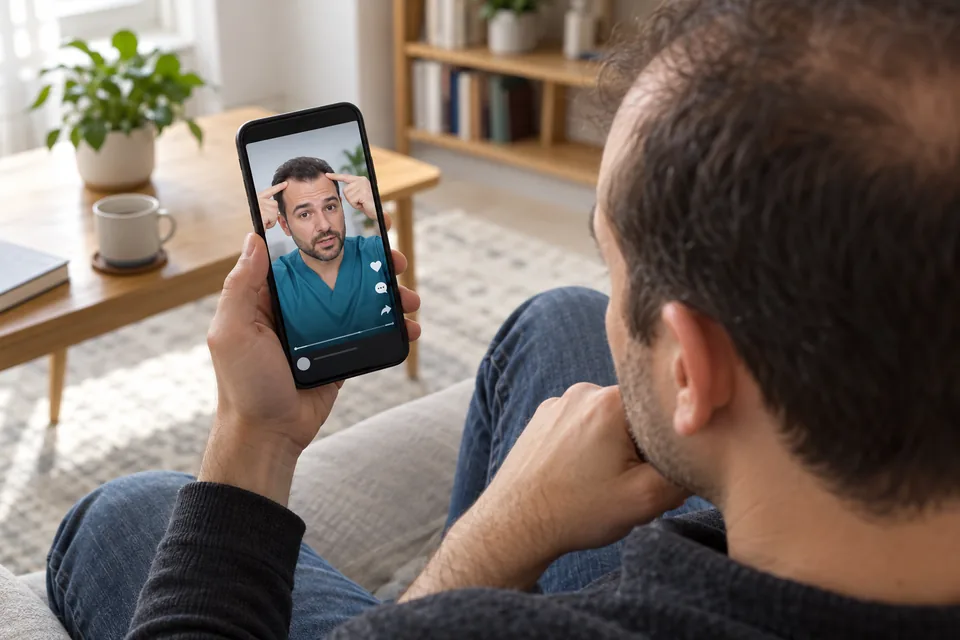
Social media can influence several stages of the hair transplant decision-making process. Someone may first discover the procedure through a short video, compare clinics through patient accounts and then request a consultation after following a treatment journey.
The strength of this influence varies between people. A widely shared post does not tell us how many viewers are suitable candidates or how many make a well-informed decision.
Educational content and patient experiences
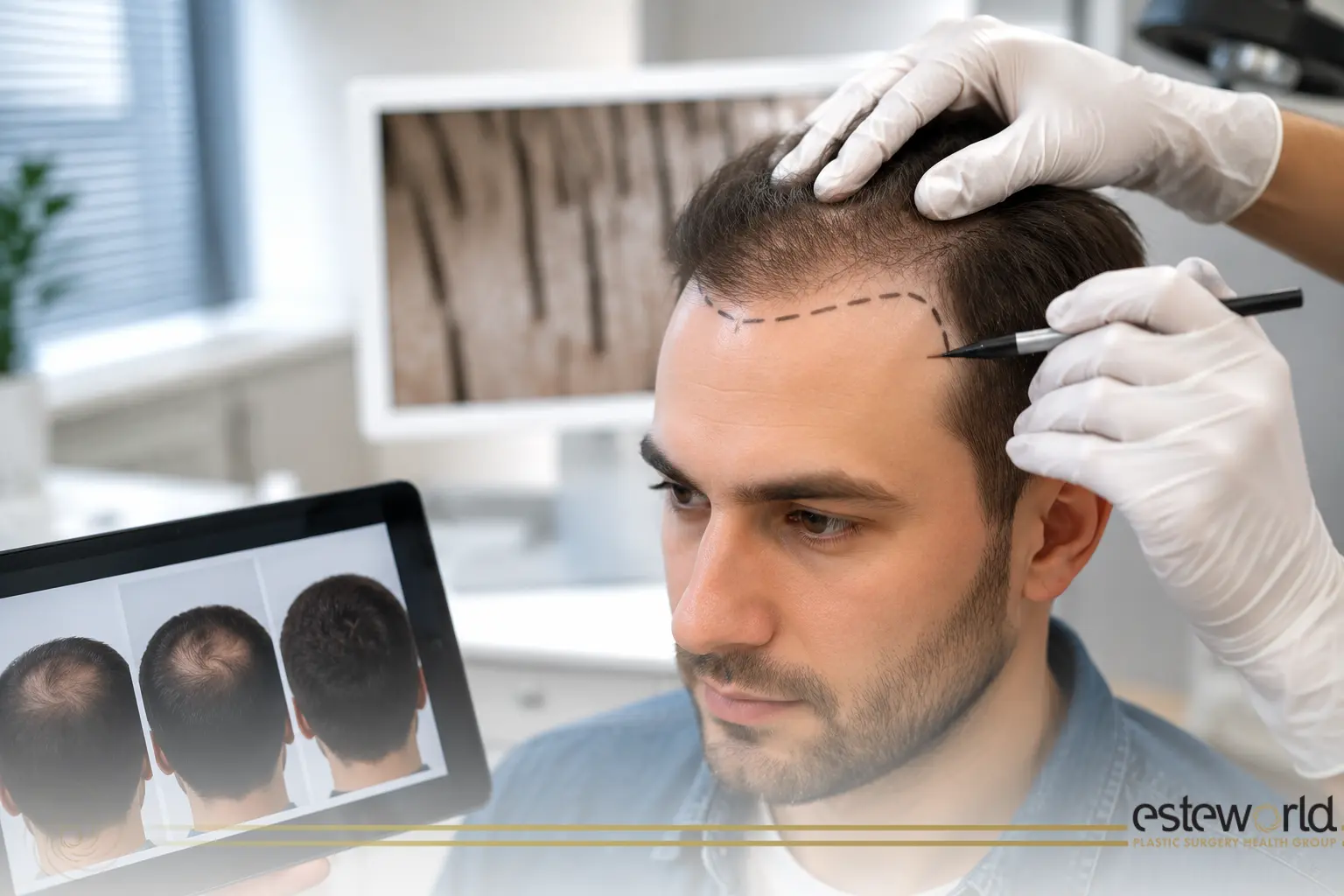
Useful content explains what a procedure involves, who may benefit and what its limitations are. A clinician discussing donor hair, future hair loss or recovery can help viewers prepare more specific questions.
Patient stories offer a different perspective. They may describe travel arrangements, communication, discomfort or the practical experience of returning to work. These details can be valuable, provided they are understood as individual experiences.
The most informative treatment journeys include updates over time. A single enthusiastic post immediately after surgery cannot show the eventual hair growth or long-term satisfaction.
Expectations and appearance-related pressure
Repeated exposure to carefully selected transformations may make a particular hairline or level of density seem achievable for everyone.
Before adopting an online result as a personal goal, consider whether the patient’s starting point resembles yours. Hair characteristics, the extent of hair loss and available donor hair can differ considerably.
It is also reasonable to pause if research begins to feel like pressure to act quickly. Choosing to seek advice, postpone treatment or decline surgery should remain a personal decision.
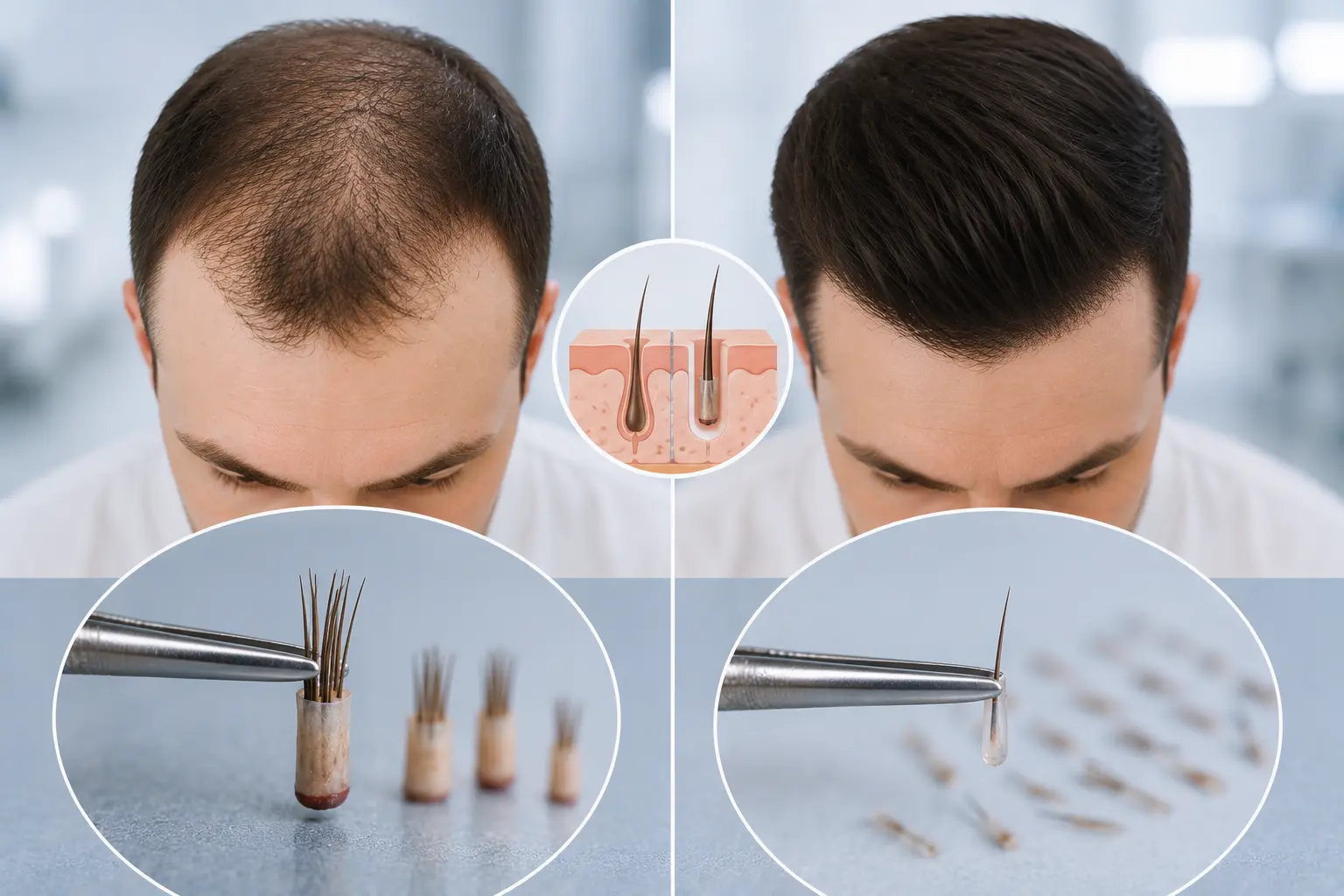
How Should You Evaluate Hair Transplant Before-and-After Photos?
Before-and-after photos can illustrate a patient’s progress, but their usefulness depends on how they are presented. Look for comparable photographs and enough information to understand what happened between them.
Lighting, camera angle, hair length and styling can change the apparent amount of coverage. Time since treatment also matters: early postoperative images and later growth photographs answer different questions. Esteworld’s results guide discusses these factors when interpreting photographic comparisons.
| What to check | What to look for | What to ask |
|---|---|---|
| Lighting and angle | Similar views and illumination | Were both photographs taken under comparable conditions? |
| Hair presentation | Visible differences in length or styling | Were fibres, concealers or other cosmetic products used? |
| Treatment timeline | A clearly stated follow-up interval | How long after surgery was this image taken? |
| Treatment history | Details of procedures and additional treatment | Does the result reflect one procedure or several? |
| Coverage shown | Frontal, top and donor-area views | Can I see the areas missing from this post? |
A result should also be considered in context. Ask whether the person had similar hair loss, hair texture and treatment goals to yours.
For example, filling a small area of recession is different from restoring coverage across a larger thinning area. A visually impressive result in one situation cannot establish what is achievable in the other.
You can review Esteworld’s hair transplant before-and-after results using these questions. Treat individual cases as discussion material for your consultation rather than as a prediction of your outcome.
How Reliable Are Influencers, Testimonials and Online Reviews?
Different types of social media content serve different purposes. A personal diary, clinic advertisement and clinician’s explanation should not be evaluated in exactly the same way.
Influencer and celebrity recommendations
An influencer can describe their experience, but that experience does not establish another person’s medical suitability.
Look for a clear explanation of any commercial relationship. Payment, discounted treatment, complimentary services or referral arrangements may be relevant when interpreting a recommendation.
Sponsorship does not automatically make an account inaccurate. It does mean that the relationship should be understood alongside the claims being made.
Avoid assuming that a celebrity has undergone hair transplantation solely because their appearance has changed. Photographs and online speculation do not confirm someone’s medical history.
Patient reviews and testimonials
A detailed review can help you identify questions about communication, organisation and aftercare. Check when it was written and what stage of treatment the reviewer had reached.
A review posted during the trip may describe the booking experience accurately while offering little information about later growth. Follow-up comments can provide additional context.
Read a range of accounts and look for recurring, specific themes. Neither an isolated positive review nor an isolated complaint provides a complete picture of a clinic.
Popularity and medical credibility
Follower counts, views and likes measure audience activity. They do not establish the quality of surgical planning or show how complications are managed.
When a post makes a medical claim, check who is speaking, what their role is and whether the explanation includes limitations. Claims such as “guaranteed density”, “risk-free surgery” or “the same result for everyone” deserve further questioning.
What Should Be Considered When Deciding on Hair Transplantation?
The main decision should be based on your medical assessment and a clear treatment plan. Social media can introduce questions, but the answers need to relate to your own circumstances.
Medical suitability and patient expectations
The consultation should address the cause of your hair loss, scalp condition, donor area, medical history and expectations.
Ask whether surgery is appropriate now, whether further assessment is needed and whether non-surgical management should be considered. A consultation should leave room for a recommendation to delay or avoid transplantation.
Bring reference images if they help you explain your preferences. The clinician should discuss which features may be achievable and which may not suit your anatomy or long-term needs.
Expertise, experience and clinic facilities
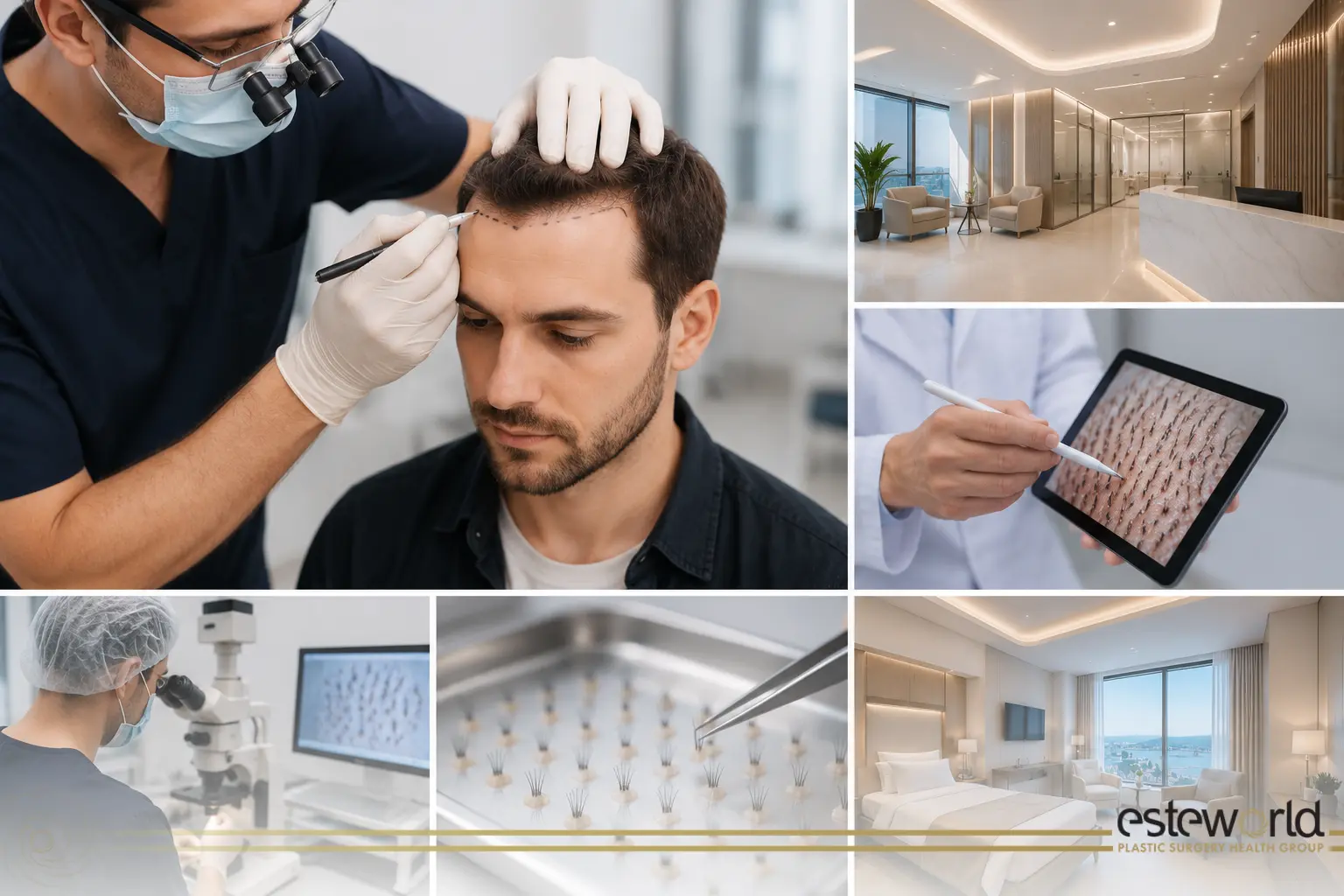
Identify the clinician responsible for assessing you and planning your treatment. Ask who will perform each surgical stage and how the team is supervised.
Clinic facilities, hygiene practices and arrangements for medical support also matter. A polished social media account cannot answer these questions on its own.
Look for clear explanations rather than relying exclusively on awards, promotional descriptions or photographs of the building.
Hair transplant type and technological facilities
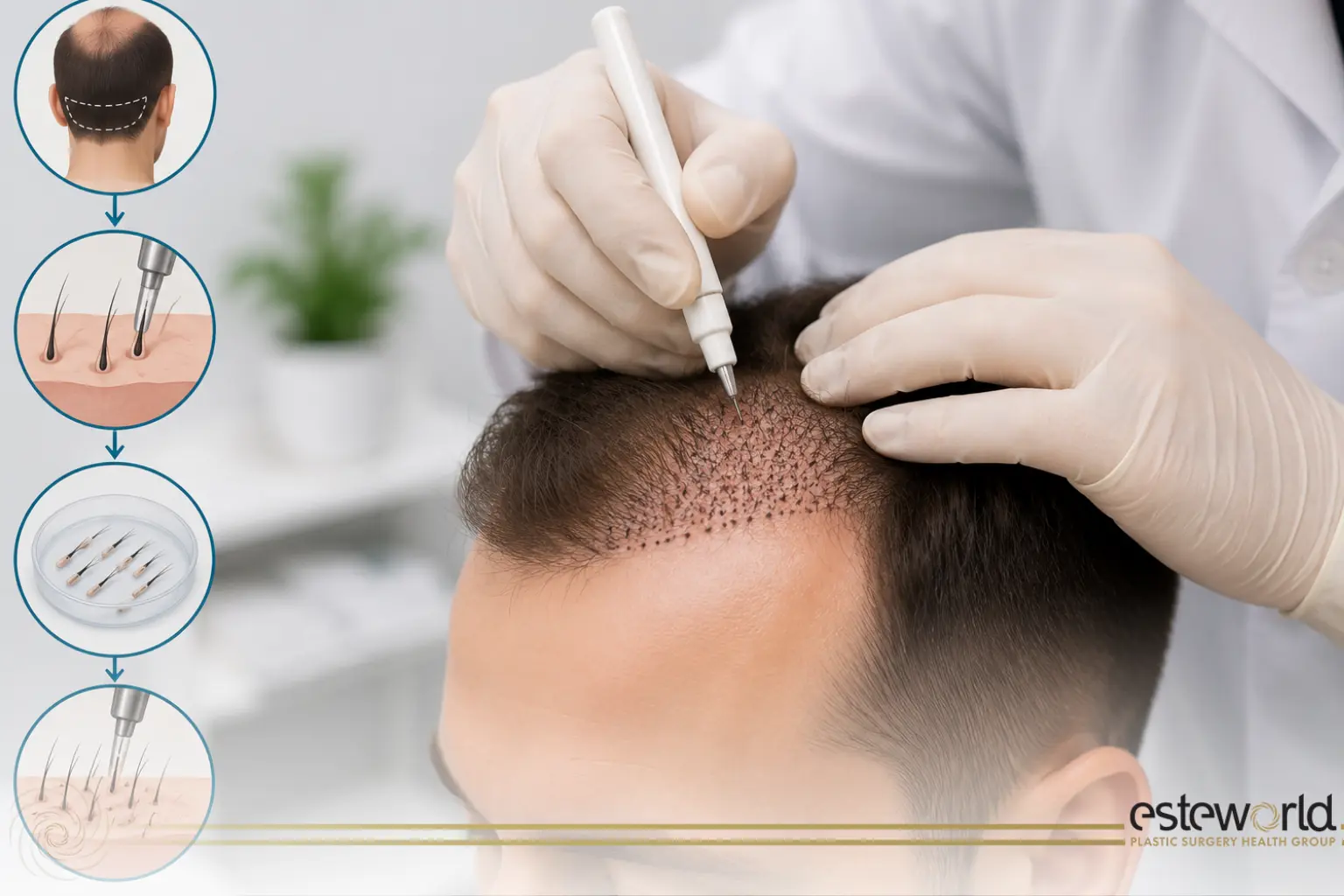
FUE and FUT describe different approaches to obtaining donor grafts. Other terms seen online may describe instruments or implantation methods.
Ask what each proposed technique means in your treatment plan and why it has been recommended. Modern equipment may support treatment, but equipment names alone do not explain the quality of diagnosis, donor management or surgical execution.
The most useful question is: “Why is this approach suitable for my hair loss and donor area?”
Cost, recovery process and long-term results
Request a written breakdown of the proposed procedure, included services, follow-up and possible additional charges. When comparing packages, make sure they cover equivalent care.
Discuss practical recovery needs, including time away from work, postoperative care and access to the clinic if concerns arise. Hair growth develops over time, so an immediate postoperative appearance is not the final result.
Ask about potential complications, including infection, scarring, poor growth and donor-area problems. Future hair loss should also be part of the discussion.
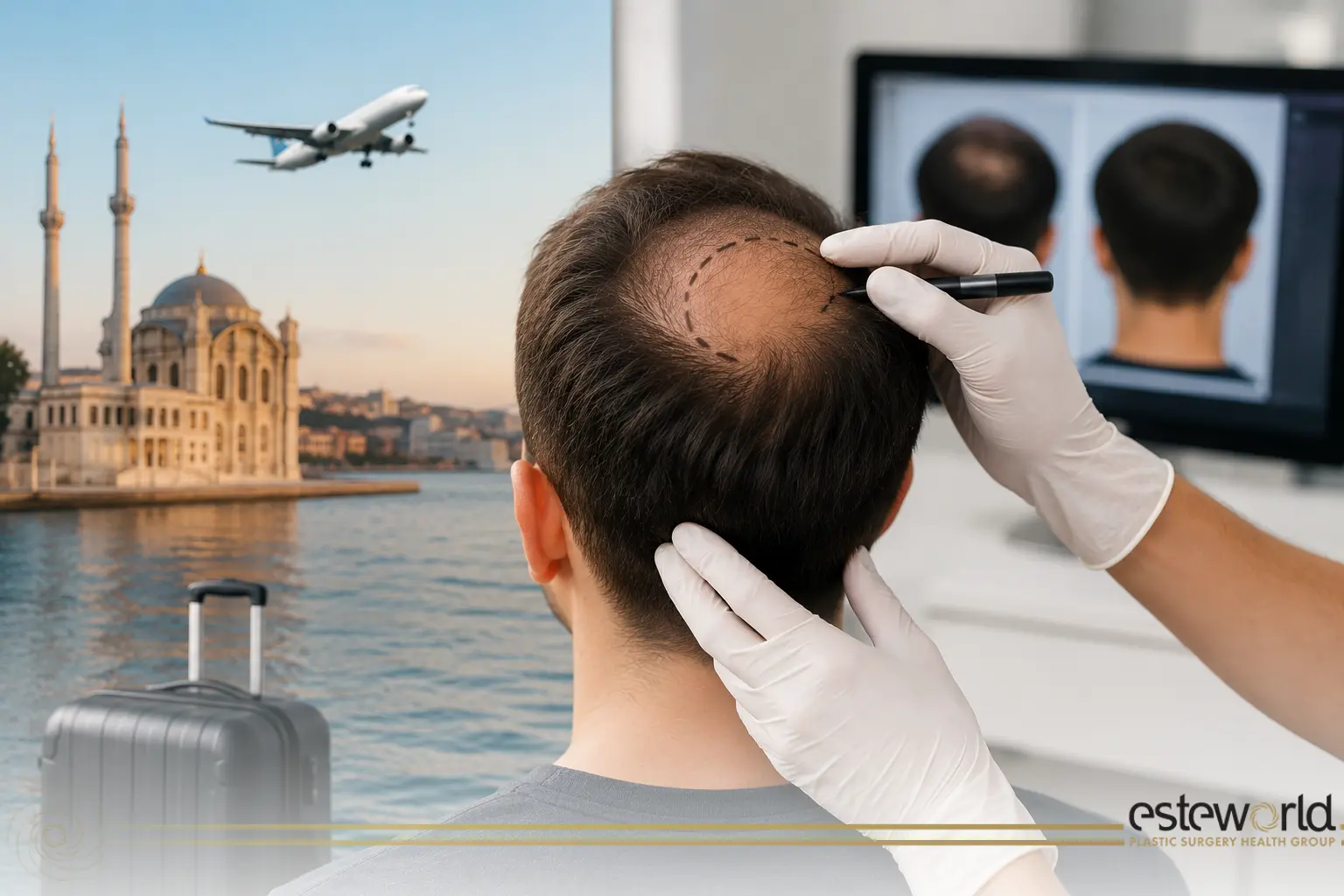
For treatment abroad, clarify who will provide follow-up after you return home and how an in-person assessment would be arranged if needed.
How Can You Use Social Media to Make a More Informed Decision?
A practical research process turns online content into questions that can be checked.
- Write down your goal. Identify whether your concern is hairline recession, thinning, coverage or another issue.
- Save useful examples. Note what the post claims, who published it and what information is missing.
- Check the provider’s identity. Confirm the clinic and clinician through their official channels.
- Compare explanations. Look at how providers discuss suitability, limitations, risks and follow-up.
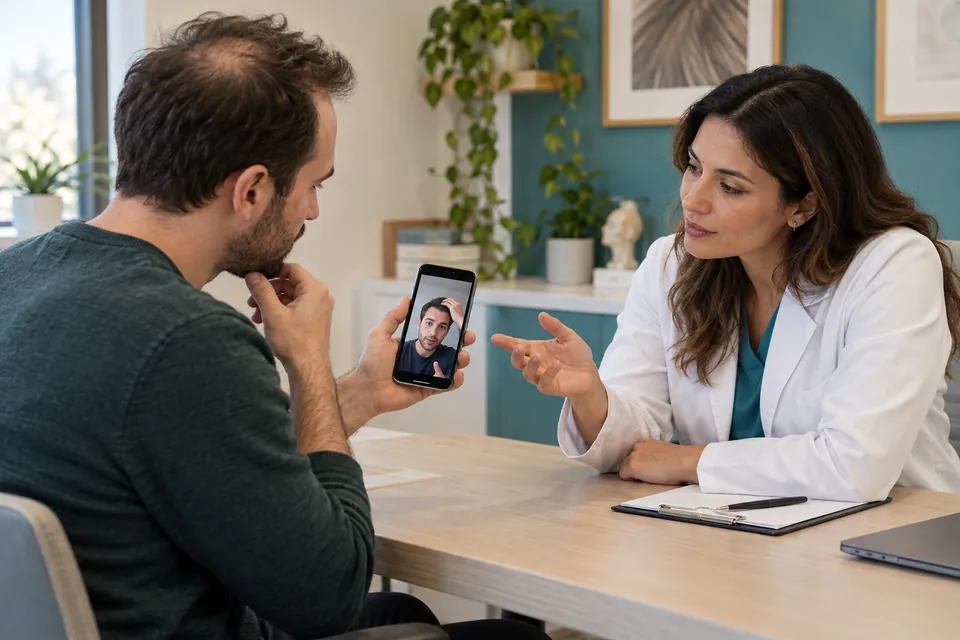
- Request an individual consultation. Ask how the general information applies to your own hair loss.
- Review the written plan before committing. Resolve uncertainties about the procedure, cost and aftercare.
Questions to take to your consultation
Ask the clinician:
- What is causing my hair loss, and is it likely to progress?
- Am I a suitable candidate for surgery at this stage?
- What coverage can reasonably be achieved with my donor hair?
- Who will perform the procedure’s surgical stages?
- What are the main risks and limitations in my case?
- What happens if recovery or growth differs from the expected course?
You can contact Esteworld to request an assessment and discuss questions raised by social media content.
Protecting your privacy during research
Avoid posting medical records, identifying documents or detailed health information in public comments. Before sending photographs privately, confirm that you are using the clinic’s official contact channel.
If you are invited to participate in a patient story, ask how your images, voice and name would be used. Clarify whether permission covers a clinical record, a public post or advertising.
An anonymous-looking photograph may still contain recognisable details. Discuss your preferences before any content is recorded or shared.