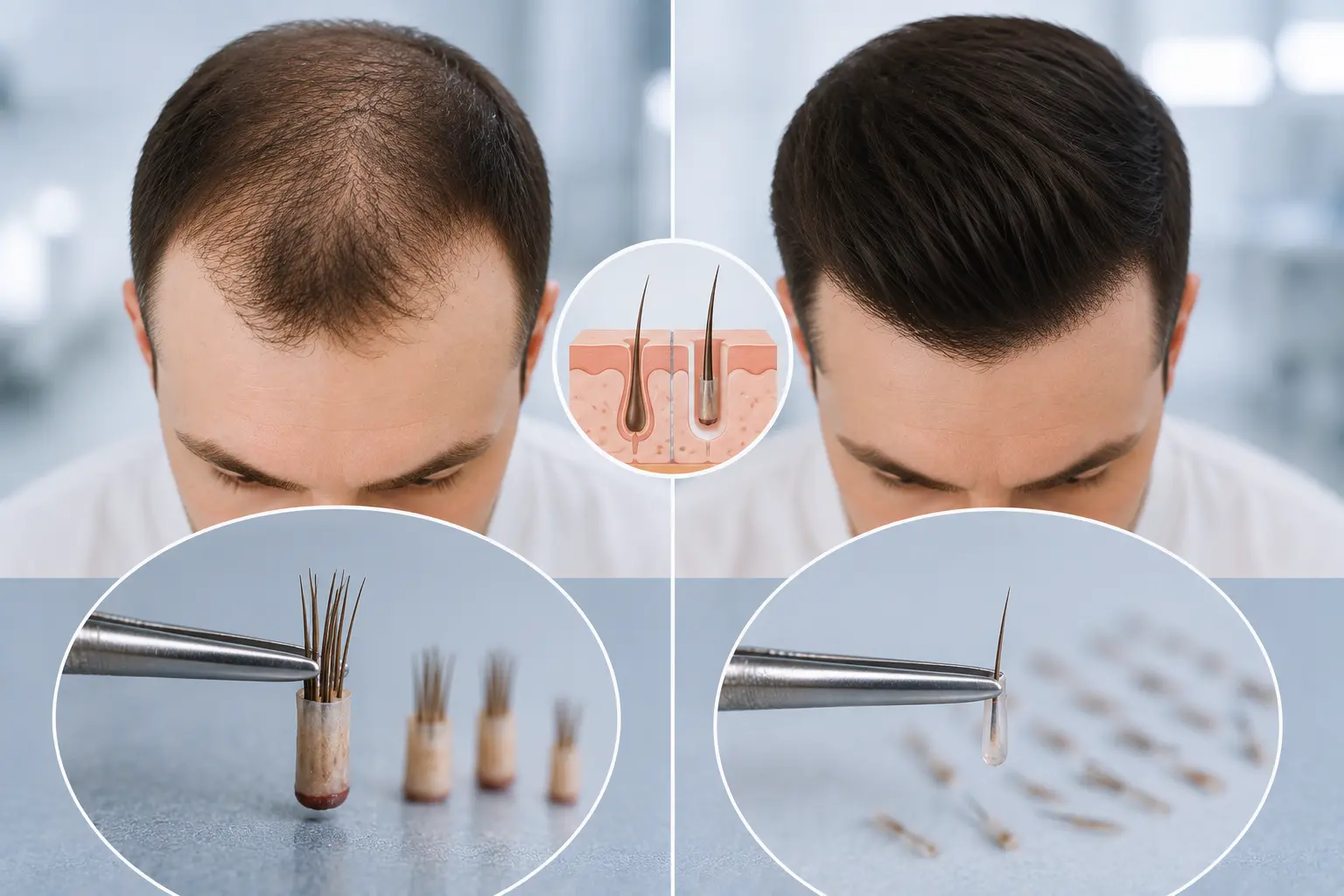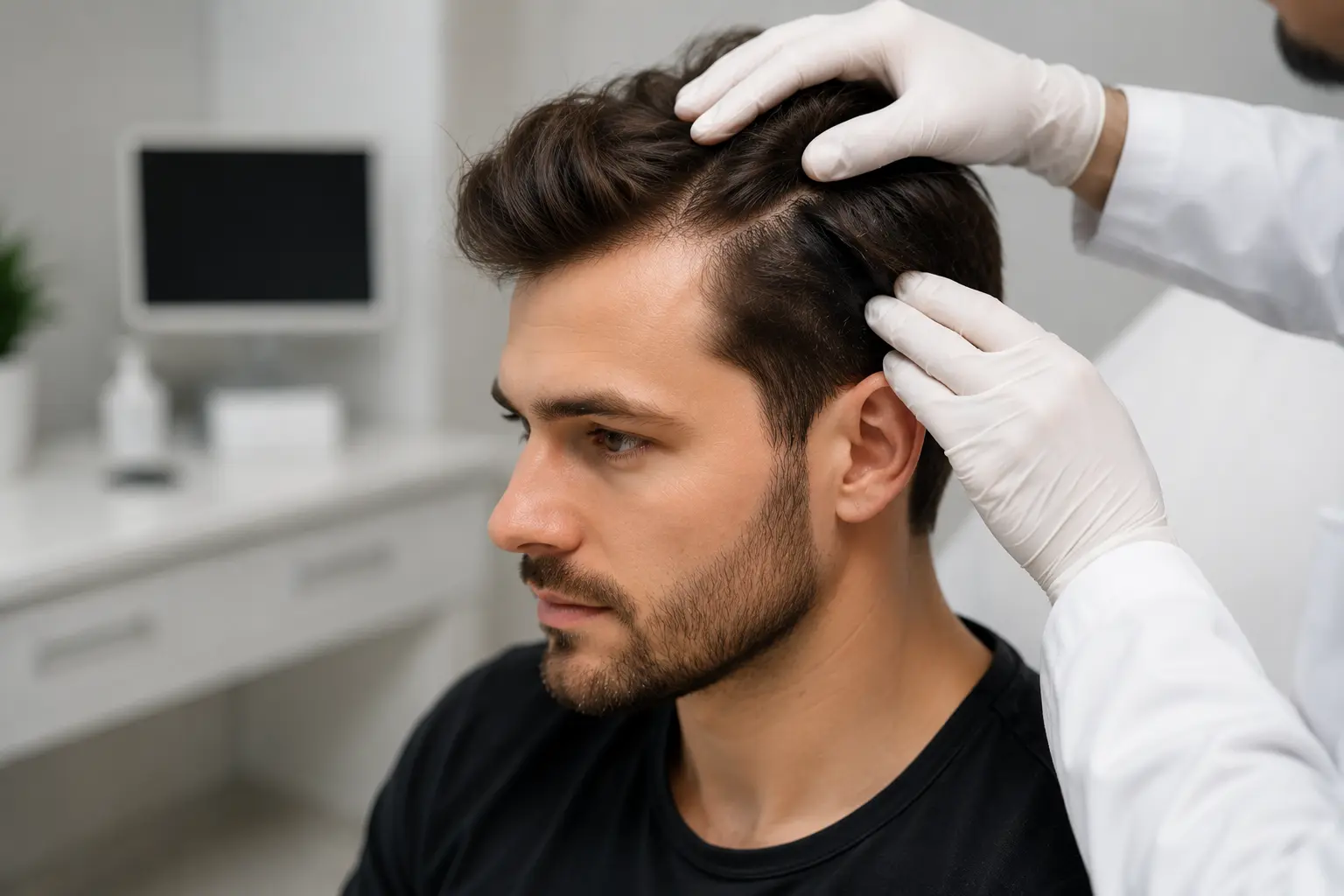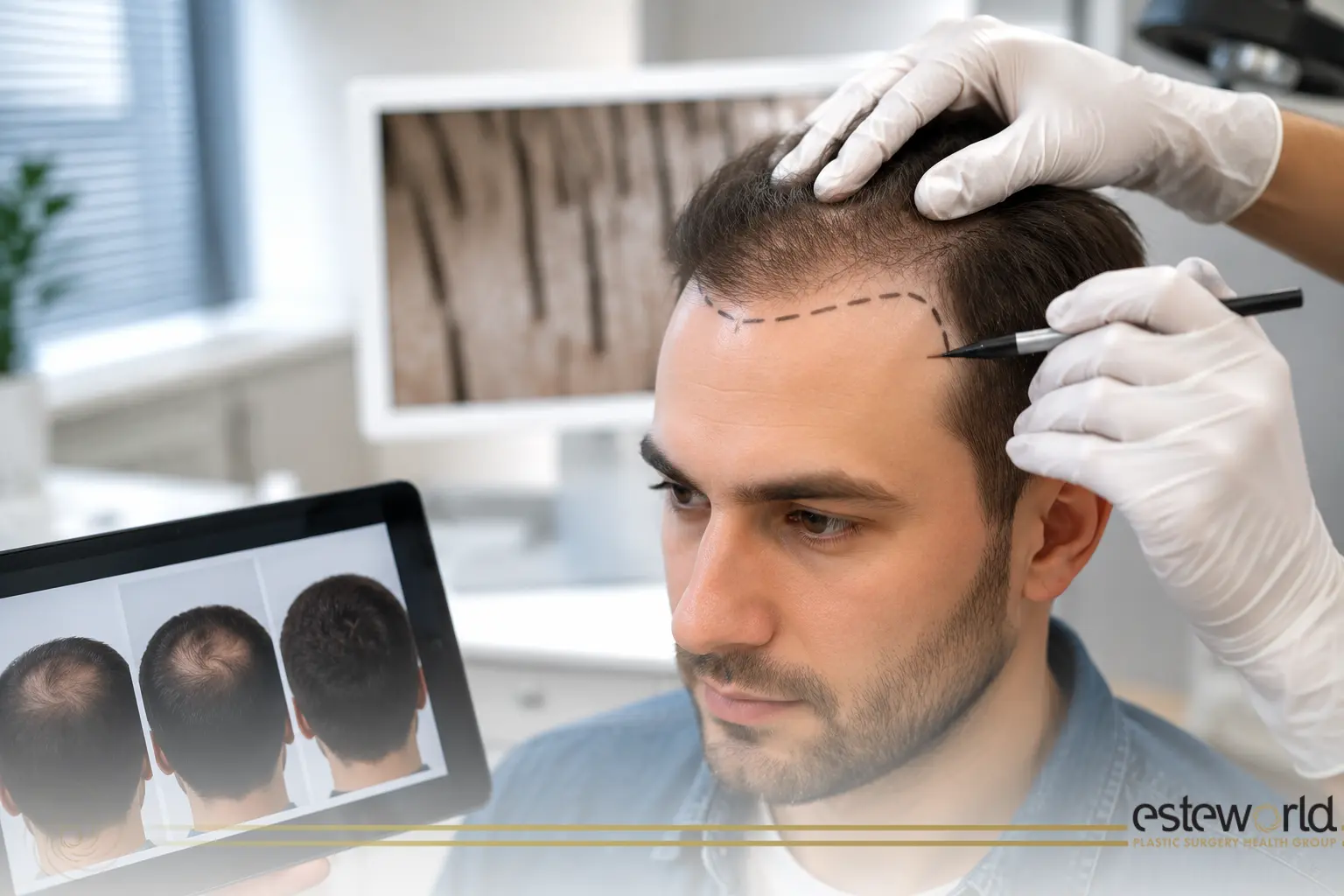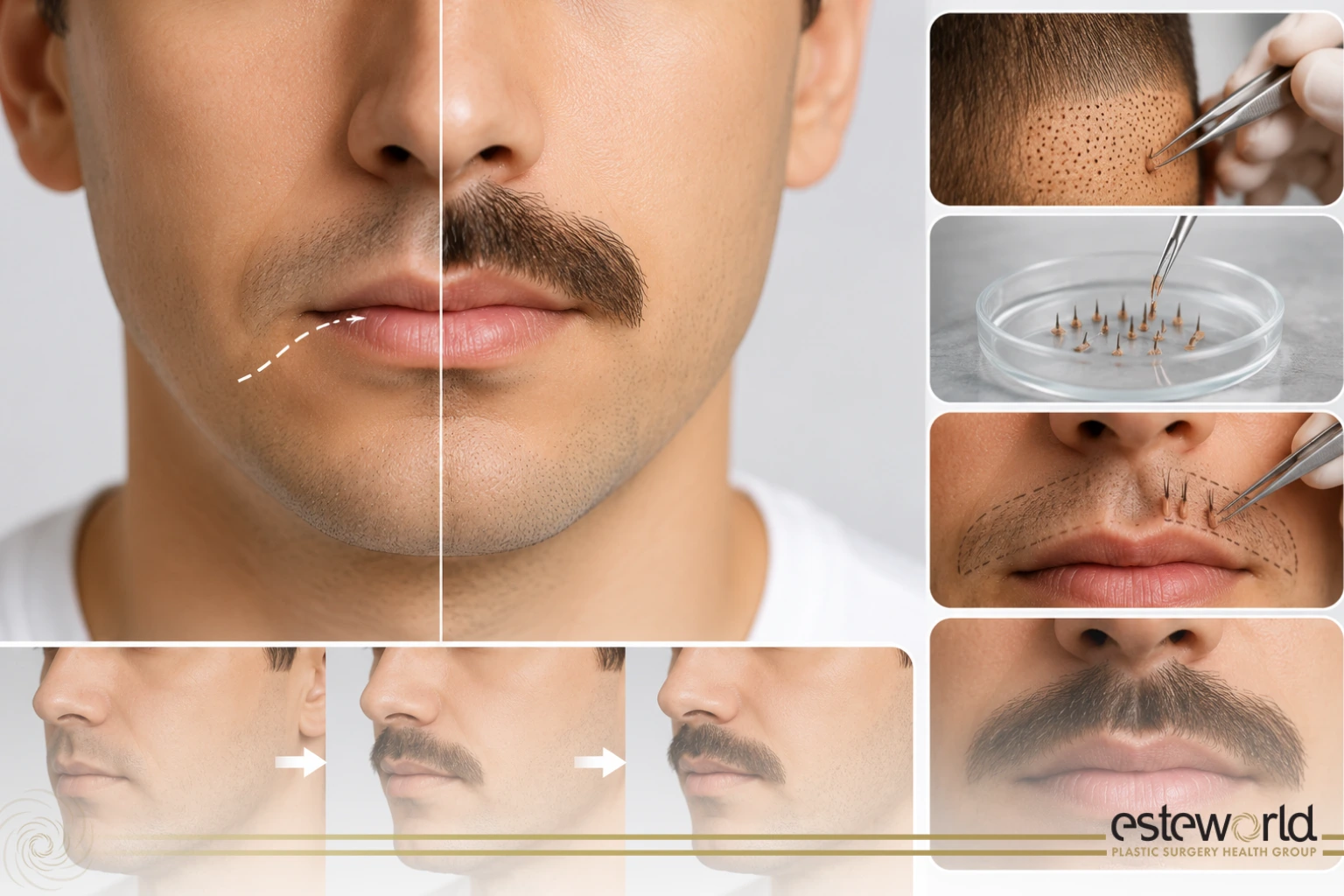

Psychological support for hair transplant patients focuses on realistic expectations, informed decision-making and managing the emotional changes that can occur before and after surgery. Hair loss may affect self-image and confidence for some people, while the gradual recovery process after transplantation can create impatience or anxiety. Counseling can help patients understand what to expect and recognise when additional professional support may be useful.
Not every person considering hair transplantation needs psychological counseling. However, emotional well-being should form part of a complete consultation, particularly when hair loss causes significant distress or when expectations about the procedure appear difficult to achieve.
What Are the Psychological Effects of Hair Loss and Hair Transplantation?
Hair loss can affect self-confidence, body image and quality of life, although the emotional impact differs considerably between individuals. Hair transplantation may improve satisfaction with appearance for appropriately selected patients, but surgery should not be presented as a guaranteed treatment for anxiety, depression or low self-esteem.
Hair often contributes to how people perceive their appearance and identity.
For some individuals, progressive hair loss can be associated with:
- Reduced self-confidence
- Dissatisfaction with appearance
- Increased self-consciousness
- Avoidance of photographs
- Concern about looking older
- Social discomfort
- Anxiety about further hair loss
Research has found associations between alopecia and psychological distress, including anxiety, depression and social withdrawal in some patients. At the same time, not everyone with hair loss experiences significant psychological problems.
Hair Transplant and Self-Confidence
Hair transplantation can improve satisfaction with appearance and self-esteem in some appropriately selected patients.
Published studies have reported improvements in quality of life and self-esteem following hair restoration procedures. However, psychological outcomes are influenced by factors such as:
- The patient’s expectations
- The reason for seeking treatment
- Satisfaction with the aesthetic result
- Existing mental health conditions
- Understanding of the recovery timeline
- Communication with the medical team
For this reason, it is more accurate to say that hair transplantation may contribute to improved confidence and quality of life rather than claiming that surgery automatically restores self-esteem or improves psychological health.
Why Expectations Matter
A technically successful hair transplant does not always produce psychological satisfaction if the patient expected an outcome that was not medically achievable.
For example, disappointment may occur when a patient expects:
- Adolescent-level density
- An unrealistically low hairline
- Immediate results
- Complete reversal of extensive baldness
- Unlimited donor hair
- Identical results to another patient
- Hair transplantation to resolve broader personal or emotional difficulties
Preoperative counseling helps identify these differences between what a patient wants and what surgery can realistically provide.
Why Is Psychological Counseling Important Before a Hair Transplant?
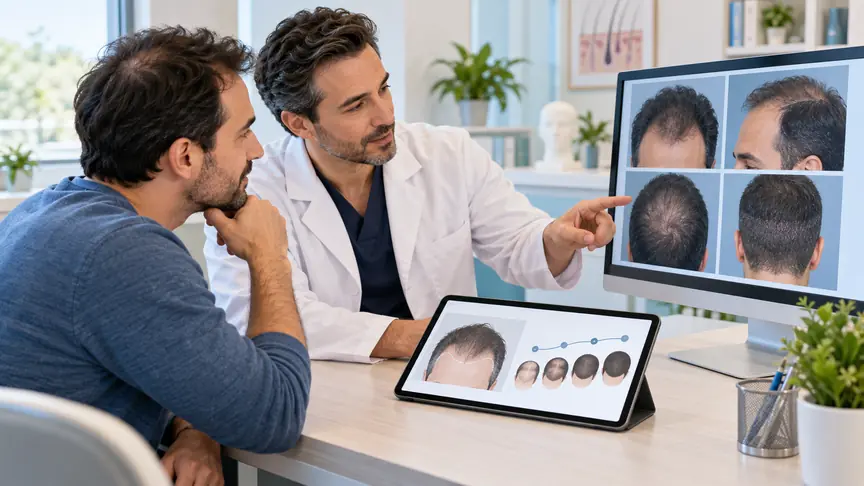
Preoperative counseling helps patients understand the procedure, recovery timeline, limitations and expected results before deciding to undergo surgery. It can also help the medical team recognise unrealistic expectations or significant emotional distress that may require further assessment.
The current Esteworld article correctly emphasises three important steps before surgery:
- Discussing expectations with the doctor
- Researching and understanding the procedure
- Choosing an appropriate medical team
These remain important, but the consultation should go further than simply providing reassurance.
Tell Your Doctor About Your Expectations Before Hair Transplantation
Patients should clearly explain what they hope to achieve.
Questions worth discussing include:
- Which areas are most concerning?
- What type of hairline is expected?
- How much density is realistically achievable?
- Could native hair continue to thin?
- How many grafts can safely be used?
- Could additional surgery be required later?
- When should visible improvement be expected?
A hair transplant consultation should include examination of the scalp and donor area, medical history and discussion of personal goals. Esteworld’s consultation content also identifies expectation-setting and personalised planning as key parts of this stage.
Research Hair Transplantation Before Making a Decision
Understanding the basic procedure can reduce uncertainty.
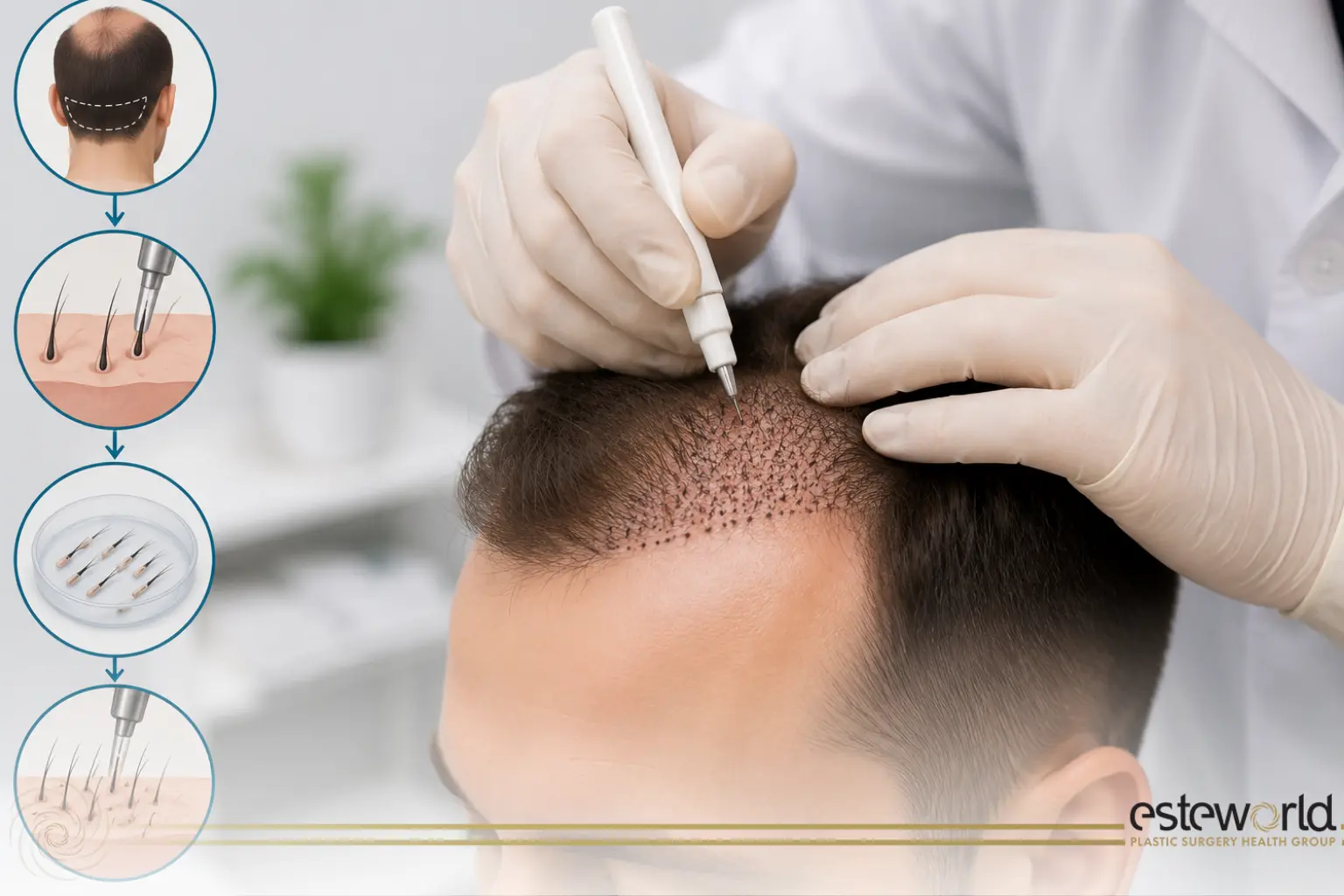
Patients should know that hair transplantation generally involves:
- Assessment of hair loss and donor hair
- Treatment planning and hairline design
- Extraction of suitable follicular units
- Placement into recipient areas
- Early healing
- Temporary shedding
- Gradual new growth over subsequent months
Knowing this timeline can prevent the common expectation that a final result will appear immediately after surgery.
Research should come from reliable medical or clinical sources rather than relying exclusively on highly edited before-and-after images or social media experiences.
Choose the Right Doctor and Clinical Team
Trust and communication with the clinical team can affect how confident and informed a patient feels throughout the process.
Patients should be able to discuss:
- Expected outcomes
- Limitations
- Potential complications
- Technique selection
- Donor capacity
- Recovery
- Long-term hair loss
- Follow-up support
The purpose of choosing an appropriate doctor is not simply reassurance. It is to receive a realistic medical assessment and an individual treatment plan.
What Psychological Screening May Be Useful Before Hair Transplantation?
Psychological screening may be appropriate when a patient shows severe appearance-related distress, unrealistic expectations, compulsive concern about minor features or symptoms of anxiety, depression or body dysmorphic disorder. Screening does not mean every hair transplant candidate requires psychiatric evaluation.
Recent reviews of hair transplantation increasingly emphasise psychological assessment as part of careful patient selection. Validated tools such as the Body Dysmorphic Disorder Questionnaire and depression screening instruments have been discussed for identifying higher-risk patients.
Body Dysmorphic Disorder and Hair Transplantation
Body dysmorphic disorder, or BDD, involves persistent and distressing preoccupation with perceived flaws in appearance that may be minor or not apparent to other people.
This matters in aesthetic medicine because surgery may not resolve the underlying psychological distress.
Possible warning signs may include:
- Extreme concern about minimal hair loss
- Repeatedly checking the hair or hairline
- Persistent dissatisfaction despite previous treatments
- Requesting anatomically unrealistic results
- Believing surgery will completely transform unrelated areas of life
- Severe social avoidance because of appearance concerns
- Seeking repeated procedures without satisfaction
These signs do not allow a hair transplant clinic to diagnose BDD by themselves.
If significant concerns arise, referral to an appropriately qualified mental health professional may be more appropriate before proceeding with elective surgery.
Anxiety and Depression
Hair loss can coexist with anxiety or depression, but having one of these conditions does not automatically mean a patient cannot undergo hair transplantation.
What matters is whether:
- Symptoms are being appropriately managed
- The patient can make an informed decision
- Expectations remain realistic
- Surgery is being pursued for appropriate reasons
- Recovery is unlikely to create significant psychological risk
Current evidence suggests that inadequate psychological screening and unrealistic expectations can contribute to postoperative dissatisfaction even when the technical outcome is acceptable.
What Psychological Changes Can Occur After Hair Transplantation?
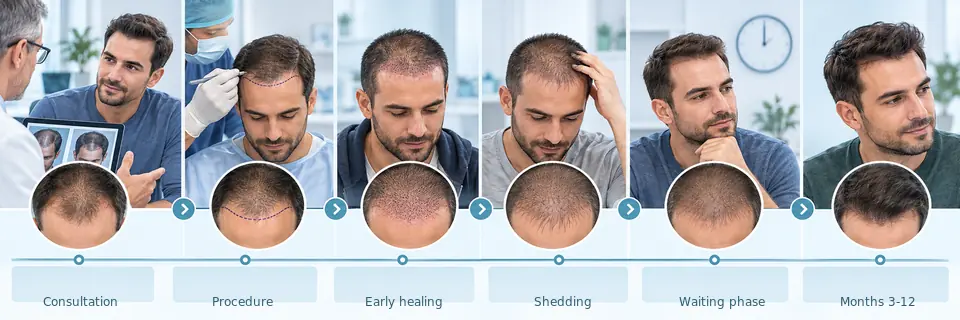
After hair transplantation, patients may experience excitement, impatience, uncertainty or temporary dissatisfaction as the scalp heals and transplanted hairs move through the normal shedding and regrowth cycle. Understanding this timeline can reduce unnecessary worry during early recovery.
The emotional experience often changes according to the stage of recovery.
| Recovery Stage | Possible Emotional Response | Helpful Approach |
|---|---|---|
| First days | Relief, excitement, concern about graft protection | Follow aftercare instructions and avoid repeatedly checking the scalp |
| Weeks 2–8 | Worry when transplanted hairs begin shedding | Understand normal post-transplant shedding |
| Months 2–3 | Impatience because visible growth may still be limited | Focus on the expected biological timeline |
| Months 3–6 | Increased optimism as early growth appears | Evaluate progress gradually rather than day by day |
| Months 6–12 | Growing satisfaction or concern about density | Compare results with baseline photographs and medical follow-up |
| 12+ months | More realistic assessment of the result | Review final maturation with the clinical team |
Be Patient During Hair Transplant Recovery
Hair transplantation has an unusually long visual recovery process.
The procedure itself may be completed in a day, but the cosmetic result develops over months.
This gap can be psychologically difficult because the patient has already undergone surgery while the desired visible change has not yet appeared.
Patients should understand that:
- Transplanted hair may shed
- Early growth can look uneven
- New hairs may initially be fine
- Different areas may grow at different rates
- Density develops gradually
- Final maturation takes time
Temporary shedding should therefore not immediately be interpreted as treatment failure.
For more detail, patients can review Esteworld’s dedicated shock loss and post-transplant shedding guide.
Listen to Your Doctor During the Healing Process
The current Esteworld article correctly identifies impatience and frustration as common concerns during healing.
Rather than repeatedly changing products or treatments, patients should:
- Follow the clinic’s aftercare instructions
- Attend scheduled follow-ups
- Take progress photographs at consistent intervals
- Avoid comparing daily changes
- Ask the medical team about unexpected symptoms
- Avoid introducing unapproved treatments
Structured follow-up can provide context when patients are uncertain whether changes are normal.
How Can Patients Manage Anxiety During Hair Transplant Recovery?
Patients can manage normal recovery-related anxiety by understanding the expected timeline, limiting excessive scalp checking, using scheduled progress photographs and contacting their medical team when they have a genuine clinical concern.
Hair transplantation can create a strong temptation to inspect the scalp repeatedly.
Checking the mirror or taking photographs several times every day rarely provides meaningful information because hair growth occurs too slowly to evaluate at that frequency.
More useful approaches include:
- Follow the recovery timeline provided by the clinic
- Take photographs monthly rather than constantly
- Compare results under similar lighting
- Avoid judging results during the shedding phase
- Discuss concerns during scheduled follow-ups
- Maintain normal daily routines where medically appropriate
- Limit excessive comparisons with online before-and-after images
Avoid Comparing Your Result With Other Patients
Hair transplant outcomes vary according to:
- Number of grafts
- Degree of hair loss
- Hair calibre
- Hair colour and skin contrast
- Curl pattern
- Donor density
- Recipient area
- Healing characteristics
- Technique
- Individual hair-growth cycles
Another patient appearing more advanced at four months does not necessarily mean that something is wrong.
Before-and-after images should therefore be used as examples rather than promises.
Evaluate Hair Transplant Results at the Appropriate Time
The existing article advises patients to evaluate results objectively and allow enough time for hair growth.
That point should remain.
A useful assessment compares:
- Standardised before photographs
- Hairline design
- Recipient-area coverage
- Donor-area appearance
- Hair calibre and maturation
- Progress at clinically meaningful intervals
Evaluating the transplant too early can create unnecessary disappointment.
When Should a Hair Transplant Patient Seek Professional Psychological Support?
Professional psychological support may be useful when distress about hair loss or the transplant becomes persistent, severe or starts interfering with everyday life. Support can be sought before surgery, during recovery or after the final result.
Possible reasons to speak with a psychologist, psychiatrist or another qualified mental health professional include:
- Persistent anxiety about appearance
- Significant depression or low mood
- Social withdrawal
- Obsessive checking of the hair
- Severe dissatisfaction that seems disproportionate to the clinical result
- Persistent inability to accept normal recovery changes
- Repeated desire for additional surgery despite appropriate results
- Significant distress affecting sleep, relationships or work
- Concerns about body dysmorphic disorder
Patients with known mental health conditions should also provide relevant medical information during their consultation when appropriate.
Psychological support should not be framed as evidence that a patient is an unsuitable person for hair transplantation. Its purpose is to ensure that treatment decisions and recovery are supported appropriately.
Do All Hair Transplant Patients Need Psychological Counseling?
No.
Many patients can make informed decisions and navigate recovery without formal psychological counseling.
Counseling becomes more useful when:
- Hair loss is causing significant emotional distress
- Expectations are difficult to align with achievable results
- There is uncertainty about motivation for surgery
- Previous cosmetic treatment has repeatedly produced dissatisfaction
- Recovery-related anxiety becomes difficult to manage
- A mental health condition may affect treatment decisions or recovery
The goal is appropriate support rather than routine psychological intervention for every patient.