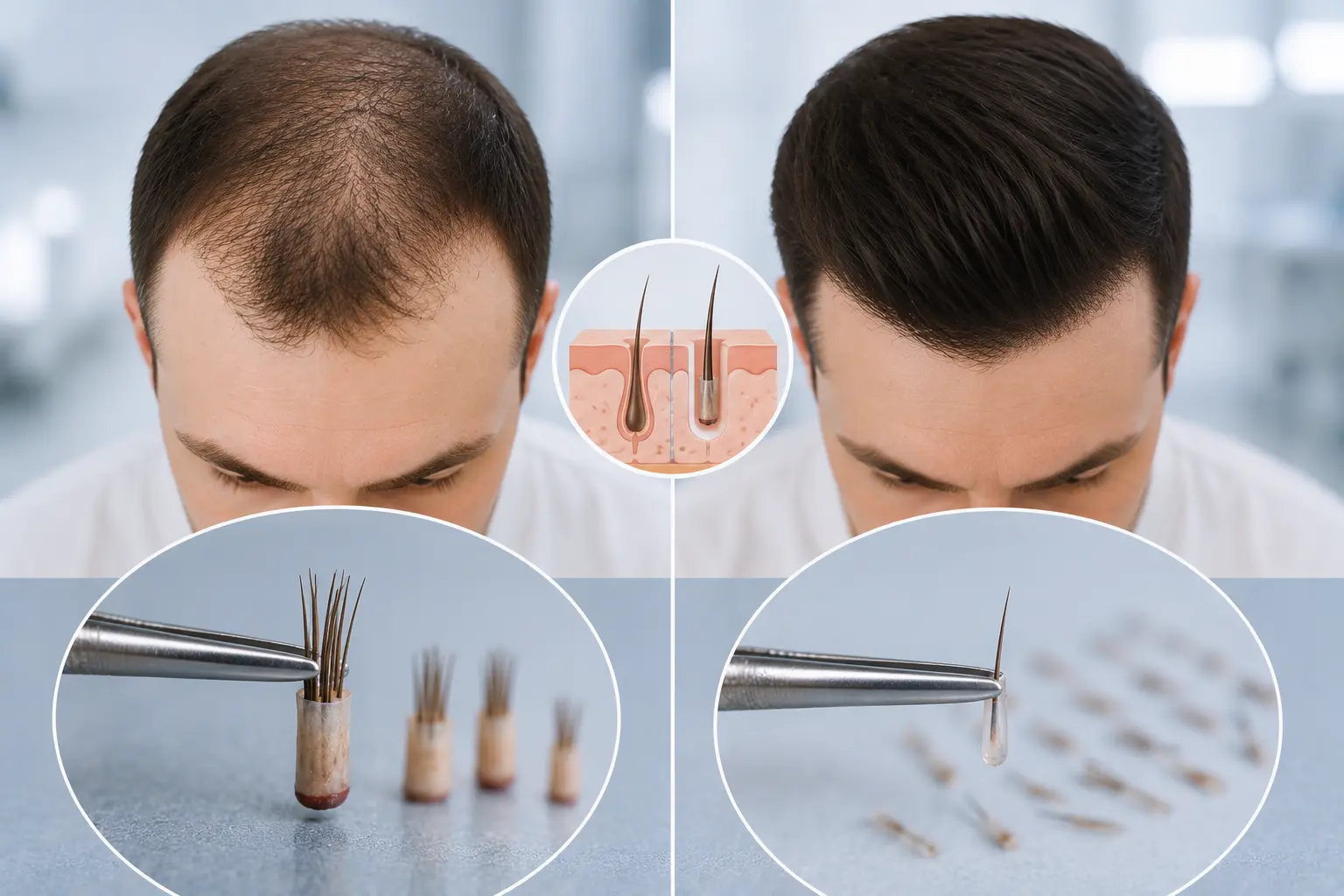
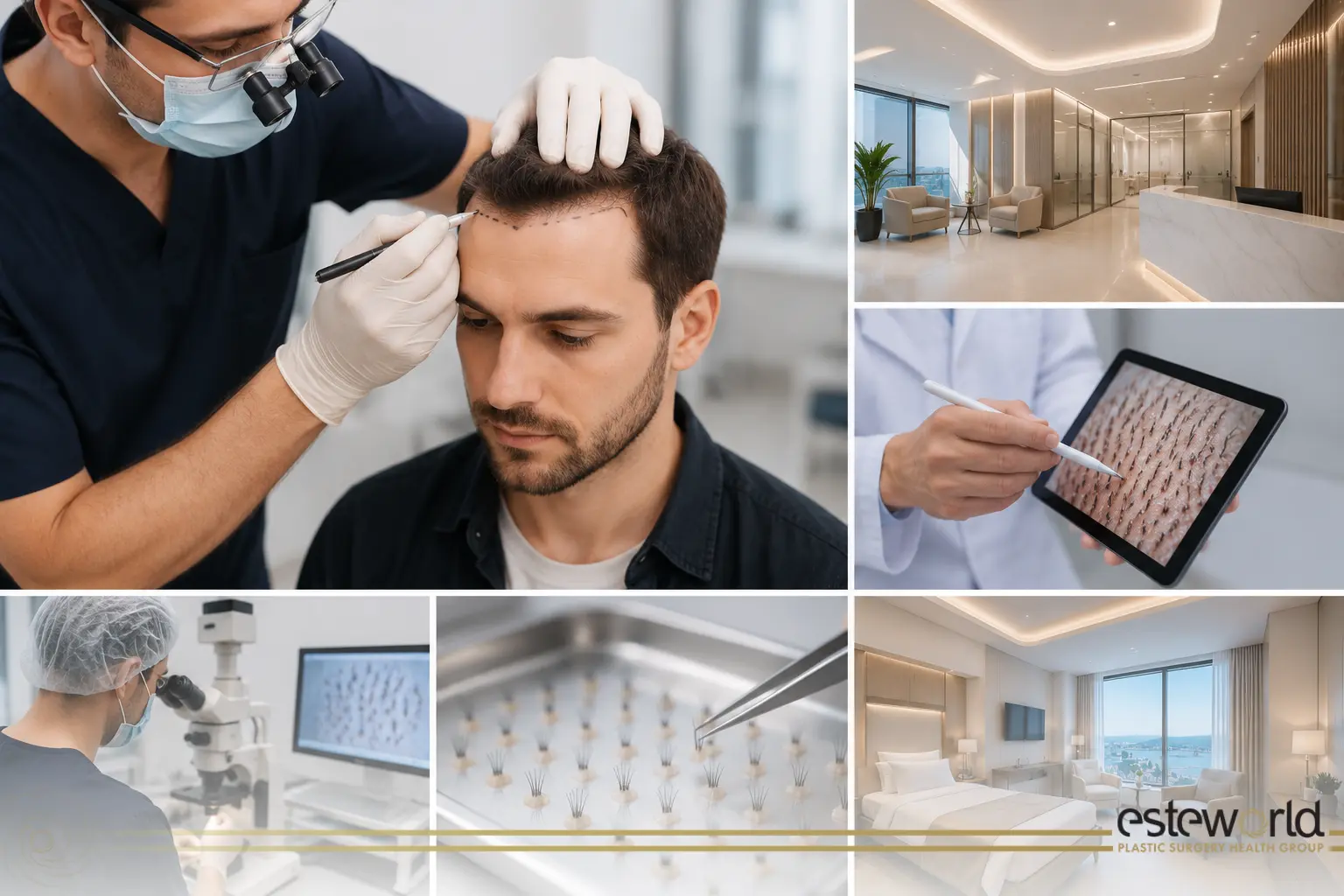
A hair transplant is a surgical option that relocates a person’s own follicles and can provide growing hair when donor supply and candidacy are suitable. A hair patch is a removable, non-surgical covering that provides immediate density but needs ongoing attachment, care and replacement. The better choice depends on medical suitability, timing, maintenance and personal priorities.
Hair is an important element of appearance for people. For this reason, many people pay attention to hair care. Although it is paid attention, hair loss is a problem that everyone experiences. Hair loss can occur for a number of reasons. This can include many factors such as stress, hormonal balance disorders, malnutrition, genetic causes or underlying health problems. Therefore, people who experience excessive hair loss often seek permanent solutions.
There are two effective solutions for hair loss: hair transplantation and hair prosthesis. However, it is important to decide which method is more suitable for you.
Hair transplantation and headbands (also known as wigs or hairpieces) are two different approaches to addressing hair loss or baldness. Each has its own advantages and considerations, and the choice between them depends on individual preferences, circumstances and availability. Let’s take a more detailed look at which method is right for you.
What is Hair Transplant?
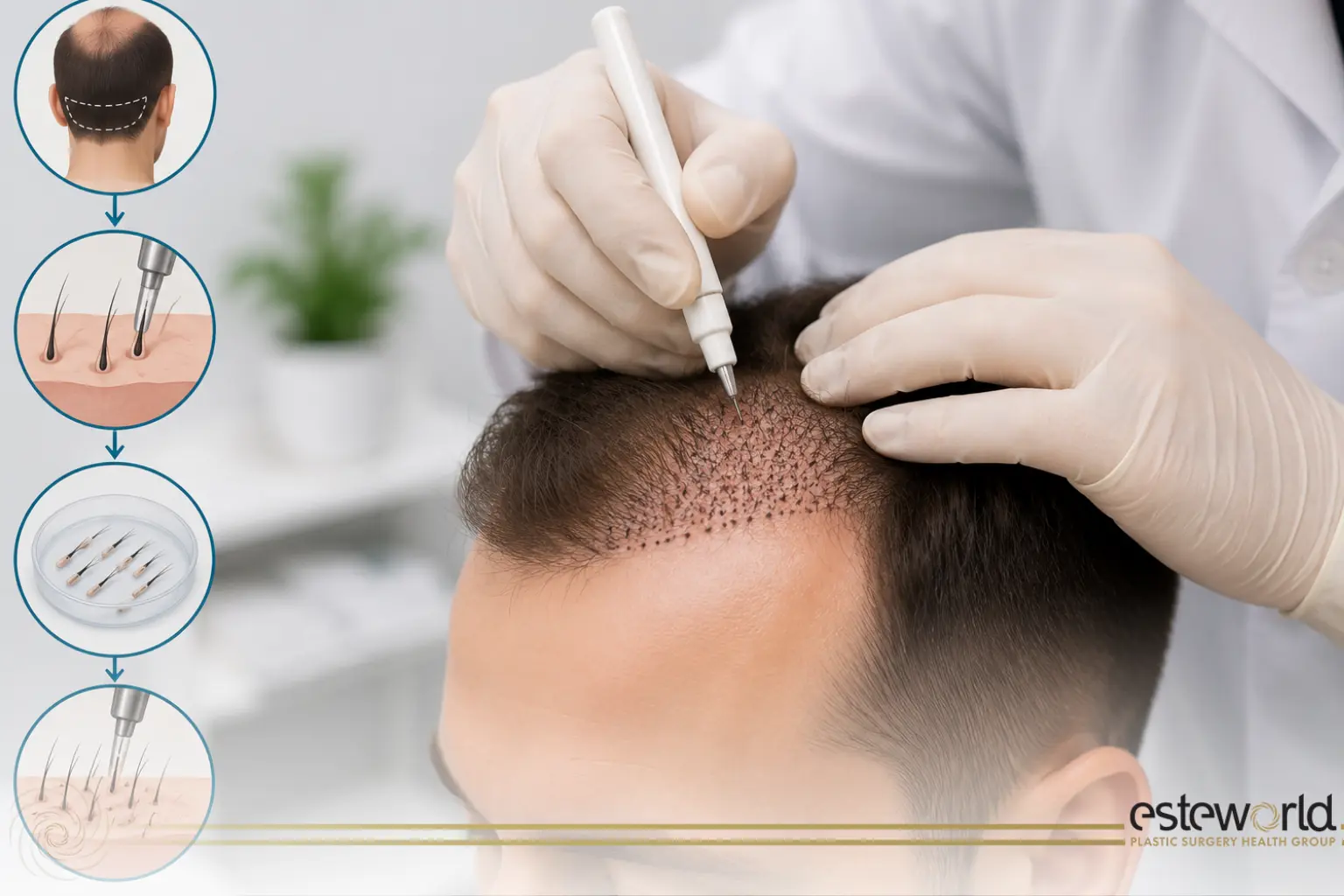
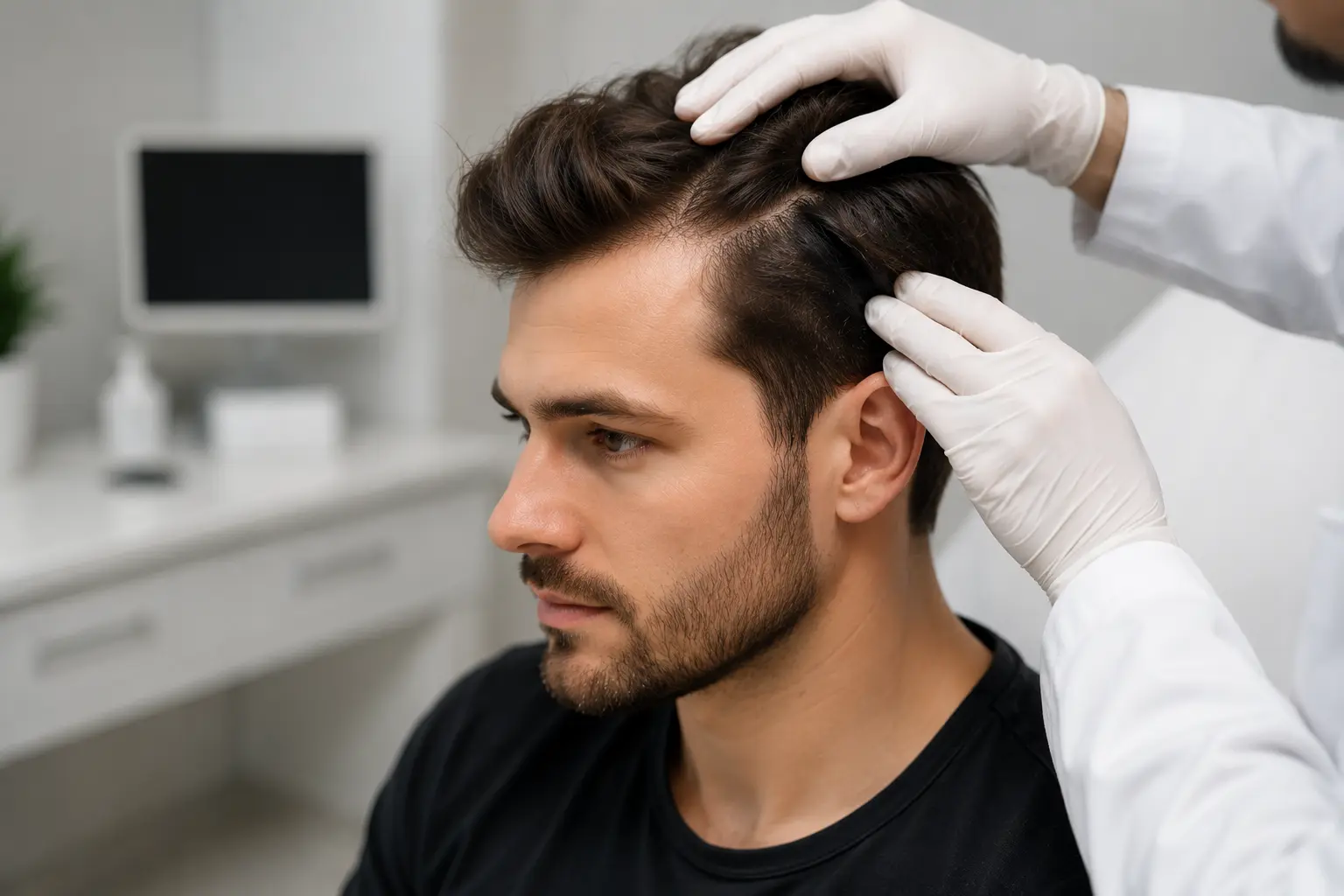
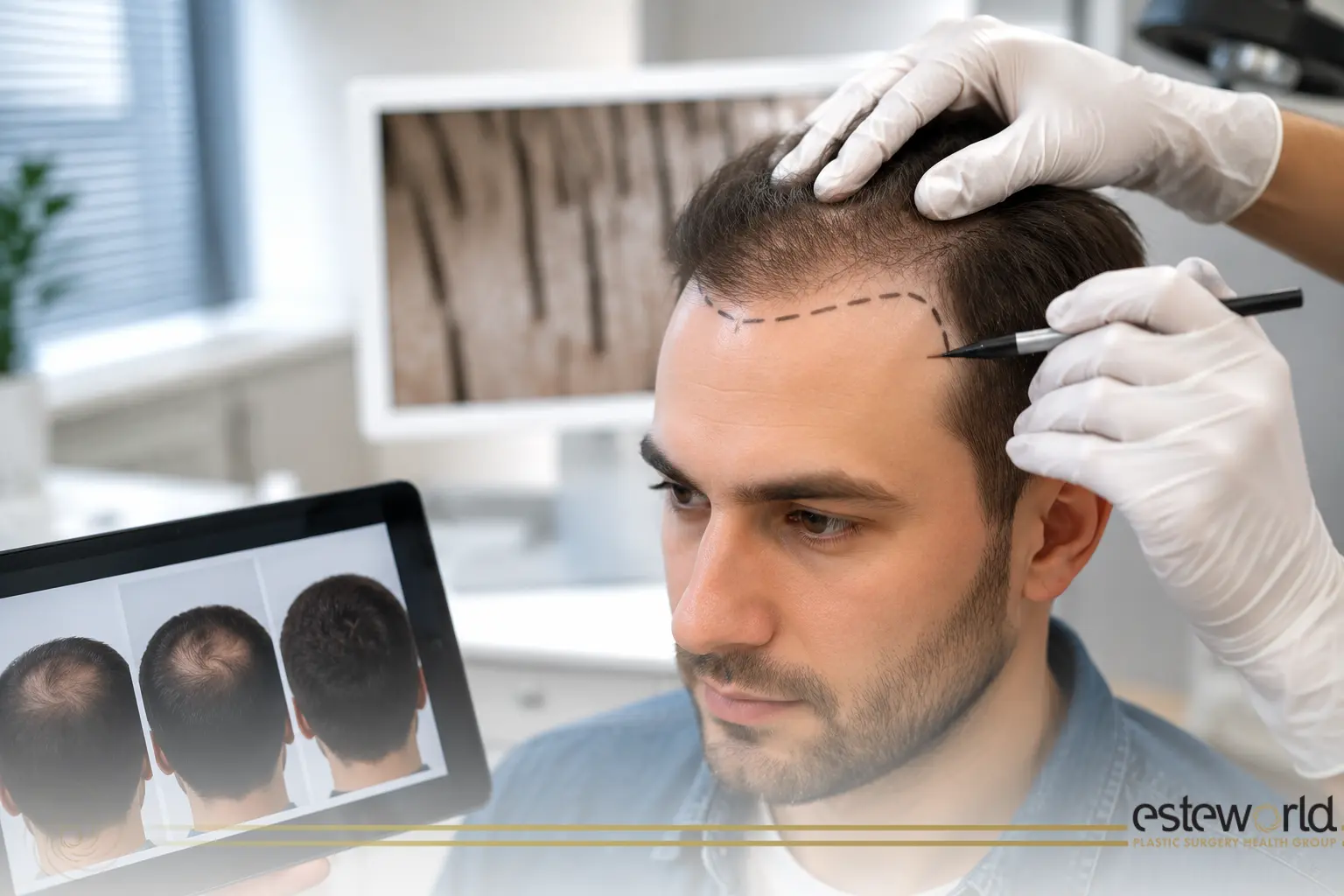
A hair transplant is a surgical procedure that moves suitable hair follicles from a donor area to thinning or bald areas. The result develops gradually rather than immediately, and suitability depends on factors such as the cause and stability of hair loss, donor-hair availability, scalp health, medical history and realistic expectations.
Hair transplant is a surgical procedure in which hair follicles are removed from one area of the body (typically the back or sides of the head, known as the donor area) and transplanted to an area with thinning or no hair (the recipient area). There are two main types of hair transplant procedures:
- Follicular Unit Transplant (FUT): In this method, a strip of skin containing hair follicles is removed from the donor area and then dissected into individual follicular units for transplantation.
- Follicular Unit Extraction (FUE): This technique involves removing individual hair follicles directly from the donor area and transplanting them to the recipient area.
Technique selection should be based on an individual assessment rather than the name of a method alone. Patients researching follicular extraction can read more about FUE hair transplant, while those comparing implantation approaches can review DHI hair transplant. A clinical consultation is needed to decide whether either approach is appropriate.
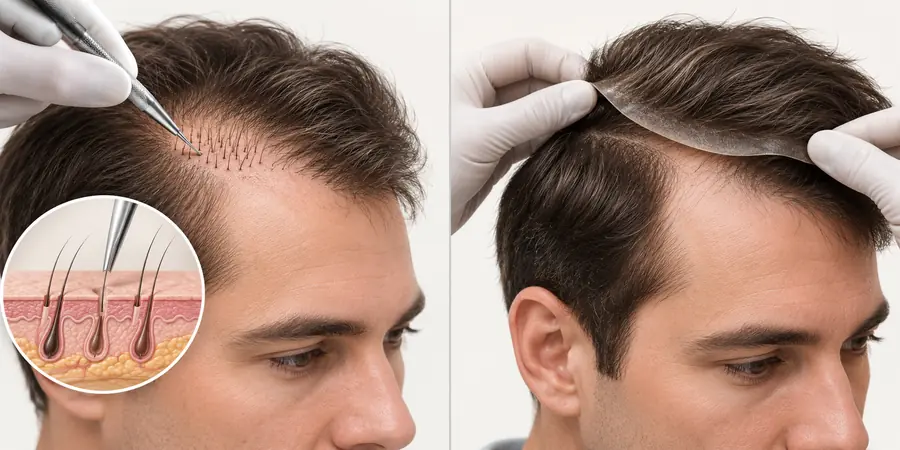
What are the Advantages of Hair Transplant?
The main potential advantage of a hair transplant is that it uses the patient’s own follicles to create hair that grows from the scalp. When the patient is suitable and the procedure is properly planned, it may offer a long-term result with routine hair care rather than the repeated attachment and replacement required by a hair patch.
- Provides a natural-looking and permanent solution.
- The transplanted hair grows and can be styled just like natural hair.
- Minimal scarring, especially with FUE.
Results vary between patients. Hair transplantation involves surgery, recovery, a finite donor supply and the possibility of complications or further hair loss in untreated areas. Claims about permanence, scarring and appearance should therefore be reviewed by the named medical reviewer and explained in relation to the individual patient.
What is Hair Patch?
A hair patch is a non-surgical hair-replacement system placed over an area of hair loss and secured with clips, tape, adhesive or another fitting method. It creates an immediate cosmetic change without moving follicles or generating new hair growth, and it requires a suitable maintenance, cleaning and replacement routine.
A hair patch, wig, or hairpiece is a non-surgical solution for hair loss. It involves wearing a custom-made artificial hairpiece that is attached to the scalp using various methods (e.g., clips, adhesive, tapes).
What are the Advantages of Hair Patch?
A hair patch can provide visible coverage immediately and does not require surgery or a donor area. Colour, density, length and style can be customised. It may be considered by people who prefer a reversible cosmetic option, need rapid coverage or are not suitable candidates for hair transplantation.
- A hair patch provides an instant solution to hair loss concerns.
- Hair patches come in various styles, colors, and lengths, allowing for customization.
- It is a non-invasive solution and doesn’t involve surgery or recovery time.
The trade-off is ongoing care. Attachment method, scalp sensitivity, climate, exercise, washing habits and the type and quality of the system can affect comfort and maintenance. A hair patch covers hair loss but does not treat its underlying cause, so unexplained or sudden hair loss should still be medically assessed.
Hair Transplant vs Hair Patch
Neither option is universally better. A hair transplant may suit an eligible person seeking growing hair and willing to undergo surgery and wait for the result. A hair patch may suit someone seeking immediate, non-surgical and reversible coverage. The decision should balance candidacy, donor supply, health, maintenance, timeline and expectations.
| Hair Transplant | Hair Patch | |
|---|---|---|
| Cost | More expensive | Cheaper |
| Limited donor area | There is | None |
| Immediate results | You have to wait a little for the results. | No waiting time |
| Variety | Individualised treatment plan | Hair patches come in various styles, colors, and lengths, allowing for customization. |
| Non-surgical | No | Yes |
Hair transplant vs hair patch at a glance
| Decision factor | Hair transplant | Hair patch |
|---|---|---|
| What it is | Surgical redistribution of the patient’s own suitable follicles | External hair-replacement system fitted over the scalp |
| New hair growth | Transplanted follicles can grow hair after the normal recovery and growth cycle | Does not create new hair growth |
| Speed of visible coverage | Gradual; the final outcome cannot be judged immediately | Immediate once fitted and styled |
| Donor area | Requires an adequate and safely usable donor supply | Does not require donor follicles |
| Surgery | Yes | No |
| Recovery | A healing period and post-procedure instructions are required | No surgical recovery, although the scalp may need time to adapt to the attachment method |
| Ongoing maintenance | Routine hair and scalp care; clinical follow-up may be required | Regular cleaning, refitting, adhesive/tape care and eventual replacement |
| Longevity | Intended as a long-term restoration, but outcomes and future native hair loss vary | Temporary and replaceable; service life depends on material, wear and care |
| Styling | Growing transplanted hair can generally be cut and styled | Styling depends on system material, construction and fitting |
| Reversibility | The surgical change is not simply removable | Can be removed or replaced |
| Main limitation | Candidacy, finite donor hair, surgical risk and waiting for growth | Continuing maintenance, attachment, replacement and no biological regrowth |
| May suit | Medically suitable patients who want growing hair and accept surgery and a gradual result | People wanting immediate, non-surgical coverage or those without a suitable donor area |
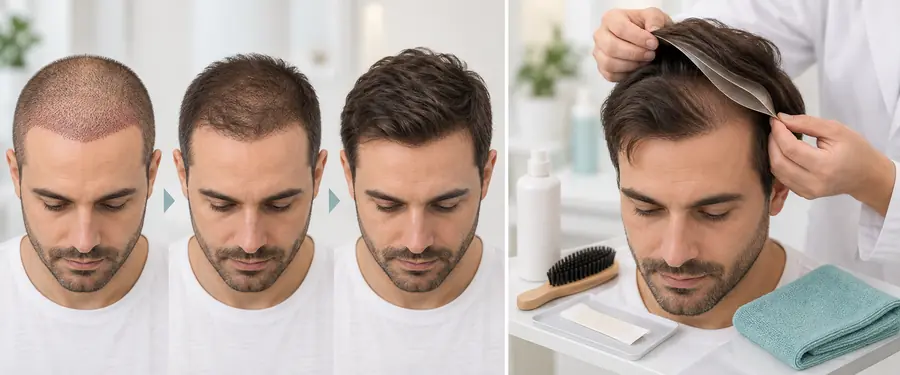
Which option may fit different priorities?
- If immediate coverage is the priority: A hair patch provides a visible change once fitted; transplantation requires healing and gradual growth.
- If avoiding surgery is the priority: A hair patch is the non-surgical option.
- If growing hair from the scalp is the priority: A hair transplant may be considered if medical assessment confirms suitable hair loss and donor supply.
- If reversibility is the priority: A hair patch can be removed or changed; transplantation is a surgical intervention.
- If low ongoing product maintenance is the priority: A transplant does not require repeated attachment, although normal hair care and clinical follow-up remain important.
- If donor hair is insufficient: A patch may provide coverage even when transplantation is not advisable.
Questions to ask before choosing
- Has the cause and pattern of hair loss been medically assessed?
- Is the hair loss stable enough to plan a transplant?
- Is there a sufficient, safe donor area?
- Is immediate coverage more important than growing hair?
- Am I comfortable with surgery and recovery?
- How much regular cleaning, attachment and replacement can I manage?
- What result is realistic for my hair characteristics and degree of loss?
- Who will perform the medical and surgical parts of the procedure?
The choice between hair transplant and hair banding depends on individual preferences, budget, desired results and lifestyle. You can contact Esteworld’s expert hair doctors at any time to determine the best option for your specific situation and needs.
In short, a hair patch offers immediate and reversible coverage, while a hair transplant is a surgical route intended to produce growing hair in a suitable candidate. A personalised examination is the safest way to compare realistic coverage, donor limitations, maintenance and long-term expectations before deciding.