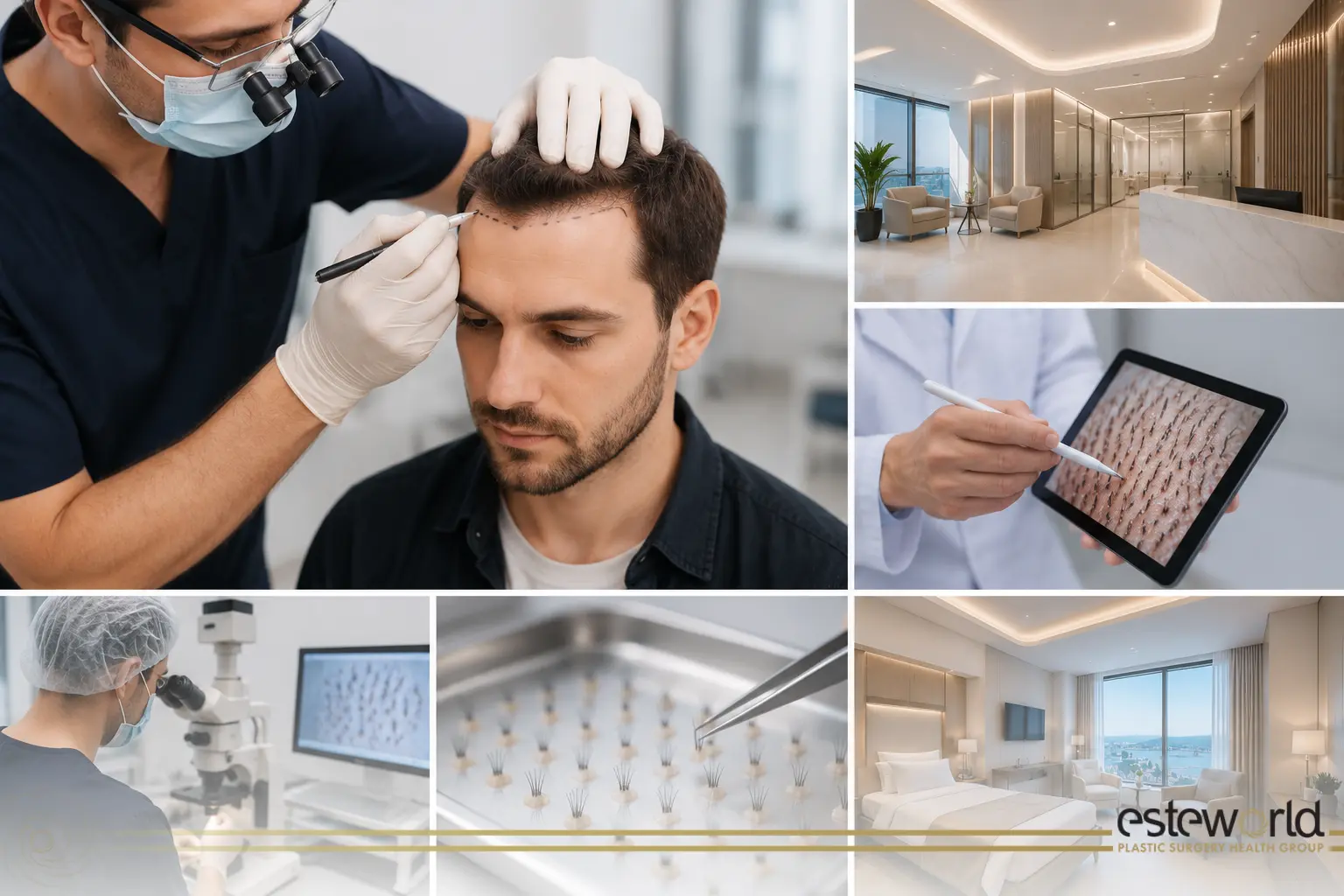
Hair Transplant for Different Ethnicities and Hair Characteristics
Hair transplantation for different ethnicities involves moving a person’s own hair follicles from a donor area to areas of hair loss, with the procedure adapted to their hair and scalp characteristics. Planning considers curl pattern, strand thickness, donor density, hair-loss diagnosis and healing history. These factors guide graft harvesting, hairline design, placement and aftercare. Ethnic background may provide context, but individual examination determines suitability, graft requirements and realistic expectations.
Quick summary
- Hair thickness, hair density and the appearance of fullness are different measurements.
- Curly and Afro-textured hair can be transplanted in appropriately selected patients.
- Group averages cannot predict an individual’s donor supply or treatment outcome.
- FUE and FUT describe donor-harvesting approaches; implantation tools are a separate consideration.
- Diagnosis and examination should come before a technique recommendation or graft quotation.
At a glance: There is no single best ethnicity for a hair transplant. The useful question is whether your own donor hair, scalp condition and treatment plan can support the result you want.
What Is the Importance of Ethnic Diversity in Hair Transplantation?
Ethnic diversity in hair transplantation matters because patients bring different combinations of hair structure, scalp characteristics and personal expectations. A surgeon needs to recognise that variation without assuming everyone within a group has the same hair.
Research involving 2,249 young adults from 24 ethnic groups found variation in hair growth, diameter and density, including differences associated with scalp area and sex. It studied people without alopecia; its findings cannot be used as an individual graft calculator or a ranking of transplant outcomes.
For a consultation, the practical starting point is your own history. Bring photographs showing your earlier hairline, explain how you usually wear your hair, and describe what you would like to change. Discuss family hair-loss patterns and any previous scalp problems.
A natural-looking design should reflect the person’s facial proportions, existing growth pattern and preferences. An ethnic label cannot establish the right hairline height, temple shape or level of coverage on its own.
How Do Hair Colour, Density and Follicular Units Affect Coverage?
Hair characteristics influence both what can be transplanted and how the result may look. Understanding the terms makes it easier to compare treatment proposals.
| Hair characteristic | What it means | Why it matters |
|---|---|---|
| Shaft thickness | Width of an individual hair | Influences visual coverage |
| Hair density | Number of hairs in a scalp area | Helps assess the available supply |
| Follicular-unit density | Number of natural hair groupings in an area | Helps plan graft harvesting |
| Curl and wave | Shape of the hair fibre | Influences volume and handling |
| Hair–scalp colour contrast | Difference between hair and skin colour | Affects how visible the scalp appears |
| Follicle direction | Path and orientation of the follicle | Matters during extraction and placement |
Thick hair and dense hair are not the same
A person can have thick individual strands with relatively low hair density, or fine strands with a higher hair count. “Full hair” describes an appearance rather than a precise measurement.
Curl, wave and lower contrast between hair and scalp can contribute to apparent fullness. These features may help coverage, but they do not guarantee that fewer grafts will be sufficient for a particular patient.
What is the importance of sparse and full hair roots?
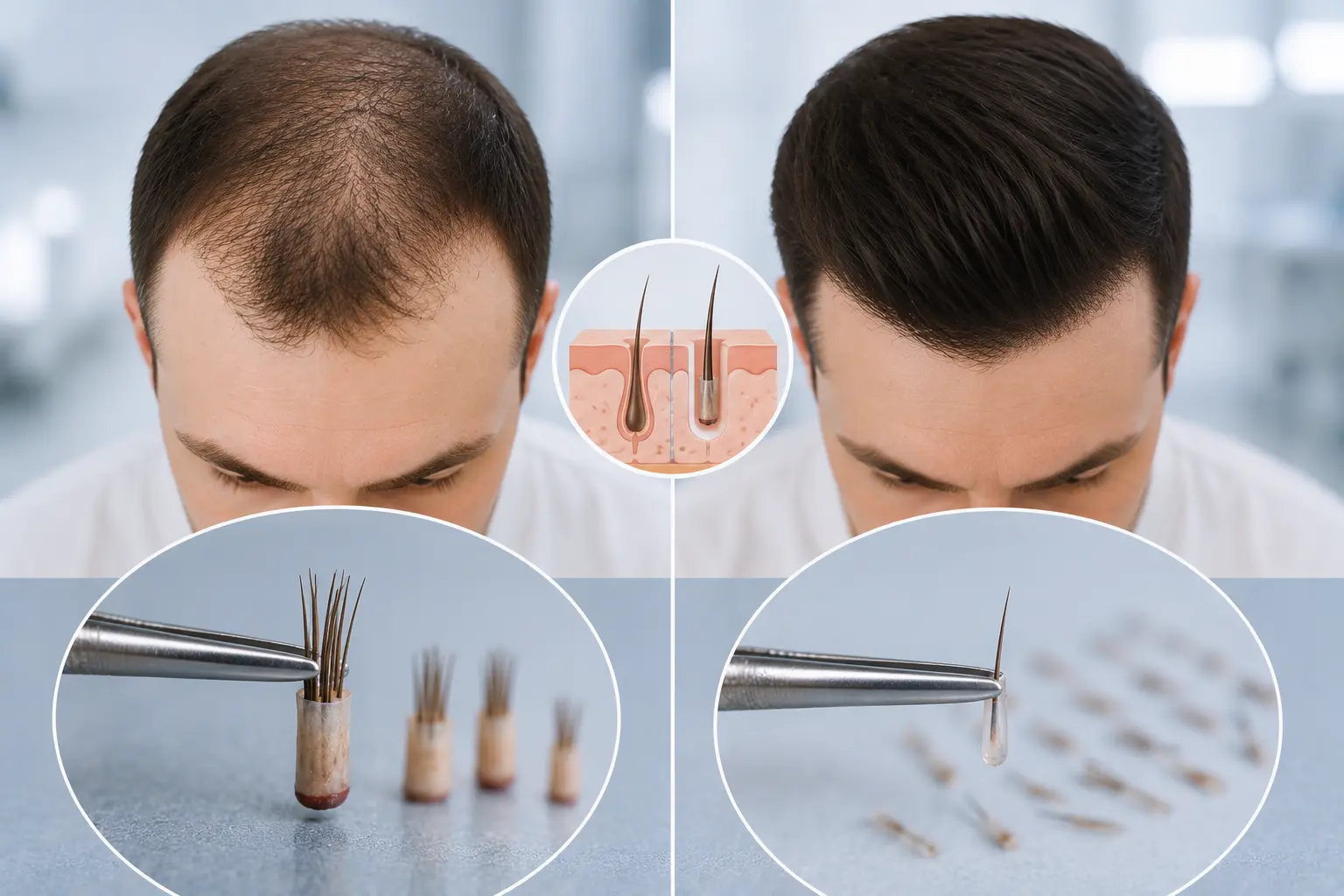
The relevant clinical distinction is between individual hairs and follicular units. A follicular unit is a natural grouping commonly containing one to four hairs. In modern transplantation, a graft commonly contains one such unit. Therefore, a quotation for 2,000 grafts does not mean exactly 2,000 hairs.
Ask whether the proposal distinguishes graft count from estimated hair count. Do not assume that a person’s ethnic background fixes the number of hairs in every graft.
Does hair colour determine donor quality?
Hair colour alone is not a reliable way to estimate the number of grafts available. Colour contrast can affect the appearance of coverage, while the donor area still needs direct examination.
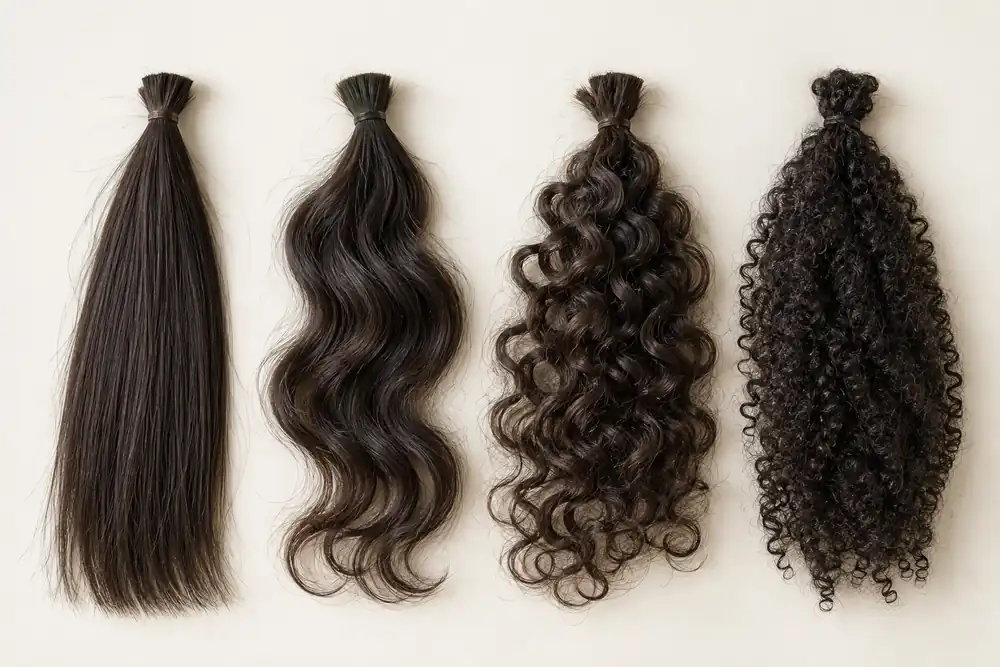
How Do Hair Characteristics Differ Between Ethnic Groups?
Descriptions such as Asian hair, Afro-textured hair and Caucasian hair appear in research and patient searches. They are broad categories with considerable variation. The discussion below describes planning considerations, not rules that apply to every person.
Afro-textured and tightly curled hair
A hair transplant for Afro-textured hair requires attention to curvature below the skin as well as the visible curl. During FUE, the direction seen at the scalp surface may not fully represent the follicle’s deeper path. Careful harvesting helps reduce transection, which means cutting or damaging the follicle during extraction.
Curl can create an impression of density that exceeds the measured donor density. The surgeon should assess the available supply rather than estimate it from volume alone. Ask about experience with a curl pattern similar to yours and how donor preservation is planned.
Asian hair characteristics
Some research populations categorised as Asian have shown a larger average hair shaft diameter than comparison groups. However, Asia includes diverse populations, and “Asian hair” does not describe one uniform texture or donor pattern.
Coarser strands can contribute to coverage, while a soft hairline may require careful selection of finer single-hair grafts. Research on hairline correction discusses the importance of this transition where donor hairs are relatively thick. A larger shaft diameter does not remove the need for detailed design.
European or Caucasian hair characteristics
The term Caucasian is used in some older medical literature. It does not establish a person’s strand thickness, curl pattern or surgical suitability. Fine, medium and coarse hair all need individual assessment.
For someone with fine hair, discuss realistic coverage and the areas to prioritise. A high graft quotation is not automatically a better plan if achieving it would compromise the remaining donor area.
Middle Eastern, Arab, South Asian and mixed-ancestry hair
These descriptions also cover varied hair characteristics. They should not be used to assume that hair is always coarse, curly, straight or abundant.
Ask the clinician to describe what they actually observe: density, calibre, curl, miniaturisation and scalp condition. This gives you a more useful basis for understanding the proposal than a treatment package assigned by ethnicity.
How Is Hair Transplantation Adapted to Different Hair Characteristics?
There is no universal technique for an ethnic group. Planning combines donor assessment, the method of harvesting, graft handling and the design of the recipient area.
Donor assessment and personalised planning
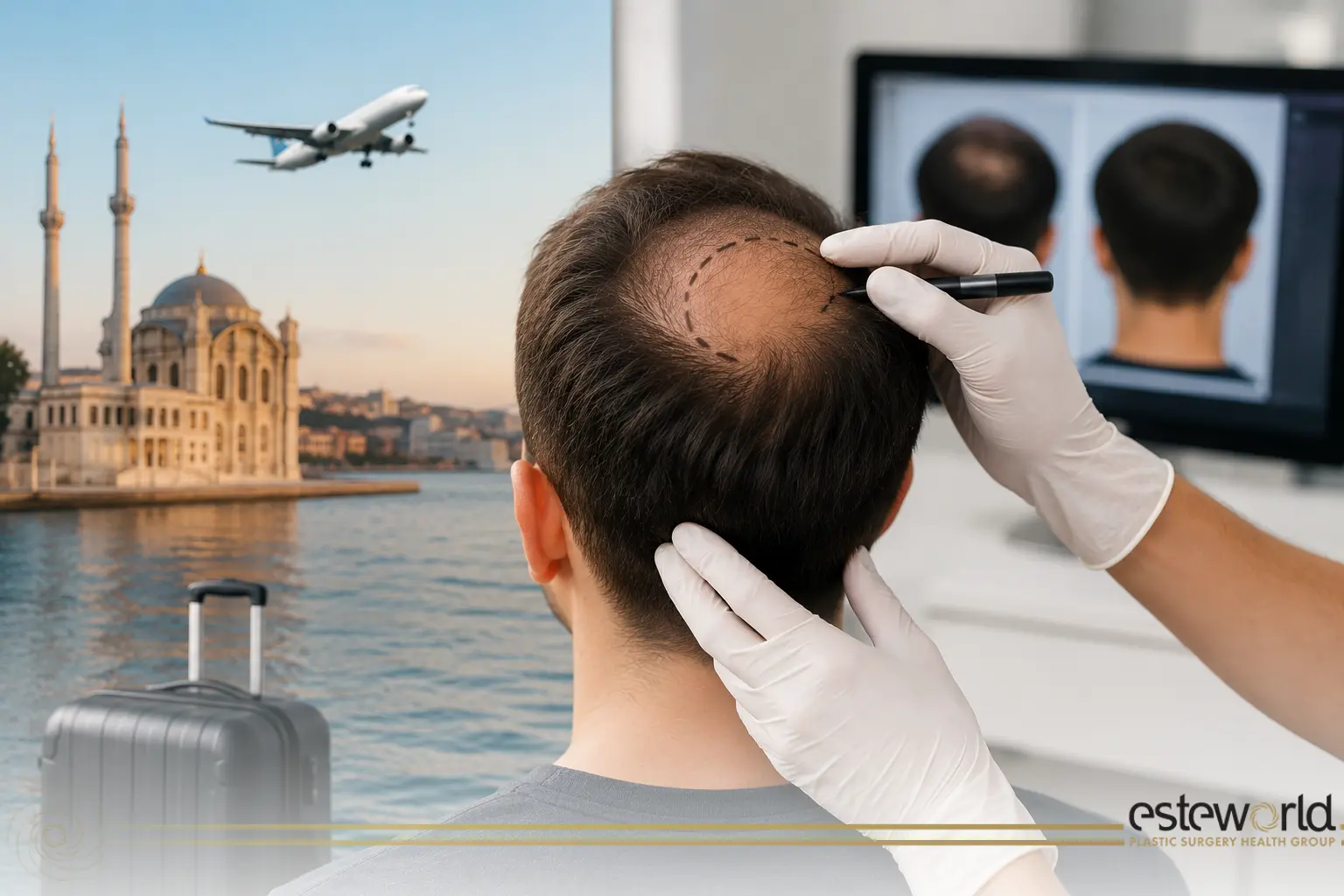
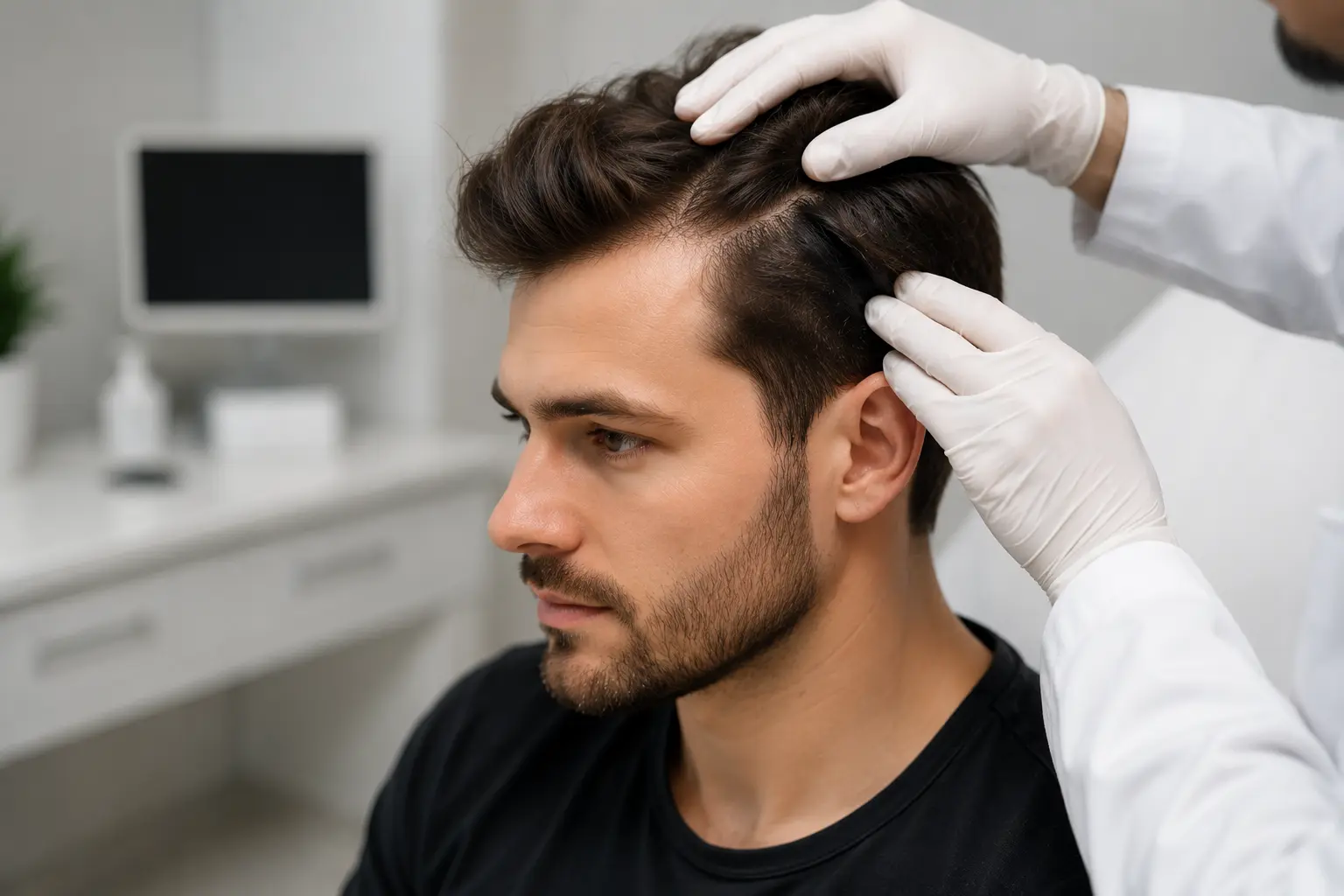
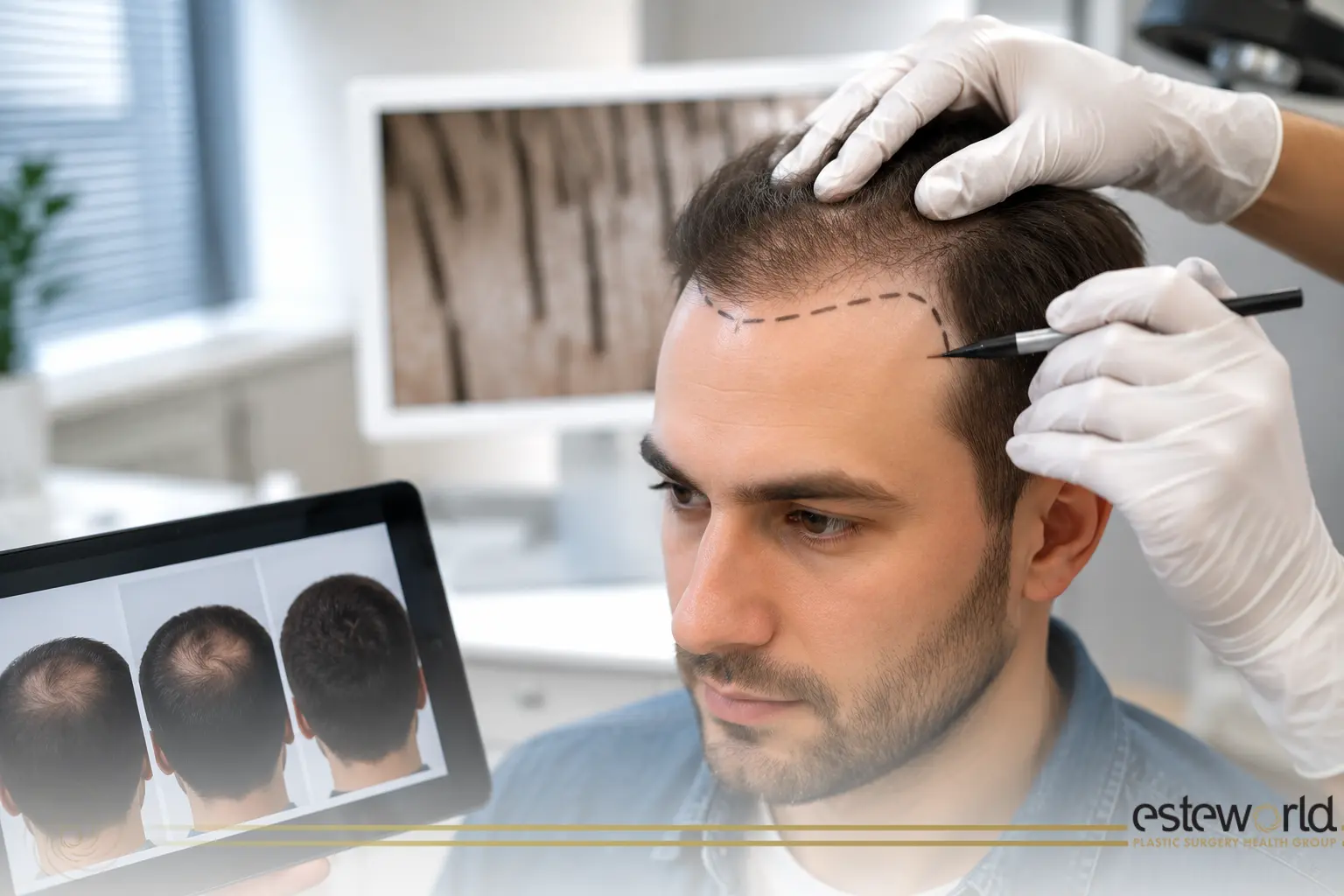
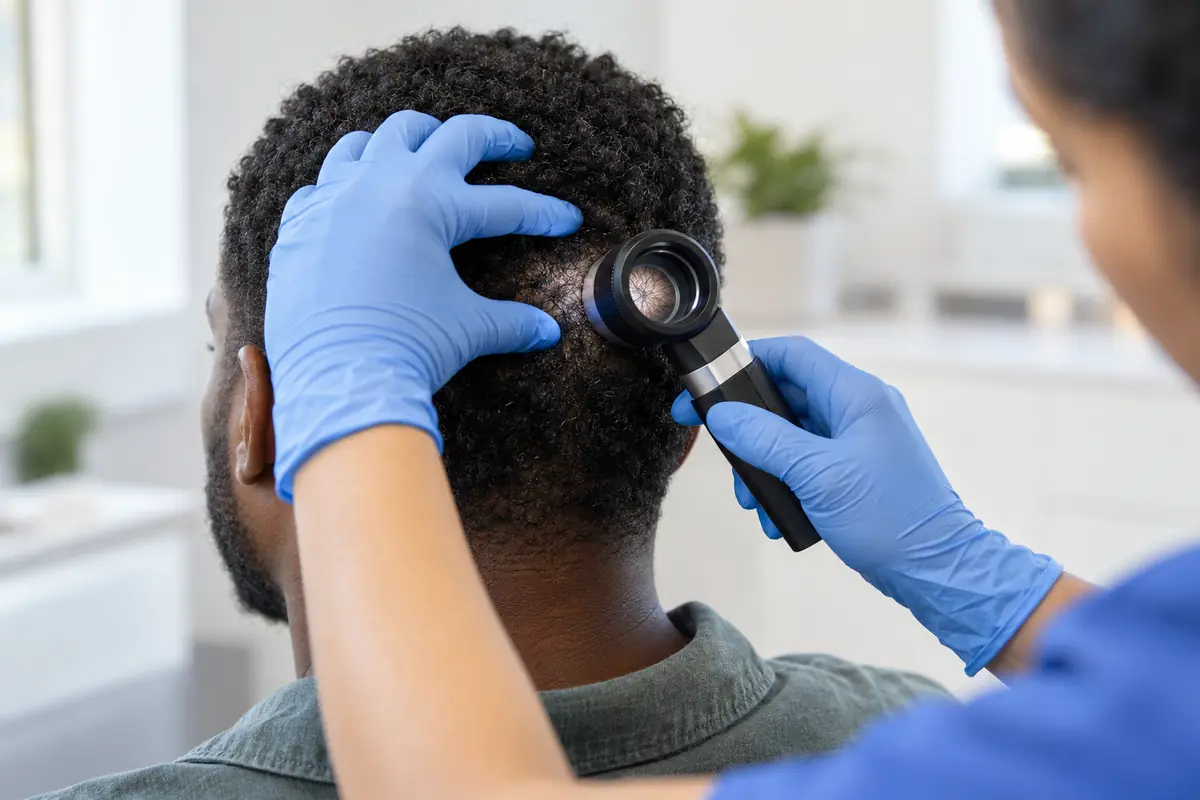
Examination and trichoscopy, which magnifies the scalp and hair, help assess donor density, hair calibre and signs of thinning. Hair transplant practice guidelines recommend examining multiple donor locations and documenting the safe donor area.
A useful consultation should explain:
- Which areas can provide suitable donor hair.
- How much coverage is realistic.
- Which areas will receive priority if the supply is limited.
- How the plan accounts for possible future hair loss.
- Whether further diagnosis or treatment is needed before surgery.
FUE and FUT for straight and curly hair
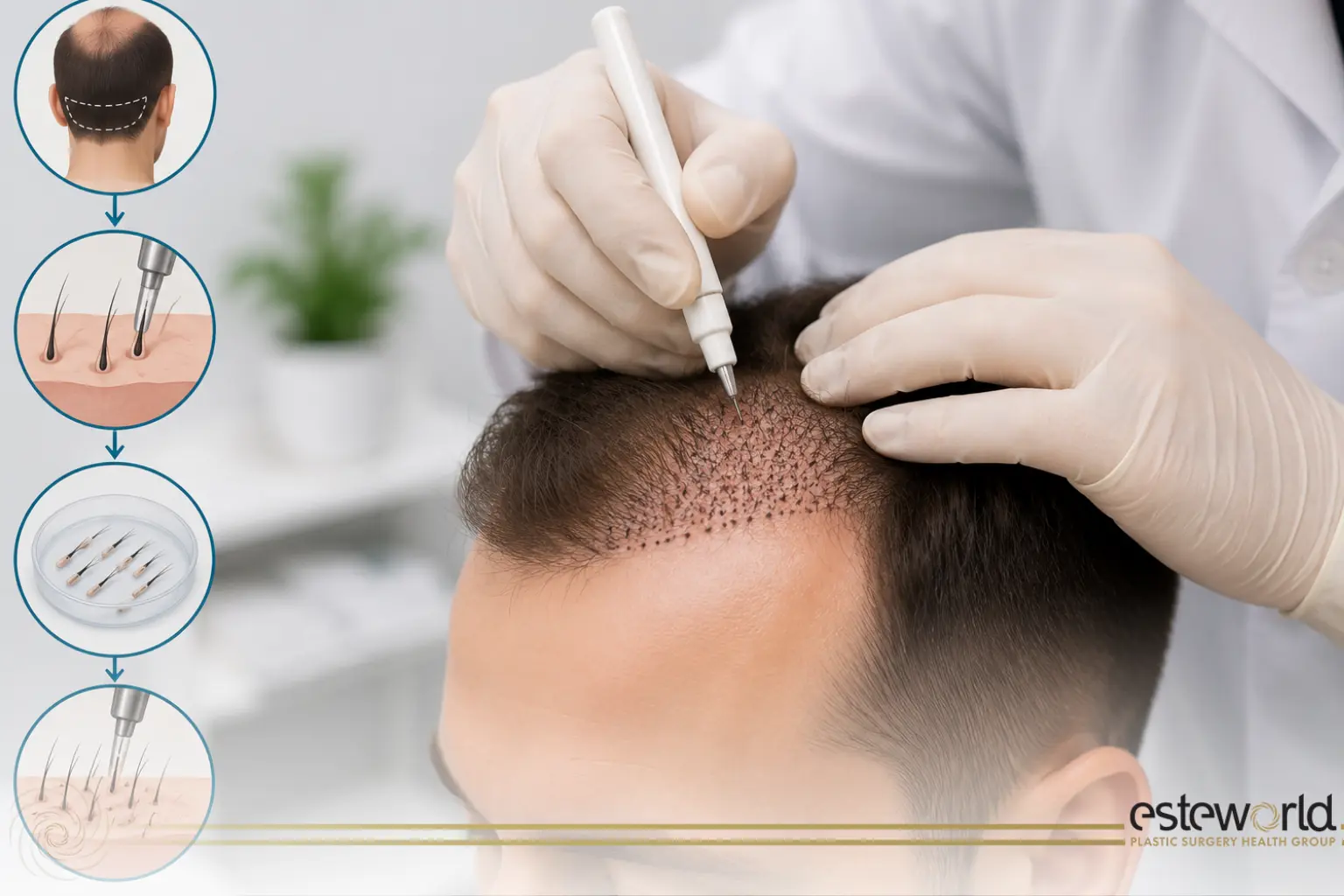
With FUE hair transplantation, individual follicular units are collected using small punches. Instrument selection and handling need to suit the patient’s follicles and skin. Curly follicles can make harvesting more technically demanding; FUE suitability should therefore be assessed individually.
FUT strip harvesting removes a strip of donor scalp that is divided into grafts. FUE leaves small extraction scars, while strip harvesting leaves a linear donor scar. Neither approach is scar-free.
Ask why the recommended harvesting approach suits your donor area, hairstyle and treatment goals.
DHI, Sapphire FUE and no-shave options
DHI hair transplantation commonly refers to an implantation approach using implanter devices. It does not replace assessment of how donor grafts will be harvested. ISHRS distinguishes donor-harvesting methods from graft-placement techniques.
Sapphire FUE generally refers to using sapphire blades for recipient-site creation alongside FUE harvesting. The blade material does not by itself resolve the challenge of collecting curved follicles.
No-shave hair transplantation concerns how much hair is trimmed. Whether an unshaven approach is practical depends on the procedure, donor characteristics and clinical judgement; it is not exclusive to one ethnic group.
Hairline design and graft placement
Discuss the proposed hairline before surgery. Ask how its position fits your face and how it would look if surrounding hair continued to thin.
Finer single-hair grafts can help create a softer leading edge, with graft selection and distribution adjusted further behind it. The transition matters particularly when donor hair is coarse.
Can beard or chest hair supplement the donor supply?
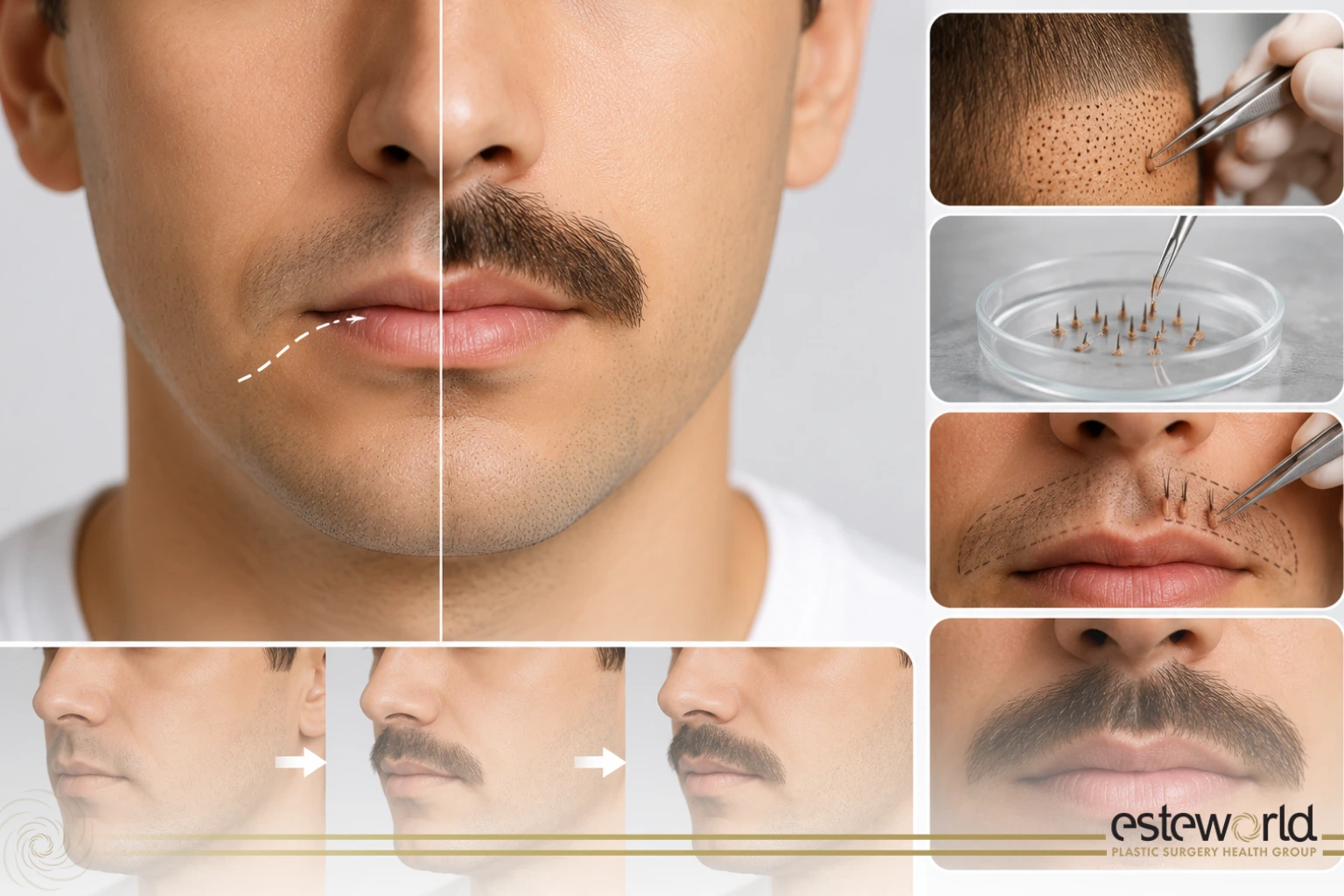
Body hair transplantation (BHT) may be considered in selected cases with limited scalp donor hair. Beard and chest hairs can differ from scalp hair in texture, growth cycle and achievable length, so they are not interchangeable substitutes. Suitability and expectations need separate discussion.
Who Is a Suitable Candidate, and What Risks Need Assessment?
The cause of hair loss matters more than choosing a technique first. Androgenetic alopecia, traction alopecia and scarring alopecia require different assessments.
Traction alopecia involves repeated tension on the hair. Scarring conditions can damage follicles permanently and may require medical treatment before any surgical decision. Transplantation into scarring alopecia has less predictable outcomes, and disease can recur even after a period of stability.
Central centrifugal cicatricial alopecia (CCCA) is one condition requiring specialist diagnosis. The American Academy of Dermatology explains that examination, medical history and sometimes a scalp biopsy are needed. Treatment focuses on controlling inflammation and limiting further hair loss.
Tell the clinician about scalp discomfort, itching, previous surgery, medicines and any personal or family history of raised scars. Keloid risk is influenced by several factors, including ancestry and family history; skin tone alone cannot determine your individual risk.
Hair transplant risks include infection, bleeding, anaesthetic reactions, noticeable scarring and unsatisfactory growth. Follow the treating team’s washing and wound-care instructions, and agree when you can resume your usual styling routine. Seek medical advice for severe pain or unexpected symptoms.
When comparing clinics, ask to discuss cases with a similar hair texture and diagnosis. Review how the donor area looks as well as the transplanted area, and ask who manages follow-up.
To discuss your hair characteristics and treatment suitability, contact Esteworld for an individual assessment.