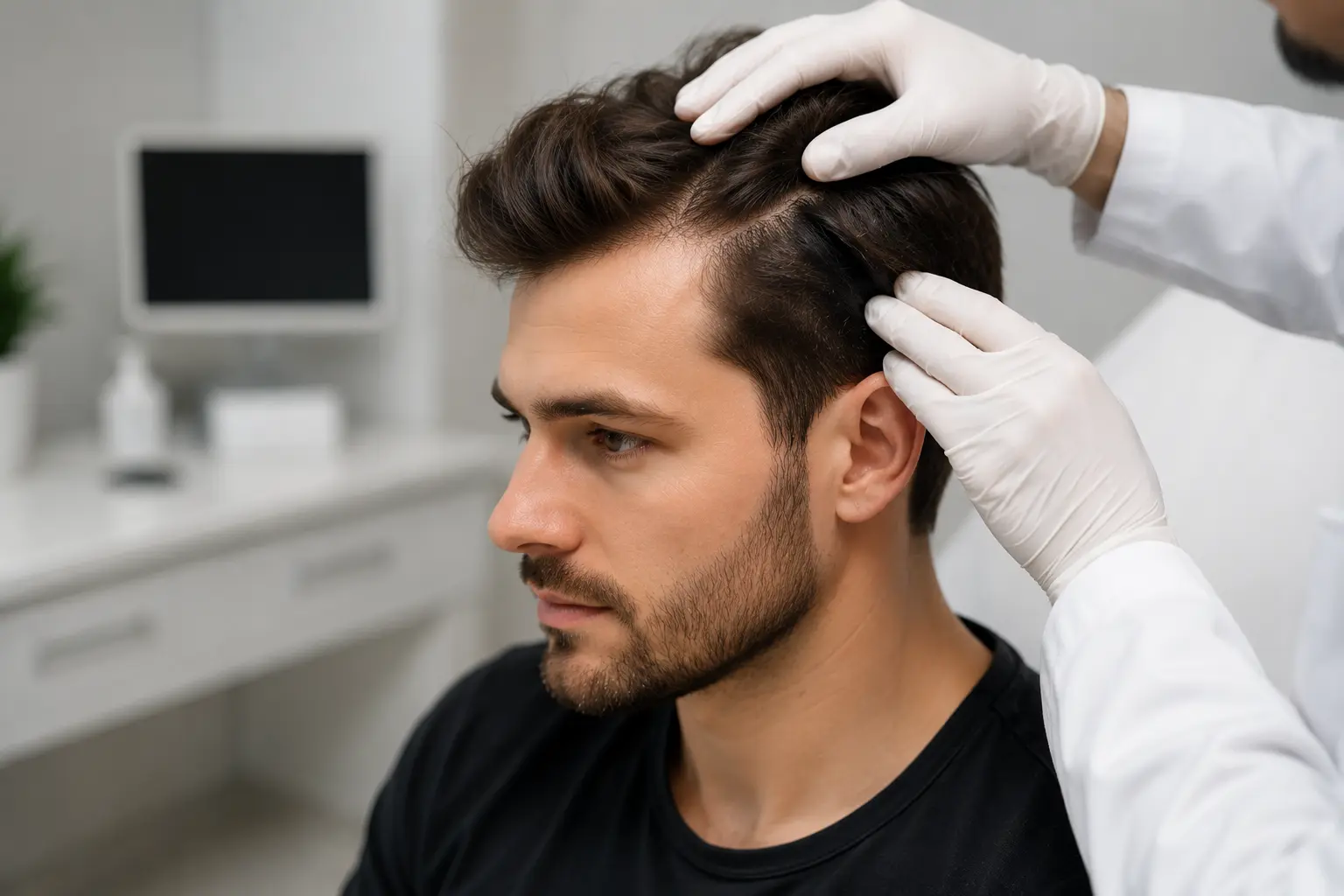
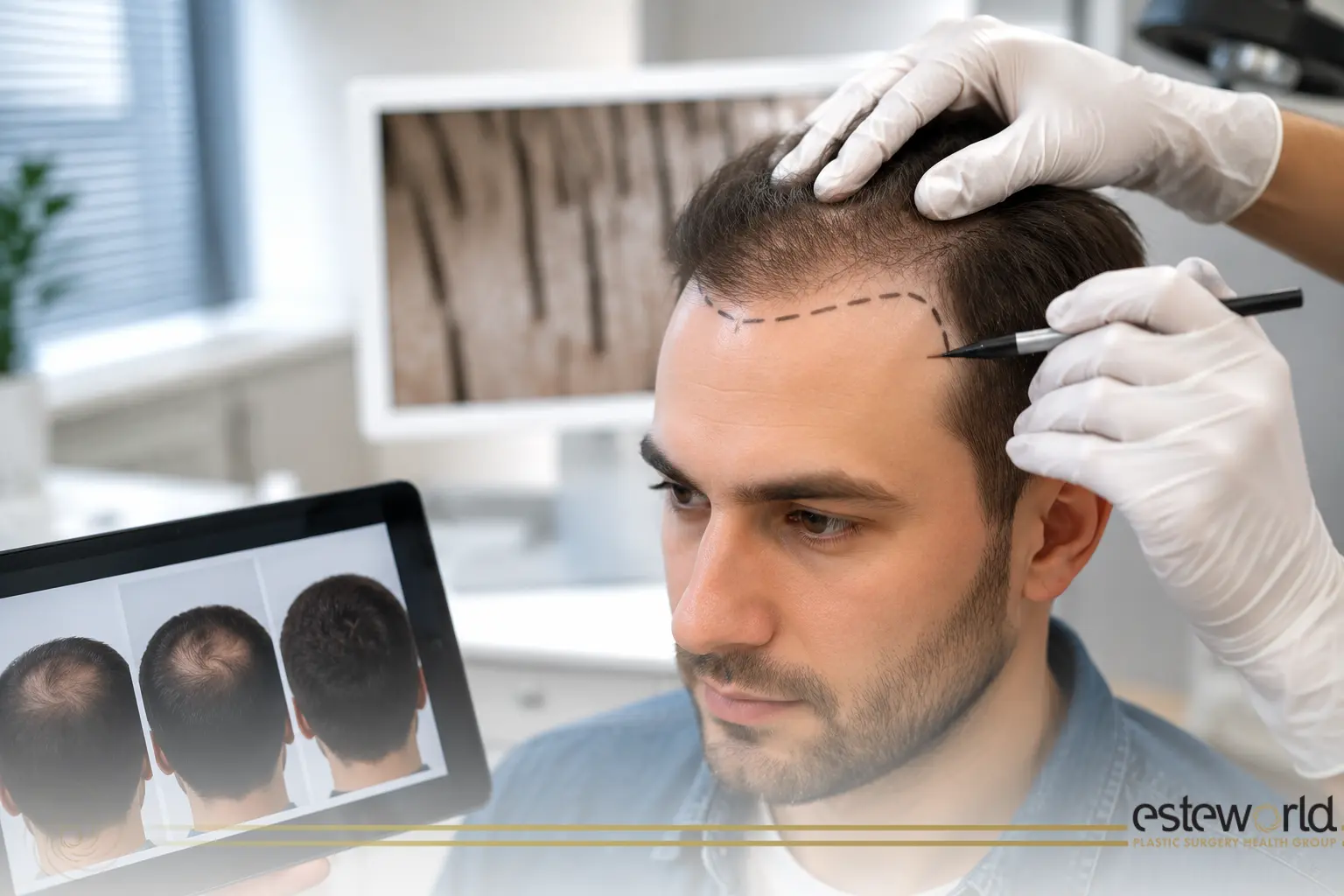
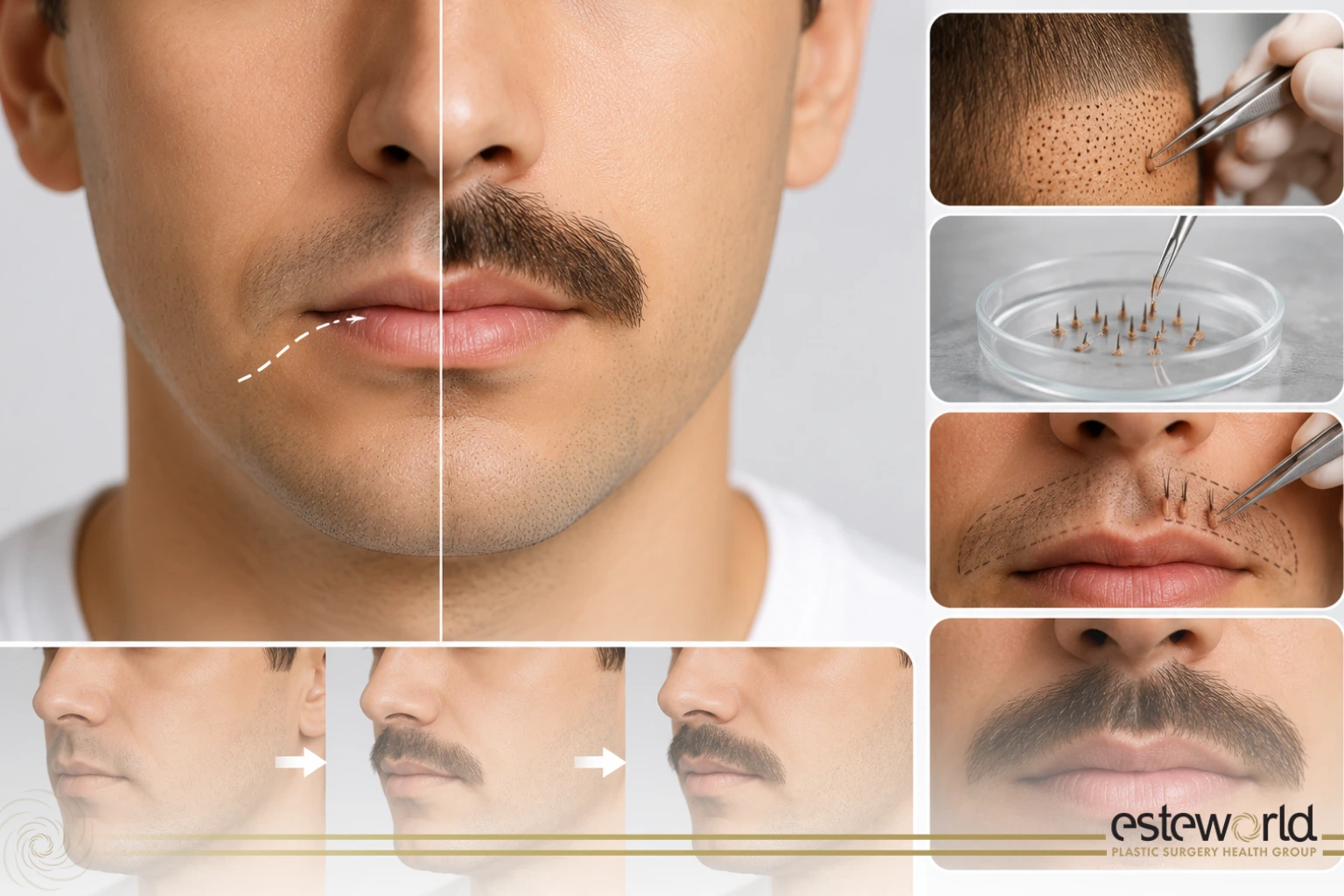
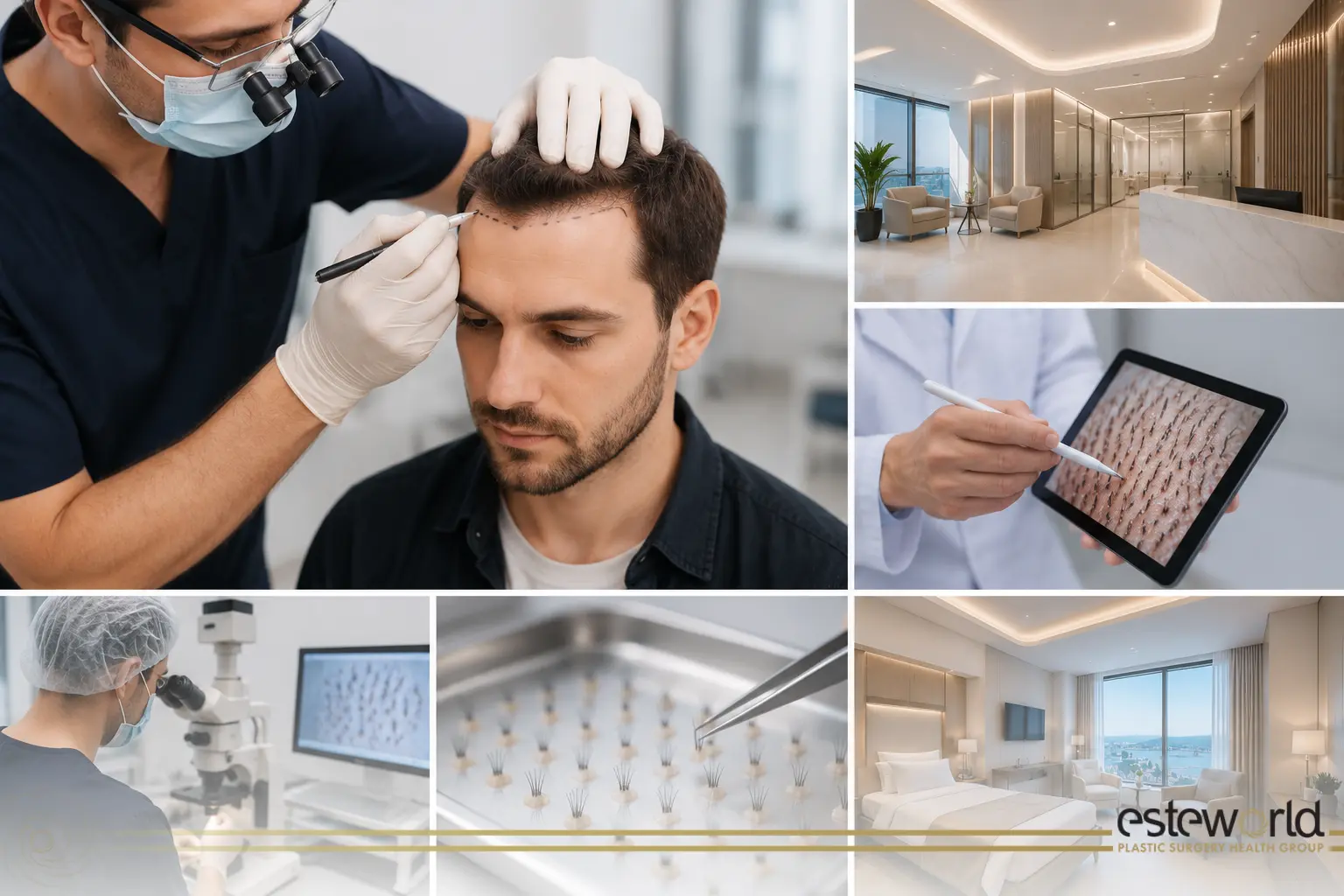
Hair transplant accreditation and standards in Turkey cover the permissions, professional qualifications and clinical safeguards relevant to hair restoration surgery. Patients should check the healthcare facility’s licence, its permission to operate a hair transplant unit, the treating doctor’s credentials and the authorisation required for international health tourism. Accreditation, professional society membership and training certificates have different meanings. Understanding these differences helps patients assess safety, compare providers and prepare for treatment.
Quick summary
- Verify the exact facility and treating doctor before booking.
- Check health tourism authorisation separately from permission to perform hair transplantation.
- Ask which professional performs each stage and who manages complications.
- Confirm the scope and validity of any accreditation claim.
- Obtain a written treatment proposal, consent information and aftercare arrangements.
1. Why Choose Turkey for Hair Transplantation?
Patients considering hair transplant surgery in Turkey often compare treatment costs, practitioner experience, available techniques and follow-up arrangements. These are useful starting points, but they need to be assessed for the individual provider.
A quotation should identify what the treatment includes and which services may involve an additional charge. Ask whether the proposal covers medical assessment, the procedure, prescribed aftercare and follow-up consultations. Also clarify what happens if an examination changes the treatment plan or surgery is considered unsuitable.
Experience should be connected to the clinician who will treat you. A brand’s history or total patient count does not tell you who will perform your operation. Request the doctor’s name before booking and discuss experience with a hair-loss pattern similar to yours.
Likewise, modern equipment does not establish the quality of care by itself. When comparing hair transplant clinics in Turkey, ask how the team assesses suitability, protects the donor area and responds to complications. These questions make a consultation more useful than a comparison based only on price or photographs.
2. Safety of Hair Transplant Surgery in Turkey and Related Regulations
Turkey regulates hair transplant units through the Ministry of Health and provincial health authorities. The framework addresses operating permission, staffing, facilities, consent and clinical records. The original regulation of 6 May 2023 should be read alongside its subsequent amendments, including those of 3 November 2023 and 12 September 2025.
Facility licensing and hair transplant unit permission
Under the hair transplant unit regulation, a unit operates within a healthcare institution with the relevant operating permission. Patients should ask for the institution’s registered name, treatment address and evidence of permission to provide hair transplantation.
A marketing name may differ from the legal name on a document. Ask the provider to explain the relationship so you can check the correct facility.
International health tourism authorisation
For treatment arranged under international health tourism, check the provider’s authorisation through the Ministry’s published lists. The Ministry lists healthcare providers and facilitators separately. An intermediary’s listing should not be treated as confirmation that a particular treatment facility is authorised.
Ask for the legal name of the organisation that will provide the medical treatment, even if another company coordinates your booking.
Accreditation requirements and the 2026 transition
A Ministry notice dated 11 June 2026 states that health-tourism-authorised hospitals, medical centres, laboratories and dialysis centres must obtain TÜSKA accreditation by 31 December 2026. Other healthcare facilities covered by the notice must obtain the Ministry’s relevant certification.
The applicable requirement therefore depends on the facility category. During this transition, ask which requirement applies to the treatment location and what its current status is. Recheck the official guidance close to your treatment date.
Who can perform the procedure?
The rules distinguish doctors’ responsibilities from the roles of other eligible healthcare professionals. Read together, the 2023 and 2025 amendments reserve recipient-channel creation for the specified qualified doctors. Follicle collection and placement may also be performed by eligible healthcare professionals within the regulatory framework, under the relevant doctor’s supervision and responsibility.
The September 2025 amendment also extended the transitional deadline for assistant-practitioner certification to 31 December 2026. Avoid judging a team from a job title alone: ask about each person’s professional qualification, permitted role and the rules applicable on the procedure date.

3. How to Verify Hair Transplant Accreditation and Clinical Standards
The word “certified” is incomplete unless you know who issued the certificate, who holds it and what it covers.
| Credential | What it relates to | What to check |
|---|---|---|
| Facility licence and unit permission | Authority to operate and provide the service | Legal name, address and permitted activity |
| Health tourism authorisation | International patient services | The healthcare provider’s official listing |
| TÜSKA accreditation or Ministry certification | Applicable facility quality requirements | Facility category, scope and current status |
| JCI accreditation | An organisation’s assessed standards | Exact entity in JCI’s current directory |
| Professional society membership | An individual’s professional affiliation | Named member and membership status |
| Training certificate | A particular training programme | Issuer, eligibility and professional scope |
ISHRS and EHRS membership are not clinic licences
The International Society of Hair Restoration Surgery (ISHRS) is a professional medical society. Its membership agreement distinguishes membership from board certification and identifies misleading credential claims. Membership should not be described as mandatory accreditation for Turkish hair transplant clinics.
The European Hair Research Society (EHRS) supports research and scientific exchange. It states that it does not test or endorse products or services. EHRS affiliation therefore should not be presented as approval of a clinic’s treatment.
These affiliations may provide context about professional involvement, but they do not replace the facility’s legal permissions.
Check JCI claims against the exact organisation
Joint Commission International (JCI) publishes a directory of currently accredited organisations. If a provider advertises JCI accreditation, check the exact organisation and location against that directory.
Ask whether the advertised credential applies to the place where your procedure will occur. A statement about a partner hospital or another branch needs clarification before it can inform your decision.
Questions to ask before paying a deposit
Use these questions to turn a broad reassurance into information you can verify:
- What is the registered name and address of my treatment facility?
- Which document permits hair transplantation at this location?
- Which doctor is responsible for my assessment, treatment and follow-up?
- Who will administer anaesthesia, collect grafts, create recipient sites and place grafts?
- Which accreditation or certification applies to this facility?
- Who should I contact if I develop a problem after returning home?
Keep written answers with your proposal and booking documents. If a name or address differs between documents, ask for clarification before proceeding.
4. Is Hair Transplant in Turkey Safe?
Hair transplantation can be performed safely in Turkey, but the country alone cannot establish whether a particular operation is appropriate or safe for you. The assessment needs to consider your health, the treating team, the facility and the follow-up plan.
Hair transplant surgery carries risks such as bleeding, infection, reactions to anaesthetic, visible scarring and unsuccessful graft growth. The NHS advises patients to discuss qualifications, complications and follow-up with their surgeon.
Assessment before surgery
A medical consultation should review your hair-loss history, previous procedures, medicines, allergies and relevant health conditions. Examination of the donor and recipient areas helps establish whether surgery is suitable and what it can reasonably achieve.
Published clinical evidence identifies incomplete medical history, inadequate examination and donor overharvesting as avoidable contributors to problems. A proposed graft count should therefore follow assessment rather than function as a promotional target.
Hygiene, consent and emergency arrangements
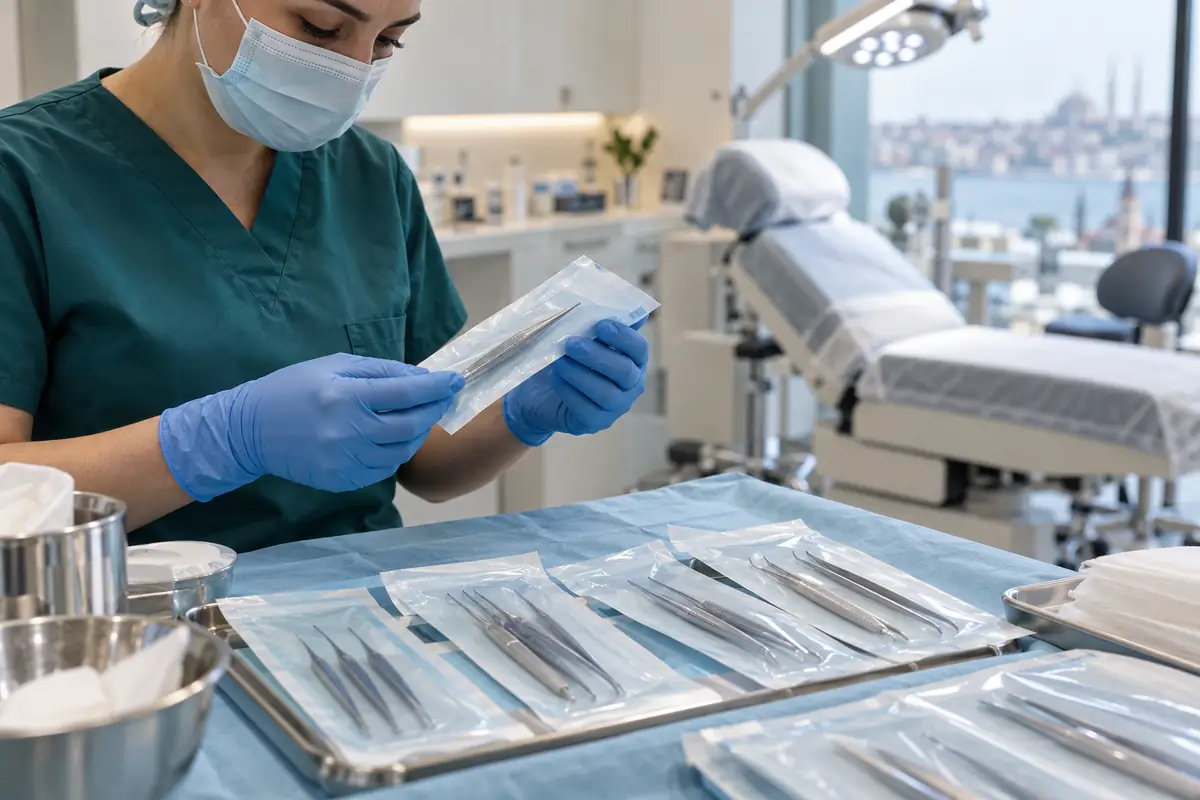
Clinical standards include sterilised surgical instruments, appropriate infection-control measures and documented informed consent. The Turkish regulation also addresses emergency equipment and patient records.
Ask how the clinic explains the procedure in a language you understand and how urgent problems are handled. Consent should leave room for questions about alternatives, limitations and the people taking part in treatment.
Warning signs when comparing providers
Pause if the provider will not identify your doctor or treatment location, discourages questions about complications, or cannot explain a certificate.
Promises of guaranteed growth, unlimited grafts, completely scar-free surgery or no risk also deserve scrutiny. ISHRS identifies such messages as potentially misleading.
Reviews and before-and-after photographs may help you understand patient experiences. They cannot independently verify a licence, establish your suitability or predict your result.
5. Hair Transplant Operation in Turkey: Applying and Planning Aftercare
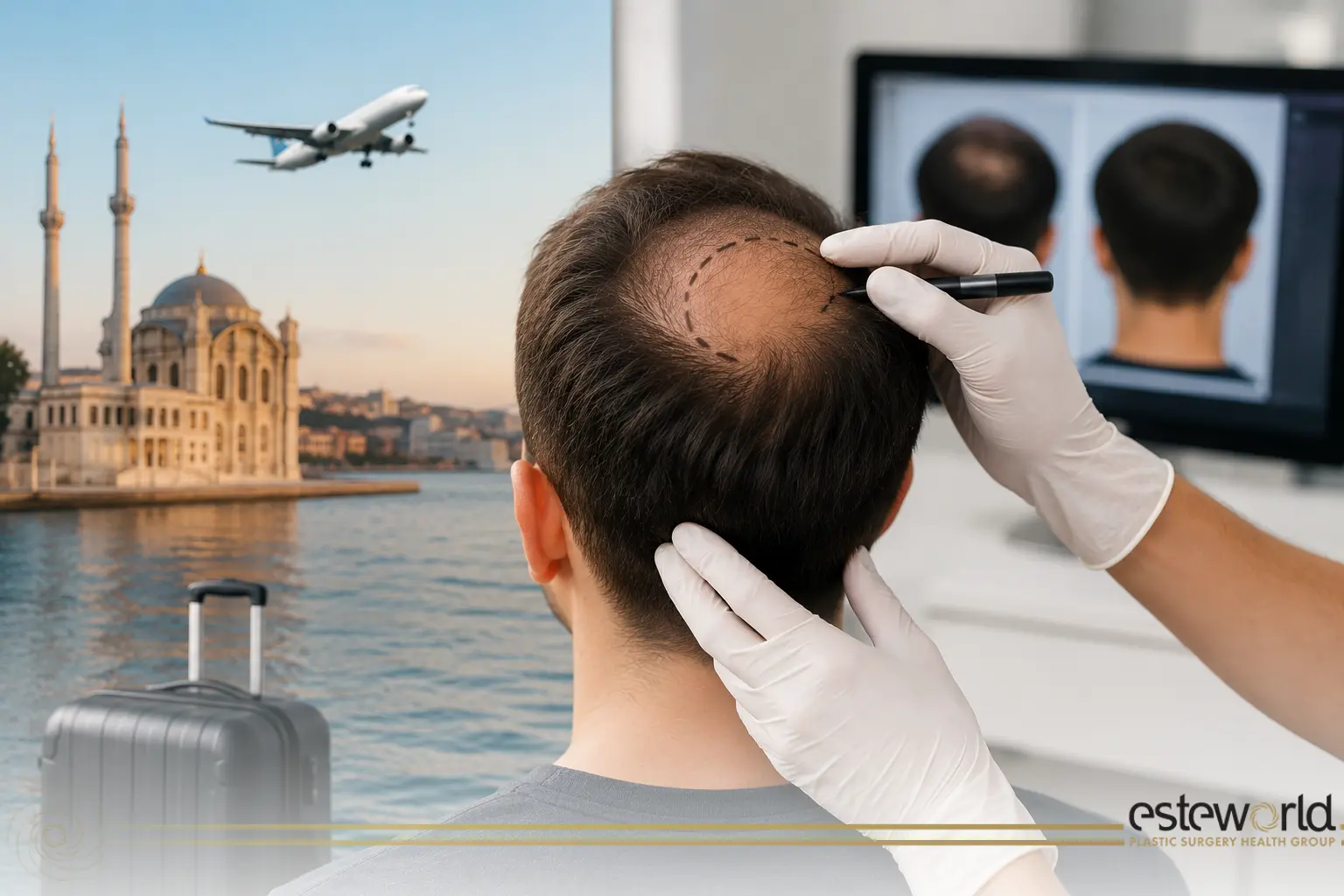
If you want to apply for a hair transplant in Turkey, begin with a clinical assessment request. An enquiry or preliminary photo review does not establish final suitability for surgery.
Initial enquiry and consultation
Ask the provider what photographs and medical information are needed and how to send them securely. Share relevant health conditions, allergies, medicines and previous hair treatments.
Request a written proposal explaining the suggested approach, estimated graft range, treating clinician, costs and follow-up. Clarify cancellation and payment terms, including what happens if the face-to-face examination leads to a different plan.
You can review Esteworld’s medical team and ask which doctor would be responsible for your assessment and procedure.
Extraction, preparation and implantation
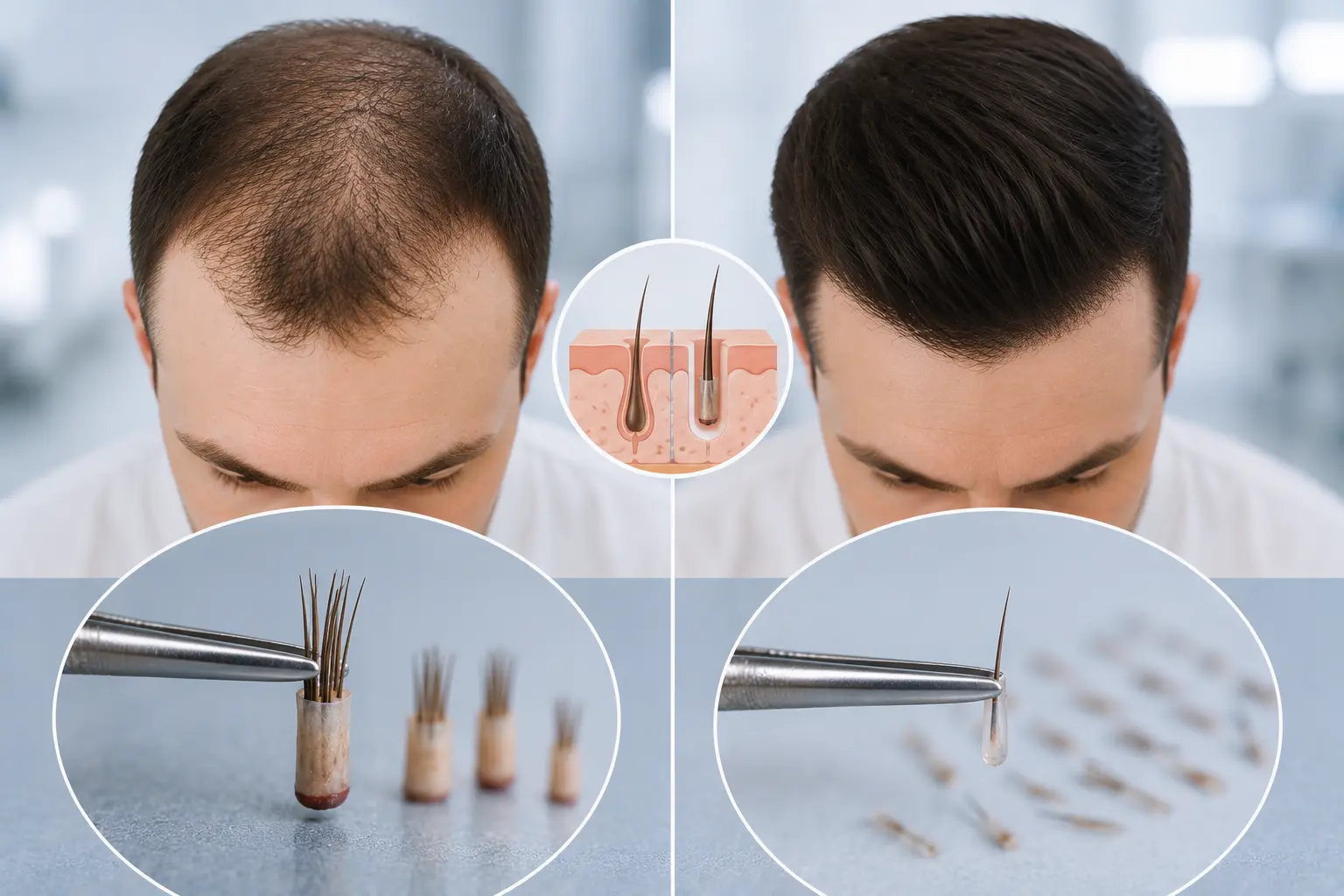
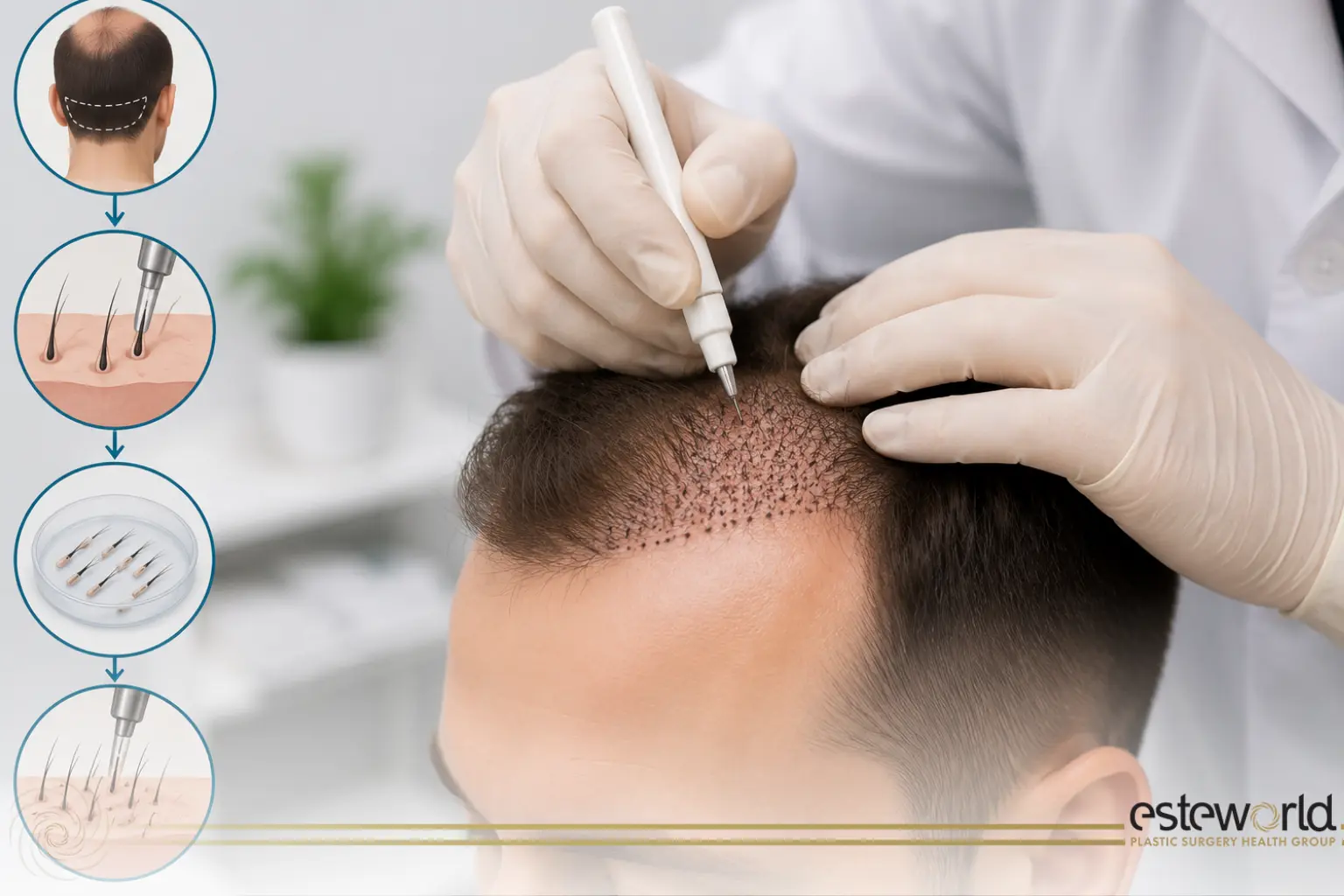
Hair transplantation moves existing hair-bearing grafts into areas of thinning or baldness. With follicular unit extraction (FUE), grafts are collected individually. With follicular unit transplantation (FUT), a strip of donor scalp is removed and divided into grafts. Both approaches require donor-area planning and placement of the grafts into the recipient area. [9]
The consultation should explain why the proposed approach suits your case. Ask how the team plans the distribution of grafts and preserves enough donor hair for possible future needs.
Before leaving the clinic
Request understandable written instructions covering wound care, washing, prescribed medicines, activity restrictions and scheduled reviews. Confirm which symptoms require contact with the team and which require urgent in-person assessment.
Keep a copy of the treatment summary, clinician’s details and agreed contact arrangements. If severe pain or unexpected symptoms develop, seek prompt medical advice; do not wait for a routine photograph review.
Follow-up after returning home
Agree how remote follow-up will work, who reviews your progress and when an in-person appointment may be necessary. Clarify responsibility for additional assessments or treatment costs if a complication occurs.
Remote contact is useful for continuity, but photographs cannot answer every clinical question. Your follow-up plan should explain what to do if a local examination becomes necessary.
To discuss an assessment and the documents relevant to your proposed treatment location, contact Esteworld.