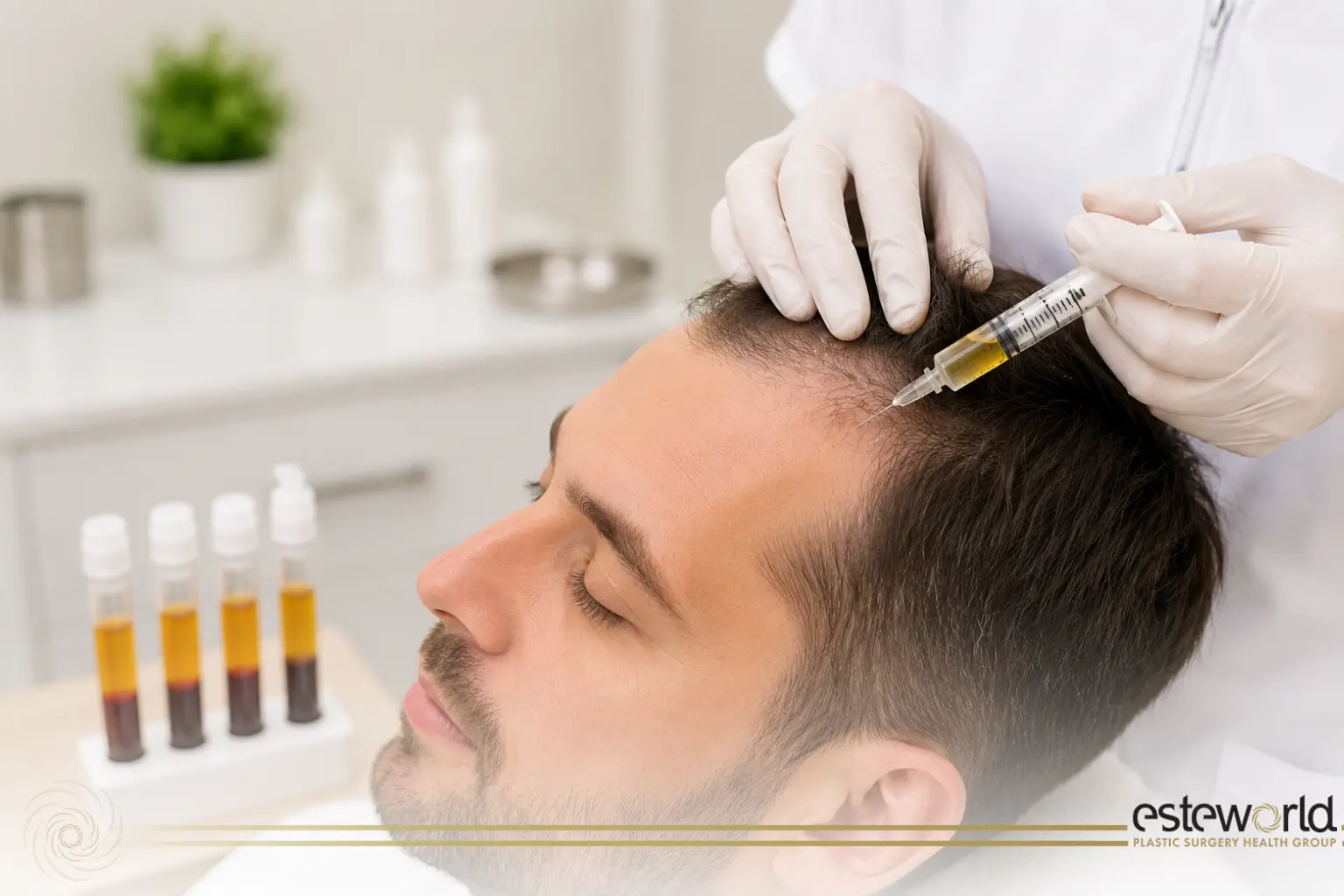
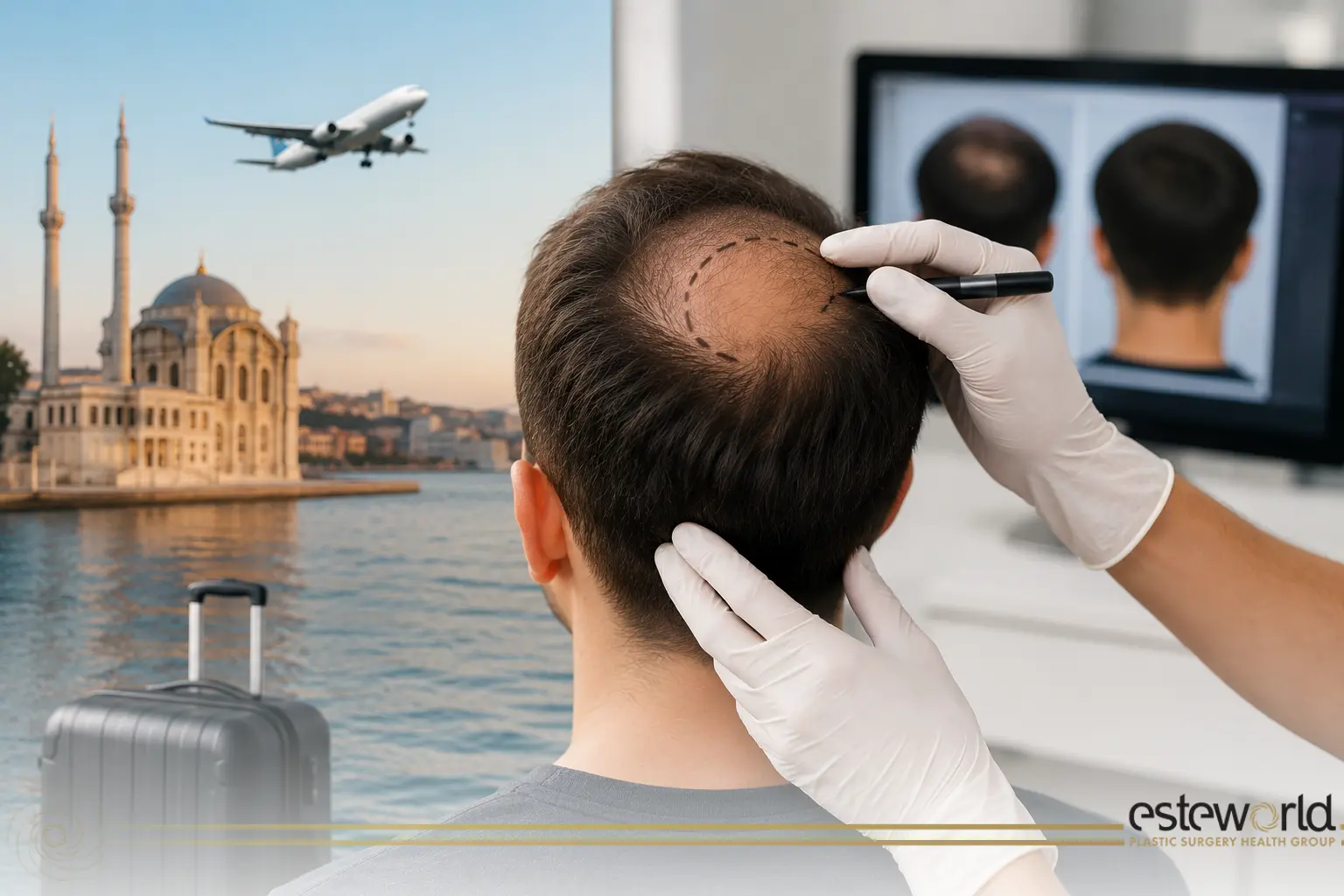
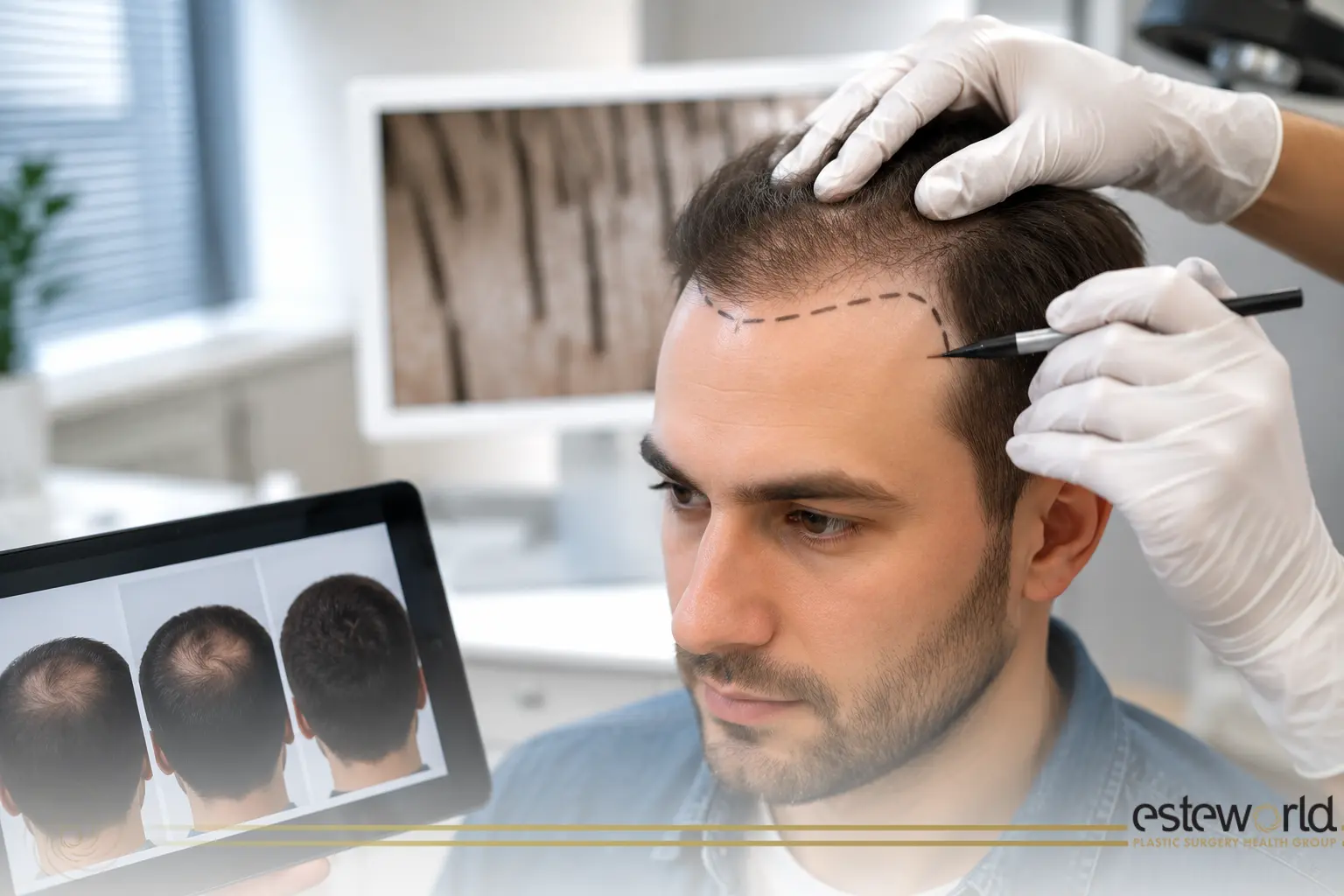
Environmental factors affecting hair transplant success are external conditions and exposures that may influence scalp healing and postoperative care. They include sun exposure, heat, air pollution, smoke, water quality and contact with irritating products. Their effects differ: some can interfere with wound healing, while others mainly affect comfort or hair condition. Managing these exposures supports recovery, alongside appropriate surgical planning and your surgeon’s aftercare instructions.
Quick summary
- Protect the healing scalp from sunburn, rubbing and avoidable contamination.
- Plan around heat, sweating and your working environment.
- Discuss smoking cessation before surgery.
- Follow the prescribed washing routine and product recommendations.
- Do not assume that hard water or a brief exposure to polluted air means your transplant has failed.
Can environmental factors affect hair transplant success?
Yes. Environmental exposures can complicate recovery through skin irritation, contamination or interference with wound healing. However, they do not all carry the same evidence or risk. The practical priority is to protect the operated scalp and follow an individual aftercare plan.
What Are the Environmental Factors Affecting Hair Transplant Success?
The scalp has small surgical wounds after a hair transplant. Both the recipient area, where grafts are placed, and the donor area require care. The NHS advises particular caution during the first two weeks, when transplanted grafts are not yet secure.
Environmental precautions should therefore focus on the healing scalp rather than treating every change in weather as a threat.
| Environmental factor | Main consideration | Practical response |
|---|---|---|
| Sun exposure | Sunburn and irritation of healing skin | Use shade and surgeon-approved protection |
| Heat and humidity | Sweating and difficulty following aftercare comfortably | Plan a cool recovery setting |
| Air pollution and dust | Scalp exposure to particles; limited direct evidence on transplant outcomes | Reduce unnecessary exposure |
| Smoking | Increased risk of surgical complications and delayed healing | Arrange cessation support |
| Water and swimming | Washing technique and immersion of healing wounds | Follow separate washing and swimming instructions |
| Hair care products | Irritation or allergic reactions | Use products approved for your recovery stage |
These factors should be discussed in context. A person working outdoors, for example, needs a different practical recovery plan from someone working at home. Before surgery, explain where you live, how you commute and whether your work involves dust, heat or protective headgear.
How Do Sun, Heat and Weather Affect Hair Transplant Recovery?
Sun exposure and scalp protection
Sun protection after a hair transplant is primarily about protecting healing skin. Avoid sunbathing and prolonged direct exposure during the period specified by your surgeon.
Shade is useful when you need to go outside. A hat may also help, but the timing and fit matter: it must not rub, press on or catch the treated area. Ask your clinic when a suitable hat can be introduced.
Do not immediately apply sunscreen to fresh surgical sites. General dermatology guidance recommends sunscreen after a wound has healed; your surgeon should confirm when the treated scalp is ready and which product to use. Once appropriate, broad-spectrum SPF 30 or higher can form part of ongoing protection.
Heat, humidity and sweating
Hot conditions can make postoperative care uncomfortable, particularly if you spend long periods outdoors or work in a hot environment. Plan indoor breaks and postpone saunas, steam rooms and strenuous activities until your surgical team permits them.
If you sweat, do not scrub the scalp or add extra products to compensate. Ask your clinic how to clean the area within your prescribed routine. Esteworld’s hair transplant aftercare guide provides further recovery information.
Cold weather, wind and seasonal planning
Cold or windy weather may change how you protect your head, but tight winter hats can create a practical problem during early recovery. Discuss suitable headwear before returning to outdoor activities.
Choose a surgery date that allows you to follow aftercare consistently. Consider work commitments, outdoor exposure and follow-up appointments rather than assuming that summer or winter automatically produces better results.
Can Air Pollution and Smoking Affect Transplanted Hair?
Polluted air and dust
Research has identified biological effects of particulate pollution on hair follicles and follicular cells in laboratory conditions. One experimental study found increased inflammatory activity and cell damage after particulate exposure. These findings do not establish that ordinary short-term city exposure causes hair transplant failure. The study did not measure postoperative graft survival in patients.
As a practical precaution, reduce unnecessary time in visibly dusty or heavily polluted environments while the scalp is healing. Tell your surgeon if you work in construction, manufacturing or another setting where particles regularly settle on your skin.
Do not introduce aggressive washing or an “anti-pollution” scalp treatment without approval. The response to exposure should remain compatible with your postoperative instructions.
Smoking and environmental smoke
Smoking has stronger evidence of harm to surgical recovery. The World Health Organization reports that smoking increases postoperative complications, including infection and impaired wound healing. Quitting before surgery can reduce these risks. This is general surgical evidence, not a precise prediction of an individual hair transplant survival rate.
Discuss smoking and nicotine use honestly during your consultation. Ask for help with cessation and tell the team about cigarettes, vaping and any nicotine products you use. Plan a smoke-free recovery space and ask household members to support it.
Do Hard Water, Swimming and Hair Care Products Affect Recovery?
Hard water after a hair transplant
Hard water contains relatively high levels of minerals such as calcium and magnesium. Research on its effects has examined hair fibres, including their resistance to breakage. Findings have differed between experimental conditions.
For example, a study using repeated hard-water exposure found reduced hair strength, while discussing earlier studies that did not find the same effect. These experiments concern the hair shaft; they do not demonstrate that household hard water prevents transplanted follicles from surviving.
There is therefore no basis in these studies for routinely recommending a water softener or “softening shampoo” to improve graft survival. If you have concerns about local water quality, ask the clinic which water source to use.
Gentle washing and water pressure
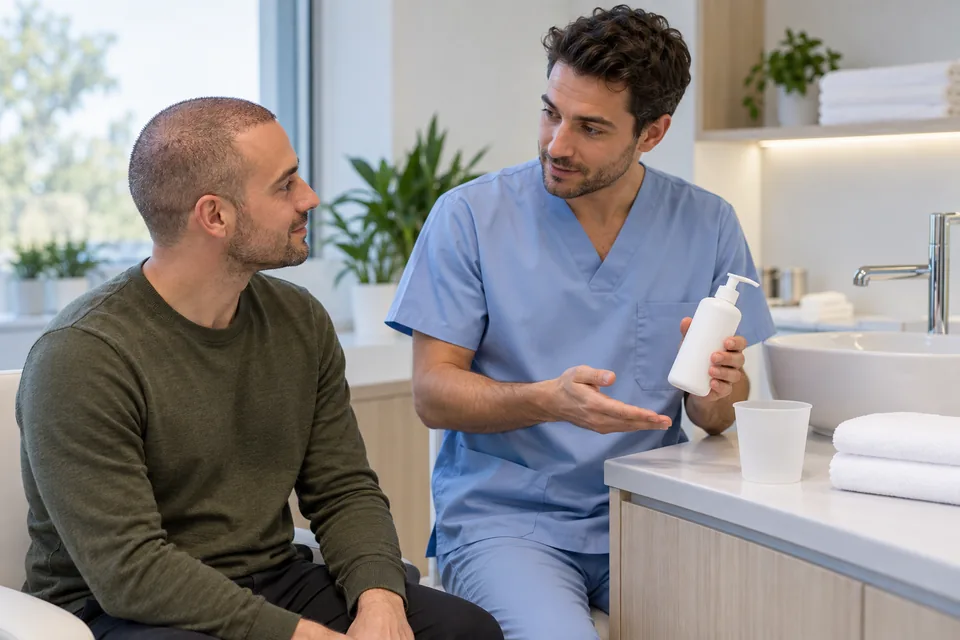
Follow your clinic’s instructions for the first wash, water temperature, shampoo and rinsing method. Early washing protocols can differ, so avoid combining instructions from several clinics.
The technique matters: do not rub or scratch the recipient area, pick crusts or direct a forceful shower jet onto fresh grafts. Have the team demonstrate the process before you leave.
Swimming pools, seawater and hot tubs
Gentle postoperative washing and swimming are different activities. Immersing the scalp exposes it to conditions that are not part of a controlled washing routine.
An international expert consensus recommends waiting between two weeks and one month before immersing the head in water, including swimming pools. Your individual clearance depends on healing and the procedure performed. A date alone should not override unhealed areas or your surgeon’s advice.
Ask specifically about pools, the sea and hot tubs before booking a swimming holiday. Seawater should not be used as a substitute for a prescribed cleansing product.
Hair damaging chemicals and product selection
After surgery, product choice should focus on suitability for healing skin. “Natural”, “clean” or plant-based labels do not guarantee that a product will be gentle. Natural ingredients can also cause contact dermatitis.
Use the shampoo and other products your clinician recommends. Obtain approval before restarting hair dye, bleaching products, chemical straighteners or styling products. Mention any previous reactions to fragrances, shampoos or hair colour.
How Can You Minimise Environmental Risks After Hair Transplantation?
A useful recovery plan connects the clinic’s instructions with your daily routine.
Prepare your home and workplace
Before the procedure, identify practical obstacles:
- Can you rest somewhere comfortable and smoke-free?
- Can you follow the washing routine without rushing?
- Will your commute involve prolonged sun exposure?
- Does your job involve dust, heavy exertion or high temperatures?
- Must you wear a helmet or other protective headgear?
If required safety equipment would contact the operated area, discuss leave or modified duties. Do not remove mandatory workplace protection to accommodate the transplant.
Plan travel around aftercare
Tell the clinic your departure date and destination before surgery. Confirm when you can travel, whether you need an examination first and how follow-up will work after you return home.
Keep the written instructions and clinic contact details accessible. Plan airport waiting time, outdoor sightseeing and access to washing facilities. A tightly scheduled trip can make aftercare harder to follow even when the journey itself is uncomplicated.
Separate early healing from later growth
Postoperative shedding does not automatically mean that environmental exposure damaged the grafts. Transplanted hairs commonly shed before regrowth begins, and visible results develop over months. The NHS gives approximately 10–18 months as the period for seeing full results.
Use scheduled reviews and consistent photographs to discuss progress with your surgeon rather than judging success after a hot day or a single hair wash.
Know when to contact the clinic
Seek prompt medical advice for increasing pain, spreading redness, unusual warmth, pus or fever. These symptoms may indicate a wound infection and should not simply be attributed to the weather or a new shampoo.
For help planning recovery around your climate, occupation or travel schedule, contact Esteworld and discuss your circumstances before booking.