
What Are the Common Concerns After a Hair Transplant?
Undergoing a hair transplant can be an exciting step toward restoring hair, but it’s natural to have concerns during the recovery process. From initial post-surgery symptoms like swelling and tenderness to questions about hair shedding and growth timelines, patients may experience a range of reactions. Understanding what’s normal and what to watch for can help put your mind at ease. In this article, we’ll address the most common concerns after a hair transplant and provide guidance on managing each phase of recovery to ensure the best possible results.
Swelling and Tenderness: What to Expect in the First Week
It’s normal to experience swelling, tenderness, and some redness in the scalp during the first few days after a hair transplant. Swelling typically occurs around the forehead and may last for several days. To reduce swelling, patients are often advised to sleep with their head elevated and avoid strenuous activities. Over-the-counter pain relievers and ice packs (applied carefully) can help alleviate discomfort. If you experience excessive pain, pus, or prolonged redness, it’s important to contact your surgeon, as these symptoms may indicate infection or complications that require medical attention.
Shock Loss: Why Does Transplanted Hair Shed?
One of the most common concerns after a hair transplant is “shock loss,” where the transplanted hair falls out within the first few weeks. This shedding is a normal part of the recovery process and does not mean that the transplant has failed. Shock loss occurs as the hair follicles enter a resting phase, and new growth will typically begin within 3-4 months. While this stage can be unsettling, it’s a temporary part of the hair growth cycle, and most patients see significant regrowth by 6 to 12 months post-transplant.
Scabbing and Itching: Managing Post-Op Symptoms
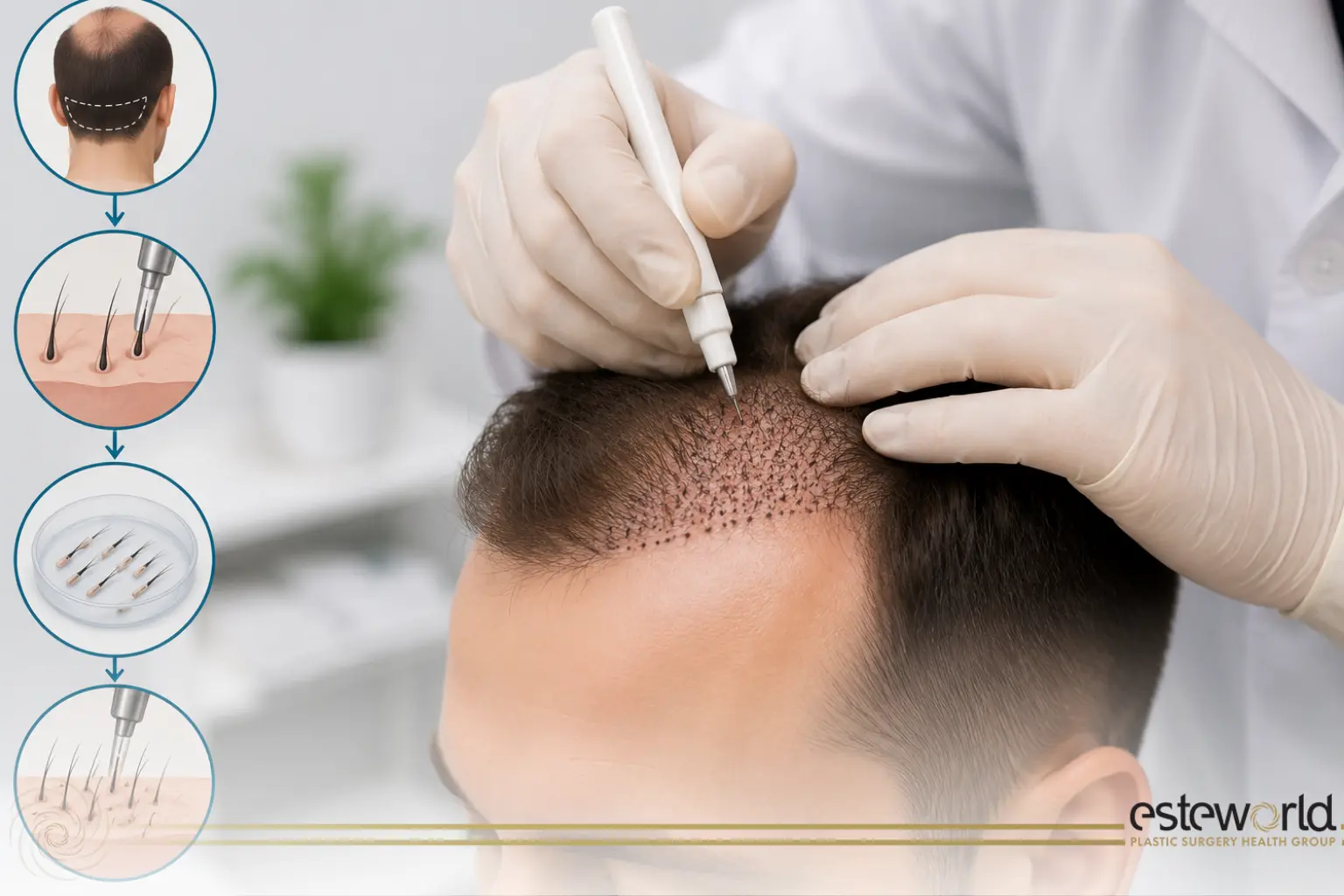
Scabbing and itching are common post-transplant symptoms as the scalp heals. Tiny scabs form around each grafted follicle, which usually fall off within 10-14 days. It’s essential to avoid scratching or picking at these scabs, as doing so can dislodge the grafts. If itching is bothersome, applying a surgeon-approved spray or taking antihistamines may help. Gentle washing as instructed by your surgeon can also alleviate itchiness and keep the scalp clean. Scabs will naturally shed over time, allowing the grafts to settle and begin the growth process.
Slow Hair Growth and Results Timeline
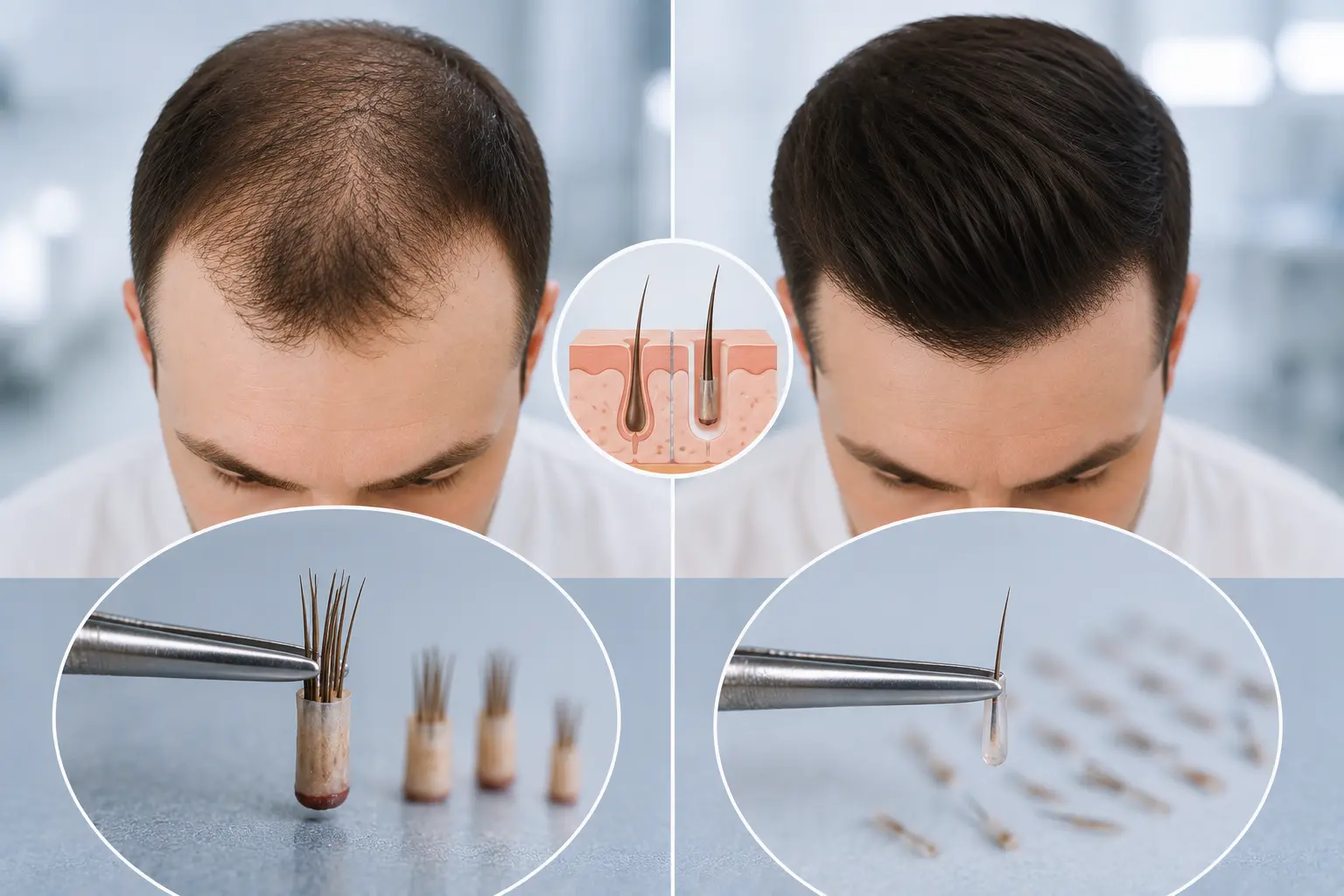
Many patients are concerned when they don’t see immediate results after a hair transplant. It’s important to remember that hair growth is a gradual process, and final results can take 12 to 18 months to fully develop. After the initial shedding phase, new hair growth begins slowly, and hair will continue to thicken and fill in over the months. Patience is essential during this period, as each person’s hair growth rate can vary. Regular follow-up appointments with your surgeon will help monitor progress and ensure that the healing and growth are proceeding as expected.