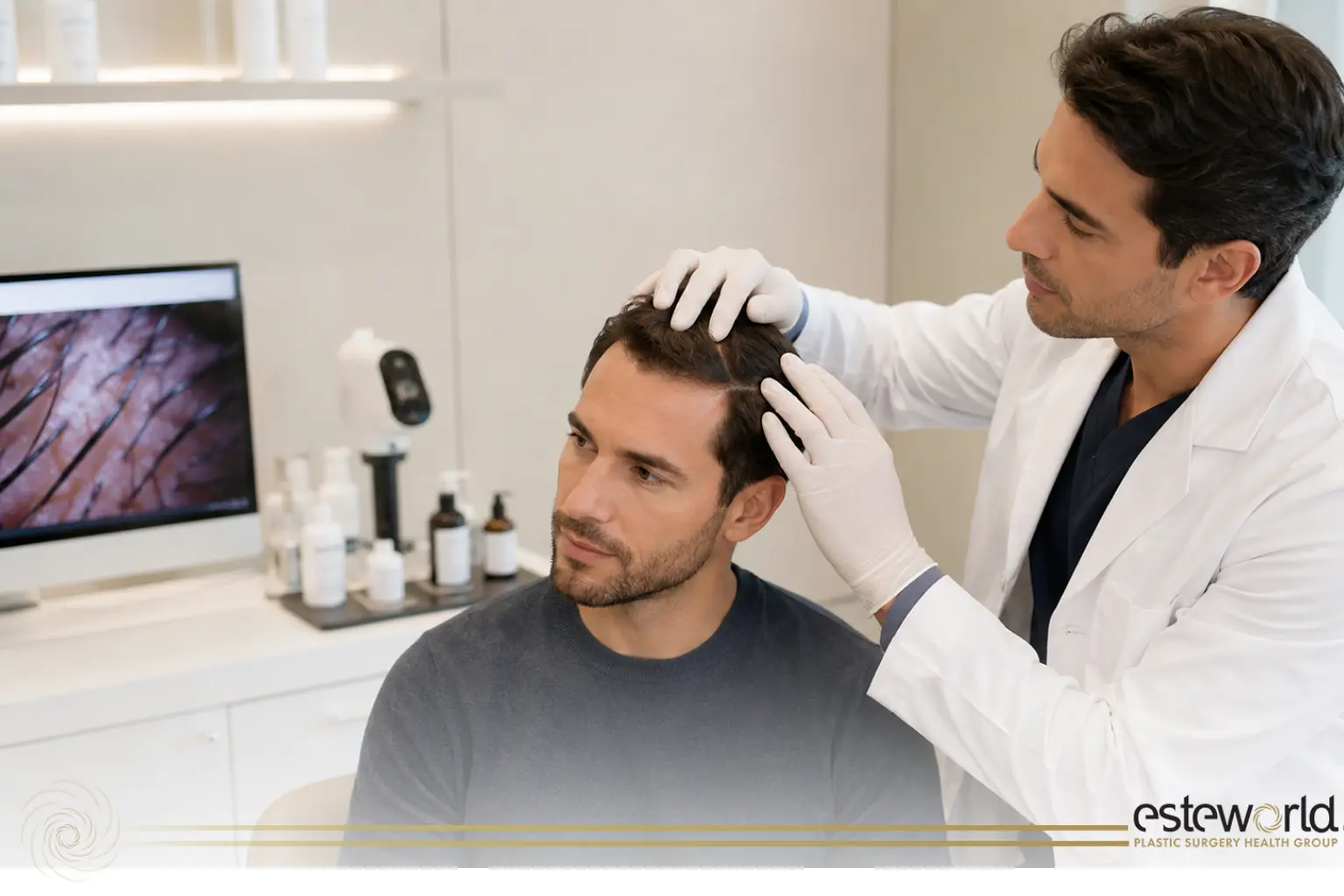

Hair loss can start quietly. A few extra strands on the pillow, a wider parting line, a thinner crown or a hairline that seems to move back little by little may not feel urgent at first. Yet for many people, hair thinning becomes more than a cosmetic concern; it affects confidence, daily routine and the way a person sees themselves in the mirror. The good news is that hair loss treatment is not a single fixed procedure. It is a personalised process that starts with understanding why the hair is thinning and continues with the right combination of medical care, scalp support and, when needed, hair restoration procedures.
- Hair loss treatment should begin with identifying the cause of shedding, not with randomly choosing a product.
- Common causes include genetic hair loss, hormonal changes, stress, nutritional deficiencies, scalp diseases and certain medications.
- Minoxidil, finasteride, PRP hair treatment and hair transplant surgery may be considered depending on the patient’s needs.
- Visible improvement usually takes time because hair grows in cycles, not on demand like a software update humans keep pretending will fix everything.
- A specialist evaluation helps create a safer and more realistic treatment plan.
Hair loss treatment includes medical, regenerative and surgical options designed to slow shedding, support hair growth and improve hair density. The most suitable treatment depends on the cause of hair loss, the condition of the scalp, the donor hair area and the patient’s expectations. Early diagnosis often improves the chance of preserving existing hair.
What Causes Hair Loss?
Hair loss is not always caused by one single factor. In many patients, several triggers overlap. A person may have genetic hair thinning and also experience seasonal shedding, stress-related hair fall or low iron levels at the same time. This is why a proper diagnosis matters before starting treatment. Dermatology organisations recommend evaluating the scalp, medical history and hair loss pattern before choosing a treatment plan.
Genetic Hair Loss
Androgenetic alopecia, also called male or female pattern hair loss, is one of the most common reasons for progressive hair thinning. In men, it often appears as a receding hairline, temple thinning or crown loss. In women, it usually causes diffuse thinning over the top of the scalp while the frontal hairline may remain relatively preserved. This type of hair loss tends to progress gradually, so early treatment may help slow the process and protect existing follicles.
Stress, Hormones and Deficiencies
Stress-related shedding, known as telogen effluvium, can occur after illness, surgery, emotional stress, rapid weight loss or major lifestyle changes. Hormonal shifts after pregnancy, thyroid imbalance, menopause or polycystic ovary syndrome may also contribute to hair thinning. Nutritional deficiencies, especially iron, vitamin D, zinc or protein deficiency, can affect the hair growth cycle. In these cases, hair loss treatment should not focus only on the scalp. The underlying trigger should also be addressed.
Scalp Conditions
Dandruff, seborrheic dermatitis, psoriasis, fungal infections and inflammatory scalp diseases can weaken the hair environment. Some forms of hair loss, such as alopecia areata or scarring alopecia, require medical evaluation because the treatment approach is very different from routine pattern hair loss. When the scalp is itchy, painful, red, flaky or has patchy bald spots, it is safer to see a specialist before applying cosmetic products.
How Hair Loss Treatment Is Planned
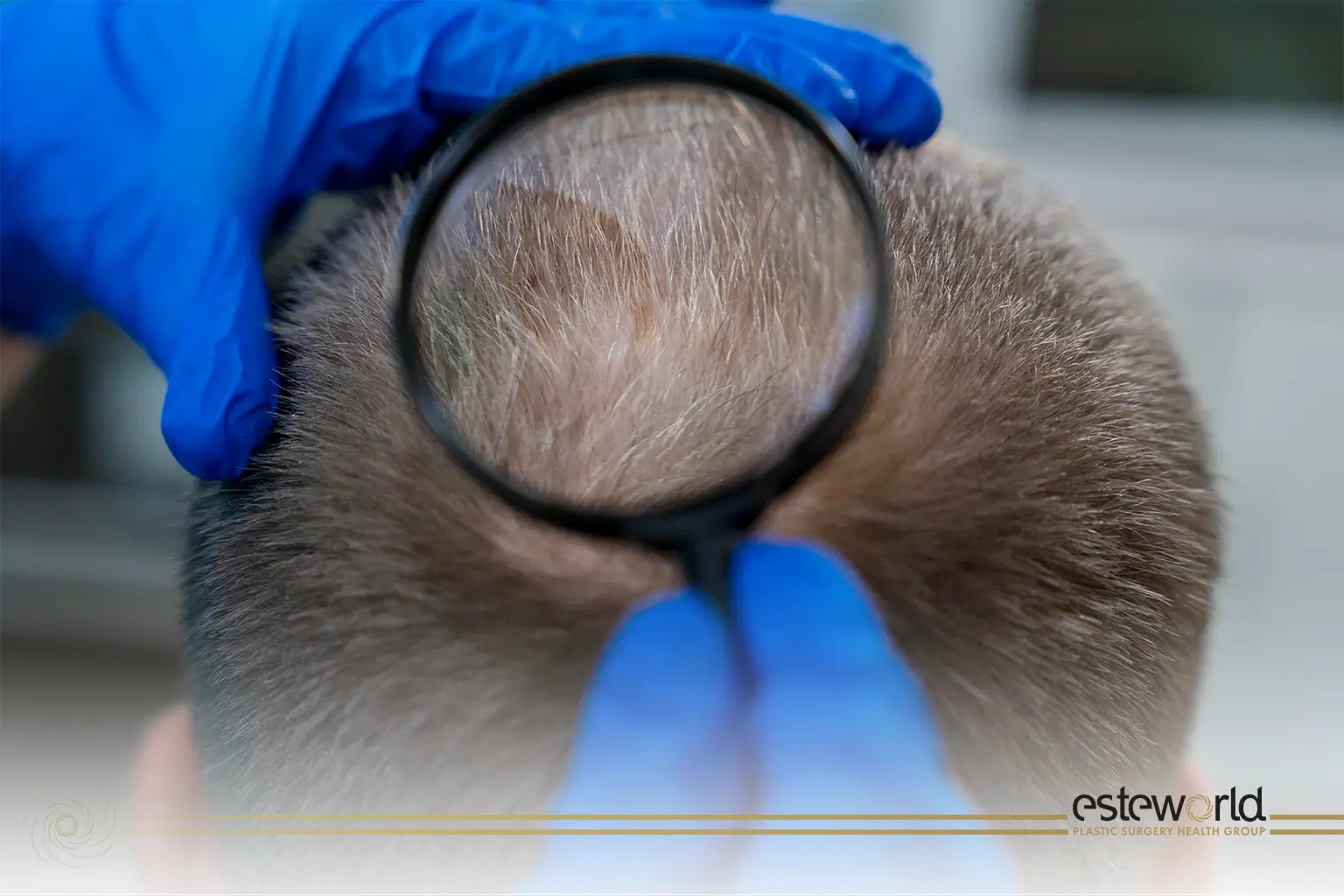
A good treatment plan starts with a simple question: “Why is the hair falling out?” Without this answer, even expensive treatments may fail to produce meaningful results. Diagnosis may include scalp examination, hair pull test, dermoscopy, blood tests and, in selected cases, scalp biopsy. Mayo Clinic also notes that treatment effectiveness depends on identifying whether the hair loss is temporary, progressive or related to an underlying condition.
Before treatment begins, a specialist may review:
- The pattern, duration and speed of hair loss
- Family history of baldness or thinning hair
- Current medications, recent illnesses and hormonal history
- Scalp condition, donor area quality and previous treatments
This stage also helps manage expectations. Some treatments are designed to slow shedding. Some aim to thicken miniaturised hair. Some support scalp health. Hair transplant surgery, on the other hand, redistributes healthy follicles from the donor area to areas where hair has permanently thinned. These options can complement each other, but they do not all work in the same way.
Medical and Non-Surgical Hair Loss Treatment Options
Medical hair loss treatment is usually considered when hair follicles are still active. The aim is to slow hair thinning, support existing follicles and improve hair quality over time. Results are not instant because hair follicles move through growth, rest and shedding phases.
Minoxidil for Hair Loss
Minoxidil is one of the most widely used treatments for pattern hair loss. It is available in topical forms such as foam or solution. It may help slow hair loss and support regrowth in some patients. Mayo Clinic states that minoxidil often needs at least six months of regular use before early results can be evaluated, and continued use is usually required to maintain benefits.
Minoxidil is not suitable for everyone. Some users may experience scalp irritation, dryness or unwanted facial hair growth if the product spreads beyond the scalp. It should be used as directed by a physician, especially in people with sensitive skin, pregnancy concerns or medical conditions.
Finasteride and Other Prescription Treatments
Finasteride is a prescription medicine commonly used for male pattern hair loss. It works by reducing the effect of DHT, a hormone linked to follicle miniaturisation in androgenetic alopecia. NHS guidance describes finasteride and minoxidil as main treatments for male pattern baldness, while also noting that they do not work for everyone and usually only work while they are used.
Finasteride is not appropriate for all patients. It is generally not used by women who are pregnant or may become pregnant. Possible side effects and suitability should always be discussed with a physician. In recent years, topical finasteride has attracted attention, but the FDA has warned that there is currently no FDA-approved topical formulation of finasteride, and compounded versions may carry risks.
PRP Hair Treatment
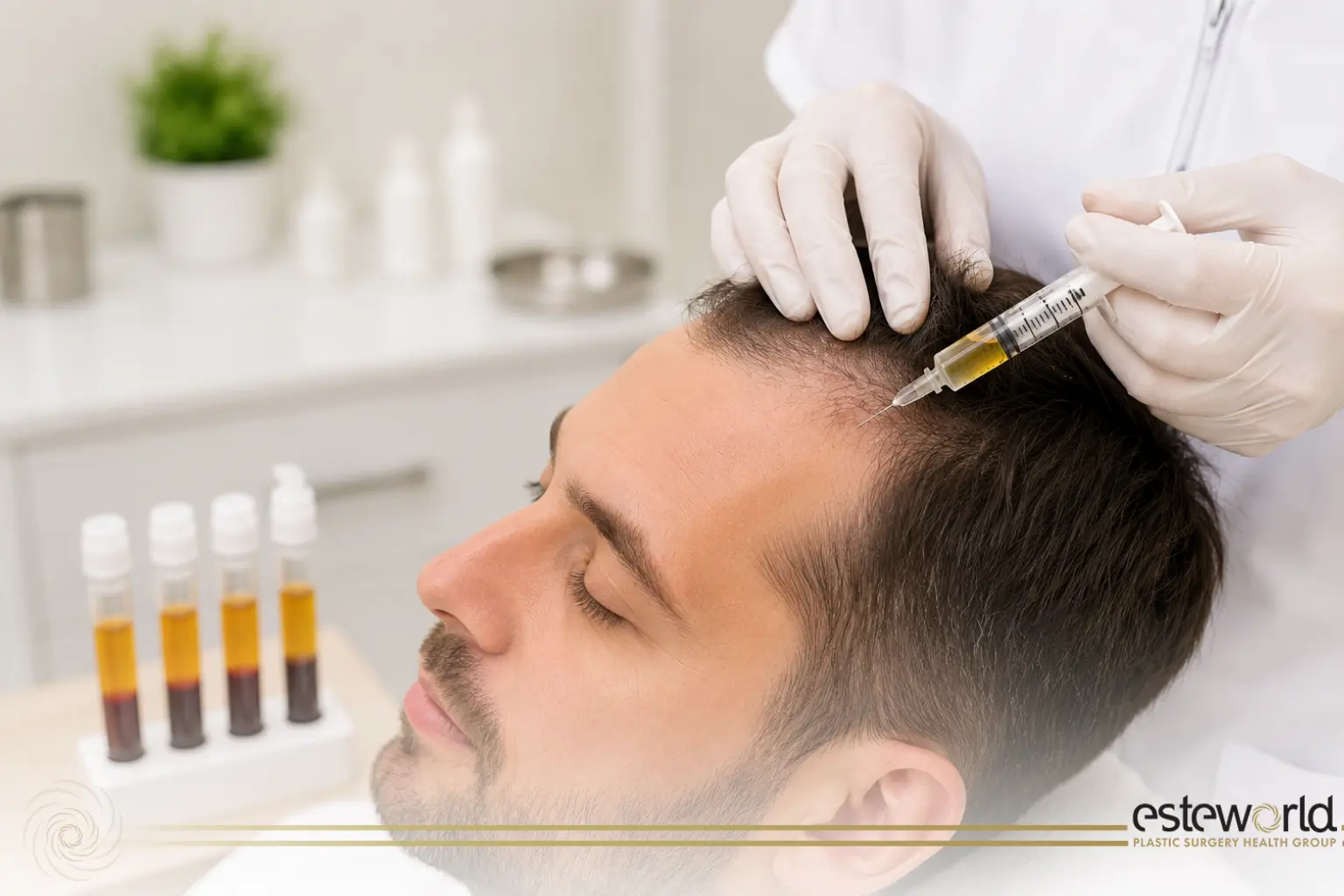
PRP, or platelet-rich plasma, is a regenerative treatment prepared from the patient’s own blood. After processing, the platelet-rich portion is injected into the scalp to support follicles. PRP is commonly used for early-stage thinning, weak hair quality and as a supportive treatment after hair transplant surgery. A 2026 review reported that clinical studies show improvements in hair density and thickness in some patients, particularly when PRP is combined with treatments such as minoxidil or microneedling.
PRP is not a magic replacement for lost follicles. It works best when follicles are still present and responsive. The number of sessions, maintenance plan and expected results vary depending on the patient’s condition.
| Treatment Option | Best Suited For | How It Helps | Expected Timeline |
| Topical Minoxidil | Early to moderate thinning | Supports growth and slows shedding | Usually evaluated after 6 months |
| Finasteride | Male pattern hair loss | Helps reduce DHT-related follicle miniaturisation | Several months of regular use |
| PRP Hair Treatment | Weak hair, early thinning, post-transplant support | Supports scalp and follicle activity | Usually planned as sessions |
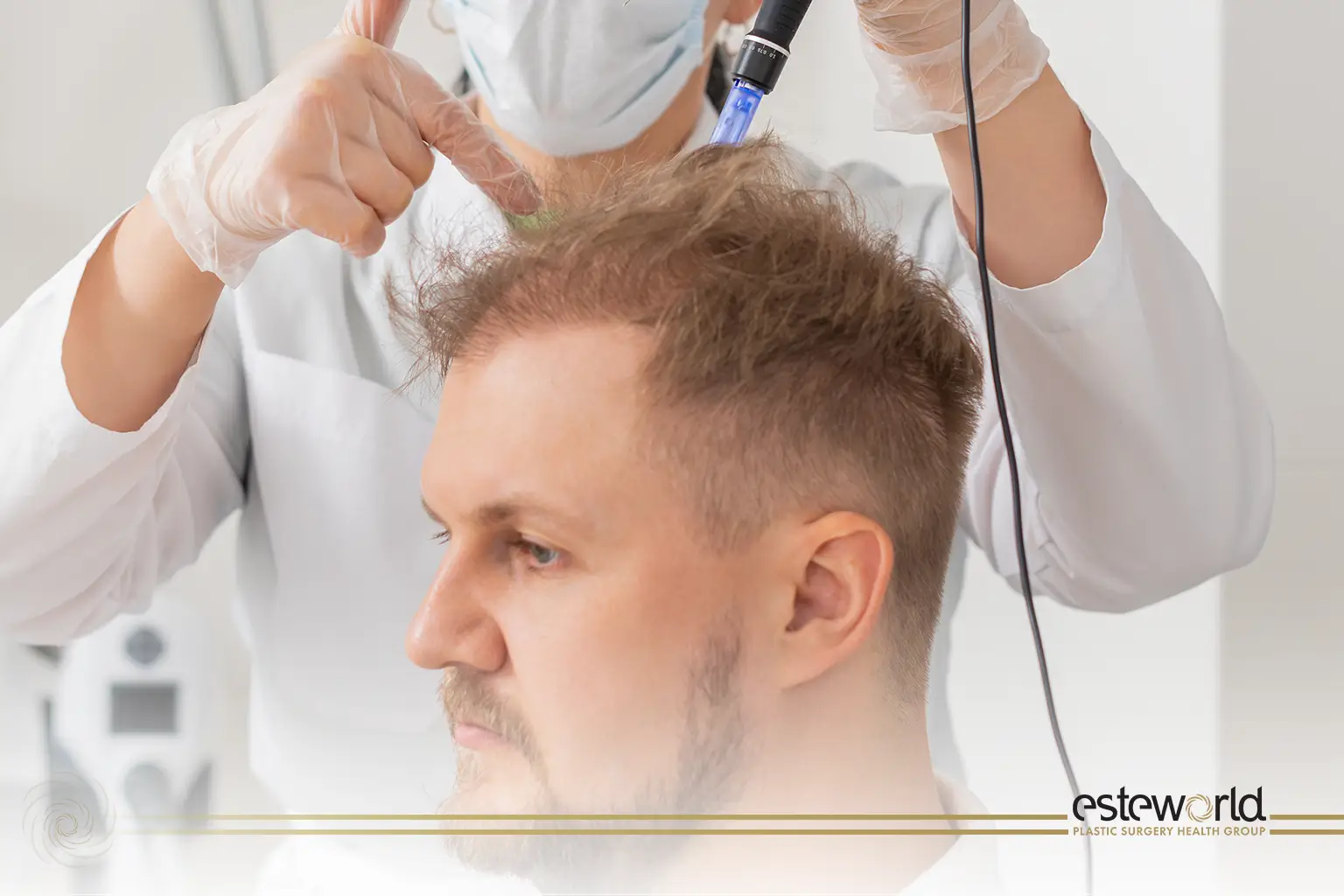
| Scalp Mesotherapy | Selected thinning cases | Delivers supportive ingredients to scalp | Varies by protocol |
| Hair Transplant | Permanent hair loss with suitable donor area | Moves healthy follicles to thinning areas | Growth develops gradually over 12 months |
| Deficiency Correction | Nutritional or medical triggers | Supports normal hair growth cycle | Depends on underlying cause |
Hair Transplant as a Permanent Hair Restoration Option
When hair follicles are permanently lost, medical treatments may not be enough. In these cases, hair transplant surgery can be considered if the donor area is suitable. Hair transplant does not create new hair follicles; it relocates healthy follicles, usually from the back and sides of the scalp, to thinning or bald areas.
FUE and DHI Techniques
FUE hair transplant involves extracting individual grafts from the donor area and placing them into recipient channels. DHI hair transplant uses a special implanter pen to place grafts directly into the planned area. Both techniques can provide natural-looking results when the hairline design, graft angle, density planning and donor management are performed carefully.
The best technique depends on hair type, degree of hair loss, donor capacity, target density and the area being treated. A patient with temple recession may need a different plan than someone with crown thinning. Similarly, diffuse thinning should be assessed carefully because transplanting into unstable areas without medical support may create uneven long-term results.
Recovery and Growth Process
After a hair transplant, mild redness, crusting and temporary shedding can occur. Shock loss is part of the process for many patients. New growth usually begins gradually, and the final result often becomes clearer around 12 months. Crown areas may take longer to mature. This timeline should be explained clearly so patients do not panic three weeks after surgery and decide the universe has personally betrayed them.
A successful hair transplant depends not only on the operation day but also on planning, aftercare and long-term hair preservation. If genetic hair loss continues, medical support may still be recommended to protect non-transplanted hair.
When Should You Seek Professional Help?
Occasional shedding is normal. Hair naturally falls out as part of the growth cycle. However, sudden shedding, patchy bald spots, scalp pain, rapid thinning, eyebrow or beard hair loss, or hair loss after starting a medication should be evaluated professionally. Early consultation is especially important when hair thinning runs in the family, because preserving existing hair is usually easier than restoring advanced loss.
Hair loss treatment also requires patience. A product used for two weeks cannot fairly be called unsuccessful. The scalp needs time, and the treatment plan may need adjustments. Progress photos, follow-up visits and realistic comparison periods help measure improvement more accurately than checking the mirror every morning under aggressive bathroom lighting.
Lifestyle also matters. Sleep, protein intake, stress control, smoking habits and scalp hygiene can influence hair quality. These factors do not replace medical treatment, but they support the overall process. For example, treating iron deficiency or thyroid imbalance may improve shedding if these are part of the cause. On the other hand, supplements without deficiency may not provide meaningful benefit and may simply create expensive urine, humanity’s least glamorous investment strategy.
Hair loss treatment is most successful when it is planned according to the real cause of shedding. Some patients need medical treatment, some benefit from PRP or scalp support, and others may be suitable for hair transplant surgery. The key is not to chase every product trend, but to understand the scalp, hair follicles and long-term expectations clearly.
At Esteworld, hair loss treatment is planned with a personalised approach by evaluating the patient’s hair loss pattern, donor area, scalp condition and aesthetic expectations. To learn more about hair loss treatment and the most suitable options for your needs, you can contact us.