
Hair plugs and modern hair transplants are often mentioned as if they were the same procedure, but they belong to very different periods of hair restoration. Hair plugs were an older technique that moved larger clusters of hair into balding areas, often creating an unnatural “doll hair” look. Modern hair transplants use smaller follicular units, usually containing one to four hairs, to create a softer hairline, better density planning and a more natural result. Today, techniques such as FUE hair transplant, FUT hair transplant, Sapphire FUE and DHI focus on precise graft placement, donor area management and long-term planning. The best choice depends on hair loss pattern, donor supply, age, expectations and medical assessment.
Hair plugs are an older form of hair transplantation that used larger grafts, often leaving a plug-like or artificial appearance. Modern hair transplants use natural follicular units and place grafts with more attention to angle, direction, density and hairline design. The main difference between hair plugs vs modern hair transplants is not only the size of the grafts, but also the planning, precision, recovery, scarring pattern and ability to create a natural-looking result.
What Were Hair Plugs and Why Do They Look Different?
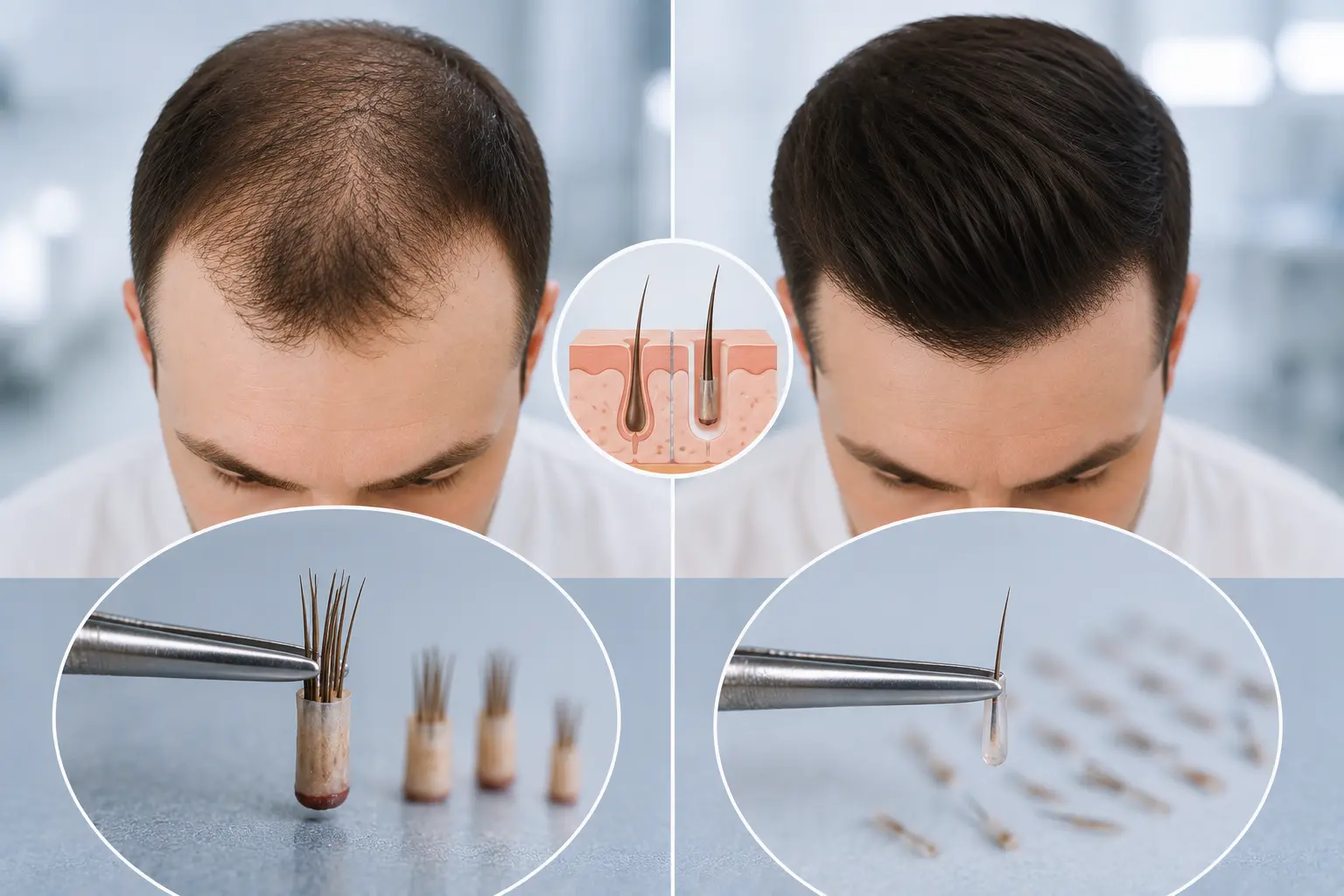
Hair plugs were one of the earlier methods used in surgical hair restoration. In those older procedures, surgeons transplanted larger round grafts from the donor area into balding regions of the scalp. Each graft could contain several hairs grouped together. At the time, this was an important step in the development of hair restoration, but by today’s standards it often created results that looked too dense in isolated spots and too empty between them.
The main problem with hair transplant plugs was the size and spacing of the grafts. Natural hair does not grow in thick, evenly spaced clumps. It grows in follicular units that usually contain a small number of hairs. When larger plugs were placed along the frontal hairline, the result could look harsh, dotted or unnatural. This is why many people associate old hair plugs with a “doll-like” appearance.
Hair plugs also had limitations in hairline design. A natural hairline is not a straight wall of hair. It has small irregularities, soft transitions, single-hair grafts at the front and a density pattern that changes from the hairline to the mid-scalp. Older plug techniques did not allow the same level of detail. They could create coverage, but not always natural movement or softness. The human scalp, tragically, refused to behave like a carpet.
Why the term “hair plugs” is still used today
Many people still use the phrase hair plugs when they actually mean modern hair transplants. This happens because the term became widely known years ago and never completely disappeared from public language. Someone may search for “hair plugs cost” or “hair transplant plugs” while looking for information about FUE or FUT. In everyday speech, the terms get mixed together.
Clinically, however, modern hair transplantation is very different. The focus is no longer on moving large plugs of hair. The goal is to redistribute natural follicular units from the donor area to thinning or bald areas in a way that matches the patient’s existing hair direction, density and future hair loss pattern.
Why old plug results can look unnatural
Old plug results can appear unnatural because the grafts were often too large, too widely spaced or placed with limited control over direction. The hairline could look abrupt, with strong clumps at the front. If surrounding native hair continued to fall out, the plugs could become even more visible over time.
This is an important lesson for modern patients. A hair transplant should not only solve today’s hair loss. It should also consider how the hair may change in the future. Poor long-term planning can make even a technically successful transplant look unbalanced later.
How Modern Hair Transplants Changed the Standard
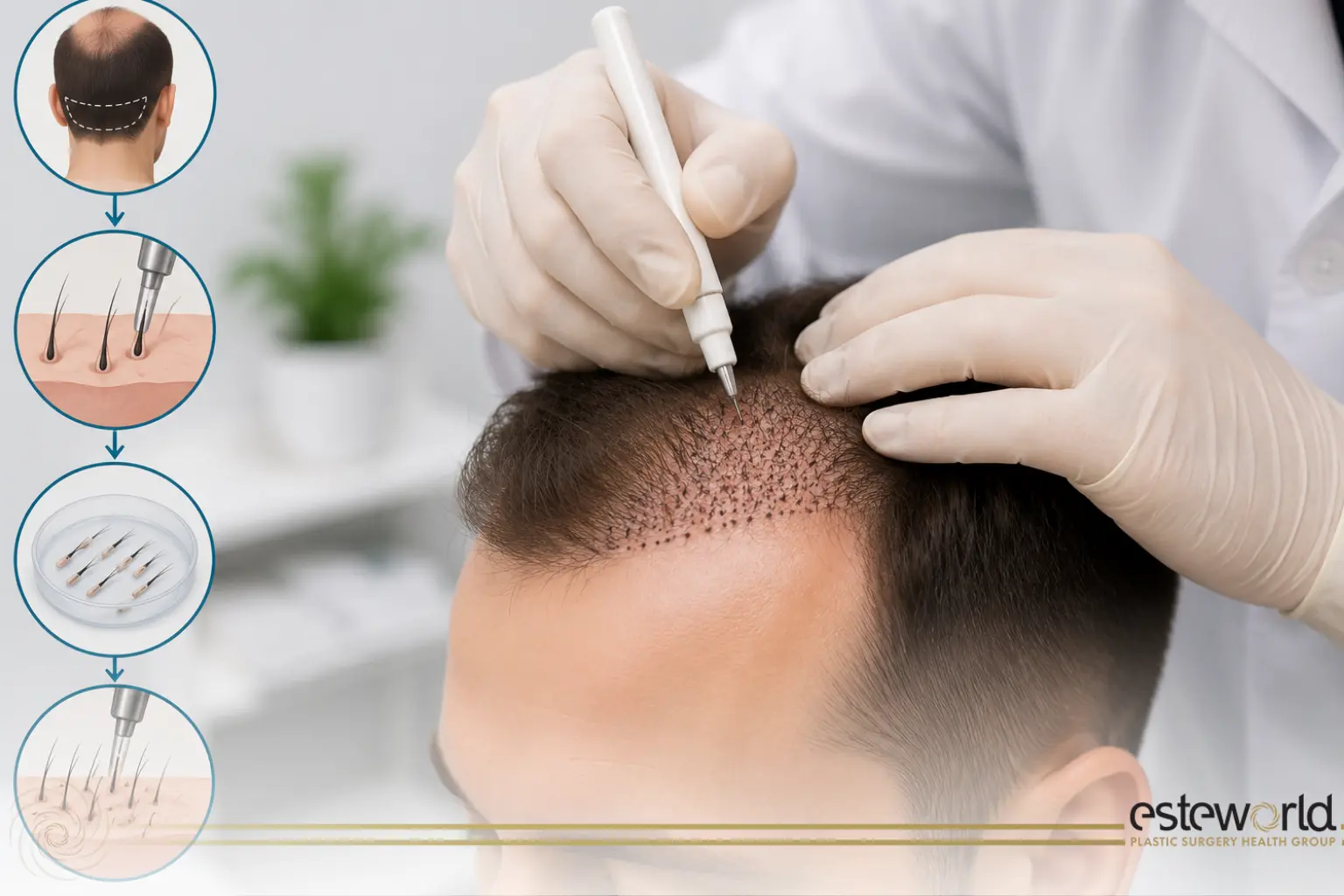
Modern hair transplants are built around follicular units. These are the natural groupings of hairs found in the scalp. Instead of using large plugs, surgeons now work with smaller grafts that can be placed more carefully. This allows the hairline to look softer and the overall density to blend better with existing hair.
The two main harvesting methods used today are FUT and FUE. In FUT hair transplant, a strip of tissue is removed from the donor area and dissected into follicular units under magnification. In FUE hair transplant, individual follicular units are removed directly from the donor area using small punch tools. Both methods can produce natural results when planned and performed correctly. The method itself is not magic. A bad plan with modern tools is still a bad plan, just with better equipment.
Modern techniques also pay more attention to the donor area. Donor hair is limited. A responsible surgeon plans how many grafts can be safely taken without creating visible thinning at the back or sides of the scalp. This matters especially for younger patients, people with advanced hair loss and anyone who may need another procedure later.
Follicular units and natural hairline design
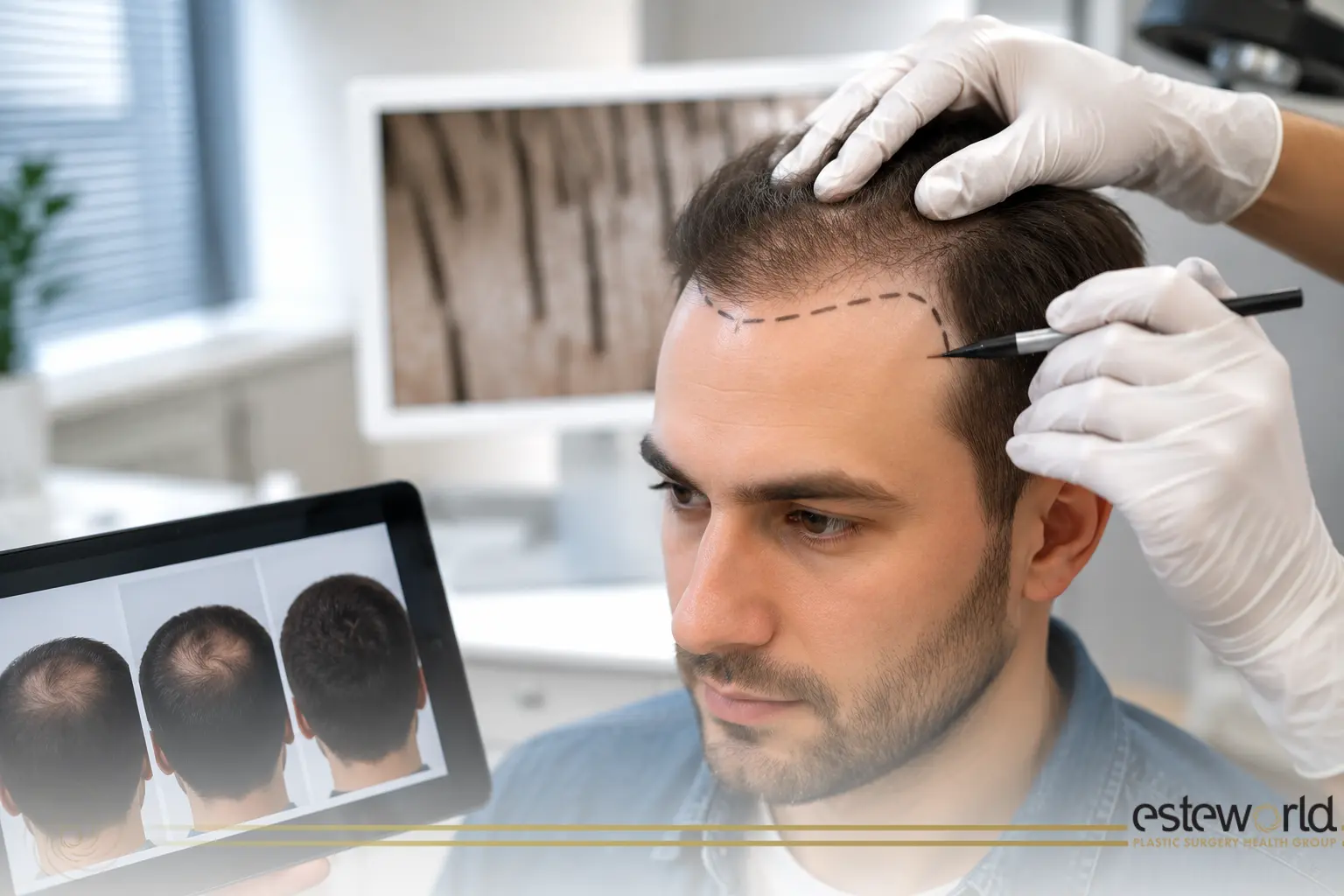
The biggest improvement in modern hair transplantation is the use of small follicular units. Single-hair grafts are often used at the very front of the hairline to create a natural transition. Two- and three-hair grafts may be placed behind them to build density. This layered approach makes the result look more realistic.
Hair direction is also critical. In the frontal area, hair usually exits the scalp at a low angle. If grafts are placed too upright, the result may look artificial. Modern hair transplant planning considers angle, direction, depth and distribution. These details are small, but they decide whether the result looks like natural hair or a medical souvenir.
FUE, FUT, Sapphire FUE and DHI
FUE and FUT describe how grafts are harvested. Sapphire FUE and DHI are often discussed as modern variations related to channel creation or implantation technique. Sapphire FUE uses sapphire blades for creating recipient channels, while DHI uses implanter pens to place grafts. Each method may have advantages in suitable cases, but none of them is automatically the best for every patient.
The right technique depends on donor density, hair type, scalp condition, number of grafts needed, hairline goals and the patient’s future hair loss risk. A wide area of baldness may require a different plan than a small hairline correction. This is why choosing a technique from social media alone is not a strategy. It is more of a digital coin toss with follicles.
Hair Plugs vs Modern Hair Transplants: Main Differences
The difference between hair plugs and modern hair transplants is not only technical. It affects appearance, recovery, scarring, donor area use and long-term satisfaction. Hair plugs aimed to move visible amounts of hair into bald areas. Modern hair restoration aims to recreate the way hair naturally grows.
The contrast becomes especially clear in the hairline. Old plugs could create a sudden line of thick grafts. Modern transplants use smaller grafts to create soft irregularity. This is why people who had older plug procedures may seek repair surgery today. They often want the pluggy appearance softened, the hairline rebuilt or the density redistributed.
Key differences include:
- Hair plugs used larger grafts, while modern hair transplants use smaller follicular units.
- Hair plugs often created a clumped appearance, while modern techniques aim for softer density.
- Older methods offered less control over hairline detail, angle and direction.
- Modern planning considers future hair loss and donor area preservation.
- Repair options are now available for some patients with old plug results.
These differences explain why the phrase hair plugs can sound negative today. The problem is not hair transplantation itself. The problem was the limitation of older techniques and, sometimes, poor aesthetic planning.
Comparison table
| Feature | Hair Plugs | Modern Hair Transplants |
| Graft size | Larger grafts with multiple hairs | Natural follicular units |
| Hairline appearance | Often abrupt or plug-like | Softer and more irregular |
| Density planning | Less refined | Planned by zone and graft type |
| Hair direction | Limited control | Carefully angled and positioned |
| Donor area | Larger punch marks or older scarring patterns | FUE tiny dot scars or FUT linear scar |
| Result expectation | Coverage, but often less natural | Natural-looking restoration when well planned |
| Long-term planning | Often limited | Future hair loss is considered |
A modern hair transplant can still look unnatural if it is poorly planned. This is why patients should avoid judging clinics only by graft numbers or low prices. Natural results depend on design, surgical skill, donor management and realistic expectations.
Can Old Hair Plugs Be Repaired?
Many patients who had hair plugs years ago now want repair procedures. In some cases, old plug grafts can be removed, redistributed, camouflaged or softened with modern follicular unit grafting. The exact approach depends on the patient’s scalp, donor supply, plug size, scarring, hair loss progression and expectations.
Repair surgery is usually more complex than a first-time modern hair transplant. The surgeon must work around existing grafts, scar tissue and limited donor reserves. Sometimes the goal is not perfection, but a more natural and balanced appearance. This needs honest planning. Promising to erase every sign of old surgery is rarely responsible.
Common repair strategies
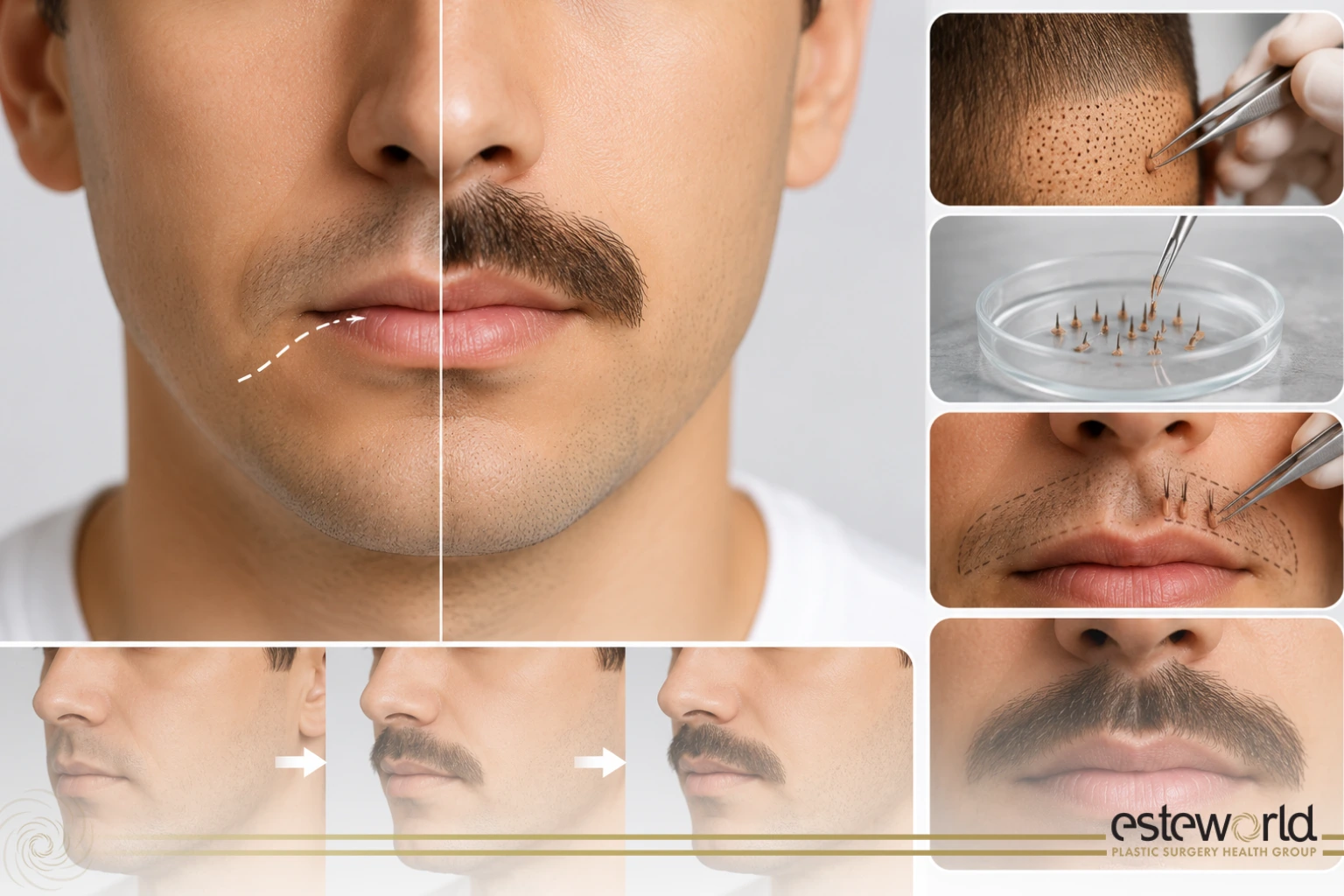
Repair may involve placing smaller grafts around old plugs to soften the transition. In other cases, some plug grafts may be removed or divided into smaller units. The frontal hairline may need to be redesigned. If the donor area has been overused in the past, beard or body hair may be discussed in selected cases, although this requires careful judgement.
Patients should also understand that repair may take more than one session. Old plug surgery can leave visible gaps, scarring or unnatural angles. Modern techniques can improve many cases, but the final result depends on what tissue and donor supply remain available.
When repair may not be suitable
Repair is not always possible or advisable. If the donor area is too depleted, scarring is severe or expectations are unrealistic, the surgeon may recommend a conservative plan or alternative options. Medical therapy, scalp micropigmentation or hairstyle changes may sometimes help support the overall look.
The key is a detailed assessment. A patient who has old hair plugs should not be rushed into another surgery. The existing graft pattern, scalp condition and future hair loss must be studied carefully. Otherwise, yesterday’s plug problem becomes tomorrow’s repair problem, which is a very human way to build sequels nobody asked for.
Results, Recovery and Choosing the Right Clinic
Modern hair transplant results develop gradually. Patients often see shedding between the first few weeks after surgery, followed by slow regrowth. Visible improvement commonly appears after several months, while the final result is usually assessed around 12 months. Crown areas can sometimes take longer to mature than the frontal hairline.
Recovery depends on the technique and size of the procedure. FUE usually leaves small dot-like scars in the donor area. FUT leaves a linear scar, which can often be hidden by surrounding hair when performed well. Both methods require aftercare, gentle washing, protection from trauma and follow-up. A hair transplant is not finished when the patient leaves the clinic. That would be convenient, so naturally biology refuses.
How to choose a modern hair transplant clinic
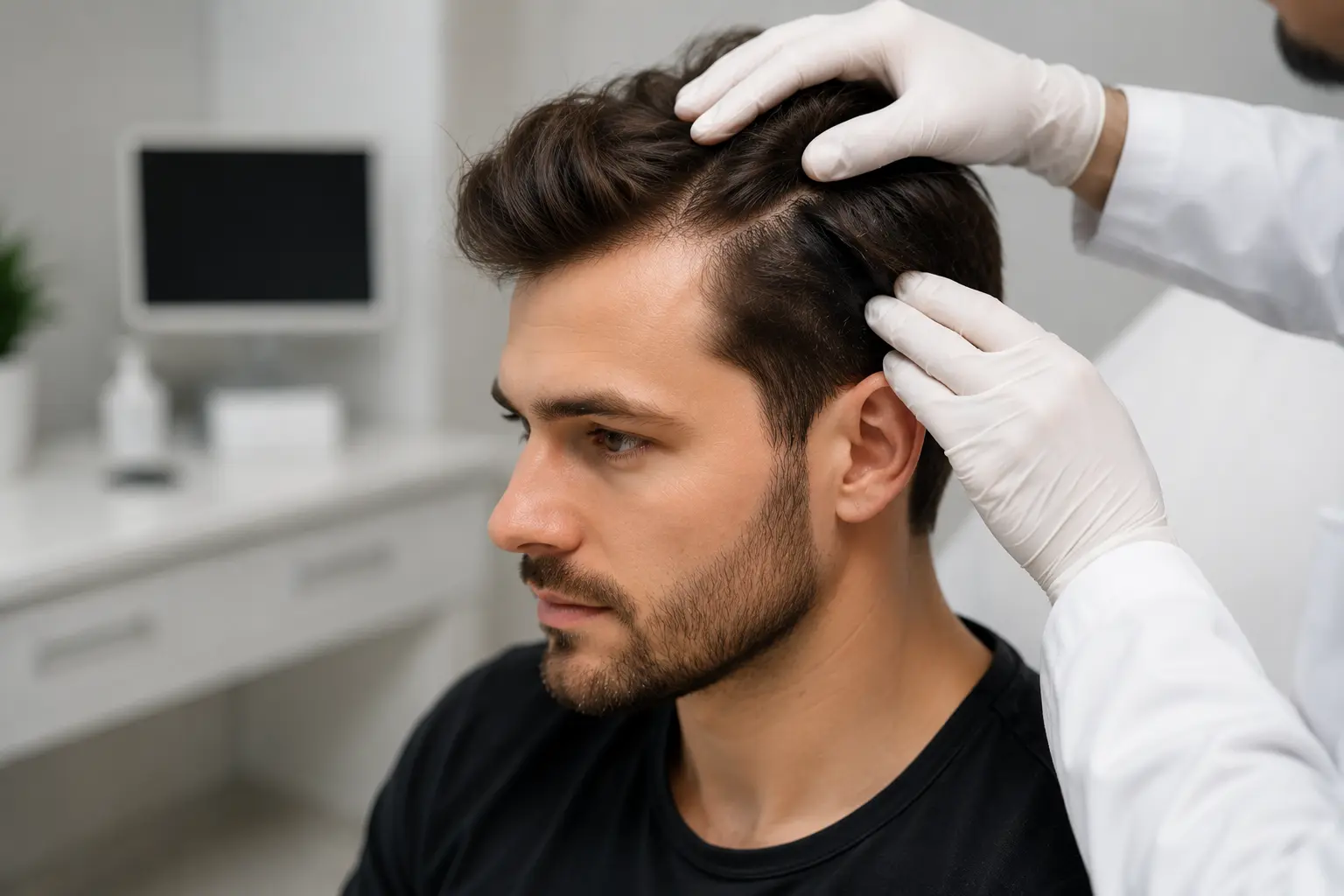
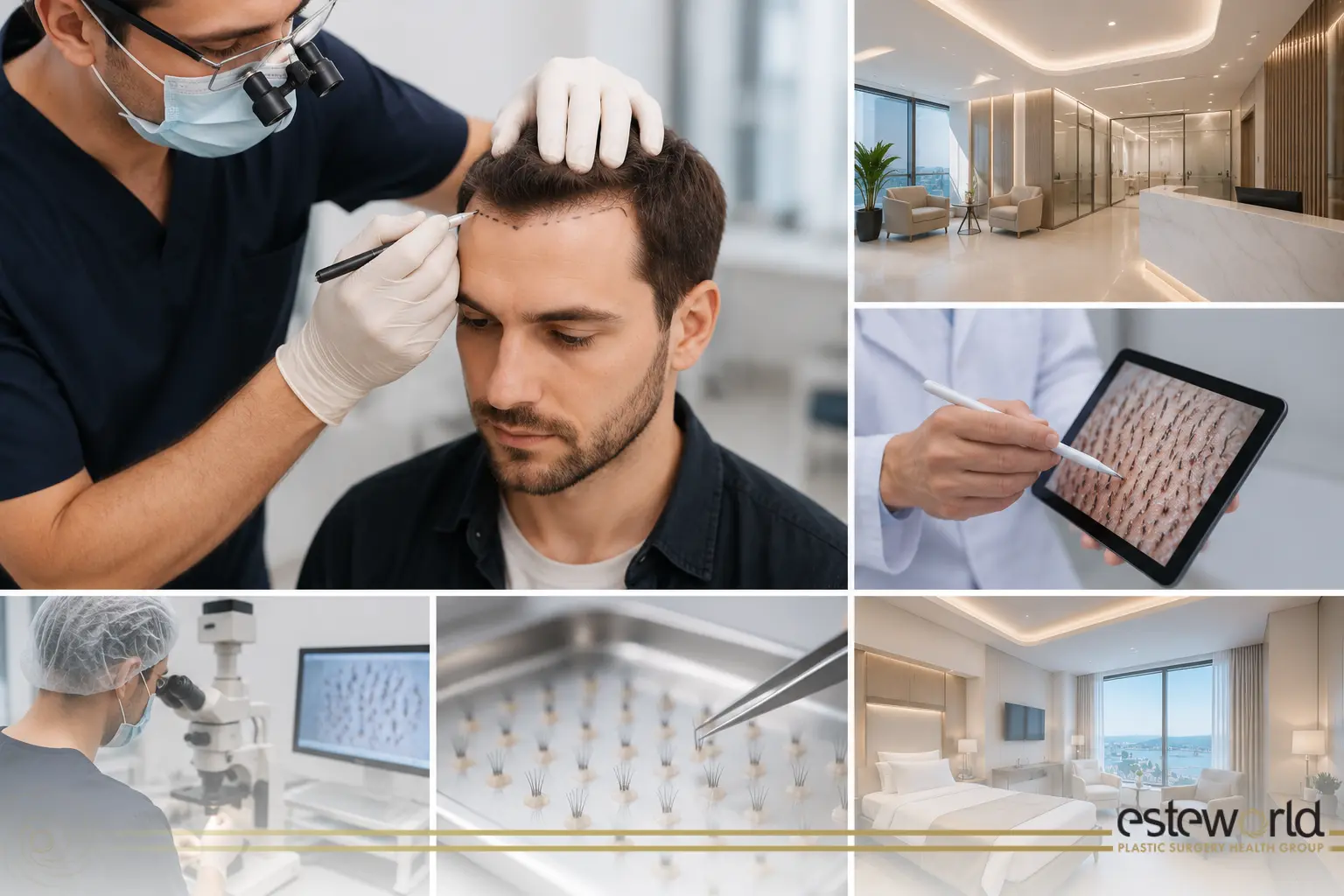
A trustworthy clinic should provide a proper medical consultation, explain donor capacity, discuss future hair loss and avoid unrealistic density promises. The surgeon or qualified medical team should be clearly involved in planning. Patients should understand who designs the hairline, who extracts the grafts, who places them and how the result will be followed over time.
Before choosing a clinic, patients should check:
- Medical qualifications, clinic authorisation and surgeon experience in hair restoration.
- Real before-and-after photos taken under consistent lighting and angles.
- A clear graft plan based on donor area, hair type and long-term hair loss risk.
- Honest information about risks, recovery, scarring, shedding and expected timeline.
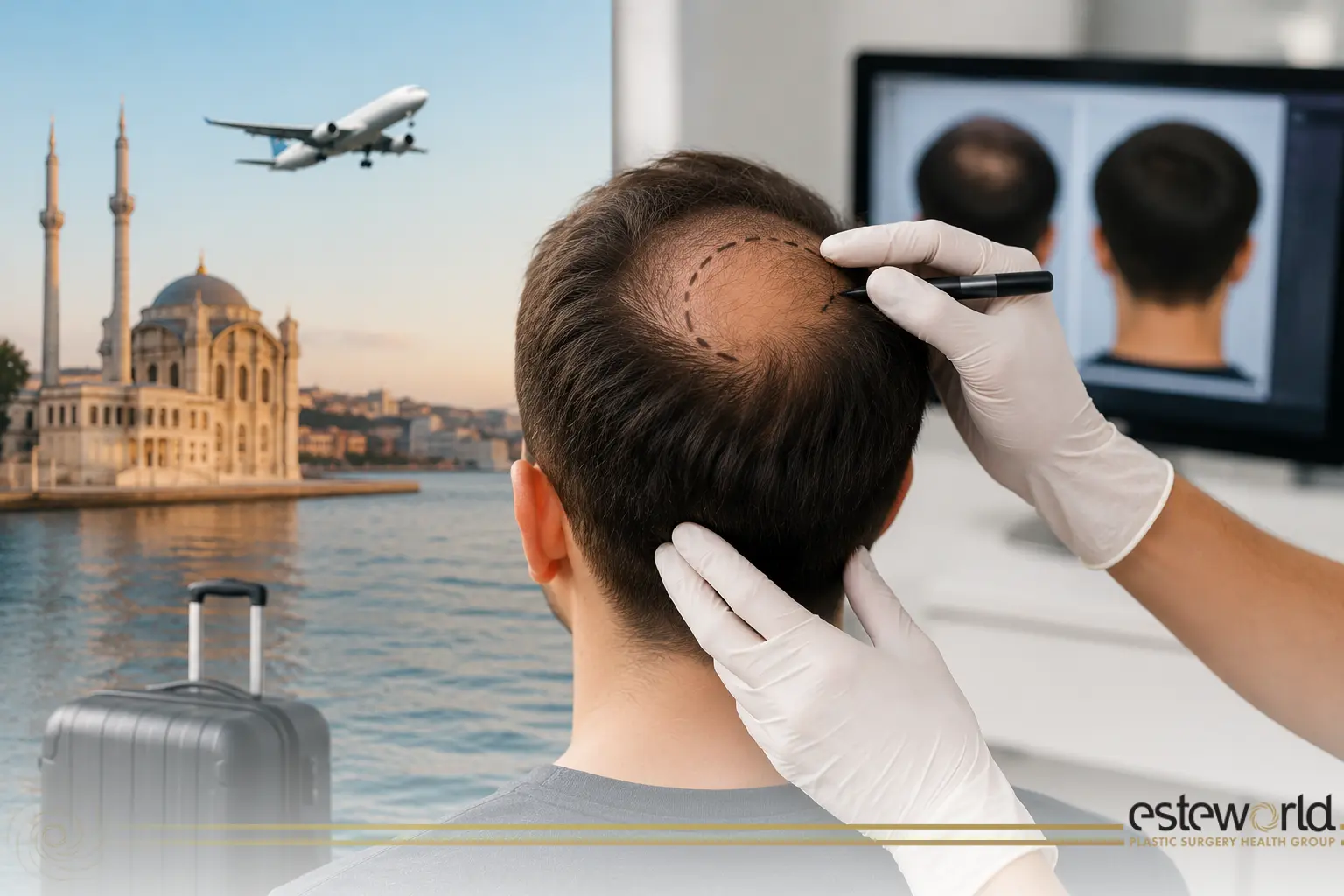
- Follow-up support after the procedure, especially for international patients.
Low-cost offers may be tempting, but price should not be the only factor. Hair transplant surgery changes the frame of the face. A poor hairline is not easy to hide, and repair can be more difficult than doing the first procedure properly.
Hair plugs and modern hair transplants belong to different eras of hair restoration. Hair plugs used larger grafts and often created an artificial, clumped look. Modern hair transplants use follicular units, refined hairline design, better donor management and more natural placement. The difference is not just cosmetic. It is about planning, precision and long-term thinking.
Patients researching hair plugs vs modern hair transplants should focus on suitability, not trends. FUE, FUT, Sapphire FUE and DHI can all be effective in the right hands, but no technique replaces proper diagnosis and surgical judgement. A natural result comes from matching the method to the patient, preserving donor hair and designing a hairline that still looks believable years later.
Anyone considering hair restoration should request a personalised consultation, review realistic before-and-after cases and ask how the clinic plans for future hair loss. Modern hair transplantation can achieve natural results, but only when it is treated as a medical procedure rather than a quick cosmetic purchase.
For detailed information about our hair transplant techniques or to schedule a free preliminary consultation appointment, please contact us.