
Hair thinning and hair loss remain among the most common aesthetic concerns for both men and women. As interest in non-surgical hair restoration continues to grow, PRP hair treatment has become one of the most researched procedures worldwide. PRP, short for Platelet-Rich Plasma, uses components derived from the patient’s own blood and applies them to the scalp through a carefully planned treatment process.
Many people considering PRP for hair loss have similar questions: How much does it cost? How many sessions are needed? When do results become visible? What is the recovery process like? This guide answers these questions while providing an up-to-date overview of PRP hair treatment in 2026, helping readers make informed decisions about their hair restoration journey.
What is PRP hair treatment? PRP hair treatment is a non-surgical procedure that uses platelet-rich plasma obtained from the patient’s own blood. The plasma is injected into targeted areas of the scalp to support hair health and help improve the appearance of thinning hair. Treatment costs, recovery time, and results vary depending on individual factors and treatment plans.
What Is PRP Hair Treatment?
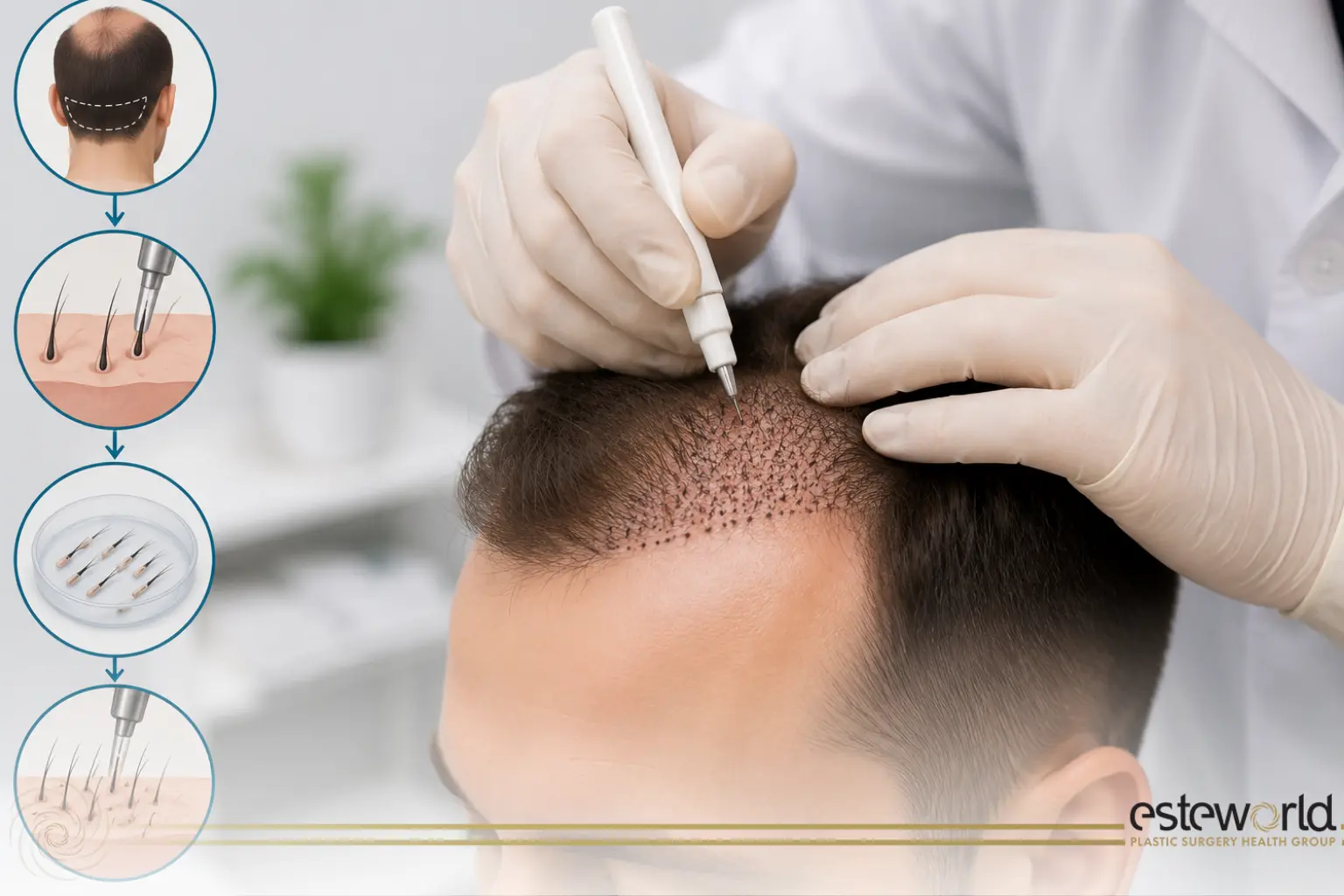
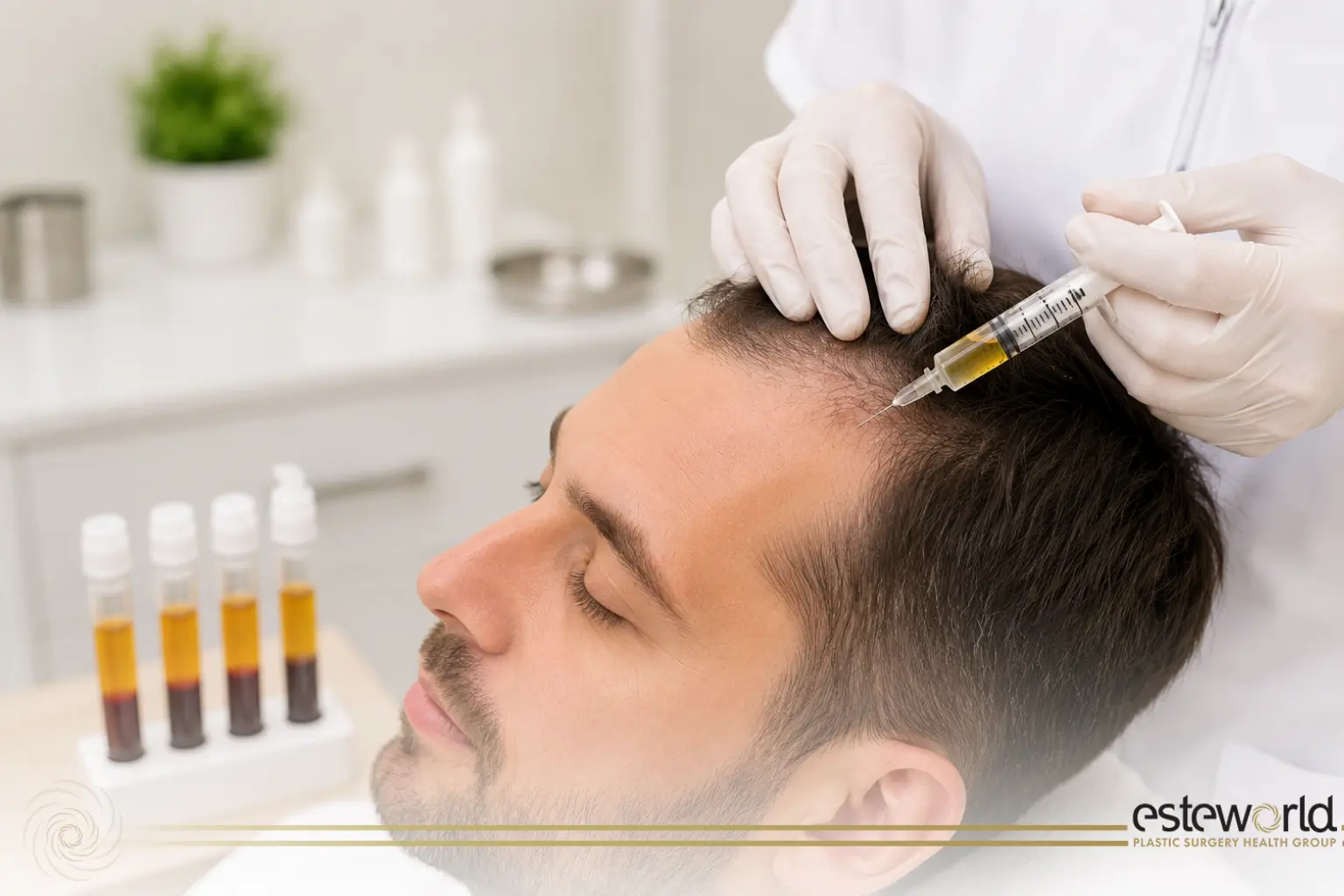
PRP hair treatment is a regenerative procedure that has gained popularity within the field of hair restoration. The treatment involves collecting a small blood sample from the patient, processing it in a centrifuge, and isolating platelet-rich plasma before applying it to specific areas of the scalp.
Platelets naturally contain growth factors that play a role in tissue repair and regeneration. In hair restoration applications, these growth factors are delivered directly to targeted scalp areas as part of a personalised treatment protocol.
One reason for the growing popularity of PRP for hair loss is that it does not require surgery. Many individuals seeking support for hair thinning prefer minimally invasive procedures with limited downtime.
How Does PRP Work for Hair Loss?
Although every individual responds differently, PRP treatment is generally designed to support the scalp environment and existing hair follicles. The goal is not to create instant changes but to encourage gradual improvements over time.
Patients often choose PRP hair treatment during the early stages of hair thinning, although it may also be incorporated into broader hair restoration programmes.
Why Has PRP Become So Popular?
Modern patients increasingly seek treatments that fit into busy lifestyles. Because PRP is typically performed in an outpatient setting and involves minimal recovery time, it appeals to people looking for alternatives to more invasive procedures.
The treatment is frequently discussed alongside options such as hair transplantation, mesotherapy, exosome therapy, and medical hair loss management programmes.
Who Is a Suitable Candidate for PRP Hair Treatment?
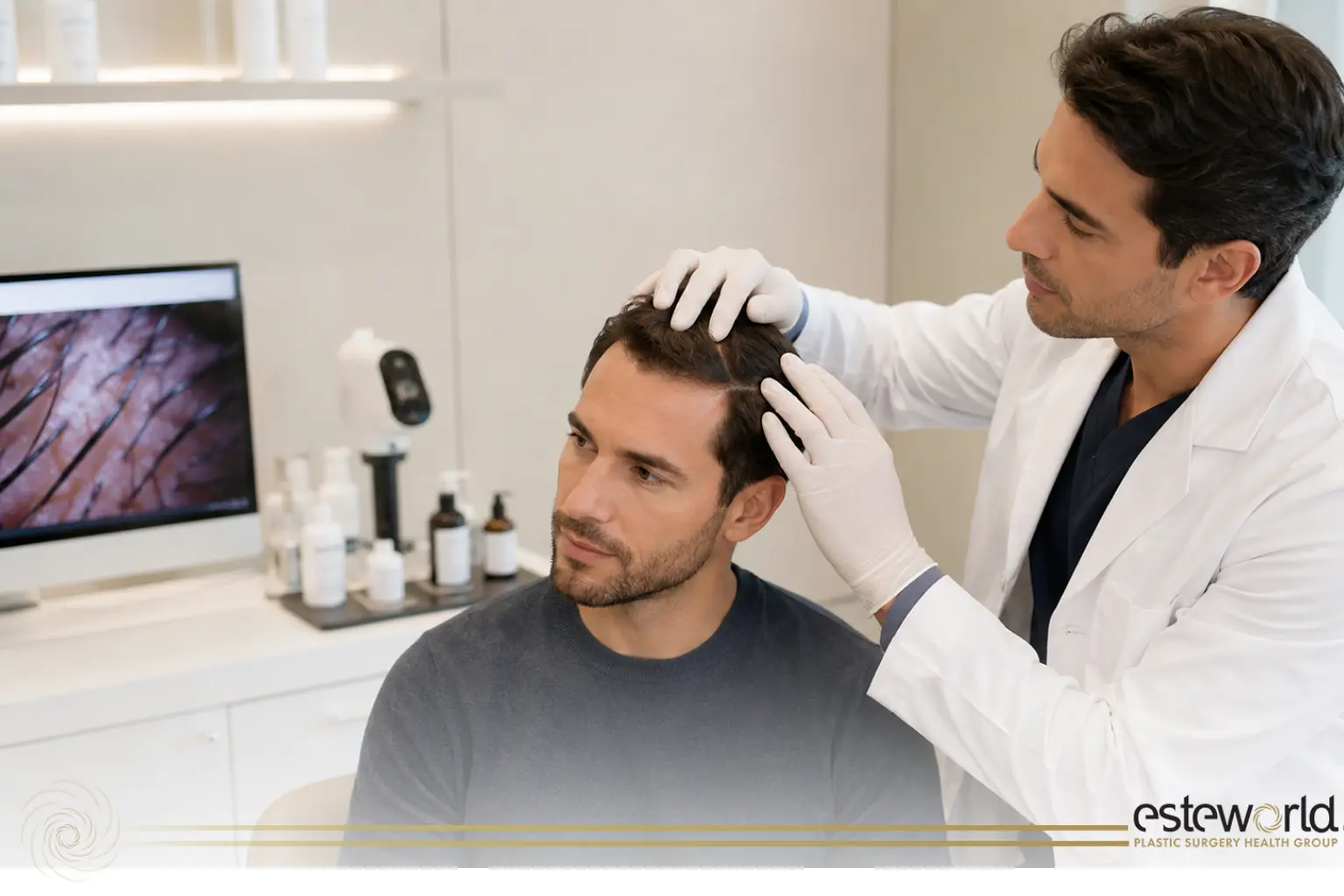
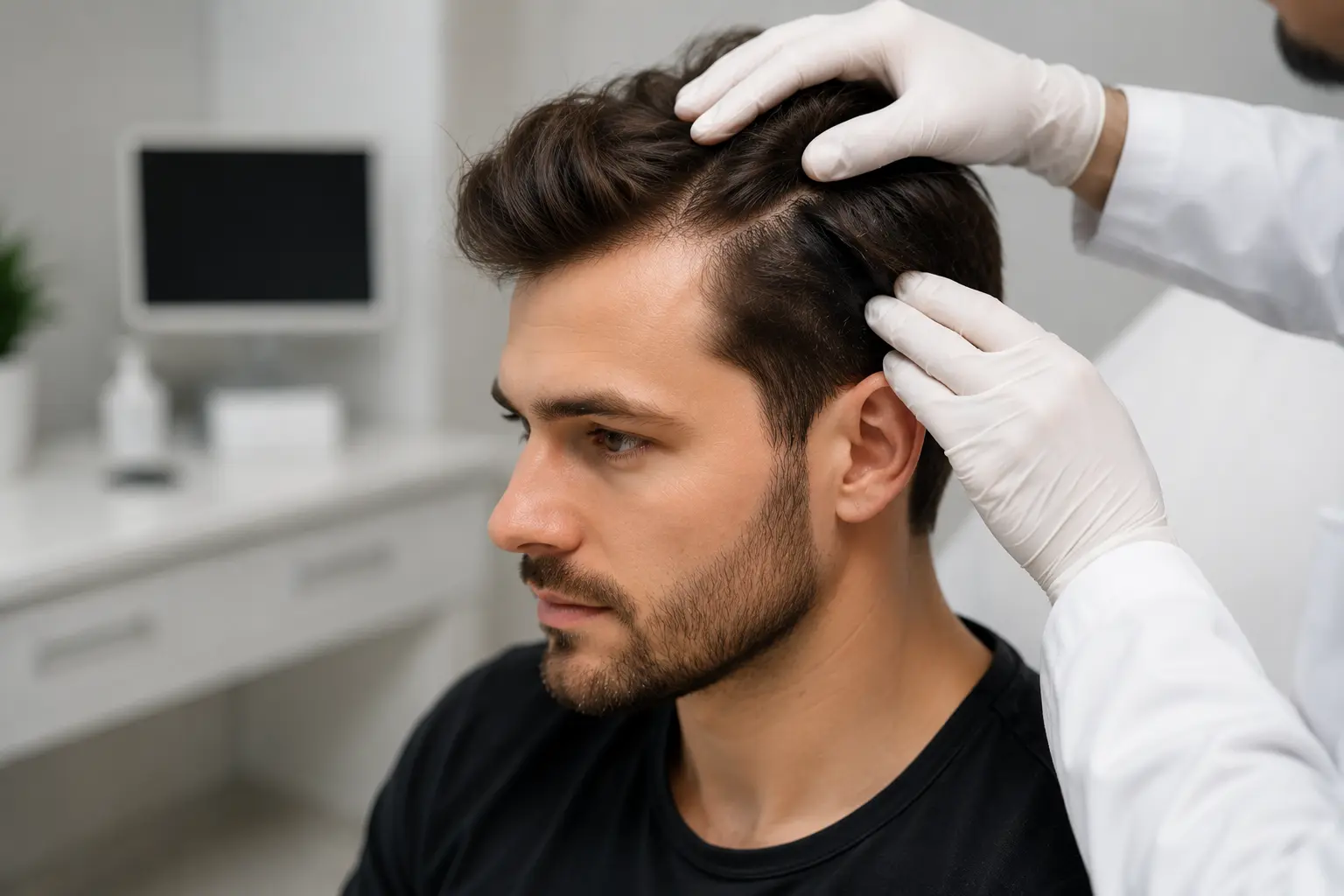
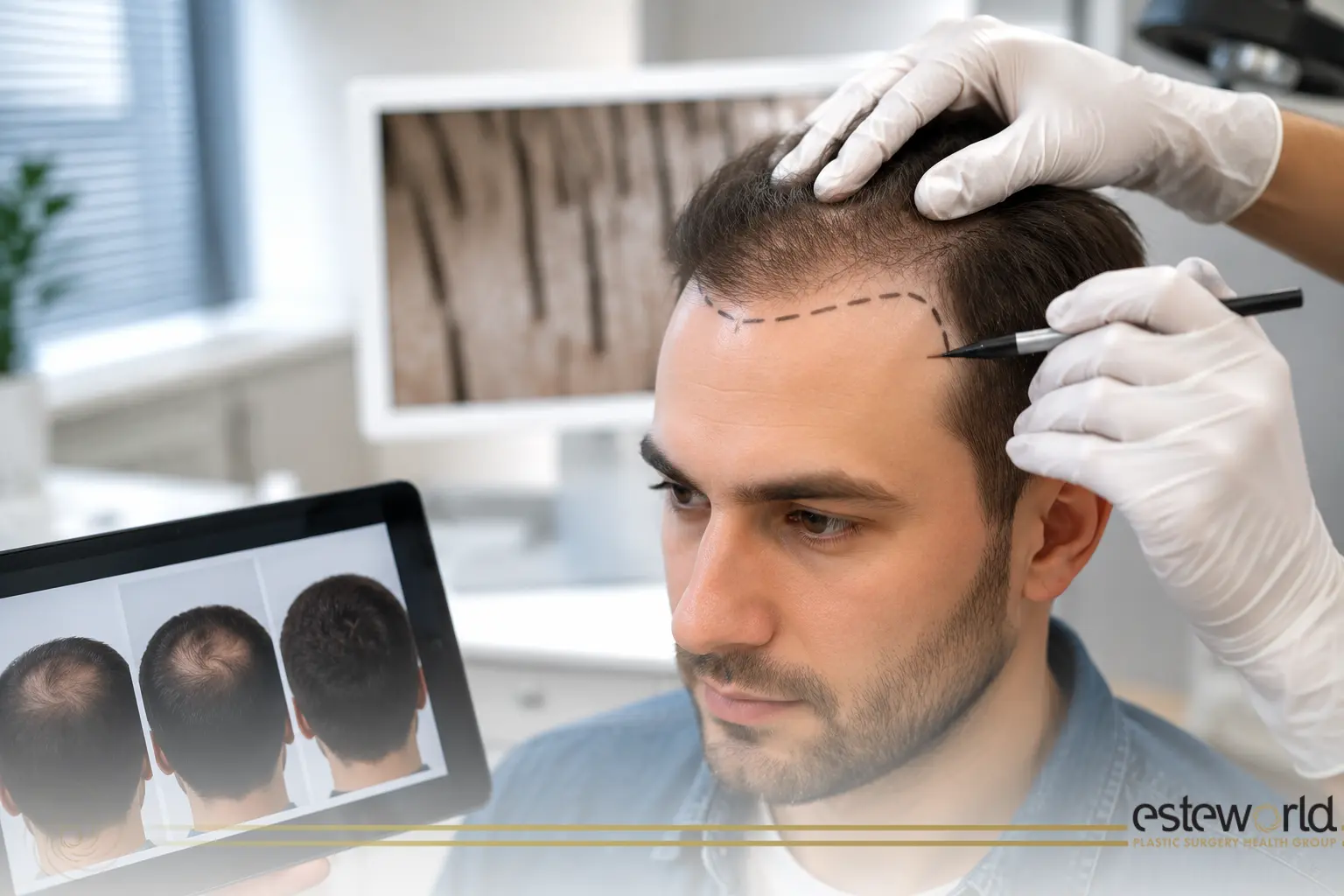
Not everyone experiencing hair loss has the same underlying cause. This is why a professional assessment is essential before considering any treatment plan.
PRP may be evaluated for individuals experiencing various forms of hair thinning. It is commonly discussed in cases where hair follicles are still active and producing hair, even if the strands have become thinner over time.
Common Reasons People Consider PRP
- Early-stage hair thinning
- Reduced hair density
- Diffuse hair shedding
- Seasonal hair loss
- Supportive treatment after hair transplantation
- Hair weakening related to ageing
A detailed scalp analysis helps determine whether PRP hair treatment is an appropriate option for a particular individual.
The PRP Hair Treatment Procedure Step by Step
One of the most common concerns patients have relates to the treatment experience itself. Understanding the procedure often helps reduce anxiety and creates more realistic expectations.
The process begins with a blood draw, similar to a standard blood test. The sample is then processed in a centrifuge to separate the platelet-rich plasma from other blood components.
Once prepared, the plasma is carefully applied to targeted areas of the scalp through a series of injections.
How Long Does a Session Take?
Most PRP sessions are completed within a relatively short timeframe. The exact duration depends on the treatment area and individual treatment protocol.
Patients are generally able to return to normal daily activities shortly after their appointment.
Is PRP Hair Treatment Painful?
Discomfort levels vary between individuals. Some people describe the procedure as mildly uncomfortable, while others report minimal sensation. Modern treatment protocols often prioritise patient comfort throughout the process.
PRP Hair Treatment Cost in 2026
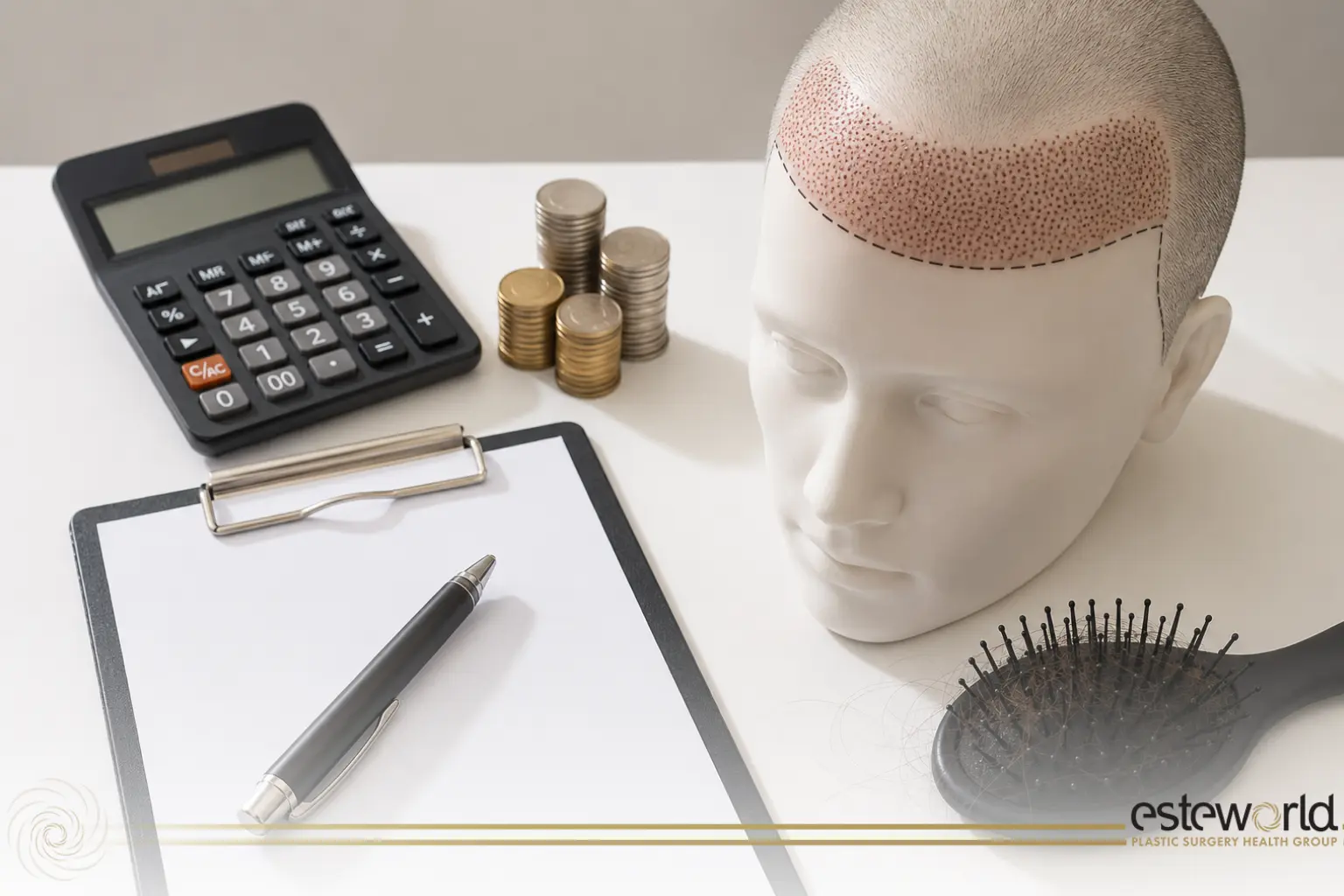
One of the most searched topics related to PRP hair treatment is cost. However, there is no universal price because treatment plans vary significantly between patients.
Several factors influence the overall cost of treatment, including the clinic’s experience, geographic location, number of sessions required, and whether PRP is combined with other procedures.
Factors Affecting PRP Hair Treatment Cost
| Cost Factor | Impact on Pricing |
| Number of sessions | High |
| Clinic expertise | Medium to High |
| Geographic location | High |
| Combination treatments | Medium |
| Technology and equipment | Medium |
| Treatment area size | Medium |
Patients researching PRP hair treatment cost should focus on treatment quality and personalised planning rather than comparing prices alone.
Why Do Prices Differ Between Clinics?
Different clinics may use different PRP preparation systems, treatment protocols, and consultation processes. These variations contribute to differences in overall pricing.
A comprehensive evaluation often provides a more accurate understanding of treatment requirements than advertised starting prices.
Recovery Process After PRP Hair Treatment
One advantage frequently associated with PRP for hair loss is the relatively short recovery period. Most patients resume normal activities quickly after treatment.
However, minor temporary effects can occur as part of the normal recovery process.
What to Expect Immediately After Treatment?
Patients may notice mild redness, tenderness, or slight sensitivity in the treated area. These effects are typically temporary and often resolve within a short period.
The scalp may feel slightly different for a day or two following treatment, but significant downtime is generally uncommon.
Recovery Timeline Overview
| Recovery Stage | Typical Experience |
| First 24 Hours | Mild sensitivity or redness |
| Days 2-3 | Symptoms usually improve |
| First Week | Scalp returns to normal appearance |
| Following Weeks | Gradual treatment progression |
| Following Months | Potential visible changes develop |
Every individual heals differently, so recovery experiences can vary.
When Can You Expect PRP Hair Treatment Results?
Patience is important when evaluating PRP hair treatment results. Hair growth occurs in cycles, which means changes are rarely immediate.
Some patients begin noticing improvements in hair appearance after several months, while others require a longer observation period. Treatment outcomes depend on many variables, including age, genetics, overall health, and the severity of hair thinning.
Factors That Influence Results
The effectiveness of PRP for hair loss can be influenced by several factors:
- Individual hair loss pattern
- Hair follicle condition
- Age and overall health
- Consistency of treatment sessions
- Lifestyle habits
- Smoking status
- Scalp health
Because every patient is different, realistic expectations are essential throughout the treatment process.
How Long Do Results Last?
The longevity of results varies from person to person. Some individuals may benefit from maintenance sessions as part of their long-term hair care strategy.
Regular follow-up appointments help practitioners monitor progress and recommend future treatment plans when necessary.
PRP Hair Treatment vs Other Hair Restoration Options
PRP is often compared with other non-surgical and surgical hair restoration methods. Each option offers different advantages depending on the individual’s goals and hair loss pattern.
Comparing Popular Hair Restoration Treatments
| Treatment | Surgical | Recovery Time | Purpose |
| PRP Hair Treatment | No | Minimal | Hair support |
| Hair Transplant | Yes | Longer | Hair restoration |
| Mesotherapy | No | Minimal | Scalp nourishment |
| Exosome Therapy | No | Minimal | Regenerative support |
| Medical Treatments | No | Ongoing | Hair loss management |
No single treatment is ideal for everyone. The best approach depends on a personalised assessment and treatment plan.
PRP hair treatment continues to be one of the most discussed non-surgical hair restoration procedures in 2026. Its ability to fit into a busy lifestyle, combined with a relatively short recovery period, makes it an attractive option for many individuals experiencing hair thinning.
However, treatment outcomes vary from person to person. Factors such as scalp condition, hair follicle activity, genetics, and overall health all play important roles in determining results.
For those considering PRP for hair loss, the most important step is obtaining a professional assessment and personalised treatment plan. Understanding the procedure, recovery process, expected outcomes, and treatment costs can help individuals make more informed decisions about their hair restoration journey.
To learn more about PRP hair treatment or to schedule a free hair analysis consultation, contact our experienced patient consultants today.