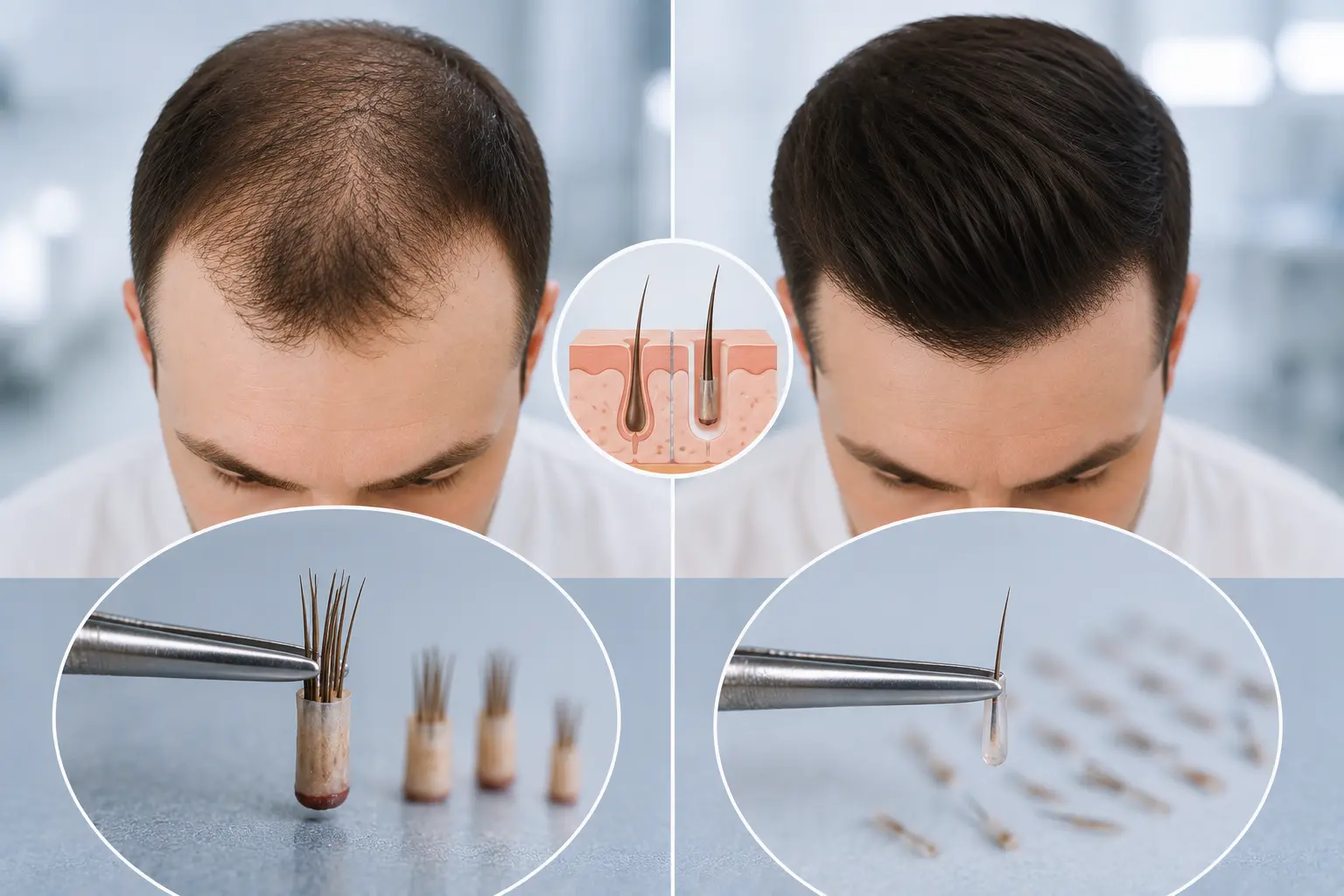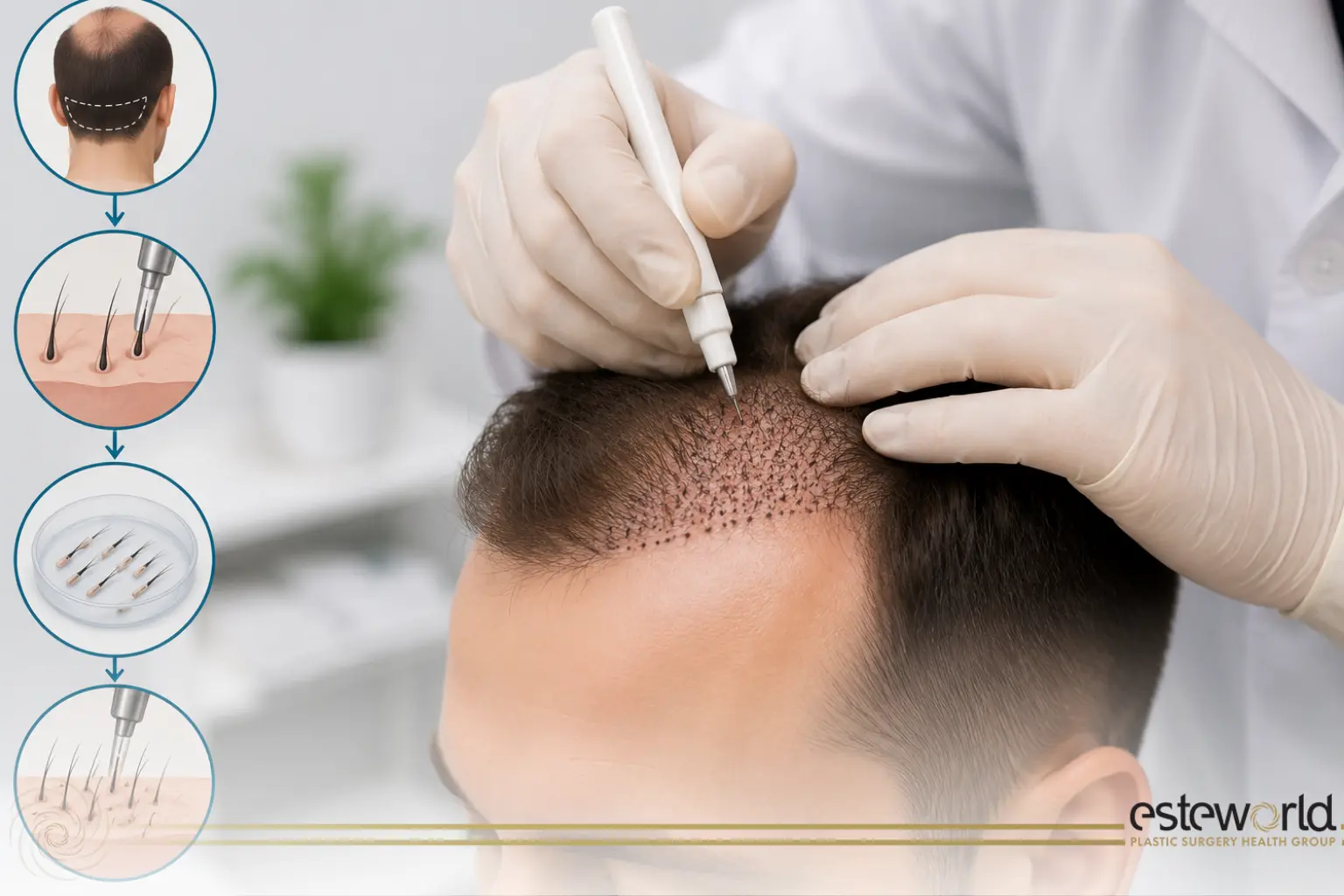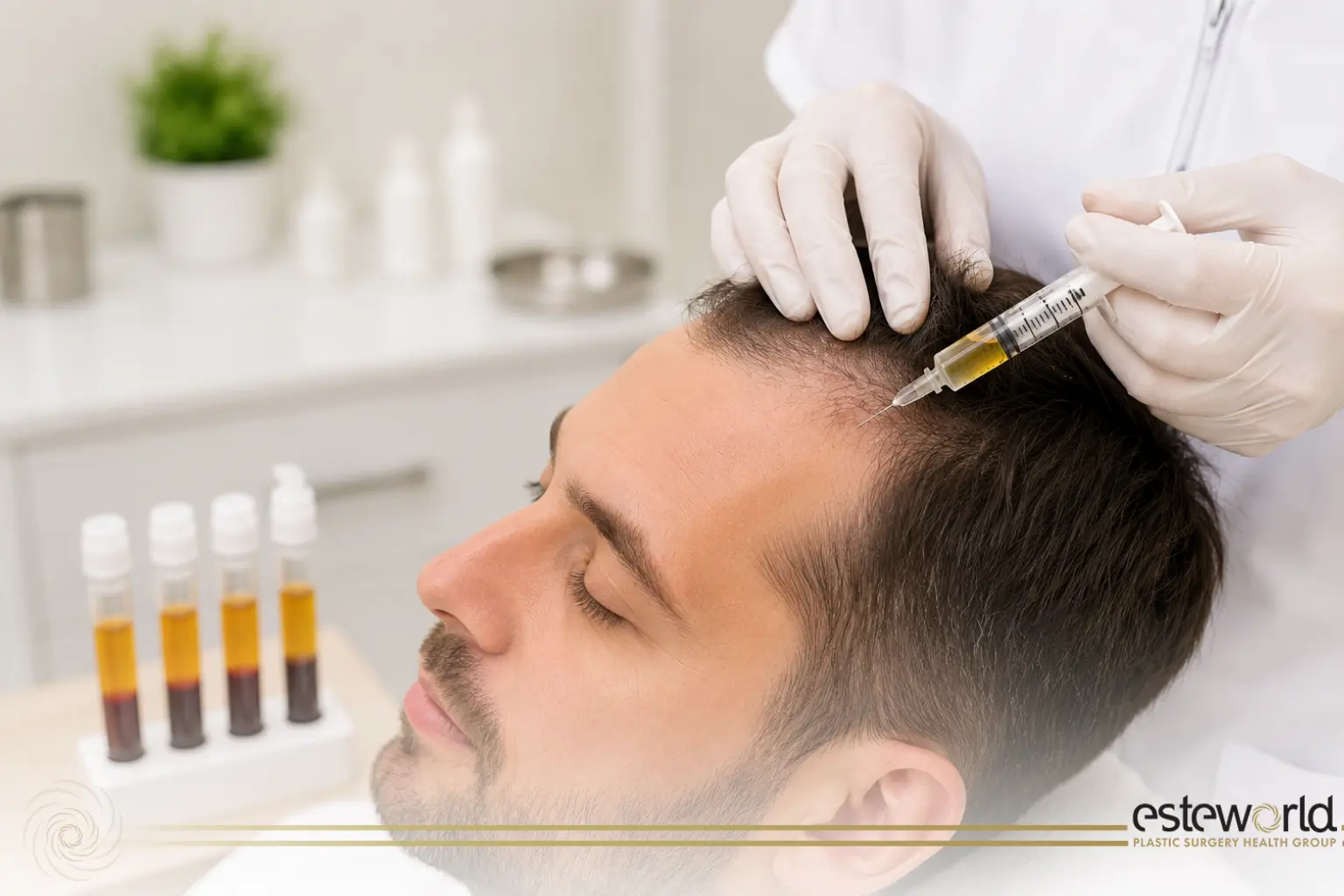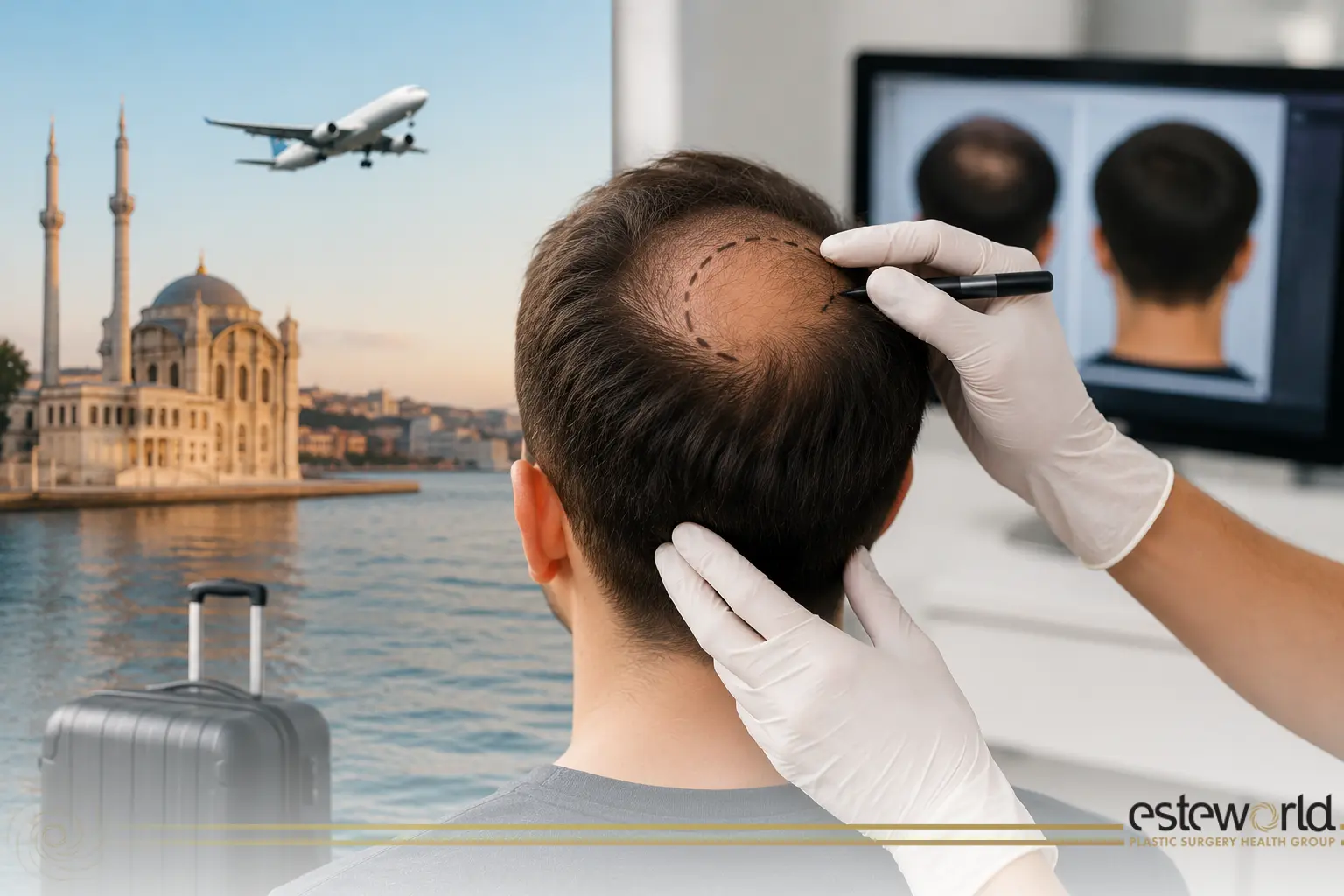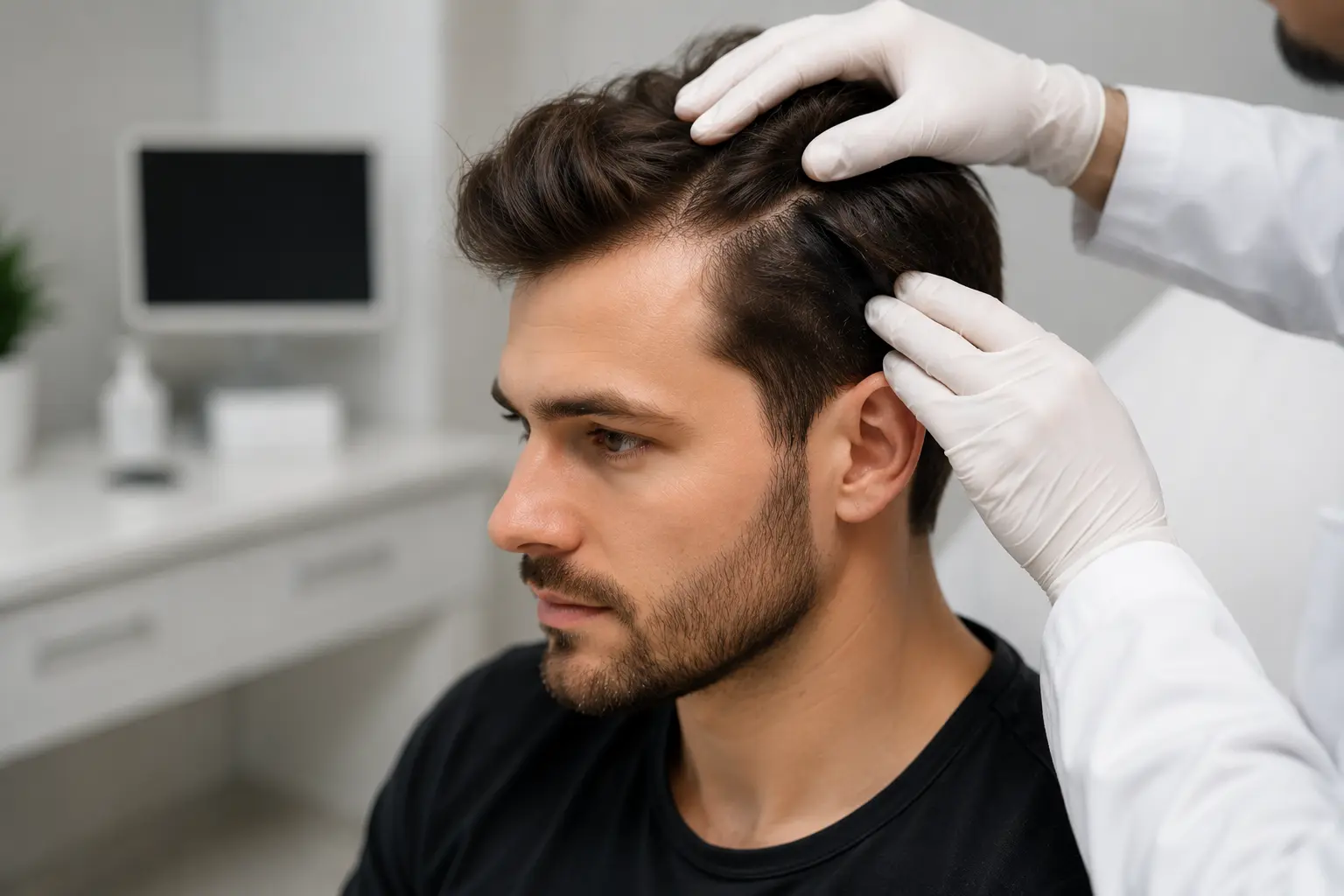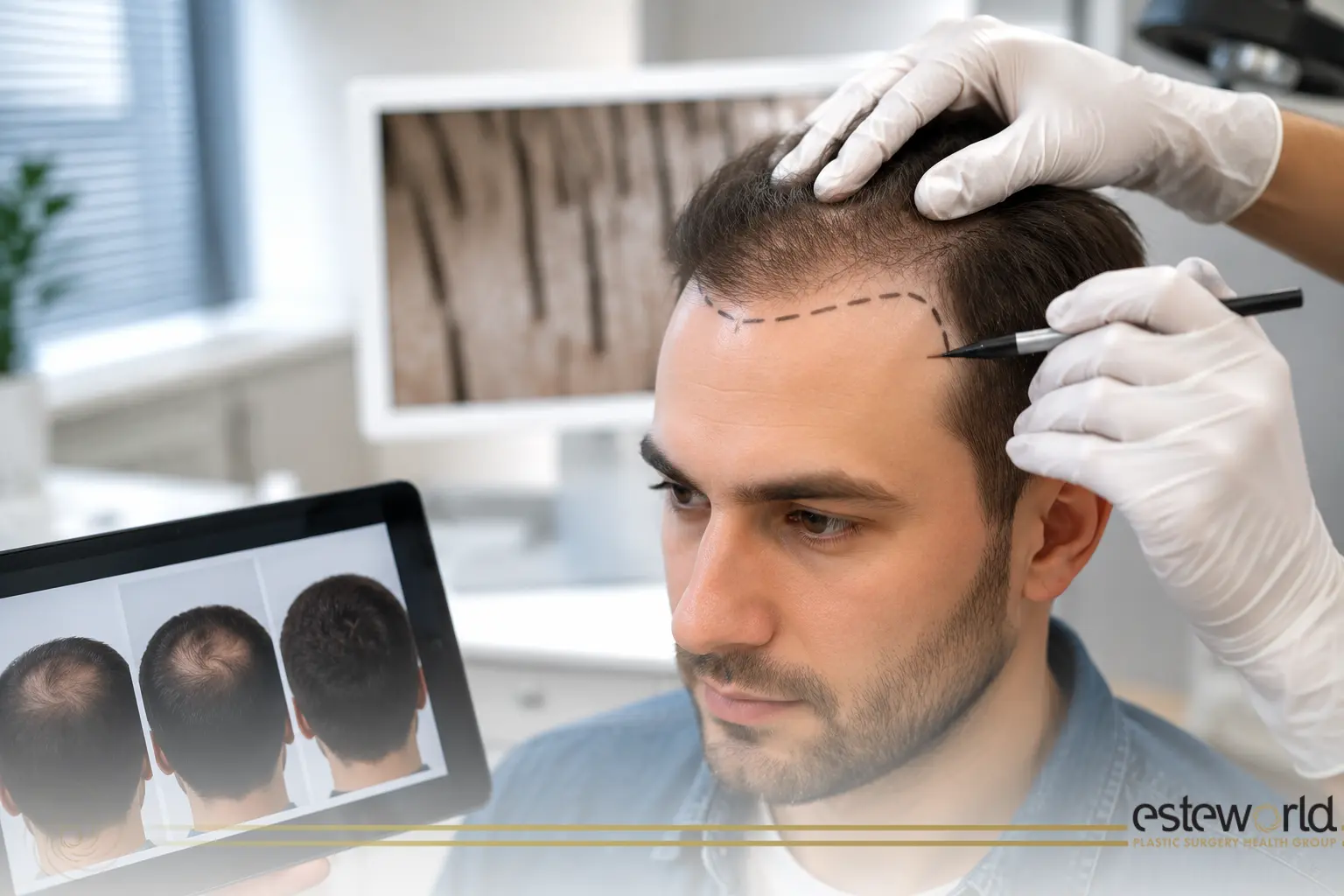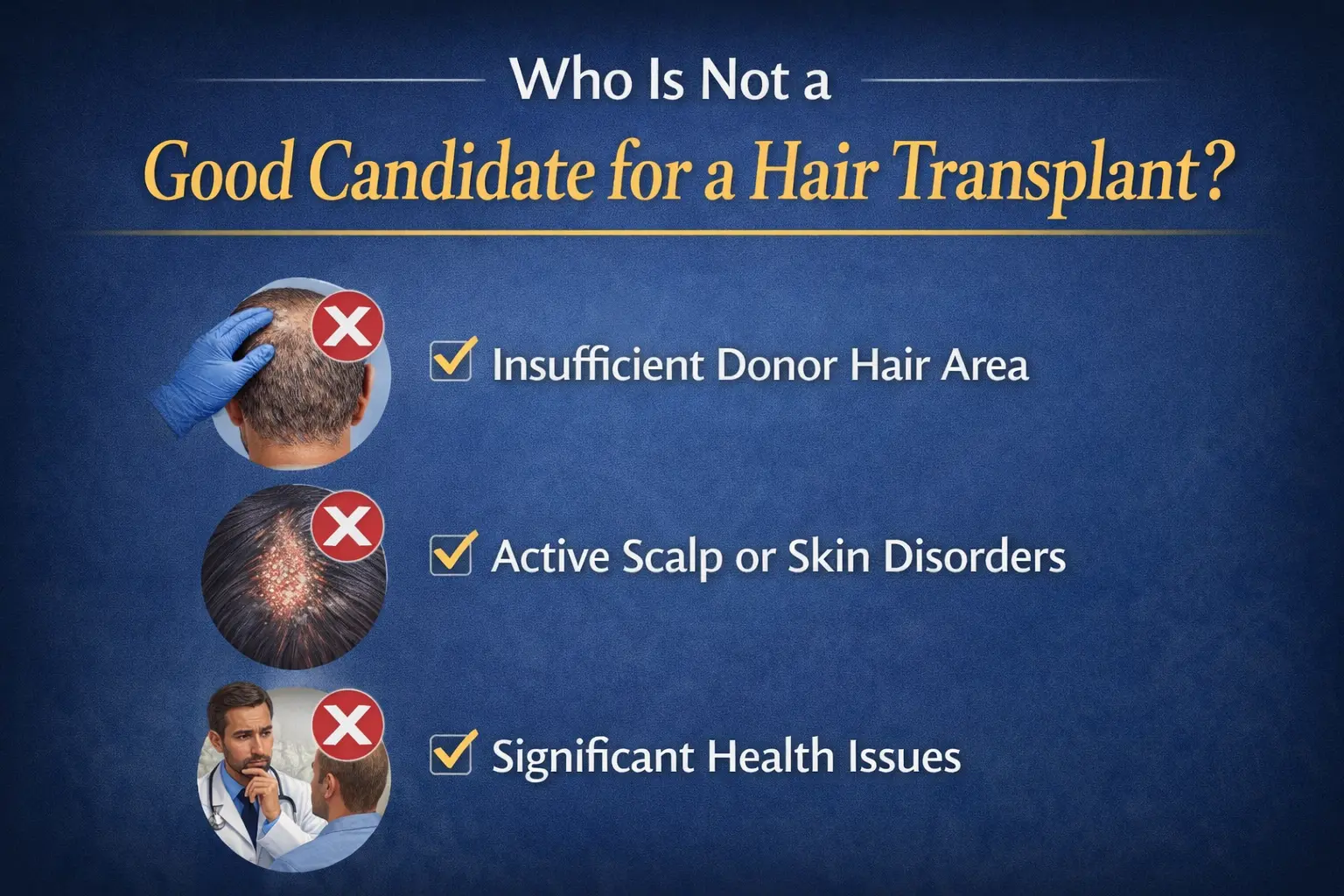

Hair transplantation can be an effective and permanent solution for hair loss when applied to the right candidate. However, not everyone experiencing hair thinning or baldness is a suitable candidate for this procedure. A thorough medical evaluation is essential to determine whether hair transplantation is appropriate, safe, and likely to deliver natural-looking results.
Below are the main patient groups who may not be good candidates for a hair transplant or who should postpone the procedure until certain conditions are addressed.
Patients with Insufficient Donor Area
A successful hair transplant relies heavily on the quality and density of the donor area, typically located at the back and sides of the scalp.
Individuals with:
- Very low donor hair density
- Weak or miniaturised donor follicles
- Extensive hair loss affecting both donor and recipient areas
may not have enough healthy grafts to achieve satisfactory coverage. In such cases, alternative non-surgical treatments or medical therapies may be recommended.
Individuals with Advanced or Unstable Hair Loss
Hair loss that is still actively progressing can negatively affect long-term transplant results. Patients with:
- Rapid ongoing hair loss
- Unstable androgenetic alopecia
- No clear pattern of hair loss
may experience uneven or unnatural results over time. Hair transplantation is generally more suitable once hair loss has stabilised, often supported by medical treatments.
Patients with Diffuse Unpatterned Alopecia (DUPA)
Diffuse Unpatterned Alopecia is a condition where hair thinning occurs across the entire scalp, including the donor area. Since donor follicles are also affected, harvesting grafts can further weaken overall hair density and lead to unsatisfactory outcomes. For these patients, hair transplantation is usually not recommended.
People with Certain Scalp or Skin Conditions
Active scalp diseases can interfere with healing and graft survival. Hair transplantation should be postponed or avoided in patients with:
- Active dermatitis or psoriasis on the scalp
- Fungal or bacterial scalp infections
- Severe scarring alopecia
A dermatologist’s evaluation and treatment of the underlying condition is required before considering any surgical intervention.
Patients with Uncontrolled Medical Conditions
Certain systemic health issues may increase surgical risks or impair recovery. Hair transplantation may not be suitable for individuals with:
- Uncontrolled diabetes
- Blood clotting disorders
- Autoimmune diseases affecting hair follicles
- Severe cardiovascular conditions
In these cases, clearance from a relevant medical specialist is essential before proceeding.
Individuals with Unrealistic Expectations
Hair transplantation improves appearance but does not restore original childhood hair density. Patients expecting:
- Immediate results
- Extremely dense outcomes regardless of hair loss stage
- Guaranteed perfection
may be disappointed. A realistic understanding of achievable results is critical for patient satisfaction and ethical medical practice.
Individuals Under the Age of 18
As with all aesthetic and medical procedures, hair transplantation is recommended within a certain age range. One of the main reasons for this is that hair loss can continue to progress until a specific age, making long-term planning essential. For this reason, the generally accepted minimum age for hair transplant procedures is 24. Many physicians advise against undergoing hair transplantation before this age, as hair loss patterns may not yet be fully established.
That said, it is known that in some exceptional cases, hair transplant procedures may be performed on individuals over the age of 18 who experience significant or aggressive hair loss. These decisions are never routine and must be based on careful medical evaluation.
If you are over 18 and considering a hair transplant, it is crucial to consult directly with a specialised hair transplant clinic and an experienced physician. For younger patients, a detailed assessment of the hair follicles and scalp condition is required before determining suitability. In addition, the individual’s overall health status should be evaluated, and the donor area must be carefully examined to ensure sufficient hair density. An adequate number of healthy grafts is a key factor in achieving a safe procedure and successful results with modern hair transplant techniques.
Why a Professional Medical Assessment Matters
Determining candidacy for hair transplantation requires:
- Detailed scalp and hair analysis
- Evaluation of donor area quality
- Review of medical history
- Discussion of expectations and long-term planning
A personalised consultation ensures patient safety, realistic outcomes, and ethical treatment planning.
Important Notice: This content is for informational purposes only. Hair transplantation suitability must always be assessed by a qualified medical professional. For personalised advice, consult a specialised hair restoration physician.
Hair transplantation can deliver successful outcomes when performed on the right patient at the appropriate time. However, not every individual is an ideal candidate for a hair transplant procedure. Factors such as age, the progression of hair loss, the adequacy of the donor area, overall health status, and having realistic expectations play a crucial role in treatment planning. Especially in younger individuals, hair transplant procedures performed too early may lead to aesthetically unsatisfactory results in later years. For this reason, the decision to undergo a hair transplant should always be made following a thorough evaluation by a qualified specialist. A personalised approach based on scientific principles and communicated with transparency is essential for ensuring patient safety as well as achieving natural and satisfying results. For more detailed information about our hair transplant procedures and treatment options, please feel free to contact us.