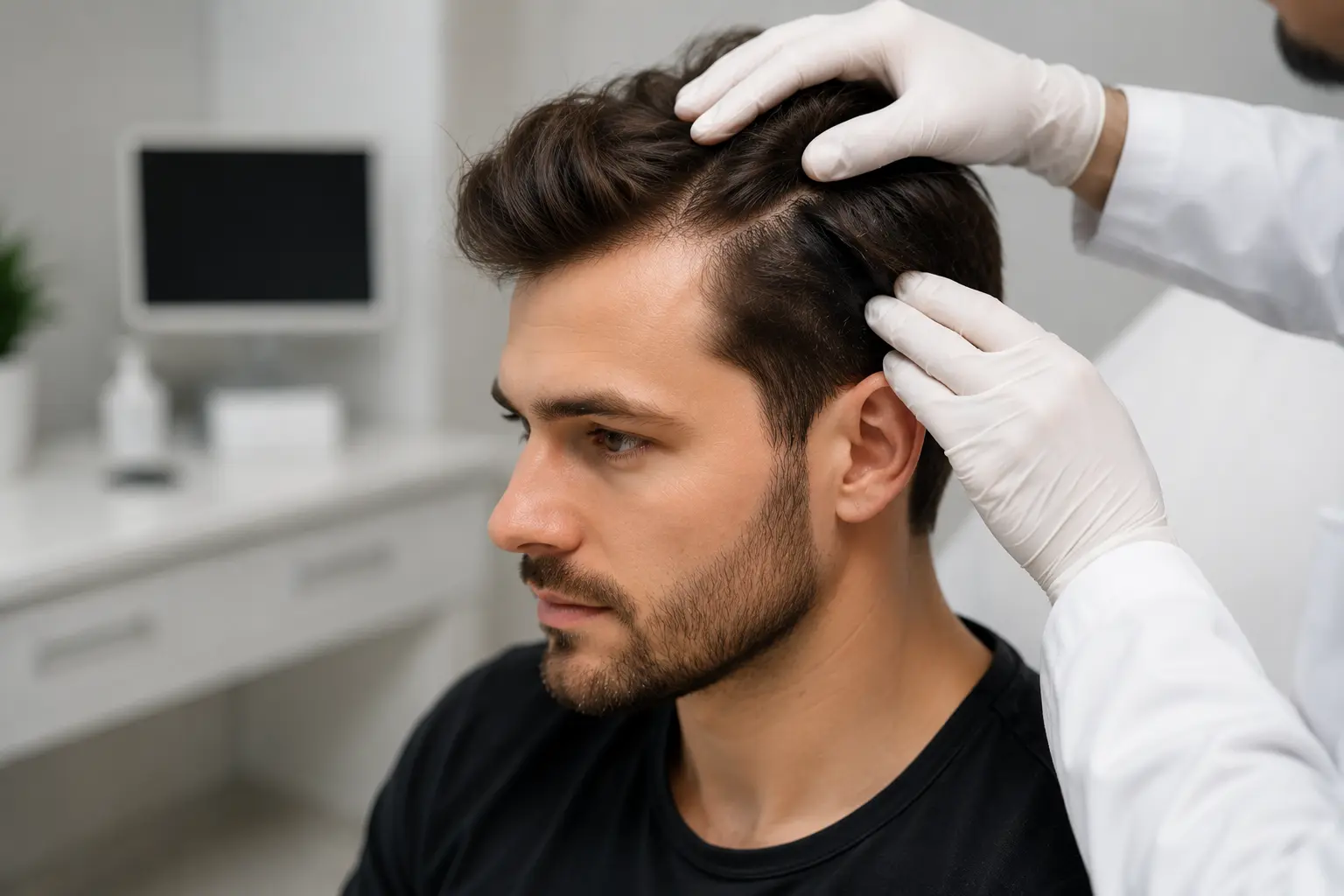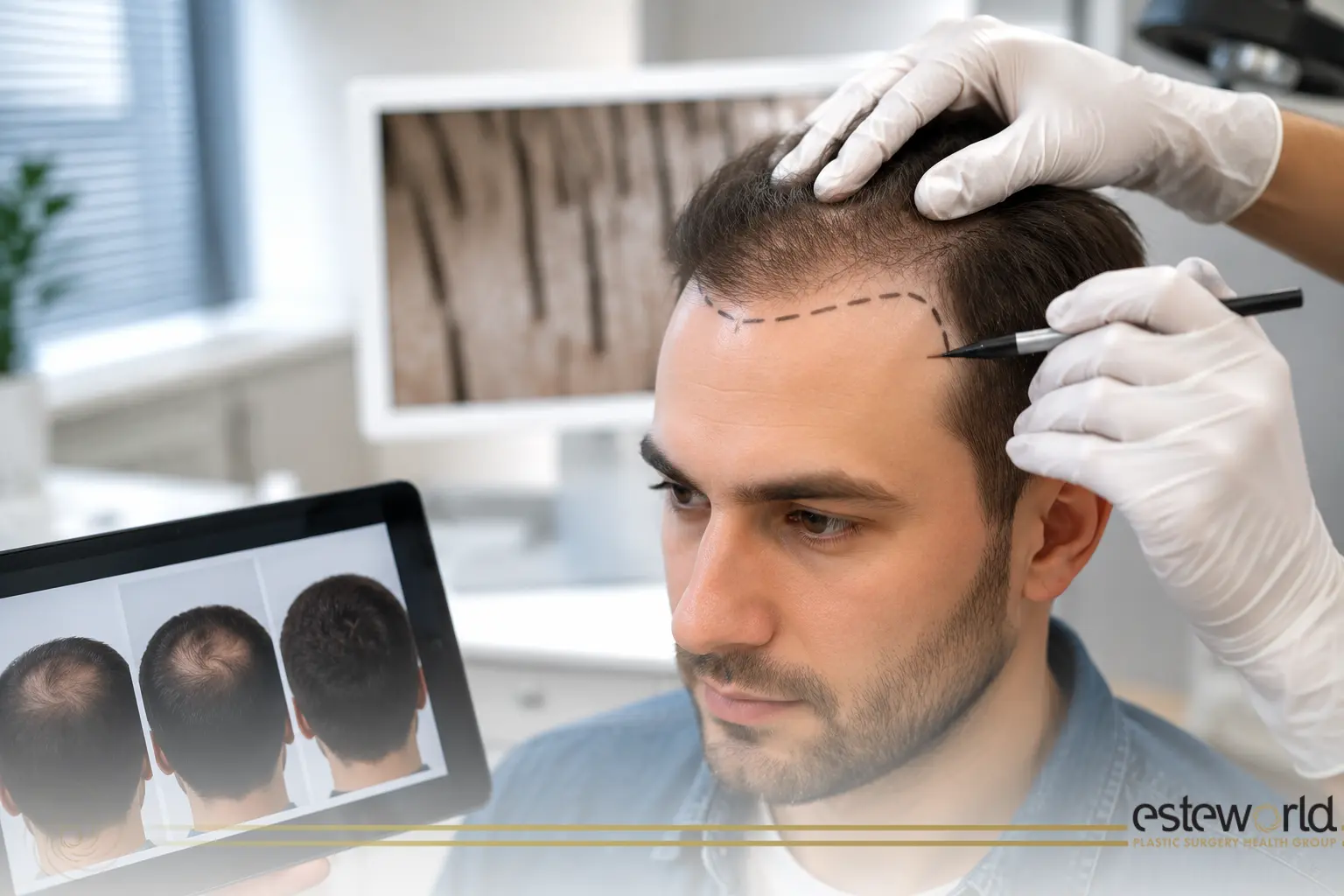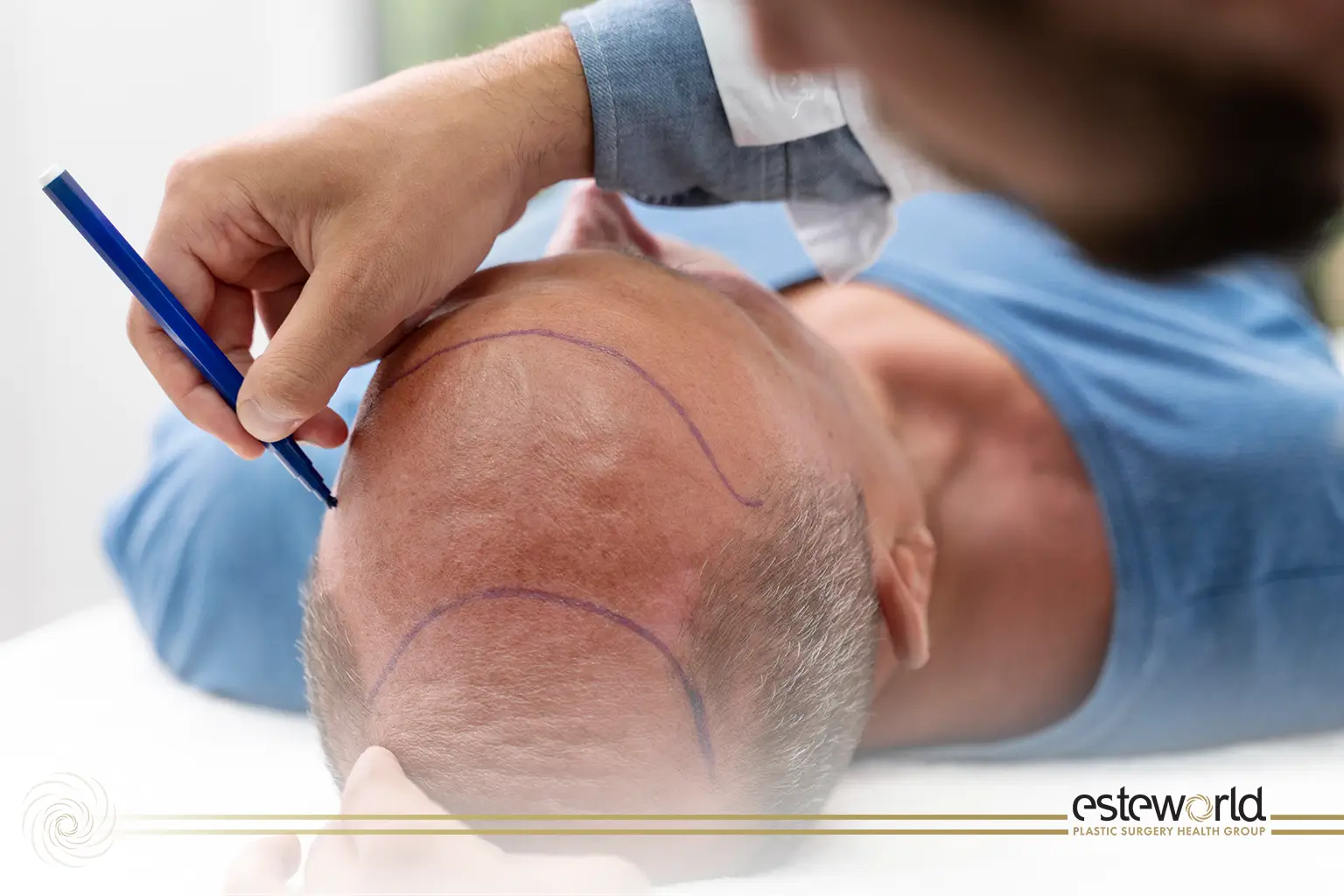

What Is Hair Transplant on Crown?
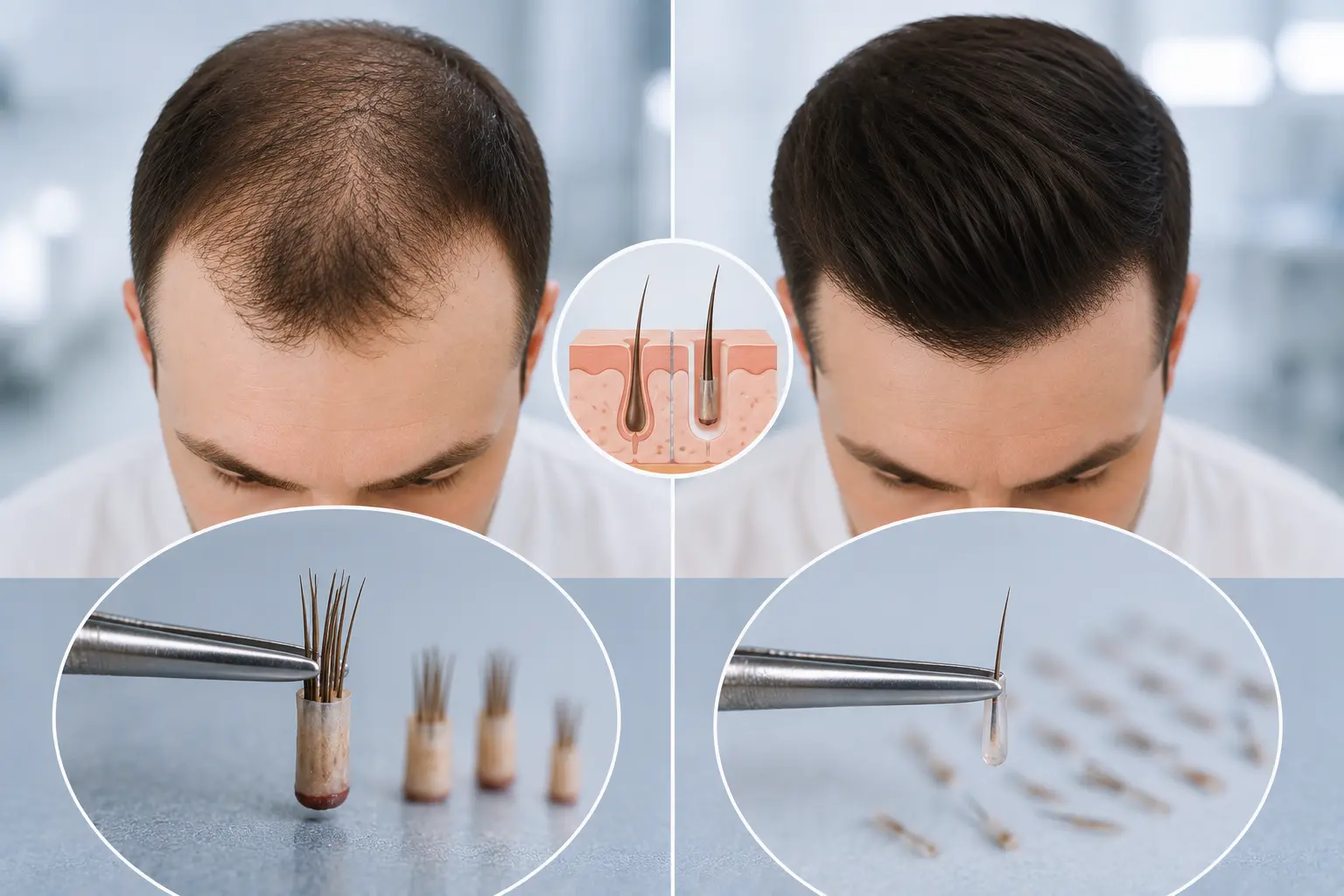
Hair transplant on crown refers to the process of restoring hair to the crown, also known as the vertex area of the scalp. This part, located at the top and back of the head, is often the most challenging area to treat due to its circular shape and lower blood circulation. Individuals suffering from male pattern baldness frequently experience hair thinning or complete baldness in the crown, making a hair transplant on crown a highly sought-after solution. A successful hair transplant on crown not only enhances appearance but also significantly boosts self-confidence.
Causes of Hair Loss in the Crown Area
Hair loss in the crown area is most commonly caused by androgenetic alopecia, or male pattern baldness. This genetic condition affects the hair follicles, gradually causing them to shrink and produce thinner hair until growth ceases altogether. However, other factors such as hormonal imbalances, nutritional deficiencies, chronic stress, and certain medical conditions can also lead to crown hair loss. In some cases, the use of harsh hair products or tight hairstyles can exacerbate the thinning in this region.
Why the Crown Area Is Difficult to Treat
The crown area presents unique challenges in hair transplantation:
- It requires a spiral pattern of implantation to replicate the natural hair whorl.
- Blood circulation is lower, which may affect graft survival.
- Achieving full coverage with natural density often needs a high number of grafts.
Because of these complexities, it’s vital to choose an experienced surgeon who specializes in hair transplant on crown procedures.
Hair Transplant Techniques Used for Crown Area
Two primary techniques are used in hair transplant on crown:
Follicular ni Extraction (FUE)
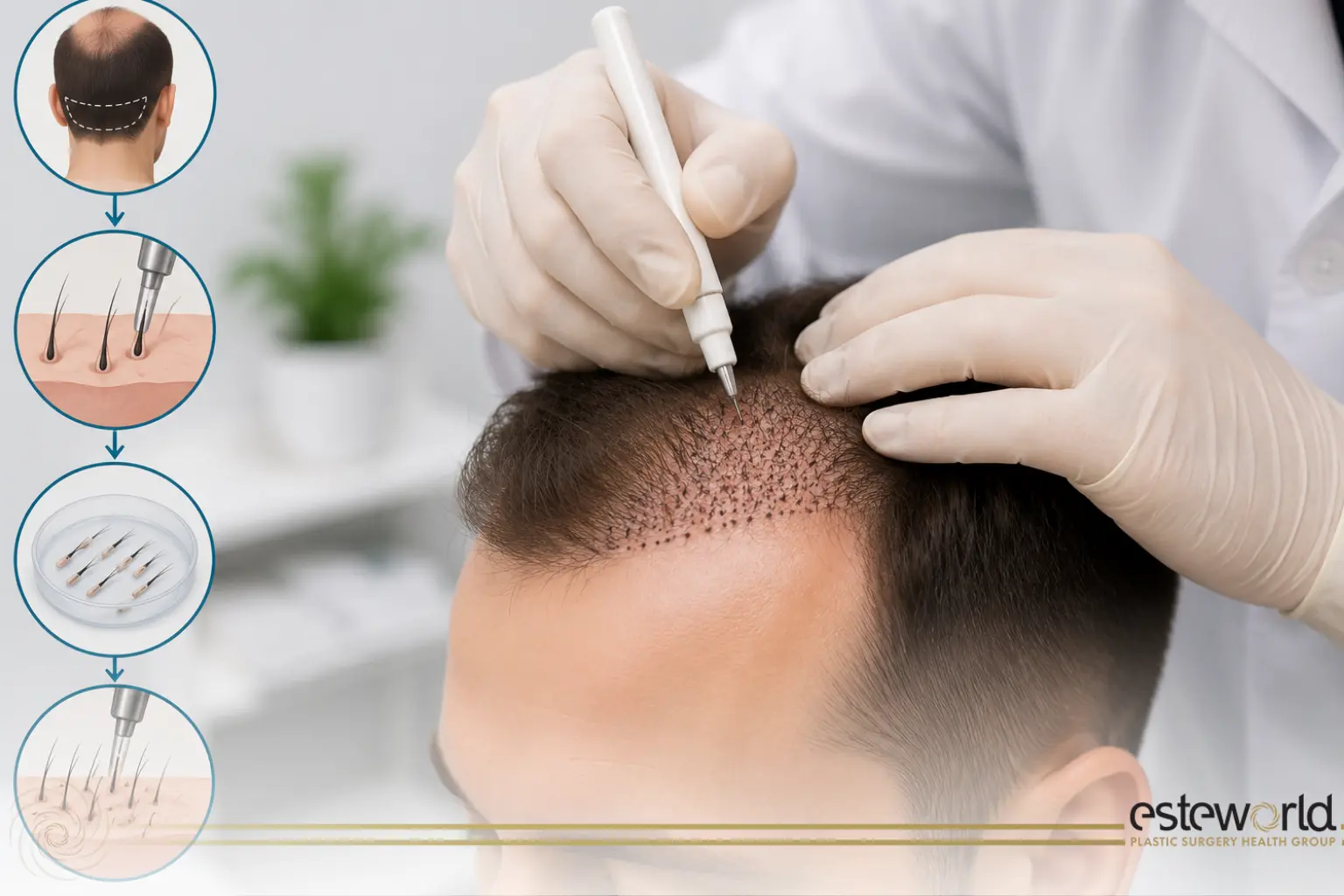
FUE is a minimally invasive method where individual hair follicles are harvested from the donor area (usually the back and sides of the scalp) and transplanted into the crown. This technique leaves minimal scarring and has a faster recovery time.
Follicular Unit Transplantation (FUT)
Also known as the strip method, FUT involves removing a strip of scalp from the donor area and dissecting it into follicular units. Though it can provide a large number of grafts, it leaves a linear scar.
Both techniques can be effective for the crown, but FUE is generally preferred due to its precision and lower invasiveness.
Ideal Candidates for Hair Transplant on Crown
Not everyone is a suitable candidate for hair transplant on crown. Ideal candidates usually:
- Have stabilized hair loss (no rapid progression)
- Possess a sufficient donor area with dense hair
- Are in good general health
- Have realistic expectations about the outcome
It’s important to undergo a thorough consultation to determine whether the crown area can be successfully restored through surgery.
Step-by-Step Procedure of Crown Hair Transplant
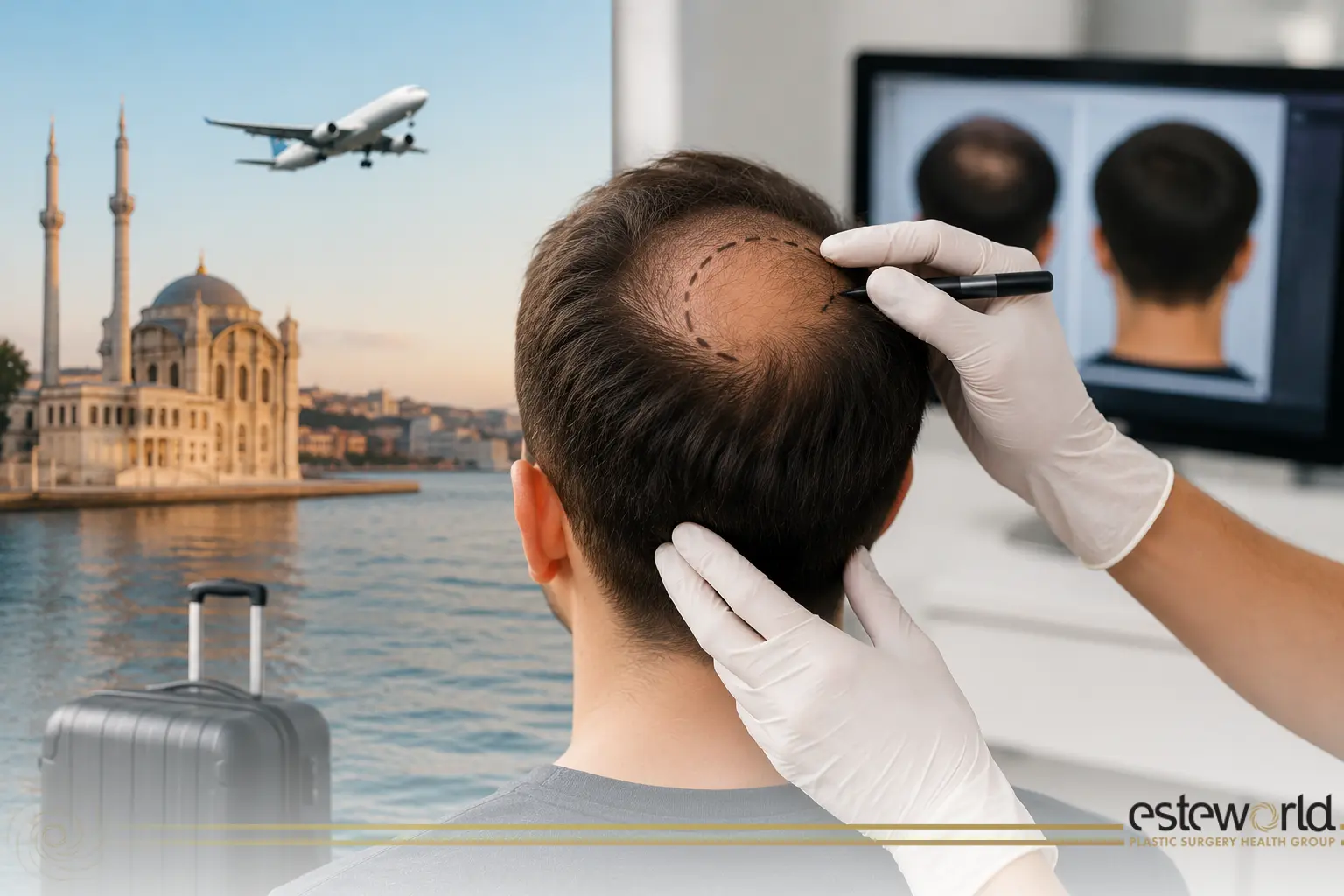
- Consultation & Assessment: The doctor evaluates the degree of crown hair loss and the donor area’s capacity.
- Planning the Transplant: A natural hair whorl pattern is designed to match existing growth.
- Graft Extraction: Hair follicles are harvested using either FUE or FUT.
- Recipient Site Creation: Tiny incisions are made following the spiral growth direction of the crown.
- Implantation: Grafts are placed carefully to achieve maximum density and natural appearance.
- Post-Operative Care: Instructions are provided for healing and optimal growth.
Recovery and Hair Growth Timeline
After a hair transplant on crown, recovery typically follows this timeline:
- 1–2 weeks: Scabs and redness subside.
- 1–3 months: Temporary shedding of transplanted hair (shock loss).
- 4–6 months: New hair starts to grow.
- 6–12 months: Noticeable improvement in density.
- 12–18 months: Final results are visible, with full density and texture.
Patience is key, especially in the crown area, as it tends to show slower growth compared to the hairline.
Success Rate of Hair Transplant on Crown
The success of hair transplant on crown depends on several factors, including the surgeon’s expertise, patient’s age, donor hair quality, and adherence to post-op care. While crown area transplants are more complex, experienced professionals can achieve highly satisfying and natural results. A dense and well-designed spiral pattern can blend seamlessly with surrounding hair.
Risks and Complications
Though generally safe, hair transplant on crown carries potential risks:
- Minor swelling or infection
- Temporary numbness in donor or recipient area
- Uneven hair growth or less than expected density
- Scarring in the donor area (especially with FUT)
Most risks are minimal and preventable when the procedure is conducted by a skilled hair restoration surgeon.